Introduction
Have you ever wished you could transform your everyday meals into restaurant-quality masterpieces? With the right advanced cooking techniques and guided cooking methods, you can elevate your dishes and impress family and friends alike. Whether you’re a home cook seeking to level up your skills or a food enthusiast curious about professional tips, this article will walk you through practical steps. You’ll learn how to harness heat, master seasoning, and plate like a pro—all in simple, easy-to-follow terms. Get ready to sharpen your knives and open your mind to new culinary possibilities!
Mastering Heat Control
1. The Importance of Temperature
Cooking is a science of heat transfer. Whether you’re searing meat or reducing a sauce, understanding temperature is key.
- High Heat for Searing: To lock in juices, preheat your pan until it’s smoking slightly. A hot surface creates a flavorful crust on meats and vegetables.
- Low and Slow for Tenderness: Tough cuts like brisket or pork shoulder need gentle heat over hours. This breaks down connective tissue and yields melt-in-your-mouth results.
- Medium Heat for Sauces: Simmering a sauce at medium heat prevents scorching and allows flavors to meld.
2. Tools for Precision
Investing in simple tools can hugely impact your results:
- Instant-Read Thermometer: Ensures meats hit the perfect internal temperature—165°F for chicken, 130°F for medium-rare steak.
- Heavy-Bottomed Pan: Cast iron or stainless steel distributes heat evenly, reducing hot spots.
- Heat Diffuser: Place this under your pan on gas stoves to create a uniform cooking surface for delicate dishes.
By mastering heat control, you’ll elevate basic recipes into consistently successful dishes.
Layering Flavors with Seasoning Techniques
1. The Power of Salt
Salt is more than just a seasoning—it enhances natural flavors and balances sweetness or bitterness.
- Season Early and Often: Sprinkle a little salt on your meat or vegetables before cooking. This draws out moisture and creates a better sear.
- Finishing Salt: A pinch of flaky sea salt at the end adds a delightful crunch and bursts of flavor.
2. Building Depth with Aromatics
Aromatics—like onions, garlic, and ginger—are the foundation of many cuisines.
- Sweat First: Gently cook aromatics over low heat until soft, not brown, to release sweet, savory notes.
- Layer in Spices: Toast whole spices (cumin seeds, mustard seeds) in oil to awaken their oils before adding ground spices.
- Deglaze: After searing, pour in wine, broth, or vinegar to loosen browned bits (fond) on the pan. This adds deep, rich flavor to sauces.
3. Umami Boosters
To elevate your dishes further, incorporate umami-rich ingredients:
- Mushrooms, Soy Sauce, Miso: Add depth and savoriness to soups, stews, and stir-fries.
- Parmesan Rind: Simmer in sauces or broths to infuse a cheesy richness.
Layering flavors through strategic seasoning turns simple recipes into complex, satisfying meals.
Advanced Techniques for Protein
1. Sous-Vide Precision
Sous-vide cooking involves sealing food in a bag and cooking it in a water bath at a precise temperature.
- Benefits: Guarantees perfect doneness from edge to edge and retains moisture.
- Application: Common for steaks, chicken breasts, and even eggs. After sous-vide, finish with a quick high-heat sear for texture.
2. Reverse Searing
A two-step method for thick cuts of meat:
- Low-Temperature Roast: Cook the meat in a low oven (250°F) until just below your target internal temperature.
- Hot Pan or Grill Sear: Quickly sear on high heat to develop a caramelized crust.
Reverse searing yields unparalleled tenderness and flavor contrast.
Guided Cooking Methods for Consistency
1. Follow Reliable Recipes
Using tested recipes from trusted chefs or reputable cookbooks provides a solid roadmap. Look for:
- Step-by-Step Photos or Videos: Visual guides help ensure you’re on track.
- Precise Measurements: Especially important in baking or emulsifications like hollandaise sauce.
2. Cooking Classes and Online Tutorials
Investing in guided instruction accelerates your learning curve:
- Virtual Classes: Platforms like MasterClass or America’s Test Kitchen allow you to cook alongside professionals in real time.
- Local Workshops: Hands-on classes provide immediate feedback on technique, from knife skills to sauce making.
A guided approach demystifies complex processes and builds confidence.
Plating and Presentation
1. The Visual Feast
We eat with our eyes first. Attractive plating enhances perceived flavor and enjoyment.
- Balance and Contrast: Arrange protein, starch, and vegetable in thirds on the plate. Use color contrasts—bright greens, deep reds—to catch the eye.
- Height and Texture: Stack or lean elements for visual interest. Add crunch with toasted nuts or crispy shallots.
2. Simple Garnishes
A final touch can make a dish feel gourmet:
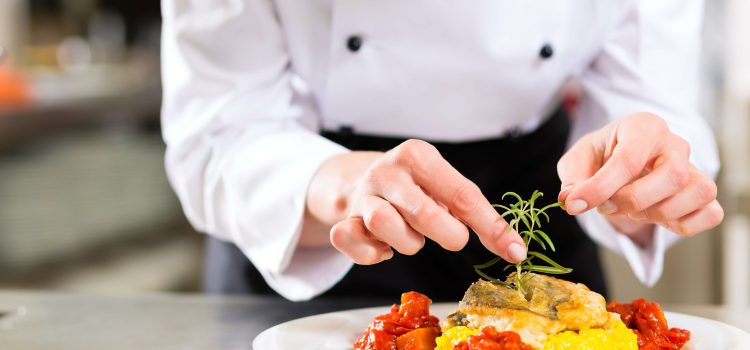
- Fresh Herbs: A sprig of parsley or basil adds color and freshness.
- Microgreens: Tiny leaves offer a pop of flavor and elegance.
- Drizzles and Dots: Use a squeeze bottle to dot sauces artfully around the plate.
Mastering presentation completes the transformation of your dishes from homey to haute.
Elevating Vegetables and Sides
1. Roasting for Caramelization
Roasting vegetables at high heat (425°F) brings out natural sugars for deep flavor.
- Toss in Oil and Seasoning: Olive oil, salt, pepper, and herbs create a simple seasoning base.
- Don’t Overcrowd: Give pieces space so they brown, not steam.
2. Creamy Purees
Smooth vegetable purees make elegant sides:
- Cook Vegetables Until Tender: Potatoes, cauliflower, or carrots.
- Blend with Liquid: Add broth, milk, or cream for desired texture.
- Finish with Butter: Richness and sheen elevate the final dish.
3. Grains and Legumes
Upgrade simple grains with cooking liquid infusions:
- Toasted Rice: Sauté rice in oil before adding broth for nutty depth (pilaf method).
- Infused Broths: Cook quinoa or farro in lightly spiced broth for added flavor.
Thoughtful side dishes round out a memorable meal.
Practice and Patience
1. Document Your Progress
Keep a cooking journal to record:
- Successful Techniques: Note temperatures, timing, and tweaks that worked.
- Lessons Learned: Record any mishaps—too salty, undercooked—and solutions.
2. Experiment with Confidence
Once you master basics, improvise:
- Swap herbs and spices to suit your taste.
- Adjust cooking times for different produce types.
- Combine techniques—try a sous-vide vegetable then finish with a quick char on the grill.
Consistent practice turns advanced methods into second nature.
Conclusion
Elevating your dishes doesn’t require a professional kitchen. By mastering heat control, layering flavors, and adopting advanced cooking techniques, any home cook can achieve stunning results. Guided methods—through trusted recipes, classes, or virtual tutorials—ensure consistency and build confidence. Don’t overlook presentation: simple garnishes and thoughtful plating bring your creations to life. Finally, practice and patience are your best allies. Keep experimenting and documenting your journey, and soon you’ll transform everyday meals into culinary masterpieces. Embrace these tips and guide yourself toward a more vibrant, flavorful cooking experience—your taste buds (and your guests) will thank you!