As the world grapples with the ongoing COVID-19 pandemic, it’s essential now more than ever to maintain proper hygiene and cleanliness in our communities. The importance of clean surroundings cannot be overstated, especially when it comes to preventing the spread of illnesses. By maintaining a clean environment, we can significantly reduce the risk of contracting and spreading diseases not just within our homes but also throughout our community. In this blog post, we’ll explore how keeping your surroundings clean can go a long way in ensuring your health and safety as well as that of everyone around you. So buckle up and get ready for some eye-opening insights on why maintaining cleanliness is critical for building safer communities!
What is cleanliness?
In short, cleanliness is both the state of being clean and free from dirt, and the process of achieving and maintaining that state. It is important to maintain cleanliness in order to prevent the spread of germs and illness. There are many ways to keep your community clean, such as sweeping streets, picking up litter, and washing hands.
The importance of cleanliness in preventing illness
It is important to maintain cleanliness in order to prevent illness. This can be done by washing hands regularly, disinfecting surfaces, and avoiding contact with sick people.
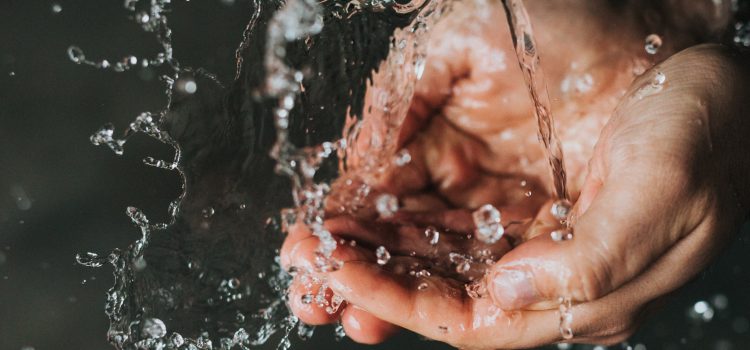
handwashing is one of the best ways to prevent the spread of illness and protect yourself and others from getting sick.
Washing your hands regularly with soap and water for at least 20 seconds is one of the most effective ways to prevent the spread of disease. You should wash your hands:
· After blowing your nose, sneezing, or coughing
· Before and after eating or handling food
· After using the restroom or changing diapers
· After caring for a sick person or touching an animal
Tips for maintaining cleanliness in your home
It is important to maintain cleanliness in your home to help keep your community safe from illness. There are a few simple tips that you can follow to help keep your home clean:
1. Make sure to regularly clean all surfaces in your home, including countertops, floors, and furniture.
2. vacuum and dust regularly to remove dirt, dust, and other debris from your home.
3. In the kitchen, make sure to wash dishes promptly after use and to clean up spills immediately.
4. Bathrooms should be kept clean at all times by wiping down surfaces and cleaning the toilet area daily.
5. Laundry should be done on a regular basis to prevent the build-up of dirt and bacteria.
Tips for maintaining cleanliness in your community
Assuming you would like tips for maintaining cleanliness in your own community:
1. Have regular cleanup days where everyone comes together to help spruce up the area. This could involve picking up litter, trimming bushes and trees, painting benches or buildings, etc.
2. Create or join a neighborhood watch program to help deter crime and keep an eye out for suspicious activity.
3. Get to know your neighbors and look out for each other – offer to help them with yard work or housework if you’re able to, and let them know if you’re going on vacation so they can keep an eye on your property.
4. Speak up if you see someone littering or vandalizing property – most people are more likely to listen if it’s coming from a neighbor than from a stranger.
5. Support local businesses to help keep your community thriving.
How to get involved in keeping your community clean
There are many ways to get involved in keeping your community clean. You can start by picking up litter when you see it. You can also encourage others to do the same. You can also get involved in community clean-up days or events. You can also help to keep public areas, such as parks and playgrounds, clean. Finally, you can report any areas that are not being properly maintained to the appropriate authorities.
Conclusion
In conclusion, maintaining cleanliness is essential for keeping your community safe from illness. Regularly sanitizing surfaces and washing hands can reduce the spread of germs and help prevent illnesses from spreading. Additionally, properly disposing of garbage will ensure that hazardous materials are disposed of in a responsible manner. By taking these steps and encouraging others in your community to do so as well, you can protect yourself and those around you from any potential danger posed by a lack of hygiene.