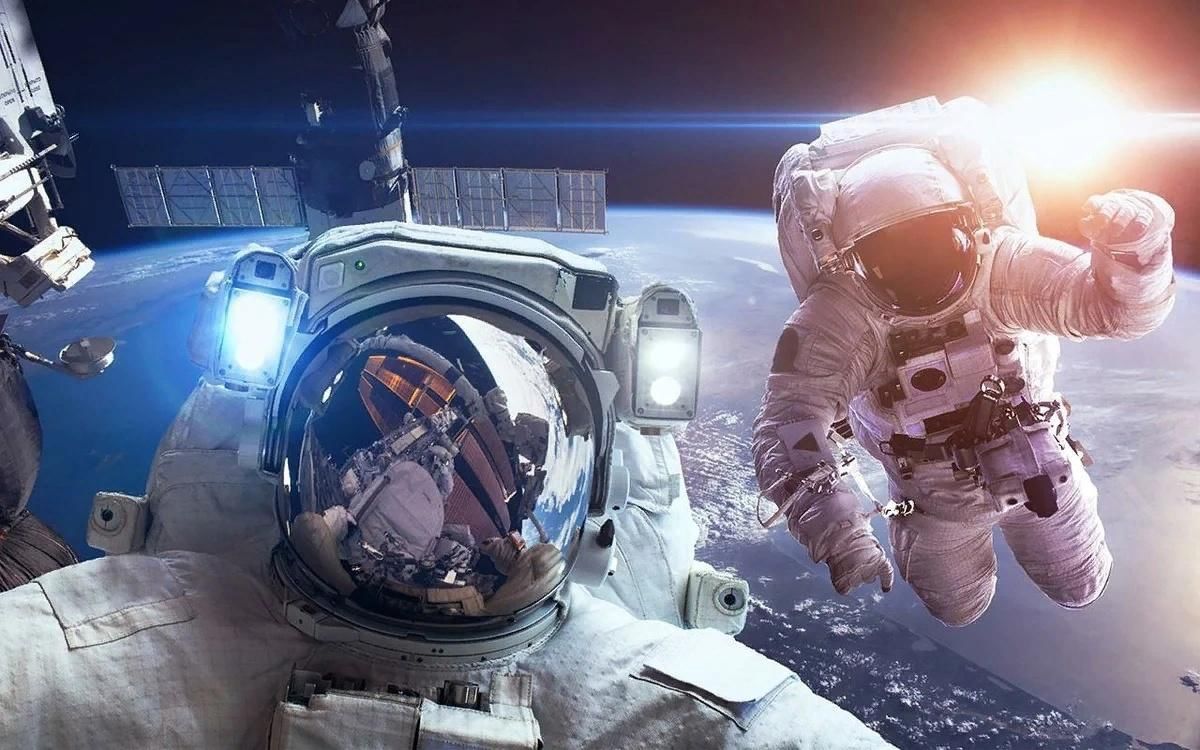
Space exploration has always been a realm that sparks curiosity and ambition. From humanity's first steps on the Moon to planning missions to Mars, our fascination with the cosmos knows no bounds. But space exploration is no longer confined to government agencies or long-standing players like NASA and ESA. We're entering a new era with groundbreaking technologies, private sector involvement, and international collaborations that are reshaping our understanding of the universe.
This blog dives into the key innovations driving today's space exploration, their implications for the future, and how you, as a space enthusiast, can engage with this new frontier.
To understand where we're going, it helps to look back at some of the pivotal moments in space exploration's history.
It all began in the mid-20th century with the Space Race, a period of intense competition between the United States and the Soviet Union. Key milestones included the launch of Sputnik 1 in 1957—the first artificial satellite—and Yuri Gagarin becoming the first human in space in 1961. Just eight years later, humanity reached a new peak with the Apollo 11 Moon landing, marking Neil Armstrong's immortalized first steps on the lunar surface.
Over the years, advancements in technology significantly expanded our capabilities for exploring space. Innovations such as reusable spacecraft (think Space Shuttle missions), GPS-enabled satellites, and interplanetary probes like Voyager have laid the foundation for modern endeavors. These achievements not only answered age-old questions about our solar system but also widened the horizons for future exploration.
Space exploration today is accelerating at an unprecedented pace due to cutting-edge innovations. Here's a closer look at the breakthroughs redefining how we reach and explore the cosmos.
Traditional chemical propulsion systems made early milestones possible but had significant limitations in cost and reusability. Now, reusability is a focus, particularly with innovations like SpaceX's Falcon 9 rocket, which drastically reduces launch costs by enabling rockets to return and land safely. Meanwhile, new technologies such as ion and nuclear propulsion are promising next-generation spacecraft with higher efficiency and faster travel times.
Artificial intelligence (AI) and robotics are revolutionizing space missions. Autonomous rovers like Perseverance, currently traversing Mars, are equipped with AI that allows them to adapt to their environments. Similarly, robotic arms and drones are assisting astronauts aboard the International Space Station (ISS) with maintenance tasks. These technologies are also being tested for use in deep-space exploration, where human intervention is often impossible.
Satellite technology has moved far beyond telecommunications. Modern nanosatellites, or CubeSats, have democratized space, allowing researchers, universities, and private companies to launch affordable missions. These innovative satellites are used for global internet access (e.g., SpaceX's Starlink), environmental monitoring, and even tracking climate change in real time.
The next decade promises to be nothing short of extraordinary for space exploration, bringing forth projects and concepts that were once confined to the realm of science fiction.
One of the most anticipated missions is NASA's Artemis program, aimed at returning humans to the Moon, this time using it as a gateway for further exploration. Meanwhile, Mars is the next big frontier. NASA and international organizations aim to send humans to the Red Planet by the 2030s, with SpaceX taking ambitious steps toward its colonization.
Private companies like Blue Origin, Virgin Galactic, and SpaceX are leading the way in making space more accessible to civilians. Suborbital flights are becoming a reality, allowing tourists a glimpse of space's wonders. The possibility of orbiting hotels or even long-term lunar stays could turn commercial space travel into a thriving industry.
Space exploration is becoming increasingly collaborative, breaking the boundaries of individual nations. The Lunar Gateway project, developed by NASA, ESA, and other global agencies, aims to create a permanent lunar outpost. Additionally, China's space program has established a successful lunar presence and is forging partnerships for further exploration.
Exploring space is not a goal unto itself—it has far-reaching implications and benefits for humanity as a whole.
Space research continually pushes the boundaries of what's possible, leading to practical innovations that benefit Earth-based industries. GPS, weather prediction systems, and even medical technologies like CT scans had their origins in space research. The growing space economy also drives job creation in engineering, science, and manufacturing.
Satellites play a critical role in addressing some of Earth's biggest challenges. From monitoring climate change to supporting disaster response efforts, space technology provides data that drive real-world solutions. Space exploration also fosters international cooperation, offering a hopeful counterbalance to geopolitical tensions.
Space inspires like little else. The progress we make pushes STEM education into the spotlight, encouraging young minds to imagine and create a better future. With global interest in space at an all-time high, exposure to space initiatives continues to ignite curiosity and drive innovation.
Excited by what’s happening in the world of space exploration? Here’s how you can play a part, even from Earth!
If you're a STEM educator, use these topics to inspire students about the infinite possibilities beyond our skies.
Space exploration is no longer just about venturing into the unknown; it’s about innovation, collaboration, and finding solutions to Earth’s challenges. Whether through designing advanced technologies or inspiring young scientists, the progress we're witnessing today has the potential to secure humanity's place in the universe.
Whatever your role—observer, student, or professional—your interest and curiosity in space exploration contribute to a larger purpose. Join this interstellar renaissance by staying informed, engaging in discussions, or participating in educational initiatives.
The future of space isn’t just for astronauts or agencies—it’s for everyone with their eyes turned skyward.
Subscribe to our newsletter!