Sarah Jones is a veteran real estate journalist with over 15 years of experience covering market trends, urban development, and the future of work. She's passionate about exploring how changing lifestyles and technological advancements are impacting the built environment.
The rise of remote work has triggered a seismic shift in work culture, with profound implications for the real estate landscape. As commutes shrink or vanish entirely, businesses, urban dwellers, and real estate developers are all facing a wave of change. Let's delve into how this trend is reshaping real estate across the board.
Fueled by technological advancements and the global pandemic, remote work has surged in popularity. According to a Pew Research Center study, a staggering 70% of employed Americans now have the option to work remotely at least some of the time. This shift has fundamentally altered employee expectations and redefined the role of physical office space.
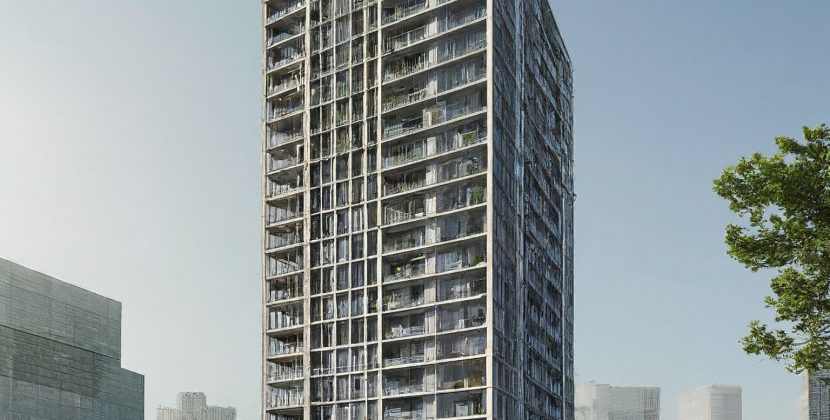
The traditional urban core, once a hub for corporate headquarters and dense office clusters, is undergoing a transformation. With fewer employees commuting daily, the need for vast office spaces wanes. This presents an opportunity to convert traditional office buildings into mixed-use developments featuring residential units, co-working spaces, and vibrant public areas that foster collaboration and social interaction.
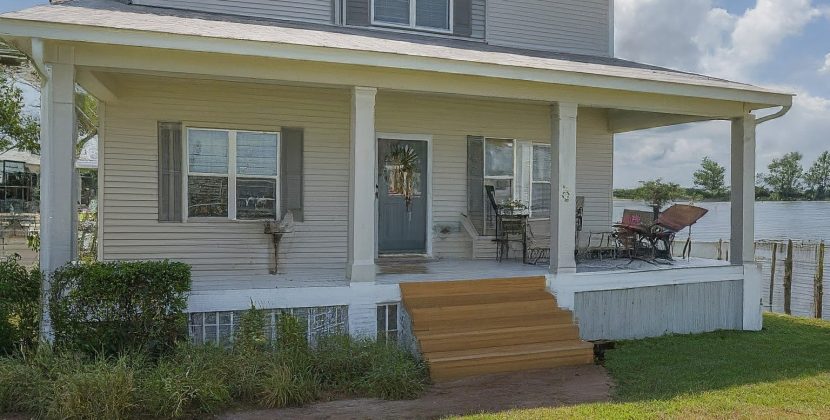
The appeal of suburban living – with its affordability, spacious accommodations, and family-friendly atmosphere – is rekindled by the remote work revolution. Professionals seeking larger homes with dedicated workspaces are flocking to suburbs. This trend is driving demand for well-equipped home offices and high-speed internet infrastructure in suburban communities.
Table 2: The Evolution of Suburban Living
The remote work trend necessitates a strategic reevaluation of your real estate footprint. Consider downsizing large office spaces and exploring flexible workspace arrangements like co-working memberships. Invest in technology that facilitates seamless remote collaboration and communication.
With the commute out of the equation, prioritize functionality within your living space. Create a dedicated home office or carve out a quiet workspace that fosters productivity. Consider the proximity to amenities and green spaces – factors that contribute to overall well-being.
The future of real estate favors developers who embrace flexibility and cater to the evolving needs of a remote workforce. Design mixed-use communities that integrate residential units with co-working spaces, high-speed internet infrastructure, and amenities desirable to a work-from-home population.
The remote work phenomenon is prompting a paradigm shift in the real estate industry. The future lies in a more flexible and human-centric approach that prioritizes not just square footage but also functionality, well-being,
Subscribe to our newsletter!