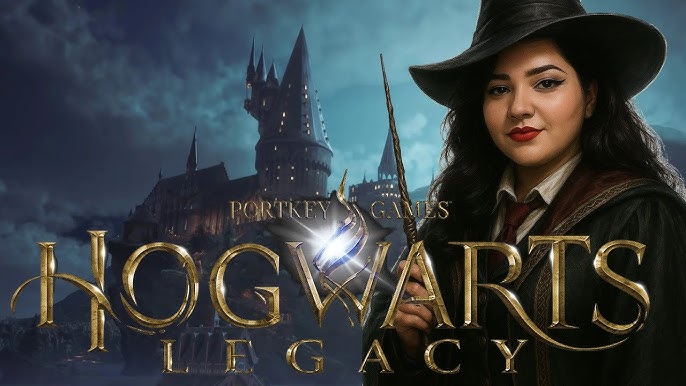
Weeks before launch, protest groups organized:
On launch day, online and offline actions included:
Although these efforts did not halt sales, they kept attention on the controversy.
Since 2018, J.K. Rowling has faced criticism for social media posts and essays seen by many as transphobic. Fans and LGBTQ rights groups argued her views harmed transgender people by denying their identities. Although Rowling did not directly work on Hogwarts Legacy, her role as creator of the Harry Potter universe made it impossible to separate her from the game’s success.
In response to Rowling’s comments, LGBTQ gamers and allies formed online campaigns:
These campaigns set the stage for protests as release day approached.
Despite protests, Hogwarts Legacy saw robust sales:
Within fan groups, opinions varied:
This divide underscored differing views on whether art can be disentangled from art’s creator.
The controversy over Hogwarts Legacy has prompted broader discussions in the Harry Potter franchise:
Warner Bros. must weigh brand loyalty against evolving social values and consumer demands.
The Hogwarts Legacy case offers key takeaways for publishers and developers:
Future titles can learn from both the successes and missteps of the Hogwarts Legacy rollout.
Subscribe to our newsletter!