There’s nothing more fun than playing games with friends online! We offer all sorts of two-player games including 1 v 1 Fighting Games, work together in two-player Co-op Games, play with 2 or more players in our Board Games, play Basketball, Soccer, Football and more in our Sports Games, or discover dozens of other games. Examples of popular two player games we have are TicTacToe, Master Chess and Basketball Stars. Whether you like to play games together and be on the same team by battling against the environment or competing against each other, we got it all!
You can play our online 2 Player Games on your PC, mobile phone, or tablet without downloading anything. Access our web games from your browser for free. Our games can be played without Flash. Most of our 2 Player Games can be played together on one computer. Some of the games you can also play together on different computers, see our .io Games or online-worlds.
How to Play 2 Player Games?
Most of our 2 Player Games require just one computer with one keyboard. The keys are mentioned in the walkthrough, game menu, or description. For example, one player uses the arrow keys while the other uses the WASD keys. So, share the screen and keyboard together and enjoy playing.
Most of our 2 Player Games can also be played on mobile phones and tablets. Here the screen will be divided into multiple parts, and each player controls from their own part.
In the digital age, where attention spans are short and competition is fierce, the visual representation of your brand can make or break your business. Nova Pixels Design, a premier design studio based in Miami, understands this dynamic and offers comprehensive graphic design services that blend creativity with strategy to elevate your brand’s presence.
Nova Pixels Design, a creative powerhouse based in Miami, specializes in helping businesses unlock their full visual potential through a range of expert graphic design services. Whether you’re a startup building brand awareness or an established company refreshing your image, Nova Pixels ensures your brand doesn’t just look good—it works hard for you.
Why Graphic Design Is More Than Just Looks
Graphic design is often misunderstood as just “making things pretty.” In reality, it’s about problem-solving through visual communication. Effective design simplifies complex ideas, influences emotions, and drives user behavior. Whether you’re trying to encourage someone to sign up, buy now, or trust your brand, good design is the silent engine behind every successful action.
Let’s explore how Nova Pixels Design approaches graphic design with purpose and precision.
The Nova Pixels Approach to Graphic Design
Nova Pixels Design doesn’t deliver cookie-cutter templates or one-size-fits-all visuals. Their team combines strategic thinking, data analysis, and bold creativity to deliver visuals that align with your business goals. Their process is grounded in user behavior, analytics, and your brand’s core values.
Here are the standout services that make Nova Pixels a leader in graphic design:
1. Social Media Design: Making You Unmissable in the Feed
In an era dominated by platforms like Instagram, LinkedIn, and TikTok, your social media visuals aren’t just decoration—they’re your first handshake with potential customers. Nova Pixels crafts scroll-stopping visuals tailored to each platform and audience.
These aren’t just pretty posts. They’re designed with conversion, engagement, and consistency in mind. From story templates to post carousels, Nova Pixels ensures every piece of content builds your brand identity and keeps your audience engaged.
2. Presentation Design: Impress at First Sight
Presentations aren’t just for boardrooms anymore—they’re used in webinars, investor meetings, training programs, and client proposals. A cluttered, outdated slide deck can lose your audience before you even start talking.
Nova Pixels transforms mundane presentations into visual narratives that grab attention, build credibility, and tell your story effectively. Whether you’re pitching a new idea or reporting quarterly results, their design approach ensures your message lands with impact.
Whether for websites, online ads, email headers, or trade shows, banners are a key component of your visual ecosystem. Nova Pixels designs banners that combine bold visuals with clear calls to action, ensuring they not only look good but also drive results.
They focus on balance—ensuring that each element (headline, imagery, CTA) works in harmony to catch attention and communicate the message within seconds.
4. Custom Graphics and Illustrations: One-of-a-Kind Visual Assets
Stock images and generic icons don’t cut it anymore. To stand out in a crowded market, your brand needs unique visual assets that reflect its personality and values.
Nova Pixels provides custom graphics, infographics, and illustrations that are crafted to support your message and make your content more engaging. Whether you need visuals for blog posts, videos, apps, or print collateral, their custom solutions ensure your brand stands out.
5. AI-Powered Visuals: Future-Forward Design
Nova Pixels is not just keeping up with design trends—they’re shaping them. By integrating AI tools and automation into their workflow, they create visuals that are not only innovative but also adaptive and scalable.
These AI-powered graphics allow for dynamic, interactive, and data-driven visual experiences—something few agencies offer today. This positions Nova Pixels as a forward-thinking partner for brands looking to stay ahead of the curve.
The Benefits of Working with Nova Pixels
Here’s why businesses across industries trust Nova Pixels Design with their graphic needs:
Strategic Creativity: Every design decision is guided by research, user behavior, and marketing strategy.
Brand Consistency: Nova Pixels ensures all your visuals align with your brand voice and visual identity, maintaining cohesion across all platforms.
User-Centric Approach: Designs are optimized not only for beauty but also for usability, accessibility, and engagement.
Data-Driven Results: They integrate UX analytics and conversion data into the design process to improve performance.
Collaborative Process: Nova Pixels believes great design happens through communication. They partner closely with clients from concept to delivery.
Real-World Impact: Success Stories
Brands that work with Nova Pixels have seen tangible results:
Increased Engagement: Social media clients have reported up to 40% higher engagement rates after implementing custom visuals.
Higher Conversion Rates: Optimized landing page banners and infographics have led to better click-through rates and conversions.
Improved Brand Recognition: Custom-designed logos and visual systems have helped clients solidify their identity and gain customer trust.
Who Needs Nova Pixels’ Graphic Design Services?
If you’re:
Launching a new brand or product
Updating your brand identity
Preparing a pitch or investor deck
Looking to scale your social media presence
Tired of stock graphics and DIY designs
Then Nova Pixels can be your secret weapon for professional, powerful, and polished design.
Final Thoughts: Invest in Visual Excellence
In a world where your customers are bombarded with messages every second, visuals are the quickest way to differentiate yourself. Whether online or offline, visual storytelling shapes perception, triggers emotion, and influences decision-making.
Nova Pixels Design offers the expertise, innovation, and collaboration you need to create visuals that aren’t just beautiful—they’re effective. Their comprehensive graphic design services are a smart investment for any business serious about standing out in the digital age.
Ready to Elevate Your Brand? Contact Nova Pixels Design to explore how their graphic design services can help you transform your brand image and drive real results.
Summer 2025 is the perfect time to escape into fresh stories that break from mainstream fare. Indie films Summer 2025 and binge-worthy indie series 2025 offer new voices, bold plots, and unique styles. These must-watch indie picks bring overlooked gems to your screen. You will meet characters who change your view of the world. You will travel to hidden corners of the globe. You will laugh, cry, and cheer for underdog heroes. In this guide, we explain what makes indie content special, share top films and series to watch, offer streaming tips, and show how to plan the ultimate indie binge. Get ready to dive into Summer 2025 indie fun.
What Are Indie Films and Series?
Indie films and series are created outside big studio systems. They often have lower budgets but high creativity. These projects focus on fresh ideas and personal stories. Indie filmmakers take risks, exploring themes mainstream movies might avoid. Indie series 2025 bring niche topics to streaming platforms that welcome bold content. Audiences get raw emotion, real locations, and new talent. When you choose indie streaming recommendations, you support art that pushes boundaries and tells stories you won’t find elsewhere.
Definition and Characteristics
Indie content uses smaller crews and local actors. Filmmakers handle writing, direction, and production with tight teams. This hands-on approach leads to authentic performances and unique visuals. Without huge marketing budgets, indie films rely on word of mouth and festival buzz to find viewers. This creates a sense of discovery for binge-watchers.
Why They Stand Out
Mainstream titles often follow proven formulas. Indie films break from these patterns, offering surprises at every turn. Indie series dive deep into subcultures, niche genres, and experimental storytelling. You might watch a sci-fi tale filmed entirely in one take or a drama set in remote villages. These fresh approaches keep you hooked and guessing.
Why Indie Picks Matter This Summer
Image by: Yandex.com
Summer often brings big blockbusters and glossy shows. Yet indie content cuts through the noise with true originality.
Fresh Voices and Perspectives
Indie filmmakers come from diverse backgrounds. Their lived experiences shape stories about identity, culture, and change. Binge-worthy indie series 2025 introduce characters from underrepresented communities. You learn new viewpoints. You gain empathy. These picks make summer viewing richer and more meaningful.
Festival Hits and Hidden Gems
Many indie films debut at festivals like Sundance or Cannes. You may hear buzz about a sleeper hit months before it hits streaming. Indie streaming recommendations often include films that wow critics and win awards. Watching these titles first gives you bragging rights and deepens your film knowledge.
Top Indie Films to Watch Summer 2025
Here are four must-watch indie films that blend emotion, style, and surprise.
“Sunlit Journeys”
“Sunlit Journeys” follows two strangers on a coast-to-coast train ride. The cinematography uses natural light to evoke nostalgia. The leads share stories that reveal hidden pasts and spark healing. Viewers praise its gentle pace and heartfelt dialogues. This film reminds us that human connection can blossom in unexpected moments.
“Quiet Echoes”
A rural drama, “Quiet Echoes” centers on a small-town librarian who discovers a cache of secret letters. Each letter uncovers local history and unspoken love. The film’s quiet scenes and soft score draw you into its calm world. It proves that stillness can carry deep emotion.
“Neon Nights”
Set in a neon-lit city, “Neon Nights” blends romance and mystery. A private investigator and a street artist team up to solve a public art heist. The vibrant visuals and pulsing soundtrack match its fast-paced plot. Twists keep you guessing until the last frame.
“Threads of Time”
“Threads of Time” is a time-travel drama about a tailor who stitches garments from different eras. Each garment transports the wearer to a key moment in history. The film weaves personal stories across centuries, showing how small acts can shape the future. Its creative premise and strong performances make it a standout.
Must-Watch Indie Series for Bingeing
Image by: Yandex.com
These four indie series offer deep worlds and binge-worthy arcs.
“Midnight Dispatch”
In “Midnight Dispatch,” a late-night podcaster fields calls from lonely strangers. Each hour-long episode feels like a self-contained story. The host’s calm voice and empathetic questions guide callers through personal crises. This series shows the power of listening in a noisy world.
“Rust & Revolt”
A dystopian thriller, “Rust & Revolt” follows a band of rebels in a resource-starved city. They hijack old tech to spark an uprising. The gritty sets and tight pacing build tension. Fans praise its world-building and moral complexity.
“Small Town Secrets”
A mystery drama set in a seaside village. When a decades-old map resurfaces, townsfolk reveal buried secrets. Each episode uncovers new clues. The stunning coastal scenery and tight script make this series hard to pause.
“Canvas of Dreams”
“Canvas of Dreams” centers on a broken painter who leads community mural projects. Each episode highlights a new location and its people. The show blends art, interviews, and personal growth. It feels like a warm hug for your creativity.
How to Find and Stream Indie Picks
Locating indie films and series can seem tricky, but several platforms make it easy.
Dedicated Indie Platforms
Services like MUBI, Criterion Channel, and Sundance Now focus on art-house and indie titles. They add fresh picks daily and curate themed collections. Subscribing for a low monthly fee opens a world of hidden gems.
Mainstream Services with Indie Sections
Netflix, Amazon Prime, and Hulu each have indie categories or “Hidden Gems” menus. Use search filters or curated lists to find Summer 2025 indie hits. Many platforms highlight festival award winners.
Free and Ad-Supported Options
Tubi, Peacock, and Pluto TV offer indie content for free with ads. Their libraries rotate monthly, so check back often for new discoveries. These services often include sleeper hits alongside cult classics.
Budget Streaming Tips
Rotate subscriptions to avoid paying for all services at once. Use free trials and cancel before the first bill. Share family plans when possible. Check your local library’s streaming partnerships for free access to indie films.
Tips for the Ultimate Indie Binge
Image by: Yandex.com
Transform a simple watch session into a mini film festival at home.
Create a Themed Watch List
Group your picks by genre or mood. You might choose road trip dramas one night and mystery series the next. Writing down your list builds excitement and ensures you don’t lose track.
Host Watch Parties
Invite friends for a screening night. Serve snacks that match the film’s setting. A train-themed “Sunlit Journeys” night could feature picnic baskets and vintage travel posters. Shared reactions make indie films even more fun.
Take Notes and Share Thoughts
Keep a journal of your favorite scenes, quotes, and music choices. Share these on social media or a blog. Your notes help you remember why a film moved you and spark conversations with fellow fans.
Comparison Table of Top Picks
Title
Type
Platform
Genre
Key Appeal
Sunlit Journeys
Film
Netflix
Road Drama
Nostalgic storytelling
Quiet Echoes
Film
Amazon Prime
Rural Drama
Calm pace, deep emotion
Neon Nights
Film
Criterion Channel
Mystery Romance
Vibrant visuals, twists
Threads of Time
Film
MUBI
Time-Travel Drama
Creative premise, strong cast
Midnight Dispatch
Series
Hulu
Drama
Empathetic podcast format
Rust & Revolt
Series
Amazon Prime
Dystopian Thriller
World-building, tension
Small Town Secrets
Series
Peacock
Mystery
Coastal setting, suspense
Canvas of Dreams
Series
Sundance Now
Art Documentary
Uplifting, creative focus
Conclusion
Indie films Summer 2025 and binge-worthy indie series 2025 bring fresh voices and bold stories to your screen. From the nostalgic journey in Sunlit Journeys to the creative spark of Canvas of Dreams, these must-watch indie picks offer something for every mood. Stream them on niche platforms like MUBI or find hidden gems on Netflix and free services. Use themed watch lists and cozy watch parties to make your binge a special event. With these picks and tips, your Summer 2025 watchlist will spark conversation and leave you craving more unique stories.
Call-to-Action: Ready to start your indie marathon? Head to your favorite platform now, add these titles to your queue, and immerse yourself in fresh storytelling this summer!
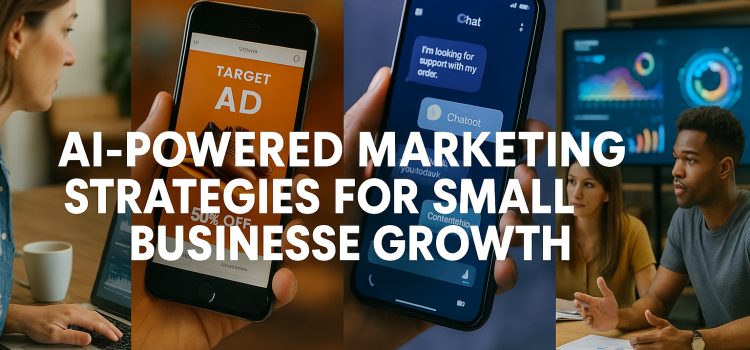
A strong marketing approach can make or break a small business. Today, AI-powered marketing strategies give small teams big-business power. By harnessing tools like chatbots, predictive analytics, and automated content systems, small business AI marketing can boost leads, save time, and improve customer loyalty. In this article, we explain what AI-powered marketing means, why it matters for small business growth, and how to apply top strategies step by step. Along the way, you’ll find tips for easy wins, a comparison table of popular tools, and a look at future trends. Read on to learn how AI can transform your marketing and drive real growth.
What is AI-Powered Marketing?
AI-powered marketing uses artificial intelligence to automate, personalize, and optimize marketing tasks. Instead of manual guesswork, AI systems analyze data patterns to make smart decisions. These tools can sort through customer behavior, web traffic, and campaign responses in seconds. They then deliver tailored messages or suggest the best next step.
Core Components
At the heart of AI marketing are machine learning models and data analytics. Machine learning finds hidden trends in large data sets. Natural language processing helps chatbots understand questions. Predictive analytics scores leads by their likelihood to buy. Together, these components handle routine tasks and free teams to focus on creative strategy.
Why It Matters for Small Businesses
Small business AI marketing levels the playing field. You don’t need a big budget to use chatbots for customer support or automated email sequences. Even simple AI tools can boost conversion rates and reduce costs. By adopting AI-powered marketing strategies early, small businesses gain an edge in efficiency and customer experience.
Benefits of AI-Powered Marketing for Small Businesses
AI brings several clear advantages for small business growth.
First, automation saves time. Tasks like email sending, social media posting, and ad bidding happen without manual effort. This frees up staff for higher-value work like content planning or client calls.
Second, personalization improves engagement. AI marketing tools can deliver the right message to the right person at the right time. A shopper who browses running shoes might see a targeted email with a discount, boosting open and click rates.
Third, data-driven decisions reduce risk. Instead of guessing which ad copy works best, you can run AI-driven A/B tests and let the system pick the winner. Predictive analytics can forecast sales and help allocate budgets where they matter most.
Finally, growth scales easily. As your customer base grows, AI systems handle more users without adding headcount. Chatbots manage support chats around the clock, and lead-scoring tools prioritize follow-up on hot leads.
Key AI-Powered Marketing Strategies
Image by: Yandex.com
Small businesses can adopt several core strategies to leverage AI in their marketing mix.
Chatbots and Conversational AI
Chatbots are AI-driven agents that chat with website visitors. They answer common questions, book appointments, or guide shoppers to products. A well-designed chatbot can handle dozens of customer queries at once, ensuring quick responses and capturing leads outside business hours. To get started, choose a chatbot platform that integrates with your website and set up simple flows for FAQs and lead capture.
Predictive Analytics and Customer Insights
Predictive analytics uses past behavior to forecast future actions. For example, it can score website visitors by their probability to convert. With these insights, you can target high-value prospects with tailored offers. Small businesses can use predictive tools to decide which customer segments to nurture and which campaigns to pause.
Email Personalization and Automation
Automated email sequences triggered by user actions keep customers engaged. When someone joins your mailing list, an AI system can send a welcome series, product recommendations, and reminders at the best time. Personalization tokens like first name, past purchase, or browsing history improve open rates. Small business AI marketing platforms often include drag-and-drop editors for quick setup.
Content Creation and Curation Tools
AI can help generate blog outlines, social media captions, and ad copy. Tools like GPT-based assistants can produce drafts in seconds. While you still need to edit for tone and accuracy, AI-based content creation saves hours of writing time. Content curation tools also suggest trending topics and relevant articles to share with followers, keeping your channels active.
Social Media Automation and Targeting
Social media AI tools schedule posts at optimal times based on audience activity. They analyze engagement data to recommend hashtags, images, and captions that resonate. For paid social campaigns, AI manages bids and budgets in real time, ensuring you get the best return on ad spend. Even with a small budget, smart AI targeting can help you reach the most relevant prospects.
How to Implement AI-Powered Marketing
Image by: Yandex.com
Moving to AI-driven marketing requires a clear plan and the right tools.
Define Clear Goals
Start by setting specific targets. Do you want to increase newsletter signups by 20 percent? Or reduce support response time to under five minutes? Clear goals help you choose the right AI features and measure success.
Audit Your Data
AI needs clean, organized data to work well. Review your customer lists, website analytics, and sales records. Remove duplicates, fix errors, and ensure consistent formats. Well-structured data improves AI accuracy and insights.
Choose the Right Tools
Evaluate AI marketing platforms based on your goals and budget. Some tools excel in chatbots, while others shine in email automation or analytics. Look for solutions with easy integration into your existing CRM, website builder, or e-commerce platform.
Train Your Team
Offer hands-on training for staff who will manage the AI tools. Cover basics like editing chatbot scripts, reviewing analytics dashboards, and tweaking email workflows. Encouraging team buy-in ensures smooth adoption.
Start Small and Scale
Begin with one or two AI strategies. For instance, deploy a chatbot for FAQs and set up an automated welcome email series. Once you see wins, expand into predictive analytics and social media AI. Small, steady steps reduce overwhelm and build confidence.
Measuring Success with AI Tools
Image by: Yandex.com
Tracking the impact of your AI-powered marketing is essential to refine strategies and prove ROI.
Key Performance Indicators
Monitor metrics like conversion rate, click-through rate, and customer acquisition cost. For chatbots, track resolution rate and lead capture rate. In email campaigns, watch open and click rates. Dashboards in AI platforms typically visualize these KPIs in real time.
A/B Testing and Optimization
Use AI to run A/B tests on headlines, images, and calls to action. Let the system identify winning variants and allocate more budget to top performers. Continuous optimization ensures your campaigns get better over time.
Customer Feedback Loops
Combine quantitative data with qualitative feedback. Send short surveys after chatbot interactions or email sequences. Use AI-driven sentiment analysis to spot unhappy customers early and adjust messaging or support processes.
Comparison of Popular AI Marketing Tools
Tool Name
Function
Key Feature
Pricing Tier
ChatBuddy
Chatbot & live chat
24/7 AI chat with lead capture
Starts at $29/mo
PredictX Analytics
Predictive analytics
Lead scoring and sales forecasting
Starts at $49/mo
MailAuto Pro
Email automation
Behavior-based triggers
Starts at $19/mo
ContentCraft AI
Content creation
AI-driven copy and image suggestions
Starts at $39/mo
SocialSync AI
Social media scheduling
Optimal post timing and hashtag AI
Starts at $25/mo
Challenges and Solutions
AI marketing brings new power but also fresh hurdles.
High Initial Setup Effort
Some AI tools need time to set up and train. Solution: Focus on one process at a time. Use template-led chatbot scripts and email sequences. As you collect data, the AI will learn and improve.
Data Privacy and Compliance
Handling customer data responsibly is vital. Solution: Choose tools with built-in GDPR and CCPA compliance. Update your privacy policy and get clear consent for data use.
Overreliance on Automation
Too much automation can feel impersonal. Solution: Blend AI with human touch. Let chatbots handle routine queries, but offer a smooth handoff to real agents for complex issues. Use AI insights to guide human-led outreach and relationship building.
Tips for Getting the Most from AI Marketing
Image by: Yandex.com
Integrate these best practices to boost your results.
Regularly Review and Tweak
Set aside time each week to check dashboards and tweak workflows. Small adjustments add up to big gains over time.
Keep Content Fresh
Use AI content tools to generate new topic ideas. Rotate images and headlines to prevent ad fatigue.
Leverage Multi-Channel Data
Connect website, email, social, and CRM data in one platform. Unified data gives a 360-degree view of customers and leads to more precise targeting.
Future Trends in AI Marketing
AI marketing continues to evolve with cutting-edge advances.
Voice and Conversational Commerce
As smart speakers and voice assistants grow, AI-driven voice commerce will let customers place orders by speaking. Small businesses can prepare by optimizing content for voice search and integrating voice-enabled chatbots.
Hyper-Personalization
Next-generation AI will deliver one-to-one marketing at scale. Customer profiles will include real-time behavior, enabling dynamic content that adapts to each user in the moment.
Augmented Reality (AR) Shopping
AI combined with AR will let shoppers “try on” products virtually before buying. Small retailers can adopt AR tools to showcase products in customer environments, reducing returns and boosting satisfaction.
Conclusion
AI-powered marketing strategies offer small businesses a clear path to growth. By using chatbots for instant customer support, predictive analytics for smarter targeting, and automated email and content tools, you can boost efficiency and engagement. Start by defining goals, cleaning your data, and choosing user-friendly platforms. Measure success with key metrics and feedback loops. Balance AI with human touch to maintain authenticity. As voice commerce, hyper-personalization, and AR emerge, staying ahead of these trends will keep you competitive.
Call-to-Action: Ready to supercharge your marketing with AI? Sign up for a free trial of our top-recommended AI marketing tools today and watch your small business grow!
Mornings often feel like a race against the clock. Alarms shout, phones buzz, and to-do lists overflow before your feet hit the floor. Yet a calm dawn shapes the mood of every hour that follows. Mindful minimalist routines cut noise, simplify choices, and anchor attention on the present moment. You spend less energy and gain more clarity. This article shares practical steps to build such a routine, even if you have only fifteen spare minutes. Each tip uses little or no gear, works in small spaces, and fits every lifestyle—from busy parents to remote workers.
Why Minimalism and Mindfulness Pair Well
Minimalism clears external clutter; mindfulness quiets inner chatter. Together they form a loop: fewer objects reduce decision fatigue, and a centered mind resists impulse shopping or schedule overload. By choosing just a handful of steady habits each morning, you train both space and thoughts to remain uncluttered. Over time you feel lighter, move slower in a good way, and greet stress with steady breath instead of panic.
Core Elements of a Mindful Minimalist Morning
Image by: Yandex.com
Simple Wake-Up Ritual
Place the alarm away from bed, so you must stand to silence it. Avoid phone screens for the first thirty minutes. Instead, take three long breaths, roll shoulders, and note one thing you look forward to that day.
Silent Hydration
Fill a glass the night before and leave it on the counter. On rising, drink mindfully—feel cool water, count ten sips. This tiny pause signals the nervous system that the rush can wait.
Gentle Movement
You do not need full workouts at dawn. Five minutes of joint circles, cat-cow stretches, or a short sun-salutation series is enough to wake muscles and circulation. Shoes, mats, and apps are optional; a barefoot routine on a carpet works.
Intentional Planning
Limit planning to three priority tasks. Write them on a sticky note—paper keeps focus tighter than an open laptop with twenty tabs. Everything else becomes a bonus, not a burden.
Digital Fast
Keep airplane mode on until breakfast ends. By delaying news feeds and emails, you protect the fragile calm you just created.
Light Movement (10 min) – Add hip openers and standing twists.
Mindful Brew (5 min) – Prepare tea or coffee slowly, noting aroma and steam.
Journaling (5 min) – Jot a gratitude line and today’s intention.
Mini Meditation (5 min) – Follow breath count to 50.
The 60-Minute Deep-Calm Routine
10 min breath-walk on balcony or yard
15 min yoga flow
10 min cold shower with body-scan focus
5 min herbal tea ritual
10 min free-write journal
10 min guided loving-kindness meditation
Pick one template or mix parts to match your schedule. The key is consistency, not length.
Tools That Help—But Do Not Crowd
Tool
Why It Fits Minimalism
Low-Cost Swap
Reusable water bottle
One item replaces many cups
Clean jar
Travel yoga mat
Rolls small, doubles as picnic pad
Rug corner
Analog alarm clock
Removes phone temptation
Low tone kitchen timer
Pocket notebook
Limits to vital notes
Back of an envelope
Silk eye mask
Improves sleep quality
Folded tee over eyes
Own only what adds clear value. If a prop gathers dust, gift or recycle it.
Habit-Building Tips
Image by: Yandex.com
Link New Habits to Existing Ones
Attach morning stretches to the moment you turn off the alarm. The brain ties them together, lowering willpower cost.
Keep Visual Reminders
Lay movement clothes beside the bed. Place the journal on the breakfast table. These cues guide sleepy minds.
Track Progress Lightly
A simple calendar tick for each finished routine is enough. Skip detailed apps unless data sparks joy.
Allow Gentle Flex
Missed a routine? Skip guilt. Aim for 80 % consistency. Life stays human, not robotic.
Addressing Common Obstacles
Obstacle
Root Cause
Minimalist Fix
“No time before kids wake.”
Competing duties
Wake 10 min early; do micro-routine beside crib
“Roommate noise.”
Shared space
Use noise-cancel buds with bird-song track
“Phone lure too strong.”
Habit loops
Park phone in another room overnight
“Stiff body at dawn.”
Cold muscles
Start with seated breath, then slow cat-cow
Benefits Backed by Research
Image by: Yandex.com
Lower Cortisol: Studies show mindful breathing within one hour of waking reduces stress hormones by up to 20 %.
Sharper Focus: People who set three-item plans outperform peers on complex tasks, thanks to limited cognitive load.
Improved Mood: Gratitude journaling for five minutes boosts positive affect through the day.
Better Sleep: A consistent wake-up time supports circadian rhythm, making nights deeper and dreams clearer.
Sustainable Add-Ons
Plant Light Ritual
Open curtains and let sunrise light your room. Natural light cues serotonin production and saves electricity.
Zero-Waste Brew
Use a metal filter or French press. Compost grounds or use them as house-plant fertilizer.
Seasonal Breathing
In winter, try warming breaths: inhale four counts, exhale through pursed lips six counts. Summer: inhale cool air across tongue.
Scaling Down When Traveling
Pack a foldable mat and notebook. Hotel beds or airport gates can host breath cycles and neck stretches. Swap brewed tea for mindful sipping of plane water. Your routine stays intact, shrinking jet-lag impact.
Sample Seven-Day Rotation
Day
Theme
Key Focus
Monday
Grounding
Bare-foot floor contact
Tuesday
Mobility
Extra hip and spine moves
Wednesday
Gratitude
Two journal lines
Thursday
Strength
Body-weight squats set
Friday
Silence
No talking first 30 min
Saturday
Creativity
Free-draw doodle page
Sunday
Reflection
Review wins, plan micro-improve
Variety wards off boredom while guarding core calm.
Conclusion
A mindful minimalist morning routine strips away cluttered tasks and noisy tech, replacing them with slow breaths, clear goals, and gentle motion. Whether you carve out fifteen or sixty minutes, the payoff is steady: calmer nerves, sharper focus, and more room for joy in daily life. Start small—drink water in silence, note three tasks, stretch for five breaths. Let simplicity anchor your dawn and watch calm ripple through every hour.
Call-to-Action: Ready to craft your personal calm ritual? Download our free one-page routine builder, choose three simple habits, and greet tomorrow with quiet confidence.
Urinary tract infections (UTIs) are among the most prevalent bacterial infections, particularly affecting women, the elderly, and immunocompromised patients. The urothelium—the epithelial barrier lining the bladder and urinary tract—plays a critical defensive role against microbial invasion. However, recurrent UTIs (rUTIs) often reflect not just bacterial persistence but a breakdown in epithelial integrity. In the region of St. John, advanced treatment strategies have begun to incorporate therapies aimed at epithelial barrier modulation as part of a precision-medicine approach.
This article explores the emerging science behind UTI Treatment St. John and how epithelial barrier modulation is reshaping the way recurrent and chronic UTIs are understood and managed.
Understanding the Epithelial Barrier in the Urinary Tract
The bladder epithelium (urothelium) is composed of three primary layers: basal, intermediate, and umbrella cells. These cells form tight junctions and are coated with a protective mucin layer rich in glycosaminoglycans (GAGs). Their function is to:
Prevent pathogen adherence
Regulate ion and fluid exchange
Serve as immune sentinels
Initiate antimicrobial peptide release when challenged
In healthy individuals, the epithelial barrier is highly effective. However, in patients with chronic or recurrent infections, especially those undergoing UTI Treatment St. John, barrier dysfunction is often detected.
Pathogen Strategies to Breach the Uroepithelium
Bacterial uropathogens—especially Escherichia coli, the most common cause of UTIs—have evolved multiple mechanisms to disrupt the epithelial barrier:
Fimbriae and adhesins promote attachment to epithelial surfaces.
Invasion into umbrella cells forms intracellular bacterial communities (IBCs).
Toxin production (e.g., hemolysin, cytotoxic necrotizing factor) causes direct epithelial damage.
Quorum sensing molecules modulate host cell signaling to suppress immune responses.
At UTI Treatment St. John, many recurrent UTI cases involve strains that persist within urothelial cells, evading both antibiotics and host immunity by residing in IBCs or latent reservoirs. This persistence is deeply tied to weakened epithelial barriers.
Epithelial Barrier Modulation: Concept and Mechanisms
Epithelial barrier modulation refers to therapeutic interventions designed to:
UTI Treatment St. John increasingly integrates this approach as part of its treatment strategy, especially in patients with chronic bladder inflammation or interstitial cystitis overlapping with UTI symptoms.
Mechanisms of Epithelial Recovery in UTI Treatment St. John
At leading urology centers in St. John, several interventions are being studied or implemented to support epithelial recovery:
1. Intravesical GAG Replenishment Therapy
GAG replenishment therapy uses agents like hyaluronic acid, chondroitin sulfate, or a combination formulation to restore the mucosal lining of the bladder. This therapy is particularly useful in cases of rUTIs associated with epithelial thinning or GAG layer disruption.
In UTI Treatment St. John, these formulations are administered intravesically and shown to:
Reduce urinary urgency and pain
Prevent bacterial adherence
Improve epithelial regeneration
2. Tight Junction Protein Modulators
Some experimental protocols involve agents that upregulate claudin-4, occludin, and ZO-1 expression—proteins essential to tight junction formation. Restoration of these proteins improves cell-to-cell adhesion, limiting paracellular bacterial invasion.
UTI clinics in St. John have started analyzing patient urine and biopsy specimens for tight junction integrity before recommending personalized barrier-enhancement protocols.
3. Anti-inflammatory and Pro-resolving Mediators
Persistent inflammation can hinder epithelial healing. Molecules such as resolvins, lipoxins, and interleukin-22 (IL-22) are under investigation for their ability to suppress chronic inflammation while promoting epithelial homeostasis.
Select UTI Treatment St. John clinics are participating in clinical trials evaluating the benefits of combining anti-inflammatory regimens with barrier-enhancing therapies in patients with high cytokine profiles.
Role of the Microbiome in Epithelial Health
The urinary microbiome—once thought to be sterile—is now understood to influence epithelial integrity. Dysbiosis, or imbalance in the microbial population, can:
Suppress mucosal immunity
Increase barrier permeability
Promote pathogen colonization
Advanced UTI Treatment St. John protocols increasingly incorporate microbiome assessments. Probiotic therapies or microbiome transplant strategies may be used to restore microbial balance, indirectly strengthening the epithelial defenses.
Host Genetic Susceptibility and Barrier Dysfunction
Genetic polymorphisms affecting TLR4, CXCR1, and DEFB1 have been associated with increased UTI susceptibility and impaired epithelial responses. At UTI Treatment St. John, some institutions are investigating genotype-guided therapy—identifying patients who may benefit most from epithelial-focused interventions.
Patients with defective TLR signaling, for example, may not mount an adequate early immune response, allowing pathogens to invade and disrupt epithelial architecture more easily.
Emerging Therapies in St. John Targeting Epithelial Modulation
1. Stem Cell-Derived Extracellular Vesicles
Extracellular vesicles (EVs) derived from mesenchymal stem cells contain growth factors and miRNAs that promote epithelial repair. Preliminary studies in UTI Treatment St. John indicate that EVs can:
Enhance urothelial proliferation
Reduce apoptosis after bacterial exposure
Modulate pro-inflammatory cytokines
This novel approach may one day become standard for patients with bladder epithelial damage secondary to recurrent infections.
2. Topical PPARγ Agonists
Peroxisome proliferator-activated receptor gamma (PPARγ) regulates inflammation and epithelial turnover. Topical PPARγ agonists applied intravesically are under investigation for their role in promoting epithelial barrier restoration.
Some centers offering UTI Treatment St. John have begun pilot programs for using such agents, particularly in postmenopausal women with estrogen-deficiency-induced epithelial thinning.
Sex-Specific Differences in Barrier Modulation
Women are disproportionately affected by UTIs due to anatomical and hormonal factors. Estrogen plays a pivotal role in maintaining epithelial barrier function by:
Stimulating mucin production
Enhancing tight junction protein expression
Promoting epithelial cell renewal
At UTI Treatment St. John, hormone therapy is sometimes used adjunctively in postmenopausal patients, improving barrier integrity and reducing recurrence rates.
Men, on the other hand, may require different strategies due to prostate-related contributions to the epithelial environment. Prostatic inflammation or chronic prostatitis may impair downstream epithelial health in the urethra and bladder.
Case Studies: Clinical Application of Epithelial Modulation in St. John
Case 1: Refractory Recurrent UTI in a 62-Year-Old Female
After failing multiple antibiotic regimens, the patient was referred for UTI Treatment St. John. Evaluation revealed thinning of the bladder epithelium and GAG depletion. A course of intravesical hyaluronic acid and chondroitin sulfate was initiated. Over six months, UTI frequency dropped from six episodes annually to one. Epithelial integrity, assessed via cystoscopy and urinary biomarkers, improved significantly.
Case 2: Chronic Prostatitis with Secondary Bladder Involvement
A 45-year-old male presented with pelvic pain, urinary frequency, and recurrent UTIs. Despite antibiotic therapy, symptoms persisted. Advanced evaluation at a UTI Treatment St. John facility identified subclinical epithelial injury. Treatment with anti-inflammatory modulators and oral probiotics targeting epithelial health resulted in symptom resolution.
Limitations and Future Directions
While epithelial barrier modulation shows great promise, limitations remain:
Lack of standardized assessment tools for epithelial integrity
Variability in patient response to intravesical therapies
Need for longitudinal studies to determine durability of effects
Future UTI Treatment St. John protocols may include barrier function scoring, biomarker panels, and AI-assisted imaging to personalize therapy even further.
Conclusion
UTI Treatment St. John is at the forefront of incorporating epithelial barrier modulation into clinical practice. By shifting the focus from pathogen eradication to host barrier restoration, clinicians are improving outcomes for patients with recurrent and chronic UTIs. Whether through GAG replenishment, tight junction support, or stem-cell-derived therapeutics, restoring the epithelial line of defense is proving to be a game-changer inurologic care.
FAQs
1. What is the role of the epithelial barrier in UTIs?
The epithelial barrier acts as the first line of defense against bacteria, preventing pathogen adherence, entry, and replication. Disruption of this barrier increases susceptibility to recurrent infections.
2. How does UTI Treatment St. John approach recurrent UTIs differently?
UTI Treatment St. John goes beyond antibiotic therapy by incorporating epithelial barrier modulation, including GAG therapy, tight junction repair, and anti-inflammatory agents tailored to individual epithelial health.
3. Can restoring the epithelial barrier prevent future UTIs?
Yes, in many cases. By repairing the epithelial barrier and restoring normal host defense, patients experience fewer recurrences, reduced inflammation, and improved urinary tract resilience over time.
Akhrot Clothing: Embracing Tradition with the Farshi Shalwar Suit
In a rapidly modernizing fashion industry, where trends change with every season, few brands manage to strike the perfect balance between timeless tradition and contemporary style. Akhrot Clothing has not only achieved that balance but also redefined the essence of ethnic fashion in Pakistan. Known for its dedication to heritage, intricate craftsmanship, and unique aesthetic, Akhrot Clothing has emerged as a brand that celebrates cultural identity in the most elegant way. One of its standout offerings is the Farshi Shalwar Suit, a regal ensemble that brings history, elegance, and grace into the modern wardrobe.
A Legacy of Heritage in Modern Designs
Akhrot Clothing was born out of a passion to revive and promote Pakistan’s rich textile heritage. At a time when most fashion houses were leaning toward western fusion, Akhrot chose a different path — one rooted deeply in tradition. The brand’s collections often include classic silhouettes, heritage embroidery techniques, and handwoven fabrics. But what truly sets it apart is the way it modernizes traditional outfits, especially pieces like the Farshi Shalwar Suit, making them relevant and wearable for today’s women.
What is a Farshi Shalwar Suit?
The Farshi Shalwar Suit is a traditional South Asian outfit that dates back to the Mughal era. “Farshi” means “floor-sweeping”, and the shalwar (pants) are named so because of their voluminous and trailing design that sweeps the floor with grace. Typically worn with a long kameez or kurta and a heavily embellished dupatta, the ensemble is regal, grand, and ideal for festive or formal occasions.
Unlike modern slim-fit trousers or straight pants, the Farshi Shalwar exudes a sense of royalty. It is crafted using yards of fabric, pleated meticulously to create a flowing silhouette that adds drama and movement to every step. When designed well, it turns into a statement piece — and that’s where Akhrot Clothing shines.
The Akhrot Approach to Farshi Shalwar Suits
Akhrot Clothing has reintroduced the Farshi Shalwar Suit in a way that’s not only authentic but also wearable in today’s fashion landscape. The brand understands the charm of traditional attire but also recognizes the importance of comfort, practicality, and aesthetic appeal for the modern Pakistani woman.
1. Premium Fabrics and Handcrafted Excellence
Each Farshi Shalwar Suit by Akhrot is made using high-quality fabrics such as pure cotton, lawn, chiffon, silk, and organza. The brand prioritizes comfort without compromising on the richness of the attire. Whether it’s summer wear with breathable fabrics or winter formal pieces in velvet and jamawar, Akhrot ensures that every Farshi shalwar maintains its majestic structure and flow.
2. Reviving Traditional Embroidery
The hallmark of Akhrot’s craftsmanship lies in its embroidery. From zardozi and gota work to resham and mirror embellishments, each Farshi Shalwar Suit is adorned with traditional artistry. These intricate designs not only enhance the beauty of the outfit but also pay homage to age-old techniques that are slowly disappearing from mainstream fashion.
3. Modern Tailoring, Classic Appeal
While the essence of the Farshi Shalwar Suit is rooted in tradition, Akhrot Clothing adds subtle modern touches — from pastel color palettes and contemporary motifs to adjustable waistbands and lightweight linings. These thoughtful details ensure that the outfit feels luxurious and wearable, even in today’s fast-paced lifestyle.
A Symbol of Elegance for Every Occasion
One of the reasons the Farshi Shalwar Suit continues to captivate the hearts of fashion lovers is its versatility. Akhrot Clothing offers a range of designs suitable for weddings, Eid, family gatherings, formal dinners, and even intimate festivities.
For Brides & Bridesmaids: Akhrot’s bridal and festive collections feature heavily embellished Farshi Shalwar Suits with hand-sewn motifs, mirror work, and royal fabrics like brocade and velvet.
For Eid Celebrations: The brand’s Eid line includes pastel-hued suits with light embroidery — perfect for day-to-night events.
For Cultural Events: If you’re attending a mehndi, sangeet, or a cultural festivity, a Farshi Shalwar Suit from Akhrot Clothing ensures you stand out with a regal, feminine flair.
Sustainability Through Craft
Akhrot Clothing doesn’t just sell garments — it preserves cultural history. Each Farshi Shalwar Suit involves artisans who specialize in heritage embroidery and traditional tailoring. By supporting these skilled workers, the brand plays a role in sustaining local crafts and providing livelihood to families dependent on hand embroidery and textile work.
Styling a Farshi Shalwar Suit
Styling a Farshi Shalwar Suit can be both fun and sophisticated. Akhrot often pairs these suits with traditional khussas, statement jewelry like jhumkas and choker sets, and matching clutches for a complete festive look. The brand also shares styling tips through its social media and blog to help customers create both bold and subtle looks based on their personality.
Styling Tips:
Keep your accessories minimal if your outfit is heavily embroidered.
For lighter suits, add a pop of color with a bold lipstick or bright dupatta.
Don’t forget a classic hair bun or braid to complement the traditional vibe.
Available Online and In Stores
Akhrot Clothing has made it easy to shop for traditional outfits from anywhere. Their Farshi Shalwar Suits are available online with nationwide delivery across Pakistan and international shipping to select countries. Customers can browse through their detailed product pages, explore fabric descriptions, zoom in on embroidery details, and consult with customer service for sizing or styling advice.
For those who prefer a more tactile shopping experience, Akhrot also has physical stores and exhibitions where you can feel the fabric, try on the outfits, and enjoy personalized service.
What Customers Love About Akhrot Clothing
Akhrot Clothing has cultivated a loyal customer base, and reviews often highlight:
The authenticity of designs
Quality of fabric and tailoring
The uniqueness of the Farshi Shalwar Suit collection
Attention to detail in packaging and delivery
Responsive and helpful customer service
This growing trust reflects the brand’s commitment to excellence and cultural preservation.
Conclusion: A Celebration of Pakistani Tradition
In a world where fast fashion often overshadows heritage, Akhrot Clothing stands out by offering timeless beauty, authenticity, and craftsmanship. The Farshi Shalwar Suit, with its graceful flow and rich legacy, represents the best of what Pakistani culture has to offer. Through Akhrot’s lens, this traditional outfit becomes more than just clothing — it becomes a celebration of identity, femininity, and history.
Whether you’re dressing for a special occasion or simply want to embrace your roots with elegance, a Farshi Shalwar Suit from Akhrot Clothing is a perfect choice. Experience the magic of heritage with a modern twist — only at Akhrot.
The mobile gaming industry has seen tremendous growth over the past decade. With millions of players worldwide, mobile games have become a powerful platform for game developers and publishers to earn substantial revenue. However, creating a popular game is only half the battle—monetizing it effectively is the key to long-term success.
In this article, we will explore the most effective mobile game monetization techniques used by successful developers. From in-app purchases to ad-based revenue and subscriptions, we’ll dive deep into how to maximize revenue from your mobile game while keeping your players engaged and satisfied.
What is Mobile Game Monetization?
Image by: Yandex.com
Mobile game monetization refers to the strategies and methods used by developers to generate revenue from their mobile games. Unlike traditional video games, which rely on upfront purchases, mobile games often use a variety of methods to monetize. These methods include in-app purchases (IAPs), ads, subscriptions, and more.
The goal of mobile game monetization is to turn the free-to-play model into a profitable venture. By finding the right monetization strategy that aligns with your game and audience, you can create a sustainable revenue stream while still providing value to your players.
Key Mobile Game Monetization Techniques
Image by: Yandex.com
1. In-App Purchases (IAPs)
One of the most common and successful ways to monetize mobile games is through in-app purchases (IAPs). IAPs allow players to purchase virtual goods, currency, or other content within the game. This technique works particularly well in freemium games, where the game is free to download but offers extra content or advantages for a price.
Types of In-App Purchases:
Consumables: Items that are used once and then replenished, such as in-game currency, health potions, or energy boosts.
Non-Consumables: Permanent items that unlock features or content, like characters, skins, or levels.
Subscriptions: Recurring payments for access to premium content or perks, such as VIP memberships or monthly game passes.
Tip: To make IAPs successful, ensure that the items you offer enhance the player’s experience and provide value. Avoid creating a “pay-to-win” gaming environment, as it may drive away players.
2. Advertising
In-game ads are another popular mobile game monetization strategy. By integrating ads into your game, you can earn revenue based on impressions, clicks, or user interactions. There are several types of ads you can use:
Interstitial Ads: Full-screen ads that appear at natural pauses in gameplay, such as between levels or after completing a mission.
Rewarded Video Ads: Ads that offer players a reward (like in-game currency or items) in exchange for watching a video ad. This is a non-intrusive way to earn revenue while also rewarding players for their real time.
Banner Ads: Small ads that are displayed at the top or bottom of the screen. While they’re less intrusive, they also generate less revenue compared to interstitial or video ads.
Tip: Make sure the ads are well-placed and not disruptive to the gameplay experience. Rewarded ads, in particular, are a great option since they provide value to the player while generating revenue for you.
3. Subscriptions
Subscriptions are becoming an increasingly popular mobile game monetization technique. By offering players the ability to subscribe to premium content or features, you can create a steady stream of recurring revenue. Subscriptions can provide exclusive content, such as special levels, in-game items, or an ad-free experience.
Types of Subscriptions:
Premium Memberships: Offer exclusive content, faster progression, or special abilities for a monthly or yearly fee.
Seasonal Passes: Allow players to access exclusive rewards and challenges during a specific period (e.g., a monthly or seasonal pass).
Ad-Free Experience: Provide players with the option to pay for a subscription that removes ads from the game entirely.
Tip: To make subscriptions attractive, offer ongoing value that keeps players engaged. Ensure that the subscription offers perks that justify the recurring cost.
4. Freemium Model
The freemium model is one of the most widely used monetization techniques in mobile playing games. It’s based on offering the game for free while giving players the option to make purchases to enhance their experience. Players can enjoy the game without spending money, but they have the option to buy items, power-ups, or other features to improve their gameplay.
The freemium model can work well in combination with in-app purchases and ads to create a balanced revenue stream.
Tip: Ensure that your game remains enjoyable for players who choose not to spend money. The key is to offer enough value to free players while providing extra perks for paying players.
5. Virtual Goods and Currency
Many mobile games use virtual goods and in-game currency as a central part of their monetization strategy. Players can purchase currency or items that are only available within the game. This currency can be used to unlock special items, characters, or other content that enhance the gaming market experience.
Tip: Make sure that the virtual goods or currency you offer are desirable and add value to the player’s experience. Offering exclusive items or limited-edition content can create a sense of urgency and encourage purchases.
6. Crowdfunding and Donations
For some mobile game developers, crowdfunding and donations can be a viable monetization technique. Platforms like Kickstarter or Patreon allow developers to raise funds from players who want to support the game or get early access to exclusive content. In return, players may receive in-game rewards, early access to updates, or other perks.
Tip: Crowdfunding works best when you have a strong, dedicated community. Make sure you offer rewards that resonate with your target audience and encourage them to support your game financially.
Tips for Maximizing Mobile Game Monetization
Image by: Yandex.com
Focus on Player Experience: The key to long-term monetization is creating a game that players love to play. Ensure that the monetization strategies you implement don’t interfere with the gameplay experience. Focus on providing value, whether through in-app purchases, ads, or subscriptions.
Test and Optimize: Don’t be afraid to experiment with different monetization techniques. Try different ad placements, offer limited-time promotions for in-app purchases, and tweak your subscription models. Analyze player behavior and optimize your strategy based on what works best.
Provide Non-Intrusive Ads: Rewarded video ads are a great way to monetize without irritating players. Make sure that your ads are optional, non-intrusive, and provide rewards that players actually value.
Offer Value for Free Players: Not all players will want to spend money, but that doesn’t mean they won’t be valuable. Focus on offering a great free-to-play experience, and encourage players to make purchases through the value you provide.
Use Social Proof and FOMO (Fear of Missing Out): Players are more likely to spend money if they see that others are doing the same. Offer exclusive items or limited-time offers that create a sense of urgency.
Future of Mobile Game Monetization
Image by: Yandex.com
Looking ahead, mobile monetization will become smarter and more personalized by 2025 and beyond. Artificial intelligence may tailor offers based on each player’s spend history and engagement patterns, suggesting the right deal at the right time. Subscription models could evolve into “all-access” passes across multiple titles from the same publisher. Blockchain and NFTs might enable true ownership of digital items that can be traded or sold outside the game. As technology and player expectations change, successful studios will blend fairness, creativity, and flexibility to keep players happy and revenue growing.
Comparative Table: Mobile Game Monetization Methods
Monetization Method
Description
Pros
Cons
In-App Purchases (IAPs)
Players purchase in-game items, currency, or perks
Provides a steady revenue stream, high flexibility
Can lead to pay-to-win if not balanced properly
Advertising
Revenue generated from in-game ads
Easy to implement, works with free-to-play models
Can be intrusive if not placed correctly
Subscriptions
Players pay a recurring fee for premium content
Recurring revenue, player engagement
May not attract all players, requires constant value
Freemium Model
Game is free, but offers paid upgrades
Attracts a wide audience, allows flexibility
Can frustrate players if monetization is too aggressive
Virtual Goods/Currency
Players buy in-game currency or items
Increases player investment in the game
Can create frustration if progression is blocked
Crowdfunding/Donations
Players support the game financially
Builds a dedicated fanbase, funds development
May not be reliable, requires strong community support
Conclusion
Mobile gamemonetization is a crucial aspect of creating a successful game. By choosing the right techniques, such as in-app purchases, ads, or subscriptions, you can create a sustainable revenue stream while keeping players engaged. Remember to test different strategies, focus on providing value, and always prioritize the player experience.
Call to Action
Ready to maximize your game’s revenue? Start implementing these mobile game monetization techniques today to boost your earnings and create a successful, player-friendly game. Visit our website for more tips on mobile game development and monetization strategies.
In the world of fitness, there are countless approaches to getting fit, but one of the most effective and well-rounded methods is combining yoga with strength training. While yoga focuses on flexibility, balance, and mindfulness, strength training builds muscle, endurance, and power. Together, they create a holistic fitness plan that benefits the body and mind.
If you’ve been wondering how to integrate these two practices into your workout routine, this article is for you. We’ll explore the benefits of combining yoga and strength training, how they complement each other, and how you can build your own holistic fitness plan to achieve optimal health benefits.
What is a Holistic Fitness Plan?
Image by: Yandex.com
A holistic fitness plan is an approach to fitness that considers the whole body and mind. Unlike traditional fitness programs that focus solely on physical strength or flexibility, a holistic plan emphasizes balance, mindfulness, and overall well-being. By combining multiple fitness disciplines, such as yoga and strength training, you create a well-rounded routine that improves both mental and physical health.
This approach is not just about working out; it’s about integrating wellness practices that promote strength, flexibility, and mental clarity. The balance between yoga and strength training allows you to develop a healthy, sustainable, and enjoyable fitness routine.
Why Combine Yoga and Strength Training?
Image by: Yandex.com
Combining yoga with strength training provides the best of both worlds. While each practice has its own unique benefits, together, they can help you achieve greater results.
1. Improved Flexibility and Range of Motion
Yoga is known for improving flexibility. Regular practice helps to lengthen and stretch muscles, which can be especially helpful for people who do a lot of strength training. Strength training, if not paired with stretching, can lead to tight muscles, which might limit your range of motion and make you more prone to injury.
By combining yoga and strength training, you can ensure that your muscles remain long and flexible while still building strength. This balance helps improve your performance in both disciplines and promotes better overall movement.
2. Better Posture and Alignment
Yoga emphasizes good posture and proper alignment. Many yoga poses encourage you to engage your core and practice balance, which can help improve your posture in everyday life. When you incorporate strength training, you strengthen the muscles that support good posture, like the back, shoulders, and core.
A strong and aligned body improves your form during both yoga and strength training, leading to better results and a reduced risk of injury. The mind-body connection practiced in yoga can also enhance your awareness of how your body moves during strength training, helping you perform exercises more effectively.
3. Enhanced Mental Focus and Mindfulness
While strength training builds muscle and physical endurance, yoga is focused on mindfulness, breathing, and mental clarity. Combining both practices helps you build mental and physical endurance simultaneously. Yoga teaches you to focus on the present moment and to listen to your body, which can improve your performance in strength training.
By practicing mindfulness during strength workouts, you can reduce stress, stay focused, and avoid pushing your body too hard. This mental aspect is important for long-term progress in fitness and overall well-being.
4. Reduced Stress and Better Recovery
Yoga is well-known for its ability to reduce stress. It encourages relaxation, deep breathing, and restorative poses, which can help reduce the physical tension created by strength training. In addition, yoga enhances recovery by improving circulation, reducing muscle stiffness, and promoting relaxation.
By incorporating restorative yoga poses into your workout routine, you can enhance muscle recovery after strength training. This reduces the risk of overuse injuries and helps you maintain a consistent training schedule.
How to Combine Yoga and Strength Training in Your Fitness Plan
Image by: Yandex.com
Now that we understand the benefits of combining yoga and strength training, let’s explore how to integrate both practices into your holistic fitness plan. Below are some tips and guidelines on how to create a balanced workout routine that includes both practices.
1. Create a Weekly Schedule
Start by setting up a weekly schedule that includes both yoga and strength training. Aim for at least two to three days of each practice per week. Here’s an example of how your weekly schedule could look:
Monday: Strength training (upper body)
Tuesday: Yoga (flexibility and balance)
Wednesday: Strength training (lower body)
Thursday: Yoga (restorative and relaxation)
Friday: Strength training (full-body workout)
Saturday: Yoga (core and mindfulness)
Sunday: Rest day or light yoga/stretching
2. Focus on Strength Training First
When you combine yoga and strength training, it’s usually best to start with strength training. Strength training requires more energy and focus, so it’s better to do it when you’re fresh. After completing your strength training session, you can use yoga to stretch your muscles, improve flexibility, and promote recovery.
3. Incorporate Dynamic Warm-Ups
Before strength training, it’s important to warm up your muscles and prepare your body for the workout. Instead of jumping straight into weightlifting, include some dynamic yoga poses to stretch and activate your muscles. Poses like downward dog, sun salutations, or cat-cow can be great dynamic warm-ups for strength training.
4. Use Yoga for Active Recovery
Yoga is also an excellent way to recover between strength training sessions. Instead of resting completely on your off days, use gentle yoga poses to keep your muscles active and promote recovery. Focus on restorative yoga, which involves slow, deep stretches that help release tension and improve mobility.
5. Practice Breathing Techniques
Breathing is essential in both yoga and strength training. In yoga, you learn deep, controlled breathing, which helps you stay calm and focused. During strength training, it’s important to focus on your breath to maintain proper form and prevent injury. Practice deep breathing techniques like diaphragmatic breathing to improve performance in both disciplines.
Tips for Maximizing Your Holistic Fitness Plan
Image by: Yandex.com
Stay Consistent: Consistency is key to seeing results. Make sure to stick to your schedule and gradually increase the intensity of your workout plan.
Listen to Your Body: Both yoga and strength training require mindfulness. Pay attention to how your body feels and adjust your routine as needed. Don’t push yourself too hard—balance is the key.
Mix Up Your Routine: Keep things interesting by incorporating different yoga styles and strength training exercises. This will help prevent plateaus and keep you motivated.
Hydrate and Fuel Your Body: Proper nutrition and hydration are essential for both yoga and strength training. Make sure to eat a balanced diet and drink enough water to support your workouts and recovery.
Future of Holistic Fitness Plans
Image by: Yandex.com
Looking ahead, combined fitness plans will become even more tailored and tech-friendly. Fitness apps may use AI to suggest the perfect mix of yoga flows and strength sets based on your goals and energy fitness levels. Wearable trackers could measure muscle fatigue and recommend extra stretching when needed. Virtual group classes will let you join live hybrid sessions from home or outdoors. As studios and platforms refine these methods, everyone will find it easier to build strength, boost flexibility, and keep stress in check—all in one balanced routine.
Comparative Table: Sample Holistic Fitness Plan
Day
Workout Type
Focus Area
Monday
Strength training (upper body)
Chest, shoulders, arms
Tuesday
Yoga (flexibility and balance)
Hips, hamstrings, shoulders
Wednesday
Strength training (lower body)
Legs, glutes, core
Thursday
Yoga (restorative and relaxation)
Full-body relaxation
Friday
Strength training (full-body)
Total body workout
Saturday
Yoga (core and mindfulness)
Abs, core, breathwork
Sunday
Rest day
Light yoga or stretching
Conclusion
Combining yoga and strength training in a holistic fitness plan offers a balanced and effective approach to fitness goals. By incorporating both practices into your routine, you can improve strength, flexibility, and overall wellness. The combination of physical fitness and mental focus makes this approach perfect for long-term health.
Call to Action
Ready to take your fitness to the next level? Start combining yoga practice and strength training in your routine today! Visit our website for more fitness tips and routines to help you achieve your health goals.
As cities get bigger and more crowded, finding affordable housing is getting harder. One solution that’s gaining popularity is long term sustainable tiny homes. These small, eco-friendly homes are a great option for urban living, offering affordable and environmentally conscious solutions to the housing crisis.
In this article, we’ll explore how sustainable tiny homes can help solve some of the challenges in urban real estate. We’ll cover the benefits of tiny homes, their key features, and how they can fit into city environments.
What Are Sustainable Tiny Homes?
Image by: Yandex.com
Sustainable tiny homes are compact houses built with the goal of using fewer resources and reducing environmental impact. Typically ranging from 100 to 400 square feet, these homes use eco-friendly materials and energy-efficient designs to make them as sustainable as possible.
Despite their small size, sustainable tiny homes are designed to be functional, cost-effective, and environmentally friendly. They offer a way to live in cities without the high costs and large environmental footprint of traditional homes.
Why Are Tiny Homes Becoming Popular in Urban Areas?
Image by: Yandex.com
Urban areas are facing some big problems: high housing costs, limited space, and increasing environmental concerns. Sustainable tiny homes are helping to address these issues.
1. Affordable Housing
Housing prices are rising, making it difficult for many people to afford a home. Tiny homes are more affordable than traditional houses because they require less land, use fewer materials, and cost less to build. This makes them a great option for people looking for an affordable place to live in the city.
2. Eco-Friendly Living
Sustainable tiny homes are built to have a low environmental impact. They often feature energy-efficient appliances, solar panels, rainwater collection systems, and composting toilets. This makes them a great choice for people who want to reduce their carbon footprint while still enjoying city life.
3. Space Efficiency
Urban spaces are limited, and finding affordable apartments with enough space can be difficult. Tiny homes make the most of small spaces by using creative designs and multifunctional furniture. With these homes, you can live comfortably in a small area while still having everything you need.
4. Mobility and Flexibility
Many sustainable tiny homes are built on wheels, allowing owners to move their homes from one location to another. This flexibility is great for people who want to live in different parts of the city or even travel to new areas while still having a permanent home.
Key Features of Sustainable Tiny Homes
Image by: Yandex.com
1. Energy Efficiency
Sustainable tiny homes are designed to use as little energy as possible. They often include high-quality insulation, solar panels, and energy-efficient appliances to help reduce energy consumption. By using less energy, these homes are both cost-effective and eco-friendly.
2. Eco-Friendly Materials
These homes are built with eco-friendly materials like reclaimed wood, bamboo, and recycled steel. Using these materials reduces the environmental impact of construction and ensures that the home is as sustainable as possible.
3. Water Conservation
Water conservation is another important feature of sustainable tiny homes. Many of these homes use rainwater collection systems, low-flow faucets, and composting toilets to reduce water usage. These systems help homeowners conserve water while tiny houses living sustainably.
4. Waste Reduction
Tiny homes often include features like composting toilets and greywater recycling to minimize waste. These systems help reduce the amount of waste that goes into landfills and make sustainable tiny homes more environmentally friendly.
How to Build a Sustainable Tiny Home in an Urban Area
Image by: Yandex.com
If you’re interested in building your own sustainable tiny home, here are some tips to get started:
1. Research Zoning Laws
Before you begin building, it’s important to research your local zoning laws. Some cities have restrictions on the size of homes that can be built, while others have relaxed their zoning laws to allow for tiny homes. Make sure to check with local authorities before starting your project.
2. Choose Eco-Friendly Materials
To make your tiny home as sustainable as possible, choose materials that are eco-friendly and durable. Use reclaimed wood, bamboo, and other sustainable materials to build the structure. These building materials are not only environmentally friendly but also add to the charm of the home.
3. Focus on Energy Efficiency
When designing your sustainable tiny home, make sure to prioritize save energy efficiency. Use high-quality insulation to keep your home cool in the summer and warm in the winter. Consider adding solar panels to power your home and reduce your reliance on fossil fuels.
4. Plan for Mobility
If you want the flexibility to move your tiny home, consider building it on wheels. This will allow you to relocate your home to different parts of the city or even explore new areas. Mobile tiny homes can be placed in various urban locations, giving you the freedom to live wherever you choose.
Future of Sustainable Tiny Home Living
Image by: Yandex.com
Looking ahead, tiny homes will become more streamlined and widely accepted in urban markets. Prefab modular designs will cut construction time and costs, making homes move-in ready. Standardized codes for tiny footprints and ADUs will spread across cities, simplifying permitting. Smart home tech—like remote-controlled HVAC and energy monitoring—will maximize comfort in small spaces. Co-housing models may pair tiny private units with shared kitchens and workspaces, blending privacy with community. As these trends grow, sustainable tiny homes will play a vital role in solving urban housing and climate challenges.
Comparative Table: Traditional Homes vs. Sustainable Tiny Homes
Feature
Traditional Homes
Sustainable Tiny Homes
Size
1,000 – 2,500+ square feet
100 – 400 square feet
Cost
High, due to land and construction
Low, affordable, cost-efficient
Energy Consumption
High
Low, energy-efficient design
Environmental Impact
High, uses more resources
Low, uses sustainable materials
Maintenance
High, larger space to manage
Low, easy to maintain
Mobility
Fixed location
High, especially for mobile units
Water Usage
High
Low, water-saving systems
Conclusion
Sustainable tiny homes offer an innovative and affordable solution to urban housing challenges. With their focus on eco-friendly materials, energy efficiency, and space optimization, these homes are perfect for urban living. As cities continue to grow, tiny homes can help reduce impact on the environment while providing affordable living spaces for those in need.