As the world continues to evolve, so do our travel preferences and habits. With Summer 2024 just around the corner, it’s essential to stay ahead of the curve and understand the emerging trends that are shaping the travel industry. From sustainable tourism to digital nomadism, this comprehensive guide delves into the top travel trends for Summer 2024: what you need to know to plan your next adventure.
Sustainable Tourism
Sustainability is no longer a buzzword but a significant driving force in the travel industry. Travelers are increasingly conscious of their environmental footprint, seeking eco-friendly destinations and accommodations. In Summer 2024, expect to see a rise in:
Digital Nomadism
The rise of remote work has given birth to a new breed of travelers: digital nomads. These individuals work remotely while exploring the world, and Summer 2024 will see an increase in:
Remote work-friendly destinations: Countries are offering special visas and incentives to attract digital nomads.
Co-working and co-living spaces: These spaces provide a blend of work and leisure, catering to the needs of remote workers.
Community-building activities: Networking events and social gatherings for digital nomads are becoming more popular.
Image by: Yandex.com
Wellness Travel
Wellness travelcontinues to grow as people prioritize their physical and mental well-being. In Summer 2024, expect to see:
Holistic retreats: Wellness retreats focusing on yoga, meditation, and holistic therapies are in high demand.
Fitness vacations: Travelers are combining their love for fitness with travel, opting for destinations that offer activities like hiking, cycling, and water sports.
Mental health-focused trips: Destinations that provide mental health support, such as therapy sessions and mindfulness workshops, are gaining popularity.
Experiential Travel
Travelers are seeking meaningful and immersive experiences rather than traditional sightseeing. In Summer 2024, experiential travel will be characterized by:
Cultural immersion: Travelers want to engage with local cultures through cooking classes, traditional ceremonies, and language lessons.
Adventure travel: Activities such as trekking, scuba diving, and wildlife safaris are attracting thrill-seekers.
Volunteer tourism: Combining travel with volunteer work allows travelers to give back to communities and make a positive impact.
Tech-Enhanced Travel
Technology continues to revolutionize the way we travel. In Summer 2024, expect to see:
Smart accommodations: Hotels equipped with smart technology, such as keyless entry and personalized room settings, are becoming the norm.
Virtual and augmented reality: These technologies are being used for virtual tours, enhancing the travel planning process.
Travel apps and platforms: New apps are emerging to streamline travel planning, from booking flights and accommodations to finding local experiences.
Off-the-Beaten-Path Destinations
Travelers are increasingly looking to escape the crowds and discover hidden gems. In Summer 2024, off-the-beaten-path destinations will be in vogue, characterized by:
Image by: Yandex.com
Underrated cities and towns: Lesser-known destinations are gaining attention for their unique charm and fewer tourists.
Nature escapes: National parks, remote islands, and mountain retreats offer solitude and natural beauty.
Historical and cultural sites: Unexplored historical sites and cultural landmarks provide a sense of discovery and adventure.
Conclusion
As we look ahead to Summer 2024, it’s clear that the travel landscape is evolving rapidly. From sustainable tourism to digital nomadism, wellness travel to tech-enhanced experiences, these top travel trends for Summer 2024: what you need to know will help you plan a memorable and meaningful journey. Whether you’re seeking adventure, relaxation, or a blend of both, staying informed about these trends will ensure you make the most of your travel experiences.
The fragrance industry has long been divided along gender lines, with specific scents marketed toward men or women. However, in recent years, there has been a significant shift towards gender-neutral fragrances, reflecting broader societal trends towards inclusivity and the breakdown of traditional gender norms. This article explores the rise of gender-neutral fragrances, examining the factors driving this trend, the benefits for consumers and brands, and what the future holds for this evolving segment of the fragrance market.
Pexels.com
The Rise of Gender-Neutral Fragrances
Historical Context
Historically, fragrances were rigidly categorized as either masculine or feminine. Men’s fragrances were often characterized by woody, spicy, and musky notes, while women’s perfumes tended towards floral, fruity, and sweet scents. This binary classification was deeply ingrained in marketing strategies and consumer perceptions.
Shifting Consumer Preferences
In recent years, consumer preferences have shifted dramatically. Millennials and Gen Z, in particular, are challenging traditional gender norms and seeking products that align with their values of inclusivity and self-expression. This demographic shift has driven demand for gender-neutral fragrances, which offer a more flexible and personalized approach to scent.
Factors Driving the Trend
Social and Cultural Changes
One of the primary drivers of the gender-neutral fragrance trend is the broader cultural movement towards gender fluidity and non-binary identities. As society becomes more accepting of diverse gender expressions, consumers are increasingly looking for products that reflect their individuality rather than conforming to outdated stereotypes.
Marketing and Branding Strategies
Brands have responded to these changes by developing marketing strategies that emphasize inclusivity and diversity. Gender-neutral fragrances are often promoted with minimalist packaging, unisex names, and advertising campaigns featuring diverse models. This approach not only resonates with modern consumers but also helps brands stand out in a crowded market.
Innovation in Fragrance Development
Advances in fragrance chemistry and technology have also played a role in the rise of gender-neutral scents. Perfumers are experimenting with new combinations of notes that transcend traditional gender boundaries, creating complex and unique fragrances that appeal to a wide audience.
Benefits for Consumers and Brands
Consumer Benefits
Gender-neutral fragrances offer several benefits for consumers. They provide greater freedom of choice, allowing individuals to select scents based on personal preference rather than societal expectations. This can lead to a more satisfying and empowering fragrance experience. Additionally, gender-neutral scents often feature high-quality ingredients and innovative compositions, appealing to fragrance connoisseurs.
Brand Benefits
For brands, the shift towards gender-neutral fragrances presents significant opportunities. By catering to a broader audience, companies can increase their market share and build brand loyalty among younger, more progressive consumers. Moreover, embracing inclusivity can enhance a brand’s reputation and align it with contemporary values, which is increasingly important in today’s market.
Analysis of Current Market Trends
Market Growth
The gender-neutral fragrance market has seen robust growth in recent years. According to market research, the global unisex fragrance market is expected to reach $15 billion by 2025, reflecting a compound annual growth rate (CAGR) of over 10%. This growth is driven by increasing consumer awareness and the expanding range of gender-neutral options available.
Key Players
Several major brands have successfully tapped into the gender-neutral fragrance market. Notable examples include:
Calvin Klein: Known for pioneering unisex fragrances with the launch of CK One in the 1990s, Calvin Klein continues to be a leader in this space with new releases like CK Everyone.
Tom Ford: The luxury brand offers a range of unisex scents, including the popular Neroli Portofino and Oud Wood.
Byredo: This niche brand has gained a cult following for its gender-neutral fragrances, such as Gypsy Water and Bal d’Afrique.
Comparative Analysis
Brand
Notable Gender-Neutral Fragrances
Unique Selling Points
Price Range
Calvin Klein
CK One, CK Everyone
Iconic, long-standing presence in unisex fragrance market
Niche appeal, innovative and unique scent profiles
$150 – $300
Challenges and Considerations
Market Saturation
As more brands enter the gender-neutral fragrance market, competition is intensifying. To stand out, companies must continually innovate and differentiate their products. This requires significant investment in research and development, as well as creative marketing strategies.
Consumer Education
Another challenge is educating consumers about the concept of gender-neutral fragrances. Despite growing acceptance, some consumers still associate certain scents with specific genders. Brands need to effectively communicate the benefits and appeal of gender-neutral fragrances to overcome these preconceived notions.
Pricing and Accessibility
While many gender-neutral fragrances are positioned as premium products, there is also a need for more affordable options to make these scents accessible to a wider audience. Balancing quality with cost-effectiveness will be crucial for brands aiming to capture the mainstream market.
Future Outlook
Continued Growth
The future looks promising for gender-neutral fragrances. As societal attitudes towards gender continue to evolve, demand for inclusive and diverse products is likely to increase. Brands that embrace this trend and stay attuned to consumer preferences will be well-positioned for success.
Innovation and Experimentation
Ongoing innovation in fragrance development will lead to the creation of even more unique and captivating scents. Perfumers will continue to push the boundaries of traditional fragrance categories, exploring new combinations and ingredients that appeal to a broad spectrum of consumers.
Sustainability and Ethical Considerations
Sustainability and ethical considerations are becoming increasingly important in the fragrance industry. Consumers are seeking products that are not only inclusive but also environmentally friendly and ethically produced. Brands that prioritize sustainability will have a competitive edge in the gender-neutral fragrance market.
Conclusion
The rise of gender-neutral fragrances represents a significant shift in the fragrance industry, reflecting broader societal trends towards inclusivity and self-expression. Driven by changing consumer preferences, innovative marketing strategies, and advances in fragrance chemistry, this segment is poised for continued growth. Both consumers and brands stand to benefit from the flexibility, creativity, and inclusivity that gender-neutral fragrances offer. As the market evolves, ongoing innovation and a commitment to sustainability will be key to capturing the hearts and noses of fragrance enthusiasts around the world.
The global push towards sustainable living has sparked a revolution in various sectors, including drinkware. Among the various eco-friendly options, insulated tumblers have emerged as a popular choice. These versatile containers offer numerous benefits, from reducing plastic waste to maintaining beverage temperatures. This article delves into the rise of insulated tumblers, examining their environmental impact, popularity, and the technological advancements that make them a superior choice for consumers.
amazon.co.uk
The Environmental Impact of Traditional Drinkware
Plastic Pollution
Plastic pollution is a critical environmental issue, with millions of tons of plastic waste entering oceans each year. Traditional plastic bottles and single-use cups contribute significantly to this problem. These items take hundreds of years to decompose, causing long-term harm to marine life and ecosystems.
Carbon Footprint
The production and disposal of single-use plastic bottles and cups generate significant carbon emissions. From manufacturing to transportation and eventual breakdown, the lifecycle of these items is resource-intensive and polluting.
Insulated Tumblers: A Sustainable Alternative
Reusability
Insulated tumblers are designed for repeated use, significantly reducing the need for single-use plastics. This reusability translates to less waste and a smaller environmental footprint.
Durability
Made from robust materials like stainless steel and BPA-free plastics, insulated tumblers are built to last. Their durability means they can withstand daily wear and tear, making them a long-term investment for eco-conscious consumers.
Temperature Retention
One of the standout features of insulated tumblers is their ability to maintain beverage temperatures for extended periods. Whether it’s keeping coffee hot or water cold, these tumblers provide an added convenience that traditional plastic bottles and cups cannot match.
Popularity and Market Trends
Consumer Preferences
There has been a noticeable shift in consumer preferences towards sustainable products. This trend is evident in the increasing sales of insulated tumblers, which are often marketed as eco-friendly alternatives to traditional drinkware.
Corporate Responsibility
Many companies are adopting insulated tumblers as part of their sustainability initiatives. Offering branded tumblers to employees and customers not only promotes the company’s commitment to the environment but also serves as a marketing tool.
Innovations and Design
The market for insulated tumblers is growing, with manufacturers continuously innovating to improve design and functionality. Features such as spill-proof lids, ergonomic shapes, and various sizes cater to a broad range of consumer needs.
Technological Advancements in Insulated Tumblers
Vacuum Insulation
Vacuum insulation technology is at the core of what makes insulated tumblers effective. By creating a vacuum between the inner and outer layers, heat transfer is minimized, keeping beverages at their desired temperature for longer periods.
Material Improvements
Advancements in materials, such as the use of food-grade stainless steel and BPA-free plastics, ensure that insulated tumblers are safe for use and environmentally friendly. These materials are also resistant to corrosion and do not retain flavors, making them ideal for various beverages.
Customization and Aesthetics
Manufacturers are increasingly focusing on the aesthetic appeal of insulated tumblers. Customization options, including color, design, and branding, make these tumblers a popular choice for personal use and corporate gifts.
Educational campaigns have played a crucial role in raising awareness about the environmental impact of single-use plastics. Schools, universities, and environmental organizations are increasingly promoting the use of insulated tumblers as part of their sustainability education efforts. By highlighting the benefits of reusable drinkware, these campaigns encourage individuals to make more environmentally conscious choices in their daily lives.
Policy Support and Incentives
Governments and municipalities are also recognizing the importance of reducing single-use plastics and are implementing policies to support this shift. Some cities have introduced bans or taxes on single-use plastic cups and bottles, creating a market demand for alternatives like insulated tumblers. Additionally, incentives such as discounts for bringing your own tumbler to coffee shops further promote their use, making it financially beneficial for consumers to adopt these sustainable habits.
Conclusion
The rise of insulated tumblers is a testament to the growing awareness and commitment to sustainability among consumers and businesses alike. These tumblers offer a practical and eco-friendly solution to the problems posed by traditional drinkware, such as plastic pollution and high carbon footprints. With continuous innovations in design and functionality, insulated tumblers are set to become a staple in households and workplaces, contributing to a more sustainable future.
Wearable health technology has revolutionized the way we monitor and manage our health. From fitness trackers to smartwatches, these devices provide real-time data on various health metrics, empowering individuals to take proactive steps in monitoring and improving their well-being. The integration of advanced sensors, data analytics, and connectivity has paved the way for a new era in healthcare, where prevention and early intervention are more accessible than ever. This article explores the advancements in wearable health technology, its benefits, challenges, and future prospects.
The Evolution of Wearable Health Technology
Image by : Yandex
Wearable health technology has come a long way from basic pedometers and heart rate monitors. Today, these devices are equipped with sophisticated sensors and algorithms capable of tracking a wide range of health metrics. The evolution of wearable health tech can be broadly categorized into three phases:
Basic Fitness Trackers
The first generation of wearable health devices primarily focused on fitness tracking. These devices, such as pedometers and basic heart rate monitors, provided users with simple metrics like steps taken, calories burned, and heart rate during exercise.
Smartwatches and Advanced Sensors
The advent of smartwatches marked a significant leap in wearable health technology. These devices integrated multiple sensors to monitor heart rate, sleep patterns, and physical activity. They also introduced features like GPS tracking, notifications, and app integration, making them versatile tools for health and wellness.
Medical-Grade Wearables
Recent advancements have led to the development of medical-grade wearables capable of monitoring more complex health metrics, such as blood oxygen levels, electrocardiograms (ECG), and blood pressure. These devices are designed to provide accurate data that can be used for clinical purposes, bridging the gap between consumer health gadgets and medical devices.
Benefits of Wearable Health Technology
Wearable health technology offers numerous benefits for individuals, healthcare providers, and the broader healthcare system. Here are some key advantages:
Continuous Monitoring
Wearable devices enable continuous monitoring of health metrics, providing real-time data that can be used to detect anomalies and trends. This continuous monitoring is particularly valuable for managing chronic conditions such as diabetes, hypertension, and cardiovascular diseases.
Early Detection and Prevention
Image by : Yandex
By tracking health metrics continuously, wearable devices can help identify early signs of health issues. For example, irregular heart rhythms detected by a smartwatch can prompt users to seek medical attention before a condition worsens. Early detection can lead to timely interventions and better health outcomes.
Empowerment and Engagement
Wearable health technology empowers individuals to take control of their health by providing them with actionable insights. Users can set goals, track their progress, and make informed decisions about their lifestyle and health behaviors. This increased engagement can lead to healthier habits and improved well-being.
Remote Patient Monitoring
Wearable devices facilitate remote patient monitoring, allowing healthcare providers to keep track of patients’ health without requiring frequent in-person visits. This is particularly beneficial for managing chronic conditions and post-operative care, reducing the burden on healthcare facilities and improving patient outcomes.
Data-Driven Insights
The data collected by wearable devices can be analyzed to identify patterns and correlations that may not be apparent through traditional healthcare methods. These insights can inform personalized treatment plans, enhance clinical decision-making, and contribute to research and public health initiatives.
Challenges and Limitations
Despite the numerous benefits, wearable health technology also faces several challenges and limitations that need to be addressed for its full potential to be realized.
Data Accuracy and Reliability
The accuracy and reliability of data collected by wearable devices can vary depending on the quality of the sensors and algorithms used. Inaccurate data can lead to incorrect conclusions and potentially harmful decisions. Ensuring high standards of accuracy and validation is crucial for the credibility of wearable health technology.
Data Privacy and Security
The collection and transmission of health data raise significant privacy and security concerns. Wearable devices must comply with stringent data protection regulations to safeguard users’ personal and health information. Manufacturers need to implement robust security measures to prevent data breaches and unauthorized access.
User Compliance and Engagement
For wearable health technology to be effective, users must consistently wear and interact with the devices. User compliance can be influenced by factors such as device comfort, battery life, and ease of use. Maintaining high levels of user engagement is essential for continuous and meaningful data collection.
Integration with Healthcare Systems
The integration of wearable health data into existing healthcare systems and electronic health records (EHRs) remains a challenge. Seamless data integration is necessary for healthcare providers to leverage wearable data in clinical decision-making and patient management.
Cost and Accessibility
While the cost of wearable health technology has decreased over time, it can still be a barrier for some individuals. Ensuring that these devices are affordable and accessible to a wide range of users is important for promoting health equity.
Image by Pexels.com
Competitive Table
Company/Organization
Key Products
Key Features
Impact on Health Monitoring and Prevention
Apple
Apple Watch
ECG, blood oxygen monitoring, fitness tracking
Comprehensive health tracking, early detection of heart issues
Comprehensive health monitoring, lifestyle management
Analysis Table
Aspect
Traditional Health Monitoring
Wearable Health Technology
Data Collection
Periodic check-ups, manual tracking
Continuous, real-time monitoring
Accessibility
Limited to clinical settings
Widespread, accessible to individuals
User Engagement
Passive, reactive
Active, proactive
Data Accuracy
High (in clinical settings)
Variable, improving with advancements
Data Integration
Limited to healthcare providers
Potential for integration with personal and clinical systems
Cost
High (clinical visits, medical devices)
Variable, generally decreasing over time
Future Prospects
Image by : Yandex
The future of wearable health technology is promising, with ongoing advancements poised to further enhance its capabilities and impact. Here are some key areas of development:
Advanced Sensors and Biomarkers
Future wearable devices will incorporate more advanced sensors capable of detecting a wider range of biomarkers. For example, non-invasive glucose monitoring, hydration levels, and even genetic markers could be monitored, providing deeper insights into health and wellness.
Artificial Intelligence and Machine Learning
AI and machine learning will play a crucial role in analyzing the vast amounts of data generated by wearable devices. These technologies can identify patterns, predict health risks, and offer personalized recommendations, improving the accuracy and effectiveness of health monitoring and prevention.
Integration with Healthcare Systems
Efforts to integrate wearable health data with healthcare systems will continue to grow. Seamless data sharing between wearable devices, EHRs, and healthcare providers will enable more comprehensive and coordinated care, enhancing patient outcomes and streamlining clinical workflows.
Enhanced User Experience
Improving the user experience is essential for maintaining high levels of engagement and compliance. Future wearable devices will focus on comfort, battery life, and intuitive interfaces, making them more user-friendly and appealing to a broader audience.
Expanding Applications
Wearable health technology will expand beyond fitness and wellness to encompass a broader range of applications, including mental health monitoring, chronic disease management, and elder care. These expanded applications will further demonstrate the versatility and value of wearable health tech.
Regulatory Approvals
As wearable health technology becomes more sophisticated, obtaining regulatory approvals will be essential for ensuring safety and efficacy. Regulatory bodies will play a key role in setting standards and guidelines for the development and use of medical-grade wearable devices.
Conclusion
Wearable health technology has transformed the way we monitor and manage our health, offering continuous, real-time insights that empower individuals to take proactive steps in maintaining their well-being. The advancements in sensors, data analytics, and connectivity have expanded the capabilities of wearable devices, making them valuable tools for early detection, prevention, and management of health conditions.
While challenges such as data accuracy, privacy, and integration with healthcare systems remain, ongoing advancements and innovations promise to address these issues and further enhance the impact of wearable health technology. The future of wearable health tech is bright, with the potential to revolutionize healthcare by making it more personalized, accessible, and effective.
In conclusion, wearable health technology represents a significant leap forward in health monitoring and prevention. By harnessing the power of continuous data collection and analysis, these devices enable individuals and healthcare providers to make informed decisions, improve health outcomes, and ultimately lead healthier lives. As technology continues to evolve, the possibilities for wearable health tech are limitless, offering exciting prospects for the future of healthcare.
In recent years, there has been a significant resurgence in the DIY (Do-It-Yourself) culture. This revival is marked by an increased interest in crafting materials and the diverse projects they facilitate. From knitting and crochet to woodworking and pottery, individuals of all ages are rediscovering the joy and satisfaction of creating something with their own hands. This article explores the reasons behind this renewed interest, the types of crafting materials that have gained popularity, and the impact of this trend on the market.
Pexels.com
The Rise of DIY Culture
Historical Context
The DIY movement isn’t new; it has its roots in the early 20th century, gaining substantial momentum during the 1960s and 1970s. During these decades, people sought more control over the production of goods, driven by a combination of economic necessity and a desire for personalization. However, the late 20th and early 21st centuries saw a decline in DIY activities as mass production and consumer culture took over.
Modern Resurgence
The 21st century has witnessed a remarkable comeback of DIY culture. Several factors contribute to this revival, including the rise of social media platforms, economic shifts, and a growing awareness of sustainability. Websites like Pinterest, Instagram, and YouTube have made it easier for people to share their projects, gain inspiration, and learn new skills.
Popular Crafting Materials
Textiles and Fabrics
Knitting, crochet, and sewing have seen a significant boost in popularity. High-quality yarns, unique fabric patterns, and sustainable textiles are in high demand. Craft enthusiasts are drawn to the variety of materials available, from organic cotton and wool to synthetic blends.
Paper and Cardstock
Paper crafting, including scrapbooking and card making, has also experienced a revival. Specialty papers, embossing tools, and cutting machines are popular among crafters who enjoy creating personalized gifts and decorations.
Wood and Metal
Woodworking and metalworking have traditionally been male-dominated fields, but this is changing. More people, including women, are taking up these crafts, driven by the desire to create custom furniture, jewelry, and home decor. The availability of affordable tools and materials has made these crafts more accessible.
Clay and Pottery
Pottery and ceramics are enjoying renewed interest, thanks in part to the therapeutic benefits associated with working with clay. Potters’ wheels, kilns, and various types of clay are sought after by both beginners and experienced crafters.
Recycled and Upcycled Materials
In line with the sustainability movement, many crafters are turning to recycled and upcycled materials. This trend not only reduces waste but also allows for creative and unique projects. Items such as glass bottles, old furniture, and fabric scraps are transformed into new, functional pieces.
Market Impact
Economic Influence
The resurgence of DIY culture has a significant economic impact. Craft stores and online retailers have seen increased sales of crafting materials and tools. This growth has led to the emergence of small businesses and independent artisans who sell handmade goods and supplies.
Social and Community Effects
DIY culture fosters a sense of community and social interaction. Crafting groups, workshops, and fairs provide opportunities for individuals to connect, share skills, and support each other. This sense of community is particularly important in an age where digital interactions often replace face-to-face communication.
Environmental Considerations
The trend towards using sustainable and recycled materials has positive environmental implications. By repurposing items and reducing waste, crafters contribute to environmental conservation efforts. This aspect of DIY culture aligns with the broader movement towards sustainability and eco-friendliness.
The revival of DIY culture highlights a profound shift in how people value and interact with crafting materials. This movement emphasizes the importance of creativity, sustainability, and community. As more individuals embrace DIY projects, the market for crafting materials will continue to grow and evolve, reflecting broader societal trends towards personalization and environmental consciousness.
Reality TV has undergone significant transformations since its inception, evolving from simple social experiments to complex, multi-faceted entertainment phenomena. This article delves into the evolution of reality TV, exploring its origins, the emergence of various formats, and the latest trends shaping the genre. Through a comprehensive analysis, we aim to understand how reality TV has adapted to changing viewer preferences and technological advancements.
Origins of Reality TV
Image by: Google.com
The roots of reality TV can be traced back to the 1940s and 1950s with shows like “Candid Camera,” which captured unscripted reactions of ordinary people in humorous situations. However, it wasn’t until the late 20th century that reality TV began to take shape as a distinct genre.
The 1990s: The Birth of Modern Reality TV
The 1990s marked a significant turning point in the evolution of reality TV. Shows like “The Real World” (1992) on MTV and “Survivor” (2000) introduced audiences to the concept of placing real people in controlled environments and documenting their interactions. These shows laid the groundwork for many of the reality TV formats we see today.
The 2000s: Expansion and Diversification
Image by: Google.com
The early 2000s saw an explosion of reality TV formats, each catering to different audience interests. Talent competitions like “American Idol” (2002) and “The X Factor” (2004) captivated viewers with their blend of drama and musical performances. Simultaneously, makeover shows such as “Queer Eye for the Straight Guy” (2003) and “Extreme Makeover: Home Edition” (2003) gained popularity by transforming participants’ lives in various ways.
The Rise of Celebrity Reality TV
Image by: Google.com
Another significant trend in the 2000s was the rise of celebrity reality TV. Shows like “The Osbournes” (2002) and “Keeping Up with the Kardashians” (2007) offered an intimate look into the lives of celebrities, blurring the lines between public and private life. This trend capitalized on viewers’ fascination with fame and the personal lives of public figures.
The 2010s: Social Media Integration and Global Formats
Image by: Google.com
The 2010s brought about a new wave of reality TV evolution, driven by the integration of social media and the globalization of formats. Platforms like Twitter, Instagram, and Facebook allowed viewers to engage with shows in real-time, creating a more interactive experience. Reality TV producers began to harness the power of social media to promote their shows and encourage viewer participation.
Global formats like “Big Brother,” “The Voice,” and “Master Chef” became international sensations, with localized versions produced in numerous countries. This trend highlighted the universal appeal of certain reality TV concepts and the ability to adapt them to different cultural contexts.
New Formats and Trends in Reality TV
Image by: Google.com
As we move into the 2020s, reality TV continues to evolve, with new formats and trends emerging to capture the ever-changing tastes of audiences.
Hybrid Formats: Combining elements from different genres, hybrid formats have become increasingly popular. Shows like “The Masked Singer” (2019) blend talent competitions with mystery and intrigue, keeping viewers engaged with unique twists.
Docu-Series: Docu-series offer a more in-depth and serialized approach to reality TV, often focusing on specific themes or industries. Examples include “Tiger King” (2020), which delves into the world of exotic animal owners, and “Cheer” (2020), which follows a competitive cheerleading team.
Social Experimentation: Social experiments continue to be a staple of reality TV, with shows like “Love Is Blind” (2020) and “The Circle” (2020) exploring human behavior and relationships in innovative ways.
Nostalgia and Reboots: Capitalizing on viewers’ nostalgia, many classic reality TV shows have been rebooted or given new life. “Queer Eye” (2018) and “The Real World Homecoming” (2021) are examples of how beloved formats can be updated for modern audiences.
Diverse Representation: There is a growing emphasis on diversity and inclusion in reality TV, with shows making conscious efforts to represent different cultures, identities, and experiences. This trend reflects a broader societal push for greater representation in media.
Streaming Platforms: The rise of streaming platforms like Netflix, Hulu, and Amazon Prime has revolutionized how reality TV is consumed. These platforms offer greater flexibility in terms of format and content, allowing for more experimental and niche programming.
Conclusion
The evolution of reality TV is a testament to the genre’s adaptability and enduring appeal. From its humble beginnings to its current status as a global entertainment powerhouse, reality TV has continually reinvented itself to stay relevant. As new formats and trends emerge, one thing is certain: reality TV will continue to captivate audiences with its unique blend of real-life drama, entertainment, and innovation.
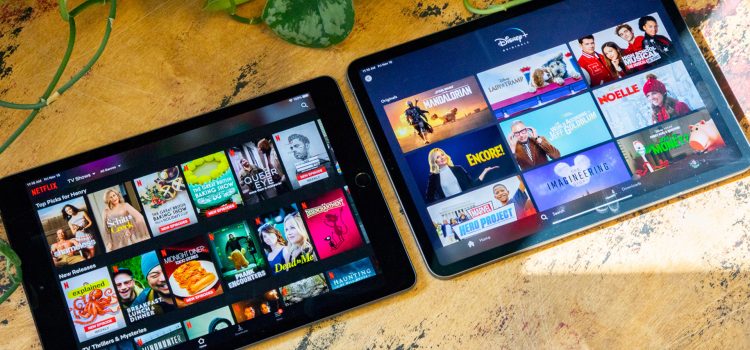
In the past decade, the entertainment landscape has undergone a seismic shift with the advent and proliferation of streaming services. Platforms such as Netflix, Amazon Prime Video, Hulu, Disney+, and HBO Max have not only changed how we consume content but have also profoundly impacted traditional TV networks. This article delves into the multifaceted impact of streaming services on traditional TV networks, examining the dynamics of this transformation and its implications for the future of broadcast media.
The Rise of Streaming Services
Image by: Google.com
A New Era of Content Consumption
Streaming services have revolutionized the way audiences access and consume media. Unlike traditional TV networks that adhere to scheduled programming, streaming platforms offer on-demand access to a vast library of content. This convenience has been a significant factor in their rapid adoption.
The Subscription Model
One of the key differentiators of streaming services is their subscription-based model. For a monthly fee, subscribers gain access to a plethora of shows, movies, documentaries, and original content. This contrasts sharply with the ad-supported revenue model of traditional TV networks.
Technological Advancements
Technological advancements have played a crucial role in the rise of streaming services. High-speed internet, smart TVs, and mobile devices have made it easier than ever for consumers to stream content anytime, anywhere. Additionally, advancements in data analytics have enabled streaming services to offer personalized recommendations, enhancing user experience.
Decline in Traditional TV Viewership
Image by: Google.com
Shifting Audience Preferences
The convenience and flexibility offered by streaming services have led to a significant decline in traditional TV viewership. Younger audiences, in particular, are increasingly turning away from linear TV schedules in favor of on-demand content.
Impact on Advertising Revenue
As viewership declines, traditional TV networks are experiencing a corresponding drop in advertising revenue. Advertisers are reallocating their budgets to digital platforms, where they can target specific demographics more effectively.
Cord-Cutting Phenomenon
The phenomenon of “cord-cutting” where viewers cancel their cable or satellite TV subscriptions in favor of streaming services has further exacerbated the decline in traditional TV viewership. This trend is driven by the cost-effectiveness and flexibility of streaming subscriptions.
Content Production and Distribution
Image by: Google.com
Original Programming
Streaming services have invested heavily in original programming, producing high-quality content that rivals, and often surpasses, that of traditional TV networks. Shows like “Stranger Things,” “The Mandalorian,” and “The Crown” have garnered critical acclaim and massive viewership, drawing audiences away from traditional TV.
Global Reach
Unlike traditional TV networks that often have regional restrictions, streaming services offer a global reach. This has enabled them to attract a diverse audience and produce content that appeals to a wide range of cultural and linguistic backgrounds.
Licensing and Syndication
The rise of streaming services has also impacted the licensing and syndication model of traditional TV networks. Many networks now license their content to streaming platforms, providing an additional revenue stream but also potentially cannibalizing their own viewership.
Challenges for Traditional TV Networks
Image by: Google.com
Adapting to the Digital Age
Traditional TV networks face the challenge of adapting to the digital age. Many have launched their own streaming platforms, such as CBS All Access (now Paramount+), NBC’s Peacock, and HBO Max, in an attempt to compete with established streaming giants.
Content Strategy
To remain relevant, traditional TV networks must rethink their content strategy. This includes investing in original programming, leveraging their existing content libraries, and exploring new formats and genres that resonate with modern audiences.
Technological Integration
Integrating new technologies, such as data analytics and artificial intelligence, can help traditional TV networks better understand viewer preferences and offer personalized content recommendations. This can enhance user experience and drive engagement.
The Future of Television
Image by: Google.com
Hybrid Models
The future of television is likely to see the emergence of hybrid models that combine the best of both worlds. Traditional TV networks may continue to offer scheduled programming while also providing on-demand access through their streaming platforms.
Collaborative Efforts
Collaborations between traditional TV networks and streaming services could become more common. Joint ventures, co-productions, and content sharing agreements can help both parties leverage their strengths and reach a broader audience.
Regulatory Considerations
As the lines between traditional TV and streaming services blur, regulatory considerations will come into play. Issues such as content licensing, advertising standards, and viewer data privacy will need to be addressed to ensure a fair and competitive landscape.
Conclusion
The impact of streaming services on traditional TV networks is profound and multifaceted. While streaming platforms have disrupted the traditional TV model, they have also spurred innovation and competition in the industry. As both traditional TV networks and streaming services continue to evolve, the future of television promises to be dynamic and diverse, offering audiences more choice and control over their viewing experiences than ever before.
Competitive entertainment has undergone a seismic shift in recent years, thanks to the meteoric rise of E-Sports. What began as a niche hobby for gaming enthusiasts has transformed into a global phenomenon that rivals traditional sports in terms of viewership, sponsorship, and cultural impact. This article delves into the multifaceted world of E-Sports, exploring how it is redefining competitive entertainment and shaping the future of sports and media.
The Evolution of E-Sports
Image by: Yandex.com
Early Beginnings
The roots of E-Sports can be traced back to the early days of video gaming in the 1970s and 1980s. Arcade games like “Space Invaders” and “Pac-Man” saw players vying for high scores, but it wasn’t until the advent of multiplayer games that competitive gaming began to take shape. Titles like “Street Fighter II” and “Star Craft” became the bedrock for early E-Sports competitions.
The Internet Age
The proliferation of the internet in the late 1990s and early 2000s was a game-changer for E-Sports. Online multiplayer games such as “Counter-Strike” and “Warcraft III” allowed players from around the world to compete against each other. This period also saw the emergence of platforms like Twitch, which provided a space for gamers to live stream their gameplay, attracting millions of viewers.
Modern Era
Today, E-Sports is a billion-dollar industry with professional leagues, massive tournaments, and a global fanbase. Games like “League of Legends,” “Dota 2,” and “Fortnite” have become household names, and E-Sports athletes are now recognized as legitimate competitors. The industry has also seen significant investment from traditional sports teams, celebrities, and major corporations.
The Appeal of E-Sports
Image by: Yandex.com
Accessibility
One of the most compelling aspects of E-Sports is its accessibility. Unlike traditional sports, which often require physical prowess and expensive equipment, E-Sports is open to anyone with a gaming console or a computer. This democratization has allowed a diverse range of players to participate and excel in competitive gaming.
Spectator Experience
The spectator experience in E-Sports is also unique. Live streaming platforms like Twitch and YouTube Gaming offer fans the ability to watch their favorite players in real-time, interact with them through chat, and even contribute financially through donations and subscriptions. This level of engagement is unparalleled in traditional sports.
Innovation and Adaptability
E-Sports is inherently adaptable and constantly evolving. Game developers regularly update their titles, introducing new features, characters, and gameplay mechanics. This keeps the competitive landscape fresh and exciting, ensuring that both players and spectators remain engaged.
Economic Impact
Image by: Yandex.com
Sponsorship and Advertising
The economic impact of E-Sports is substantial. Major brands like Coca-Cola, Intel, and Nike have invested heavily in E-Sports sponsorships and advertising. These partnerships not only provide financial support to E-Sports organizations but also lend credibility to the industry.
Prize Pools and Earnings
Prize pools for E-Sports tournaments have reached staggering amounts. For instance, “The International,” the annual championship for “Dota 2,” boasts a prize pool that exceeds $30 million. Top E-Sports athletes can earn millions of dollars through tournament winnings, sponsorships, and streaming revenue.
Job Creation
The growth of E-Sports has also led to job creation across various sectors. From game developers and event organizers to coaches and analysts, the industry offers a wide range of career opportunities. Additionally, universities are now offering E-Sports scholarships and degree programs, further legitimizing the field.
Cultural Impact
Mainstream Recognition
E-Sports has achieved mainstream recognition, with major media outlets covering tournaments and player stories. Events like the “League of Legends World Championship” and the “Over watch League” are broadcast on traditional television networks, reaching a broader audience.
Social Connectivity
E-Sports fosters social connectivity among players and fans. Online communities, forums, and social media platforms provide spaces for people to share strategies, discuss games, and build friendships. This sense of community is a significant draw for many E-Sports enthusiasts.
Breaking Stereotypes
E-Sports is also breaking stereotypes about gaming. The image of the solitary gamer is being replaced by that of a skilled, strategic competitor. E-Sports athletes undergo rigorous training, work with coaches, and maintain strict schedules, much like traditional athletes.
Challenges and Future Prospects
Image by: Yandex.com
Regulation and Governance
As E-Sports continues to grow, the need for regulation and governance becomes increasingly important. Issues such as cheating, match-fixing, and player exploitation need to be addressed to ensure the integrity of the sport.
Health and Well-being
The physical and mental well-being of E-Sports athletes is another area of concern. Long hours of practice can lead to health issues such as repetitive strain injuries and burnout. Organizations are beginning to recognize the importance of providing support for player health and well-being.
Technological Advancements
Technological advancements will continue to shape the future of E-Sports. Virtual reality (VR) and augmented reality (AR) have the potential to create new forms of competitive gaming, while advancements in artificial intelligence (AI) could lead to more sophisticated game design and player training tools.
Conclusion
E-Sports is undeniably redefining competitive entertainment. Its accessibility, innovative nature, and cultural impact have positioned it as a formidable force in the world of sports and media. As the industry continues to evolve, it will undoubtedly face challenges, but its potential for growth and influence is immense. Whether you’re a player, a fan, or an investor, the world of E-Sports offers exciting opportunities and a glimpse into the future of competitive entertainment.
As we look towards 2024, the landscape of healthcare is being dramatically reshaped by innovative tech startups that are leveraging artificial intelligence (AI) to revolutionize diagnostics and predictive analytics. AI-driven diagnostics from tech startups are set to be game-changers in the healthcare industry. These startups are developing sophisticated algorithms that can analyze medical images with unprecedented accuracy, often surpassing human capabilities. For instance, AI systems are being trained to detect early signs of diseases such as cancer, enabling earlier intervention and potentially saving countless lives. Companies like Zebra Medical Vision and PathAI are at the forefront, using AI to interpret complex medical data and provide actionable insights to healthcare professionals.
Predictive analytics is another area where tech startups are making significant strides. By harnessing the power of AI, these startups are transforming how healthcare providers predict and manage patient outcomes. Predictive analytics tools can analyze vast amounts of patient data to forecast disease progression, recommend personalized treatment plans, and even predict potential outbreaks of infectious diseases. Startups like Tempus and Health Catalyst are pioneering these efforts, offering solutions that help healthcare providers make more informed decisions, improve patient outcomes, and reduce costs. As we move into 2024, the continued evolution of AI-driven diagnostics and predictive analytics promises to bring about a new era of precision medicine and proactive healthcare management.
Revolutionary Fintech Innovations
Image by : Yandex
The financial technology (fintech) sector is undergoing a revolution, with tech startups leading the charge in transforming financial transactions and advisory services. Blockchain technology is at the heart of this transformation, offering a secure, transparent, and decentralized method for conducting financial transactions. Startups like Chainalysis and Ripple are utilizing blockchain to streamline processes, reduce fraud, and enhance the efficiency of cross-border payments. These innovations are not only making financial transactions faster and more secure but also democratizing access to financial services, particularly in underserved regions.
AI-driven financial advisory services are also gaining significant traction as we approach 2024. Startups in this space are developing AI-powered platforms that provide personalized financial advice, investment strategies, and portfolio management. These platforms analyze vast datasets to offer insights that were previously only available to high-net-worth individuals through traditional financial advisors. Companies like Betterment and Wealthfront are leading the way, offering robo-advisors that cater to a broad audience, from novice investors to seasoned professionals. By leveraging AI, these startups are making financial planning more accessible, efficient, and tailored to individual needs, heralding a new era of financial empowerment.
Next-Gen Cybersecurity Startups
The cybersecurity landscape is being revolutionized by next-gen tech startups that are developing cutting-edge solutions to protect against ever-evolving threats. As cyber-attacks become more sophisticated, these startups are at the forefront of innovation, creating tools and technologies that offer robust defense mechanisms. Revolutionizing cybersecurity, these startups are focused on developing advanced threat detection systems, encryption methods, and secure communication channels. Companies like Darktrace and SentinelOne are pioneering the use of AI and machine learning to detect and respond to cyber threats in real-time, providing a proactive approach to cybersecurity.
AI-driven defense mechanisms are particularly noteworthy among next-gen tech startups to watch in 2024. These startups are harnessing the power of AI to predict, identify, and mitigate cyber threats before they can cause significant damage. By analyzing patterns and anomalies in network traffic, AI-driven systems can detect potential breaches and respond autonomously, reducing the reliance on human intervention. Startups like Vectra AI and Cylance are leading this charge, offering solutions that not only enhance security but also adapt and learn from new threats. As we move into 2024, the advancements in AI-driven cybersecurity promise to provide a more secure digital environment, safeguarding both individuals and organizations from increasingly complex cyber threats.
Sustainable Tech for Climate Change
In the fight against climate change, emerging tech startups are playing a crucial role by developing innovative solutions that promote sustainability. These startups are leveraging technology to create products and services that reduce carbon footprints, enhance energy efficiency, and promote sustainable practices. Emerging tech startups to watch in 2024 are those that are pioneering renewable energy solutions, such as solar and wind power, and developing technologiesto store and distribute this energy more efficiently. Companies like Tesla and NextEra Energy are leading the way, with innovations in battery storage and smart grid technologies that are transforming the energy landscape.
Innovative tech startups are also focused on combating climate change through various other means. These startups are developing technologies that monitor and reduce greenhouse gas emissions, promote sustainable agriculture, and enhance waste management practices. For example, companies like Indigo Agriculture are using AI and data analytics to optimize crop yields while minimizing environmental impact. Other startups are creating biodegradable materials and sustainable packaging solutions to reduce plastic waste. As we approach 2024, the contributions of these tech startups are becoming increasingly vital in the global effort to combat climate change and promote a more sustainable future.
Cutting-Edge Robotics Companies
Image by : Yandex
The robotics industry is on the cusp of a revolution, with cutting-edge companies developing autonomous solutions that are set to transform various industries. Revolutionizing industries with autonomous robotics solutions, these startups are creating robots that can perform complex tasks with high precision and efficiency. In manufacturing, for instance, autonomous robots are being used to streamline production lines, improve quality control, and reduce labor costs. Startups like Boston Dynamics and Fetch Robotics are at the forefront, developing robots that can operate in diverse environments, from factories to warehouses, enhancing productivity and safety.
Pioneering AI-driven robotics for diverse applications, these companies are expanding the capabilities of robots beyond traditional uses. In healthcare, robots are being developed to assist in surgeries, provide rehabilitation support, and even deliver medication to patients. In agriculture, autonomous robots are being used for planting, harvesting, and monitoring crops, improving efficiency and yield. Companies like Intuitive Surgical and Blue River Technology are leading these innovations, demonstrating the potential of AI-driven robotics to revolutionize various sectors. As we look towards 2024, the advancements in robotics technology promise to bring about significant changes, enhancing operational efficiency and opening up new possibilities across multiple industries.
The global landscape of urban commuting is undergoing a significant transformation, with electric bikes (e-bikes) emerging as a popular and sustainable alternative. As cities become more congested and environmental concerns rise, e-bikes offer a promising solution. This article explores the growth of e-bikes, their benefits, technological advancements, challenges, and their potential to shape the future of commuting.
Pexels.com
The Rise of Electric Bikes
Historical Context
The concept of electric bicycles dates back to the late 19th century, but it wasn’t until the 21st century that technological advancements made them a viable mode of transportation. Early models were bulky and inefficient, but modern e-bikes have evolved into sleek, efficient machines.
Market Growth
The global e-bike market has seen exponential growth in recent years. According to market research, the market size was valued at $23.89 billion in 2020 and is projected to reach $52.37 billion by 2028. This growth is driven by increasing urbanization, rising fuel costs, and a growing emphasis on sustainable transportation.
Benefits of Electric Bikes
Environmental Impact
One of the most significant advantages of e-bikes is their environmental impact. Unlike cars and motorcycles, e-bikes produce zero emissions, contributing to cleaner air and reduced carbon footprints. This makes them a key player in combating climate change and promoting sustainable urban living.
Health Benefits
E-bikes provide an excellent opportunity for physical activity without the strain of traditional bicycles. They allow riders to adjust the level of electric assistance, making it easier to navigate hilly terrains and long distances. Regular e-bike use can improve cardiovascular health, reduce stress, and enhance overall well-being.
Cost Efficiency
Electric bikes are a cost-effective alternative to cars and public transportation. The initial investment in an e-bike is significantly lower than that of a car, and the operational costs are minimal. Charging an e-bike is cheaper than fueling a vehicle, and maintenance costs are also lower due to fewer moving parts and simpler mechanics.
Technological Advancements
Battery Technology
The heart of an e-bike is its battery, and advancements in battery technology have been pivotal in the evolution of e-bikes. Modern e-bikes use lithium-ion batteries, which are lighter, more efficient, and have longer lifespans compared to traditional lead-acid batteries. Innovations in battery management systems have also enhanced safety and performance.
Motor Systems
E-bike motors have become more efficient and versatile. There are two main types of motors: hub motors and mid-drive motors. Hub motors are integrated into the wheel and provide a straightforward and low-maintenance solution. Mid-drive motors, located near the bike’s center, offer better weight distribution and improved performance, especially on varied terrains.
Connectivity and Smart Features
Modern e-bikes are equipped with smart features that enhance the riding experience. Bluetooth connectivity, GPS tracking, and mobile apps allow riders to monitor their e-bike’s performance, plan routes, and even lock their bikes remotely. These features add a layer of convenience and security, making e-bikes a more attractive option for commuters.
Challenges and Limitations
Regulatory Issues
The rise of e-bikes has also brought regulatory challenges. Different countries and regions have varying laws regarding e-bike usage, speed limits, and classifications. Harmonizing these regulations is crucial to ensure the safe and widespread adoption of e-bikes.
Image by Pexels.co
Infrastructure
While e-bikes are gaining popularity, infrastructure development has not kept pace. Many cities lack adequate bike lanes, parking facilities, and charging stations. Investing in infrastructure is essential to support the growing number of e-bike users and to ensure their safety on the roads.
Perception and Acceptance
Despite their benefits, e-bikes still face some skepticism and resistance. Traditional cyclists sometimes view e-bikes as “cheating,” while others are concerned about safety and reliability. Public awareness campaigns and education can help shift perceptions and encourage broader acceptance of e-bikes.
Table 2: Comparative Analysis of E-bikes and Traditional Bicycles
Aspect
E-bikes
Traditional Bicycles
Physical Effort
Adjustable (low to high)
High
Range and Distance
Longer range (assisted travel)
Limited by rider endurance
Accessibility
Suitable for varied fitness levels
Requires higher fitness level
Terrain Handling
Better on hills and rough terrains
Limited to rider’s capability
Cost
Higher initial cost
Lower initial cost
Maintenance
Moderate (battery and motor care)
Low
Future Prospects
Integration with Public Transport
Integrating e-bikes with public transport systems can create a seamless commuting experience. Bike-sharing programs and designated e-bike lanes can encourage more people to adopt e-bikes, reducing traffic congestion and pollution.
Technological Innovations
The future of e-bikes looks promising with ongoing technological innovations. Improvements in battery technology, such as solid-state batteries, could further enhance the range and efficiency of e-bikes. Autonomous and semi-autonomous e-bikes, equipped with advanced sensors and AI, could revolutionize urban mobility.
Government Policies and Incentives
Government policies and incentives play a crucial role in promoting e-bike adoption. Subsidies, tax breaks, and investments in cycling infrastructure can accelerate the shift towards e-bikes. Successful examples from countries like the Netherlands and Denmark can serve as models for other regions.
Conclusion
Electric bikes represent a transformative shift in urban commuting. Their environmental benefits, cost efficiency, and health advantages make them a compelling alternative to traditional modes of transport. While challenges remain, technological advancements and supportive policies can pave the way for a future where e-bikes become a mainstream mode of commuting. As cities strive to become more sustainable and livable, e-bikes are poised to play a pivotal role in shaping the future of urban mobility.