Introduction

In recent years, the publishing world has witnessed a significant transformation, largely driven by the rise of audiobooks. This shift has not only redefined how content is consumed but has also posed both challenges and opportunities for traditional publishing. In this article, we will explore the factors contributing to the rise of audiobooks, their impact on traditional publishing, and what the future might hold for this evolving industry.

The Emergence of Audiobooks

Rise of Audiobooks
Image by: Google.com

Audiobooks, though not a new concept, have seen explosive growth in the past decade. Initially, they were available primarily on CDs and cassettes, catering to a niche market. However, with advancements in technology and the proliferation of smartphones, audiobooks have become more accessible to the masses.

1. Technological Advancements

The advent of smartphones and the rise of streaming services have played a pivotal role in the resurgence of audiobooks. Platforms like Audible, Google Play Books, and Apple Books have made it easier than ever for consumers to download and listen to their favorite titles on the go. This convenience has broadened the appeal of audiobooks, attracting a diverse audience.

2. Changing Consumer Behavior

Modern consumers are increasingly seeking ways to multitask and maximize their time. Audiobooks offer a unique solution, allowing individuals to enjoy literature while commuting, exercising, or performing household chores. This flexibility has made audiobooks particularly popular among busy professionals and students.

Impact on Traditional Publishing

Rise of Audiobooks
Image by: Google.com

The rise of audiobooks has had a profound impact on traditional publishing, influencing various aspects of the industry.

1. Revenue Streams

For publishers, audiobooks have opened up new revenue streams. The global audiobook market was valued at approximately $2.67 billion in 2019 and is projected to grow at a compound annual growth rate (CAGR) of 24.4% from 2020 to 2027. This growth has prompted many publishers to invest heavily in audiobook production, recognizing the potential for substantial returns.

2. Production and Distribution

The production of audiobooks involves a different set of skills and resources compared to print and e-books. Narration quality, sound engineering, and post-production editing are critical components that can significantly influence an audiobook’s success. As a result, publishers are increasingly collaborating with professional narrators and sound engineers to produce high-quality audiobooks.

3. Marketing Strategies

The rise of audiobooks has also necessitated changes in marketing strategies. Traditional book marketing often relies on physical book tours, signings, and print media. In contrast, audiobooks require a more digital-focused approach, leveraging social media, podcasts, and influencer partnerships to reach potential listeners.

Challenges and Opportunities

Rise of Audiobooks
Image by: Google.com

While the rise of audiobooks presents numerous opportunities, it also brings several challenges for traditional publishing.

1. Piracy Concerns

As with any digital content, audiobooks are susceptible to piracy. Unauthorized distribution can significantly impact sales and revenue. Publishers must invest in robust digital rights management (DRM) solutions to protect their content and mitigate the risk of piracy.

2. Competition and Market Saturation

The growing popularity of audiobooks has led to increased competition. Independent authors and smaller publishing houses are now entering the market, making it more challenging for established publishers to maintain their market share. To stay competitive, publishers must continuously innovate and adapt to changing consumer preferences.

3. Accessibility and Inclusivity

One of the most significant opportunities presented by audiobooks is the potential to make literature more accessible. Audiobooks can reach audiences who may have difficulty reading print due to visual impairments or learning disabilities. By embracing inclusivity, publishers can tap into a broader audience and promote a love for literature among diverse groups.

The Cultural Impact of Audiobooks

Rise of Audiobooks
Image by: Google.com
  1. Expanding Literary Access

Audiobooks are expanding access to literature in ways that were previously unimaginable. By breaking down barriers related to time, accessibility, and even language (through multilingual narrations), audiobooks are democratizing reading. This cultural shift is likely to have long-term effects on literacy rates, education, and the publishing industry as a whole.

  1. Shaping New Forms of Storytelling

The rise of audiobooks is also influencing the evolution of storytelling. As more content is created with audio in mind, we may see the emergence of new literary forms that blend traditional narratives with elements of oral storytelling, performance, and even sound design. This could lead to the development of entirely new genres and artistic expressions within the audiobook format.

The Future of Audiobooks and Traditional Publishing

Rise of Audiobooks
Image by: Google.com

The rise of audiobooks is not a passing trend but rather a fundamental shift in how content is consumed. As technology continues to evolve, the audiobook industry is likely to see further innovations, such as immersive audio experiences and interactive storytelling.

For traditional publishing, the key to success will lie in adaptability. Publishers who can embrace the potential of audiobooks while maintaining the integrity of print and e-books will be well-positioned to thrive in this dynamic landscape.

Conclusion

In conclusion, the rise of audiobooks has undeniably transformed the publishing industry, offering new opportunities and challenges. By understanding and adapting to these changes, traditional publishers can continue to flourish in an increasingly digital world. The rise of audiobooks represents a significant and ongoing transformation within the publishing industry. As technology continues to evolve and consumer habits shift, audiobooks are poised to play an increasingly central role in how we consume literature. While traditional formats like print and e-books will remain relevant, the impact of audiobooks on content creation, distribution, and reader engagement cannot be ignored. For publishers, authors, and readers alike, this dynamic landscape offers both challenges and opportunities, as the industry continues to adapt to the changing ways we experience stories.

Introduction

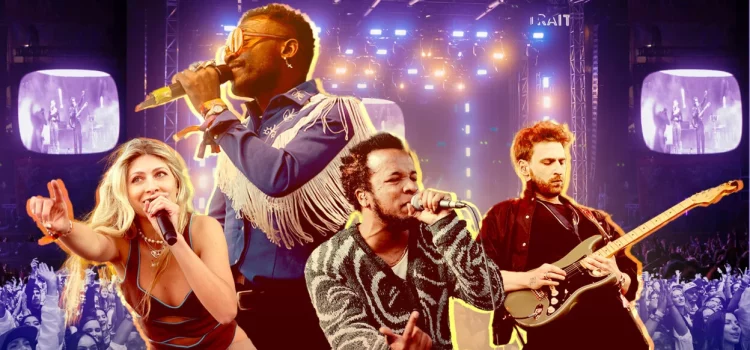
The global music festival scene has long been a vibrant and essential part of the cultural landscape, bringing people together to celebrate music, art, and community. However, the COVID-19 pandemic brought this thriving industry to an abrupt halt, forcing organizers, artists, and fans to adapt to a new reality. As the world begins to recover, the future of music festivals is being reimagined in ways that could shape the industry for years to come. This article explores the potential changes and innovations that could define the future of music festivals in a post-pandemic world.

The Impact of the Pandemic

The pandemic had a profound impact on the music festival industry. Events were canceled or postponed, leading to significant financial losses for organizers, artists, and vendors. The absence of live music experiences left a void for fans who rely on these events for entertainment and social connection. However, the industry’s resilience and adaptability have sparked a wave of innovation that could redefine the future of music festivals.

Technological Advancements

Future of Music Festivals
Image by: Google.com

1.Virtual and Hybrid Festivals

One of the most significant developments during the pandemic was the rise of virtual music festivals. These online events allowed artists to perform and connect with fans from the safety of their homes. While virtual festivals cannot fully replicate the in-person experience, they have shown that technology can play a crucial role in the future of music festivals.

Hybrid festivals, which combine in-person and virtual elements, are likely to become more common. These events can reach a global audience while maintaining the unique atmosphere of a live festival. For example, attendees could watch performances online, interact with other fans through chat rooms, and even participate in virtual meet-and-greets with artists.

2.Augmented and Virtual Reality

Augmented reality (AR) and virtual reality (VR) technologies have the potential to revolutionize the music festival experience. AR can enhance the live experience by overlaying digital content onto the physical world, creating interactive and immersive environments. VR, on the other hand, can transport users to a virtual festival ground, allowing them to explore, interact, and enjoy performances as if they were there in person.

These technologies can also provide new revenue streams for organizers and artists. Virtual merchandise, exclusive content, and premium experiences can be offered to fans, creating additional value and engagement.

Health and Safety Measures

Future of Music Festivals
Image by: Google.com

1.Enhanced Sanitation and Hygiene

The pandemic has heightened awareness of health and safety, leading to increased sanitation and hygiene measures at music festivals. Organizers will need to implement rigorous cleaning protocols, provide hand sanitizing stations, and ensure that high-touch areas are regularly disinfected.

2.Health Screenings and Vaccination Requirements

Health screenings, such as temperature checks and rapid testing, may become standard practice at music festivals. Some events may also require proof of vaccination for entry. These measures can help reduce the risk of infection and provide peace of mind for attendees.

3.Contactless Technology

Contactless technology, such as mobile ticketing, cashless payments, and touchless entry, will likely become more prevalent. These innovations can streamline the festival experience, reduce physical contact, and minimize the risk of virus transmission.

4.Sustainability and Environmental Impact

The pandemic has prompted a renewed focus on sustainability and environmental responsibility. Music festivals can adopt eco-friendly practices, such as reducing single-use plastics, promoting recycling, and using renewable energy sources. Additionally, organizers can encourage attendees to use public transportation or carpool to reduce the event’s carbon footprint.

Community and Inclusivity

Future of Music Festivals
Image by: Google.com

1.Supporting Local Communities

Music festivals can play a vital role in supporting local communities by partnering with local businesses, artists, and vendors. This collaboration can boost the local economy and create a sense of community pride and ownership.

2.Inclusivity and Diversity

The future of music festivals will likely see a greater emphasis on inclusivity and diversity. Organizers can create more inclusive environments by featuring diverse lineups, providing accessible facilities, and promoting a culture of respect and acceptance.

Future Trends in Music Festivals

Future of Music Festivals
Image by: Google.com

1.Experiential and Thematic Festivals

  • Immersive Experiences

Festivals are increasingly focusing on creating immersive experiences that go beyond music. These may include art installations, interactive workshops, and themed environments that provide attendees with a multi-sensory experience.

  • Wellness and Wellbeing

Wellness-oriented festivals are gaining popularity, offering activities such as yoga, meditation, and wellness workshops. These events cater to attendees seeking a holistic experience that combines music with personal well-being.

2.Technological Integration

  • Advanced Ticketing Systems

Future festivals will likely adopt advanced ticketing systems that use blockchain technology for secure transactions and fraud prevention. These systems can also offer personalized recommendations and seamless entry processes.

  • Data-Driven Personalization

Using data analytics, festivals can offer personalized experiences based on attendees’ preferences. This personalization might include tailored schedules, customized notifications, and exclusive content recommendations.

Conclusion

The future of music festivals in a post-pandemic world is filled with possibilities. Technological advancements, enhanced health and safety measures, sustainability initiatives, and a focus on community and inclusivity will shape the industry in new and exciting ways. While the challenges of the pandemic have been significant, they have also provided an opportunity for innovation and growth. As the world continues to recover, music festivals will undoubtedly remain a cherished and essential part of our cultural landscape.

Introduction

The entertainment landscape is rapidly evolving, and at the forefront of this transformation is the symbiotic relationship between video games and Hollywood. Once considered distinct realms, gaming and cinema are now interwoven, with each medium influencing and enriching the other. This article delves into the profound impact of gaming on Hollywood, exploring the ways in which video games are shaping the next big blockbusters.

The Evolution of Video Games and Cinema

1.The Early Days

In the early days of cinema and video games, the two industries operated in parallel but rarely intersected. Films provided a passive viewing experience, while video games offered interactive entertainment. However, as technology advanced, the lines between these forms of media began to blur.

2.The Convergence of Technologies

With the advent of sophisticated computer graphics, motion capture technology, and realistic sound design, video games began to offer experiences that rivaled those of blockbuster films. This convergence of technologies has paved the way for a new era of storytelling, where the immersive nature of video games complements the narrative depth of cinema.

The Rise of Video Game Adaptations

Gaming's Influence on Hollywood
Image by: Google.com

1.From Pixels to the Silver Screen

One of the most noticeable impacts of gaming on Hollywood is the rise of video game adaptations. Films based on popular video games have become a lucrative genre, drawing in both gamers and moviegoers. Titles like “Tomb Raider,” “Resident Evil,” and “Sonic the Hedgehog” have enjoyed significant box office success, proving that there is a substantial market for these adaptations.

2.Challenges and Triumphs

Adapting video games into films is not without its challenges. The interactive nature of games means that players have a personal stake in the story, making it difficult to translate that experience into a passive viewing format. However, successful adaptations have managed to capture the essence of the original games while offering a fresh perspective. For instance, “Detective Pikachu” and “The Witcher” series have been praised for their faithful yet innovative interpretations.

The Influence of Game Mechanics on Filmmaking

1.Interactive Storytelling

One of the most significant ways in which gaming has influenced Hollywood is through the concept of interactive storytelling. Games like “The Last of Us” and “Red Dead Redemption” have demonstrated the power of player agency in shaping narratives. Filmmakers are increasingly incorporating elements of interactivity into their projects, creating films that offer multiple story lines and endings based on audience choices.

2.Immersive Experiences

The immersive nature of video games has also inspired filmmakers to push the boundaries of traditional cinema. Virtual reality (VR) and augmented reality (AR) technologies, which are staples in the gaming industry, are being utilized to create immersive film experiences. Projects like “Ready Player One” and “Bander snatch” have showcased the potential of these technologies in cinema, offering audiences a more engaging and participatory experience.

The Impact of Gaming Culture on Hollywood

Gaming's Influence on Hollywood
Image by: Google.com

1.The Rise of Esports and Streaming

Gaming culture has permeated mainstream entertainment, with esports and streaming platforms becoming major sources of content. Hollywood has taken notice, producing films and series that explore the world of competitive gaming and streaming. Titles like “Free Guy” and “High Score” highlight the growing influence of gaming culture on popular media.

2. Influencer Collaborations

The rise of gaming influencers and content creators has also impacted Hollywood. These influencers, who have massive followings on platforms like Twitch and YouTube, are being tapped for collaborations and cameos in films. Their presence not only attracts their fanbase but also lends authenticity to gaming-related content.

The Future of Gaming and Hollywood Collaboration

Gaming's Influence on Hollywood
Image by: Google.com

 1. Transmedia Storytelling

The future of gaming’s influence on Hollywood lies in transmedia storytelling, where narratives are told across multiple platforms. Franchises like “Star Wars” and “Marvel” have already embraced this approach, with stories unfolding in films, games, comics, and TV series. This strategy allows for a richer and more expansive narrative universe, engaging audiences on multiple levels.

2.Cross-Industry Partnerships

As the lines between gaming and Hollywood continue to blur, we can expect to see more cross-industry partnerships. Game developers and filmmakers will collaborate to create content that leverages the strengths of both mediums. This synergy will result in innovative and compelling experiences that redefine entertainment.

Conclusion

The influence of gaming on Hollywood is profound and far-reaching. From video game adaptations to interactive storytelling and immersive experiences, the impact of gaming is reshaping the film industry. As technology continues to evolve and gaming culture becomes even more mainstream, the collaboration between these two entertainment giants will only deepen. The next big blockbusters will not just be films or games but a seamless blend of both, offering audiences unprecedented levels of engagement and storytelling.

In this dynamic landscape, one thing is certain: the future of entertainment is here, and it is being shaped by the powerful synergy between gaming and Hollywood.

Introduction

The world of television is no stranger to change, but few transitions have been as highly anticipated as Ryan Seacrest’s first day on the set of “Wheel of Fortune.” Stepping into the shoes of a beloved host is no small task, yet Seacrest brings a wealth of experience and charisma to the iconic game show. This article delves into the behind-the-scenes action of his debut, offering a professional look at what it takes to helm one of America’s favorite TV programs.

The Legacy of ‘Wheel of Fortune’

“Wheel of Fortune” has been a staple of American television since its debut in 1975. Created by Merv Griffin, the show combines the thrill of word puzzles with the excitement of spinning a giant wheel. Over the decades, it has become synonymous with family entertainment, captivating audiences with its unique blend of skill and luck. The show’s enduring popularity is a testament to its timeless format and the magnetic presence of its hosts.

Ryan Seacrest: A Natural Fit

Ryan Seacrest is no stranger to the limelight. With a career spanning over two decades, he has become one of the most recognizable faces in entertainment. From hosting “American Idol” to producing hit shows like “Keeping Up with the Kardashians,” Seacrest’s versatility and professionalism make him a natural fit for “Wheel of Fortune.” His ability to connect with audiences and his knack for keeping live shows running smoothly are qualities that align perfectly with the demands of the game show.

Preparation: More Than Meets the Eye

Ryan Seacrest's
Image by: Google.com

Before the cameras started rolling, Seacrest underwent extensive preparation for his new role. Understanding the mechanics of the game, familiarizing himself with the set, and rehearsing with contestants were all part of the process. The show’s producers worked closely with him to ensure a seamless transition, providing insights and guidance to help him hit the ground running.

A Warm Welcome

Seacrest’s arrival on the set was met with enthusiasm and support from the entire “Wheel of Fortune” team. Long-time host Pat Sajak, who announced his retirement after an illustrious career, was on hand to offer his blessings. Sajak’s endorsement added a layer of credibility to Seacrest’s new role, reassuring fans that the show was in good hands.

First Impressions

As the lights dimmed and the familiar theme music played, Seacrest took his place on stage with a confident smile. His first words as the new host were a heartfelt tribute to Pat Sajak and a promise to uphold the show’s legacy. The audience responded with applause, signaling their approval and excitement for this new chapter.

Behind the Scenes: Crew Dynamics

The success of “Wheel of Fortune” is not solely dependent on its host. The show’s crew, from camera operators to producers, plays a crucial role in ensuring everything runs smoothly. Seacrest took the time to meet with each team member, understanding their roles and building rapport. His collaborative approach fostered a positive atmosphere, setting the stage for a successful tenure.

The Contestants: A New Experience

For the contestants, appearing on “Wheel of Fortune” is a dream come true. Seacrest’s presence added an extra layer of excitement to their experience. His ability to put people at ease, combined with his genuine interest in their stories, made for engaging interactions. Contestants felt valued and respected, enhancing the overall atmosphere of the show.

Audience Reaction

The audience’s reaction to Seacrest’s debut was overwhelmingly positive. Social media platforms were abuzz with praise for his performance, with many fans expressing their approval of the new host. Critics also lauded his seamless transition, noting his professionalism and natural fit for the role. The positive feedback was a testament to Seacrest’s ability to connect with viewers and maintain the show’s beloved format.

Challenges and Triumphs

Ryan Seacrest's
Image by: Google.com

No transition is without its challenges, and Seacrest’s first day on “Wheel of Fortune” was no exception. Navigating the intricacies of the game, managing time constraints, and maintaining the show’s energy required a delicate balance. However, Seacrest’s experience and adaptability shone through, allowing him to overcome these hurdles with grace. His triumphs were a testament to his dedication and commitment to the role.

Looking Ahead

As Ryan Seacrest settles into his new role, the future of “Wheel of Fortune” looks bright. His fresh perspective and dynamic presence are expected to bring new energy to the show, attracting a younger demographic while retaining its loyal fan base. The show’s producers are optimistic about this new chapter, confident that Seacrest will continue to uphold the high standards set by his predecessor.

Conclusion

Ryan Seacrest’s first day on the “Wheel of Fortune” set was a blend of excitement, professionalism, and a deep respect for the show’s legacy. His seamless transition and positive reception from both the audience and crew are indicative of a promising future. As he continues to spin the wheel and guide contestants through word puzzles, viewers can look forward to many more memorable moments on this iconic game show.

Introduction

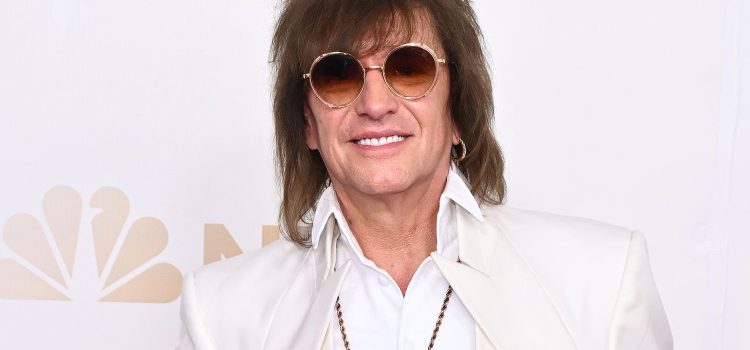
Richie Sambora, the legendary guitarist best known for his tenure with Bon Jovi, has always been in the limelight for his musical prowess. However, his personal life has also garnered significant attention, particularly his journey through rehab. What stands out in Sambora’s story is the fact that he found value and enjoyment in rehab, even though he was already sober. This narrative is not just about overcoming addiction but also about personal growth, self-reflection, and the pursuit of a better life.

The Background: Richie Sambora’s Career and Personal Struggles

Richie Sambora’s career took off in the early 1980s when he joined Bon Jovi. The band quickly rose to international fame, producing numerous hits and selling millions of albums worldwide. Sambora’s guitar riffs and songwriting skills were integral to the band’s success. However, the pressures of fame and the rock ‘n’ roll lifestyle took a toll on him, leading to struggles with substance abuse.

Sambora has been open about his battles with alcohol and drugs. Like many in the music industry, he found himself caught in a cycle of addiction that was hard to break. Despite these challenges, he managed to maintain his professional commitments, but the personal cost was high.

The Decision to Enter Rehab

Richie Sambora
Image by: Google.com

By the time Sambora decided to enter rehab, he had already achieved sobriety. This decision was not driven by a need to detox or to overcome a relapse but rather by a desire to work on his mental health and personal well-being. This is a crucial point in understanding why Richie Sambora enjoyed rehab despite being sober.

For Sambora, rehab was an opportunity to step away from the demands of his career and focus on himself. It was a chance to reflect on his life, understand his past behaviors, and develop strategies for a healthier future. This proactive approach to rehab is something that can be incredibly beneficial, even for those who are not currently struggling with addiction.

The Rehab Experience: A Journey of Self-Discovery

Richie Sambora’s time in rehab was marked by self-discovery and growth. He participated in various therapies and activities designed to promote mental health and personal development. These included individual counseling, group therapy, and holistic practices like meditation and yoga.

One of the key aspects of Sambora’s rehab experience was the sense of community. Being surrounded by others who were also working on their personal issues provided a supportive environment. This camaraderie can be incredibly healing, as it fosters a sense of belonging and understanding.

Sambora enjoyed rehab because it allowed him to connect with others on a deep level. Sharing experiences and learning from each other can be a powerful tool in personal growth. This sense of community and mutual support is often one of the most valuable aspects of rehab, regardless of one’s sobriety status.

The Role of Therapy and Counseling

Therapy and counseling played a significant role in Sambora’s positive rehab experience. Even though he was sober, therapy provided him with tools to manage stress, cope with past traumas, and build a healthier mindset. Cognitive-behavioral therapy (CBT), in particular, can be beneficial for understanding and changing negative thought patterns.

For Sambora, therapy was not just about addressing past issues but also about building a better future. It helped him to set goals, develop coping strategies, and improve his overall mental health. This proactive approach to therapy is something that can benefit anyone, regardless of their addiction status.

Holistic Practices: Mind, Body, and Spirit

Another reason why Richie Sambora enjoyed rehab was the incorporation of holistic practices. These activities, which include meditation, yoga, and mindfulness, focus on the connection between mind, body, and spirit. They promote relaxation, reduce stress, and enhance overall well-being.

For Sambora, these practices were a way to reconnect with himself and find inner peace. They provided a break from the hectic pace of his professional life and allowed him to focus on his personal health. The benefits of these practices are well-documented, and they can be a valuable addition to any rehab program.

The Positive Impact of Rehab on Sambora’s Life

Richie Sambora
Image by: Google.com

Richie Sambora’s time in rehab had a lasting positive impact on his life. It provided him with the tools and support he needed to maintain his sobriety and improve his mental health. More importantly, it gave him a new perspective on life and helped him to prioritize his well-being.

Since his time in rehab, Sambora has continued to focus on his personal growth and mental health. He has remained sober and has used his experiences to help others who are struggling with addiction. His story is a powerful reminder that rehab can be a positive and transformative experience, even for those who are already sober.

Conclusion: The Value of Rehab for Personal Growth

Richie Sambora’s story is a testament to the value of rehab for personal growth and self-reflection. His decision to enter rehab despite being sober highlights the importance of mental health and well-being. Rehab is not just about overcoming addiction; it is also about building a better, healthier future.

Sambora enjoyed rehab because it provided him with the tools and support he needed to improve his life. His journey is an inspiration to others who may be considering rehab, showing that it can be a positive and transformative experience for anyone, regardless of their sobriety status.

In conclusion, Richie Sambora’s experience in rehab is a powerful reminder of the importance of self-care and personal growth. His story shows that rehab can be a valuable opportunity for reflection, healing, and building a better future. Whether you are struggling with addiction or simply looking to improve your mental health, rehab can provide the support and tools you need to achieve your goals.

Introduction

Voice acting is a dynamic and exciting field that offers a multitude of opportunities for those with a talent for vocal performance. Whether you’re interested in animation, commercials, video games, or audiobooks, breaking into voice acting requires a combination of skill, strategy, and perseverance. This article provides a detailed roadmap for aspiring voice actors, covering everything from honing your craft to navigating the industry.

Understanding Voice Acting

Voice acting involves using your voice to bring characters, advertisements, or narrations to life. Unlike traditional acting, where physical presence and expressions play a significant role, voice acting relies entirely on vocal delivery. This means that voice actors must be adept at conveying emotion, personality, and nuance solely through their voice.

Developing Your Skills

Break into Voice Actin
Image by: Google.com

1. Voice Training

Investing in voice training is crucial. Consider enrolling in classes or workshops that focus on voice modulation, diction, and vocal health. Working with a vocal coach can help you understand your vocal range and improve your technique.

2. Acting Classes

Voice acting is still acting. Taking acting classes can help you understand character development, script interpretation, and emotional expression. These skills are transferable and will enhance your voice acting capabilities.

3. Imitation and Practice

Practice makes perfect. Spend time imitating different voices and accents. Record yourself and critique your performances. This will help you identify areas for improvement and build a versatile vocal repertoire.

Building a Professional Portfolio

1. Creating a Demo Reel

A demo reel is your calling card in the voice acting industry. It should showcase your range and versatility. Include samples of different characters, styles, and tones. Keep it concise, ideally between one to two minutes.

2. Professional Recording Equipment

Invest in quality recording equipment. A good microphone, headphones, and soundproofing materials are essential. Poor audio quality can detract from your performance and make a negative impression on potential clients.

3. Online Presence

Create a professional website and social media profiles. Use these platforms to showcase your demo reel, share industry insights, and connect with potential clients and collaborators.

Navigating the Industry

1. Networking

Networking is key in the voice acting industry. Attend industry events, join voice acting forums, and participate in online communities. Building relationships with other voice actors, producers, and casting directors can open doors to new opportunities.

2. Auditioning

Auditioning is a critical part of breaking into voice acting. Look for casting calls on industry websites, social media, and through networking contacts. Prepare thoroughly for each audition, and don’t be discouraged by rejection. Persistence is essential.

3. Agents and Managers

Consider seeking representation from a voiceover agent or manager. They can help you find auditions, negotiate contracts, and provide career guidance. However, be cautious and research potential agents to ensure they are reputable.

Diversifying Your Opportunities

Break into Voice Actin
Image by: Google.com

1. Commercial Voiceover

Commercial voiceover work includes radio and TV commercials, online ads, and promotional videos. This type of work often requires a clear, engaging, and persuasive vocal style.

2. Animation and Video Games

Voice acting for animation and video games allows for creative and dynamic performances. These roles often require the ability to create distinct and memorable characters.

3. Audiobooks

Narrating audiobooks requires stamina and the ability to maintain consistent character voices over long periods. This genre demands excellent storytelling skills and vocal endurance.

4. E-Learning and Corporate Narration

E-learning and corporate narration involve providing voiceovers for educational content, training videos, and corporate presentations. This work often requires a clear, professional, and informative vocal style.

Continuous Improvement

1. Feedback and Critique

Seek feedback from industry professionals and peers. Constructive criticism can help you identify strengths and areas for improvement. Continuously refining your skills is essential for long-term success.

2. Staying Informed

Stay updated on industry trends, new technologies, and emerging opportunities. Subscribe to industry publications, attend workshops, and participate in webinars to keep your knowledge current.

3. Vocal Health

Maintain your vocal health by staying hydrated, avoiding strain, and practicing good vocal hygiene. Regularly warming up your voice and taking breaks during long recording sessions can prevent vocal fatigue.

Conclusion

Breaking into voice acting is a challenging yet rewarding journey. It requires a combination of talent, dedication, and strategic effort. By developing your skills, building a professional portfolio, navigating the industry, diversifying your opportunities, and continuously improving, you can launch a successful voiceover career. Remember, persistence and passion are key. With the right approach, you can turn your voice acting dreams into reality.

This comprehensive guide offers a roadmap for aspiring voice actors, covering essential aspects of the industry. By following these steps and staying committed to your craft, you can successfully break into voice acting and build a thriving career.