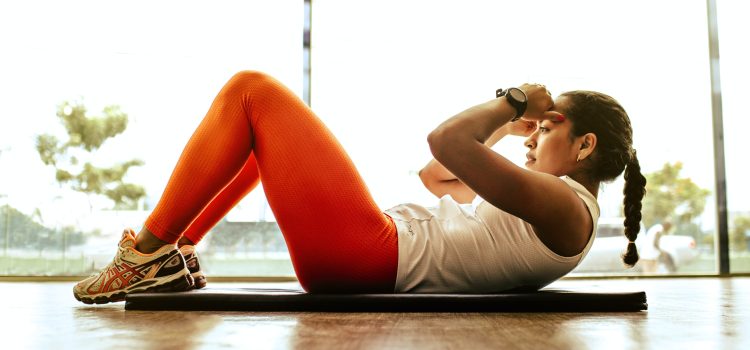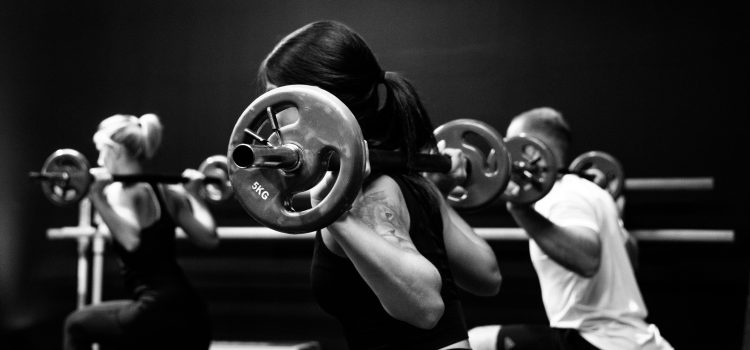
Working out is a great way to stay fit and healthy. But if you’re not careful, it can also be dangerous. Injuries are common when exercising, especially if you don’t take proper steps to prevent them. The good news is that there are several steps you can take to reduce the risk of injury while working out. This blog post will provide 10 essential tips for staying safe while exercising so you can enjoy your workouts worry-free. So let’s get started!

Always Warm Up and Cool Down

Before beginning any type of physical activity, it is crucial to warm up your muscles and joints. A proper warm-up will increase your heart rate and blood flow, which will in turn help to prevent injuries. Warming up can be as simple as walking for a few minutes or doing some light stretching.

After working out, it is just as important to cool down your body. This helps to gradually bring your heart rate and blood pressure back to normal levels. Cooling down also allows your muscles to recover from the strenuous activity. Cooling down can be done by walking for a few minutes or doing some gentle stretches.

Don’t Work Out Too Hard or Too Often

When it comes to working out, more is not necessarily better. In fact, working out too hard or too often can actually lead to injuries.

Here are some tips to help you avoid overtraining and stay safe while working out:

– Listen to your body. If you’re feeling fatigued or sore, take a break.

– gradually increase the intensity and frequency of your workouts. sudden increases can lead to injuries.

– cross-train. vary your workouts to reduce the risk of overuse injuries.

– warm up and cool down properly. give your body time to adjust to changes in activity level.

– be sure to rest and recover between workouts. this is when your body rebuilds and strengthens itself.

Use the Right Equipment

If you want to stay safe while working out, it’s important to use the right equipment. That means making sure you have the proper footwear, clothing, and gear for your chosen activity.

For example, if you’re going for a run, you’ll want to make sure you have a good pair of running shoes that fit well and provide adequate support. You should also dress appropriately for the weather conditions. If it’s cold outside, you’ll want to layer up to avoid getting chilled. And if it’s hot and humid, light, breathable fabrics are key.

It’s also important to have the right gear for your workout. If you’re lifting weights, for instance, you’ll need access to a variety of weightlifting equipment. And if you’re doing cardio exercises like biking or swimming, you’ll need the appropriate bikes or swimwear.

Making sure you have the right equipment is an essential part of staying safe while working out. With the proper footwear, clothing, and gear, you can minimize your risk of injury and enjoy a more comfortable workout experience.

Be Careful With Weights

Weights are an essential part of many workout routines, but they can also be dangerous if not used properly. Here are some tips to stay safe while using weights:

1. Use the proper weight for your fitness level. If you are new to working out with weights, start with lighter weights and gradually increase the amount you lift as you get stronger.

2. Use good form when lifting weights. This means keeping your back straight, avoiding jerking motions, and using slow, controlled movements.

3. Don’t try to lift too much weight at once. This can lead to injury or even muscle strains.

4. Use a spotter when lifting heavier weights. A spotter can help you complete the exercise safely and prevent injuries.

5. Warm up before lifting weights. A light jog or other cardio activity will help warm up your muscles and prepare them for lifting heavier weights.

6. Cool down after your workout by stretching your muscles gently. This will help prevent stiffness and soreness later on

Use Good Form

When it comes to working out, good form is essential for preventing injuries. Here are some tips to help you stay safe:

1. Start slow and gradually increase your intensity.

2. Make sure your movements are controlled and deliberate.

3. Be aware of your body position and alignment at all times.

4. Use proper breathing techniques to avoid straining your muscles.

5. Listen to your body and stop if you feel pain or discomfort.

Take Breaks as Needed

Working out is essential for maintaining a healthy lifestyle, but it’s important to take breaks as needed to prevent injuries. Over-exerting yourself can lead to muscle strains, ligament damage, and other painful injuries.

Taking regular breaks will help your body recover from the stress of exercise and reduce your risk of injury. Make sure to drink plenty of fluids and stretch before resuming your workout. If you’re feeling pain or discomfort, stop exercising and seek medical attention if necessary.

Wear the Right Shoes

If you’re embarking on a new fitness journey, one of the first things you need to do is make sure you have the right shoes. Wearing the wrong shoes while working out can lead to a whole host of problems, from blisters and bunions to sprained ankles.

Investing in a good pair of workout shoes is one of the best ways to prevent injuries. Look for shoes that provide support and cushioning for your feet, and make sure they fit properly. It’s also a good idea to buy shoes specifically for the type of exercise you’ll be doing. If you’re going to be running, for example, you’ll want to purchase a pair of running shoes.

Even if you have the perfect shoes, it’s still important to take some precautions when working out. Start slowly and increase your intensity gradually. Pay attention to your body and stop if you start to feel pain. And finally, listen to your body – if something doesn’t feel right, don’t do it!

Drink Plenty of Water

When it comes to working out and staying safe, one of the most important things you can do is drink plenty of water. Not only will this help keep your body hydrated, but it will also help flush out toxins and keep your muscles and joints lubricated. aim to drink at least 8 ounces of water before you start your workout, and then continue to drink throughout the session. If you start to feel thirsty, that’s a sign that you’re already dehydrated, so make sure to take a break and drink some water.

Listen to Your Body

It’s important to listen to your body while working out, as pushing yourself too hard can lead to injury. Pay attention to how your body feels and be sure to warm up and cool down properly. If you start to feel pain, stop immediately and rest.

Get a Checkup

In order to prevent injuries while working out, it is essential to get a checkup from a doctor or certified physical therapist before starting any new exercise routine. Checking in with a professional can help to identify any potential areas of concern that could lead to injury down the road. After all, it’s better to be safe than sorry!


Working a desk job can be a real challenge when it comes to staying active. Sitting for long hours is not good for your health, but if that’s all you do at work, what can you do to stay fit? The good news is there are plenty of simple ways to stay active while working a desk job, and many don’t require any special equipment or fancy gym memberships. In this blog post, we’ll discuss 7 easy ways to stay active while working in an office environment. We’ll also talk about how you can find the motivation to incorporate these activities into your day-to-day life, so read on!

Get up and move every hour

It’s no secret that sitting all day isn’t good for our health. In fact, studies have shown that too much sitting can lead to a host of health problems, including obesity, heart disease, and cancer. But if you have a desk job, it’s not always easy to find the time (or the motivation) to get up and move around.

Here are a few simple ways to stay active while working a desk job:

1. Get up and move every hour.
Make it a point to get up and walk around for at least 5 minutes every hour. Set a timer on your phone or computer to remind you. Not only will this help keep your energy levels up, but it’ll also help prevent cramps and blood clots.

2. Take short walking breaks.
Whenever you have a break – whether it’s for lunch or just a couple of minutes between meetings – go for a short walk outside. Getting some fresh air will do you good and getting your steps in will help offset all the sitting you’re doing during the day.

3. Stand while working.
If possible, invest in a standing desk or laptop stand so you can work while standing up. Or, if you can’t stand for long periods of time, try using a stability ball as your chair. This will help strengthen your core muscles and improve your posture.

4. Do

Take a walk during your lunch break

If you have a desk job, it’s important to find ways to stay active throughout the day. Taking a walk during your lunch break is a great way to get some exercise and fresh air. Not only will this help you stay fit, but it can also improve your mood and mental health.

If you live close to work, try walking to and from your job each day. If not, take a stroll around the block or park during your lunch break. You can also find other people to walk with, which can make the time go by faster and be more enjoyable.

Use a standing desk

If you have a desk job, it’s important to find ways to stay active throughout the day. Sitting for long periods of time can lead to health problems, such as obesity, heart disease, and diabetes. Fortunately, there are a few simple ways you can stay active while working at a desk.

One way to stay active is to use a standing desk. Standing desks are becoming more popular in offices because they allow people to stand while they work. Studies show that standing desks can help reduce back pain and improve posture. They also burn more calories than sitting, so you’ll be able to lose weight if you use one regularly.

If you can’t use a standing desk, try to get up and move around every 30 minutes or so. Take a walk around the office, go for a quick jog outside, or do some jumping jacks in your cubicle. Anything that gets your heart rate up will help you stay active and healthy.

Finally, make sure to schedule regular breaks for yourself throughout the day. Use your lunch break to go for a walk or take a yoga class. And make sure to get up and stretch or walk around every few hours. By staying active during the day, you’ll be able to reduce your risk of health problems and feel better overall.

Take the stairs

When you work a desk job, it can be easy to let your fitness fall by the wayside. But there are plenty of simple ways to stay active while working a desk job – and taking the stairs is one of them!

Taking the stairs instead of the elevator or escalator is a great way to get some extra activity into your day. It may not seem like much, but those extra steps can add up over time. Plus, it’s a great way to get your heart rate up and get your blood flowing.

So next time you’re headed to your office or cubicle, take the stairs instead of the elevator or escalator – your body will thank you for it!

Park further away

When you have a sedentary job, it’s important to find ways to move your body and stay active throughout the day. One simple way to do this is to park further away from your office or workplace. This will force you to walk a little bit further, which can help get your blood flowing and muscles moving. You may even want to consider walking around the block a few times before heading into work.

Invest in a fitness tracker

If you’re looking for a way to add some activity into your sedentary desk job, one option is to invest in a fitness tracker. A fitness tracker is a wearable device that tracks your activity level and can help motivate you to be more active.

There are many different types of fitness trackers on the market, so it’s important to choose one that’s right for you. Some factors to consider include budget, features, and compatibility with your smartphone.

Once you have a fitness tracker, there are several ways to use it to get more active at work. For example, you can set goals for yourself and track your progress over time. You can also participate in online challenges with friends or co-workers. And many fitness trackers now offer workplace wellness programs that provide incentives for being active.

So if you’re looking for a way to add some extra activity into your day, a fitness tracker may be a good option for you.

Join an online fitness community

There are a lot of great online fitness communities that can help you stay active while working a desk job. You can find one that fits your interests and goals, and that will help you stay motivated to stay active. There are a lot of different online fitness communities out there, so take some time to find one that’s right for you.

Are you tired of the same old workouts? Looking to add some variety and personalization to your fitness routine? Creating a workout plan tailored to your own goals, strengths and weaknesses can be an empowering experience. From setting realistic goals to finding the time for exercise in your busy schedule, this blog post will outline five steps you can take to create your own personalized workout plan. By following these simple steps, you will be able to stay motivated and reach your fitness goals with ease.

Step One: Determine Your Goals

The first step to creating your own workout plan is to determine your fitness goals. What are you hoping to achieve through exercise? Are you looking to lose weight, gain muscle, or improve your overall health? Once you know what you want to accomplish, you can begin designing a plan that will help you reach your goals.

If weight loss is your goal, you’ll need to create a calorie deficit by burning more calories than you consume each day. This can be done through a combination of diet and exercise. To lose one pound of fat, you must burn 3,500 more calories than you take in. This means that if you’re currently eating 2,000 calories per day and exercising for 300 calories per day, you’ll need to increase your activity level or reduce your caloric intake to see results.

If gaining muscle is your goal, you’ll need to focus on strength-training exercises that target the muscles you want to develop. You should also make sure that you’re consuming enough protein, as it’s essential for muscle growth. Aim for 1-2 grams of protein per pound of body weight.

Finally, if improving your overall health is your goal, you can design a workout plan that includes a mix of cardio and strength-training exercises. Cardio exercises such as walking or biking can help improve your heart health, while strength-training exercises can help build bone density and improve joint function.

Step Two: Find Your Workout Style

Assuming you’ve read and completed Step One, you should now have a good idea of what your fitness goals are. The next step is to find the workout style that will help you achieve those goals.

There are four main types of workouts:

1) Cardio: Activities like running, biking, and swimming that get your heart rate up and improve your endurance.
2) Strength Training: Exercises that build muscle and improve strength, such as lifting weights or using resistance bands.
3) HIIT (High-Intensity Interval Training): Short bursts of all-out effort followed by active recovery periods. This type of workout is great for fat loss and improving cardiovascular health.
4) Functional Training: Workouts that focus on training the body for everyday activities, such as carrying groceries or playing with your kids. These often incorporate full-body movements and can be done using bodyweight or kettlebells/dumbbells.

The best way to find the workout style that’s right for you is to experiment with different types of workouts and see what you enjoy most. You may find that you enjoy a mix of styles, or you may prefer to stick to just one type of workout. There’s no wrong answer here – it’s all about what works best for YOU.

Step Three: Choose the Right Types of Exercises

The third step in creating your own workout plan is to choose the right types of exercises. This means finding exercises that fit your goals, fitness level, and schedule.

For example, if you want to build muscle, you’ll need to focus on strength-training exercises like lifting weights or using resistance bands. If you’re short on time, HIIT workouts or circuit training may be a better option for you. And if you have any injuries or chronic health conditions, be sure to select exercises that won’t aggravate them.

When it comes to choosing the right exercises for your workout plan, there are a few key things to keep in mind:

  1. Your goals: What do you want to achieve with your workout plan? Are you trying to lose weight, build muscle, improve your cardiovascular health, or all of the above? Make sure the exercises you select are ones that will help you reach your specific goals.
  2. Your fitness level: Are you a beginner, intermediate, or advanced exerciser? Choose exercises that are appropriate for your experience and skill level. If you’re not sure where to start, ask a certified personal trainer or check out some online exercise programs designed specifically for beginners.
  3. Your schedule: How much time do you have available to devote to exercising? If you’re pressed for time, look for workouts that are efficient and can be done in 30 minutes or less. HIIT workouts and circuit training are great options for

Step Four: Create a Schedule You Can Stick To

Assuming you have already determined what days of the week you will work out, and for how long, it’s time to create a schedule you can stick to. This schedule should include what type of workout you will do on each day. For example, if Monday is your first day working out, you might start with a light cardio workout like walking or jogging for 30 minutes. Then, Tuesday could be a day for strength training exercises like push-ups, sit-ups, and squats. Wednesday could be another cardio day, and Thursday could be devoted to stretching and flexibility exercises. Friday could be another strength training day, Saturday could be a longer cardio session, and Sunday could be a day of rest.

Of course, this is just one example of how you might structure your workouts during the week. The important thing is to find a schedule that works for you and that you can stick to. Don’t forget to leave some room in your schedule for unexpected events or days when you just don’t feel like working out. And remember: even if you miss a workout here or there, don’t beat yourself up – just get back on track with your next scheduled workout.

Step Five: Adjust Your Plan as Needed

As you begin working out, you will undoubtedly find that your original plan needs to be adjusted. This is normal and expected! The key is to be flexible and willing to make changes as needed.

Here are a few things to keep in mind as you adjust your workout plan:

  • First, don’t be afraid to change things up if something isn’t working. If you’re not seeing results with your current routine, try something new.
  • Second, listen to your body. If you’re feeling run down or injured, take a break or modify your workouts accordingly.
  • Finally, be consistent! Even if you need to make changes to your plan, stick with it and don’t give up. Consistency is the key to success.

Conclusion

Creating your own workout plan is a great way to stay motivated and get the most out of your fitness routine. By following these five steps, you can create an effective and personalized workout plan that meets your individual needs. With some dedication and time, you can use this plan to help reach your goals, whether it’s weight loss or increased strength. Remember to listen to your body when exercising – if something doesn’t feel right, take a break or stop altogether. Good luck!

Yoga is an ancient practice that has been around for thousands of years. From its origins in India to its current worldwide presence, yoga is being used by people from all walks of life to unlock the power it holds over both physical and mental health. Whether you’re looking to improve your flexibility, reduce anxiety, or just find balance in your life, this blog post will explore how you can use yoga to achieve these goals and more. We’ll take a look at the various types of yoga available and how each style offers something different to better meet your individual needs. So get ready to unlock the power of yoga and learn how it can help improve physical and mental health alike!

Yoga: What is it and what are its benefits?

Yoga is an ancient practice that originated in India. It is a system of physical and mental exercises that are designed to promote health and well-being. Yoga is based on the principle of unity between the mind, body, and spirit.

The benefits of yoga are numerous. Yoga can help to improve your flexibility, strength, and balance. It can also help to reduce stress, anxiety, and depression. Yoga can also help to improve your cardiovascular health and respiratory function.

Different types of yoga

There are many different types of yoga, each with its own unique benefits. Here are some of the most popular types of yoga:

  1. Hatha Yoga: Hatha yoga is a slow and gentle form of yoga that is perfect for beginners. It focuses on basic postures and breathing exercises.
  2. Vinyasa Yoga: Vinyasa yoga is a more active form of yoga that includes flowing movements and Sun Salutations. It can be challenging, but it’s also very invigorating.
  3. Iyengar Yoga: Iyengar yoga is a precise form of yoga that emphasizes alignment and proper form in each posture. It’s great for improving strength and flexibility.
  4. Bikram Yoga: Bikram yoga is a 26-pose series performed in a heated room. It’s intense, but it’s also an amazing workout and can help detoxify the body.
  5. Kundalini Yoga: Kundalini yoga is a more spiritually-focused type of yoga that includes chanting, meditation, and breathwork. It’s said to be very powerful and can help awaken your kundalini energy.

The best poses for beginners

There are a variety of yoga poses that are perfect for beginners. Below are some of the best poses for those just starting out:

  1. Tadasana (Mountain Pose): This pose is great for improving posture and lengthening the spine. It also helps to strengthen the legs and ankles.
  2. Uttanasana (Standing Forward Bend): This pose is perfect for stretches the hamstrings and lower back. It also helps to calm the mind and relieve stress.
  3. Adho Mukha Svanasana (Downward Facing Dog): This pose is excellent for lengthening the spine, shoulders, and hamstrings. It’s also great for improving circulation throughout the body.
  4. Balasana (Child’s Pose): This is a restorative pose that helps to relax the body and calm the mind. It’s perfect for beginners who need a break from more challenging poses.

5 . Vrikshasana (Tree Pose): This pose helps improve balance and concentration while also strengthening the legs and feet .

How to get started with yoga

If you’re looking to improve your physical and mental health, yoga is a great place to start. Though it can be overwhelming to try a new exercise regime, starting with yoga is easy. Here are a few tips on how to get started with yoga:

  1. Find a local class or studio: One of the best ways to get started with yoga is to find a local class or studio. This way, you’ll have an experienced instructor who can help you learn the basics and make the most of your practice.
  2. Start slow: If you’re new to yoga, it’s important to start slow and be gentle with yourself. There are plenty of beginner-friendly classes and poses that will ease you into the practice.
  3. Don’t worry about perfection: There’s no such thing as perfect when it comes to yoga; everyone is at their own level. Just focus on being present in each moment and doing the best you can.

The importance of breathing in yoga

Yoga is an ancient practice that has been shown to offer countless benefits for both the body and mind. One of the most important aspects of yoga is breath work, which is said to help improve overall health and well-being.

Breathing is a vital function that helps to oxygenate the blood and rid the body of toxins. When we breathe deeply, it also has a calming effect on the nervous system. In yoga, breath work is often used as a tool to help focus and center the mind.

The practice of yoga can help to improve lung function and increase lung capacity. It can also help to strengthen the respiratory system and improve circulation. Breath work in yoga can also help to release tension from the body and promote relaxation.

Yoga for physical and mental health

Like anything else, yoga requires practice to see results. However, even a beginner can achieve physical and mental benefits from a regular yoga practice. Here are some of the ways yoga can improve your physical and mental health:

Physical Benefits

Yoga can help to improve your flexibility and range of motion. With regular practice, you will notice an improvement in your ability to perform everyday activities with ease.

Yoga can also help to strengthen your muscles and reduce your risk of injuries. The low-impact nature of yoga makes it an ideal form of exercise for people of all ages and fitness levels.

In addition, yoga can help to improve your posture and alleviate pain in the back, neck, and shoulders. Regular practice can also help to improve your breathing and cardiovascular health.

Mental Benefits

Yoga is a great way to reduce stress and promote relaxation. The combination of physical activity and deep breathing helps to release tension in the body and clear the mind. With regular practice, you will notice an improvement in your overall sense of well-being.

In addition, yoga can help to increase focus and concentration. The slow, deliberate movements require you to stay present in the moment, which can be beneficial for those who struggle with anxiety or racing thoughts.

Conclusion

Yoga is a powerful practice that can help you improve your physical and mental health. Through regular practice, you can unlock the power of this ancient practice to reduce stress, gain flexibility, stimulate your metabolism and even tap into inner peace. With these tips in mind, why not give it a try? You never know what kind of benefits yoga may have for you until you give it an honest shot. It’s time to start unlocking the power of yoga!

Fitness is a journey, not a destination. And motivation is the key to success. Exercise and healthy eating habits can be hard to stick to, but having the right mindset can make all the difference in staying motivated. Whether you’re just getting started, or you’ve been at it for some time and are feeling stuck, these 13 tips will help keep you motivated on your fitness journey. From setting realistic goals to planning ahead and finding ways to celebrate your successes, use these strategies as reminders of why taking care of your health is important and how you can stay on track!

Set realistic goals

It can be easy to get caught up in the excitement of starting a new fitness journey and set goals that are unrealistic. It’s important to remember that making lasting changes to your lifestyle takes time and consistency. Setting small, achievable goals will help you stay motivated and on track.

Some things to keep in mind when setting goals:

-Be specific: rather than saying you want to “lose weight”, set a goal of losing 5% of your body weight.
-Be realistic: if you’ve never worked out before, setting a goal of working out 5 times per week is probably not going to be sustainable. Start with 2-3 times per week and gradually increase as you get more comfortable.
-Give yourself time: don’t expect to see results overnight – it takes time and consistency to see changes. Give yourself at least 4-6 weeks of consistent effort before reassessing your goals.

Find a workout buddy

One of the best ways to stay motivated on your fitness journey is to find a workout buddy. Having someone to support and encourage you can make all the difference when it comes to sticking to your goals.

If you don’t have any friends or family who are interested in working out with you, there are plenty of other options. You can join a local gym or fitness class, or even look for someone online who shares your goals.

There are also many apps and websites that can help you find a workout buddy, so don’t hesitate to give them a try. Having someone to work out with will not only keep you motivated, but it can also make the whole experience more fun and enjoyable.

Join a gym or fitness class

One of the best ways to stay motivated on your fitness journey is to join a gym or fitness class. This will give you access to quality equipment and instruction, and help you stay accountable to your fitness goals.

Fitness classes can be a great way to get in shape and meet new people who share your interests. There are many different types of classes available, so you can find one that’s perfect for you. If you’re not sure where to start, ask a staff member at your local gym for recommendations.

Joining a gym is also a great way to commit to your fitness journey. When you have access to quality equipment and facilities, it’s easier to stay on track with your workout routine. Plus, most gyms offer a variety of membership options so you can find one that fits your budget and needs.

Create a workout playlist

When it comes to working out, motivation is key. One of the best ways to stay motivated during your fitness journey is to create a workout playlist. Having a great playlist of upbeat songs will help you push through even the most challenging workouts.

Not sure where to start? We’ve got you covered. Here are some tips for creating the perfect workout playlist:

  1. Find music that gets you pumped up.

The first step is to find music that gets you excited about working out. Whether it’s fast-paced electronic music or adrenaline-pumping rock, make sure the songs on your playlist are ones that get you amped up and ready to tackle your workout.

  1. Make sure the songs are appropriate for working out.

You want to make sure the songs on your playlist are ones that you can actually work out to. Avoid slow ballads or anything else that might kill your momentum. Stick with songs that have a solid beat that you can keep moving to throughout your workout.

  1. Choose a mix of familiar and new tunes.

It’s always nice to have some familiar songs on your workout playlist so you can sing along and get lost in the moment. But don’t be afraid to mix in some new tunes as well – it’ll help keep things fresh and prevent you from getting bored with your workout routine.

  1. curate your playlist carefully.

Now

Hire a personal trainer

There are a lot of people who start their fitness journey with great enthusiasm but then lose motivation along the way. This is often because they don’t see results quickly enough or they get bored with their workout routine. If you find yourself struggling to stay motivated, one of the best things you can do is hire a personal trainer. A good personal trainer will be able to help you set realistic goals and create a workout plan that is tailored to your individual needs. They will also be there to encourage and motivate you when you feel like giving up.

Conclusion

Staying motivated on your fitness journey is no easy feat, but with the right tips and tricks you can make sure that you stay on track. From setting realistic goals to taking guilt-free breaks and even rewarding yourself for reaching milestones, there are plenty of ways to keep motivation high. Hopefully these 13 ideas have sparked some helpful ideas in how to stay focused and achieve success during your fitness journey. So go out there, set those goals and get going!


Whether you’re a seasoned athlete or just getting into fitness, it’s important to keep your body fueled before and after exercise. Pre- and post-workout fuel is essential for proper physical performance, recovery, and muscle growth. But what are the best foods to eat before and after exercise? That’s where this blog article comes in! From protein sources to carbohydrates and healthy fats, we will cover all the best pre- and post-workout snacks to help you reach your fitness goals. Read on for an overview of what to eat before and after exercise for optimal results!

Pre-workout fuel

Before you hit the gym, it’s important to fuel your body with the right nutrients to help you perform your best. A pre-workout meal or snack should ideally be eaten about 30 minutes to an hour before exercise. The goal is to eat something that will give you sustained energy and won’t weigh you down.

Here are some ideas for pre-workout fuel:

  1. A banana or a few pieces of dried fruit: Bananas are a great source of carbohydrates, which will give you energy for your workout. Dried fruit is also a good option because it’s easy to digest and portable.
  2. A handful of nuts or a hard-boiled egg: If you’re looking for something with protein and fat, nuts and eggs are good options. Protein helps repair muscles after your workout, while fat provides sustained energy.
  3. Greek yogurt with berries: Greek yogurt is a good source of protein and also contains carbohydrates for energy. Berries add sweetness and antioxidants.
  4. A small whole grain muffin: Whole grains provide complex carbohydrates for sustained energy during your workout. Muffins are also easy to grab and go.
  5. A green smoothie: Green smoothies are packed with nutrients like vitamins, minerals, and antioxidants. They’re also a good source of fiber, which can help regulate digestion.

Post-workout fuel

Your body needs fuel to workout and the best way to get that fuel is through food. The type of food you eat before and after your workout can make a difference in how you feel and how your body responds to the exercise.

Before you workout, it is important to eat something that will give you energy. A good option is something that has carbohydrates and protein such as a banana with peanut butter or oatmeal with Greek yogurt. These foods will give you the energy you need to push through your workout.

After you finish your workout, it is just as important to refuel your body. You want to eat something that has protein and carbohydrates so that your muscles can repair and recover. A good post-workout meal could be grilled chicken with sweet potato or salmon with quinoa. These meals will help your body repair itself and become stronger after each workout.

The best foods to eat before and after exercise

Before exercise, it is important to eat a meal or snack that contains carbohydrates. This will give your body the energy it needs to workout. Good options include whole grain toast with peanut butter, oatmeal with berries, or a banana.

After exercise, it is important to replace the nutrients that your body has lost. A good option is a protein shake with fruit or a turkey sandwich on whole grain bread.

Conclusion

Exercise can be a great way to stay healthy and fit, but it is important to make sure you are fueling your body in the right ways. Eating pre- and post-workout fuel is an essential component of maintaining good health when exercising. With this article’s advice about what type of food to eat before and after workouts, you can ensure that your body has enough energy for every workout session and help it recover quickly afterwards. So whether you’re looking for an energizing snack before a run or something more replenishing after yoga class, these tips will help you get the most out of every workout!

Tennis is a game of power and endurance, and players need to be in peak physical shape to perform their best on the court. That’s why it’s so important for tennis players to stay in shape and keep their bodies in top condition. But getting into shape isn’t always easy—it takes dedication, commitment, and hard work. In this blog post, we will provide some tips and tricks that can help you improve your fitness levels and become a better tennis player. So if you want to level up your game, keep reading for some tips on how to stay in shape to play better tennis.

Eating Right

When it comes to eating right, there are a few things you should keep in mind. First, you need to make sure you’re getting enough protein. Protein is essential for muscle growth and repair, so you need to make sure you’re getting enough of it. Second, you need to make sure you’re getting enough healthy fats. Healthy fats help your body absorb nutrients and keep your energy levels up. Third, you need to make sure you’re getting enough carbs. Carbs are important for energy production and recovery. Fourth, you need to make sure you’re drinking plenty of water. Water helps keep your body hydrated and flushes out toxins. Lastly, you need to make sure you’re eating regularly. Eating small meals throughout the day will help keep your energy levels up and prevent overeating.

Getting Enough Sleep

Most people need around eight hours of sleep per night. However, some people may need more or less depending on their sleep habits. A good way to tell if you’re getting enough sleep is by how you feel during the day. If you’re tired during the day, chances are you’re not getting enough sleep at night. There are a few things you can do to make sure you’re getting enough sleep:

1) Establish a regular sleep schedule and stick to it as much as possible.

2) Make sure your sleeping environment is dark, quiet, and comfortable.

3) Avoid caffeine and alcohol before bed.

4) Avoid working or using electronic devices in bed.

5) Get up and move around every few hours to keep your energy levels up.

Exercising Regularly

Staying in shape is important for anyone who wants to play better tennis. Exercising regularly can help improve your stamina, strength, and agility on the court. Here are some tips for staying in shape to play better tennis:

  1. Get Plenty of Cardio Exercise

Cardio exercise is important for improving your stamina on the court. Try to get at least 30 minutes of cardio exercise each day. You can do this by running, biking, swimming, or using a cardio machine at the gym.

  1. Strength Train 2-3 Times per Week

Strength training can help improve your power and explosiveness on the court. Try to strength train 2-3 times per week using free weights, weight machines, or bodyweight exercises.

  1. Improve Your Flexibility with Yoga or Stretching Exercises

Flexibility is important for avoiding injuries and improving your range of motion on the court. Try to do yoga or stretching exercises 3-4 times per week to improve your flexibility.

Cross-Training

In order to play your best tennis, you need to be in top physical shape. That means not only having strong muscles and good endurance, but also good balance, flexibility, and agility. The best way to achieve this is through a combination of different types of exercise, including cardio, weight training, and plyometrics.

Cardio is great for improving your endurance and helping you to sustain long rallies. Weight training helps to build muscle strength, which is important for explosive shots. And plyometrics are perfect for improving your power and speed.

But don’t just focus on tennis-specific exercises. Cross-training with other activities such as swimming, running, biking, or even playing other sports can help you stay in shape while avoiding overuse injuries.

So mix things up and keep your body guessing. By doing so, you’ll be sure to stay in shape and be able to play your best tennis all season long!

Tennis-Specific Training

Tennis players need to have a good level of fitness in order to perform well on the court. Here are some tips for staying in shape and improving your game:

  • Get plenty of aerobic exercise. This will help improve your stamina and enable you to keep up with the rallies.
  • Incorporate some anaerobic training into your routine. This will help you develop explosive power, which is important for winning points.
  • Make sure you are doing specific tennis exercises that mimic the movements you make on the court. This will help your muscles better adapt to the demands of the sport.
  • Pay attention to your diet and make sure you are getting enough calories and nutrients to support your training. Eating a healthy diet will help improve your recovery times and overall fitness levels.

Mental Preparation

If you want to play your best tennis, you need to be in shape both mentally and physically. For mental preparation, it’s important to have a positive attitude and be confident in your abilities. You should also be able to focus on the task at hand and not let distractions get in the way. It’s also important to be able to stay calm under pressure and not let your emotions get the better of you.

Conclusion

Staying in shape is essential for anyone who wants to become a better tennis player. With the right fitness plan, you can improve your agility, power and endurance so that you can play at your highest level on the court. Utilizing these tips will help make sure that you are able to stay fit and healthy while playing your best game of tennis. So next time you step onto the court, take some time to consider what habits and practices could help level up your game!

Are you ready to dominate the court? Whether at a professional level or just a recreational one, having the right basketball fitness regimen is essential. As an athlete, you need to be agile, strong and explosively fast if you want to succeed. But how do you construct such a routine with minimal equipment and in less than 30 minutes? To answer this question, we’ll be delving into 10 essential basketball fitness exercises that can help you get ready for the court. So if you’re looking to up your game and increase your competitive edge, keep reading!

The 10 Essential Basketball Fitness Exercises

Basketball is a physically demanding sport that requires players to have high levels of endurance, strength, and agility. To be successful on the court, players must be in excellent physical condition. Here are 10 essential basketball fitness exercises that will help you get in shape for the season:

  1. Burpees: Burpees are a full-body exercise that targets your legs, chest, arms, and core. They are great for building stamina and improving your conditioning.
  2. Squats: Squats are a fantastic exercise for strengthening your lower body. They also help improve your balance and coordination.
  3. Lunges: Like squats, lunges target your lower body muscles. They also work your core muscles and improve your flexibility.
  4. Push-ups: Push-ups strengthen your chest, shoulders, and arms. They are also good for developing muscular endurance.
  5. Sit-ups: Sit-ups target your abdominal muscles and help you develop a strong core. They also improve your flexibility.
  6. Planks: Planks are an excellent exercise for developing core strength and stability. They also work your back muscles and improve your posture.
  7. Jumping Jacks: Jumping jacks are a classic cardiovascular exercise that gets your heart rate up while also working your leg muscles.
  8. High Knees: High knees is a running drill that helps improve your speed and stamina while also working your leg muscles.

The Importance of Basketball Fitness

fitness is key to success on the basketball court. By being in good shape, you’ll be able to run the court faster, jump higher, and have more endurance than your opponents. Here are some essential exercises to help get you in basketball shape:

  1. The Importance of Basketball Fitness

Basketball is a physically demanding sport that requires players to have a high level of fitness. Being in good shape will help you to run the court faster, jump higher, and have more endurance than your opponents. Here are some essential exercises to help get you in basketball shape:

How to Incorporate Basketball Fitness Into Your Workout Routine

There are a few key things to remember when incorporating basketball fitness into your workout routine. First, always warm up and stretch before playing or working out. Second, focus on exercises that will improve your vertical jump, sprint speed, and agility. And lastly, make sure to cool down and stretch after your workout.

Warming up and stretching before playing or working out is essential for preventing injuries. A good warm-up should include 5-10 minutes of light cardio followed by some dynamic stretching. Dynamic stretches are active movements that take your joints and muscles through their full range of motion. They’re different from static stretches, which are done while your body is at rest. Some examples of dynamic stretches include leg swings, arm circles, and trunk twists.

plyometrics

Plyometric exercises are explosive movements that help improve your power and explosiveness on the court. These exercises train your muscles to generate maximum force in a short amount of time. They’re often used in sports training programs to help athletes improve their sprinting speed and vertical jump height. Some examples of plyometric exercises include box jumps, depth jumps, and medicine ball throws.

agility drills

Agility drills help improve your footwork, quickness, and change of direction speed. These drills are also important for developing coordination and balance. Some examples of agility drills include shuttle runs, ladder drills, and cone drills.

Tips for Getting the Most Out of Your Basketball Fitness Workouts

No matter what level you play basketball at, being physically fit is essential to your success on the court. Here are some tips to help you get the most out of your basketball fitness workouts:

  1. Make sure you warm up properly before starting your workout. A good warm-up will help improve your range of motion and prepare your body for the workout ahead.
  2. Focus on exercises that will improve your explosiveness and power. These types of exercises will help you generate more force when you’re playing, making you a more effective player.
  3. Incorporate plyometric exercises into your routine. Plyometrics are a great way to improve your agility and quickness, both of which are important forbasketball players.
  4. Don’t forget to cool down after your workout. A proper cool-down will help reduce muscle soreness and improve recovery time.

Conclusion

Basketball is an intense and demanding sport, which requires you to be in the best physical condition possible. If you want to stay on top of your game, it’s important that you invest in some quality basketball fitness exercises. The 10 essential basketball fitness exercises mentioned in this article will help you build strength, power and endurance for a successful season ahead. With these tips and tricks, as well as proper nutrition and adequate rest before games, you are sure to have a winning season!

Soccer fitness is not something you can accomplish overnight. It takes hard work, dedication, and the use of the proper training techniques to reach peak performance. Soccer players need to be in top physical condition if they want to excel on the field. Whether you’re a professional soccer player or an amateur enthusiast, this blog post will provide you with the essential tips and techniques you need to know about soccer fitness. We’ll discuss how to maximize your potential on the field, from how to build endurance and strength, to how proper nutrition can give you a competitive edge. Read on for everything you need to know about soccer fitness!

What is soccer fitness?

In order to be a successful soccer player, it is important to maintain a high level of fitness. There are a few key components to soccer fitness: speed, agility, endurance, and strength. To improve your speed, you can sprints and plyometrics. To improve your agility, you can do ladder drills and footwork drills. To improve your endurance, you can do long-distance runs and interval training. And finally, to improve your strength, you can lift weights and do bodyweight exercises. By incorporating these different types of training into your routine, you will be able to see a significant improvement in your overall soccer performance.

The benefits of being soccer fit

There are many benefits to being soccer fit. Soccer fitness can help improve your game play, decrease your risk of injuries, and improve your overall health. Here are some specific benefits of being soccer fit:

1) Improved Game Play: Soccer fitness can help improve your speed, agility, and endurance on the field. This will in turn help you win more races for the ball, make better decisions when in possession, and have more energy to sustain attacks.

2) Decreased Risk of Injury: By improving your soccer fitness levels, you decrease your risk of picking up muscular injuries such as hamstring strains or groin tears. This is because you will be able to warm up properly before games and training sessions, and cool down effectively afterwards. You will also have improved joint stability and muscle balance, which reduces the likelihood of impact injuries.

3) Improved Overall Health: Soccer fitness can lead to improved cardiovascular health, stronger bones and muscles, and better weight control. All of these factors contribute to a healthier lifestyle and reduced risk of developing chronic diseases such as heart disease, obesity, diabetes, and osteoporosis.

The best training methods for soccer fitness

In order to perform at your best on the soccer field, you need to be physically fit. Soccer fitness requires a combination of cardio endurance, muscular strength and power, and flexibility.

There are a variety of training methods that can help you achieve soccer fitness. Interval training, for example, is an excellent way to improve your cardiovascular endurance. Circuit training can help you build strength and power. And stretching or yoga can improve your flexibility.

The best training method for soccer fitness is the one that fits your individual needs and goals. If you’re looking to improve your endurance, interval training may be the best option for you. If you’re looking to build strength and power, circuit training may be a better choice. And if you’re looking to improve your flexibility, stretching or yoga may be the best option for you.

The importance of rest and recovery

It is well known that soccer players need to have exceptional levels of fitness in order to compete at the highest level. What is less well known, however, is the importance of rest and recovery in maintaining this high level of fitness.

Without adequate rest and recovery, even the fittest soccer player will eventually break down both physically and mentally. This can lead to sub-optimal performance, injuries and even burnout.

So what do soccer players need to do in order to ensure they are getting enough rest and recovery? Here are some tips:

  1. Get plenty of sleep – aim for at least 8 hours per night.
  2. Eat a healthy diet – fuel your body with the nutrients it needs to recover properly.
  3. Take regular breaks from training – allow your body time to repair and rebuild itself.
  4. Make use of active recovery methods – such as light jogging or stretching, which can help speed up the process of repair and regeneration.
  5. Listen to your body – if you are feeling tired or run down, take a few extra days off from training to recharge your batteries.

By following these tips, you can ensure that you are giving your body the time it needs to recover properly from training and competition, and thus maintain peak performance levels throughout the season.

Soccer fitness tips and techniques

Whether you’re a professional soccer player or just starting out in the sport, being fit is essential to your success on the field. The right soccer fitness routine will help improve your speed, agility, strength, and endurance so you can play your best.

Here are some tips and techniques to get you started on achieving peak performance:

  1. Incorporate sprints into your training regimen. Sprinting is an important part of soccer and can help improve your speed and quickness on the field. Try incorporating sprints into your warm-up or cool-down routine, or use them as a standalone workout.
  2. Improve your agility with ladder drills. Ladder drills are a great way to improve your footwork and agility. They can be done anywhere, making them perfect for fitting in a quick workout when you have limited time.
  3. Build strength with weightlifting exercises. Strength is important for both power and endurance in soccer. Weightlifting exercises such as squats and lunges are great for building strength in your legs and lower body.
  4. Increase your endurance with long-distance running. Soccer is a physically demanding sport that requires good cardiovascular fitness. Long-distance running will help improve your endurance so you can last the entire game without getting tired.
  5. Stay hydrated before and during games or practices. It’s important to stay hydrated when participating in any physical activity, but especially when playing soccer in hot

How to make a soccer fitness plan

The first step in creating a soccer fitness plan is to identify your goals. Do you want to improve your overall fitness, build muscle, or lose weight? Once you know what you want to achieve, you can create a plan that will help you reach your goals.

If you’re looking to improve your overall fitness, a good place to start is by including some cardio work in your routine. A few days each week, go for a run or do some other form of cardiovascular exercise. This will help increase your endurance and get your heart and lungs in better shape.

Strength training is also important for soccer players. By lifting weights or doing bodyweight exercises, you can build muscle and improve your power and explosiveness on the field. Again, aim for a few sessions each week to see the best results.

Finally, don’t forget about flexibility. Soccer requires a lot of running and turning, so it’s important to have supple muscles that can handle the rigors of the sport. Stretch before and after workouts, and consider adding yoga or Pilates to your routine to further improve your flexibility.

Conclusion

Soccer is a great sport that requires both physical and mental fitness. By following the tips and techniques in this article, you can improve your soccer performance significantly. A combination of strength training, agility drills and cardiovascular exercises will help to maximize your potential on the field. Regular practice and dedication are essential if you want to gain an edge over other players. With enough hard work and persistence, you will be able to take your game to the next level.

The beach is a great place to get away. Whether you’re looking for a peaceful escape or a fun-filled adventure, the shore has it all. But did you know that the beach can also double as your own personal gym? That’s right! With the right attitude and some creativity, you can easily turn any beach into your own outdoor fitness playground. Here are some effective ways to get fit by the sea and make beach workouts an enjoyable part of your summer routine.

The Benefits of Beach Fitness

The benefits of beach fitness are many and varied. For one, the beach is a great place to get some exercise. The sand provides resistance, which can help tone your muscles. Additionally, the fresh air and beautiful scenery can help improve your mood and mental well-being.

Exercising at the beach can also help you burn more calories than working out indoors. This is due to the fact that the temperature is usually cooler at the beach, causing your body to burn more energy to stay warm. Additionally, the sand provides an unstable surface that your body has to work harder to balance on, resulting in a more challenging workout.

Finally, working out at the beach can be a great way to socialize and meet new people. There’s nothing like getting fit with friends!

The Best Exercises for Beach Fitness

If you’re looking to get fit for the summer, there’s no better place to start than at the beach. With the sun and sand as your backdrop, you can turn any seaside into your own personal gym. And, with a little creativity, you can find plenty of ways to exercise at the beach that are both fun and effective.

Here are some of the best exercises for beach fitness:

  1. Swimming – Swimming is a great all-around workout that will tone your muscles and improve your cardiovascular health. It’s also a low-impact activity, so it’s easy on your joints.
  2. Beach volleyball – Playing beach volleyball is a great way to burn calories and have fun at the same time. Plus, it’s a great way to meet new people.
  3. Running – A classic cardio workout, running on the beach is a great way to get your heart rate up and work up a sweat. Just be sure to stay hydrated!
  4. Walking – If you’re looking for a low-impact workout, take a walk along the shoreline. Walking is gentle on your joints and is a great way to enjoy the scenery.
  5. Yoga –Practicing yoga on the beach is a great way to relax and stretch your muscles. There are many different yoga poses that you can do, so there’s something for everyone.

The Equipment You Need for Beach Fitness

In order to make the most of your beach fitness routine, you will need to invest in some key pieces of equipment. Here is a list of the must-haves:

  1. A good pair of running shoes. This will be your best friend as you sprint along the sand.
  2. A set of dumbbells. These are great for doing squats, lunges and other strength-training exercises on the beach.
  3. An exercise mat. This is essential for doing core work, yoga or Pilates on the sand.
  4. A skipping rope. This is a great cardio workout tool that you can take with you anywhere.
  5. A resistance band. This is perfect for adding extra resistance to your bodyweight exercises or stretching routines.

How to Motivate Yourself to Workout at the Beach

The beach can be a great place to get a workout in. The fresh air and the sound of the waves can help to motivate you. Here are some tips on how to motivate yourself to workout at the beach:

  1. Set a goal for yourself. Whether it’s to lose weight, get in shape, or just to feel better, having a goal will help you stay focused.
  2. Make a plan. Decide what exercises you’re going to do and when you’re going to do them. Putting it in writing will help keep you accountable.
  3. Find a buddy. Having someone to work out with can make it more fun and motivating. You can push each other to reach your goals.
  4. Bring your music. Listening to upbeat music while you workout can help keep you going.
  5. Reward yourself. After reaching your goal, treat yourself to something special, like a new swimsuit or a massage on the beach.

Beach Fitness Tips and Tricks

The beach is a great place to get a workout. The sand provides resistance, the water is a great way to cool off, and the scenery can provide motivation. However, it can be tough to know how to get started or what exercises to do. Here are some tips and tricks for getting a great beach workout:

-Start with a warm-up. A short walk or jog on the sand will help get your muscles loose and prepare your body for exercise.

-Interval training is a great way to get a full-body workout at the beach. alternating between high-intensity bursts of activity and slower periods of rest will help you burn calories and build muscle.

-Use the sand to your advantage. Incorporating plyometric exercises into your routine (jumping jacks, squat jumps, etc.) will not only help you tone up but also improve your balance and coordination.

-Take advantage of the water. Swimming is an excellent way to workout, but if you’re looking for something more challenging, try stand-up paddleboarding or surfing. Both provide a great core workout as well as upper body strength training.

-End with a cool down and stretches. A light walk on the sand followed by some gentle stretching will help prevent injuries and promote recovery.

Conclusion

The beach is an ideal workout location: it’s free, and the fresh air and natural beauty make working out so much more enjoyable. With a little bit of creativity, you can turn even the most basic environment into your own personal gym. So if you’re looking for a new way to keep fit or spice up your training routine, there’s no better place to do it than at the beach. Give these beach fitness tips a try today!