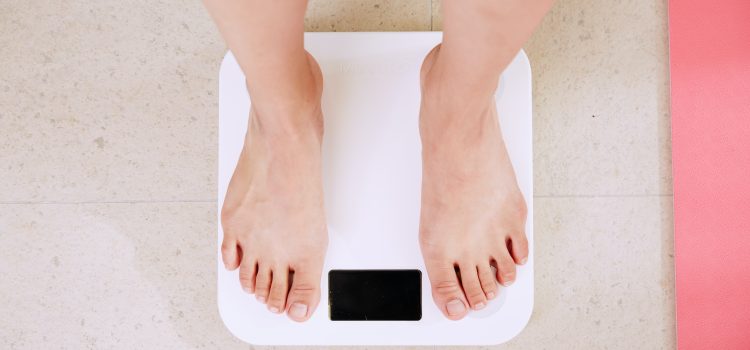
It’s no secret that COVID-19 has hit the world hard, and those with pre-existing health conditions have been particularly vulnerable. What you may not know is that obesity is one of the biggest risk factors for severe cases of COVID-19. In this blog post, we’ll explore why excess weight puts you at a higher risk and what you can do to protect yourself during these uncertain times. So buckle up and let’s dive in!

What is Obesity?

There are many risk factors for developing severe symptoms from COVID-19, and one of them is obesity. Obesity is a complex condition that is caused by an imbalance of energy intake and expenditure. People who are obese have too much body fat in relation to their height and weight. This excess weight can lead to health problems such as heart disease, stroke, type 2 diabetes, and certain types of cancer.

Obesity also increases the risk for developing severe symptoms from COVID-19. One reason for this is that obesity can lead to inflammation throughout the body. This inflammation can make it harder for the lungs to fight off infections, which makes it more likely for someone with obesity to develop pneumonia or other serious lung conditions if they contract COVID-19. In addition, people who are obese are more likely to have high blood pressure and diabetes, both of which increase the risk for developing severe symptoms from COVID-19.

If you are obese, there are things you can do to reduce your risk for developing severe symptoms from COVID-19. First, try to lose weight if you are overweight or obese. Even a small amount of weight loss can help reduce inflammation and improve your overall health. Second, exercise regularly. Exercise can help improve your lung function and reduce your risk for other chronic diseases like diabetes and hypertension. Finally, eat a healthy diet that includes plenty of fruits, vegetables, whole grains, and lean protein. By making these lifestyle changes, you can help

What is COVID-19?

COVID-19 is a novel coronavirus that was first identified in 2019. It is similar to other coronaviruses, such as SARS-CoV and MERS-CoV, but it is more contagious and causes more severe respiratory illness. COVID-19 is primarily spread through droplets from an infected person’s nose or mouth, which are then inhaled by someone else. It can also be spread through contact with contaminated surfaces, such as doorknobs or countertops. The incubation period for COVID-19 is thought to be two to fourteen days, meaning that it can take up to two weeks for someone to develop symptoms after being exposed to the virus.

Symptoms of COVID-19 include fever, cough, and shortness of breath. In severe cases, the virus can lead to pneumonia, kidney failure, and death. There is no specific treatment for COVID-19, but patients can receive supportive care to help relieve symptoms and prevent complications.

COVID-19 disproportionately affects people with underlying health conditions, such as obesity. Obesity increases the risk of developing severe respiratory illness from COVID-19 due to a combination of factors. First, obese individuals are more likely to have chronic inflammation, which can make the lungs more susceptible to infection. Second, obesity leads to impaired lung function and increased difficulty breathing. Finally, obese people are more likely to have other underlying health conditions that increase their vulnerability to

How Does Obesity Increase Your Vulnerability to COVID-19?

There are a few reasons why obesity may increase your vulnerability to COVID-19. First, obese individuals are more likely to have underlying health conditions that can make them more susceptible to the virus. These include diabetes, heart disease, and respiratory problems. Additionally, obese people tend to have a higher body mass index (BMI), which can make it harder for the body to fight off infection. Finally, being overweight can also weaken your immune system, making it less able to fight off the virus.

If you are obese, it is important to take steps to protect yourself from COVID-19. This includes maintaining good hygiene, avoiding close contact with others who are sick, and staying home as much as possible. Additionally, if you have any underlying health conditions, be sure to follow your doctor’s advice on how to best manage them during this time.

What Can You Do to Reduce Your Risk of Getting COVID-19 if You’re Obese?

If you are obese, there are several things you can do to reduce your risk of getting COVID-19.

First, you can try to lose weight. Even a small amount of weight loss can help reduce your risk of the virus. You can do this by eating a healthy diet and exercising regularly.

Second, you can take steps to improve your overall health. This includes quitting smoking, managing your diabetes, and controlling your blood pressure. These measures will not only help reduce your risk of COVID-19, but they will also improve your overall health.

Third, you can get the flu vaccine. The flu is a respiratory illness that is similar to COVID-19 and can make obesity worse. Getting the flu vaccine will help protect you from the flu and potentially reduce your risk of getting COVID-19 as well.

Fourth, you can avoid exposure to the virus by staying home as much as possible and avoiding close contact with people who are sick. If you must go out in public, wear a face mask and practice social distancing.

By taking these steps, you can help reduce your risk of getting COVID-19 if you are obese. However, it is important to remember that no one method is guaranteed to prevent infection and that the best way to protect yourself is to avoid exposure to the virus altogether.

Conclusion

Obesity is a serious problem with many adverse health consequences, including an increased risk of developing complications from COVID-19. While it’s important to take all the necessary precautions to prevent infection, such as wearing face masks and washing your hands regularly, managing your weight can help reduce your vulnerability to the virus. In addition, maintaining a healthy lifestyle with regular exercise and nutritious meals will contribute to overall better health and well-being.

As the world grapples with the ongoing COVID-19 pandemic, it’s essential now more than ever to maintain proper hygiene and cleanliness in our communities. The importance of clean surroundings cannot be overstated, especially when it comes to preventing the spread of illnesses. By maintaining a clean environment, we can significantly reduce the risk of contracting and spreading diseases not just within our homes but also throughout our community. In this blog post, we’ll explore how keeping your surroundings clean can go a long way in ensuring your health and safety as well as that of everyone around you. So buckle up and get ready for some eye-opening insights on why maintaining cleanliness is critical for building safer communities!

What is cleanliness?

In short, cleanliness is both the state of being clean and free from dirt, and the process of achieving and maintaining that state. It is important to maintain cleanliness in order to prevent the spread of germs and illness. There are many ways to keep your community clean, such as sweeping streets, picking up litter, and washing hands.

The importance of cleanliness in preventing illness

It is important to maintain cleanliness in order to prevent illness. This can be done by washing hands regularly, disinfecting surfaces, and avoiding contact with sick people.

handwashing is one of the best ways to prevent the spread of illness and protect yourself and others from getting sick.

Washing your hands regularly with soap and water for at least 20 seconds is one of the most effective ways to prevent the spread of disease. You should wash your hands:

· After blowing your nose, sneezing, or coughing

· Before and after eating or handling food

· After using the restroom or changing diapers

· After caring for a sick person or touching an animal

Tips for maintaining cleanliness in your home

It is important to maintain cleanliness in your home to help keep your community safe from illness. There are a few simple tips that you can follow to help keep your home clean:

1. Make sure to regularly clean all surfaces in your home, including countertops, floors, and furniture.

2. vacuum and dust regularly to remove dirt, dust, and other debris from your home.

3. In the kitchen, make sure to wash dishes promptly after use and to clean up spills immediately.

4. Bathrooms should be kept clean at all times by wiping down surfaces and cleaning the toilet area daily.

5. Laundry should be done on a regular basis to prevent the build-up of dirt and bacteria.

Tips for maintaining cleanliness in your community

Assuming you would like tips for maintaining cleanliness in your own community:

1. Have regular cleanup days where everyone comes together to help spruce up the area. This could involve picking up litter, trimming bushes and trees, painting benches or buildings, etc.
2. Create or join a neighborhood watch program to help deter crime and keep an eye out for suspicious activity.
3. Get to know your neighbors and look out for each other – offer to help them with yard work or housework if you’re able to, and let them know if you’re going on vacation so they can keep an eye on your property.
4. Speak up if you see someone littering or vandalizing property – most people are more likely to listen if it’s coming from a neighbor than from a stranger.
5. Support local businesses to help keep your community thriving.

How to get involved in keeping your community clean

There are many ways to get involved in keeping your community clean. You can start by picking up litter when you see it. You can also encourage others to do the same. You can also get involved in community clean-up days or events. You can also help to keep public areas, such as parks and playgrounds, clean. Finally, you can report any areas that are not being properly maintained to the appropriate authorities.

Conclusion

In conclusion, maintaining cleanliness is essential for keeping your community safe from illness. Regularly sanitizing surfaces and washing hands can reduce the spread of germs and help prevent illnesses from spreading. Additionally, properly disposing of garbage will ensure that hazardous materials are disposed of in a responsible manner. By taking these steps and encouraging others in your community to do so as well, you can protect yourself and those around you from any potential danger posed by a lack of hygiene.

Welcome to our blog post on a topic that affects millions of people worldwide: stress and heart health. Did you know that stress is not just an emotional state, but also has significant physical implications? In fact, the connection between stress levels and heart health is so strong that it’s been called a “hidden epidemic”. Today, we’ll explore this relationship in depth and provide practical tips for managing your stress levels to keep your heart healthy. So sit back, relax, and learn why tackling stress may be one of the most important things you can do for your overall wellbeing!

What is stress?

It’s no secret that stress can have a negative impact on our overall health and well-being. But did you know that stress can also take a toll on your heart health?

When we’re under stress, our bodies go into “fight or flight” mode, which means that our heart rate and blood pressure increase and our blood vessels constrict. This is a natural response that helps us to deal with dangerous or stressful situations.

However, when this response is constantly activated, it can put strain on the heart and lead to problems such as high blood pressure, arrhythmias, and even heart attacks.

There are many things you can do to reduce stress in your life and protect your heart health. Exercise, meditation, and spending time in nature are all great ways to reduce stress. And if you’re struggling to manage stress on your own, don’t hesitate to seek out professional help.

How does stress affect heart health?

When it comes to heart health, stress is often thought of as a silent killer. While it’s true that stress can lead to high blood pressure and other cardiovascular problems, the effects of stress on heart health are often underestimated.

One of the most common ways that stress affects heart health is by causing or worsening anxiety and depression. Depression is a major risk factor for heart disease, and anxiety can also take a toll on your cardiovascular system. Stress can also lead to unhealthy behaviors like smoking and overeating, which can further damage your heart.

In addition, chronic stress can actually change the structure of your heart muscle. Studies have shown that people who are under chronic stress have an increased risk of developing cardiovascular disease. So if you’re feeling overwhelmed by stress, it’s important to take steps to reduce its impact on your life – and your heart.

The link between stress and heart disease

When it comes to your heart health, stress is more than just an emotional state. In fact, stress can actually have a direct impact on your cardiovascular system, and can contribute to a host of heart-related problems including high blood pressure, irregular heartbeat, and even heart attacks.

So how does stress impact your heart health? When you’re stressed, your body releases hormones like adrenaline and cortisol. These hormones cause your heart to beat faster and your blood pressure to rise. Over time, this can lead to damage of the arteries and the heart muscle itself.

Stress can also make existing heart conditions worse. If you have high blood pressure or cholesterol, for example, stress can cause these numbers to spike even higher. And if you have a history of heart disease in your family, stress may increase your risk of having a heart attack or stroke.

The good news is that there are things you can do to manage stress and protect your heart health. Exercise, meditation, and deep breathing are all great ways to reduce stress levels. And if you’re struggling to cope with stress on your own, don’t be afraid to seek out professional help.

Signs that you may be stressed

It’s no secret that stress can take a toll on your health. But did you know that it can also have a significant impact on your heart health?

Here are some signs that you may be stressed:

1. You’re always tired and have no energy.

2. You’re having trouble sleeping or you’re sleeping more than usual.

3. You’re easily irritated and have a short temper.

4. You’re feeling anxious or overwhelmed.

5. Your appetite has changed and you’re either eating more or less than usual.

6. You’ve been having headaches or other physical aches and pains.

Ways to reduce stress

When it comes to heart health, stress is often seen as the enemy. And for good reason – chronic stress has been linked to high blood pressure, heart attacks, and stroke. But what you may not know is that there is a hidden connection between stress and heart health.

When you’re stressed, your body goes into fight-or-flight mode. This means that your heart rate and blood pressure increase, and your body releases stress hormones like adrenaline and cortisol. These hormones can be beneficial in small doses, but when they’re constantly being released, they can take a toll on your heart.

So how can you reduce stress and protect your heart? Here are some tips:

1. Get regular exercise. Exercise is a great way to relieve stress and improve your overall cardiovascular health.

2. Practice relaxation techniques. Deep breathing, meditation, and yoga are all great ways to relax both your mind and body.

3. Make time for yourself. Schedule some “me time” every day to do something you enjoy, whether it’s reading, taking a bath, or taking a walk outdoors.

4. Eat a healthy diet. Eating healthy foods helps reduce stress by giving your body the nutrients it needs to function properly.

5. Connect with loved ones. Spending time with loved ones can help reduce stress levels and promote positive emotions like happiness and love

Conclusion

Stress and heart health go hand in hand. In order to ensure that our hearts are as healthy as possible, it is essential to manage our stress levels effectively by engaging in activities such as mindfulness meditation and exercise. Taking care of our mental health is just as important as taking care of our physical health if we want to reduce the risk of cardiovascular disease and other heart-related issues. If you think you’re at a heightened risk for heart problems, consider speaking with your doctor about how best to adjust your lifestyle accordingly.

Introduction: What are allergies and what causes them?

An allergy is a condition in which the body’s immune system reacts abnormally to a normally harmless substance. When an allergic individual comes into contact with the offending allergen, their immune system releases histamine and other chemicals that cause an allergic reaction.

Allergies can be triggered by a variety of different substances, including pollen, pet dander, dust mites, mold spores, and certain foods. In some cases, allergens can also be inhaled or injected. Allergies can range from mild to severe, and in some cases they can be life-threatening.

There is no cure for allergies, but there are many ways to manage them and minimize their impact on your life. Some people with allergies can control their symptoms by avoiding their triggers and taking medication. Others may need to undergo allergy shots (immunotherapy) to reduce their sensitivity to the allergen.

The Different Types of Allergies

There are many different types of allergies that people can suffer from. Some of the most common include:

• Seasonal allergies: These are usually caused by pollen and typically occur during spring and summer. Symptoms can include sneezing, itchy eyes, and a runny nose.

• Food allergies: These can be triggered by anything from peanuts to milk. Symptoms can range from mild (such as an itchy mouth) to severe (such as difficulty breathing).

• Drug allergies: These can be caused by medications, such as penicillin. Symptoms can again range from mild (such as a rash) to severe (such as anaphylaxis).

• Insect sting allergies: This type of allergy is usually caused by bee stings. Symptoms can include swelling, itching, and difficulty breathing.

The Symptoms of Allergies

If you have allergies, you may experience a range of symptoms that can range from mild to severe. The most common symptoms include:

-Itching: Itchy eyes, nose, and skin are often the first sign of allergies. You may also feel an itchiness in your throat or ears.

-Sneezing: Sneezing is another common symptom of allergies. It is often the body’s way of trying to rid itself of the allergen.

-Runny nose: A runny nose is a common symptom of allergies. Allergens can cause the production of excess mucus, which can lead to a runny nose.

-Watery eyes: Watery eyes are another common symptom of allergies. Allergens can cause the eyes to produce more tears than normal in an attempt to flush out the allergen.

-Dark circles under the eyes: Dark circles under the eyes are a common symptom of allergies. This is caused by the inflammation of blood vessels in the area around the eyes.

How to Diagnose Allergies

If you suspect you have allergies, it is important to see an allergist for proper diagnosis. Allergists are trained to diagnose and treat allergies. They will take a thorough medical history and ask about your symptoms. They may also recommend allergy testing.

There are two types of allergy tests: skin prick tests and blood tests. Skin prick tests are the most commonly used test to diagnose allergies. A small amount of allergen is placed on the skin, usually on the back or forearm. The skin is then pricked with a needle so that the allergen can enter the skin. If you are allergic to the substance, you will develop a raised, red bump called a wheal within 15 minutes.

Blood tests are sometimes used to diagnose allergies, especially if skin prick testing is not possible or does not provide clear results. With this test, a blood sample is taken and sent to a laboratory for analysis. Blood tests can take several days or weeks for results.

Once your allergist has diagnosed your allergies, they will work with you to develop a treatment plan. This may include avoiding triggers, taking medication, or receiving allergy shots (immunotherapy).

Treatments for Allergies

If you’re one of the millions of people who suffer from allergies, you know how difficult it can be to manage your symptoms. But there are a number of effective treatments available that can help you feel better and live a normal life.

Antihistamines are the most common allergy medication and can be taken in pill, liquid, or nasal spray form. They work by blocking histamine, a substance that is released by your immune system in response to an allergen. This can help to reduce or prevent the symptoms of hay fever, hives, and other types of allergies.

Corticosteroids are another type of medication that can be used to treat allergies. These drugs are available in pill, inhaler, or nasal spray form and work by reducing inflammation. They can be used to treat a variety of conditions including asthma, eczema, and allergic rhinitis (nasal allergies).

Allergy shots (immunotherapy) are also an option for some people with allergies. With this treatment, you receive injections of increasing amounts of an allergen over time. This helps your body build up immunity to the allergen and eventually reduces your allergic reactions. Allergy shots are most effective for treating hay fever and bee sting allergies.

If you suffer from allergies, talk to your doctor about which treatment options are right for you. With proper treatment, you can enjoy a normal life despite your allergies.

Living with Allergies: Tips and Strategies

If you’re one of the millions of people who suffer from allergies, you know how challenging it can be to manage your symptoms. But there are some effective strategies that can help.

First, it’s important to identify your triggers and avoid them if possible. If you’re allergic to pollen, for example, try to stay indoors when the pollen count is high. Keep your windows closed and use an air purifier in your home.

If you’re allergic to dust, make sure to keep your home clean and free of dust accumulations. Use a vacuum with a HEPA filter and dust regularly with a damp cloth.

If pet allergies are a problem, try to limit your exposure to animals. If you have pets, keep them out of your bedroom and off furniture. Vacuum regularly and use air purifiers to remove pet dander from the air.

There are also some things you can do to relieve allergy symptoms when they do occur. Over-the-counter antihistamines can help reduce sneezing, itching, and runny nose. Nasal sprays can also be helpful in relieving congestion. And if eye allergies are a problem, try using artificial tears or special eye drops designed for allergy sufferers.

Of course, everyone is different, so it may take some trial and error to find the best strategy for managing your particular allergies. But by following these tips, you can help make life with allergies a little easier.

Conclusion

Living with allergies can be a difficult and uncomfortable experience, but it doesn’t have to be. By following the strategies outlined in this article for managing your symptoms, you can reduce the severity of your allergies and enjoy a happier and healthier life. Remember to track your exposure to allergens, take medications as prescribed by your doctor, practice good hygiene habits like handwashing and vacuum cleaning regularly, keep pets out of areas where you spend most of your time indoors, use air purifiers or HEPA filters at home – these are just a few easy steps that will help keep allergens away from you. With commitment and dedication, living with allergies is possible!

Are you a party lover who can’t resist the temptation to drink excessively? While hangovers may be common consequences of such behavior, the damage doesn’t stop there. Excessive drinking has long-term effects on your health that go beyond just feeling terrible the morning after. In this blog post, we’ll take a closer look at what happens to your body when you consistently overindulge in alcohol and why it’s essential to moderate your intake for long-term well-being. So grab a glass of water (or better yet, skip the booze altogether), sit back, and let’s dive into what lies beyond those dreaded hangovers.

The Short-Term Effects of Drinking Excessively

The excessive consumption of alcohol can lead to a number of different short-term effects. These effects can range from mild to severe, and can even be life-threatening. Some of the more common short-term effects of excessive drinking include:

* Slurred speech
* Impaired coordination
* Slow reaction time
* blurred vision
* Nausea and vomiting
* Headache
* Diarrhea
* Dehydration
* Low blood sugar levels (hypoglycemia)

In some cases, people who drink excessively may also experience blackouts, or periods of time where they do not remember what happened. This is due to the fact that alcohol causes the brain to stop creating long-term memories. Blackouts can be very dangerous, as they increase the risk of accidents and injury.

The Long-Term Effects of Drinking Excessively

When it comes to the effects of excessive drinking, there is no such thing as a hangover that will simply go away after a few hours. The long-term consequences of excessive drinking can be incredibly serious, and even life-threatening. Some of the most common long-term effects of excessive drinking include liver damage, heart disease, cancer, and brain damage.

Liver damage is one of the most common long-term effects of excessive drinking. The liver is responsible for filtering toxins out of the body, and when it is damaged, these toxins can build up and cause serious health problems. Alcohol is a particularly damaging toxin to the liver, and chronic drinkers are at risk for developing alcoholic hepatitis, cirrhosis, and other potentially fatal liver diseases.

Heart disease is another common long-term effect of excessive drinking. Alcohol consumption can cause high blood pressure, arrhythmias, and an increased risk for stroke and heart attack. chronic drinkers are also at risk for developing cardiomyopathy, which is a condition that weakens and enlarges the heart muscle.

Cancer is yet another potential long-term effect of excessive alcohol consumption. Alcohol use has been linked to an increased risk for several types of cancer, including throat cancer, breast cancer, stomach cancer, and liver cancer.

Brain damage is another possible long-term effect of excessive drinking. Alcohol consumption can lead to changes in brain chemistry that can result in memory problems, difficulties with learning and

The Consequences of Alcohol Abuse

When most people think of the consequences of alcohol abuse, they think of a hangover. But beyond that, there are many long-term consequences that can have a serious impact on your health.

Excessive drinking can lead to liver damage, heart disease, cancer, and other health problems. It can also cause problems with your mental health, including anxiety and depression. Alcohol abuse can also lead to relationship problems, financial problems, and job loss.

If you or someone you know is struggling with alcohol abuse, it’s important to get help. There are many resources available to help you overcome addiction and live a healthy life.

How to Get Help for Alcoholism

If you or a loved one are struggling with alcoholism, it’s important to get help as soon as possible. Alcoholism is a serious disease that can lead to a number of health problems, including liver damage, heart disease, and brain damage. It can also lead to social problems, such as job loss and relationship problems.

There are a number of ways to get help for alcoholism. You can talk to your doctor about your drinking habits and whether you need help to quit. You can also join a support group, such as Alcoholics Anonymous (AA), which can provide you with information and support. There are also treatment programs available that can help you quit drinking and stay sober.

If you’re not sure where to start, the best thing to do is talk to your doctor about your options. They will be able to provide you with information on the best way to get help for your particular situation.

Conclusion

Drinking in excess can have long-term consequences that extend far beyond the morning hangover. It is important for people to understand the potential risks associated with excessive drinking and make informed decisions about their own habits. With proper education and awareness, individuals can significantly reduce their chance of experiencing these negative health outcomes by cutting back on their alcohol consumption or abstaining altogether.

Are you tired of spending a fortune on skincare products that promise to give you perfect skin, only to be disappointed by the results? What if we told you that the secret to flawless skin lies in your diet? That’s right! The food you eat can have a profound impact on the health and appearance of your skin. In this ultimate guide to nutritional skincare, we’ll show you how to eat your way to perfect skin with easy-to-follow tips and delicious recipes. Get ready for glowing, radiant skin like never before!

The link between diet and skin health

The link between diet and skin health has been well-established by scientific research. A healthy diet rich in antioxidants, vitamins, and minerals helps to protect the skin from damage caused by free radicals, UV radiation, and other environmental stressors.

Eating a balanced diet is also important for maintaining optimal skin hydration levels. Adequate hydration is essential for keeping the skin looking plump and youthful. Skin that is properly hydrated is also better able to heal from wounds and fight off infection.

There are a few specific nutrients that are particularly important for healthy skin. Antioxidants like vitamin C help to protect the skin against damage caused by free radicals. Vitamin E is another important nutrient for skin health, as it helps to repair damage caused by UV radiation. Omega-3 fatty acids are also beneficial for the skin, as they help to keep it supple and hydrated.

So, if you’re looking to improve your skin health, start with your diet! Eat plenty of fruits and vegetables, whole grains, and healthy fats to give your skin the nutrients it needs to stay healthy and beautiful.

The best foods for clear skin

There are a lot of foods out there that claim to be good for your skin, but not all of them live up to the hype. If you’re looking for clear, radiant skin, then you need to focus on eating foods that are rich in vitamins, minerals, and antioxidants. Here are some of the best foods for clear skin:

Wild salmon: Salmon is packed with omega-3 fatty acids, which are great for keeping your skin hydrated and preventing inflammation.

Avocados: Avocados are another excellent source of omega-3 fatty acids, as well as vitamin E, which helps protect your skin from damage caused by free radicals.

Sweet potatoes: Sweet potatoes are a great source of beta-carotene, an antioxidant that can help improve the overall health of your skin.

Tomatoes: Tomatoes contain lycopene, an antioxidant that has been shown to protect against sun damage and reduce the risk of developing certain types of cancer.

Walnuts: Walnuts are a great source of alpha-linolenic acid (ALA), an omega-3 fatty acid that has been shown to promote healthy skin.

Spinach: Spinach is loaded with nutrients like vitamins A and C, which are essential for healthy skin.

The worst foods for skin health

When it comes to skin health, what you eat can have a major impact. There are certain foods that can cause problems for your skin, including inflammation, acne, and other issues. Here are some of the worst foods for skin health:

Sugar: Sugar is one of the biggest culprits when it comes to causing inflammation in the body. It can also trigger breakouts and make existing skin problems worse.

Dairy: Dairy products can also cause inflammation and breakouts. In addition, they can make your skin look dull and lifeless.

Processed foods: Processed foods are loaded with sugar and unhealthy fats that can damage your skin. They can also contribute to inflammation and other skin problems.

Alcohol: Alcohol dehydrates your skin and makes it more susceptible to damage. It can also cause inflammation and worsen existing skin conditions.

The benefits of a healthy skincare routine

When it comes to your skin, what you put in your body is just as important as what you put on it. Nourishing your skin from the inside out with nutrients like vitamins A, C, and E can help to improve overall skin health, texture, and appearance. Adding a healthy skincare routine to your daily regimen can also provide numerous benefits for your skin.

Here are some of the top benefits of having a healthy skincare routine:

It can help to improve your skin’s overall appearance.

A healthy skincare routine can help to unclog pores and remove dead skin cells, giving you a more radiant complexion. It can also help to reduce the appearance of fine lines and wrinkles.

It can help to protect your skin from damage.

Sun exposure, pollution, and other environmental factors can take a toll on your skin. A good skincare routine can help to protect your skin from these damaging effects and keep it looking its best.

It can help to keep your skin hydrated.

The best skincare products for your skin type

When it comes to skincare, what you put into your body is just as important as what you put on it. That’s why we’ve compiled a list of the best skincare products for every skin type that are packed with nutrients to help you achieve and maintain clear, glowing skin.

If you have dry skin, look for products that contain hyaluronic acid or glycerin, which will help to hydrate and plump your skin. For those with oily skin, clay masks and charcoal-based cleansers are your best bet for absorbing excess oil and preventing breakouts. If you have sensitive skin, opt for gentle, fragrance-free formulas that won’t irritate. And if you want to combat the signs of aging, look for products containing retinol or vitamin C.

No matter what your skin type is, there are plenty of nutritious skincare products out there that can help you achieve the healthy, glowing complexion you’ve always wanted.

How to get started with a nutritional skincare routine

There’s no one-size-fits-all answer to the question of how to get started with a nutritional skincare routine. However, there are some basic steps you can take to make sure you’re getting the most out of your skincare products and achieving optimal results.

1. Start by cleansing your face with a gentle cleanser. This will remove any dirt, oil, and makeup that could be clogging your pores and preventing your skincare products from working their best.

2. Follow up with a toner or an essence to help balance your skin’s pH levels and prep your skin for the next step in your routine.

3. Apply a serum or ampoule that contains active ingredients like antioxidants, vitamins, or hyaluronic acid. These will help nourish and revitalize your skin.

4. Finish off with a moisturizer suitable for your skin type to lock in hydration and keep your skin looking plump and healthy.

Conclusion

Eating your way to perfect skin is possible with the right foods and nutritional skincare products. A balanced diet full of the essential vitamins, minerals, and antioxidants helps keep your skin healthy and youthful looking. Investing in quality skincare products will also help you get rid of any impurities or blemishes that may be appearing on your face. With a combination of eating healthily, drinking plenty of water, avoiding excessive sun exposure, and using natural products on your skin – you can achieve beautiful results!

As the winter months creep in, so does the dreaded seasonal affective disorder. The drop in temperature, shorter days and longer nights can make anyone feel down but for some, this shift is far more severe. But fear not! With a few simple tips you can manage your symptoms and conquer the winter blues once and for all. Get ready to take on winter with renewed energy and positivity!

What is Seasonal Affective Disorder?

Seasonal Affective Disorder (SAD) is a type of depression that occurs at the same time each year. For most people with SAD, symptoms begin in the fall and continue into the winter months, when there is less natural sunlight. SAD is more than just the “winter blues.” It is a real medical condition that can be treated.

Symptoms of SAD may include:

• Feeling depressed most of the day, nearly every day
• Losing interest in activities you once enjoyed
• Having low energy levels
• Changes in appetite or weight
• Feeling hopeless or worthless
• Having difficulty concentrating or making decisions
• Feeling sluggish or agitated
• Having trouble sleeping
• Experiencing physical aches and pains
If you have any of these symptoms, it’s important to see your doctor or mental health professional. With proper treatment, most people with SAD can feel better and enjoy their lives during winter.

Symptoms of SAD

Many people experience the “winter blues” during the colder months, but for some, the symptoms are more severe and can be diagnosed as Seasonal Affective Disorder (SAD). SAD is a type of depression that occurs at the same time each year, usually starting in the fall and continuing into the winter. Symptoms of SAD can include:

-Feeling sad or down most of the day, nearly every day
-Losing interest in activities you once enjoyed
-Having low energy and feeling tired all the time
-Changes in appetite or weight (usually weight gain)
-Difficulty concentrating or making decisions
-Feeling hopeless or worthless
-Frequent thoughts of death or suicide

If you are experiencing any of these symptoms, it’s important to talk to your doctor. He or she can help you determine if you have SAD and develop a treatment plan.

Causes of SAD

There are a number of different causes of seasonal affective disorder, or SAD. While the exact cause is not known, it is thought to be related to the change in seasons and the decrease in sunlight that occurs during the winter months.

SAD is more common in people who live in northern climates where there is less sunlight during the winter months. It is also more common in women than men and typically begins during young adulthood.

There are a number of different theories about what causes SAD, but the most likely explanation is that it is related to changes in the level of serotonin, a brain chemical that plays a role in mood regulation. Serotonin levels are thought to be lower during the winter months, which can lead to feelings of depression.

Other possible causes of SAD include changes in melatonin levels and an imbalance of omega-3 fatty acids. Melatonin is a hormone that helps regulate sleep and wake cycles, and its levels are thought to change with the seasons. Omega-3 fatty acids are important for brain health, and an imbalance has been linked to depression.

Risk Factors for SAD

There are a number of risk factors that can contribute to the development of seasonal affective disorder (SAD). One of the most significant risk factors is latitude. SAD is most commonly diagnosed in people who live in northern latitudes, where there is less sunlight during the winter months. Other risk factors for SAD include a family history of the disorder, a personal history of depression, and female gender. People with low levels of vitamin D are also at increased risk for developing SAD.

Treatment Options for SAD

SAD is a treatable condition. There are many different options for treatment, and the best course of action will vary from person to person. Some people find that light therapy, where you sit in front of a special light box for a set amount of time each day, can be helpful. Others may need medication, such as antidepressants, to manage their symptoms. For some people, a combination of therapies is most effective.

If you think you might be suffering from SAD, talk to your doctor. They can help you figure out the best course of treatment for your individual situation. With proper care, you can get through the winter months without letting SAD get the best of you.

Prevention Tips for SAD

Prevention Tips for SAD

1. Get outside every day, even if it’s just for a few minutes. Natural light can help improve your mood and fight off SAD.

2. Exercise regularly. Exercise releases endorphins, which have mood-boosting effects.

3. Eat a healthy diet. Eating nutritious foods can help improve your mood and give you more energy.

4. Connect with others. Spending time with friends and loved ones can help ward off feelings of loneliness and isolation, which can trigger SAD symptoms.

5. Manage stress levels. Stress can worsen SAD symptoms, so finding ways to manage stress is crucial for preventing the disorder.

Conclusion

Seasonal Affective Disorder can be a difficult condition to live with, but there are strategies that you can use to manage it and make the winter months more bearable. From light therapy sessions to exercise and mindfulness practices, these tips have the potential to help improve your mood in the colder months and get you back on track for a healthier lifestyle overall. If you feel like SAD is impacting your life in any way, then don’t hesitate to talk about it with friends or family members—or even seek professional help. Remember: You don’t have to suffer through winter alone!

Introduction

Social media has revolutionized the way we connect, share information and interact with people from all over the world. However, it’s not all sunshine and rainbows in the digital realm. The dark side of social media has emerged in recent years, causing significant harm to individuals and communities alike. Online harassment is one such issue that has taken center stage as a growing concern for many people who use social platforms regularly. In this blog post, we will delve into the disturbing trend of online harassment and its impact on our lives- both personally and professionally. From cyberbullying to stalking, join us as we explore this modern-day menace that seems to be taking over our lives!

The Different Types of Social Media Harassment

When most people think of social media, they think of a fun and easy way to stay connected with friends and family. However, there is a dark side to social media that is often overlooked. Social media harassment is a real and growing problem that can have serious consequences for victims.

There are many different types of social media harassment, but some of the most common include: cyberbullying, online stalking, doxxing, and trolling. Each of these activities can be incredibly harmful and cause lasting damage to the victim.

Cyberbullying is perhaps the most well-known type of social media harassment. It occurs when someone repeatedly sends mean or threatening messages to another person online. This can happen through text message, social media platforms, or even email. Cyberbullying can have serious consequences, including low self-esteem, anxiety, depression, and even suicide.

Online stalking is another form of social media harassment that can be just as dangerous as cyberbullying. Stalkers will often use social media to track their victim’s whereabouts and activities. They may also send threatening or harassing messages in an attempt to intimidate or control their victim. Doxxing is another type of online harassment that involves revealing personal information about someone without their consent. This information may include addresses, phone numbers, email addresses, or even credit card information. Doxxing can be incredibly harmful and puts victims at risk for identity theft or other crimes.

Trolling

The Consequences of Social Media Harassment

Harassment on social media platforms is becoming more and more common, with disastrous consequences for victims. While some forms of online harassment are relatively harmless, such as trolling or name-calling, others can be much more damaging. cyberbullying, doxxing, and swatting are all examples of online harassment that can have serious real-world consequences for victims.

Cyberbullying is a form of online harassment that involves using social media to deliberately bully or harass someone. This can include posting mean or hurtful comments, spreading rumors or lies about someone, or sending threatening messages. Doxxing is another form of online harassment which involves revealing personal information about someone without their consent. This information can include things like addresses, phone numbers, email addresses, and financial information. Swatting is a dangerous prank whereby someone falsely reports an emergency at a victim’s address in order to get the police to respond with force.

Victims of online harassment often suffer from anxiety, depression, and insomnia as a result of the stress and fear caused by the continuous stream of abuse. In extreme cases, victims have been known to take their own lives as a result of the overwhelming feelings of hopelessness and despair caused by online harassment. It is therefore essential that we do something to stop this epidemic of digital abuse.

How to Protect Yourself from Social Media Harassment

The internet can be a great place to connect with friends and family, but it can also be a breeding ground for online harassment. Social media harassment is a type of online harassment that takes place on social media platforms like Facebook, Twitter, and Instagram.

There are a few things you can do to protect yourself from social media harassment:

-Avoid posting personal information online. This includes your home address, phone number, email address, and date of birth.

-Be aware of the privacy settings for each social media platform you use. Make sure only people you know and trust have access to your information.

-Think twice before posting anything that could be considered controversial or offensive. Once something is posted online, it can be difficult to take it back.

-If you are being harassed online, don’t hesitate to report it to the social media platform or the police.

Conclusion

While social media can be an incredibly powerful tool for bringing people together, it can also have its negative side. We have seen in this article how online harassment can take over our lives and make us fear even the most basic of daily activities. It is clear that more needs to be done to combat this issue before it gets out of hand, such as increased government regulation and greater awareness among users. Our only hope is that by taking these steps we will not just stop online harassment from escalating further but help bring about a safer and healthier digital world for all of us.

As technology continues to rapidly evolve, so does the way we consume and interact with media. One of the biggest shifts in recent years has been the rise of online streaming services for television content. From Netflix to Hulu, Amazon Prime Video to Disney+, these platforms have disrupted traditional cable TV and given viewers a new level of control over what they watch and when. But what’s next? In this blog post, we’ll explore some predictions for how online streaming services will continue to grow in popularity and change the landscape of television as we know it.

The current state of online streaming services

It’s no secret that online streaming services are on the rise. In fact, they’re growing at an unprecedented rate. According to a recent report from Digital TV Research, the global number of SVOD (subscription video on demand) homes will nearly double between 2017 and 2023. That’s an increase from 398 million to 646 million.

There are a number of factors driving this growth. First, broadband speeds have increased significantly in recent years, making it easier for people to stream video content without buffering issues. Second, the price of streaming services has come down, making them more affordable for consumers. And finally, there’s been an explosion in the number of content choices available on these platforms.

This last point is particularly important. In the past, people were limited in their choice of what to watch on television. There were only a handful of channels available, and most of them didn’t offer much in terms of variety. Today, however, there are dozens of different streaming services available, each with its own library of shows and movies. This gives viewers far more options when it comes to finding something to watch.

The result is that people are increasingly turning to online streaming services as their primary source of entertainment. This trend is only going to continue in the years ahead as more people get broadband Internet access and as the selection of content continues to expand.

The future of online streaming services

It seems safe to say that online streaming services are here to stay. Even as traditional television providers continue to grow and evolve, the popularity of streaming services like Netflix, Hulu, and Amazon Prime Video shows no signs of slowing down. In fact, according to a recent report from eMarketer, the number of households in the United States with at least one streaming service is expected to reach nearly 80 million by 2022.

So what does the future hold for online streaming services? Here are a few predictions:

1. More original content: As the demand for streaming services continues to increase, so will the pressure on providers to create more original content. We’ve already seen this happening with Netflix’s release of critically-acclaimed original series like Stranger Things and The Crown, and we can expect to see other providers follow suit in the coming years.

2. Improved quality: With more and more people using streaming services as their primary source of entertainment, providers will need to continue to raise the bar when it comes to video quality. 4K Ultra HD is quickly becoming the new standard, and we can expect to see more providers offer this high-quality option in the future.

3. Increased personalization: One of the best things about online streaming services is that they can be tailored to each individual user’s preferences. We can expect this trend to continue in the future, with providers offering even more ways to customize the viewing experience.

4. Greater competition: As

The impact of online streaming services on traditional television

As online streaming services continue to grow in popularity, traditional television is facing an increasingly uncertain future. There are a number of reasons for this, but the most significant is the fact that online streaming offers a much more convenient and affordable viewing experience than traditional television.

For one thing, online streaming services do not require viewers to sign up for costly cable or satellite packages. They also offer a much wider selection of content than most traditional television providers, including both movies and TV shows. In addition, online streaming services allow viewers to watch content whenever they want, rather than being tied to a specific schedule.

The convenience and affordability of online streaming has already had a major impact on traditional television. In recent years, cord-cutting has become increasingly common, as more and more people have decided to ditch their expensive cable packages in favor of cheaper online options. This trend is only likely to continue in the years ahead, as online streaming services become even more popular.

It’s not just cord-cutters who are turning to online streaming, either. Even people who still subscribe to traditional cable or satellite services are increasingly watching shows and movies through online platforms such as Netflix or Hulu. This is because these platforms often offer better value for money than traditional TV providers, with lower prices and a greater selection of content.

The rise of online streaming is having a major impact on the way we watch television, and it seems clear that this trend is here to stay. Traditional television providers will

Conclusion

As technology continues to advance and consumers become more comfortable with streaming services, we can expect the future of television to continue in the direction of online streaming. The industry is shifting from traditional TV viewing to more personalized experiences that cater to each individual’s needs. We predict that over time, subscription-based services will become increasingly popular as they offer greater convenience and access than ever before. With new technologies being developed all the time, it’s exciting to imagine what could be possible next for TV viewers – it looks like this is only just the beginning!

In today’s digital age, we are inundated with an overwhelming amount of information. With just a few clicks, anyone can create and share stories that appear to be factual but are entirely fabricated. This phenomenon has given birth to fake news, a term that is now all too familiar to us. Fake news is more than just clickbait; it threatens the integrity of our democracy by spreading propaganda, causing chaos and discord among citizens. In this post, we will explore why combating fake news is necessary in protecting the foundations of our democracy from crumbling under false narratives and misinformation.

What is fake news?

In recent years, the term “fake news” has become increasingly prevalent in our society. With the rise of social media and the 24-hour news cycle, it’s easier than ever for false information to spread like wildfire.

Fake news is defined as “false or misleading information that is spread intentionally to deceive people.” This can include fabricated stories, exaggerated or distorted headlines, and even doctored photos or videos.

Fake news is often created with the intention of causing harm or misinformation. It can be used to sow discord and division, to discredit legitimate news sources, or to influence public opinion on a certain issue.

In a democracy like ours, it’s essential that we have a free and open press that can report the truth without fear or favor. But when fake news is allowed to proliferate, it erodes trust in the media and undermines the very foundation of our democracy.

That’s why it’s so important that we take steps to combat fake news. We need to be thoughtful about what we share on social media, and make sure that we’re getting our information from reliable sources. We also need to support fact-checking initiatives and work to hold those who create and spread fake news accountable.

Only by working together can we protect the integrity of our democracy and ensure that fake news doesn’t undermine our most cherished institutions.

How does fake news spread?

In recent years, the spread of fake news has become a major problem in political discourse. Fake news is false or misleading information that is spread in order to influence public opinion. It can come from any source, including traditional media outlets, social media, or even individuals.

There are several reasons why fake news spread so easily. First, it is often difficult to tell what is real and what is not. With the rise of social media, it is easy for anyone to share information without verifying its accuracy. Second, people tend to believe information that confirms their existing beliefs. This phenomenon, known as confirmation bias, means that people are more likely to believe fake news if it supports their worldview. Finally, fake news often goes viral because it is sensational and attention-grabbing.

The spread of fake news is a serious threat to democracy. It can undermine public trust in institutions and the political process. It can also lead to dangerous consequences if people believe false information about things like vaccines or climate change. That’s why it’s important to be thoughtful about the information you share and to verify its accuracy before you share it with others.

The impact of fake news on society

The spread of fake news has had a profound impact on society. In an era where information is more readily available than ever before, the distribution of false information can have dangerous consequences.

Fake news is often spread through social media, which allows it to reach a wide audience quickly. This can lead to people believing false information, which can then have serious real-world consequences. For example, fake news stories about the US presidential election led to violence and protests in some parts of the world.

combating fake news is important for protecting the integrity of our democracy. If people cannot trust the news they are consuming, it erodes faith in the institutions that underpin our society. This could lead to further division and chaos, and make it even harder for us to solve the problems we face as a country.

There are a number of ways to combat fake news, including fact-checking articles and investing in media literacy education. It is also important for social media companies to take responsibility for the spread of fake news on their platforms. Only by working together can we hope to protect our democracy from this threat.

How to combat fake news

It’s no secret that the internet is awash with fake news. Misinformation and disinformation are spread easily online, and it can be hard to know what to believe. But it’s important to combat fake news, not only to protect the integrity of our democracy, but also to ensure that people have access to accurate information.

There are a few things you can do to combat fake news:

1. Check your sources. Make sure that you’re getting your information from a reliable source. If you’re unsure about a particular source, try checking it against other sources to see if there’s consensus.

2. Question everything. Don’t take anything at face value. If something seems too good (or too bad) to be true, it probably is. Do some research and see if you can find corroborating evidence for the claims being made.

3. Be skeptical of clickbait headlines. Headlines that are designed to generate clicks are often misleading or outright false. Before you click, take a moment to evaluate whether the headline is accurate and whether the article is worth reading.

4. Think before you share. Sharing fake news doesn’t just spread misinformation – it also helps legitimize it. So before you hit share, make sure you’ve vetted the information and that it comes from a trusted source.

Conclusion

In conclusion, fake news poses a serious and growing threat to the integrity of our democracy. We need to be vigilant in combating this problem by educating ourselves on how to recognize it and identifying ways we can help stop its spread. This means actively engaging with trusted sources for our news, calling out false stories when we see them, and supporting initiatives that seek to combat disinformation. Only then will we be able to protect our democratic society from the harms of fake news.