Are you ready to take charge of your sexual health and explore healthy relationships? Sex education has long been a controversial topic, but it’s one that cannot be ignored. With the rise of sexually transmitted infections, unwanted pregnancies, and unhealthy relationships among young people, it’s more important than ever before to equip students with accurate information and empower them to make informed decisions about their bodies and sexuality. In this blog post, we’ll dive into how sex education can empower students and promote healthy relationships – so read on!

What is sex education?

It is estimated that only about 24 percent of high schools and less than 10 percent of middle schools in the United States teach all of the sexual health topics recommended by the Centers for Disease Control and Prevention (CDC). These topics include human development, relationships, personal skills, sexual behavior, sexual health, and society and culture.

As a result, many young people are not receiving comprehensive sex education that can empower them to make healthy decisions about their bodies and relationships. Sex education should be holistic and cover a wide range of topics in order to give young people the information they need to make informed choices about their sexuality.

Some of the key topics that should be covered in sex education include: human development (including information on puberty, reproductive anatomy, and contraception), relationships (including communication skills and conflict resolution), personal skills (such as goal setting and decision making), sexual behavior (including both abstinence and safer sex practices), sexual health (including STDs/HIV prevention), and society and culture (including values, attitudes, and beliefs about sexuality).

Comprehensive sex education can help young people delay sexual activity, reduce the number of sexual partners they have, and increase condom use. It can also help them develop healthy relationships and communication skills, as well as a better understanding of their own sexuality.

The benefits of sex education

There are many benefits to sex education. It can help students learn about their bodies and how they work, as well as understand the importance of safe sex and preventing sexually transmitted diseases (STDs). Sex education can also help young people develop healthy relationships and communication skills.

Some states require schools to provide sex education, while others leave it up to individual districts. In some cases, parents can opt their children out of sex education classes. However, research has shown that sex education does not cause teenagers to start having sex sooner, and may even delay sexual activity.

Sex education can empower students by giving them the knowledge and tools they need to make informed decisions about their sexual health. It can help them understand their rights and responsibilities, as well as the rights and responsibilities of their partners. Sex education can also promote healthy relationships by teaching young people about communication, consent, and mutual respect.

How to teach sex education effectively

While the approach to sex education varies from country to country, there are some general tips that can make the experience more effective for everyone involved. First, it is important to create a safe and open environment in which students feel comfortable asking questions and sharing their thoughts and feelings. This can be done by starting the conversation early on and allowing for plenty of opportunities for discussion.

In addition, it is important to be honest and accurate when discussing sex and sexuality. This means using proper terminology and providing accurate information about sexual health, reproduction, and human development. It is also important to address common misconceptions about sex so that students can gain a better understanding of the topic.

Finally, it is essential to stress the importance of consent and respect when discussing sex education. Students should be taught that all forms of sexual activity should only take place between two consenting adults who respect each other’s boundaries. By teaching these concepts effectively, students will be better equipped to make healthy decisions about their own sexual activity.

The different types of sex education

Sex education is a broad term that can refer to anything from teaching about human sexuality to more specific instruction on topics like anatomy, reproduction, and safer sex. While the exact content of sex education programs varies from place to place, there are generally three different types of approaches: Abstinence-Only, Abstinence-Plus, and Comprehensive.

Abstinence-Only sex education focuses on teaching students that abstaining from sexual activity is the best way to avoid STDs and unwanted pregnancies. This approach does not provide any information on contraception or safer sex practices.

Abstinence-Plus sex education adds to the abstinence message by also teaching about contraception and other ways to reduce the risk of STDs and pregnancy. This approach may also include discussions of healthy relationships, communication skills, and decision making.

Comprehensive sex education covers all of the above topics, plus additional information on human sexuality, including same-sex relationships, gender identity, and sexual orientation. This approach is often inclusive and affirming of all students regardless of their personal beliefs or values.

Controversial topics in sex education

There are many controversial topics when it comes to sex education. One of the most controversial topics is whether or not to teach students about abstinence. Some people believe that abstinence is the only way to prevent pregnancy and sexually transmitted infections (STIs), while others believe that students should be taught about both abstinence and contraception.

Another controversial topic is whether or not to teach students about different sexual orientations and gender identities. Some people believe that students should only be taught about heterosexuality, while others believe that students should be exposed to information about all sexual orientations and gender identities.

Yet another controversial topic is whether or not to teach students about masturbation and other forms of sexual pleasure. Some people believe that masturbation is a natural and healthy part of human sexuality, while others believe that it is a sin or an addiction.

These are just a few of the many controversial topics surrounding sex education. It is important for parents, educators, and policymakers to consider all of these topics carefully before making any decisions.

Conclusion

We must remember that teaching sex education in the classroom can be a powerful tool. Not only does it equip young people with the knowledge they need to make informed decisions about their own sexual health, but it also helps to promote healthy relationships by teaching students respect for themselves and each other. With proper guidance and support from teachers, sex education can help empower our youth as well as set them up for successful relationships later on in life.

In a world that is increasingly interconnected and diverse, speaking more than one language has become an essential skill for anyone looking to thrive in today’s global society. Whether you’re traveling abroad, conducting business with international clients or simply trying to connect with people from different cultures, having the ability to communicate fluently in multiple languages can open doors and break down barriers like nothing else can. In this blog post, we’ll explore why learning a foreign language is vital in today’s world, and how it can benefit you both personally and professionally. So grab your favorite language app or textbook, and let’s dive into this exciting topic together!

The Importance of Learning a Foreign Language

In today’s global society, it is more important than ever to learn a foreign language. By learning a foreign language, you can break down barriers between people and cultures. You can also open up new opportunities for yourself, both professionally and personally.

There are many reasons why learning a foreign language is important. For one, it can help you to better understand other cultures. If you can speak the language of another culture, you will be able to communicate with people from that culture more easily. You will also be able to understand their customs and traditions better. In addition, speaking a foreign language can give you a competitive edge in the job market. Many employers are looking for candidates who are bilingual or multilingual.

Learning a foreign language can also be a great way to connect with other people. If you share a common language with someone, you have an instant connection with them. This can lead to new friendships and even romantic relationships.

So why wait? Start learning a foreign language today!

The Different Ways to Learn a Foreign Language

There are many different ways to learn a foreign language. Some people learn best by listening to audio tapes or CDs, others by reading books or watching movies. Some people prefer to study in a classroom setting, while others prefer to learn on their own.

The best way to learn a foreign language is the way that works best for you. If you’re a visual learner, you might want to try watching movies with subtitles or taking a class where you can see and hear the language being used. If you’re more of an auditory learner, listening to audio books or podcasts might be more your speed. And if you’re someone who likes to get out and about, there are plenty of opportunities to practice your new language skills while traveling.

No matter what your learning style is, there’s a way for you to learn a foreign language effectively. So why not give it a try? You might be surprised at how much fun it can be – and how useful it is in today’s increasingly connected world.

The Benefits of Learning a Foreign Language

In today’s global society, learning a foreign language is more important than ever. With the world becoming increasingly connected, it’s important to be able to communicate with people from all over the globe.

Learning a foreign language can open up opportunities in travel, education, and business. It can also help you better understand other cultures and broaden your perspective on the world.

There are many benefits to learning a foreign language, but here are just a few:

1. Improved Communication Skills

Learning a foreign language can improve your communication skills in your native language. It can also help you better understand others when they are speaking their native language.

2. Enhanced Job Opportunities

Being bilingual or multilingual can give you a competitive edge in the job market. Many employers are looking for candidates who have skills in multiple languages.

3. Increased Cultural Understanding

Learning a foreign language can help you better understand the culture and customs of other countries. It can also allow you to connect with people from other cultures on a deeper level.

The Obstacles of Learning a Foreign Language

There are many reasons why learning a foreign language is important in today’s global society. However, there are also several obstacles that can make it difficult for people to learn a new language.

One of the biggest obstacles to learning a foreign language is the fear of making mistakes. Many people are afraid to speak a new language because they are worried about making errors. This fear can be debilitating and prevent people from ever really mastering a new language.

Another obstacle to learning a foreign language is the lack of time and resources. Many people simply do not have the time or money to invest in learning a new language. This can make it difficult to find the motivation to learn a new language, especially if it is not required for work or school.

Finally, another big obstacle to learning a foreign language is the feeling that one is too old or that it is too late to learn something new. This mind-set can prevent people from even trying to learn a new language, which is unfortunate because there are many benefits to learning a second or third language later in life.

How to Overcome the Obstacles of Learning a Foreign Language

One of the most daunting tasks when learning a foreign language is overcoming the obstacles that seem to be in the way at every turn. Whether it’s forgetting vocabulary, feeling lost in conversation, or making mistakes while speaking, these issues can all stand in the way of progress. However, there are ways to overcome these obstacles and continue learning.

One way to keep vocabulary fresh in your mind is by using flashcards or apps like Anki. Repetition will help embed the words into your memory so you can recall them more easily. Additionally, listening to native speakers and watching movies or TV shows in the target language can also help with vocabulary retention.

When it comes to feeling lost in conversation, one strategy is to prepare ahead of time by writing down questions you want to ask or topics you want to discuss. This can give you a starting point for conversation and help you feel more comfortable engaging with native speakers. Additionally, try not to be afraid of making mistakes – everyone makes them when learning a new language! Embrace them as part of the learning process and use them as an opportunity to learn from your mistakes.

Finally, don’t get discouraged if you feel like you’re not making progress as quickly as you’d like. Learning a new language takes time and patience, but it will be worth it in the end. Stick with it and eventually you’ll be able to communicate fluently in your new language!

Conclusion

In today’s increasingly globalized society, learning a foreign language is not only beneficial but essential for breaking down barriers and creating understanding between cultures. Whether you choose to learn a language through formal classes, self-study resources or travel abroad, the rewards of being able to communicate in multiple languages are countless. Not only do you gain access to new perspectives and ideas from other countries and cultures, but you may also discover job opportunities that otherwise wouldn’t have been available to you. With the right approach and dedication, there is no limit to what you can achieve when it comes to mastering a new language!

As the world becomes increasingly complex, financial literacy has become a critical skill for success, and yet many schools fail to teach it. Without a solid understanding of finances, students may struggle with managing their money or making wise career choices. However, by incorporating financial education into our school systems, we can help bridge the gap between what students know and what they need to succeed in life. In this blog post, we’ll explore why financial education is so important and offer some practical tips on how schools can better prepare students for future success. So let’s dive in!

The Importance of Financial Education

There is a growing disconnect between what young people are taught in school and the real-world skills they need to be successful in life. This is especially true when it comes to financial education.

While most schools provide some kind of financial education, it is often limited to basic budgeting and savings advice. This leaves many students unprepared for the complex financial decisions they will face in adulthood.

Including more comprehensive financial education in schools can help close this knowledge gap and better prepare students for success after graduation. Here are three reasons why financial education is so important:

1. Financial literacy rates are low among young adults.

According to a recent study by the Financial Industry Regulatory Authority (FINRA), only 24% of Americans aged 18-26 could correctly answer all five questions on a basic financial literacy test. This lack of knowledge can lead to poor money management habits and make it difficult to navigate the complex world of personal finance.

2. Financial anxiety is on the rise among young adults.

With student loan debt reaching record levels and the cost of living continuing to increase, it’s no wonder that financial anxiety is also on the rise among young adults. In fact, one study found that nearly 60% of millennials report feeling stressed about their finances on a daily basis. This stress can lead to poor decision-making and even mental health problems down the road.

3. Most young adults don’t have a solid plan for their future finances.

How Financial Education Can Benefit Students

According to a study by the National Endowment for Financial Education, only 24 percent of Americans say they are confident in their ability to make financial decisions. This lack of confidence can have a negative impact on all aspects of life, from jobs and careers to personal relationships.

Including financial education as part of the school curriculum can help students develop the skills and knowledge they need to make sound financial decisions now and in the future. Here are some ways financial education can benefit students:

1. Improve job prospects and earnings potential. A strong understanding of personal finance can help students choose a career path that is financially rewarding. It can also help them negotiate higher salaries and benefits packages.

2. Build creditworthiness and manage debt wisely. Students who understand how credit works are more likely to build good credit histories and avoid costly debt problems. They will also be better equipped to manage student loans responsibly after graduation.

3. Save for important goals. Financial education can help students set realistic savings goals and create a plan for achieving them. This could include buying a car, saving for a down payment on a house or apartment, or funding their education beyond high school.

4. Make informed consumer decisions. Students who know how to comparison shop and understand basic economics principles are less likely to be taken advantage of by businesses or pay too much for goods and services. They will also be better able to spot scams and fraudulent offers

What Schools Are Currently Doing to Teach Financial Education

Schools are beginning to realize the importance of teaching financial education and are taking steps to make it a part of the curriculum. Many schools are now offering personal finance courses, and some states even require students to take a financial literacy class before graduating.

While this is a step in the right direction, there is still much room for improvement. Many students graduate from high school without a strong understanding of important financial concepts like credit, savings, and investing. And even those who do take personal finance classes may not be getting the most comprehensive education possible.

So what more can be done to ensure that students are getting the financial education they need? For one, teachers could receive more training on how to effectively teach personal finance. In addition, schools could do a better job of promoting financial literacy outside of the classroom. This could include things like hosting financial workshops for parents or bringing in guest speakers to talk about money management.

By taking these additional steps, schools can help close the gap between what students know and what they need to know to be financially successful in life.

Ways to Improve Financial Education in Schools

There is no one-size-fits-all answer to the question of how to best improve financial education in schools, but there are some general principles that can guide educators in making decisions about what content to include and how to present it. Here are a few ideas for ways to improve financial education in schools:

1. Teach basic money management skills early and often. Money management is a critical life skill that students need to be successful in adulthood. By teaching basic money management concepts early on, you can set students up for success later in life.

2. Incorporate real-world examples into your lessons. Students learn best when they can see how the concepts they are learning apply to real life. Use stories, case studies, or other real-world examples to help students understand how the material you are teaching them applies outside of the classroom.

3. Make use of technology. Technology can be a great tool for teaching financial concepts. There are a number of interactive games and simulations available online that can help engage students and make learning more fun. You can also find a wealth of resources on YouTube and other video sharing sites.

4. Encourage hands-on learning experiences. Many students learn best by doing rather than simply listening to lectures or reading texts. If possible, try to incorporate opportunities for students to practice what they are learning through role-playing exercises, budgeting simulations, or other hands-on activities.

5. Help students develop critical

Conclusion

Financial literacy is an essential skill that all students should learn, and it’s clear that including financial education in schools can help bridge the gap. With a solid foundation of financial knowledge and skills, students will be better prepared for future success. By teaching them how to manage money responsibly and understand complex concepts like taxes, investments, and credit scores, we can give them the tools they need to make wise decisions about their finances moving forward.

Are you tired of the rigid schedules and limitations of traditional schooling? Looking for a way to tailor your child’s education to their unique needs and interests? Homeschooling might just be the answer you’ve been searching for. Not only does it provide freedom and flexibility in terms of curriculum, but it can also greatly benefit your family’s lifestyle by allowing more time for travel, extracurricular activities, and quality family bonding. Keep reading to discover how homeschooling could be the perfect solution for your family’s educational journey.

What is homeschooling?

Homeschooling is a unique approach to education that allows families to customize their child’s educational experience. Homeschooling can provide a number of benefits for families, including increased flexibility and freedom in scheduling, tailoring the curriculum to fit the individual needs of the child, and creating a learning environment that is more intimate and nurturing.

While homeschooling is not for every family, it can be a great option for those who are looking for an alternative to traditional school. If you are considering homeschooling for your family, it is important to do your research and make sure that it is the right fit for you. There are a number of resources available to help families get started with homeschooling, including books, websites, and support groups.

The benefits of homeschooling

There are many benefits to homeschooling that can improve your family’s lifestyle. Homeschooling provides more freedom and flexibility than traditional schooling, allowing you to tailor your child’s education to their individual needs and interests. With homeschooling, you can also take advantage of opportunities to travel and explore the world together as a family.

Homeschooling can be an excellent way to bond with your children and help them grow into independent, responsible adults. It also gives you the chance to instill your own values and beliefs in your children. And because homeschooling allows for a more relaxed pace of learning, it can be less stressful for both parents and children.

How homeschooling can fit your family’s lifestyle

Homeschooling is a popular educational option for families who want more freedom and flexibility in their lives. There are many benefits to homeschooling, including the ability to tailor the curriculum to your child’s needs, the chance to spend more time together as a family, and the opportunity to travel and explore new places.

If you’re considering homeschooling, it’s important to think about how it will fit into your family’s lifestyle. Homeschooling requires some planning and organization, but it can be a great fit for families who value flexibility and independence. Here are a few things to keep in mind as you decide if homeschooling is right for your family:

1. Curriculum: One of the great things about homeschooling is that you can choose a curriculum that fits your child’s needs and interests. There are many different homeschool curriculums available, so you’ll need to do some research to find one that’s right for your family. You can also create your own curriculum, which gives you even more control over what your child learns.

2. Schedule: Homeschooling gives you the freedom to structure your day however you want. This can be a great benefit for families who have busy schedules or prefer to have more control over their time. You’ll need to be organized and have a plan for each day, but you’ll also have the flexibility to change things up if needed.

3. Socialization: Some people worry

The challenges of homeschooling

Homeschooling can be a great way to provide your children with a customized education that fits their needs, but it can also be challenging. Here are some of the challenges you may face when homeschooling:

1. Time Management: Homeschooling can be time-consuming, especially if you’re working full-time as well. It’s important to create a schedule and stick to it as much as possible.

2. Socialization: One of the main concerns about homeschooling is socialization. However, there are many ways to ensure your child still has opportunities to interact with other kids, such as joining extracurricular activities or participating in online learning communities.

3. Finances: Homeschooling can be expensive, especially if you need to purchase materials and curriculum. However, there are many ways to save money, such as using free resources or finding scholarships and grants specifically for homeschoolers.

4. Family Relationships: Homeschooling can put a strain on family relationships, especially if you have different educational philosophies. It’s important to communicate openly and often with your spouse or partner about your homeschooling goals and objectives.

Are you ready to homeschool?

Homeschooling is a big decision that comes with a lot of freedom and flexibility. It can be a great fit for families who want to be more involved in their child’s education and who value having more control over their child’s schooling experience. But before you make the switch to homeschooling, there are a few things you should consider.

First, take some time to research homeschooling and different homeschooling methods. This will help you figure out what type of homeschooling will work best for your family. You’ll also want to consider whether or not you have the time and resources to commit to homeschooling. Once you’ve done your research and you’re confident that homeschooling is the right fit for your family, it’s time to start planning.

Create a budget for your homeschooling expenses and make sure you have all the materials you need. You’ll also want to develop a curriculum and schedule that works for your family. If you’re not sure where to start, there are plenty of resources available online and from local homeschooling groups.

Once you’ve got everything in place, it’s time to start teaching! Homeschooling can be an incredibly rewarding experience for both parents and children. It allows families to spend more time together and tailor the learning experience to each individual child’s needs.

How to get started with homeschooling

There are a few key things you need to do to get started with homeschooling. First, you need to research your state’s homeschooling laws and requirements. Each state has different regulations, so it’s important to know what is required of you. Second, you need to find a curriculum that works for your family. There are many different options available, so take some time to explore what is out there. Third, you need to create a schedule that works for your family’s lifestyle. Homeschooling gives you the freedom and flexibility to create a schedule that fits your needs.Fourth, you need to find a support system. There are many homeschooling groups and organizations available to help you along the way. Finally, you need to have patience and don’t expect everything to be perfect from the start. It takes time to adjust to this new way of learning, but it will be worth it in the end!

Conclusion

Homeschooling offers families the freedom and flexibility to decide what works best for them. It allows parents to customize their children’s education and tailor it to their unique needs, interests, and abilities. And most importantly, homeschooling provides an opportunity for families to create a lifestyle that is meaningful and happy overall. With all of these benefits in mind, homeschooling can be a great choice for those considering alternatives outside of traditional schooling.

Introduction to the flipped classroom model

The flipped classroom model is a type of active learning that reverses the traditional roles of lectures and homework. In a flipped classroom, students watch lectures and complete assignments at home, while class time is devoted to interactive activities such as problem solving, discussion, and individual or small-group work.

The flipped classroom has been shown to increase student engagement and achievement, as well as improve attitudes towards learning. In addition, the flipped model can reduce teacher workloads by freeing up class time for more hands-on activities.

If you’re considering implementing a flipped classroom in your own teaching, there are a few key principles to keep in mind:

1. Make sure your students have access to the resources they need. This includes ensuring that all students have the same level of internet access and digital literacy. If some students don’t have access to the resources they need, it’s important to provide alternatives so that everyone can participate equally in the learning process.

2. Plan your lessons carefully. A well-designed lesson plan is essential for a successful flip. Make sure to include a mix of content types (e.g., videos, readings, simulations), and use formative assessments throughout the lesson to check for understanding.

3. Be flexible and responsive to your students’ needs. The beauty of the flipped classroom model is that it allows for more flexibility in how lessons are taught. If you find that something isn’t working for your students, don’t be afraid to

How the flipped classroom model impacts student engagement

The flipped classroom model is a powerful tool for engaging students in the learning process. By flipping the traditional model of lectures followed by homework, the flipped classroom allows students to engage with the material before coming to class. This gives them a chance to ask questions and get clarification on concepts before class. As a result, students are more engaged in class and are better able to learn the material. In addition, the flipped classroom model allows for more individualized instruction. Students can work at their own pace and choose how they want to learn the material. This leads to increased engagement and motivation as well as better learning outcomes.

The key principles of the flipped classroom model

The flipped classroom model is based on the principle that students learn best when they are actively engaged in the learning process. This means that instead of lectures being the primary means of instruction, students are actively involved in learning activities such as discussion, problem solving, and hands-on activities.

The key principles of the flipped classroom model are:

1) Active learning: Students are actively engaged in the learning process through discussion, problem solving, and hands-on activities.

2) Student-centered: The focus is on the students and their needs, rather than on the teacher.

3) Inverted: The traditional lecture format is inverted so that students are exposed to content outside of class, and then class time is used to work on problems and discuss concepts.

4) Technology rich: The use of technology is central to the flipped classroom model, both for delivering content and for facilitating active learning.

Implementing the flipped classroom model in your own classroom

The Flipped Classroom model is a powerful tool that can help teachers increase student engagement in their classrooms. By flipping the traditional instructional model on its head, teachers can create an environment where students are actively engaged in their own learning. Here are some tips for implementing the Flipped Classroom model in your own classroom:

1. Get started by flipping one lesson at a time. You don’t have to flip your entire curriculum overnight. Start by flipping one lesson and see how it goes.

2. Use technology to your advantage. There are a number of great resources available online that can help you flip your classroom. Take advantage of these resources and use them to create engaging lessons for your students.

3. Be flexible with your approach. Not every lesson will be perfectly suited for the flipped classroom model. Be willing to adjust your approach as needed to ensure that each lesson is maximally effective for your students.

4. Encourage student collaboration. The flipped classroom model is all about active learning, and one of the best ways to encourage active learning is through collaboration. Create opportunities for students to work together on projects, assignments, and activities throughout the lesson.

5. Assess student understanding regularly. In order to gauge whether or not the flipped classroom model is working in your classroom, assess student understanding on a regular basis. This can be done through informal check-ins, exit tickets, quizzes, and tests

Conclusion

In conclusion, the flipped classroom is a powerful teaching tool that can be used to drive student engagement and improve learning outcomes. Through incorporating active learning strategies such as group activities, discussions, hands-on projects and presentations into the classroom setting, teachers are able to provide students with an interactive and engaging experience that encourages their participation in class. By providing students with the opportunity to become actively engaged in their own education through meaningful learning experiences, the flipped classroom model has proven itself time and time again to have a positive impact on student engagement.

Introduction

Welcome to our blog post on the role of education in fostering creative thinking and problem-solving skills! From Leonardo da Vinci’s Mona Lisa to Steve Jobs’ Apple products, creativity has been the driving force behind some of the world’s greatest innovations. However, creating a culture that encourages and nurtures creativity is not an easy task. In this article, we will explore how education can play a crucial role in cultivating creative thinking and problem-solving skills among students. So buckle up and let’s dive into this exciting topic!

What is Creative Thinking?

Creative thinking is a process that allows us to see things in new ways, to come up with fresh solutions, and to think outside the box. It’s something we all do naturally, but it’s also a skill that can be developed and honed through practice.

There are many ways to foster creative thinking in students. One is to provide opportunities for them to brainstorm and work collaboratively on open-ended problems. Another is to encourage them to ask questions and challenge assumptions. Encouraging risk-taking and experimentation is also important, as is offering feedback that is both positive and constructive.

The role of education in fostering creative thinking skills is therefore crucial. By creating an environment that supports and encourages creativity, we can help students develop the skills they need to succeed in school and in life.

The Importance of Creative Thinking and Problem Solving Skills

Most people believe that education is the key to success. However, education is only part of the equation. The ability to think creatively and solve problems is also essential for success.

Creative thinking involves looking at things in new ways, coming up with original solutions, and seeing possibilities where others see none. It is a valuable skill that can be applied to any situation.

People who are good at problem solving are able to find creative solutions to difficult challenges. They are able to think outside the box and come up with innovative solutions.

Both creative thinking and problem solving skills are important for success in any field. Education can play a role in fostering these skills, but it is not the only factor.

How Education Can Help Foster Creative Thinking and Problem Solving Skills

Creative thinking and problem solving skills are essential for success in today’s world. The role of education is to prepare students for the challenges they will face in the real world. By teaching them how to think creatively and solve problems, education can help students develop the skills they need to be successful.

One way education can help foster creative thinking and problem solving skills is by teaching students how to think outside the box. Too often, students are taught to follow rules and regulations without question. However, in the real world, rules are often meant to be broken. To be successful, students need to learn how to think outside the box and come up with creative solutions to problems.

Another way education can help foster creative thinking and problem solving skills is by providing opportunities for students to practice these skills. In school, students should be given opportunities to work on projects that require them to think creatively and solve problems. These projects should be open-ended and allow for different interpretations and solutions. By giving students opportunities to practice their creative thinking and problem solving skills, they will be better prepared to use these skills in the real world.

Conclusion

Education has a huge role to play in developing creative thinking and problem solving skills in young people. By teaching critical thinking, encouraging exploration of ideas and providing an environment where students can express themselves freely, teachers can create an impactful learning experience. With the right guidance, children are given the tools to not only think outside of the box but also develop confidence in their own abilities that will stay with them throughout life.

Introduction

Attention all readers! Do you want to learn about the most pressing issue affecting education in America today? Then look no further than the achievement gap. This troubling phenomenon has been holding back countless students from reaching their full potential, and it’s time for us to take action. In this blog post, we’ll explore what the achievement gap is, how it affects our society as a whole, and why we need to act now if we want a better future for our children. So sit back, relax and get ready to be informed!

What is the Achievement Gap?

The achievement gap is the difference in academic performance between different groups of students. In the United States, the achievement gap is most often seen between white students and students of color. The achievement gap is a problem because it means that some groups of students are not getting the education they need to be successful in life.

There are many factors that contribute to the achievement gap. Some of these factors include poverty, racism, and segregation. Schools in low-income areas often do not have the same resources as schools in more affluent areas. This can lead to a lack of quality teaching and a lack of support for struggling students. Racism and segregation can also lead to lower expectations for certain groups of students and fewer opportunities to learn.

The achievement gap is a serious problem in the United States. It affects our economy, our democracy, and our future. We need to close the achievement gap so that all students have an equal chance to succeed.

The Causes of the Achievement Gap in America

The achievement gap in America is a problem that has been around for many years. While the causes of the achievement gap are complex and multi-faceted, there are some key factors that contribute to this growing problem.

One of the major contributors to the achievement gap is poverty. Children who grow up in poverty are more likely to have lower test scores and grades, and are less likely to graduate from high school or college. Poverty can also lead to other problems, such as poor health, which can further impact a child’s ability to succeed in school.

Another major factor contributing to the achievement gap is race. Studies have shown that minority students tend to score lower on standardized tests than their white counterparts. This disparity is often attributed to a number of factors, including socio-economic status, cultural differences, and educational opportunities.

There are many other factors that contribute to the achievement gap in America, but these are two of the most significant. If we want to close the achievement gap, we need to address these underlying issues. Only then can we give all children an equal chance at success.

The Consequences of the Achievement Gap in America

The achievement gap in America is a problem that has been around for decades. While the problem has been slowly getting better, the pace of improvement is not fast enough. The achievement gap is the difference in academic performance between different groups of students. In general, the achievement gap exists when one group of students outperforms another group of students by a significant margin. This can be seen on standardized tests, in grades, and in other measures of academic success. The achievement gap is often most pronounced between white students and students of color. White students have consistently outperformed their black and Hispanic counterparts on measures of academic achievement. The achievement gap is also often seen between low-income students and their more affluent peers. Students who come from families with higher incomes tend to do better in school than those who come from lower-income families. There are a number of reasons why the achievement gap exists. One reason is that some groups of students have access to better resources than others. Students who come from wealthier families often have access to private tutors, expensive test prep courses, and other resources that can give them an advantage on standardized tests and in school. Another reason for the achievement gap is that some schools are simply better than others. Some schools have more experienced and effective teachers, more challenging coursework, and better facilities than other schools. As a result, students who attend these schools tend to do better academically than those who attend less effective schools. Finally, some experts believe that there are inherent differences between different

How to Close the Achievement Gap in America

There is no one silver bullet to close the achievement gap in America. But there are a number of things we can do to significantly improve outcomes for all students.

1. We need to provide all students with a high-quality education. This means ensuring that all classrooms are led by effective teachers and that all schools have the resources they need to support student learning.

2. We need to address the root causes of the achievement gap. This includes addressing issues like poverty, racism, and trauma.

3. We need to invest in early childhood education. This ensures that all children have a strong foundation for their future learning.

4. We need to focus on college and career readiness for all students. This means ensuring that every student has access to rigorous coursework and opportunities to explore their interests and talents.

5. We need to provide supports for English language learners and students with special needs. This ensures that no child falls behind because of their unique circumstances.

These are just a few of the ways we can close the achievement gap in America. By working together, we can ensure that every child has the opportunity to reach their full potential!

Conclusion

The achievement gap in America is a growing issue that requires our attention now. We must take action to ensure all students have access to quality education and the support they need to succeed. This means investing in more resources, creating better systems of accountability, and helping families understand their options when it comes to education. Let’s work together to close the achievement gap so that all children can have the opportunity to reach their potential.

Introduction

Are you ready to shatter the glass ceiling and close the gender gap in STEM? Despite decades of progress, women still face significant challenges when pursuing careers in science, technology, engineering, and math. In this blog post, we’ll explore some of the strategies and solutions that are helping women break through barriers and succeed in these fields. From mentorship programs to policy changes, there’s no shortage of innovative ideas for promoting gender equality in STEM. So let’s dive in and discover how we can create a more inclusive future for all!

The Importance of Closing the Gender Gap in STEM

According to the U.S. Department of Commerce, women make up 47% of the workforce in the United States, but they hold only 26% of jobs in STEM fields. The gender gap in STEM is a problem because it results in a shortage of qualified candidates for high-paying jobs and a lack of diversity in the field.

There are many reasons why the gender gap exists in STEM. Some experts believe that it is due to cultural factors, such as the stereotype that women are not good at math and science. Others believe that women are less likely to enter STEM fields because they face discrimination and sexual harassment.

Whatever the reason for the gender gap, it is important to close it because STEM fields are critical to our economy and our future. Women who work in STEM fields earn 33% more than women who work in other fields, and they are more likely to be employed full-time. Moreover, jobs in STEM are projected to grow at a faster rate than other occupations over the next decade.

There are many ways to close the gender gap in STEM. One way is to encourage girls to study math and science from an early age. This can be done through initiatives like Girls Who Code, which offers free computer science classes to girls in grades 6-12. Another way to close the gender gap is by increasing the number of women who teach math and science at the collegiate level. This can be done by offering incentives for women who pursue careers in teaching STEM subjects

The Causes of the Gender Gap in STEM

There are a number of reasons why the gender gap exists in STEM fields. One reason is that women are less likely than men to have the necessary skills and experience for these jobs. Women also face discrimination and bias in the workplace, which can make it difficult for them to advance in their careers. Additionally, women may be less interested in STEM fields than men due to cultural factors.

One way to close the gender gap in STEM is to provide more opportunities for women to develop the necessary skills and experience. This can be done through initiatives such as mentorship programs, scholarships, and training courses. It is also important to create a more inclusive environment in the workplace, where women feel respected and valued. This can be achieved by increasing diversity among employees, implementing policies that promote equality, and offering family-friendly benefits.

Strategies and Solutions to Close the Gender Gap in STEM

There is a gender gap in STEM fields. Women are outnumbered by men in these fields and face discrimination and bias. The good news is that there are strategies and solutions to close the gender gap in STEM.

One strategy is to increase the number of women in STEM fields. This can be done by recruiting more women into these fields, providing training and support for women in STEM, and encouraging girls to pursue careers in STEM. Another strategy is to address the issues that lead to the gender gap in STEM, such as biases and stereotypes. This can be done by educating people about the importance of diversity in STEM, raising awareness of the issue, and working to change policies and practices that perpetuate the gender gap.

The solutions to the gender gap in STEM will require a concerted effort from everyone involved: educators, administrators, policy-makers, employers, and employees. But with a commitment to making change, we can close the gender gap in STEM and create a more inclusive environment for everyone.

Implementing Strategies and Solutions to Close the Gender Gap in STEM

There is no one-size-fits-all solution to closing the gender gap in STEM. But there are a number of strategies and solutions that can be implemented to help close the gap.

One approach is to provide more opportunities for girls and women to get involved in STEM. This can be done through initiatives like Girls Who Code or by offering more STEM classes and programs in schools. It can also be done by providing more scholarships and mentorship opportunities for girls and women interested in STEM.

Another approach is to work on improving the culture within STEM fields. This includes making sure that workplaces are welcoming and inclusive for all, and that there is no tolerance for discrimination or harassment. It also means working to create a more diverse workforce, which can help dispel some of the myths and stereotypes about who can succeed in STEM fields.

Ultimately, it will take a concerted effort from everyone – individuals, businesses, governments, educators – to close the gender gap in STEM. But by taking steps to address the problem, we can make progress towards a more equal and inclusive future.

Conclusion

Closing the gender gap in STEM is essential for achieving an equitable and inclusive society. There are various strategies and solutions that can be employed to bridge this gap, including increasing access to resources, changing attitudes towards women in STEM, implementing anti-discrimination policies, and encouraging more female role models. Nevertheless, it will take a concerted effort from both individuals and organizations if we want to create real change. This means that everyone has a part to play in closing the gender gap in STEM by challenging stereotypes today!

In today’s world, technology has become an integral part of education. From online classes to e-learning platforms, digital tools have revolutionized the way we learn and acquire knowledge. However, as our reliance on technology continues to grow, it is important to acknowledge that not everyone has equal access to these resources. The digital divide – or the gap between those who can access and use technology effectively and those who cannot – is a significant barrier in educational advancement for millions of students around the world. In this blog post, we’ll explore how inequality impacts learning outcomes and why bridging the digital divide should be a top priority for educators everywhere.

Defining the Digital Divide

The digital divide is the gulf between those with regular, reliable access to the internet and those without. It’s a growing problem in the United States, where nearly one in four households lacks broadband service. The digital divide disproportionately affects low-income families, rural residents, and people of color.

This divide has far-reaching consequences. For example, it limits educational opportunities for students who don’t have home internet access. They can’t do their homework or research papers online. They may not be able to take advantage of online learning tools or resources. And they may not have access to the same information as their peers who do have internet access.

The digital divide also limits job opportunities for adults who don’t have internet access at home. Many jobs now require applicants to apply online, but those without home internet access can’t apply for these jobs. This puts them at a disadvantage in the job market and can perpetuate the cycle of poverty.

The digital divide is a complex problem with no easy solutions. But bridging this divide is essential to ensuring that everyone has an equal opportunity to succeed in today’s economy.

How the Digital Divide Impacts Education

The digital divide is the gulf between those with regular, reliable access to the internet and those without. It impacts every aspect of life in the modern world, from work and education to socializing and entertainment. And while it may seem like a relatively new phenomenon, it’s actually been around for quite some time.

The digital divide first came to light in the 1990s, when researchers noticed a growing gap between those with internet access and those without. This was largely due to the fact that early internet adoption was driven by businesses and government organizations, who had the resources to invest in expensive infrastructure and hardware. As a result, most early internet users were wealthy, educated, and white.

Over time, the digital divide has become more complex. While income and education levels are still major factors, other variables now come into play, such as race, age, gender, geography, and language barriers. The divide also exists within countries as well as between them. In the United States, for example, there is a significant urban-rural divide when it comes to internet access.

This inequality has far-reaching consequences for society as a whole. One of the most notable is the impact on education. The digital divide limits educational advancement in several ways:

First, it creates an unequal playing field for students from different backgrounds. Those from higher-income families can afford to purchase computers and pay for broadband internet access, giving them a major advantage over their less-

Technology and Inequality in Education

Achievement gaps in the United States are well documented. They exist between rich and poor students, between white students and students of color, and between native English speakers and English language learners. But another, often overlooked gap exists between students who have access to technology at home and those who do not.

This digital divide has far-reaching consequences for educational equity. Students without home access to technology are at a disadvantage when it comes to completing homework assignments, conducting research, and staying connected with their teachers and classmates. They are also less likely to have opportunities to develop the critical 21st-century skills that are increasingly important for success in college and career.

The digital divide is especially pronounced for low-income students and students of color. According to a 2016 report from the Pew Research Center, just over half of households with an annual income of less than $30,000 have broadband internet service, compared with 87% of households with an income of $75,000 or more. And while 68% of whites use the internet at home, that number drops to 54% for blacks and 53% for Hispanics.

As more and more school districts adopt digital learning initiatives, the risk is that these disparities will widen unless concerted efforts are made to ensure that all students have equal access to technology both in and out of school. One way to level the playing field is through public-private partnerships that provide low-cost or free internet service to families in need. But ultimately, closing

The Cost of Inequality in Education

In America, Educational opportunities are not evenly distributed. There is a growing “Digital Divide” in our country that is effecting academic achievement. Technology has become an integral part of education, and students who do not have access to quality technology are at a serious disadvantage.

According to a recent study by the nonprofit Common Sense Media, 66 percent of low-income families do not have high-speed Internet at home, compared with just 9 percent of families earning more than $75,000 per year. This divide limits educational advancement for those who cannot afford it.

The digital divide is most pronounced in rural areas, where only 53 percent of households have high-speed Internet access. This leaves many rural students at a severe disadvantage when it comes to their education.

There are a number of reasons why the digital divide exists. One reason is the cost of Internet service. High-speed Internet can be expensive, and many low-income families simply cannot afford it. Another reason is the lack of available infrastructure in some areas. Many rural areas do not have the necessary infrastructure in place to support high-speed Internet Access.

The digital divide has serious implications for educational equity and opportunity in America. Students who do not have access to quality technology are at a serious disadvantage when it comes to their education. The digital divide limits educational advancement for those who cannot afford it, and this must be addressed if we are to provide all students with an equal chance at success.

Solutions to Overcome the Digital Divide in Education

There are a number of ways to overcome the digital divide in education. One way is to provide computer access and training to students who do not have access at home. This can be done through school libraries, community centers, or other public places that offer computer access.

Another way to overcome the digital divide is to offer online courses or distance learning opportunities for students who cannot attend traditional schools. This allows all students to have access to the same educational materials and opportunities, regardless of their location or economic status.

Finally, it is important to make sure that all students have equal access to high-speed Internet service. This can be done by providing free or reduced-cost Internet service to low-income households, or by working with Internet service providers to ensure that everyone has affordable access.

Conclusion

The digital divide is a deep and complex issue that requires both immediate action and long-term solutions. The implications of the gap between those who have access to technology, broadband services, and educational materials can be far-reaching—from lower graduation rates among disadvantaged students to reduced economic opportunities for low-income families. We must continue investing in initiatives that bridge this divide so all children can participate fully in the 21st century economy.

The world has changed, and so have our modes of learning. With the pandemic upending traditional education systems worldwide, virtual learning has become the new normal. While it may seem daunting to navigate this uncharted territory, fret not—we’ve got you covered! In this blog post, we’ll be sharing practical strategies for success in the world of virtual learning—from staying focused and engaged during online lectures to managing your time effectively. So grab a cup of coffee (or tea!) and read on to discover how you can ace your virtual classes like a pro!

What is virtual learning?

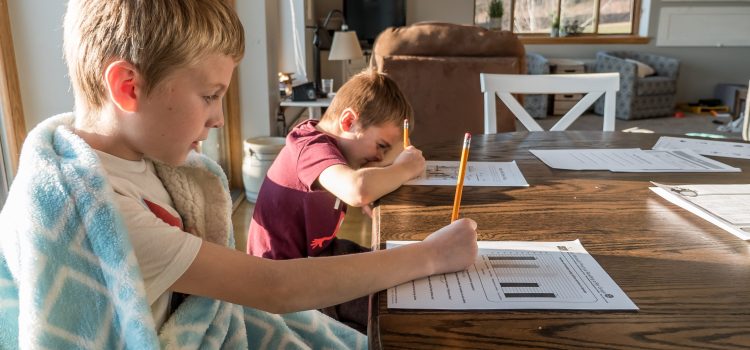
Virtual learning is a type of education that delivers course content and instruction online. It can be used in conjunction with traditional classroom-based learning or as a replacement for it. There are many advantages to virtual learning, including the ability to tailor the learning experience to the individual needs of each student, the flexibility to learn at any time and from any location, and the opportunity to access a wide range of resources.

However, there are also some challenges associated with virtual learning, such as ensuring student engagement and motivation, managing technology issues, and protecting the privacy and security of online information.

With the right strategies in place, virtual learning can be an effective way to provide educational opportunities for students of all ages.

The pros and cons of virtual learning

There are many advantages to virtual learning, such as the ability to learn from anywhere in the world, the flexibility to learn at your own pace, and the opportunity to choose from a variety of courses. However, there are also some disadvantages to virtual learning, such as the lack of face-to-face interaction with instructors and classmates, the temptation to procrastinate, and the need for self-discipline.

The best strategies for success in virtual learning

There is no one-size-fits-all answer to the question of how best to succeed in virtual learning. However, there are some key strategies that can help learners of all ages and stages adapt to this new normal.

One of the most important things to do is to create a routine and stick to it. Having a regular schedule for learning, studying, and taking breaks can help keep you focused and on track. It’s also important to create a dedicated space for learning, whether that’s at a desk, table, or spot on the couch. This will help your brain associate that space with learning and concentration.

Another crucial strategy is to set realistic goals for yourself and break them down into manageable steps. Trying to do too much at once will only lead to frustration and burnout. Start small and build up gradually as you become more comfortable with the virtual learning process.

It’s also important to stay connected with your classmates and teachers. Join online study groups, participate in discussion boards, and reach out if you need help or have questions. These connections can provide support and motivation when things get tough.

Finally, don’t forget to take care of yourself both physically and mentally. Get plenty of rest, exercise regularly, eat well, and take breaks when you need them. Creating a healthy balance will help you stay focused and motivated throughout the virtual learning process.

The most common mistakes made in virtual learning

When it comes to virtual learning, there are a few common mistakes that can easily be made. Here are some of the most common mistakes made in virtual learning, and how to avoid them:

1. Not Being Prepared

One of the most common mistakes made in virtual learning is not being prepared. This can mean not having the right equipment or not knowing how to use the virtual learning platform. Before starting any virtual learning, be sure you have everything you need and know how to use the platform.

2. Not Paying Attention

It can be easy to get distracted when participating in virtual learning. Whether it’s browsing the internet, checking email, or talking to others in the room, it’s important to pay attention to the lesson and participate fully. If you find yourself getting distracted, take a break from the lesson and come back when you’re able to focus.

3. Not Participating

Another mistake that’s often made in virtual learning is not participating in discussions and activities. Just because you’re not physically in a classroom doesn’t mean you shouldn’t participate. Speak up during discussions, ask questions, and actively engage with the material. The more you participate, the more you’ll get out of the experience.

4. Not Asking for Help

If you’re struggling with virtual learning, don’t be afraid to ask for

How to create a successful virtual learning environment

When it comes to creating a successful virtual learning environment, there are a few key things to keep in mind. First, you need to make sure that your online platform is user-friendly and easy to navigate. Secondly, you need to ensure that your content is engaging and relevant to your audience. Lastly, you need to create a sense of community within your virtual learning environment so that students feel comfortable interacting with one another and participating in the learning process.

If you can keep these three things in mind, you’ll be well on your way to creating a successful virtual learning environment for your students.

Conclusion

The new normal of virtual learning presents unique challenges for students, parents, and educators alike. By implementing the strategies we discussed in this article, everyone involved can help ensure a successful transition to online education. From staying organized and maintaining routines to taking advantage of available resources, there are plenty of ways to make the most out of your virtual learning experience. With these tips in mind and some practice, you’ll soon find yourself navigating the new normal with ease!