
Death is a fact of life, but how we approach it can vary significantly based on our religious beliefs. Euthanasia – the practice of intentionally ending a life to relieve suffering – remains one of the most divisive end-of-life issues in healthcare. From Christianity to Islam and Buddhism, different religions have their unique perspective on the morality of euthanasia. In this blog post, we’ll explore how religion shapes our views on euthanasia and what implications these beliefs have for people facing serious illnesses or chronic pain. Join us as we delve into the intersection between faith and healthcare in tackling one of society’s most challenging ethical dilemmas.

What is Euthanasia?

Euthanasia, also known as mercy killing, is the act of deliberately ending a person’s life in order to relieve them of suffering. The word euthanasia comes from the Greek eu (good) and thanatos (death), and can refer to both active and passive forms of mercy killing. Active euthanasia involves taking deliberate action to end a person’s life, such as giving them a lethal injection. Passive euthanasia involves withholding treatment or letting a person die by withdrawing life support.

Euthanasia is a highly controversial topic, and religious perspectives on euthanasia can vary widely. In general, those who oppose euthanasia do so on the grounds that it is intrinsically morally wrong to end a human life, no matter how much suffering the individual may be experiencing. Those who support euthanasia typically argue that it can be justified in cases where someone is experiencing great pain with no hope of improvement, and their death would be in their best interests.

There are a number of different religious perspectives on euthanasia, but some of the most common are discussed below.

Christianity: Christians generally believe that human life is sacred and should not be ended prematurely. However, there is significant debate within Christianity about whether mercy killing can ever be justified. Some Christian denominations, such as the Catholic Church, completely forbid any form of euthanasia, while others may allow it in certain circumstances when it is deemed to be in the best interests of the individual concerned.

Judaism:

The Different Types of Euthanasia

Euthanasia is a hotly contested topic in many societies around the world. While some view it as a merciful way to end a person’s suffering, others see it as a form of murder. religious beliefs play a significant role in shaping people’s views on euthanasia.

There are three different types of euthanasia: active, passive, and physician-assisted suicide. Active euthanasia is the direct killing of a person through an act such as injecting them with a lethal substance. Passive euthanasia is the withholding of medical treatment that would prolong a person’s life. Physician-assisted suicide is when a doctor provides the means for a person to kill themselves, but does not directly participate in their death.

Christians generally believe that human life is sacred and should be preserved at all costs. As such, most Christians oppose active and passive euthanasia. Some Christians may accept physician-assisted suicide under certain circumstances, such as when a person is suffering from an incurable disease and their death is imminent.

Jews also hold human life to be sacred. However, they differ from Christians in that they allow for active euthanasia under certain circumstances, such as when continued life would cause great suffering or there is no hope for recovery. Jews also permit passive euthanasia if there is no reasonable expectation that medical treatment will improve the patient’s condition.

Muslims also believe that human life is sacred. However, they take a more nuanced view on euthanasia than either Christians or Jews.

Religious Perspectives on Euthanasia

When it comes to end-of-life care, religious beliefs can play a significant role in shaping one’s views on euthanasia. For some, the notion of hastening death goes against everything that their faith teaches. They may believe that only God has the power to give and take life away. For others, however, the idea of ending a Suffering patient’s life may be seen as a compassionate act of mercy.

There is no single religious perspective on euthanasia, as different faiths have varied teachings on the subject. However, many religions do share some common ground when it comes to end-of-life care. For example, most faiths teach that human life is sacred and should be protected. Many also emphasize the importance of relieving suffering and preserving dignity in the dying process.

ultimately, each person’s religious beliefs will play a role in how they view euthanasia and end-of-life care. It is important to have an open dialogue with loved ones about these sensitive topics so that everyone is on the same page when it comes time to make difficult decisions.

Pros and Cons of Euthanasia

When it comes to the question of euthanasia, people of different religious beliefs tend to have different perspectives. Some religious groups are strongly opposed to the practice, while others are more open to it. Here, we take a look at some of the pros and cons of euthanasia from a variety of religious perspectives.

PROS

-Euthanasia can provide relief from suffering for those who are terminally ill or in great pain.
-It can give patients control over how and when they die.
-It can sparing families from having to watch their loved ones suffer.

CONS
-Euthanasia goes against the sanctity of life.
-It may be used to hasten death for financial gain or convenience rather than mercy.
-Some worry thatlegalizing euthanasia could lead to a slippery slope where non-terminally ill patients and even healthy people request assisted suicide.

Alternatives to Euthanasia

Most religions prohibit euthanasia, viewing it as a form of murder. However, there are some faiths that allow for euthanasia under specific circumstances. For example, the Church of Latter-day Saints (Mormons) teaches that mercy killing may be permissible in cases of great suffering, but only after all other options have been exhausted and with the approval of the individual’s bishop.

Judaism also permits mercy killing in cases of great suffering, but only when death is inevitable and the individual is experiencing great physical or mental anguish. The rabbinical court must approve any mercy killings.

The Islamic tradition also allows for mercy killings in cases of extreme hardship or suffering, but only when all other options have been exhausted and with the approval of a religious scholar.

Hinduism generally opposes euthanasia, but allows for it in some exceptional cases, such as if an individual is terminally ill or facing a long and painful death.

Buddhism does not explicitly prohibit euthanasia, but most schools of thought view it as immoral. Buddhism teaches that life is sacred and should be preserved whenever possible. However, some Buddhists believe that mercy killings may be permissible in cases of great suffering.

Conclusion

In conclusion, it is clear that religious beliefs play a central role in shaping our views on end-of-life care. It is important to recognize and respect the various religious perspectives when discussing end-of-life care and euthanasia, so that we can come to an understanding of what is best for all involved. While there may be disagreements between religions about how one should approach these issues, ultimately it comes down to each individual’s faith and values as they make their own decisions concerning end-of-life care.

As more and more states are legalizing marijuana for both medicinal and recreational purposes, the debate surrounding its legalization is heating up. Supporters argue that it can provide a plethora of benefits, from reducing drug-related crimes to boosting tax revenues, while opponents warn about potential health risks and societal consequences. So what’s the real story? In this post, we’ll examine both sides of the argument to help you understand the highs and lows of legalizing marijuana. Get ready to dive deep into this controversial topic!

A brief history of marijuana in the United States

The use of marijuana in the United States dates back to the early 1800s, when it was widely used for medicinal purposes. In the mid-1900s, public attitudes began to change and marijuana was increasingly seen as a recreational drug. This led to its criminalization in many states in the 1930s.

Since then, there has been a long and complex history of marijuana in the United States. It has been used both for medical purposes and recreationally, with changing levels of legality. In recent years, there has been a shift towards legalizing marijuana, with several states passing laws to allow its use for medical or recreational purposes.

There is still much debate over whether marijuana should be legalized nationwide. Proponents argue that it could have numerous benefits, including reducing crime and generating tax revenue. Opponents worry about the potential health risks and negative social effects of legalization. As the debate continues, it’s important to understand the history of marijuana in the United States and how we got to where we are today.

The pros and cons of legalizing marijuana

The pros and cons of legalizing marijuana are often debated. Some people argue that it should be legalized in order to save money on law enforcement and to generate tax revenue. Others argue that it should not be legalized because it is a Gateway drug that can lead to harder drugs. There is no clear consensus on the issue, but there are some pros and cons of legalizing marijuana that should be considered.

One of the pros of legalizing marijuana is that it would save money on law enforcement. According to a report by the American Civil Liberties Union, enforcing marijuana laws costs taxpayers around $3.6 billion per year. This is a significant amount of money that could be saved if marijuana were legalized. In addition, legalizing marijuana would generate tax revenue. The state of Colorado collected over $200 million in tax revenue from legal marijuana sales in 2017. This revenue could be used to fund schools, roads, and other public services.

However, there are also some cons of legalizing marijuana. One of the biggest concerns is that it would act as a Gateway drug, leading people to try harder drugs like cocaine or heroin. There is some evidence to support this claim: a study from 2006 found that individuals who smoked marijuana were more likely to use cocaine than those who didn’t smoke pot. However, this does not mean that everyone who smokes weed will go on to use hard drugs; it simply suggests that there is a correlation between the two behaviors.

Another concern about legalizing marijuana is that it

The different ways to consume marijuana

Marijuana can be consumed in many different ways, each with its own set of pros and cons. The most common methods are smoking, vaporizing, eating, and using topical products.

Smoking is the most popular method of consuming marijuana, but it is also the least healthy. Smoke from any kind of burning plant material contains harmful toxins that can damage the lungs. Marijuana smoke also contains some of the same cancer-causing chemicals as tobacco smoke. However, many people find that smoking marijuana is less harmful to their health than smoking tobacco.

Vaporizing is another popular method of consuming marijuana. It avoids the problems associated with smoking by heating the marijuana without burning it. This produces a vapor that contains THC and other active ingredients, but no harmful toxins. Vaporizing is a relatively new method, so there is not yet much research on its long-term effects.

Eating or drinking marijuana is sometimes called “edibles” or “dabbing.” Edibles are food products that contain cannabis extract. Dabbing is similar to vaporizing, but the cannabis extract is added to food or drinks instead of being inhaled as a vapor. The effects of edibles can be very strong and last for several hours. Because edibles take longer to have an effect than smoking or vaporizing, it can be easy to accidentally consume too much.

Topical products are applied to the skin and are absorbed through the hair follicles and

The different types of marijuana

There are many different types of marijuana, each with its own set of pros and cons.

Sativa: Sativa is the most common type of marijuana. It is known for its uplifting and energizing effects. Sativa is often used to treat depression and fatigue.

Indica: Indica is a less common type of marijuana. It is known for its relaxing and sedative effects. Indica is often used to treat pain and insomnia.

Hybrid: Hybrid strains are a mix of sativa and indica strains. They offer a balance of effects, depending on the ratio of sativa to indica in the strain.

CBD: CBD, or cannabidiol, is a non-psychoactive compound found in marijuana. CBD is known for its medicinal properties, and is often used to treat seizures, pain, anxiety, and inflammation.

THC: THC, or tetrahydrocannabinol, is the psychoactive compound found in marijuana. THC is responsible for the “high” associated with marijuana use.

How to grow your own marijuana

Assuming you would like tips on growing your own marijuana:

The first thing you need to do is find some quality cannabis seeds. You can find these at a number of different online retailers or head shops. Once you have your seeds, you need to decide whether you want to grow them indoors or outdoors. Each option has its own set of pros and cons that you should consider before making a decision.

If you decide to grow your cannabis seeds indoors, you will need to invest in some quality grow lights and a ventilation system. This option allows you to control the environment that your plants are growing in, which can be beneficial for preventing pests and diseases. However, it is important to note that indoor grows can be expensive and require more maintenance than outdoor grows.

Outdoor grows are less expensive and require less work, but they are also more susceptible to pests and bad weather conditions. If you live in an area with a lot of rainfall, for example, you will need to take extra steps to ensure that your plants don’t get too much water. Overall, though, growing your own marijuana is a relatively simple process that anyone can do with the right supplies and information.

Conclusion

The debate on the legalization of marijuana will continue to intensify as more states move to legalize it. While there are certainly pros and cons to legalizing marijuana, ultimately it is up to each individual state and community to decide what works best for them. Whether you are in favor or against the legalization of cannabis, this article has hopefully highlighted some of the key aspects that should be taken into consideration when making a decision.

Social media is an integral part of our lives, and it has transformed the way we communicate and share information. However, with great power comes great responsibility, and social media companies have been under scrutiny lately for their role in spreading misinformation, hate speech and other harmful content. The debate over Section 230 has taken center stage as lawmakers grapple with whether social media platforms should be held accountable for the content posted by their users. In this blog post, we explore this contentious issue and ask the question: Should social media companies be responsible for the content posted by users?

What is Section 230?

Section 230 of the Communications Decency Act is a law that provides immunity from liability for online service providers. The law was passed in 1996 as a way to promote open communication online by giving internet service providers (ISPs) and website operators protection from lawsuits based on the content that users post on their platforms.

Section 230 has been praised as the “law that created the internet” because it has allowed social media platforms and other websites to flourish without the fear of being sued for the content that users post. However, there has been growing criticism of Section 230 in recent years, with some people arguing that it gives too much power to social media companies and that it should be reformed or repealed.

The debate over Section 230 came to a head in May 2020 when President Trump signed an executive order calling for its repeal. The executive order was largely symbolic, as it is unlikely that Congress will actually repeal the law. However, the debate over Section 230 is likely to continue, and it remains an important issue for both social media companies and users.

The Debate Over Section 230

There is a growing debate over whether social media companies should be held responsible for the content posted by their users. Some argue that these companies should be held accountable for the spread of misinformation and hate speech, while others believe that this would undermine free speech online.

The debate intensified after the 2016 presidential election, when it was revealed that Russian operatives had used social media to spreading disinformation about the candidates. This led some to call for stricter regulation of these platforms, arguing that they had been used to interfere in the election.

Others argue that social media companies should not be held responsible for the content posted by their users, as this would lead to censorship of valid opinions and stifle free speech online. They point to section 230 of the Communications Decency Act, which protects these platforms from liability for user-generated content.

The debate is likely to continue as social media companies grapple with how to deal with the proliferation of fake news and other problematic content on their platforms.

Pros and Cons of Section 230

Section 230 of the Communications Decency Act is a law that provides immunity from liability for online platforms that host user-generated content. The law has been credited with helping to create and grow the modern internet as we know it, by providing a safe legal space for online businesses to allow users to post content without fear of being sued.

However, there is growing debate over whether or not Section 230 should be reformed or repealed. Some argue that the law gives too much power to social media companies, and that they should be held more accountable for the content that is posted on their platforms. Others argue that repealing or reforming Section 230 would have a chilling effect on free speech online, and could lead to censorship of legitimate speech.

The debate over Section 230 is likely to continue, as policymakers attempt to find a balance between ensuring free speech online and holding social media companies accountable for the content they host.

Should Social Media Companies Be Responsible for Content Posted by Users?

There is a growing debate over whether social media companies should be held responsible for the content posted by their users. Some argue that these companies are simply platforms that allow users to share information and that they should not be held responsible for what is posted. Others argue that social media companies have a responsibility to monitor and remove offensive or harmful content.

The argument for social media companies being responsible for user-posted content typically revolves around two points: safety and accountability. With regards to safety, some argue that social media companies have a duty to protect users from harmful or offensive content. For example, if someone posts threatening or harassing messages on a social media platform, the company should take steps to remove the content and/or ban the user in order to keep other users safe. With regards to accountability, some argue that social media companies should be held accountable for the spread of false information or hate speech on their platforms. For example, if a social media platform allows racist or sexist content to be disseminated widely, the company should be held responsible for the impact of that content.

The argument against social media companies being responsible for user-posted content typically revolves around two points: freedom of speech and censorship. Freedom of speech advocates argue that social media companies should not censor or remove user-posted content unless it is truly offensive or harmful (e.g., pornographic images, threats of violence). They argue that these platforms should be open forums for all types of expression, even if some of it is

Conclusion

The debate over Section 230 has sparked a larger conversation about the role of social media companies in our society. It is clear that there must be some kind of regulation to ensure these companies are held accountable for the content posted by their users. However, it is equally important not to stifle the free speech and innovation that have allowed these platforms to thrive in recent years. In order to find an appropriate balance between personal responsibility and corporate accountability, we need open dialogue from all sides as well as carefully crafted legislation that addresses both concerns.

Attention all internet users! Are you aware of your rights to a fair and open internet? The concept of net neutrality has been at the forefront of conversations in recent years as it determines how we access information online. However, the battle for consumer protection is ongoing as laws are modified and challenged. In this blog post, we’ll dive into the importance of net neutrality and explore its legal implications on our digital lives. So fasten your seatbelts, grab some popcorn, and join us for a thrilling ride through the world of net neutrality!

What is Net Neutrality?

Net neutrality is the principle that all traffic on the internet should be treated equally, without regard to content, provider, or user. This means that internet service providers (ISPs) should not be able to discriminate against any content or application. All data should be treated equally, regardless of its source or destination.

The concept of net neutrality is based on the principles of freedom of expression and equal access to information. It is a cornerstone of the open internet, and has been enshrined in various laws and regulations around the world.

However, net neutrality is under threat from powerful interests who want to control how we use the internet. In the United States, for example, ISPs have been trying to roll back net neutrality protections for years. And in 2017, they finally succeeded: the Federal Communications Commission (FCC) voted to repeal its own net neutrality rules.

This was a huge victory for ISP lobbyists, and a major setback for consumers and internet freedom. The fight for net neutrality is far from over, though. There are ongoing legal challenges to the FCC’s decision, and many countries still have strong net neutrality laws in place.

So what does all this mean for you? Well, if you care about an open and free internet, then you should be concerned about net neutrality. And if you live in a country where net neutrality protections have been repealed (like the United States), then you should demand that your government take action to restore them.

What is the FCC and What Role Does It Play in Net Neutrality?

The Federal Communications Commission (FCC) is the primary regulator of the communications industry in the United States. The FCC’s jurisdiction extends to all interstate and international communications by radio, television, wire, satellite, and cable. The FCC is charged with promoting competition and investment in the communications sector while also protecting consumers.

One of the most controversial issues currently before the FCC is net neutrality. Net neutrality is the principle that Internet service providers should treat all data on the Internet equally, without discriminating or charging different rates based on user, content, site, or application. Proponents of net neutrality argue that it is essential to maintain a level playing field on the Internet and that any attempts by ISPs to create fast lanes and slow lanes would stifle innovation and harm consumers. Opponents of net neutrality argue that it would prevent ISPs from being able to manage their networks effectively and could lead to higher prices for consumers.

The FCC has been attempting to establish rules governing net neutrality for several years now, but has yet to come up with a workable solution that satisfies both sides of the debate. In 2015, the FCC voted to reclassify broadband as a Title II common carrier service, which gives the agency more authority to regulate ISPs. However, this decision was quickly challenged in court and overturned. In 2017, the FCC once again voted to repeal its own net neutrality rules. This decision is currently being challenged in court as well.

It remains to be seen how this issue will ultimately be

The Current Status of Net Neutrality and the Law

Net neutrality is the principle that all internet traffic should be treated equally. This means that internet service providers (ISPs) should not be able to block, throttle, or otherwise discriminate against any website or online content.

The current status of net neutrality is that it is under attack. In 2017, the Federal Communications Commission (FCC) voted to roll back Obama-era net neutrality protections. This vote allowed ISPs to start discriminating against certain types of traffic.

There have been several lawsuits challenging the FCC’s decision, and the issue is currently being debated in Congress. It’s possible that net neutrality could be restored through legislation, but it’s also possible that it will be gone for good.

This debate is important because it could have a major impact on the future of the internet. If net neutrality is repealed, ISPs could start charging different prices for different types of traffic. They could also block or throttle websites and content that they don’t like. This would create a two-tiered internet, where those who can afford to pay more would get better service than those who can’t.

It’s also worth noting that this debate isn’t just about money; it’s about freedom of expression and democracy itself. A repeal of net neutrality could lead to a censored internet, where only those with deep pockets would have a platform to speak their minds.

This battle is far from over, and it’s one that we all need to pay attention to.

How Net Neutrality Affects Consumers

As the debate over net neutrality continues, consumers are left wondering how it will affect them. Net neutrality is the principle that all internet traffic should be treated equally, regardless of its source or destination. This means that internet service providers (ISPs) cannot give preferential treatment to certain types of traffic, such as video streaming or file sharing.

Critics of net neutrality argue that it stifles innovation and investment in the internet infrastructure. They say that ISPs should be able to charge different rates for different types of traffic, in order to recoup their costs and make a profit. Proponents of net neutrality argue that it is essential for ensuring a level playing field on the internet, and for protecting consumers from discrimination by ISPs.

So far, the Federal Communications Commission (FCC) has taken a strong stance in favor of net neutrality. In 2015, the FCC issued rules that classified broadband internet as a utility, and prohibited ISPs from engaging in discriminatory practices. These rules are currently being challenged in court by ISP trade groups, and the outcome is uncertain.

In the meantime, there are several ways that consumers can protect themselves from potential abuse by ISPs. First and foremost, consumers should educate themselves about net neutrality and how it affects them. They should also be aware of their rights under the FCC’s rules, and know how to file a complaint if they believe their rights have been violated. Finally, they can support pro-net neutrality organizations like Free Press and Fight for the Future, which

Pros and Cons of Net Neutrality

Net neutrality is the principle that all traffic on the internet should be treated equally. This means that internet service providers (ISPs) should not be able to throttle, block, or otherwise discriminate against any content or applications.

On the pro-net neutrality side, advocates argue that this is how the internet has always operated and that it is necessary to maintain a level playing field for small businesses and startups who may not be able to afford to pay premiums to ISPs for better access. They also worry that without net neutrality, ISPs could create “fast lanes” for their own content or preferred partners, while everything else would be relegated to a “slow lane.” This could stifle innovation and competition, and ultimately lead to higher prices for consumers.

On the other hand, opponents of net neutrality argue that it would give too much power to the government to regulate the internet. They believe that ISPs should be able to manage their networks as they see fit in order to ensure quality of service for their customers. They also argue that without the ability to charge different rates for different types of traffic, investments in infrastructure will suffer and innovation will be stifled.

Ultimately, whether or not you support net neutrality comes down to a question of trust—do you trust the government or ISPs more to act in the best interest of consumers and competition?

What the Future Holds for Net Neutrality and the Law

Net neutrality is the principle that all internet traffic should be treated equally. This means that internet service providers (ISPs) should not be able to throttle, block, or otherwise discriminate against any content on the web.

The battle for net neutrality has been ongoing for years, and it looks like it is here to stay. In 2015, the Federal Communications Commission (FCC) voted to reclassify broadband as a Title II telecommunications service, which subjected it to more stringent regulation. This was a huge victory for net neutrality advocates, as it prevented ISPs from discriminating against any content on the web.

However, the fight is far from over. In 2017, the FCC voted to roll back these regulations, once again giving ISPs the power to throttle, block, or otherwise discriminate against any content on the web. This decision is currently being challenged in court, and it is unclear what the future holds for net neutrality and the law.

One thing is for sure: the battle for net neutrality is an ongoing fight for consumer rights. Internet users should continue to fight for their right to a free and open internet.

Conclusion

As the battle for net neutrality continues to rage, consumers must stay informed on their rights and how they can be affected. With ever-evolving technology, new regulations are always being put in place that can impact consumer’s access to information and media. It is important for us as citizens to voice our opinions about the importance of an open internet so that we can ensure that our civil liberties and consumer rights remain protected.

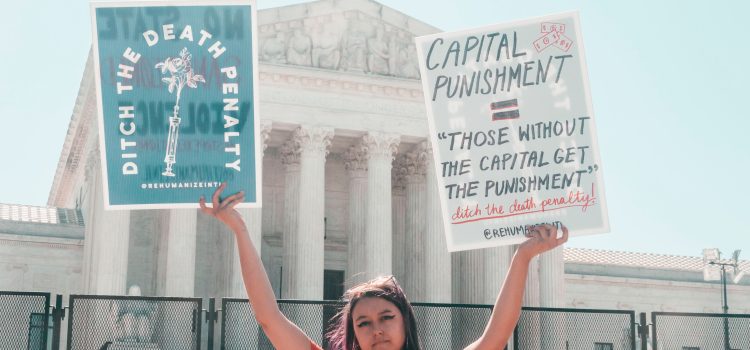
Death penalty is a contentious issue that has sparked heated debates for decades. While supporters argue that it serves as a deterrent to crime, opponents contend that it violates the fundamental human right to life and fails to address the root causes of criminal behavior. In this blog post, we delve into alternatives to the death penalty that can promote justice in our society without resorting to retribution. From rehabilitation programs to restorative justice practices, let’s explore how we can create a more equitable and humane system of justice for all.

The Death Penalty in the United States

In the United States, the death penalty is a controversial issue. There are those who believe that it is an effective deterrent to crime, while others believe that it is a form of cruel and unusual punishment that should be abolished. In recent years, there has been a growing movement to abolish the death penalty in the United States.

The Death Penalty Information Center reports that there have been 1,439 executions in the United States since 1976. The vast majority of these have been carried out in just a handful of states – Texas, Virginia, and Oklahoma. There are currently 3,035 prisoners on death row in the United States. The average cost of executing a prisoner is $1.26 million.

There are a number of arguments for and against the death penalty. Proponents of the death penalty argue that it serves as a deterrent to crime and provides justice for victims and their families. Opponents of the death penalty argue that it is a form of cruel and unusual punishment that does not deter crime and often results in the execution of innocent people.

The debate over the death penalty is unlikely to be resolved anytime soon. However, as more and more states move away from capital punishment, it seems likely that eventually the practice will be abolished altogether in the United States.

The Cost of the Death Penalty

The death penalty is often lauded as a deterrent to crime, but research does not support this claim. In fact, the death penalty may even lead to more crime. A study by economists at Emory University found that each execution in the United States leads to about five additional murders.

The cost of the death penalty is also far higher than the cost of alternatives, such as life without parole. A study by the Death Penalty Information Center found that the average cost of a death penalty case in California is $308 million. This is nearly 10 times the cost of imprisoning someone for life.

The high cost of the death penalty is due to the lengthy and complicated legal process required to ensure a fair trial. This process includes numerous appeals, which can take decades to resolve. The costs associated with the death penalty are a burden on taxpayers and divert resources from other needs such as education and public safety.

The Ineffectiveness of the Death Penalty

Since its inception, the death penalty has been fraught with controversy and criticism. Its effectiveness as a deterrent to crime is widely debated, with studies yielding conflicting results. Even if the death penalty does serve as a deterrent, is it worth the cost? The death penalty is expensive, both in financial and human terms. It takes away valuable resources that could be used to prevent crime and keep us safe, and it puts innocent lives at risk.

The death penalty disproportionately affects people of color and those who are poor. A study by the Equal Justice Initiative found that in 99% of states where the death penalty was imposed, the defendant was convicted of killing a white person, even though people of color are victims of violent crime at much higher rates. The vast majority of death row inmates are unable to afford their own attorney, and are instead represented by overworked public defenders. This lack of resources creates a greater risk of wrongful conviction.

There is also no evidence that the death penalty deters crime more effectively than other punishments. In fact, some research suggests that it may actually lead to more homicides. A study by professor Emily Hartley found that for every execution carried out, there were five additional murders. This “brutalization effect” occurs because executions legitimize violence in the eyes of some people.

The death penalty is a costly and ineffective way to deal with crime. It disproportionately affects marginalized groups, takes away valuable resources that could be used to keep us safe

The Racial Bias of the Death Penalty

The death penalty has long been controversial in the United States. Opponents of the practice argue that it is racially biased and that it disproportionately affects people of color. In recent years, several high-profile cases involving black defendants have brought this issue to the forefront of public debate.

In 2012, Florida teenager Trayvon Martin was killed by George Zimmerman, a neighborhood watch volunteer. Zimmerman was acquitted of all charges, sparking national outrage. Many felt that if Martin had been the one on trial, he would have been convicted and sentenced to death.

Similarly, in 2014, Michael Brown, an unarmed black teenager, was shot and killed by police officer Darren Wilson in Ferguson, Missouri. Wilson was also not charged with any crime. These cases led many to question whether the death penalty is applied fairly in America.

Studies have shown that people of color are more likely to be sentenced to death than white defendants. In some states, such as Texas, over 80% of defendants on death row are black or Latino. This is despite the fact that these groups make up only a minority of the population.

There are several possible explanations for this disparity. One is that judges and jurors may be more likely to view people of color as dangerous and violent, even when they are not. Another possibility is that prosecutors may be more likely to seek the death penalty in cases involving minority defendants.

Whatever the reasons for this racial bias, it is clear that the death penalty is not applied equally

Alternatives to the Death Penalty

The death penalty is often seen as the ultimate punishment for a crime. It is the most final and irreversible of all criminal sentences. But it is also a very controversial topic, with strong opinions on both sides. Some people believe that the death penalty is an effective way to deter crime and protect society, while others believe that it is a cruel and inhuman form of punishment that does not achieve its objectives.

There are many alternative punishments to the death penalty that can be just as effective, if not more so. Life imprisonment without the possibility of parole is one such alternative. This sentence ensures that the offender will never be released from prison, which eliminates the risk of them committing further crimes. It also allows for retribution and justice to be served, without resorting to the taking of another life.

Other alternatives include long-term imprisonment, community service, electronic monitoring, and rehabilitation programs. These punishments can still provide a deterrent to crime, while also allowing offenders to eventually reintegrate into society. They also have the added benefit of being less expensive than the death penalty, which can save taxpayers money in the long run.

Ultimately, whether or not the death penalty is used should be decided on a case-by-case basis. There are some crimes that are so heinous and violent that they warrant this ultimate punishment. But in other cases, there may be better alternatives available that can provide justice without resorting to capital punishment.

Conclusion

In conclusion, there are a number of viable alternatives to the death penalty that can be used to bring about a more just society. These alternatives serve to protect both victims and offenders alike by providing restitution for victims and ensuring fair punishment of offenders. Furthermore, these alternatives reduce financial burden on taxpayers while also helping to ensure that innocent people are not wrongfully executed. Ultimately, these solutions strive towards creating a justice system that is built upon principles of fairness and equality in order to create a more peaceful society.

Have you ever heard of the phrase “innocent until proven guilty”? Well, in the world of civil asset forfeiture, that saying seems to hold no value. Civil asset forfeiture is a legal process used by law enforcement officials to seize assets suspected of involvement in criminal activity – without even charging their owner with a crime! This legalized robbery has been happening for decades and continues to raise questions about justice and fairness in our society. In this blog post, we will dive deep into what civil asset forfeiture is, how it works, and why it’s so controversial. Get ready to learn more about this alarming practice that could affect anyone at any time.

What is civil asset forfeiture?

Civil asset forfeiture is a legal process through which law enforcement officials can seize and keep property suspected of being involved in criminal activity, even if the owner is not charged with or convicted of a crime. In many cases, the owner does not even need to be accused of wrongdoing; the mere suspicion that the property was used in a crime is enough to trigger forfeiture proceedings.

Civil asset forfeiture has been around for centuries, but it has become increasingly common and controversial in recent years. Law enforcement agencies argue that it is a vital tool for combating crime, while critics say it undermines due process and civil liberties.

There are two main types of civil asset forfeiture: judicial forfeiture and administrative forfeiture. Judicial forfeiture occurs when a court orders the seizure of property after finding probable cause to believe it was involved in criminal activity. Administrative forfeiture, on the other hand, allows law enforcement to seize property without going through the courts; instead, they must simply give notice to the owner and give them an opportunity to contest the seizure.

Both types of forfeiture have their detractors. Critics of judicial forfeiture argue that it gives too much power to law enforcement and can be abused; they also point out that many people who have their property seized are never charged with or convicted of any crime. Administrative forfeiture, meanwhile, has been criticized for depriving people of their due process rights; because owners do not have to be charged with or convicted of a crime, they may never even know that their property has been seized until

How does civil asset forfeiture work?

In civil asset forfeiture, the government can take your property without ever charging you with a crime. Law enforcement simply needs to allege that your property was involved in criminal activity, and they can seize it. Once your property is seized, you have to go through a lengthy, complicated, and often expensive legal process to try to get it back—even if you’re never charged with a crime.

How does civil asset forfeiture work? The process usually starts when law enforcement officers seize property they believe is connected to a crime. The officers then file a notice of seizure with a local court. If the property is worth more than $500, the case goes to federal court.

At this point, the government has the burden of proving that the property was involved in criminal activity. But in many cases, the government only needs to show that there is a “preponderance of the evidence”—meaning that it’s more likely than not that the property was used in a crime. This standard is much lower than “beyond a reasonable doubt,” which is the standard used in criminal cases.

If the government meets its burden of proof, then the court will order the forfeiture of the property. However, if you can prove that you had no knowledge of or involvement in any criminal activity associated with your property, then you may be able to keep it.

Once your property is forfeited, it becomes the property of the government

Who does civil asset forfeiture impact?

There are many people who are impacted by civil asset forfeiture. Some of these people include:

-People who have had their property seized by the government, even though they have not been charged with a crime
-People who have been charged with a crime, but have not yet been convicted
-People who have been convicted of a crime, but may not have had their property seized as part of their sentence

In general, civil asset forfeiture can have a significant impact on anyone who has come into contact with the criminal justice system. This is because, in many cases, the government can seize your property without ever charging you with a crime. And even if you are eventually charged and convicted of a crime, your property may still be subject to forfeiture.

Why is civil asset forfeiture controversial?

When law enforcement seizes property from someone suspected of a crime, it’s called civil asset forfeiture. The police don’t have to charge the owner with a crime—or even arrest them—to take away their stuff.

This process has been controversial for a number of reasons. First, it disproportionately affects low-income people and people of color. Second, it gives law enforcement agencies a financial incentive to seize property: they get to keep whatever they take. This creates a perverse incentive for police to abuse the process and seize property from innocent people.

Third, civil asset forfeiture is often used to take away people’s constitutional rights without due process of law. The Fourth Amendment protects Americans from unreasonable searches and seizures, but civil asset forfeiture allows the government to take away your property without ever charging you with a crime, let alone convicting you.

Fourth, civil asset forfeiture violates the principle of innocent until proven guilty. In our criminal justice system, you are supposed to be presumed innocent until proven guilty beyond a reasonable doubt in a court of law. But with civil asset forfeiture, the government can take away your property without ever having to prove that you did anything wrong.

Finally, civil asset forfeiture undermines fairness and equality before the law. If the government can take away your property without due process or any finding of guilt, then nobody is truly safe from having their property seized by the state.

What are some proposed solutions to civil asset forfeiture?

There are many proposed solutions to civil asset forfeiture, but no one solution is perfect. Some propose more regulation of the practice, while others propose abolishing it altogether. Here are some of the most commonly proposed solutions:

– More transparency and oversight: Many people believe that there should be more transparency and oversight when it comes to civil asset forfeiture. This would make it more difficult for police departments to abuse the system and would help ensure that only legitimate assets are seized.

– Raising the burden of proof: Under current law, the burden of proof is on the owner of the asset to prove that it was not obtained through illegal activity. Some propose raising this burden of proof so that the government would have to prove that an asset was obtained through illegal activity.

– Requiring a criminal conviction: Another proposal is to require a criminal conviction before assets can be forfeited. This would protect innocent people from having their assets seized without due process.

– Abolishing civil asset forfeiture: Some believe that civil asset forfeiture is an unconstitutional practice that should be abolished altogether. This would likely require a constitutional amendment, as the practice is currently enshrined in federal law.

Conclusion

Civil asset forfeiture is a legal practice that allows law enforcement to seize assets without necessarily having to make an arrest or charge someone with a crime. While it is meant to help the police combat organized crime, it has been abused by authorities who have used it as a way of extorting money from innocent citizens. It is important for people to understand how civil asset forfeiture works and what measures can be taken if their property has been seized illegally. Hopefully this article has given readers an insight into this complex issue so that they can better protect themselves against unlawful seizures in the future.

Introduction

In today’s society, the term “affirmative action” often evokes controversy and debate. Some argue that it is an unfair advantage for certain groups, while others see it as a critical tool for ensuring equality in our institutions. But to understand why affirmative action is necessary, we must first examine the historical and systemic inequalities that have led us to this point. From discriminatory policies and practices to implicit biases ingrained into our social structures, there are numerous factors at play that make affirmative action more than just a popularity contest – it’s a matter of justice and fairness for all. So buckle up as we delve deeper into this complex topic and explore why affirmative action remains relevant in our modern world!

What is Affirmative Action?

Affirmative action is a set of policies and practices implemented by the U.S. government in order to correct for past discrimination against certain groups, including women and people of color. The goal of affirmative action is to level the playing field so that all Americans have an equal opportunity to succeed.

While affirmative action programs are often controversial, they are necessary in order to address the systemic inequalities that have been baked into our society for centuries. Without affirmative action, it is likely that many qualified women and people of color would continue to be discriminated against in education, employment, and other areas of life.

There are a variety of different types of affirmative action programs, but they all share a common goal: to promote equality of opportunity. Some common examples of affirmative action programs include targeted recruitment and outreach efforts, preferential hiring or admissions practices, and financial assistance for underrepresented groups.

Not everyone agrees with the need for affirmative action programs, but there is no denying that they have helped to create a more diverse and inclusive society. When used correctly, affirmative action can be an important tool for overcoming historical injustices and promoting equality for all Americans.

History of Affirmative Action in the United States

The first federal affirmative action program was Executive Order 10925, issued by President John F. Kennedy in 1961. The order established the President’s Committee on Equal Employment Opportunity and required contractors working on federally funded projects to take “affirmative action” to ensure that employees were treated without regard to race, creed, color, or national origin. In 1965, President Lyndon B. Johnson issued Executive Order 11246, which expanded upon Kennedy’s earlier executive order and required government contractors not only to take affirmative action but also to set goals and timetables for ensuring that minority groups were afforded equal employment opportunities.

The policy of affirmative action began to be challenged in the late 1970s when a white male employee filed a class-action lawsuit against his employer, alleging that he had been denied a promotion because of his race. The case made its way to the Supreme Court, which ruled in 1978 that voluntary racial preferences could be used in order to achieve “diversity.” However, the Court also held that racial quotas could not be used.

In 1989, another landmark Supreme Court case reaffirmed the legality of affirmative action programs. In this case, a white male applicant to the University of California’s medical school sued the school after he was denied admission, even though he had scored higher on his entrance exams than some minority applicants who were admitted. The Supreme Court ruled that while racial quotas could not be used, race could be one of many factors considered by colleges and universities in their admissions decisions

Systemic Inequalities in the United States

The United States has a long history of systemic inequality, most notably with regards to race. African Americans, Native Americans, and other minority groups have been subjected to discrimination and violence since the founding of the nation. This discrimination has manifested in various ways throughout history, including segregated housing, unequal access to education and employment opportunities, and restrictions on voting rights.

In recent years, there has been increased focus on the issue of systemic inequality in the United States. This is largely due to the election of President Barack Obama in 2008, which brought the issue of race to the forefront of national discourse. Since then, there have been a number of high-profile cases of police brutality against unarmed black men, which have sparked protests and calls for reform.

Despite progress that has been made in recent years, systemic inequalities still persist in the United States. Minority groups continue to experience disparities in education, employment, and income. They are also more likely to live in poverty and lack health insurance. These disparities are often compounded by race and ethnicity, making it difficult for minority groups to escape poverty and attain economic security.

Affirmative action is one way that we can address systemic inequalities in the United States. By taking into account factors like race and ethnicity in college admissions and hiring decisions, we can help level the playing field for all Americans. Affirmative action is not a perfect solution, but it is one step towards creating a more just and equitable society.

The Necessity of Affirmative Action

Affirmative action is a necessary component of ensuring equality in education and workplaces. It is designed to level the playing field for historically disadvantaged groups, like women and people of color.

Without affirmative action, women and people of color would continue to be underrepresented in higher education and in the workforce. This is because they have been systematically discriminated against throughout history. Affirmative action helps to offset this discrimination by giving women and people of color a better chance at getting into college and getting good jobs.

There are still many inequalities in our society today. Women and people of color continue to face discrimination in many areas of life. But affirmative action has made a difference. It has helped to increase diversity in higher education and the workplace. And it is an important step towards achieving equality for all.

Conclusion

The debate surrounding affirmative action will no doubt continue to rage on. However, it is important to remember that the goal of this policy is not just to create a more level playing field but also to make up for centuries of systemic racism and discrimination that have had devastating effects on many minority communities. It is only through programs such as affirmative action that we can begin to undo some of the damage done by these inequalities and ensure true equality in our society.

In a landmark decision, the Supreme Court has upheld gun control laws that will ultimately promote community safety. This ruling is not just a victory for gun control advocates, but also for the countless individuals and families who have been affected by senseless acts of violence. By tightening regulations on firearms ownership, we can take proactive steps towards reducing gun-related crimes and creating safer neighborhoods for all. Join us as we explore this pivotal moment in our nation’s history and what it means for our future.

Supreme Court rules on gun control

The Supreme Court has ruled on several gun control laws, upholding most of them. This is a victory for community safety, as these laws will help to prevent gun violence.

The first law that the Supreme Court upheld was a ban on assault weapons. This law will help to reduce the amount of gun violence, as these weapons are often used in mass shootings. The second law that the court upheld was a background check requirement for all gun sales. This law will help to keep guns out of the hands of criminals and other dangerous individuals.

The third law that the court upheld was a waiting period for all gun purchases. This law will help to ensure that people have time to cool down before they buy a gun, and it will also give background checkers more time to do their jobs. The fourth and final law that the court upheld was a limit on magazine size. This law will help to reduce the amount of damage that can be done with a single weapon, as large magazines can hold many rounds of ammunition.

What the ruling means for gun control laws

The Supreme Court’s decision in District of Columbia v. Heller is a victory for the American people and our safety. The Court upheld our right to keep and bear arms, and struck down a ban on handguns in Washington, D.C. This ruling affirms what we have always known: that the Second Amendment protects our right to self-defense.

The Heller decision is an important step forward in the fight to protect our Second Amendment rights, but it is just one piece of the puzzle. We must continue to work together to pass laws that will keep guns out of the hands of criminals and those with mental health issues. We must also work to improve our mental health system so that those who need help can get it.

This ruling is a victory for gun rights advocates, but it does not mean that all gun control laws are now invalidated. The Court specifically said that some restrictions on firearms are still constitutional, such as bans on felons owning guns and laws preventing the mentally ill from purchasing firearms.

We must continue to fight for sensible gun control measures that will make our communities safer while respecting the rights of law-abiding gun owners. Together, we can make sure that guns are not a danger to our families and friends, but a force for good in our society.

How this will impact gun violence in the United States

Many are hailing the Supreme Court’s recent decision to uphold gun control laws as a victory for community safety. The laws in question prevented people with certain mental health diagnoses from purchasing firearms. The Court’s ruling means that these laws will remain in effect, making it more difficult for people with mental health problems to obtain guns.

This is a positive development for public safety, as research has shown that people with mental illness are more likely to commit violent crimes, especially if they have access to firearms. In fact, studies have found that almost 60% of mass shootings in the United States over the past three decades have been carried out by people with mental health issues.

By making it more difficult for people with mental illness to obtain guns, the Supreme Court’s decision will help to reduce gun violence in the United States. This is a significant victory for those who advocate for stricter gun control laws, and it is hoped that this ruling will lead to even further progress in this area in the future.

What needs to be done to reduce gun violence

In order to reduce gun violence, there are a number of things that need to be done. First, we need to strengthen our background check system so that people who are prohibited from owning firearms are not able to buy them. Second, we need to close the “gun show loophole” so that all firearm sales are subject to background checks. Third, we need to make it harder for criminals and people with mental health problems to get their hands on guns. Fourth, we need to invest in gun violence prevention programs that help keep people away from guns in the first place.

All of these measures will help make our communities safer by keeping guns out of the hands of those who should not have them. But we also need to do more to address the underlying causes of gun violence. We need to provide more opportunities for young people, especially young men of color who are disproportionately affected by gun violence. We need to address the issue of poverty and economic inequality, which can lead to desperation and despair. And we need to do more to support people with mental health problems so that they can get the help they need before they turn to violence.

If we want to reduce gun violence in this country, we need to take action on all fronts. We cannot simply rely on laws and regulations – we must also address the social and economic factors that contribute to gun violence. Only then will our communities be truly safe.

Conclusion

This Supreme Court decision on gun control laws is a huge victory for community safety. It further reinforces the importance of having strong measures in place to protect our communities from potential threats posed by firearms. With the correct implementation, these new regulations will help ensure that those who seek to do harm are unable to obtain guns easily and legally, allowing us all to live in peace and security within our neighborhoods. Overall, this ruling should be celebrated as an important step forward in protecting public safety while also upholding Constitutional rights.

Introduction

Networking is an essential skill that can take you from small talk to success in a matter of minutes. Whether you’re looking for a new job, seeking potential clients or building connections, networking is your ticket to the top. But mastering the art of networking isn’t always easy – it takes time and effort. In this blog post, we’ll explore what it takes to be a successful networker and how you can make meaningful connections that will help propel your career forward. So grab a cup of coffee and get ready to learn some valuable tips on how to become an expert at networking!

The Benefits of Networking

When it comes to career success, networking is key. Building a strong network of professional contacts can help you land your dream job, get promoted, and earn more money. Here are some of the top benefits of networking:

1. Expand Your Job Search

Networking can help you expand your job search beyond traditional channels like online job boards and newspapers. When you network, you can connect with hiring managers and other professionals who may be able to help you find a job that’s a perfect fit for your skills and experience.

2. Get Your Foot in the Door

It’s often said that it’s not what you know, but who you know. This is especially true when it comes to getting a foot in the door at your dream company. If you have a contact who works at the company, they may be able to put in a good word for you or introduce you to the hiring manager. This can give you a big leg up on the competition.

3. Boost Your Career Growth

In addition to helping you land a great job, networking can also boost your career growth once you’re employed. Professionals in your network can serve as mentors, providing advice and guidance as you navigate your career path. They can also introduce you to new opportunities, such as speaking engagements or business partnerships.

4. Make More Money

Having a strong network can also help you earn more money. Studies have

The Do’s and Don’ts of Networking

When it comes to networking, there are certain things you should do in order to make the most of your interactions and there are also some things you should avoid doing. Here are some Dos and Don’ts of networking:

Do:

– Make sure you have a strong elevator pitch ready. This is a brief summary of who you are, what you do, and what you’re looking for. When meeting someone new, this is your chance to make a good first impression so make it count!

– Do your research. Before meeting someone new, take some time to learn about them and their work. This way, you’ll be able to ask more informed questions and connect with them on a deeper level.

– Seek out opportunities to network. Whether it’s attending industry events or joining professional organizations, put yourself out there and don’t be afraid to meet new people.

Don’t:
– Don’t forget your manners. Whether it’s shaking someone’s hand or sending a follow-up email after meeting them, always remember your basic manners. People will remember how you made them feel, so treat others with respect and courtesy.

– Don’t be too salesy. No one likes being sold to so avoid hard selling when networking. Instead, focus on building relationships and getting to know people first. You can always talk about business later down the

How to Make Small Talk

Small talk can be difficult for some people, but it is an important skill to master if you want to be successful in networking. Here are some tips on how to make small talk:

1. Talk about something that you have in common with the other person. This can be something as simple as the weather or a shared interest.

2. Ask questions about the other person. Show genuine interest in what they have to say and avoid controversial topics.

3. Keep the conversation light and positive. Avoid talking about controversial topics or anything that might make the other person uncomfortable.

4. Smile and make eye contact. Body language is important in conveying interest and friendliness.

5. Be a good listener. Pay attention to what the other person is saying and ask follow-up questions when appropriate.

How to Build Relationships

In order to build relationships, it is important to start with small talk. This will help you get to know the other person and find common ground. Once you have found common ground, you can start to build a relationship by sharing more personal information and asking questions about the other person. It is also important to be a good listener and to show genuine interest in what the other person has to say. If you follow these tips, you will be well on your way to mastering the art of networking.

How to Follow Up

It can be difficult to know how to follow up after meeting someone new, especially if you’re not sure if they’re interested in keeping in touch. If you’re interested in following up with someone, the best thing to do is send a short email or LinkedIn message thanking them for their time and letting them know you’d like to stay in touch. If you don’t hear back, don’t take it personally – sometimes people are just busy and forget to respond. You can also try reaching out again a few weeks later. The most important thing is to be genuine, polite, and respectful – nobody likes being spammed with messages from someone they don’t know!

Conclusion

With this article, we wanted to provide you with the tools and information needed to start mastering the art of networking. From learning how to make a good first impression, initiating small talk that leads to meaningful conversations, and following up after your meeting are key steps in elevating your networking game. Once you understand these principles and start applying them consistently you will begin seeing immediate results — better connections, more opportunities, cleaner communication channels — all which can lead towards success.

Are you tired of feeling stuck in one job, but hesitant to make a move because of the potential risks? Are you curious about what benefits there might be to being a “job hopper”? Look no further! In this blog post, we’ll explore both the risks and rewards that come with constantly changing jobs. From building your skills and expanding your network to potentially damaging your reputation and career prospects, we’ll cover it all. So buckle up and let’s dive into the world of job hopping!

What is a job hopper?

A job hopper is an individual who frequently changes jobs. They may move from one company to another or within the same company. Job hoppers are often seen as a liability by employers because they lack stability and commitment.

There are several reasons why someone may become a job hopper. They could be seeking new challenges, looking for better pay or benefits, or they may simply not be happy with their current position. While there are some risks associated with being a job hopper, there can also be some rewards.

Those who frequently change jobs may have the opportunity to learn new skills and gain valuable experience. They may also be able to network with a variety of people and build up their contacts. If you are considering becoming a job hopper, it is important to weigh the risks and rewards carefully before making any decisions.

The pros and cons of job hopping

The pros of job hopping are that it can lead to greater opportunities and career growth. The cons of job hopping are that it can be disruptive to your career, lead to unemployment, and make it difficult to find a new job.

When considering whether or not to job hop, weigh the pros and cons carefully. On the one hand, job hopping can lead to new and exciting opportunities. You may be able to advance your career more quickly by taking on new roles at different companies. On the other hand, job hopping can be disruptive to your career. It can lead to periods of unemployment, which can make it difficult to find a new job. If you do decide to hop jobs, be sure to do your research and plan your next move carefully.

How to know if job hopping is right for you

There’s no one-size-fits-all answer to the question of whether or not job hopping is right for you. On the one hand, if you’re unhappy with your current situation and feel like you’re not moving up as fast as you’d like, changing jobs can be a great way to advance your career. On the other hand, if you’re constantly jumping from one job to another, it can make it difficult to build long-term relationships or earn a reputation as a reliable employee.

So how do you know if job hopping is right for you? Here are a few things to consider:

1. Are you looking for a long-term career or just a short-term job? If you’re hoping to build a long-term career, then staying at one company for several years is usually the best way to move up the ladder. However, if you’re more interested in exploring different types of work or don’t want to be tied down to one company, then job hopping might be a better option.

2. Do you have trouble committing to anything? If you find it difficult to stick with anything for more than a few months, then job hopping might not be the best choice. Constantly starting new jobs can be disruptive and make it difficult to establish yourself as a reliable employee.

3. Are you willing to take risks? Job hopping can be risky, especially if you don’t have another job lined up before quitting your current

Tips for successful job hopping

If you’re considering a life of job hopping, there are a few things you should keep in mind to make the most of it. First, don’t be afraid to take risks. Job hopping can be a great way to explore different industries and find out what you’re really passionate about. Second, make sure you’re always learning and growing. Use each new job as an opportunity to develop new skills and knowledge. Finally, don’t forget to network. Get to know as many people as you can in each new organization, and keep in touch with your contacts from previous jobs. With these tips in mind, you’ll be well on your way to a successful job-hopping career!

Alternatives to job hopping

When it comes to making a career move, job hopping is not the only option. There are a number of alternatives to consider that can help you achieve your desired outcome without all the risks associated with changing jobs frequently.

One alternative is to stay put in your current position and work on moving up within the company. This can be done by taking on additional responsibilities, volunteering for new projects, or networking with other employees and management. If you can demonstrate your value and dedication to the organization, you stand a good chance of being rewarded with a promotion or pay raise.

Another option is to look for a new job that offers morechallenges and opportunities for growth. This can be done by researching companies and positions that align with your skills and goals, and then applying for jobs that fit that criteria. Although it may take longer to land this type of job, it will be worth it in the long run as you’ll be more likely to find satisfaction in your work.

Finally, if you’re simply not happy with your current situation, another alternative is to start your own business. This could involve going freelance or launching a startup company. While this option may be riskier than the others, it also has the potential to be much more rewarding both professionally and personally.

Conclusion

As with any lifestyle choice, the job hopping life comes with its own set of risks and rewards. It can be a great way to take control over your career path, gain new skills quickly and explore multiple industries in a short amount of time. However, it’s important to remember that the instability associated with this kind of lifestyle can also lead to financial troubles or a lack of long-term stability. Ultimately, whether or not a job hopper’s lifestyle is right for you will depend on your individual goals and career objectives.