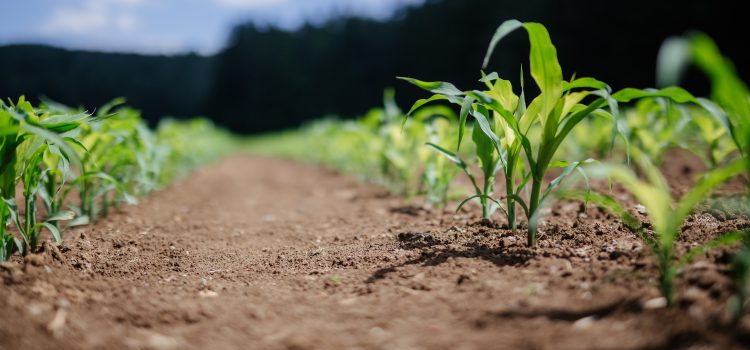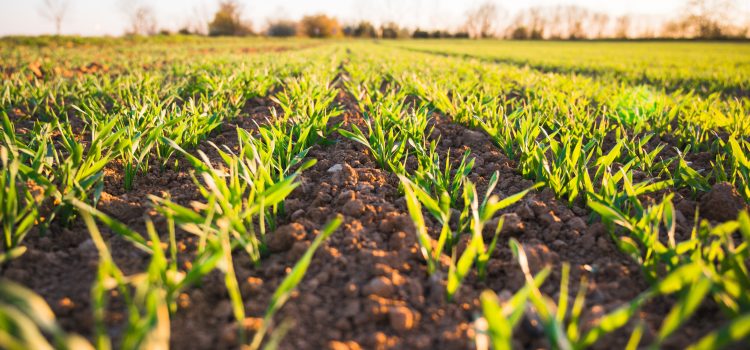
Are you looking for ways to grow food that benefits not only your farm but also the environment? Regenerative agriculture might be just what you need! This innovative approach focuses on restoring soil health, promoting biodiversity, and reducing carbon emissions. By adopting regenerative practices, farmers can ensure a sustainable future for their operations while helping to combat climate change. In this blog post, we’ll dive into the science behind regenerative agriculture and explore how you can implement these practices on your own farm. Get ready to join the movement towards a better world through sustainable agriculture!

What is Regenerative Agriculture?

Regenerative agriculture is an innovative farming approach that focuses on restoring soil health and promoting biodiversity. This holistic method seeks to improve the overall health of the ecosystem, rather than just maximizing crop yields. By using regenerative practices, farmers can help to reduce their carbon footprint and combat climate change.

One key aspect of regenerative agriculture is soil regeneration. Unlike conventional farming methods that rely heavily on synthetic fertilizers and pesticides, regenerative agriculture emphasizes natural methods for building healthy soils. These methods include cover cropping, crop rotation, intercropping and composting.

Another important principle of regenerative agriculture is promoting biodiversity. Rather than monoculture farming (which involves growing only one type of crop), regenerative farmers strive to create a diverse range of plants and animals within their farm system. This helps to support healthy ecosystems by providing habitats for beneficial insects, birds and other wildlife.

Regenerative agriculture offers a promising solution for sustainable food production in the face of environmental challenges such as climate change and soil degradation. By embracing this approach, farmers can promote healthier ecosystems while also ensuring long-term profitability for their operations.

The Principles of Regenerative Agriculture

Regenerative agriculture is a holistic approach to farming that focuses on regenerating and revitalizing the soil. It is based on several principles that aim to create a sustainable agricultural system by mimicking nature’s processes.

The first principle of regenerative agriculture is diversity. This means planting a variety of crops, using crop rotation techniques, and incorporating cover crops into the system. Diversity helps to maintain soil fertility, reduce pest and disease pressure, and increase resilience against climate change.

The second principle is soil health. Regenerative farmers focus on building healthy soils through practices such as minimal tillage or no-till farming, composting, and integrating livestock into cropping systems. Healthy soils provide better nutrient uptake for plants while also sequestering carbon from the atmosphere.

The third principle is ecosystem integration. Farmers practicing regenerative agriculture seek to mimic natural ecosystems by creating diverse habitats for wildlife, insects, and beneficial microorganisms in their fields. This leads to greater biodiversity which can support pollinators while also controlling pests naturally.

Regenerative farmers prioritize social responsibility by ensuring fair labor practices and supporting local communities through direct sales or community-supported agriculture (CSA) models.

These principles work together to improve soil health while increasing productivity in an environmentally friendly manner. By adopting these principles we can move towards more sustainable agricultural systems that are resilient against environmental pressures like droughts or floods while producing healthier food at lower costs for both consumers and producers alike.

The Benefits of Regenerative Agriculture

Regenerative agriculture is gaining momentum as more and more people become aware of its benefits. The traditional farming practices have been adversely affecting the environment, soil health, and crop productivity. Regenerative agriculture serves as a solution to these problems by providing numerous benefits.

One of the primary advantages of regenerative agriculture is that it promotes biodiversity. By incorporating diverse crops and animals on farms, farmers can mimic natural ecosystems’ diversity, which leads to healthier soils, increased nutrient cycling and pest management.

Regenerative farming also helps to reduce greenhouse gas emissions that contribute to climate change. When farmers adopt regenerative techniques like cover cropping, reduced tillage or no-till planting; they help sequester carbon in the soil where it’s stored for long periods instead of being released into the atmosphere.

In addition to this environmental benefit, regenerative farming results in healthier food products for human consumption because they contain higher levels of essential nutrients due to the high-quality soil conditions present on regeneratively managed land.

Furthermore, adopting regenerative agriculture practices has economic advantages too. As yields increase over time due to improved soil health and fertility from utilizing these methods; farmers can reduce their reliance on expensive inputs like fertilizers or pesticides – saving them money in the long run while improving overall profitability.

Regenerative Agriculture provides a host of important ecological services while also benefiting farmers economically by increasing yield without costly inputs such as chemicals or fertilizers needed for conventional farming techniques.

How to Implement Regenerative Agriculture Practices

Implementing regenerative agriculture practices can be a daunting task, especially if you’re not familiar with the principles and techniques involved. But don’t worry! Here are some tips to help get you started.

Firstly, it’s important to understand that regenerative agriculture is all about working with nature rather than against it. This means minimizing tillage, using cover crops and crop rotation to promote healthy soil biology, and reducing chemical inputs wherever possible.

One effective technique for implementing regenerative practices is through agroforestry or silvopasture systems. These involve integrating trees or shrubs into crop or livestock systems to provide numerous benefits such as increased biodiversity, reduced erosion, improved water retention and carbon sequestration.

Another key principle of regenerative agriculture is animal integration which involves incorporating animals like chickens or cows into cropping systems. They offer valuable services such as pest control by eating insects while also providing natural fertilizer in the form of manure that enriches soil fertility.

Collaborating with other farmers who have successfully implemented these practices can be invaluable in terms of knowledge sharing and support. By joining local farming communities where ideas are exchanged freely will accelerate your understanding on how best to implement regenerative agricultural methods effectively.

Conclusion

Regenerative agriculture is not just a buzzword in sustainable farming practices. It is an essential shift towards creating healthier soils, restoring biodiversity and reducing our carbon footprint. By adopting regenerative practices like crop rotation, rotational grazing and minimal tillage, farmers can improve their yields while protecting the environment.

Regenerative agriculture is a long-term investment that requires patience and commitment from both farmers and consumers alike. However, the benefits are worth it – healthier soil means more nutritious food for us to eat.

As consumers, we play an important role in supporting regenerative agriculture by choosing products grown using these methods. By doing so, we can contribute to building a better world where farming enhances nature instead of degrading it.

Let’s work together to create a more sustainable future through regenerative agricultural practices!
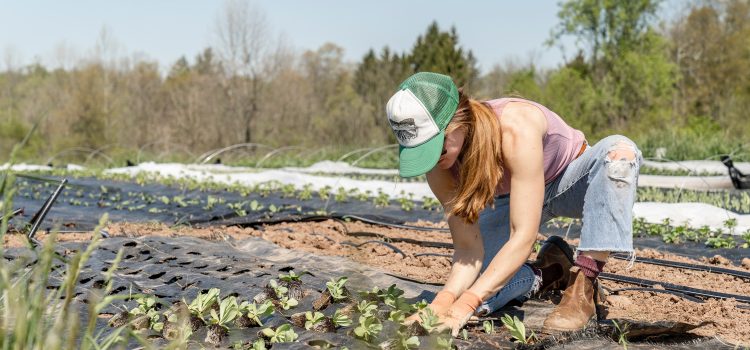
Pesticides are a double-edged sword in agriculture. While they help protect crops from pests and diseases, they can also harm beneficial insects, wildlife, and even humans. That’s why it’s crucial to promote responsible pesticide use that balances the benefits with the risks. But who should take responsibility for this? The answer is simple: everyone! In this blog post, we’ll discuss how scientists, farmers, and environmentalists can collaborate to promote responsible pesticide use and ensure a sustainable future for our planet. So buckle up and let’s dive into the world of pesticides!

The Pesticide Problem

Pesticides have been used for centuries to protect crops from pests and diseases, but their widespread use has led to some significant problems. One of the most pressing issues is the environmental impact of pesticides. Pesticides can contaminate soil, water, and air, affecting not only wildlife but also humans who come into contact with them.

Another problem associated with pesticides is resistance. When pests are exposed repeatedly to the same pesticide over time, they can develop resistance to it. This means that more potent or toxic pesticides may need to be used in higher quantities, leading to even greater environmental damage.

Pesticides can also harm non-target organisms like bees and other beneficial insects that play a crucial role in pollination and keeping ecosystems healthy. Additionally, there are concerns about pesticide residues on food products consumed by humans – which could potentially lead to health problems.

Given these challenges, it’s clear that we need a collaborative effort from scientists, farmers and environmentalists alike – promoting responsible pesticide use – if we want sustainable agriculture practices that take care of both human beings as well as the environment.

The Collaborative Solution

When it comes to promoting responsible pesticide use, scientists, farmers and environmentalists all have a role to play. These groups can work together collaboratively to ensure that pesticides are used in a way that is both effective and sustainable.

Scientists play an important role in developing new pest control methods that are safer for the environment and human health. They can also conduct research into the long-term effects of different types of pesticides on ecosystems, which can help inform policy decisions around their use.

Farmers, on the other hand, are often on the front lines when it comes to using pesticides. By working closely with scientists and environmentalists, they can learn about new best practices for applying these chemicals safely and effectively. They may also be able to share insights from their own experiences with different types of pests and crops.

Environmentalists bring an important perspective to discussions around pesticide use. Their focus is typically on minimizing harm to natural systems like wildlife habitats or water sources. Environmentalists can advocate for policies that limit harmful chemical exposure while still allowing farmers access to tools they need for crop protection.

By collaborating across disciplines, these groups can develop solutions that benefit everyone involved: farmers who want healthy crops; consumers who want safe food; scientists who seek better understanding of how pesticides impact our world; and conservationists concerned about preserving our natural resources over time.

How to Get Involved

One of the ways to get involved in promoting responsible pesticide use is by becoming informed about the issue. This includes understanding how pesticides work, their potential risks and benefits, and current regulations surrounding their use.

Another way to get involved is by supporting organizations that promote sustainable agriculture practices and advocate for responsible pesticide use. These organizations can provide resources and opportunities for individuals to take action, such as signing petitions or attending events.

Individuals can also make a difference in their own communities by advocating for alternative pest management methods, such as integrated pest management (IPM). This involves using a variety of techniques to manage pests while minimizing the use of harmful chemicals.

Additionally, farmers can play an important role in promoting responsible pesticide use by implementing sustainable farming practices on their own land. This includes utilizing crop rotation, cover crops, and other natural pest control methods.

Ultimately, getting involved requires a willingness to learn about the issue and take action in whatever capacity possible – whether it be through personal changes or community advocacy efforts.

The Benefits of Responsible Pesticide Use

Responsible pesticide use has numerous benefits for both farmers and the environment. By using pesticides in a targeted manner, farmers can protect their crops from pests without harming beneficial insects or polluting nearby water sources. This ensures that food production remains efficient while minimizing any potential negative impacts on the ecosystem.

Furthermore, responsible pesticide use can also lead to cost savings for farmers. By reducing the amount of unnecessary pesticides used, they can save money on purchasing expensive chemicals and reduce labor costs associated with applying them.

In addition, responsible pesticide use promotes public health by ensuring that harmful residues are not present on produce sold in markets. In turn, this reduces exposure to toxic chemicals and minimizes potential risks of developing chronic illnesses such as cancer.

Adopting responsible pesticide practices is crucial for sustainable agriculture and protecting public health. It’s important that scientists work collaboratively with farmers and environmentalists to educate people about the importance of responsible pesticide use and promote its adoption across all agricultural sectors.

The Risks of Irresponsible Pesticide Use

Irresponsible pesticide use poses a significant risk to both human health and the environment. When misused or overused, pesticides can contaminate soil, waterways, and air, affecting not only the target pests but also non-target organisms like bees and birds.

Human exposure to pesticides through inhalation or ingestion can lead to acute poisoning, chronic illnesses such as cancer, birth defects, developmental disorders and may even result in death.

Additionally, continuous application of chemical pesticides can promote pest resistance leading to more potent chemicals being created for farmers’ use. This cycle creates higher risks for humans’ health and threatens environmental sustainability.

Moreover, irresponsible pesticide usage disrupts ecosystems by harming beneficial insects that are essential in balancing natural cycles. The loss of these species weakens food webs leading towards an increase in pests that pose threats towards crop production.

It is crucial then for scientists along with environmentalists on their side exert effort together with farmers who play a vital role in promoting responsible pesticide use. By doing so will minimize the adverse effects while still ensuring high yields needed by our society today.

Conclusion

Responsible pesticide use is a shared responsibility that requires collaboration among scientists, farmers, and environmentalists. By working together, they can create innovative ways to minimize the negative impacts of pesticides on human health and the environment while ensuring food security for all.

It’s essential to understand that our choices have consequences. We must take action now to protect our planet and future generations from the harmful effects of irresponsible pesticide use. Whether you are a farmer or consumer, there are several steps that you can take to promote responsible pesticide use.

By educating ourselves about the benefits and risks associated with different types of pesticides and supporting sustainable farming practices, we can all play an active role in promoting responsible pesticide use. Let us work together towards a healthier world where people live harmoniously with nature!

Agriculture has come a long way since the days of ancient farming techniques. With advancements in technology and science, farmers are now able to produce higher yields with fewer resources. One area that has seen significant improvements is water management – a crucial aspect of farming. In this blog post, we’ll explore how science is revolutionizing agriculture by transforming water management techniques, and how these new methods are helping farmers increase their crop yields while reducing their environmental impact. Get ready to discover the future of sustainable farming!

The Problem with Traditional Agriculture

Traditional agriculture has been around for centuries and relies heavily on the use of natural resources such as water, soil, and sunlight. While this method has proven effective in feeding large populations, it also comes with several drawbacks.

One of the biggest problems with traditional agriculture is its reliance on irrigation to provide crops with sufficient amounts of water. This often leads to overwatering or under-watering, which can result in reduced crop yields and a waste of valuable resources.

Another issue is soil erosion caused by poor farming practices such as plowing and tilling. These methods can strip away topsoil that contains essential nutrients needed for healthy plant growth.

Traditional agriculture typically involves the use of chemical fertilizers and pesticides – both harmful to the environment if not used properly. These substances can contaminate nearby water sources, negatively impacting ecosystems and human health alike.

It’s clear that traditional agriculture isn’t sustainable in the long term – especially given our growing population’s ever-increasing demand for food. That’s where science comes into play: by developing new techniques for managing water usage more efficiently while reducing environmental impact!

The Science of Water Management

Water is a fundamental resource that all living things require, and it is essential for agricultural production. However, water scarcity is becoming increasingly prevalent due to climate change and population growth. As a result, farmers are turning to science and technology to improve their water management practices.

The science of water management involves understanding the movement of water through the soil, plant physiology, evapotranspiration rates, weather patterns and other factors. By monitoring these aspects closely, farmers can make informed decisions about when and how much to irrigate their crops.

One approach used by scientists is precision irrigation which uses sensors in fields that detect moisture levels in soil at different depths. This information allows for precise watering where only the areas with low moisture get irrigated instead of the whole field.

Furthermore, some farmers use irrigation systems which regulate watering based on real-time data from weather stations or satellite imaging so they can adjust accordingly if there’s rain expected or if temperatures rise above normal levels.

In addition to optimizing irrigation systems through scientific techniques like smart sensors and predictive models; new technologies like drought-resistant crops have been developed as well as methods such as cover cropping which reduces wasteful runoff while preserving nutrients in soils

The science behind water management in agriculture has proved crucial not just for economic reasons but also environmental sustainability. By utilizing advanced technological tools combined with best practices from experts we will be able address long standing challenges facing agriculture while maximizing yields without compromising our natural resources

How Farmers are Applying Water Management Techniques

Farmers are adapting their water management techniques to suit the needs of their crops and conserve water resources. One popular technique is the use of drip irrigation, which delivers a slow and steady supply of water directly to plant roots. This method reduces runoff and evaporation, making it more efficient than traditional overhead sprinklers.

Another approach that farmers are taking is the implementation of smart irrigation systems that use advanced sensors and weather data to optimize watering schedules based on real-time conditions. These systems can also alert farmers when there is an issue with their irrigation system or if there’s a problem with the soil moisture levels.

Farmers are also using cover crops as a way to manage water usage in fields. Cover crops act as living mulch, reducing soil erosion while retaining moisture in the ground. They also improve soil health, providing additional benefits for crop growth.

In addition, many farmers are practicing conservation tillage methods, minimizing disturbance to the soil structure during planting and harvesting seasons. This helps maintain healthy soils that retain moisture better than tilled soils, ultimately leading to less need for irrigation.

These innovative approaches demonstrate how farmers are utilizing science-based technological advancements in order to reduce waste while increasing yields – all important steps towards sustainable agriculture practices for future generations.

The Future of Water Management in Agriculture

The future of water management in agriculture is rapidly evolving as technology and innovation continue to advance at an unprecedented pace. Farmers are increasingly turning to high-tech solutions such as precision irrigation systems, data analytics, and remote sensing technologies to optimize their water usage.

One promising development in this field is the use of artificial intelligence (AI) and machine learning algorithms to analyze vast amounts of data on soil moisture levels, weather patterns, crop growth rates, and other variables. These tools can help farmers make more informed decisions about when and how much water to apply, ultimately leading to more efficient use of this valuable resource.

In addition, there is growing interest in alternative sources of water for agriculture beyond traditional groundwater or surface water supplies. For example, some farmers are exploring the use of treated wastewater or even seawater desalination plants for irrigation purposes.

It’s clear that innovative approaches will be necessary to meet the challenges posed by climate change and increasing demand for food production. By harnessing cutting-edge technologies like AI and exploring new sources of water supply, we can help ensure a sustainable future for agriculture – one where we maximize yields while minimizing our impact on the environment.

Conclusion

Water management is revolutionizing agriculture and transforming the way farmers irrigate their crops. With increasing global demand for food production and decreasing freshwater resources, it has become essential to adopt sustainable and efficient irrigation practices.

Thanks to scientific advancements, farmers can now make informed decisions about when and how much water their crops need. By implementing innovative technologies such as precision irrigation systems, soil moisture sensors, and real-time weather data analysis tools, they can significantly reduce water waste while maximizing crop yields.

As we continue to face new challenges in the agricultural sector such as climate change and population growth, it is crucial that we embrace science-based solutions like improved water management techniques. This will not only ensure a steady supply of safe food but also contribute towards building a more sustainable future for our planet.

Are you ready to explore the future of food production? Say hello to vertical farming! This innovative method of growing crops is revolutionizing agriculture as we know it. By using advanced technology, farmers can now grow crops in vertically stacked layers instead of traditional horizontal fields. Vertical farming offers a plethora of benefits that could transform our food system and ensure sustainable, healthy produce for generations to come. In this blog post, we’ll dive into the world of vertical farming and discover its incredible advantages. So buckle up and get ready for an exciting journey through the future of food!

What is Vertical Farming?

Vertical farming is a modern way of growing crops in vertically stacked layers, using various technologies like hydroponics, aeroponics and aquaponics. It’s an alternative to traditional farming methods that require vast amounts of land, water and other resources. This innovative method is becoming increasingly popular due to its numerous benefits.

In vertical farms, crops are grown in controlled environments where temperature, humidity and light can be precisely regulated. Farmers use artificial lighting systems like LEDs to create the perfect environment for plant growth without relying on natural sunlight. Additionally, vertical farms use significantly less water than traditional farming methods by recycling it through closed-loop irrigation systems.

Vertical farming also minimizes the need for pesticides and herbicides as pests and diseases are easier to control in indoor settings. By eliminating the use of harmful chemicals, vertical farm produce is healthier and safer for consumption.

Vertical farms offer year-round crop production regardless of external weather conditions which ensures a steady supply of fresh produce throughout the year. With all these advantages combined together, it’s no wonder why many see vertical farming as the future of agriculture!

The Benefits of Vertical Farming

Vertical farming is an innovative and sustainable way of growing crops, with a range of benefits. Firstly, vertical farms take up less space than traditional farms, as they use shelves or trays to stack plants vertically. This means that they can be located in urban areas where land is scarce and expensive.

Another advantage of vertical farming is that it uses significantly less water than conventional agriculture methods. Rather than relying on rainfall or irrigation systems, the crops are grown hydroponically using nutrient-rich water solutions that are recycled through the system.

Vertical farming also reduces the need for pesticides and fertilizers since indoor facilities allow growers to control environmental factors such as light intensity, temperature and humidity levels. As a result, farmers can grow crops all year round without being affected by seasonal changes.

Furthermore, this type of farming reduces transportation costs as it allows for fresh produce to be grown locally rather than being shipped from other countries or regions. This helps to reduce carbon emissions associated with shipping while supporting local economies.

Vertical farming offers numerous benefits over traditional agricultural techniques – ranging from more efficient resource usage to increased food security for urban populations – making it an exciting prospect for future food production sustainability.

Vertical Farming Technology

Vertical farming technology is the backbone of this innovative and sustainable method of agriculture. The technology used in vertical farming varies from simple hydroponic systems to advanced climate control mechanisms. One of the most significant advantages of vertical farming technology is its ability to optimize resource utilization, such as water and energy.

Vertical farms use LED lights that mimic natural sunlight to provide an optimal growing environment for crops. This lighting system can be adjusted based on crop requirements, resulting in a much more efficient process than traditional outdoor agriculture.

In addition, vertical farms are typically located closer to urban areas, reducing transportation costs and emissions associated with long-distance food transportation. Moreover, they don’t require pesticides or herbicides since pests are less likely to affect indoor plants.

Another essential technological feature of vertical farming is automation. Automated processes include seeding, watering, fertilizing, harvesting and packaging – all performed by robots or other advanced machinery. These processes not only save time but also reduce labor costs while increasing productivity levels.

The implementation of these technologies has significantly reduced the environmental impact caused by conventional agriculture methods while providing a dependable source of fresh produce year-round regardless of weather conditions. Vertical Farming Technology holds immense potential for revolutionizing how we grow our food sustainably without sacrificing quality or quantity.

The Future of Food Production

As the world’s population continues to grow, it is becoming increasingly clear that our current food production methods will not be able to keep up with demand. This is where vertical farming comes in – as a sustainable and efficient solution for future food production.

Vertical farming allows us to produce crops all year round, regardless of climate or weather conditions. With advanced technology such as hydroponics and aeroponics, water usage can also be significantly reduced compared to traditional agriculture methods.

Furthermore, vertical farms are located closer to urban areas, reducing transportation costs and carbon emissions associated with long-distance shipping. This means fresher produce that can reach consumers faster.

As technology continues to advance, we can expect even more innovations in vertical farming – from automated planting systems to artificial intelligence monitoring crop growth. The potential for customization and optimization in this method of food production is endless.

In short, the future of food production lies in sustainable solutions such as vertical farming. By embracing new technologies and practices, we can ensure that we are able to meet the growing demand for fresh produce while minimizing our impact on the environment.

Conclusion

To sum it up, vertical farming is a game-changer in the world of agriculture. With its numerous benefits such as increased yield, reduced water usage and land footprint, flexibility in location, and year-round production capability, it offers a sustainable solution to feeding our growing population.

The technological advancements in vertical farming are continuously evolving and improving the efficiency of the process. These innovations include automation systems for monitoring plant growth and adjusting conditions accordingly, LED lights that mimic natural sunlight while saving energy costs and reducing heat output.

Vertical farming can also be used to grow crops that may not thrive outdoors due to their specific environmental requirements or climatic conditions. This provides an opportunity for growers to experiment with new crops without risking significant financial losses.

As we face challenges such as climate change, urbanization, and water scarcity issues in traditional agriculture practices- Vertical Farming can help us overcome them sustainably.

Vertical Farming has proven itself as one of the most innovative solutions for food production available today. It is poised to revolutionize modern agriculture by providing fresh produce all year round with minimal resources required- making it an ideal option for environmentally conscious consumers who value locally grown organic produce at affordable prices!

Soil health is often overlooked, yet it’s one of the most critical components of a thriving agricultural ecosystem. Without healthy soil, farmers suffer massive losses in crop yields and increased expenses due to soil degradation. But investing in soil health doesn’t just benefit farmers; consumers also reap significant economic advantages from healthier soils. In this blog post, we’ll explore the benefits of investing in soil health for both farmers and consumers alike, as well as how everyone can contribute to improving our planet’s precious soils. So let’s dive into why investing in soil health is not only sustainable but also profitable!

The current state of soil health

The current state of soil health globally is a cause for concern. According to the United Nations, over 33% of our planet’s soils are already degraded due to human activities such as deforestation, unsustainable farming practices, and pollution. This degradation puts immense pressure on farmers who rely on healthy soil to produce their crops.

Soil degradation can lead to reduced crop yields and ultimately impact food security worldwide. In addition to this, farmers may incur additional costs in terms of fertilizers or irrigation systems that compensate for the lost nutrients in degraded soils.

Moreover, soil erosion caused by rainfall or wind further damages the topsoil layer and impacts water quality downstream as sediments run off into rivers and lakes. Soil erosion also exacerbates climate change through increased carbon emissions from disturbed soils.

It’s clear that there is an urgent need for action to improve global soil health. The good news is that investing in sustainable agricultural practices can help regenerate soils and provide numerous economic benefits both for farmers and consumers alike!

The economic advantages of investing in soil health

Investing in soil health is not only good for the environment, but it can also bring significant economic advantages to both farmers and consumers. One of the primary benefits of healthy soil is increased crop yields, which can lead to higher profits for farmers. When soil is properly maintained and cared for, it has a better ability to retain moisture, nutrients and support improved root growth.

In addition to increased yields, investing in soil health can also reduce costs associated with fertilizers and pesticides. Healthy soils often require less synthetic inputs as natural processes such as nutrient cycling are more efficient resulting in fewer input requirements.

Healthy soils may also help mitigate climate change by sequestering carbon from the atmosphere into the ground. This could be extremely beneficial when governments start incorporating carbon pricing mechanisms that provide financial rewards or incentives for practices that offset greenhouse gas emissions.

There are numerous economic advantages associated with investing in soil health. By taking steps to improve our soils’ quality today we not only help ensure future food security but may also benefit from reduced production costs while supporting healthier ecosystems over time.

The environmental benefits of investing in soil health

Investing in soil health not only has economic benefits for farmers and consumers, but it also has a positive impact on the environment. Healthy soils can help to mitigate climate change by storing carbon dioxide in the ground. By improving soil health, we are creating a natural solution to combat greenhouse gases.

In addition, healthy soils can reduce erosion and runoff, which helps protect our waterways from pollution. Soil that is rich in organic matter and nutrients also contributes to diverse ecosystems and supports biodiversity.

By investing in soil health practices like cover cropping and reduced tillage, farmers can improve their operations while simultaneously benefiting the surrounding environment. These practices promote healthy microbial activity within the soil, leading to healthier plants with better yields.

Consumers can also play a role by supporting regenerative agriculture practices that prioritize soil health when purchasing food products. This encourages farmers to continue implementing sustainable practices that benefit both their businesses and the planet.

Investing in soil health not only provides economic advantages but also has positive environmental impacts that contribute towards a more sustainable future for all of us.

What farmers and consumers can do to improve soil health

Farmers and consumers both have a significant role to play in improving soil health. Here are some ways they can work together:

Farmers can adopt practices such as cover cropping, crop rotation, conservation tillage, and nutrient management techniques that reduce the need for synthetic fertilizers and pesticides. They can also use organic farming methods that promote healthy soils by adding compost or other organic matter.

Consumers can support sustainable agricultural practices by purchasing food from local farmers who prioritize soil health. This not only supports small-scale agriculture but also encourages more farms to focus on regenerative practices that benefit both the environment and human health.

Furthermore, consumers can reduce their food waste by composting at home or supporting community composting programs. Composting provides an opportunity to recycle nutrients back into the soil while reducing greenhouse gas emissions from landfills.

It’s essential for farmers and consumers alike to educate themselves about soil health issues so they can make informed decisions about their actions. Organizations like Soil Health Institute provide resources for learning more about how we can improve soil quality through science-based research.

By working together towards better soil health, farmers and consumers are helping ensure a healthier planet with improved biodiversity, cleaner water sources, increased crop yields and economic benefits.

Conclusion

In today’s world, investing in soil health is no longer an option but a necessity. Soil conservation practices that improve soil health can lead to economic benefits for farmers and consumers alike while also preserving the environment. Farmers who invest in healthy soils can reduce costs, increase yields and profits, and provide a safer and healthier food supply for consumers.

Consumers can support healthy soils by purchasing products from farmers who follow sustainable agricultural practices. Additionally, they can advocate for policies that promote soil conservation initiatives such as crop rotation, reduced tillage or cover crops.

The most effective way to achieve long-term benefits of investing in soil health is through collaboration between farmers, policymakers, scientists and other stakeholders. We must work together to ensure we leave behind a legacy of healthy soils capable of supporting future generations.

Therefore, it’s time for all of us to act now towards improving our soil health if we want a sustainable future. By doing so we will be able to safeguard our planet’s natural resources while ensuring the production of food sufficient enough for everyone on earth.

Organic farming has been gaining popularity over the years as more people become aware of the benefits it offers for both our health and environment. Unlike conventional farming practices that use chemical fertilizers and pesticides, organic farming relies on natural techniques to produce healthy crops. The science behind organic farming is fascinating, and in this blog post, we’ll explore its benefits in detail. So sit back, grab a cup of tea, and let’s dive into the world of organic agriculture!

What is organic farming?

Organic farming is an agricultural system that relies on natural methods to grow crops and raise livestock. Organic farmers avoid using synthetic fertilizers, pesticides, herbicides, and genetically modified organisms (GMOs) in their production process. Instead, they use natural techniques such as crop rotation, composting, green manure, cover cropping and biological pest control.

One of the key principles of organic farming is to maintain a healthy soil ecosystem that supports plant growth naturally. This means building healthy soil through practices like adding organic matter or compost to increase the soil’s fertility level. By doing this, plants can absorb nutrients from the soil more effectively without relying on artificial fertilizers.

Organic farmers also prioritize animal welfare by providing them with outdoor access and space to move around freely. They often use alternative treatments for animal health issues instead of antibiotics or hormones which are commonly used in conventional farming.

In order for food products to be certified organic it must meet strict standards set by governing bodies such as USDA in USA or EU Commission Regulation in Europe. These regulations require farms and food processors follow specific protocols regarding pesticide levels residue testing etcetera

How does organic farming benefit our health?

Organic farming is not only beneficial for the environment, but also for our health. One of the main benefits of organic farming is that it eliminates exposure to harmful pesticides and synthetic fertilizers used in conventional farming methods.

Research has shown that consumers who choose organic produce have lower levels of pesticide residues in their bodies compared to those who consume conventionally grown produce. This reduction in pesticide exposure can help reduce the risk of certain cancers, neurological disorders, and other chronic diseases associated with long-term exposure to these chemicals.

Organic farming practices also promote the use of natural soil enhancement techniques such as crop rotation and composting. These practices result in nutrient-dense crops which are richer in vitamins, minerals, antioxidants and phytochemicals than conventionally grown crops.

Moreover, organic livestock farmers do not use antibiotics or growth hormones on their animals. Organic animal products like milk & meat provide a healthier alternative to consumers by reducing antibiotic resistance and decreasing the risks associated with hormone consumption.

Choosing organically produced food is an investment towards a healthy lifestyle. By consuming nutritious food free from harmful chemicals we can lead a better life physically as well as mentally!

How does organic farming benefit the environment?

Organic farming has proven to be beneficial not only for our health but also for the environment. One of the most significant advantages of organic farming is that it eliminates the use of harmful chemicals and pesticides, which can contaminate soil, water sources and harm wildlife.

Organic farms also promote biodiversity by creating a habitat for different species. By using natural fertilizers such as compost or manure, organic farmers help maintain soil health while reducing erosion and nutrient depletion.

Furthermore, organic farming practices prioritize conservation efforts by limiting energy consumption through alternatives like solar power or wind turbines. Farmers also reduce waste production by recycling materials and utilizing crop rotation techniques to prevent monoculture.

Organic farms often partner with local businesses to create a sustainable food system in their communities, promoting economic growth while minimizing transportation emissions associated with long-distance shipping.

The benefits of organic farming on the environment are numerous and undeniable. Organic agriculture provides an alternative approach that prioritizes sustainability rather than profit-driven methods used in conventional agriculture.

The challenges of organic farming

Organic farming is not a walk in the park. It presents a set of challenges that farmers must overcome to ensure their crops thrive and meet organic standards.

One of the biggest challenges faced by organic farmers is pest control. Unlike conventional farming, where chemicals can be used to kill pests, organic farmers have limited options for controlling pests. They must rely on natural methods such as crop rotation, companion planting, and biological controls.

Another challenge faced by organic farmers is weed management. Without herbicides or synthetic fertilizers, weeds can quickly take over an organic farm if not managed properly. Organic farmers often use manual labor or mechanical methods like hoeing to remove weeds from their fields.

Organic farming also requires more planning and attention to detail than conventional farming. Farmers must carefully monitor soil health and fertility levels through regular testing and amendments with natural materials like compost.

Transitioning from conventional to organic farming can be costly for some farmers due to certification fees and decreased yields during the transition period.

Despite these challenges, many small-scale farms are making it work thanks to consumer demand for healthy food produced sustainably without harmfully impacting our environment.

Conclusion

After exploring the science behind organic farming and its benefits for our health and environment, it is clear that this method of agriculture has a significant positive impact on both. Organic farming practices prioritize sustainability, soil health, and biodiversity while minimizing harm to people and the planet.

Consuming organic food reduces exposure to harmful chemicals such as pesticides and herbicides, which have been linked to various health issues. By choosing organic options, we are supporting farmers who prioritize sustainable practices that promote soil fertility rather than chemical dependence.

Organic farming also plays an essential role in preserving biodiversity by creating habitats for wildlife. Additionally, using fewer fertilizers prevents nutrient run-off into waterways that can lead to toxic algae blooms.

Although there are challenges associated with transitioning from conventional farming methods to organic farming practices such as higher labor costs or lower yields during transition years; these obstacles can be overcome through education programs aimed at training new farmers on best practices or government subsidies for those making the switch.

Investing in organic agriculture is a crucial step towards ensuring a healthier future for ourselves and our planet. So next time you shop for groceries or plan your meals consider going organic!

As the global population continues to grow, so does the demand for food. Unfortunately, traditional farming methods are often unable to keep up with this demand, leading to widespread hunger and malnutrition in many parts of the world. Enter genetically modified crops (GMCs), which have been developed specifically to address this issue. While some people view GMCs as a controversial topic, there is no denying that they have already had a significant impact on global food security. In this blog post, we’ll explore the benefits and drawbacks of GMCs and discuss what the future may hold for these innovative crops.

What are Genetically Modified Crops (GMCs)?

Genetically modified crops, or GMCs, are plants that have been altered at the genetic level to exhibit specific traits. These modifications are made possible through biotechnology techniques like gene editing and transgenic breeding.

One example of a GMC is Bt cotton, which has been genetically engineered to produce a toxin that repels certain types of pests. Another example is Golden Rice, which has been modified to contain higher levels of beta-carotene (a precursor to vitamin A) in order to address widespread deficiencies in developing countries.

GMCs can be designed for a variety of purposes beyond pest resistance and nutrient enhancement – some crops have even been modified to withstand drought conditions or grow more quickly. This versatility is one reason why they hold so much promise for addressing global food insecurity.

Despite their potential benefits, GMCs remain controversial due to concerns about their long-term impact on human health and the environment. However, regulatory bodies around the world continue to evaluate new GM crop varieties according to established safety standards before approving them for commercial use.

The Benefits of GMCs

Genetically modified crops (GMCs) have been developed through the genetic engineering process, which involves combining or altering genes from different plant species to produce desired traits. The benefits of GMCs are numerous and can help address global food insecurity.

One of the main advantages of GMCs is their ability to increase crop yields. By introducing traits that make plants resistant to pests, diseases, and environmental stressors such as drought, farmers can achieve higher productivity per acre of land. This means more food can be produced using less resources.

Another benefit is that GMCs enable farmers to reduce their use of harmful pesticides and herbicides. For example, Bacillus thuringiensis (Bt) gene introduced into cotton plants produces a protein toxic only to specific insect pests but harmless for humans and animals. This reduces the need for chemical insecticides while still protecting crops against damaging insects.

Additionally, GMCs can also improve nutritional content in crops by increasing vitamin content or reducing nutrient deficiencies common in certain regions around the world. Golden rice is an example of this development; it has been genetically modified with beta-carotene from maize so that it contains more Vitamin A than normal rice varieties.

Genetically modified crops offer many benefits and have great potential when it comes to addressing global food insecurity challenges we face today.

The Drawbacks of GMCs

Genetically Modified Crops (GMCs) have been a topic of controversy for many years, with some people arguing that they are the solution to global food insecurity, while others maintain that they pose serious risks to human health and the environment. In this section, we will take a closer look at some of the drawbacks associated with GMCs.

One major concern about GMCs is their potential impact on biodiversity. By altering the genetic makeup of crops, scientists could inadvertently create species that are resistant to pests or diseases but may also harm other organisms in the ecosystem. This could lead to the extinction of certain plant or animal species and upset ecological balances.

Another issue with GMCs is their potential long-term effects on human health. While research has yet to conclusively prove any negative impacts from consuming genetically modified foods, there are concerns over possible allergenicity and toxicity issues related to newly introduced proteins in these crops.

Moreover, it’s important not to ignore socio-economic factors when considering GMO crops as solutions for food security since it reinforces an industrialized model where farmers become dependent on corporations through patents rather than locally adapted seeds saving practices forcing them into debt cycles.

Labeling remains another significant challenge regarding genetically modified products. Consumers should be informed whether they’re buying GM foods so that they can make choices depending on what feels comfortable or healthy for them; however several countries still do not implement mandatory labeling which creates confusion among consumers who want transparent information regarding what they eat.

While there are certainly benefits associated with genetically modified crops in addressing global food insecurity challenges such as increased yield and drought resistance properties; it’s equally essential not always downplaying its drawbacks like environmental destruction risk factors posing danger upon biodiversity loss and socio-economic disparities created by patented GMO seeds making farmers vulnerable economically due lack of diversification options which require more study before accepting them wholeheartedly as an ultimate solution without proper governance mechanisms providing transparency around deployment operations including pre-market assessments, labeling requirements and regulations.

The Future of GMCs

The future of genetically modified crops (GMCs) is a topic that has raised concerns among different people. On one hand, some experts believe GMCs can help address global food insecurity while others are worried about their long-term effects on human health and the environment.

One potential benefit of GMCs is that they could help farmers produce more yields per acre with fewer resources such as water and pesticides. This could be particularly useful in regions where drought conditions or pests are common challenges for agriculture.

However, critics argue that there is still much we don’t know about how GMCs may impact ecosystems over time. For instance, GMO pollen from GM crops might spread to non-GM fields which could have unintended consequences on bees and other pollinators.

In addition to environmental risks, there are also concerns about the possible long-term health impacts of consuming GMO foods. Some studies suggest that they might increase the likelihood of allergic reactions or create antibiotic resistance in bacteria.

Despite these concerns, many scientists and agribusinesses view GMCs as a way forward in addressing global food insecurity given our growing population’s need for affordable food sources. Ultimately only time will tell whether they prove to be a boon or bane for humanity’s future generations

Conclusion

Genetically modified crops have been developed to address global food insecurity and improve agricultural productivity. These crops are designed to be resistant to pests, diseases, and extreme weather conditions that threaten the yields of traditional crops.

Despite some controversies surrounding their safety and environmental impact, GMCs have shown great potential in solving the challenges faced by farmers around the world. With advancements in technology and continued research on their long-term effects, GMCs will undoubtedly continue to play a significant role in agriculture for years to come.

It is important that we weigh both the benefits and drawbacks of GMCs when considering their use. We must also ensure that proper regulations are put in place to ensure their safe handling and distribution.

It is clear that genetically modified crops can make a positive contribution towards addressing global food insecurity if used responsibly. It’s up to us as consumers and policymakers alike to carefully consider this approach as one means of ensuring sustainable agricultural practices on a worldwide scale.

Farming has come a long way since the days of manual labor and basic tools. Today, science is revolutionizing crop production with innovative technologies that promise to increase yields, reduce waste and enhance sustainability. From precision farming to genetic engineering, science-based practices are transforming agriculture as we know it. In this blog post, we’ll explore the role of science in advancing crop production, its benefits and challenges, and what the future holds for farming. So grab your hat and boots – it’s time to dig into the exciting world of modern agriculture!

The current state of farming

Farming is a critical sector of the global economy, providing food and raw materials to billions of people worldwide. However, farming practices have long faced significant challenges such as climate change, pests, weeds and soil degradation.

Currently, farmers are using conventional methods that have been around for decades. These include tilling the land with tractors and applying chemical fertilizers and pesticides to manage pests and diseases. While these techniques have improved crop yields over time, they come at a cost – environmental degradation from pesticide use on crops has resulted in soil erosion and contamination of water sources.

Moreover, traditional farming methods can be labor-intensive which makes it challenging for small-scale farmers to compete with larger farms. In some regions where access to technology is limited or non-existent altogether such as sub-Saharan Africa or remote areas in Asia or South America – farmers still rely on rudimentary tools like hand hoes.

Despite these challenges, modern advances in science offer new opportunities for more efficient ways to produce crops that reduce waste while increasing yield through precision agriculture techniques.

The role of science in advancing crop production

Science has played a crucial role in advancing crop production, enabling farmers to achieve high yields and produce better quality crops. With the help of science-based farming practices, farmers can effectively manage their land and resources while minimizing environmental impact.

One way science is revolutionizing agriculture is through genetic engineering. Scientists have developed genetically modified crops that are more resistant to pests, diseases and extreme weather conditions. GM crops offer higher yields and require fewer pesticides than traditional crops.

Another way science is improving crop production is through precision farming techniques. Farmers use sensors, drones and other advanced technologies to monitor soil moisture levels, track plant growth patterns and analyze nutrient deficiencies. This data helps them make informed decisions about irrigation schedules, fertilizer application rates and pest management strategies.

Science also plays a critical role in developing new agricultural inputs such as fertilizers, herbicides or fungicides that are safer for human health and the environment. Researchers work tirelessly to develop new formulations with lower toxicity levels or reduced environmental impacts.

There’s no doubt that science has transformed agriculture over the years by providing innovative solutions for complex challenges faced by modern-day farmers. By embracing cutting-edge scientific methods and technologies like GM seeds or precision farming tools; we can continue driving progress toward more sustainable food production systems that benefit everyone involved – from growers all the way down to consumers!

The benefits of science-based farming

Science-based farming has brought about numerous benefits to the agricultural industry. One of the most significant advantages is increased crop yields, which enable farmers to produce more food with less land and fewer resources. With better seed varieties that are resistant to pests and diseases, as well as drought-tolerant crops that can thrive in challenging environmental conditions, science-based farming ensures optimal plant growth and higher productivity.

Another benefit of science-based farming is its sustainability aspect. By developing innovative practices such as precision agriculture and conservation tillage, farmers can reduce their carbon footprint while improving soil health and biodiversity on their farms. This results in long-term economic viability for farmers while contributing positively towards environmental conservation.

Science-based farming also plays a crucial role in ensuring food safety through rigorous testing of products for contaminants like pesticides or harmful bacteria before they reach consumers’ tables. This enhances public confidence in the safety of farm products while minimizing risks associated with eating contaminated foods.

By supporting scientific research aimed at finding solutions to agricultural challenges such as climate change and water scarcity, we can ensure continuous innovation in this field. Research leads to new technologies being developed that improve production efficiency making agriculture a viable business venture with less risk involved.

Science-Based Farming empowers us all by providing more efficient ways of producing high-quality food sustainably for everyone’s consumption both now and into the future!

The challenges of implementing science-based farming

Although science-based farming has the potential to revolutionize crop production, there are several challenges that farmers face when implementing these methods. One of the biggest hurdles is access to technology and resources. Not all farmers have the financial means or infrastructure necessary to invest in advanced equipment and research.

Another challenge is resistance from traditional farming practices. Many farmers may be hesitant to adopt new techniques if they’ve been doing things a certain way for generations. Additionally, some people view science-based farming as “unnatural” and prefer more conventional methods.

There’s also the issue of scalability. While science-based farming can be incredibly effective on a small scale, it becomes much harder to implement on large farms that produce crops for mass consumption.

Another roadblock comes in the form of regulations and policies surrounding agriculture. These laws can vary greatly between countries and regions, making it difficult for farmers to navigate legal barriers while trying out new techniques.

There’s simply a lack of education surrounding science-based farming practices. Many people aren’t aware of how these methods work or what benefits they offer over traditional approaches.

Despite these challenges, many experts believe that science-based farming is crucial for improving crop yields, reducing waste, and promoting sustainability in agriculture. As such, finding ways to overcome these obstacles should continue to be a priority for researchers and policymakers alike.

The future of farming

As we look towards the future of farming, it is clear that science-based approaches will continue to be a driving force in advancing crop production. With ongoing research and innovation, new technologies and techniques will emerge to address current challenges facing farmers.

However, it’s important to recognize that implementing these advancements may require changes in traditional practices and infrastructure. As such, education and support for farmers will play a critical role in ensuring widespread adoption of science-based farming methods.

At the same time, we must also consider the impact of farming on our planet. Sustainable agriculture practices must be prioritized to minimize negative effects on soil health, water quality and biodiversity.

With sound scientific understanding and a commitment to sustainable practices, there is no doubt that we can revolutionize farming for generations to come.

Science has revolutionized our world in countless ways, from discovering life-saving medicine to technology that connects us with people all over the globe. But do you know what’s equally important as scientific discoveries? Scientific literacy. The ability to understand and apply scientific knowledge is crucial for solving many of the global challenges we face today. In this blog post, we’ll explore how scientific literacy can help us tackle these issues head-on and create a brighter future for ourselves and generations to come!

What is scientific literacy?

Scientific literacy is the ability to understand and apply scientific concepts to real-world situations. It’s not just about memorizing facts or formulas, but understanding how they work together in a larger context. A scientifically literate person can critically evaluate scientific information, make evidence-based decisions, and communicate effectively with others about science.

Being scientifically literate doesn’t mean that you have to be an expert in every field of science. Instead, it’s about having a fundamental understanding of scientific principles across disciplines. This includes knowledge of basic chemistry and physics as well as biology and environmental sciences.

Science is constantly evolving, so being scientifically literate also means being able to keep up with new discoveries and advancements in the field. The ability to recognize reliable sources of scientific information from unreliable ones is crucial for making informed decisions.

Scientific literacy is an essential skill for everyone – regardless of their profession or background – if we want to create a more sustainable future for ourselves and our planet.

The importance of scientific literacy

Scientific literacy is an essential skill that allows individuals to understand and engage with science-related topics in their daily lives. It involves having a basic knowledge of scientific concepts, principles, methods, and terminology. The importance of scientific literacy cannot be overstated in today’s world, where science plays a crucial role in shaping our society and addressing global challenges.

Firstly, being scientifically literate enables us to make informed decisions about various aspects of our lives. For instance, it can help us better understand the potential benefits or risks associated with new medical treatments or technologies. This knowledge empowers people to actively participate in discussions related to science policy-making and advocate for evidence-based practices.

Moreover, scientific literacy provides opportunities for personal growth and development. It fosters critical thinking skills which allow people to evaluate claims made by others using sound reasoning based on available evidence. In addition, understanding how science works helps individuals appreciate its beauty as well as its limitations.

Promoting scientific literacy has far-reaching implications for global issues such as climate change mitigation or disease control efforts. By educating the public about these complex issues through accessible means like popular media outlets or community outreach programs – we can build greater support for measures aimed at tackling them.

Developing scientific literacy is vital not only for individual success but also for solving some of the most pressing problems facing humanity today. As such – it should be prioritized by educators and policymakers alike so that everyone has access to this valuable resource!

How scientific literacy can help us tackle global challenges

Scientific literacy is not just about understanding complex scientific theories or memorizing scientific facts. It’s about having the ability to think critically and evaluate evidence-based information. With global challenges such as climate change, pandemics, and resource depletion, it has become more important than ever to have a scientifically literate population.

Scientific literacy can help us tackle these global challenges by enabling individuals to understand the underlying causes of these issues. For example, with an understanding of science behind climate change, we can make informed decisions on reducing carbon emissions and support policies aimed at mitigating its effects.

Moreover, scientific literacy empowers individuals to participate in decision making processes by being able to provide evidence-based solutions instead of relying on opinions or emotions. This could lead to better-informed policies that address the root causes of various problems rather than merely addressing their symptoms.

Additionally, scientific literacy promotes innovation by encouraging people to seek out new knowledge and explore different approaches for solving problems. This can result in groundbreaking discoveries that pave the way for sustainable development goals.

Achieving widespread scientific literacy is essential if we want to effectively tackle global challenges facing our world today; from environmental degradation and natural disasters to health crises like COVID-19 pandemic. By improving our overall understanding of science and technology through education programs or mass media campaigns may be key steps towards creating a brighter future for all humanity!

Conclusion

Scientific literacy is an essential skill that everyone should develop to understand the world better. By being scientifically literate, we can make informed decisions and contribute to solving global challenges such as climate change, healthcare, and food security. It allows us to question what we read in the media or hear from politicians, ensuring that our beliefs are based on evidence rather than opinions.

Scientific literacy is not just for scientists; it’s a fundamental aspect of education for all individuals. We need critical thinkers who will ask questions about issues facing our society today and make informed decisions based on data-driven solutions. As technology continues to evolve at an unprecedented pace and new challenges emerge daily, scientific literacy has become more important than ever before. By promoting scientific literacy across all levels of society, we can create a brighter future for ourselves and generations yet unborn.

Science and culture are often seen as two separate worlds that rarely intersect. However, both play a crucial role in shaping our understanding of the world around us. When science and culture come together, they create a unique environment for effective learning. In this blog post, we’ll explore why the intersection of science and culture is so important, how they impact each other, and what it means for education. Get ready to dive into the fascinating world where science meets culture!

The Importance of Science and Culture

Science and culture are two crucial components of human existence that cannot be separated. Science is the systematic study of the natural world, while culture refers to the shared beliefs, values, customs, and practices of a particular group or society. Both science and culture shape our understanding of the world around us in different ways.

Science provides us with a framework for exploring and discovering new knowledge about nature. It helps us understand how things work and why they behave in certain ways. On the other hand, culture provides context for this knowledge by shaping our perception of what is important or valuable.

The intersection between science and culture plays an important role in promoting effective learning because it allows learners to see how scientific concepts apply to their daily lives within cultural contexts. This connection not only makes learning more engaging but also enhances cross-cultural understanding among individuals from diverse backgrounds.

Moreover, through this intersection comes innovation as people can use cultural values to develop new technologies that can address societal challenges efficiently while still being culturally acceptable.

In summary, both science and culture are essential aspects of human life that provide unique perspectives on different phenomena in life when brought together; they create an environment where effective learning takes place effortlessly.

The Relationship Between Science and Culture

Science and culture are inextricably linked, as they both influence and shape one another. Culture is the way of life of a particular group of people, including their beliefs, values, traditions, customs, and practices. Science involves the exploration and understanding of the natural world through empirical evidence-based methods. The relationship between science and culture is complex yet fascinating.

Science relies on cultural frameworks to guide research questions and interpret data. For instance, scientific studies often reflect societal concerns or interests such as health issues or technological advancements. Conversely, culture also draws on scientific knowledge to inform practices that impact society at large.

The interplay between science and culture can be seen throughout history where scientific discoveries have had profound impacts on cultural practices such as medicine or agriculture. Additionally, cultural beliefs also influenced early forms of astronomy with many cultures designing calendars based on astronomical observations.

However, there have been instances where the relationship between science and culture has been contentious with conflicting views leading to controversy over policies ranging from climate change to evolution education in schools.

Science cannot exist without taking into account cultural factors since it’s embedded within our societies which shapes its very nature; likewise cultures need experiments tested by objective standards provided by sciences for sound decision making processes.

The Impact of Science on Culture

Science has had a significant impact on culture throughout history. One of the most notable ways in which science has shaped culture is through technological advancements. From the invention of the wheel to modern-day smartphones, technology has revolutionized the way we live our lives and interact with one another.

Science has also contributed to major breakthroughs in medicine, allowing people to live longer and healthier lives than ever before. Medical innovations like vaccines, antibiotics, and surgical procedures have all been instrumental in improving public health worldwide.

Moreover, scientific discoveries have challenged cultural norms and beliefs, leading to changes in societal attitudes towards various issues such as gender roles and sexuality. For example, research into human evolution has shown that biological sex is not binary but rather exists on a spectrum.

Science fiction genres like books and movies have influenced popular culture by creating new worlds with futuristic technologies that inspire innovation beyond what currently exists today. These stories often explore ethical dilemmas posed by advanced technology or other hypothetical scenarios that push us to think about how we want society to evolve.

Science plays an integral role in shaping cultural values and beliefs through technology innovation, medical achievements challenging traditional views about social constructs such as gender roles or sexual orientation while inspiring creativity for future developments within entertainment mediums like sci-fi literature/film genre!

The Impact of Culture on Science

Science and culture have an interdependent relationship, where they both influence each other. Culture plays a significant role in shaping the scientific progress of a society. The cultural values and beliefs can impact what areas of research are prioritized or ignored.

For instance, certain cultures may place more emphasis on medicinal plants as opposed to synthetic drugs. This can lead to the discovery of new medicines that would not have been found through traditional scientific methods alone.

Moreover, cultural beliefs and practices may also affect the interpretation of scientific findings. Different cultures have different worldviews which can result in varying attitudes towards science-based evidence. For example, some religious groups may reject scientific theories such as evolution or climate change due to conflicting beliefs.

The diversity within cultures also leads to unique perspectives and approaches towards research problems. Scientists from different ethnic backgrounds bring their own experiences and knowledge that enriches the field of science.

However, culture can also pose challenges for scientists when it comes to ethical considerations in research involving human subjects or endangered species. Balancing cultural sensitivity with scientific rigor is crucial for ensuring responsible research practices.

In essence, culture influences every aspect of science – from funding priorities to interpretation of results – making it essential for scientists to consider its impact on their work.

Conclusion

Science and culture are two fields that may seem unrelated, but their intersection is crucial for effective learning. Understanding the relationship between science and culture can help us appreciate the impact they have on each other.

Science has greatly influenced our cultural beliefs and practices over time. From medicine to technology, scientific advancements have shaped how we live in society today. On the other hand, culture affects how we approach science – it shapes our curiosity and interest in different areas of study.

By recognizing this important intersection, we can better understand how to learn effectively by integrating both fields. When technological advancements are shared through cultural channels such as music, art or literature, it becomes easier for people to grasp complex topics because they are presented in a relatable way.

Bridging the gap between science and culture will not only enhance learning but also promote innovation. The more we integrate these two domains into education systems worldwide; the greater potential there is for groundbreaking discoveries that solve some of humanity’s most pressing issues. It’s time we recognize the power of merging disciplines instead of treating them as separate entities if meaningful progress is what we want to achieve in our world today!