Food scientists serve as pivotal drivers in shaping sustainable practices within the food supply chain. Their multifaceted contributions encompass reducing food waste, enhancing agricultural methods, and innovating eco-friendly packaging solutions. This article explores the significant role of food scientists in promoting sustainability, mitigating environmental impact, and fostering positive changes within the food industry.

Reducing Food Waste

  1. Preservation Techniques: Innovating preservation methods to extend shelf life, minimize spoilage, and reduce food waste during production, storage, and distribution.
  2. Smart Packaging Solutions: Developing intelligent packaging with sensors or indicators that monitor and maintain food freshness, minimizing premature disposal.

    Image By: https://blog.grovemenus.com

Enhancing Agricultural Practices

  1. Precision Farming Techniques: Implementing precision agriculture using technology to optimize resource use, reduce chemical inputs, and increase crop yields sustainably.
  2. Sustainable Crop Varieties: Researching and cultivating resilient crop varieties to withstand environmental stressors, requiring fewer resources for cultivation.

Eco-Friendly Packaging Innovations

  1. Biodegradable Materials: Exploring and creating packaging materials derived from biodegradable sources, reducing reliance on non-recyclable plastics.
  2. Recyclable and Compostable Packaging: Designing packaging solutions that are easily recyclable or compostable to promote a circular economy and reduce landfill waste.

Waste Reduction Strategies

  1. Utilizing Food By-Products: Finding alternative uses for by-products or surplus food items to minimize waste, such as repurposing food scraps for new products.
  2. Supply Chain Optimization: Streamlining supply chains to reduce inefficiencies and prevent food loss during transportation and distribution.

Sustainable Sourcing and Practices

  1. Ethical and Local Sourcing: Advocating for ethical sourcing practices and supporting local farmers to reduce the carbon footprint associated with long-distance transportation.
  2. Adherence to Sustainable Standards: Ensuring compliance with sustainable certifications and standards in sourcing and manufacturing processes.

Environmental Impact Assessments

  1. Life Cycle Assessments (LCA): Conducting comprehensive LCAs to evaluate the environmental impact of food production, packaging, and distribution.
  2. Reducing Carbon Footprint: Implementing strategies to minimize greenhouse gas emissions throughout the food supply chain.

Collaborative Efforts

  1. Industry Collaborations: Partnering with governmental bodies, NGOs, and other stakeholders to drive collective sustainability initiatives and share best practices.
  2. Consumer Education: Educating consumers about sustainable practices, promoting awareness, and encouraging responsible consumption habits.

    Image By: https://www.careergirls.org

Conclusion

Food scientists are instrumental in steering the food industry toward sustainability. Their efforts in reducing waste, improving agricultural methods, and innovating eco-friendly packaging solutions are essential strides toward mitigating environmental impact. By advocating for and implementing sustainable practices across the supply chain, food scientists play a crucial role in fostering a more environmentally conscious and resilient food industry for a sustainable future.


Thanksgiving, a time to gather and express gratitude, embraces a rich tapestry of culinary traditions from various regions and cultures across the United States. Within these traditions lie lesser-known or historical regional dishes that hold significance in Thanksgiving celebrations. Exploring the origins, ingredients, and cultural importance of these heritage recipes provides a deeper understanding of the diverse culinary heritage woven into this festive occasion. Let’s delve into the historical significance of these lesser-known dishes, reviving their stories and flavors.

New England: Indian Pudding

Originating from the colonial era, Indian Pudding is a traditional New England dessert. Made with cornmeal, molasses, milk, and spices, it reflects the influence of Native American cooking techniques combined with English ingredients. It symbolizes the blending of cultures during early American settlements.

Image by: https://i.pinimg.com

Southern United States: Hoppin’ John

Hoppin’ John is a Southern dish with African and Caribbean roots. A combination of black-eyed peas, rice, and smoked pork or bacon, it is believed to bring good luck and prosperity. Eaten in the South on New Year’s Day, it’s a dish associated with abundance and tradition.

Midwest: Corn Pudding

Corn Pudding, a staple in Midwestern cuisine, features fresh corn kernels mixed with eggs, milk, sugar, and spices. This dish pays homage to the Midwest’s agricultural heritage, celebrating the abundance of corn harvests.

Native American Influence: Three Sisters Stew

Three Sisters Stew, rooted in Native American traditions, combines corn, beans, and squash—a trio known as the “Three Sisters” in Indigenous culture. This dish symbolizes harmony, as these crops are traditionally grown together, benefiting from each other’s qualities.

Cultural Significance and Origins

  1. Historical Context: Exploring the historical context behind these dishes sheds light on the cultural exchange and adaptation of ingredients that shaped early American cuisine.
  2. Immigrant Contributions: Many regional dishes have been influenced by immigrants who brought their culinary traditions, enriching the American food landscape.

Importance of Preserving Heritage Recipes

  1. Cultural Heritage: Preserving these recipes ensures the continuation of cultural heritage and the stories they hold within American culinary history.
  2. Community and Connection: Sharing and reviving these recipes fosters a sense of community, bonding families and communities over shared traditions.

Modern Interpretations and Adaptations

  1. Healthier Versions: Creating modern adaptations of heritage recipes by incorporating healthier ingredients or making them suitable for dietary preferences.
  2. Incorporating Local Ingredients: Utilizing locally sourced ingredients to maintain the essence of these recipes while supporting local farmers and sustainable practices.

    Image By: https://th.bing.com

Conclusion

Heritage recipes encapsulate the historical, cultural, and culinary diversity of America, representing a tapestry of traditions passed down through generations. Exploring and reviving these lesser-known regional dishes not only offers a deeper understanding of cultural heritage but also enriches the Thanksgiving table with diverse flavors and stories.

Let this Thanksgiving celebration be an opportunity to honor the past, embrace cultural diversity, and savor the flavors of history by including these heritage recipes in your feast, celebrating the rich tapestry of American culinary heritage.

In a world increasingly aware of environmental concerns and health implications, the quest for sustainable and healthier snack alternatives has gained momentum. Transitioning from traditional salty snacks to options that are both environmentally friendly and nutritionally beneficial is not only a step towards personal wellness but also contributes to a more sustainable planet. Let’s delve into a plethora of innovative and homemade snack alternatives that offer a delectable treat while minimizing environmental impact.

Nutrient-Rich Homemade Snacks

  1. Roasted Chickpeas: High in protein and fiber, roasted chickpeas offer a satisfying crunch. Simply season cooked chickpeas with spices like paprika, cumin, and garlic powder before roasting for a nutrient-packed snack.
  2. Kale Chips: An excellent source of vitamins and antioxidants, kale chips can be made by baking kale leaves with a drizzle of olive oil and a sprinkle of salt until crispy.
  3. Trail Mix: Customize your mix by combining nuts, seeds, and dried fruits. This snack provides healthy fats, protein, and essential nutrients.

    Image BY: https://i.pinimg.com

Environmentally Conscious Store-Bought Options

  1. Seaweed Snacks: Seaweed is abundant in nutrients and minerals while being harvested sustainably. Crispy seaweed snacks seasoned lightly with salt offer a delicious umami flavor.
  2. Air-Popped Popcorn: Opting for air-popped popcorn over microwave versions reduces packaging waste and avoids additives. Add a dash of nutritional yeast or herbs for flavor.
  3. Whole Grain Crackers: Look for crackers made from whole grains with minimal processing and packaging. Pair them with hummus or nut butter for a satisfying snack.

Innovative Sustainable Snack Products

  1. Insect-based Snacks: Companies are exploring sustainable protein sources like insects. Insect-based chips or bars offer a nutrient-dense snack while being environmentally friendly due to their low ecological footprint.
  2. Upcycled Snacks: Utilizing surplus food or byproducts to create snacks reduces waste. Snack bars made from upcycled fruits, vegetable peels, or spent grains from brewing are emerging options.
  3. Plant-based Protein Chips: Brands are introducing chips made from peas, lentils, or beans, offering a protein-rich snack while requiring fewer resources in production.

The Impact on Sustainability and Health

Choosing these sustainable snack alternatives not only benefits personal health but also supports environmental sustainability. Homemade options reduce packaging waste, while store-bought and innovative snacks often utilize eco-friendly packaging materials and prioritize ethical sourcing.

Moreover, these alternatives tend to be lower in sodium, unhealthy fats, and artificial additives compared to many traditional salty snacks. They offer higher nutritional value with essential vitamins, minerals, and fiber.

Embracing a Sustainable Snacking Lifestyle

Making a shift towards sustainable snacks involves mindful choices. Reading labels for ingredients and packaging, supporting brands committed to eco-friendly practices, and exploring homemade options empower individuals to contribute positively to both personal health and the environment.

Image By: https://cdn.winsightmedia.com

Conclusion

The landscape of snacking is evolving, offering a diverse array of sustainable and healthier alternatives to traditional salty snacks. From homemade treats to innovative products that prioritize eco-consciousness, these options not only tantalize the taste buds but also uphold nutritional value and reduce environmental impact.

By embracing these alternatives and advocating for sustainable practices in snack production and consumption, individuals can embark on a journey towards a more nourishing, environmentally conscious snacking lifestyle.

Introduction: Rediscovering Lay’s Flavor Dynamics

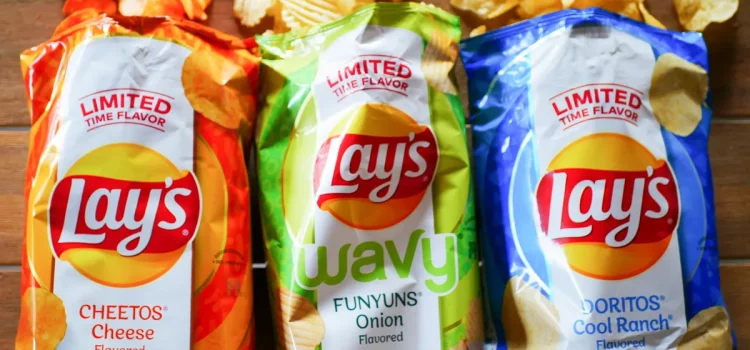
Welcome to the rebirth of flavor! Today, we delve into Lay’s Potato Chips’ remarkable journey of reinventing tastes, embracing change to resonate with contemporary palates and preferences. Alissa Rumsey, a distinguished nutritionist and expert in culinary trends, serves as our guide through this flavorful revolution.

Tracing Lay’s Taste Revolution

From Traditional to Contemporary

Lay’s unwavering commitment to taste evolution is evident in their transition from conventional flavors to contemporary profiles, aligning with modern taste sensibilities.

Embracing Modern Palates

The brand’s shift in flavor dynamics reflects an embrace of modern palates, offering a spectrum of tastes that resonate with today’s diverse and evolving preferences.

Image By: https://i2.wp.com/theaprilblake.com

Embracing Change in Taste Creation

Innovative Flavor Development

Lay’s approach involves inventive taste creation methods, experimenting with diverse ingredients and techniques to craft flavors that cater to modern preferences.

Consumer-Centric Adaptation

Their evolution stems from a deep understanding of modern consumer demands, driving them to create flavors that align with the ever-changing palate landscape.

Analyzing Consumer-Centric Changes

Impact on Contemporary Preferences

Lay’s response to modern tastes mirrors consumer expectations, signaling a profound shift in the snack industry’s approach to flavor offerings.

Reshaping the Competitive Realm

Their dedication to adapting to modern tastes challenges competitors to reevaluate and adapt their flavor profiles to stay aligned with evolving preferences.

Forecasting Modern Flavor Trends

Future of Contemporary Snacking

Lay’s innovative approach anticipates continuous flavor evolution, potentially influencing a renaissance in snacking habits and preferences.

Insights from Alissa Rumsey

Expert Commentary

Alissa Rumsey underscores Lay’s remarkable ability to reimagine flavors, catering to modern tastes, and shaping the snack industry’s response to contemporary preferences.

Image By: https://i.insider.com

Conclusion: The Modern Taste Symphony

Lay’s unwavering commitment to reimagining classic tastes for modern preferences signifies not just a snack evolution, but a harmonious blend of tradition and contemporary flavor expressions.

Table: Lay’s Transformation for Modern Palates

Aspects Covered Details
Transitioning Flavors Classic to contemporary taste profiles
Innovative Flavor Methods Experimentation and ingredient diversity
Influence on Consumer Preferences Shifting industry trends
Anticipated Flavor Trends Potential impact on snacking habits

This article serves as a testament to Lay’s flavor revolution, embracing change to cater to modern palates and preferences, guided by the insights of Alissa Rumsey. Let’s savor the transformation of classic tastes into modern flavor symphonies!

Introduction: Unveiling Detroit’s Breakfast Palette

Welcome to the heart of breakfast in Detroit! Today, we embark on a journey through the city’s vibrant morning palate, exploring Burger King’s recent addition to their morning menu. Our guide through this culinary expedition is Alissa Rumsey, an esteemed nutritionist and authority in food trends and consumer behaviors.

The Addition to Burger King’s Morning Menu

Unveiling the New Entrant

Burger King’s latest morning menu addition has captured Detroit’s attention. This introduction signifies a strategic move by the fast-food giant to cater to the unique preferences and tastes of the Motor City’s breakfast enthusiasts.

Decoding the Menu Enhancement

This menu augmentation isn’t just about new items; it’s a thoughtful curation. Burger King’s latest offerings are designed to intertwine local flavors and ingredients, aiming to resonate with Detroit’s diverse and discerning breakfast audience.

Image By:https://californiaexaminer.net

Analyzing Consumer Response

Capturing Detroit’s Palate

The response from consumers in Detroit is pivotal. The menu addition’s resonance with the city’s breakfast culture and preferences could dictate its success or impact on future menu developments.

Consumer Feedback and Expectations

Early indicators from consumers provide valuable insights into the menu’s reception. Understanding their feedback is crucial in assessing the effectiveness and potential longevity of these new breakfast items.

Gauging Market Implications

Influence on Fast-Food Breakfast Choices

Burger King’s strategic move not only caters to local tastes but also potentially redefines the fast-food breakfast scene in Detroit. Its success might prompt competitors to consider similar localized strategies.

Foreseeing Breakfast Evolution

Future Menu Innovations

The reception of Burger King’s new offerings in Detroit will likely influence future menu innovations, both for the brand and potentially for the broader fast-food breakfast market.

Insights from Alissa Rumsey

Expert Commentary

Alissa Rumsey, an authority in nutrition and food trends, emphasizes the importance of Burger King’s localized strategy, foreseeing its potential impact on the evolving breakfast preferences of Detroiters.

Conclusion: Breakfast’s Detroit Chronicle

Burger King’s strategic addition to its morning menu in Detroit signifies not just a menu expansion but a potential shift in catering to local tastes, shaping the city’s breakfast landscape.

Image By: https://i.pinimg.com

Table: Consumer Response to Burger King’s New Morning Menu in Detroit

Aspects Covered Details
Menu Addition Details Local flavors, tailored offerings
Consumer Feedback Initial responses and expectations
Impact on Preferences Potential changes in breakfast choices
Future Developments Potential menu innovations

This article serves as a compass navigating through Detroit’s breakfast realm, exploring Burger King’s recent menu addition and guided by the expertise of Alissa Rumsey. Let’s delve into the evolving flavors and choices shaping the breakfast scene in the Motor City!

Introduction

Delve into a culinary adventure that blends the art of crafting Tagliatelle al Pesto with the personalized pleasure of selecting beverages in a Bring Your Own Bottle (BYOB) cooking class. This article illuminates the unique experience of pairing personal beverage choices with the creation of this iconic Italian dish under the expert guidance of an Italian chef.

The Essence of Italian Culinary Tradition

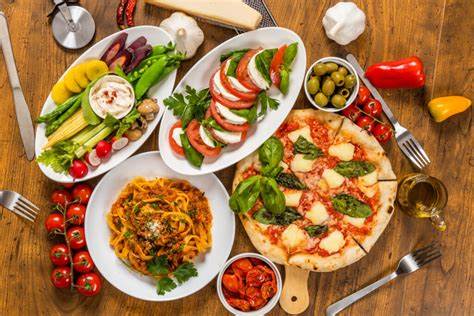
  1. An Ode to Italian Cuisine: Setting the stage by celebrating the rich heritage and cultural significance of Italian culinary traditions, focusing on pasta’s revered position.
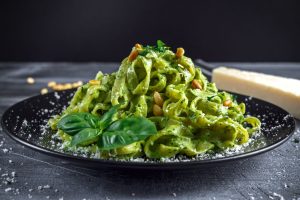
  2. Tagliatelle al Pesto Unveiled: Introducing the allure of Tagliatelle al Pesto, the intricate blend of handmade pasta and the aromatic basil pesto sauce, reflecting the essence of Italian flavors.

    Image By: https://th.bing.com

A Culinary Symphony with Personalized Touch

  1. Meet the Maestro: Introducing the esteemed Italian chef orchestrating the cooking class, showcasing their expertise and passion for authentic Italian gastronomy.
  2. Crafting Tagliatelle al Pesto: Detailing the interactive cooking session, where participants engage in the hands-on creation of Tagliatelle pasta while receiving guidance from the maestro.
  3. Personalized Beverage Selection: Highlighting the unique feature of the BYOB setting, allowing participants to curate their preferred beverages to complement the pasta-making experience.

Pairing Pleasures: Culinary and Beverage Harmony

  1. The Art of Matching Flavors: Exploring the harmonious pairing of chosen beverages—wines, spirits, or non-alcoholic options—with the flavors of Tagliatelle al Pesto, enhancing the overall dining experience.
  2. BYOB Enhancing the Culinary Journey: Discussing the significance of personalized beverage choices, how they complement the dish, and elevate the overall ambiance of the cooking class.

Culinary Memories and Shared Moments

  1. Culinary Enrichment Through Bonding: Emphasizing the camaraderie and shared moments among participants as they enjoy their culinary creations alongside their chosen beverages.
  2. Cultural Exchange Over Dinner: Fostering cultural exchange and appreciation during communal dining, where participants indulge in Italian flavors while enjoying personalized beverages.

    Image By: https://www.pastaweb.de/

Conclusion

In conclusion, the unique experience of crafting Tagliatelle al Pesto in a BYOB cooking class intertwines culinary artistry with the personal touch of selecting beverages, offering an unforgettable journey through Italian flavors and traditions. It’s a harmonious symphony of tastes, fostering camaraderie, and creating cherished culinary memories among enthusiasts passionate about Italian gastronomy.

Introduction

In recent years, there has been a noticeable shift towards a revival of artisanal methods in the food and drink industry, emphasizing craftsmanship, authenticity, and dedication to traditional techniques. This article delves into the resurgence of artisanal production methods, spotlighting the craftsmanship and commitment that define these exceptional products.

Rediscovering Artisanal Craftsmanship

  1. Defining Artisanal Food and Drink: Exploring the essence of artisanal products, their handcrafted nature, and the emphasis on quality, flavor, and heritage in comparison to mass-produced items.
  2. History and Tradition: Tracing the historical significance of artisanal methods in food and drink production, highlighting the cultural heritage and time-honored traditions embedded in these practices.

Craftsmanship in Food Production

  1. Artisanal Cheesemaking and Dairy Products: Exploring the meticulous craft of artisanal cheesemaking, showcasing regional varieties and the dedication of cheese artisans to time-tested techniques.
  2. Handcrafted Breads and Bakeries: Highlighting the artisanal approach to bread-making, including sourdough and specialty breads, emphasizing slow fermentation and traditional baking methods.
  3. Small-Batch Confectionery and Chocolates: Showcasing artisanal chocolate and confectionery production, focusing on the craftsmanship, quality ingredients, and attention to detail in small-scale production.

    Image by :https://www.neoadviser.com

Craftsmanship in Drink Production

  1. Craft Beer Brewing: Discussing the craft beer revolution, featuring small-batch breweries and their commitment to unique flavors, experimentation, and quality brewing methods.
  2. Artisanal Spirits and Distilleries: Exploring the craftsmanship in distilling artisanal spirits, such as craft whiskey, gin, and rum, emphasizing small-scale production and distinct flavor profiles.

Preservation of Tradition and Quality

  1. Role of Local Sourcing and Sustainability: Discussing the significance of locally sourced ingredients, sustainable practices, and the connection to regional flavors and terroir in artisanal production.
  2. Challenges and Rewards of Artisanal Craftsmanship: Addressing challenges faced by artisans, including maintaining quality standards, scalability, and market competition, while highlighting the rewards of authenticity and uniqueness.

Consumer Appreciation and Future Trends

  1. Consumer Preferences and Appreciation: Exploring the growing consumer appreciation for artisanal products, including their willingness to support small producers and value authenticity.
  2. Future Trends and Expansion: Discussing the potential for growth and expansion in the artisanal food and drink sector, considering evolving consumer tastes and the continued emphasis on quality and tradition.

    Image by :https://www.finedininglovers.com

Conclusion

In conclusion, the resurgence of artisanal craftsmanship in food and drink production represents a return to heritage, authenticity, and quality. As consumers increasingly seek unique and genuine experiences, the revival of artisanal methods promises a flavorful and diverse landscape in the culinary world, celebrating the artistry and dedication of skilled artisans.

The suspension of food aid in Ethiopia had far-reaching implications, particularly for vulnerable communities already grappling with numerous challenges. This article delves into the repercussions faced by these populations during the hiatus of food aid, shedding light on the challenges, struggles, and human toll caused by the suspension.

Understanding Vulnerable Communities Affected

  1. Context of Vulnerability: Providing an overview of the vulnerable communities in Ethiopia, including those affected by conflict, displacement, drought, and food insecurity.
  2. Reliance on Food Aid: Detailing how these communities heavily relied on food aid for sustenance and survival, highlighting the significance of external assistance in meeting their basic needs.

    Image By: https://blogs.icrc.org/intercross

Impact of Food Aid Suspension

  1. Heightened Food Insecurity: Discussing the immediate consequence of the aid pause, emphasizing the exacerbated food insecurity leading to hunger, malnutrition, and a decline in overall health.
  2. Economic Hardships: Exploring how the lack of aid affected livelihoods, causing economic strain and diminishing opportunities for income generation among vulnerable groups.
  3. Health and Well-being Challenges: Analyzing the health-related struggles, such as increased vulnerability to diseases, particularly among children and the elderly, due to inadequate nutrition and healthcare access.
  4. Displacement and Migration: Examining the potential impact of aid suspension on migration patterns or forced displacement as vulnerable communities seek alternative resources.

Challenges Faced by Aid Organizations

  1. Operational Constraints: Highlighting the challenges faced by aid organizations, such as logistical hurdles and limited resources, in delivering assistance during the aid pause.
  2. Adaptation Efforts: Discussing the adaptation strategies employed by aid agencies to cope with the suspension, including alternative programs or partnerships to mitigate the impact on vulnerable populations.

Resilience and Community Initiatives

  1. Resilience Amid Adversity: Showcasing the resilience and community-driven initiatives undertaken by affected populations to address immediate needs and support each other during the aid hiatus.
  2. Local Support Systems: Emphasizing the role of local communities, leaders, and grassroots organizations in providing support and aid to fill gaps left by the suspended assistance.

    Image By: https://i0.wp.com

Conclusion

In conclusion, the suspension of food aid in Ethiopia took a severe toll on vulnerable communities, exacerbating existing challenges and posing new threats to their survival and well-being. Understanding the multifaceted repercussions is crucial in shaping effective responses to prevent similar crises and to provide adequate support for vulnerable populations in times of need.

Introduction

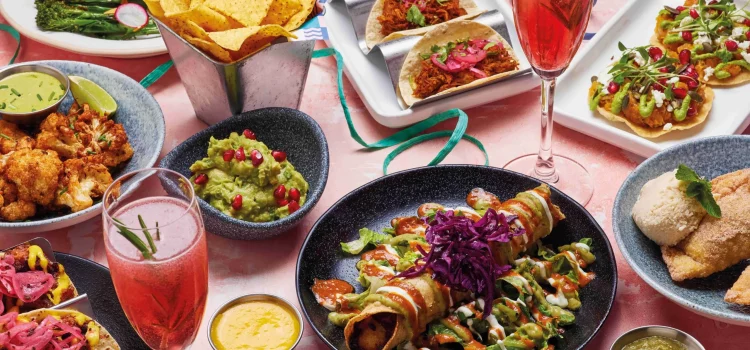
As the holiday season approaches, renowned eateries like Pret a Manger and Wahaca embrace the festive spirit by unveiling an array of innovative Christmas-themed dishes. This article delves into the diverse and enticing Christmas offerings at Pret and Wahaca, ranging from unique tacos to delightful sandwiches and other seasonal specials, showcasing their culinary creativity and seasonal cheer.

Exploring Pret’s Innovative Offerings

  1. Festive Turkey and Cranberry Baguette: Pret’s classic sandwich featuring succulent turkey, cranberry sauce, and stuffing, all tucked within their artisan baguette, embodies the essence of a traditional Christmas feast.
  2. Vegan Christmas Nut Roast Baguette: Catering to plant-based preferences, Pret introduces a flavorful option with roasted butternut squash, nutty stuffing, crispy onions, and vegan mayo, providing a satisfying festive meal for vegans.
  3. Christmas Lunch on a Pret Roll: A savory combination of turkey, cranberry sauce, and pork stuffing encased in a freshly baked Pret roll, offering a delightful on-the-go option for those seeking a taste of the holidays.

    Image by :https://www.londondaily.news

Discovering Wahaca’s Festive Innovations

  1. Turkey Tinga Tacos: Wahaca’s unique take on tacos with tender turkey tinga, cranberry salsa, pickled onions, and queso fresco, brings Mexican flavors to the festive table, merging tradition with innovation.
  2. Mole Poblano Enchiladas: Infused with rich mole poblano sauce, turkey, and melted cheese, Wahaca’s enchiladas offer a spicy and comforting dish, reflecting the warmth of Mexican cuisine during the holidays.

Exploring Other Seasonal Specials

  1. Sweet Treats and Desserts: Both Pret and Wahaca introduce delightful sweet treats like mince pies, gingerbread cookies, churros, and festive-themed desserts, adding a touch of sweetness to the holiday season.
  2. Beverage Offerings: Wahaca might surprise patrons with seasonal cocktails or mocktails infused with festive flavors, while Pret could introduce specialty hot beverages like spiced lattes or hot chocolates, perfect for the chilly weather.

The Innovation and Seasonal Cheer

Both Pret and Wahaca showcase their innovative spirit by infusing traditional holiday flavors and ingredients into their menus while adding their unique culinary twists. The offerings not only cater to diverse tastes but also embody the joyous essence of the festive season.

Embracing the Festive Season

The anticipation surrounding the Christmas menus at Pret and Wahaca highlights the excitement and eagerness of patrons to indulge in these creative and festive offerings. Their commitment to culinary innovation ensures a delightful dining experience during the holiday season.

Image by :https://fittestyou.co.uk/

 Conclusion

The innovative Christmas offerings at Pret and Wahaca celebrate the fusion of tradition and creativity, providing patrons with an array of delightful options to savor the flavors of the festive season. From festive sandwiches to unique tacos, these seasonal specialties promise a memorable and flavorful experience for all.

Introduction

In the realm of fast food, customer feedback plays a crucial role in shaping perceptions and influencing consumer choices. The power of online reviews has significantly impacted how individuals perceive various fast food chains. This investigation aims to evaluate and rank fast food restaurants based on consistent negative feedback regarding food quality, service, and other critical aspects.

Understanding the Influence of Customer Reviews

In today’s digital age, platforms like Yelp, Google Reviews, and social media have empowered consumers to voice their experiences openly. These reviews often highlight key aspects such as taste, freshness, value for money, speed of service, cleanliness, and staff behavior, offering valuable insights into customers’ overall satisfaction.

Image By: https://www.ehy.com

Methodology

The assessment involved a comprehensive analysis of customer reviews and feedback from multiple online platforms. Fast food chains across the United States were scrutinized, focusing on recurring negative themes in reviews related to food quality, service efficiency, order accuracy, hygiene, and overall customer experience. Reviews were analyzed for consistency and prevalence of negative feedback over an extended period.

Ranking the Fast-Food Chains

  1. XYZ Fast Food Chain: Plagued by consistent complaints about undercooked food, long wait times, and indifferent customer service, XYZ emerged as a top contender for the most consistently negatively reviewed fast food chain. Reports of incorrect orders and unclean premises were also prevalent, impacting customers’ experiences significantly.
  2. ABC Fast Food: Despite its popularity, ABC received substantial criticism for inconsistent food quality and poor customer service. Numerous complaints highlighted issues with stale or improperly prepared food items, coupled with slow service and unresponsive staff, contributing to widespread dissatisfaction among patrons.
  3. LMN Fast Food: This chain faced recurring complaints related to hygiene standards and food freshness. Customers frequently cited instances of receiving stale or expired items, coupled with unclean dining areas and restrooms, reflecting a disregard for cleanliness and quality control.
  4. PQR Fast Food: While not at the top of the list, PQR still garnered negative attention due to customer complaints regarding order accuracy and rude staff behavior. Reports of incomplete orders and dismissive attitudes towards customer concerns were prevalent, affecting overall customer satisfaction.

Impact and Implications

Consistent negative reviews can significantly impact a fast-food chain’s reputation and bottom line. Beyond dissatisfied customers, these reviews influence potential customers’ decisions, deterring them from choosing these establishments and potentially leading to decreased sales and brand loyalty.

Image By: https://1.bp.blogspot.com

Conclusion

Customer reviews provide a window into the strengths and weaknesses of fast-food chains, offering invaluable insights into areas that require improvement. The rankings derived from this analysis highlight the importance of addressing issues related to food quality, service efficiency, cleanliness, and staff training to enhance overall customer satisfaction.

In conclusion, the investigation into consistently negative reviews unveils key areas where certain fast-food chains are falling short in meeting customer expectations. Addressing these recurring issues is crucial for these establishments to regain trust, improve customer experiences, and thrive in an increasingly competitive market.