Introduction

Augmented Reality (AR) has transformed many industries, and the music world is no exception. AR technology has enhanced the concert experience by blending the physical and digital worlds. This has led to the creation of immersive music stages that redefine how audiences experience live performances. From large festivals to intimate venues, here are eight impressive AR music stages from around the globe.

The Rise of AR Concerts

AR music stages are becoming more common as artists and event organizers look for new ways to connect with their audiences. Augmented Reality allows musicians to create visually stunning shows that go beyond the limits of traditional stage setups. With AR, concerts are no longer just about listening to music—they’re about seeing an experience that blends the real world with digital magic. From huge festivals to virtual shows, AR is changing how we enjoy live music.

AR Music Stages in the World

1. Coachella’s AR Stage (USA)
AR Music Stages
Image by: Yandex.com

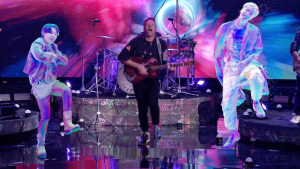
One of the world’s most famous music festivals, Coachella, introduced its AR-enhanced stage in 2019. Using AR apps, festival-goers can interact with virtual objects that float around the stage. This innovation elevates the concert experience by allowing attendees to see both the live performance and a blend of digital animations. The visual effects are perfectly timed with the music, enhancing the overall performance for the audience.

2. Eric Prydz’s HOLOSPHERE (Global Tour)
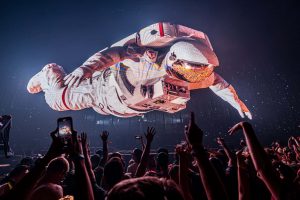
AR Music Stages
Image by: Yandex.com

Eric Prydz, a renowned Swedish DJ, is known for pushing technological boundaries in his performances. His HOLOSPHERE stage features massive AR holograms projected around him while he performs. These holograms are synced with his electronic music, creating a surreal experience that merges reality with digital illusions. The 360-degree stage setup allows fans to view the holograms from every angle, making it one of the most immersive AR stages in the world.

3. Tomorrowland’s AR Dreamville Stage (Belgium)

AR Music Stages
Image by: Yandex.com

Tomorrowland, one of the largest electronic music festivals globally, has embraced AR technology to enhance the visual impact of its stages. The Dreamville Stage features AR elements that bring animated landscapes to life. Festival-goers can use AR glasses or apps to see digital worlds blend with the actual performance. This technology enhances the festival’s already impressive set design, making it a truly immersive experience.

4. Jean-Michel Jarre’s Virtual Notre-Dame Concert (France)

AR Music Stages
Image by: Yandex.com

During New Year’s Eve 2020, Jean-Michel Jarre performed a concert inside a digital replica of the Notre-Dame Cathedral in Paris. This AR-driven event was streamed globally, allowing viewers to experience a blend of physical and virtual performances. The concert featured stunning 3D animations and effects that could only be viewed through AR, providing a unique experience that combined music with digital art.

5. K-Pop AR Concerts (South Korea)
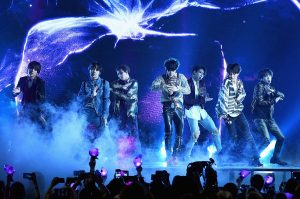
AR Music Stages
Image by: Yandex.com

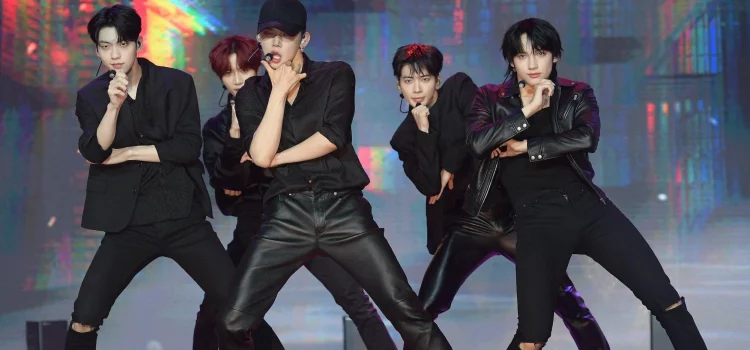
K-Pop is known for its cutting-edge use of technology, and AR concerts have become a standard part of major performances. K-pop groups like BTS and BLACKPINK have incorporated AR into their live performances, projecting massive digital effects that interact with the group members in real time. These AR-enhanced stages often include animated avatars, flying digital objects, and visual storytelling that captivates audiences both in the venue and watching online.

6. Avicii Experience at the Interactive Museum (Sweden)

AR Music Stages
Image by: Yandex.com

The Avicii Experience in Stockholm is an interactive museum dedicated to the late DJ. It features an AR music stage where visitors can interact with Avicii’s performances in a digital setting. Visitors use AR headsets to see virtual representations of Avicii performing, surrounded by colorful, responsive visuals that change based on the song being played. This immersive exhibit allows fans to relive Avicii’s concerts through cutting-edge technology.

7. Coca-Cola Arena’s AR Concerts (UAE)
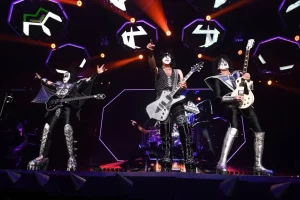
AR Music Stages
Image by: Yandex.com

Dubai’s Coca-Cola Arena has also embraced AR technology in its live concerts. AR stages at the arena allow performers to interact with digital elements that change the atmosphere and theme of the performance. For instance, singers can appear to float in space, surrounded by stars, or perform in a digitally created futuristic city. These dynamic AR elements add a new layer of excitement for the audience, transforming the traditional concert experience.

8. Kylie Minogue’s Infinite Disco (Global Virtual Tour)
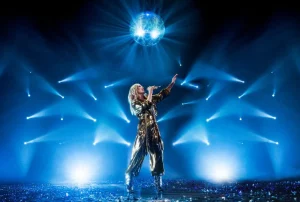
AR Music Stages
Image by: Yandex.com

Kylie Minogue’s Infinite Disco tour was an AR-enhanced global virtual event designed to transport viewers to a visually rich, otherworldly experience. Using AR, viewers could see digital landscapes and effects that blended with Minogue’s live performance. The technology made it feel like she was performing in a world beyond the physical, complete with neon-lit cities and animated backdrops. This use of AR expanded the concert’s visual appeal, offering something unique to each song.

Challenges of AR Music Stages

Despite the excitement around AR music stages, there are still some challenges. One major issue is the cost of creating these advanced digital effects. It requires high-end technology and software, which can be expensive for smaller artists or venues. Additionally, not all audiences are familiar with using AR apps or devices, which can limit how many people fully enjoy the experience. There is also the challenge of maintaining the energy of a live show while using digital effects, as too much focus on the visuals can sometimes take away from the music itself.

The Future of AR Music Stages

AR Music Stages
Image by: Yandex.com

The future of AR music stages looks bright. As technology becomes more affordable and widely available, more artists and venues will be able to use AR to enhance their concerts. Audiences will likely see more immersive experiences where they can interact with digital worlds while watching their favorite performers. In the future, AR could even allow fans to customize their concert experiences or enjoy performances from their homes through virtual reality. As AR continues to evolve, the line between the physical and digital in live music will blur even further, making concerts more interactive and visually exciting.

Analysis Table: Key Features of AR Music Stages

Music Stage Location Key Feature Impact
Coachella’s AR Stage USA AR animations via mobile apps Enhanced interaction with live music
Eric Prydz’s HOLOSPHORE Global Tour Massive AR holograms with 360-degree view Immersive audience experience
Tomorrowland’s Dreamville Stage Belgium AR glasses/apps for animated landscapes Enhanced visual storytelling
Jean-Michel Jarre’s Virtual Concert France Digital replica of Notre-Dame with AR effects Blending physical and digital performance
K-Pop AR Concerts South Korea Real-time interactive digital effects Audience engagement through immersive visuals
Avicii Experience Sweden AR headsets for interactive digital performances Bringing past performances to life
Coca-Cola Arena’s AR Concerts UAE Dynamic AR themes that change per performance Adding variety to live concerts
Kylie Minogue’s Infinite Disco Global Virtual Tour AR-enhanced digital landscapes and effects Global audience engagement via AR

Comparative Table: AR Music Stages and Their Technological Advancements

AR Music Stage Technological Innovation Audience Reach Interaction Level
Coachella’s AR Stage AR via mobile apps Global (festival attendees) Moderate (through apps)
Eric Prydz’s HOLOSPHORE 360-degree holographic display Global (tour) High (360-degree immersion)
Tomorrowland’s Dreamville Stage AR glasses and apps Global (festival attendees) Moderate (visual landscapes)
Jean-Michel Jarre’s Virtual Concert Fully digital environment Global (virtual concert) High (virtual interactivity)
K-Pop AR Concerts Real-time AR effects Global (online + live) High (interactive effects)
Avicii Experience AR headsets for digital reliving Global (museum visitors) Moderate (interactive exhibit)
Coca-Cola Arena’s AR Concerts Dynamic AR themes Regional (Dubai audience) High (immersive performance)
Kylie Minogue’s Infinite Disco AR-enhanced virtual tour Global (virtual audience) Moderate (digital landscapes)

Conclusion: The Future of AR in Music

AR music stages are reshaping the live concert experience, making performances more engaging and interactive than ever before. From holograms to fully immersive virtual environments, AR technology is offering fans a new way to enjoy their favorite artists. As AR continues to evolve, it is likely that more artists and venues will incorporate this technology, taking the live music experience to unprecedented heights.


Introduction

In the flashy world of entertainment and business, celebrity endorsements have long been a powerful way for brands to connect with consumers. Linking a product to a famous face can increase interest and drive sales. But this strategy has risks, especially when celebrities get caught in scandals. This article explores how celebrity scandals affect brand endorsements, focusing on the impact on a brand’s image and finances.

The Power of Celebrity Endorsements

Brand Endorsements
Image by: Yandex.com

Celebrity endorsements have long been a proven way for brands to build awareness and trust with consumers. When a well-known figure promotes a product, it taps into their fan base and creates a positive connection. Studies show that celebrity endorsements can increase brand recall by up to 70%, as people link the product with qualities they admire in the celebrity.

However, this influence can be risky. While the right celebrity can boost a brand, a celebrity’s bad choices can hurt it. Endorsing someone with a controversial or unpredictable image is a gamble for brands.

The Appeal of Celebrity Endorsements

Celebrity endorsements are a popular part of modern marketing. The idea is simple: celebrities can influence public opinion and behavior. When a well-known actor, musician, or athlete supports a product, it creates a bond between the consumer and the brand. This connection often leads to more brand recognition, loyalty, and sales.

Brands carefully pick celebrities whose image matches their values and target market. A good partnership can raise a brand’s profile and make it more appealing. However, if a scandal hits, the negative publicity can harm both the celebrity and the brand.

The Importance of Legal Protections in Endorsement Deals

As scandals become more common, endorsement contracts now include stronger legal protections. Most deals have morality clauses that allow brands to end the agreement if the celebrity’s actions cause harm. These clauses are getting more detailed, covering things like criminal charges or inappropriate social media posts. Celebrities are also becoming more careful about their behavior since one mistake can lead to big legal and financial problems. These clauses show how complex celebrity endorsements have become, especially in a world where the line between public and private life is fading.



The Dark Side: Celebrity Scandals

Brand Endorsements
Image by: Yandex.com

While the benefits of celebrity endorsements are clear, the risks are just as real. Scandals, such as personal misconduct or legal issues, can hurt the image of both the celebrity and the brands they endorse. In the age of social media, scandals spread fast and can be damaging.

Types of Scandals

  1. Personal Misconduct: Issues like substance abuse, cheating, or making controversial statements can lead to backlash. This hurts the celebrity’s image and the brands they represent.
  2. Legal Troubles: Celebrities facing legal problems, like tax issues or criminal charges, can lose marketability. Brands often cut ties to avoid being linked to bad publicity.
  3. Social Media Controversies: Celebrities are constantly watched on social media. A single tweet or post can spark outrage, leading to lost endorsements.

Celebrity Endorsements in the Social Media Age

With social media, the way celebrity endorsements work has changed a lot. Celebrities are more visible, and everything they do is watched by millions of people in real-time. Social media spreads both good and bad news fast, making scandals bigger and harder to control. Brands need to closely watch what their ambassadors say and do on platforms like Instagram, Twitter, and TikTok. In this connected world, even small mistakes can turn into big problems, and brands must act quickly to protect their image.

Impact on Brand Endorsements

Brand Endorsements
Image by: Yandex.com

When a scandal breaks, brands must act fast to protect themselves. The impact of a scandal depends on how serious it is and how the public reacts.

1.Immediate Reactions

  • Ending Contracts: In major scandals, brands may quickly end their contracts with the celebrity. This is to limit damage to their reputation and avoid financial losses.
  • Public Statements: Brands often release statements to explain their position. This can include showing disappointment, affirming their values, or announcing the end of the partnership.
  • Crisis Management: Companies may use crisis management strategies to reduce the damage. This could involve shifting focus to other campaigns or engaging with the public to rebuild trust.

2. Long-Term Effects

  • Brand Image: A scandal can damage a brand’s image for a long time. Even after distancing themselves from the celebrity, brands may struggle to recover.
  • Consumer Trust: Trust is key in consumer relationships. A scandal can break that trust, leading to a drop in loyalty and sales.
  • Financial Losses: The financial hit from a scandal can be big. Brands may see stock prices drop, sales decrease, and marketing costs rise as they try to recover.

The Importance of Public Perception and Crisis Recovery

Public opinion is key in how brands deal with celebrity scandals. Some scandals, like bad behavior, make brands end the partnership right away. But others, like political views, need a more careful approach. For example, Nike’s support of Colin Kaepernick helped them connect with consumers who shared his values. To recover from a crisis, brands need to be open, act fast, and sometimes even embrace the issue if it aligns with their customers’ beliefs.

Case Studies

Brand Endorsements
Image by: Yandex.com
  1. Tiger Woods and Nike

    Tiger Woods’ 2009 personal scandal forced brands to rethink their partnerships. While some dropped him, Nike stood by Woods, a decision that drew criticism at first. Over time, as Woods rebuilt his image, Nike’s support paid off, and their partnership remained strong.

  2. Lance Armstrong and His Sponsors

    When Lance Armstrong’s doping scandal broke, brands like Nike, Anheuser-Busch, and Trek quickly cut ties. The scandal severely damaged Armstrong’s marketability and negatively affected the brands connected to him.

Navigating the Risks

For brands, celebrity endorsements require careful planning. Here are a few strategies to handle the risks:

  1. Thorough Vetting: Brands should do deep background checks on celebrities before signing deals. This helps identify potential risks early.
  2. Clear Contracts: Contracts should include clauses that allow brands to cut ties if a scandal arises.
  3. Diversified Marketing: Relying only on celebrity endorsements can be risky. Brands should have other marketing strategies in place to minimize losses if a scandal occurs.
  4. Crisis Plans: Brands should have a crisis management plan ready, so they can respond quickly and effectively if a scandal hits.

Strategies Brands Use to Handle Scandals

Brand Endorsements
Image by: Yandex.com

Brands know the risks of working with celebrities, so they use several strategies to protect themselves:

  1. Morality Clauses

    Many contracts include a morality clause. This lets the brand end the deal if the celebrity’s actions hurt the brand’s reputation. It’s a quick way for companies to cut ties in case of trouble.

  2. Crisis Management

    Brands often have a crisis plan ready. This may involve releasing statements to distance themselves from the celebrity, removing ads with the person, or even rebranding if needed.

  3. Risk Assessment

    Before signing a deal, brands now carefully check a celebrity’s past behavior and social media. This helps them decide if the celebrity is a good match.

  4. Diversifying Endorsements

    To reduce risk, brands often work with several celebrities instead of relying on just one. This way, if one deal fails, it doesn’t hurt the brand as much.

Ethical Concerns in Endorsements

As people become more aware of social issues, brands must make sure their endorsements reflect their values. Issues like diversity, fairness, and social responsibility are now part of brand strategies. Working with celebrities who don’t represent these values can hurt a brand. In the future, brands will not only look for popularity but also ethical alignment when choosing ambassadors. Social movements have pushed brands to be more responsible, and those that don’t adapt may lose customers and face more scrutiny during scandals.

Comparative Analysis: Brands That Dropped vs. Stood By Celebrities

While some brands are quick to cut ties when scandal arises, others may decide to ride out the storm. Below is a comparative analysis of brands that dropped celebrities in the wake of scandals versus those that stood by their ambassadors.

Brand Celebrity Scandal Action Taken Outcome
Nike Colin Kaepernick Anthem protest Continued support Sales surged and brand loyalty grew
PepsiCo Tiger Woods Infidelity scandal Dropped endorsement Initial sales dip, slow recovery
H&M Justin Bieber Offensive remarks Issued apology but retained him Minimal long-term impact on sales
Adidas Kanye West Public rants Terminated contract Some consumer backlash, quick recovery
Louis Vuitton Michael Jackson Allegations of misconduct Discontinued tribute Limited long-term damage

The Future of Celebrity Endorsements

Brand Endorsements
Image by: Yandex.com

The digital age is changing the celebrity endorsement game. Social media influencers now play a major role in brand promotions. But like celebrities, influencers can be dropped if involved in scandals.

A growing trend is the use of virtual influencers computer-generated personalities who have no risk of personal scandal. Brands like Balmain and Samsung have used virtual influencers to promote their products.

Additionally, AI is now used to track celebrities’ digital footprints, helping brands predict the likelihood of future scandals. This trend will likely shape endorsement strategies in the coming years.

Analysis Table: Impact of Celebrity Scandals on Brands

Impact Type Description Example
Reputational Damage Negative association leads to consumer distrust or backlash. Tiger Woods and AT&T
Sales Decline Immediate loss in revenue following the scandal. Michael Phelps and Kellogg’s
Legal Ramifications Legal challenges arising from a contract breach or defamation. Johnny Depp and Dior
Public Backlash Boycotts or negative social media campaigns against the brand. Kanye West and Adidas
Positive Reinforcement Strengthening brand image by standing by the celebrity. Colin Kaepernick and Nike

Comparative Table: Celebrity Scandals vs. Brand Response

Scandal Type Common Brand Response Outcome
Infidelity Termination of contract, PR distancing Short-term damage, often repairable
Substance Abuse Public statement of support or termination Varies, with potential long-term impact
Political Controversy Continued support (if aligned with brand values) Positive response from targeted audience
Criminal Allegations Immediate contract termination Long-lasting reputational harm
Social Media Misconduct Apology issued, partnership maintained or ended Recovery depends on severity

Conclusion

The relationship between celebrity scandals and brand endorsements is complex and fraught with challenges. While the allure of celebrity endorsements is undeniable, the potential risks cannot be ignored. Brands must carefully weigh the benefits against the potential fallout of a scandal, employing strategic measures to protect their interests. In the high-stakes world of brand endorsements, success lies in the ability to adapt and respond to the ever-changing landscape of celebrity culture.

Introduction

True crime shows have captivated audiences for years, offering a blend of suspense, intrigue, and real-life drama that is hard to resist. As we step into 2024, the genre continues to evolve, bringing new stories and fresh perspectives to the screen. Whether you’re a seasoned true crime aficionado or a newcomer to the genre, this guide will introduce you to the best true crime shows streaming in 2024.

True Crime’s Appeal: A Look at 2024

True crime shows tap into our deep curiosity about human behavior, crime, and justice. In 2024, the genre has grown even more popular, offering a mix of mystery, drama, and real-life intrigue. These shows allow viewers to explore the darker side of human nature while following captivating investigations and courtroom dramas. Whether it’s a famous case or a little-known mystery, true crime continues to engage audiences worldwide.

How Streaming Platforms Are Shaping the Genre

Streaming platforms like Netflix, Hulu, and Amazon Prime Video have played a huge role in the success of true crime shows. With the flexibility to create in-depth series and the ability to release entire seasons at once, streaming has turned true crime into a binge-worthy genre. These platforms have invested heavily in the production of high-quality true crime content, ensuring fans always have something new to watch.

Docuseries vs. Dramatizations: What Viewers Prefer

In 2024, true crime shows come in many forms, from documentaries to dramatizations. Docuseries, such as The Vanishing, focus on real-life interviews and evidence, making them feel more grounded in reality. Dramatizations, like American Crime Story: The Zodiac Killer, take a more creative approach, adding drama and character depth. Both formats are popular, offering different ways to experience true crime stories.

True Crime’s Global Appeal

Though many true crime shows focus on American cases, the genre’s appeal is global. Series like The Girl in the Blue Jacket showcase crimes from different parts of the world, bringing international stories to a wider audience. This expansion of content helps viewers understand cultural differences in crime and justice, further broadening the reach of the genre.

What’s Next for True Crime Fans?

Looking ahead, true crime fans have plenty to be excited about. With streaming platforms continuing to invest in new content, 2024 promises even more gripping stories, innovative formats, and diverse perspectives. As long as there are unsolved mysteries and captivating criminal cases, the true crime genre will continue to evolve, offering endless intrigue for its growing fanbase.

Best True Crime Shows

1. Murderous Minds: Inside the Criminal Psyche

True Crime Shows
Image by: Yandex.com

Overview
Murderous Minds delves into the psychological profiles of some of the most notorious criminals in history. This series combines expert analysis with dramatic reenactments to offer viewers an in-depth look at what drives individuals to commit heinous acts.

Why Watch?
The show’s blend of psychological insight and storytelling makes it a standout in the true crime genre. Each episode focuses on a different criminal, providing a fresh perspective and keeping the content engaging.

2. Cold Case Chronicles

True Crime Shows
Image by: Yandex.com

Overview
Cold Case Chronicles delves into some of the most perplexing unsolved crimes from around the world. Each episode focuses on a different case, exploring the evidence, interviewing key figures, and offering new theories.

Why Watch?
The show stands out for its meticulous research and compelling storytelling. It doesn’t just rehash old cases but brings new insights and perspectives, making it a must-watch for true crime enthusiasts.

3. Murder in the Heartland

True Crime Shows
Image by: Yandex.com

Overview
This series takes a deep dive into small-town America, where seemingly ordinary communities are rocked by extraordinary crimes. Murder in the Heartland explores the impact of these crimes on the local population and the relentless pursuit of justice.

Why Watch?
The show’s strength lies in its ability to humanize the victims and their families, providing a poignant look at the ripple effects of crime. It’s a powerful reminder that behind every headline, there are real people whose lives are forever changed.

4. Serial Killers Uncovered

True Crime Shows
Image by: Yandex.com

Overview
This chilling series profiles some of the most notorious serial killers in history. Each episode delves into the mind of a different killer, exploring their motives, methods, and the police work that eventually brought them to justice.

Why Watch?
Serial Killers Uncovered is not for the faint of heart but offers a deep psychological exploration of what drives individuals to commit such heinous acts. It’s a gripping, if unsettling, look at the darkest corners of the human psyche.

5. Unsolved Mystery: The New Files

True Crime Shows
Image by: Yandex.com

Overview
A modern take on the classic series, Unsolved Mysteries: The New Files brings fresh cases to the forefront. The show invites viewers to contribute their own theories and tips, making it a truly interactive experience.

Why Watch?
The interactive element sets this show apart, allowing viewers to feel like part of the investigation. It’s a unique blend of entertainment and real-life detective work that keeps you engaged long after the episode ends.

6. Serial Killers Unmasked

True Crime Shows
Image by: Yandex.com

Overview
Serial Killers Unmasked offers a comprehensive look at some of the most infamous serial killers in history. The series combines archival footage, interviews with law enforcement, and expert commentary to provide a chilling yet informative experience.

Why Watch?
The detailed exploration of each case and the psychological aspects make this series a must-watch for true crime enthusiasts. It’s both horrifying and fascinating to see how these killers operated and were eventually caught.

7. Forensic Files: The Next Chapter

True Crime Shows
Image by: Yandex.com

Overview
A continuation of the classic “Forensic Files,” this series updates viewers on new advancements in forensic science and how they are being used to solve crimes. Each episode features a different case, demonstrating the power of modern technology in criminal investigations.

Why Watch?
For fans of forensic science, this series is a treasure trove of information and intrigue. It shows how far technology has come and its crucial role in solving crimes.

The Role of Technology in True Crime Storytelling

In 2024, advancements in technology have revolutionized the way true crime stories are told. High-quality visuals, advanced sound design, and seamless editing have transformed these shows into immersive experiences. Some series, like The Vanishing, use cutting-edge techniques like 3D recreations of crime scenes and interactive timelines, allowing viewers to feel more involved in the investigative process.

The Impact of True Crime on Public Awareness

True crime shows do more than just entertain they also raise awareness about real-life issues. Shows like The Innocence Project highlight flaws in the justice system and shine a light on wrongful convictions. These series often lead to renewed interest in cold cases and can even push for legal reforms. In 2024, the genre’s role in driving social awareness is more powerful than ever.

Psychological Thrillers in True Crime

Psychological thrillers, such as Mindhunter: The Next Chapter, continue to be favorites in the true crime genre. These shows explore the minds of criminals and the detectives who profile them, adding layers of complexity to the traditional crime narrative. In 2024, psychological thrillers have become even more intricate, blending fact with fiction to keep viewers on the edge of their seats.

Focus on less-Known Stories

While some shows cover famous cases, others, like The Girl in the Blue Jacket, bring attention to lesser-known crimes. These shows often focus on smaller, more personal stories, offering a fresh perspective in a genre that can sometimes feel repetitive. By shedding light on overlooked cases, these series offer new angles on true crime and invite deeper reflection.

The Future of True Crime in 2024 and Beyond

True crime shows are set to remain popular well beyond 2024. As technology improves, so will the storytelling techniques used in the genre. Viewers can expect more interactive elements, immersive experiences, and even virtual reality adaptations of true crime stories. With its continued evolution, true crime will likely remain a staple of streaming platforms for years to come.

Analysis of True Crime Shows in 2024

Show Title Platform Genre Subtype Unique Features Viewer Rating (2024)
Mindhunter: The Next Chapter Netflix Psychological Drama Serial killer profiles, based on real cases 9.3/10
The Vanishing Hulu Docuseries Unsolved cases, real interviews, recreation 8.8/10
American Crime Story: The Zodiac Killer FX on Hulu Dramatization Famous unsolved case, high production value 9.1/10
The Girl in the Blue Jacket HBO Max Crime Drama Missing person case, emotional narrative 8.9/10
The Innocence Project Amazon Prime Video Documentary Focus on wrongful convictions, real cases 8.7/10

Comparative Analysis Table

Feature/Aspect Mindhunter: The Next Chapter The Vanishing American Crime Story The Girl in the Blue Jacket The Innocence Project
Format Dramatization Docuseries Dramatization Drama Documentary
Focus Serial killers, FBI profiling Missing persons Zodiac Killer Missing teenage girl Wrongful convictions
Viewer Engagement (Bingeability) High Moderate High Moderate High
Real-Life Case Accuracy Moderate High Moderate Moderate High
Emotional Depth High Moderate High Very High Moderate

Conclusion

The true crime genre continues to thrive in 2024, offering a diverse range of shows that cater to every taste. Whether you’re interested in cold cases, wrongful convictions, or the psychology of serial killers, there’s something for everyone. These shows not only entertain but also shed light on the complexities of the human condition and the quest for justice. So, grab your popcorn and settle in for some of the best true crime shows streaming in 2024.

Introduction

In recent years, TikTok has emerged as a significant player in the music industry, dramatically altering how songs gain popularity and climb music chart rankings. This social media platform, known for its short-form video content, has become a powerful tool for artists and record labels to promote new releases and revive older tracks. This article delves into the multifaceted impact of TikTok on music chart rankings, examining the dynamics of viral trends, the role of user-generated content, and the broader implications for the music industry.

The Rise of TikTok

TikTok Music Chart
Image by: Yandex.com

TikTok, launched by the Chinese company ByteDance in 2016, has quickly become a global phenomenon. With its user base surpassing one billion active users, the platform’s influence on popular culture is undeniable. TikTok’s unique algorithm, which curates content based on user preferences and engagement, has created an environment where songs can go viral almost overnight.

TikTok’s Role in Music Discovery

TikTok’s algorithm is designed to introduce users to trending content, which often includes catchy, short snippets of songs. This format has democratized music discovery, as users from around the world can instantly engage with and amplify songs through viral challenges, dances, or memes. Songs that may not have gained traction through traditional platforms like radio or streaming services can achieve massive popularity on TikTok, often reaching millions of users within a short period.

Viral Challenges: A New Avenue for Artists

One of the most effective ways TikTok influences music chart rankings is through viral challenges. Artists and their teams now focus on creating catchy, 15- to 30-second hooks that can easily be adopted for dance routines or other content. These viral challenges encourage users to engage with a specific song, further fueling its popularity. When a challenge gains momentum, the corresponding song sees a significant rise in streams on platforms like Spotify and Apple Music, boosting its position on music charts.

Viral Trends and Music Discovery

TikTok Music
Image by: Yandex.com

One of the most significant ways TikTok impacts music chart rankings is through viral trends. Users create and share videos set to specific songs, often incorporating dance routines, challenges, or other creative elements. When a song becomes the soundtrack for a viral trend, it can lead to millions of users engaging with and sharing the track, driving streams and downloads across other platforms.

For example, Lil Nas X’s “Old Town Road” gained massive popularity on TikTok before topping the Billboard Hot 100 for a record-breaking 19 weeks. Similarly, Doja Cat’s “Say So” experienced a resurgence in popularity due to a viral dance challenge on TikTok, propelling it to the top of the charts.

TikTok and the Billboard Hot 100

The Billboard Hot 100 has traditionally been one of the most recognized metrics for music success in the U.S. However, the rise of TikTok has significantly altered the factors contributing to chart success. Billboard now considers streaming data in its rankings, and songs that trend on TikTok often see an immediate surge in streams, which in turn drives their chart performance. Songs like “Old Town Road” by Lil Nas X and “Savage Love” by Jawsh 685 and Jason Derulo achieved major chart success largely due to TikTok virality.

The TikTok Effect on Legacy Artists

TikTok has not only propelled new artists to stardom but also revived interest in older songs and legacy artists. Many classic songs have experienced a resurgence on music charts due to viral TikTok trends. For example, Fleetwood Mac’s “Dreams” re-entered the charts decades after its release, thanks to a viral video. This phenomenon showcases TikTok’s ability to breathe new life into music catalogs and push songs back into mainstream recognition.

User-Generated Content and Engagement

TikTok Music
Image by: Yandex.com

TikTok’s emphasis on user-generated content allows for a diverse range of musical genres and artists to gain exposure. Unlike traditional media, where a few gatekeepers control what music gets played, TikTok democratizes music discovery. Users from all over the world can share their favorite tracks, leading to a more organic and widespread dissemination of music.

This user-driven model has led to the success of many independent and emerging artists who might not have had the resources to promote their music through traditional channels. For instance, artists like BENEE and Powful saw their careers take off after their songs were featured in popular TikTok videos.

The Role of Influencers and Creators

Influencers and creators on TikTok play a crucial role in shaping music trends. Many artists collaborate with popular TikTok creators to launch their songs, leveraging the creators’ established audiences. When a well-known influencer promotes a track, it often results in a surge of engagement, driving the song’s performance on charts. This collaboration highlights the symbiotic relationship between artists and TikTok influencers.

Streaming Services and Chart Integration

Streaming services have adapted to the TikTok phenomenon by incorporating data from the platform into their algorithms. As a result, songs that gain popularity on TikTok often experience a spike in streams on platforms like Spotify and Apple Music. This integration illustrates how TikTok serves as a springboard for music success, making it an essential factor in chart performance.

The Algorithm’s Role

TikTok Music Videos
Image by: Yandex.com

TikTok’s algorithm plays a crucial role in determining which songs gain traction on the platform. By analyzing user interactions, such as likes, shares, and comments, the algorithm identifies trending content and promotes it to a broader audience. This can create a feedback loop, where popular songs become even more popular as they are exposed to more users.

The algorithm’s ability to surface content tailored to individual preferences means that niche genres and lesser-known artists can find their audience. This has led to a more diverse musical landscape, with chart rankings reflecting a wider array of musical tastes.

Impact on Music Chart Rankings

The influence of TikTok on music chart rankings is evident in the correlation between viral TikTok songs and their performance on streaming platforms and charts. Many chart-topping hits in recent years have had their origins in TikTok trends, demonstrating the platform’s power in shaping music consumption.

Streaming services like Spotify and Apple Music have also taken note of TikTok’s impact, often featuring viral TikTok songs in their curated playlists. This further amplifies the reach of these tracks and solidifies their presence on music charts.

Global Impact and Cross-Cultural Influence

TikTok’s global user base allows songs to transcend cultural and geographical barriers. Artists from non-English-speaking countries have found chart success due to TikTok virality, creating an increasingly globalized music landscape. K-pop, Latin music, and African genres like Afrobeats have gained traction on U.S. charts as TikTok’s algorithm surfaces songs based on user preferences rather than language or location.

Cross-Promotional Opportunities

TikTok has opened up new avenues for cross-promotional opportunities between artists and brands. Many musicians collaborate with brands for promotional challenges that feature their songs, further enhancing visibility. For example, a fashion brand might use a popular track in its ad campaign, prompting TikTok users to create content that showcases both the music and the brand.

Challenges and Criticisms

TikTok Music
Image by: Yandex.com

While TikTok’s impact on music chart rankings has been largely positive, it is not without its challenges and criticisms. Some industry professionals argue that the platform’s emphasis on short, catchy hooks can lead to a homogenization of music, with artists prioritizing viral potential over artistic integrity.

Additionally, the rapid turnover of viral trends means that songs can quickly rise and fall in popularity, leading to a more volatile and unpredictable music landscape.

The Democratization of Music Success

TikTok has democratized the path to music success, allowing independent artists to break through the noise without the backing of major labels. Many viral hits come from unknown artists who find their songs trending on the platform. This shift has changed the music industry dynamic, where talent and creativity can now lead to success regardless of an artist’s background or resources.

Future of TikTok’s Influence on Music

As TikTok continues to grow, its impact on the music industry will only deepen. Record labels, artists, and chart compilers are already adapting their strategies to harness the platform’s power. TikTok’s short video format, combined with its highly effective algorithm, will continue to drive music discovery, elevate emerging artists, and shift how music chart rankings are determined.

The future may see even more integration between TikTok and established music ranking systems, with chart metrics evolving to prioritize user-generated content, viral trends, and global engagement, making TikTok an indispensable tool for any artist aiming to succeed in the modern music landscape.

Analysis Table

Aspect TikTok’s Influence Traditional Music Promotion
Music Discovery Viral trends, UGC, algorithm-driven Radio, TV, streaming playlists
Audience Primarily younger demographics, global reach Broad demographic, depends on marketing channels
Promotion Costs Low or free (organic trends) High costs (radio, ads, streaming platform promotions)
Success Measurement Virality, engagement metrics Album sales, radio airplay, streaming numbers
Artist Involvement Direct interaction with fans, challenges, and trends Limited to official promotion channels

Comparative Table: TikTok vs. Traditional Platforms

Factor TikTok YouTube Spotify
Algorithmic Influence High, based on engagement patterns Medium, based on views High, based on playlists
Content Type Short-form, UGC-driven Long-form, official music videos Streaming, curated playlists
Virality Potential Extremely high trends and challenges Medium, dependent on views Medium, based on playlisting
Artist Discovery Fast, organic Slower, needs marketing push Moderate, based on playlists

Conclusion

TikTok has undeniably transformed the way music gains popularity and climbs chart rankings. By leveraging user-generated content, viral trends, and a powerful algorithm, the platform has created new opportunities for artists to reach global audiences. While there are challenges to navigate, the overall impact of TikTok on the music industry is a testament to the evolving nature of music consumption in the digital age.

As TikTok continues to grow and evolve, its influence on music chart rankings is likely to persist, shaping the future of the music industry in ways we have yet to fully understand. For now, it remains a vital tool for artists and a dynamic platform for music discovery and engagement.

Introduction

The contemporary landscape of entertainment is undergoing a transformative evolution. One of the most fascinating developments in this realm is the rise of genre-blending. This phenomenon, which involves the merging of different genres to create innovative and hybrid forms of storytelling, has become a hallmark of modern entertainment. From films and television series to music and video games, genre-blending is reshaping the way audiences engage with content. This article delves into the intricacies of genre-blending entertainment, exploring its origins, impact, and future prospects.

The Origins of Genre-Blending

Genre-Blending in Modern Entertainment
Image by: Google.com
  1. Historical Context

    Genre-blending is not an entirely new concept. Historical records indicate that storytellers have long experimented with combining elements from different genres. For instance, Shakespeare’s plays often defied strict genre classifications, blending elements of comedy, tragedy, and history. However, the modern era has seen a more pronounced and deliberate effort to merge genres, driven by changing audience preferences and technological advancements.

  2. Technological Advancements

    The advent of digital technology has played a significant role in facilitating genre-blending. Advanced special effects, computer-generated imagery (CGI), and sophisticated sound design have enabled creators to seamlessly integrate disparate elements. This technological prowess allows for the creation of immersive worlds that transcend traditional genre boundaries.

The Appeal of Genre-Blending Entertainment

Genre-Blending in Modern Entertainment
Image by: Google.com
  1. Audience Engagement

    One of the primary reasons for the popularity of genre-blending entertainment is its ability to captivate diverse audiences. By combining elements from different genres, creators can appeal to a broader demographic. For example, a film that blends science fiction with romance can attract both sci-fi enthusiasts and romance lovers, thereby expanding its reach.

  2. Creative Freedom

    Genre-blending offers creators unparalleled creative freedom. It allows them to break free from the constraints of traditional genre conventions and explore new narrative possibilities. This creative liberty often results in more innovative and compelling storytelling, which in turn enhances audience engagement.

  3. Cultural Relevance

    In a multicultural and interconnected world, genre-blending reflects the diverse experiences and perspectives of modern society. It allows for the inclusion of various cultural elements, making the content more relatable and resonant with a global audience.

Examples of Genre-Blending in Modern Entertainment

Genre-Blending in Modern Entertainment
Image by: Google.com
  1. Film

    The film industry has been at the forefront of the genre-blending movement. Movies like “Inception” (2010) and “Get Out” (2017) are prime examples of how blending genres can result in critically acclaimed and commercially successful films. “Inception” combines elements of science fiction, heist, and psychological thriller, while “Get Out” merges horror with social commentary.

  2. Television

    Television series have also embraced genre-blending. Shows like “” (2016-present) and “Westworld” (2016-present) have gained immense popularity by combining elements of science fiction, horror, and drama. These series not only captivate viewers with their unique narratives but also keep them engaged with their genre-defying twists and turns.

  3. Music

    In the music industry, genre-blending has led to the emergence of new and exciting musical styles. Artists like Billie Eilish and Lil Nas X have gained widespread acclaim for their ability to fuse different genres. Billie Eilish’s music blends elements of pop, alternative, and electronic, while Lil Nas X’s “Old Town Road” combines country and hip-hop, resulting in a genre-defying hit.

  4. Video Games

    The video game industry has also embraced genre-blending, resulting in some of the most innovative and immersive gaming experiences. Games like “The Witcher 3: Wild Hunt” (2015) and “Red Dead Redemption 2” (2018) combine elements of action, role-playing, and open-world exploration. These games offer players a rich and multifaceted experience that transcends traditional genre boundaries.

The Impact of Genre-Blending on the Entertainment Industry

Genre-Blending in Modern Entertainment
Image by: Google.com
  1. Economic Impact

    The success of genre-blending entertainment has had a significant economic impact on the industry. By appealing to a broader audience, genre-blending content often achieves higher box office returns, television ratings, and music sales. This financial success encourages creators and producers to continue experimenting with genre-blending, further driving innovation in the industry.

  2. Critical Acclaim

    Genre-blending entertainment has also garnered critical acclaim. Many genre-blending films, television series, and music albums have received prestigious awards and accolades. This recognition not only validates the creative efforts of the creators but also sets new standards for excellence in the industry.

  3. Influence on Future Content

    The rise of genre-blending is likely to influence future content creation. As audiences continue to embrace genre-blending entertainment, creators will be motivated to push the boundaries of traditional genres even further. This trend is expected to result in more innovative and diverse content, enriching the entertainment landscape.

Challenges and Criticisms

Genre-Blending in Modern Entertainment
Image by: Google.com
  1. Risk of Over-Saturation

    While genre-blending offers numerous benefits, it also poses certain challenges. One potential risk is the over-saturation of the market with genre-blending content. If too many creators adopt this approach, it may lead to a lack of originality and innovation, ultimately diminishing the appeal of genre-blending entertainment.

  2. Balancing Genres

    Another challenge is achieving the right balance between different genres. Successfully blending genres requires a nuanced understanding of the conventions and tropes of each genre. If not executed well, genre-blending can result in a disjointed and confusing narrative that fails to resonate with audiences.

  3. Audience Expectations

    Managing audience expectations is also crucial. While genre-blending can attract diverse audiences, it can also lead to conflicting expectations. For instance, a film that blends horror and comedy may struggle to satisfy both horror enthusiasts and comedy lovers. Striking the right balance is essential to ensure that the content appeals to its intended audience.

The Future of Genre-Blending Entertainment

Genre-Blending in Modern Entertainment
Image by: Google.com
  1. Technological Innovations

    The future of genre-blending entertainment is closely tied to technological innovations. Advances in virtual reality (VR), augmented reality (AR), and artificial intelligence (AI) are expected to open up new possibilities for genre-blending. These technologies will enable creators to craft even more immersive and interactive experiences that transcend traditional genre boundaries.

  2. Cross-Media Collaboration

    Another exciting prospect is the potential for cross-media collaboration. As different forms of entertainment continue to converge, there will be more opportunities for creators to collaborate across mediums. For example, a genre-blending film could be accompanied by a video game or a music album that expands on its narrative. Such collaborations will offer audiences a richer and more integrated entertainment experience.

  3. Evolving Audience Preferences

    As audience preferences continue to evolve, genre-blending entertainment is likely to remain a dominant trend. Modern audiences are increasingly seeking content that challenges conventions and offers fresh perspectives. Genre-blending, with its ability to defy traditional boundaries and deliver innovative storytelling, is well-positioned to meet these demands.

Conclusion

The rise of genre-blending in modern entertainment is a testament to the evolving nature of storytelling. By merging elements from different genres, creators are able to craft innovative and compelling narratives that captivate diverse audiences. While there are challenges to be addressed, the potential for genre-blending to reshape the entertainment landscape is immense. As technology continues to advance and audience preferences evolve, genre-blending is set to remain a driving force in the future of entertainment.

Introduction

The television landscape is constantly evolving, with new genres emerging to captivate audiences and keep them coming back for more. As we look ahead to 2024, several fresh and innovative genres are set to make a significant impact. These genres are not just capturing the interest of viewers but are also pushing the boundaries of storytelling and production. In this article, we will explore the top 5 emerging TV genres for 2024, offering insights into what makes them unique and why they are resonating with audiences today.

Eco Thrillers

Emerging Genres Television 2024
Image by: Google.com
  1. What Are Eco Thrillers?

    Eco thrillers are a burgeoning genre that combines elements of environmental activism with suspenseful, high stakes narratives. These shows often revolve around ecological disasters, climate change, and the fight to save the planet. They blend scientific facts with dramatic storytelling to create compelling and thought provoking content.

  2. Why Are They Emerging?

    The increasing awareness of environmental issues and the urgency of climate change have made eco thrillers particularly relevant. Audiences are more conscious of the planet’s fragility and are drawn to stories that reflect their concerns and aspirations for a sustainable future.

  3. Notable Examples

  • The Green Horizon: A series that follows a group of scientists and activists as they uncover a corporate conspiracy threatening the world’s rainforests.
  • Carbon Countdown: A high octane drama centered around a team of experts racing against time to prevent a global catastrophe caused by climate change.

Retro Futuristic Sci-Fi

Emerging Genres Television 2024
Image by: Google.com
  1. What Is Retro Futuristic Sci-Fi?

    Retro futuristic sci-fi is a genre that blends futuristic concepts with nostalgic elements from past decades. Think of it as a fusion of vintage aesthetics with advanced technology, creating a unique and visually striking world. These shows often explore themes of utopia, dystopia, and the human condition through the lens of retro futurism.

  2. Why Are They Emerging?

    The appeal of retro futuristic sci-fi lies in its ability to evoke nostalgia while simultaneously presenting innovative and forward thinking ideas. This genre resonates with audiences who appreciate the charm of the past but are also fascinated by futuristic possibilities.

  3. Notable Examples

  • Neon Skies: A series set in a 1980s inspired future where society grapples with the ethical implications of advanced artificial intelligence.
  • Atomic Age: A show that imagines an alternate history where the technological dreams of the 1950s and 60s became reality, leading to a world of flying cars and robot assistants.

DocuDrama Hybrids

Emerging Genres Television 2024
Image by: Google.com

Image by: Google.com

  1. What Are DocuDrama Hybrids?

    Docudrama hybrids are a genre that seamlessly blends documentary style storytelling with dramatic reenactments. These shows aim to provide an immersive and educational experience by combining factual information with engaging narratives and high production values.

  2. Why Are They Emerging?

    The rise of streaming platforms has created a demand for content that is both informative and entertaining. Docudrama hybrids cater to this demand by offering viewers a way to learn about real world events and issues while being entertained by compelling stories and characters.

  3. Notable Examples

  • History’s Mysteries: A series that explores unsolved historical events through a mix of expert interviews and dramatized scenes.
  • Science Frontiers: A show that delves into cutting edge scientific discoveries and breakthroughs, blending documentary footage with dramatized experiments and scenarios.

Dark Comedies with a Twist

Emerging Genres Television 2024
Image by: Google.com
  1. What Are Dark Comedies with a Twist?

    Dark comedies with a twist are a genre that combines humor with elements of the macabre, surreal, or unexpected. These shows often tackle serious or taboo subjects with a comedic approach, offering a unique blend of laughter and thought provoking content.

  2. Why Are They Emerging?

    Audiences are increasingly drawn to content that challenges conventions and offers a fresh perspective on familiar themes. Dark comedies with a twist provide a way to explore complex and often uncomfortable topics in a way that is both entertaining and enlightening.

  3. Notable Examples

  • Laughing in the Dark: A series that follows a group of friends navigating life’s challenges with humor, despite dealing with serious issues like mental health and mortality.
  • Twisted Tales: A show that presents standalone episodes, each with a darkly comedic twist on everyday situations and societal norms.

Interactive Storytelling

Emerging Genres Television 2024
Image by: Google.com
  1. What Is Interactive Storytelling?

    Interactive storytelling is a genre that allows viewers to influence the direction of the narrative through choices and decisions. These shows often use technology to create an immersive experience where the audience becomes an active participant in the story.

  2. Why Are They Emerging?

    The rise of interactive media and gaming has paved the way for storytelling that goes beyond passive consumption. Interactive storytelling offers a unique and engaging experience, allowing viewers to feel more connected to the characters and plot.

  3. Notable Examples

  • Choice Path: A series where viewers make decisions for the protagonist, leading to multiple possible endings and story arcs.
  • Interactive Mysteries: A show that invites the audience to solve complex puzzles and mysteries, with each choice affecting the outcome of the investigation.

Conclusion

The television landscape for 2024 is set to be an exciting and dynamic one, with emerging TV genres that push the boundaries of storytelling and engage audiences in new and innovative ways. From eco thrillers that address pressing environmental issues to interactive storytelling that puts viewers in control, these genres reflect the changing tastes and interests of modern audiences. As these genres continue to evolve and gain popularity, they promise to bring fresh perspectives and captivating content to screens around the world.

Introduction

Music streaming has revolutionized the way we consume music. Gone are the days of purchasing individual albums or singles; now, with the click of a button, millions of songs are at our fingertips. This convenience has led to the meteoric rise of music streaming platforms like Spotify, Apple Music, Amazon Music, and many others. However, the key to their sustained success lies in their ability to adapt to listener preferences. This article delves into how these platforms are evolving to meet the needs and desires of their users.

Understanding Listener Preferences

Music Streaming Platforms Adapting Listener Preferences
Image by: Google.com

To understand how music streaming platforms are adapting, it’s essential first to understand what listener preferences entail. Listener preferences encompass a wide range of factors, including:

1. Genre and Artist Preferences: The types of music and specific artists that listeners favor.
2. Listening Habits: When and how often people listen to music, including time of day and duration.
3. Mood and Activity Based Listening: Music preferences based on the listener’s mood or activity, such as workout playlists or relaxing tunes.
4. Discovery and Exploration: The desire to discover new music versus sticking to familiar favorites.

Data Driven Personalization

Music Streaming Platforms Adapting Listener Preferences
Image by: Google.com

One of the most significant ways music streaming platforms are adapting to listener preferences is through data driven personalization. By analyzing vast amounts of data, these platforms can offer highly personalized recommendations.

1. Algorithms and Machine Learning

Platforms like Spotify and Apple Music use sophisticated algorithms and machine learning models to analyze user behavior. These models consider factors such as:

  • Listening History: What songs and artists a user has listened to in the past.
  • User Interactions: Likes, skips, and playlist additions.
  • Demographic Information: Age, location, and other demographic factors.

By combining these data points, the algorithms can predict what songs a user is likely to enjoy, leading to personalized playlists and recommendations.

2. Collaborative Filtering

Collaborative filtering is another technique used to adapt to listener preferences. This method involves analyzing the listening habits of users with similar tastes. For example, if User A and User B have a high overlap in their music preferences, songs that User A enjoys but User B hasn’t heard yet might be recommended to User B.

Curated Playlists and Editorial Content

Music Streaming Platforms Adapting Listener Preferences
Image by: Google.com

While algorithms play a significant role, human curation remains an essential element. Many platforms employ music experts to create curated playlists and editorial content. These playlists often cater to specific moods, activities, or genres, providing a human touch that algorithms might miss.

1. Mood and Activity Based Playlists

Platforms like Spotify have extensive collections of mood and activity based playlists. Whether a user is looking for workout motivation, relaxation, or focus music, these playlists offer a tailored listening experience. By monitoring which playlists a user engages with, platforms can further refine their recommendations.

2. New Music Discovery

Curated playlists also play a crucial role in new music discovery. Playlists like Spotify’s “Discover Weekly” or Apple Music’s “New Music Daily” introduce users to new artists and songs based on their listening habits. This not only keeps the user engaged but also supports emerging artists by giving them a platform to reach new audiences.

Social Features and User Engagement

Music Streaming Platforms Adapting Listener Preferences
Image by: Google.com

Music is inherently social, and streaming platforms are increasingly incorporating social features to enhance user engagement. These features allow users to share their music preferences, discover what their friends are listening to, and even collaborate on playlists.

1. Shared Playlists and Collaborative Listening

Shared playlists and collaborative listening features enable users to create and share playlists with friends or the broader community. This social aspect can lead to the discovery of new music and foster a sense of community among users.

2. Social Media Integration

Many platforms also integrate with social media, allowing users to share their favorite songs, playlists, and listening activities on platforms like Instagram, Facebook, and Twitter. This not only promotes user engagement but also serves as a marketing tool for the streaming platforms.

Adaptive User Interfaces

Music Streaming Platforms Adapting Listener Preferences
Image by: Google.com

The user interface (UI) of a music streaming platform plays a crucial role in the user experience. Platforms are continually refining their UIs to make them more intuitive and responsive to listener preferences.

1. Personalized Home Screens

Many platforms now feature personalized home screens that adapt to the user’s listening habits. For example, Spotify’s home screen evolves throughout the day, offering different recommendations based on the time and the user’s past behavior.

2. Voice Integration

With the rise of smart speakers and voice assistants, voice integration has become increasingly important. Platforms like Amazon Music and Apple Music offer seamless voice control, allowing users to request songs, playlists, and even specific moods or activities using simple voice commands.

Conclusion

Music streaming platforms are continually evolving to adapt to listener preferences. Through data driven personalization, curated playlists, social features, and adaptive user interfaces, these platforms strive to offer a tailored and engaging listening experience. As technology continues to advance, we can expect even more sophisticated methods of catering to listener preferences, ensuring that the world of music remains as dynamic and exciting as ever.

While this article provides a comprehensive overview of how music streaming platforms are adapting to listener preferences, the topic is vast and everevolving. As such, ongoing research and observation will be necessary to stay abreast of the latest trends and innovations in this dynamic industry.

Introduction

As the video game industry continues to grow at an unprecedented rate, developers and gamers alike are eagerly anticipating the trends that will shape the landscape in 2024. This article delves into the most significant Video Game Trends 2024, offering insights into the innovations, technologies, and design philosophies that are set to define the next generation of gaming experiences.

Hyper-Realistic Graphics and Visuals

Video Game Development for 2024
Image by: Google.com

One of the most noticeable Video Game Trends 2024 is the push towards hyper-realistic graphics. With advancements in GPU technology and rendering techniques, developers are now able to create environments and characters that are almost indistinguishable from real life. Ray tracing, in particular, has become more accessible, providing stunningly realistic lighting and shadow effects. Expect to see more games that blur the line between reality and virtual worlds, offering immersive experiences that captivate players’ senses.

AI-Driven Game Design

Artificial Intelligence (AI) is revolutionizing game development in numerous ways. In 2024, AI will play a crucial role in creating more dynamic and responsive game environments. Procedural generation, enhanced NPC behavior, and adaptive difficulty levels are just a few examples of how AI is being leveraged to create more engaging and personalized gaming experiences. This trend will not only enhance gameplay but also reduce development time and costs.

Cross-Platform Play and Cloud Gaming

Video Game Development for 2024
Image by: Google.com

The demand for cross-platform play continues to grow, and in 2024, it will become a standard feature in many games. Players want the flexibility to enjoy their favorite titles on various devices without being restricted by hardware limitations. Cloud gaming services like Google Stadia and NVIDIA GeForce Now are also gaining traction, allowing gamers to stream high-quality games directly to their devices. This trend is set to democratize gaming, making it more accessible to a broader audience.

Virtual Reality (VR) and Augmented Reality (AR)

Virtual Reality and Augmented Reality are poised to make significant strides in 2024. With the release of more affordable and user-friendly VR headsets, such as the Meta Quest series, and advancements in AR technology, developers are exploring new ways to create immersive and interactive experiences. From fully immersive VR worlds to AR games that blend digital elements with the real world, these technologies are set to redefine how we interact with games.

Enhanced Multiplayer and Social Features

Video Game Development for 2024
Image by: Google.com

Multiplayer gaming has always been a cornerstone of the industry, but in 2024, we can expect even more emphasis on social features. Developers are focusing on creating more robust online communities, incorporating features like in-game events, social hubs, and collaborative gameplay. The rise of social gaming platforms like Discord and the integration of social media features within games will further enhance the social aspect of gaming, making it a more connected and interactive experience.

Sustainable and Ethical Game Development

As the global conversation around sustainability and ethical practices continues to grow, the gaming industry is taking note. In 2024, we will see a greater emphasis on sustainable game development practices. This includes using eco-friendly materials for physical game copies, reducing energy consumption in game servers, and promoting diversity and inclusion within game narratives and development teams. Gamers are becoming more conscientious, and developers are responding by creating games that align with these values.

Indie Game Renaissance

Video Game Development for 2024
Image by: Google.com

The indie game scene is thriving, and 2024 will be no exception. With platforms like Steam, itch.io, and the Nintendo eShop providing a space for indie developers to showcase their work, we can expect a surge of innovative and unique games. These titles often push the boundaries of traditional game design, offering fresh perspectives and gameplay mechanics. The continued support from crowdfunding platforms like Kick starter and Patreon also enables indie developers to bring their creative visions to life.

Blockchain and NFTs in Gaming

Blockchain technology and Non-Fungible Tokens (NFTs) are making their way into the gaming world. In 2024, we can expect to see more games incorporating blockchain for secure transactions, digital ownership, and decentralized economies. NFTs will allow players to own unique in-game assets, which can be traded or sold in secondary markets. While this trend is still in its early stages, it has the potential to revolutionize how players interact with and monetize their gaming experiences.

Accessibility and Inclusivity

Video Game Development for 2024
Image by: Google.com

Accessibility and inclusivity are becoming central to game design. Developers are increasingly focused on creating games that can be enjoyed by everyone, regardless of physical or cognitive abilities. This includes implementing customizable control schemes, offering various difficulty levels, and providing options for visual and auditory assistance. In 2024, we will see more games that prioritize accessibility, ensuring that the gaming community is welcoming and inclusive for all players.

Narrative-Driven Experiences

Storytelling in games is evolving, with developers placing a greater emphasis on narrative-driven experiences. In 2024, we can expect to see more games that offer rich, emotionally engaging stories with complex characters and branching storylines. Interactive narratives, where player choices significantly impact the outcome, will become more prevalent, offering players a deeper sense of immersion and agency within the game world.

Conclusion

The Video Game Trends 2024 highlight a year of innovation and growth for the gaming industry. From hyper-realistic graphics and AI-driven game design to the rise of VR and AR, these trends are set to transform how we experience and interact with games. As developers continue to push the boundaries of technology and creativity, gamers can look forward to a future filled with exciting and immersive experiences. Whether you’re a casual player or a hardcore enthusiast, 2024 promises to be an unforgettable year for video games.

Introduction

Fan culture has evolved into a powerful force in the entertainment industry, shaping content in ways that were unimaginable just a few decades ago. From the early days of fan clubs and fanzines to the modern era of social media and online communities, fans have always played a crucial role in the success and longevity of entertainment properties. This article explores the multifaceted ways in which fan culture influences entertainment content, highlighting key examples and trends.

The Evolution of Fan Culture

Fan Culture Shaping Entertainment Content
Image by: Google.com
  1. Early Fan Communities

    Fan culture has its roots in the early 20th century, with the rise of science fiction and fantasy genres. Fans of these genres formed clubs, wrote letters to each other, and published fanzines to share their passion. These early fan communities were instrumental in creating a sense of belonging and shared identity among enthusiasts.

  2. The Internet Revolution

    The advent of the internet in the late 20th century revolutionized fan culture. Online forums, chat rooms, and fan websites allowed fans to connect on a global scale. This digital transformation enabled fans to share their thoughts, theories, and creative works more easily, fostering a more interactive and dynamic fan culture.

  3. Social Media and Streaming Platforms

    In the 21st century, social media platforms like Twitter, Facebook, and Instagram, along with streaming services like Netflix and YouTube, have further amplified the voice of fans. These platforms provide direct channels for fans to communicate with creators and other fans, making fan culture more influential than ever before.

The Impact of Fan Culture on Entertainment Content

Fan Culture Shaping Entertainment Content
Image by: Google.com
  1. Content Creation and Development

    One of the most significant ways fan culture influences entertainment content is through direct feedback. Creators and producers often monitor fan discussions to gauge reactions to their work. This feedback can lead to changes in ongoing series, the revival of canceled shows, or the development of new content that aligns with fan interests.

     Case Study: “Firefly” and “Serenity”

    The short-lived TV series “Firefly” is a prime example of fan culture’s impact on content development. Despite its cancellation after one season, the show’s passionate fan base, known as “Brown coats,” campaigned tirelessly for its return. Their efforts culminated in the release of the film “Serenity,” which continued the story of “Firefly.”

  2. Fan Theories and Speculations

    Fan theories and speculations can also shape the direction of entertainment content. Creators often take note of popular fan theories and may incorporate elements of these theories into their work, either as a nod to the fans or as a way to subvert expectations.

    Case Study: “Game of Thrones”

    The television series “Game of Thrones” saw extensive fan speculation about its plot twists and character arcs. While some fan theories were debunked, others were eerily accurate, influencing the narrative direction and engaging the audience in a deeper way.

  3. Fan Art and Fan Fiction

    Fan-created content, such as fan art and fan fiction, can significantly impact the entertainment landscape. These creative expressions not only keep the fan community engaged but also inspire official content creators.

    Case Study: “Harry Potter” Fan Fiction

    The “Harry Potter” series has inspired an extensive body of fan fiction, some of which has gained significant attention. For example, “Harry Potter and the Methods of Rationality” is a popular fan fiction that reimagines the original story. Such works not only keep the fan base active but also demonstrate the enduring appeal of the original content.

  4. Merchandise and Spin-offs

    Fan culture also drives the demand for merchandise and spin-off content. Fans’ willingness to invest in collectibles, apparel, and other merchandise creates additional revenue streams for creators and encourages the development of spin-off series, prequels, and sequels.

    Case Study: “Star Wars” Merchandise

    The “Star Wars” franchise is a testament to the power of fan-driven merchandise. The extensive range of “Star Wars” products, from action figures to clothing, has generated billions in revenue. This financial success has, in turn, fueled the creation of new films, TV series, and other content.

Challenges and Criticisms

Fan Culture Shaping Entertainment Content
Image by: Google.com
  1. Balancing Fan Expectations

    While fan culture can positively influence entertainment content, it also presents challenges. Creators must balance fan expectations with their creative vision. Catering too much to fan demands can lead to predictable or unsatisfying content, while ignoring fans can result in backlash.

    Case Study: “The Last Jedi”

    The “Star Wars” film “The Last Jedi” faced mixed reactions from fans. While some appreciated its bold narrative choices, others felt it deviated too much from established lore. This division highlights the challenge of balancing fan expectations with creative innovation.

  2. Toxic Fan Behavior

    Another challenge is the rise of toxic fan behavior, where a vocal minority engages in harassment or bullying of creators and other fans. This behavior can create a hostile environment and stifle creative expression.

    Case Study: “The Ghost busters” Reboot

    The 2016 “Ghost busters” reboot faced significant backlash and harassment from some fans who were unhappy with the casting and direction of the film. This toxic behavior overshadowed constructive criticism and highlighted the darker side of fan culture.

The Future of Fan Culture and Entertainment

Fan Culture Shaping Entertainment Content
Image by: Google.com
  1. Increased Collaboration

    Looking ahead, the relationship between fan culture and entertainment content is likely to become more collaborative. Crowd sourcing ideas, involving fans in the creative process, and leveraging fan-created content are potential avenues for future development.

  2. Technological Advancements

    Advancements in technology, such as virtual reality and augmented reality, will also shape the future of fan culture. These technologies offer new ways for fans to engage with content and for creators to deliver immersive experiences.

  3. Globalization of Fan Culture

    The globalization of fan culture will continue to grow, with fans from different cultures and backgrounds contributing to a more diverse and inclusive entertainment landscape. This global perspective will enrich content and broaden its appeal.

Conclusion

Fan culture plays a pivotal role in shaping entertainment content, influencing everything from narrative choices to merchandise development. While this influence presents challenges, it also offers opportunities for more interactive and dynamic storytelling. As technology and globalization continue to evolve, the relationship between fans and creators will undoubtedly grow stronger, leading to a richer and more diverse entertainment landscape.

In conclusion, the symbiotic relationship between fan culture and entertainment content is a testament to the power of community and shared passion. By understanding and embracing this relationship, creators can produce content that resonates deeply with audiences, ensuring its success and longevity.

Introduction

Reality TV has always been a dynamic and evolving genre, adapting to audience preferences and cultural shifts. As we look ahead to 2024, several exciting trends are emerging that promise to redefine reality television. In this article, we explore the top Reality TV Trends for 2024, offering insights into what’s hot and what viewers can expect in the coming year.

Authenticity and Relatability

Reality TV 2024
Image by: Google.com

One of the most significant Reality TV Trends in 2024 is the shift towards authenticity and relatability. Audiences are increasingly drawn to shows that feature real people with real stories, moving away from overly scripted and exaggerated dramas. This trend is evident in the rise of docu-series and reality shows that focus on everyday life, personal struggles, and genuine experiences.

Interactive and Immersive Experiences

Technology continues to play a crucial role in shaping Reality TV Trends for 2024. Interactive and immersive experiences are becoming more prevalent, allowing viewers to engage with the content in new and exciting ways. Virtual reality (VR) and augmented reality (AR) are being integrated into reality shows, providing audiences with a more immersive viewing experience. Additionally, live voting and interactive elements are being incorporated to make viewers feel more involved in the outcome of the shows.

Diverse and Inclusive Casting

Reality TV 2024
Image by: Google.com

Diversity and inclusion are more important than ever in the entertainment industry, and this is reflected in Reality TV Trends for 2024. Casting directors are making a conscious effort to include a broader range of voices and perspectives, ensuring that reality shows represent a more accurate and inclusive portrayal of society. This trend is not only socially responsible but also resonates with a wider audience, making the shows more relatable and engaging.

Environmental and Social Consciousness

Reality TV is increasingly addressing environmental and social issues, reflecting the growing awareness and concern among viewers. Shows that focus on sustainability, climate change, and social justice are gaining popularity. These programs not only entertain but also educate and inspire viewers to take action on important issues. This trend highlights the potential of reality TV to be a force for positive change.

Celebrity and Influencer Collaborations

Reality TV 2024
Image by: Google.com

Celebrity and influencer collaborations continue to be a significant trend in reality TV. In 2024, we can expect to see more shows featuring well-known personalities from social media, music, sports, and other fields. These collaborations bring a built-in fan base and add an element of glamour and excitement to the shows. Additionally, influencers often bring a unique perspective and authenticity that resonates with younger audiences.

Competition and Talent Shows with a Twist

Competition and talent shows have long been a staple of reality TV, but in 2024, we can expect to see new and innovative twists on these formats. Hybrid shows that combine elements of different genres, such as cooking competitions with survival challenges or singing contests with dance-offs, are becoming more popular. These fresh takes on traditional formats keep the genre exciting and unpredictable.

Mental Health and Wellness

Reality TV 2024
Image by: Google.com

Mental health and wellness are becoming central themes in reality TV, reflecting the growing importance of these issues in society. Shows that focus on self-care, mental health journeys, and personal growth are resonating with audiences. This trend not only provides valuable insights and support for viewers but also helps to destigmatize mental health issues.

Global and Cross-Cultural Content

As streaming platforms continue to expand their reach, there is a growing demand for global and cross-cultural content. Reality TV shows that showcase different cultures, traditions, and lifestyles are gaining popularity. This trend allows viewers to explore and appreciate the diversity of the world, fostering a greater understanding and connection between different cultures.

Retro and Nostalgia-Inspired Shows

Nostalgia continues to be a powerful trend in entertainment, and reality TV is no exception. Retro and nostalgia-inspired shows are making a comeback, appealing to viewers’ longing for simpler times. Whether it’s a reboot of a classic reality show or a new series with a vintage twist, these programs tap into the emotional connection that audiences have with the past.

True Crime and Investigative Series

Reality TV 2024
Image by: Google.com

True crime and investigative series remain a dominant trend in reality TV for 2024. Audiences are fascinated by real-life mysteries and criminal investigations, and these shows provide a thrilling and often educational experience. With advancements in forensic technology and storytelling techniques, true crime series are becoming more sophisticated and compelling.

Conclusion

The Reality TV Trends for 2024 reflect a diverse and evolving landscape, with a focus on authenticity, inclusivity, and social consciousness. As technology continues to advance, interactive and immersive experiences are set to transform the way we engage with reality TV. From mental health and wellness to global content and true crime, the genre is expanding to offer something for everyone. As we look forward to the coming year, it’s clear that reality TV will continue to captivate and inspire audiences around the world.