Is Hubstaff the Best Project Management Platform?

In today’s fast-paced digital landscape, managing remote teams and projects efficiently is crucial. With teams spread across the globe, it’s essential to have a robust project management platform that streamlines collaboration and maximizes productivity. Among the numerous options available, Hubstaff stands out as a contender. This article delves into Hubstaff’s features, benefits, and its current special discount offer, helping you determine if it’s the right fit for your remote team’s needs.

What Is Hubstaff?

Hubstaff is an agile project management app designed to address the challenges of managing remote teams and projects effectively. It offers a comprehensive suite of features tailored to enhance your team’s productivity and organization. Here’s a closer look at what Hubstaff brings to the table:
Hubstaff
Image by https://www.makeuseof.com/

Key Features:

  • Time Tracking: Hubstaff comes equipped with built-in time tracking capabilities. This feature enables you to monitor the time spent on various projects, offering complete clarity on resource allocation.
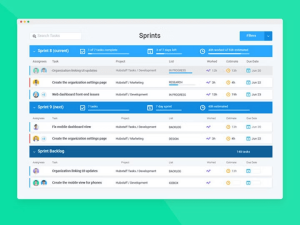
  • Sprints: Facilitate agile project management with sprint planning and execution. Keep your team aligned with clear goals and timelines.
  • Daily Stand-Ups: Foster communication and collaboration within your remote team. Hubstaff enables daily stand-up meetings, ensuring everyone is on the same page.
  • Timelines and Roadmaps: Visualize project timelines and roadmaps, making it easier to track progress and plan for the future.
  • Communication Tools: Hubstaff integrates an array of communication tools, allowing remote staff to coordinate tasks and engage with colleagues effortlessly.
  • Visual Boards and Columns: Streamline project organization with visual boards and columns. Customize your workflows to match your team’s needs.
  • Automated Workflows: Reduce manual tasks and enhance efficiency with automated workflows. Hubstaff simplifies repetitive processes, saving you time and effort.
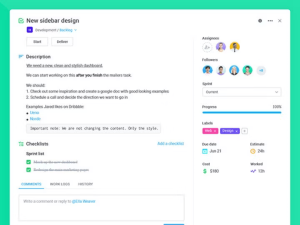
  • Comments, Checklists, Assignments, and Attachments: Collaborate seamlessly with features like comments, checklists, assignments, and file attachments.
  • Customization: Tailor Hubstaff to your unique requirements by creating custom project templates and workflow actions. Alternatively, choose from pre-built templates to get started quickly.
  • Time Tracking Insights: Gain insights into project progress with in-depth time tracking. Hubstaff’s analytics help you make data-driven decisions.
  • Unlimited Teams and Due Dates: Accommodate your entire organization with unlimited teams and due dates. Stay organized and ensure project deadlines are met.
  • Search and Filters: Hubstaff offers advanced search and filtering options, allowing you to locate specific information quickly.

The Hubstaff Deal

MakeUseOf is currently offering an exclusive 96% discount on Hubstaff, making it an attractive option for teams seeking a robust project management solution. With this deal, you can access a lifetime subscription for just $50 (regularly priced at $1,500). Alternatively, a one-year plan is available for $30 (down from $300).

This special offer includes the following advantages:
Hubstaff
Image by https://www.makeuseof.com/
  • Lifetime Access: Say goodbye to monthly or annual subscription fees. The Hubstaff deal provides lifetime access to the platform.
  • Unlimited Users: You can add six or more users to your Hubstaff account, each with access to unlimited projects and the ability to store up to 5GB of data in the Hubstaff cloud.
  • Future Updates: Rest assured that you’ll receive all future updates at no additional cost, ensuring you’re always using the latest version of Hubstaff.
  • Multi-Platform Support: Hubstaff offers desktop and mobile apps, ensuring accessibility for your entire team.

Please note that this offer is exclusively available to new Hubstaff users.

If Hubstaff aligns with your team’s requirements and you’re eager to seize this incredible deal, simply click the link provided and add the item to your shopping cart.

Pros and Cons of Hubstaff

As with any project management platform, Hubstaff has its strengths and weaknesses. Let’s explore some of the pros and cons to help you make an informed decision:

Pros:

  • Comprehensive Features: Hubstaff offers a wide range of features, from time tracking to visual boards, accommodating diverse project management needs.
  • Lifetime Access: The exclusive discount provides exceptional value, granting lifetime access at a fraction of the regular cost.
  • Scalability: Hubstaff’s unlimited user capability makes it suitable for small teams and larger organizations.
  • Time Tracking Insights: Detailed time tracking analytics empower better decision-making and resource allocation.
  • Multi-Platform Support: Access Hubstaff’s features on desktop and mobile devices, ensuring flexibility for your remote team.

Cons:

  • Learning Curve: Some users may find Hubstaff’s extensive feature set initially overwhelming, requiring time to fully harness its potential.
  • Freemium Model: While the platform offers a discount, Hubstaff primarily follows a freemium model, which may not be ideal for users seeking a completely free solution.
  • User Onboarding: Introducing Hubstaff to your team may require training and adjustment, impacting productivity temporarily.
  • Customization Complexity: While customization is a strength, configuring tailored workflows may pose challenges for those without experience.

Conclusion

In the realm of project management platforms, Hubstaff emerges as a comprehensive solution equipped with a plethora of features designed to enhance remote team collaboration and productivity. With the exclusive 96% discount offered by MakeUseOf, it presents an attractive opportunity for teams seeking lifetime access to a robust project management tool.

However, Hubstaff may not be a one-size-fits-all solution. Its extensive feature set may require a learning curve, and its freemium model may not suit users seeking entirely free options. User onboarding and customization complexity should also be considered.

Introduction: Slack and It’s Work

In the fast-paced world of modern business and remote work, effective communication and collaboration tools are essential. One such tool that has gained immense popularity in recent years is Slack. With over 630,000 companies worldwide benefiting from its features, Slack has become a go-to platform for enhancing workplace communication and streamlining collaboration. However, despite its widespread use, many individuals are still unfamiliar with its full potential.

In this article, we’ll delve into the world of Slack, exploring what it is, its core features, compatibility, pricing, and how it can transform the way teams work together. Whether you’re part of a large corporation, a freelancer with multiple clients, or a member of an interest-based group, Slack offers a versatile and user-friendly solution for improved communication and project management.

What is Slack?

Slack stands as one of the world’s most popular workplace and team messaging apps, designed to simplify communication for teams distributed across various locations. Its versatility extends beyond corporate offices, benefiting freelancers, non-governmental organizations (NGOs), developer communities, and other groups with shared interests. At its core, Slack aims to enhance communication and collaboration in a digital world where geographical barriers are no longer limitations.

Decoding the Name: What Does Slack Stand For?

Slack’s name carries a deeper meaning: Searchable Log of All Conversation and Knowledge. Coined by Slack’s co-founder and CEO, Stewart Butterfield, this acronym encapsulates the platform’s mission to provide a comprehensive and searchable record of all communication and knowledge within organizations. This commitment to archiving and accessibility sets Slack apart as a powerful tool for preserving institutional memory.

Platforms Supported by Slack

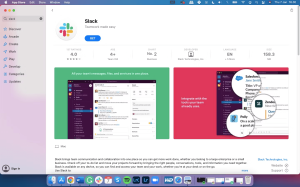
One of Slack’s strengths is its accessibility across various devices and operating systems. Users can choose to download the standalone Slack app or use it directly in their web browsers. Slack is compatible with:

Slack
Image by https://www.makeuseof.com/
  • Desktop: Slack is available for Windows, macOS, and Linux. Simply visit your computer’s app store, search for Slack, and follow the steps to download and install the app. Alternatively, you can find download links on the Slack website.
  • Mobile: For those on the go, Slack offers mobile apps for both Android and iOS. These apps enable you to stay connected and productive from your smartphone, making it easy to communicate and collaborate regardless of your location.

Cost of Slack

Slack provides options for both free and paid plans to cater to different organizational needs. Here’s an overview of the available plans:

  1. Free: The basic version of Slack is available for free, making it accessible to a wide range of users.
  2. Paid Plans:
    • Standard: Priced at $6.67 per person per month, this plan offers additional features and capabilities.
    • Plus: For $12.50 per person per month, the Plus plan includes advanced functionalities.
    • Enterprise Grid: Designed for larger businesses, this plan’s pricing is determined on a case-by-case basis to ensure scalability and tailored solutions.

Benefits of Slack

Slack’s popularity can be attributed to the numerous benefits it offers, making it an ideal choice for teams of all sizes:

Streamlined Remote Work Communication: In an era of remote work and global teams, Slack excels in facilitating communication. It enables team members to connect instantly, regardless of time zones or geographical locations. Unlike email, Slack provides real-time updates, ensuring quick responses and efficient progress tracking.

Slack Channels and Teams: Slack’s channel-based approach simplifies team communication. You can create dedicated channels for specific projects or announcements, making it easy for team members to access relevant discussions. Unlike traditional messaging platforms, Slack allows you to connect with colleagues without sending individual contact requests.

Integration with Third-Party Tools: Efficiency is key to productivity. Slack offers seamless integration with a wide range of third-party tools and applications, such as monday.com, Salesforce, and HubSpot. This integration consolidates your work environment, reducing the need to switch between multiple apps.

Getting Started with Slack

Now that you understand the advantages of Slack, let’s explore how to get started:

Slack
Image by https://www.makeuseof.com/
  • Create a Workspace: Visit the Slack website and follow the steps to create a workspace. You can sign up using your email or Google account.
  • Account Verification: After registering, you’ll receive a verification code via email. Enter this code to proceed.
  • Workspace Setup: Complete the workspace setup by providing your team’s name, current focus, and adding team members via email or shareable links.

With these simple steps, your Slack workspace will be ready for use.

Exploring Slack’s Features

Slack offers a plethora of features to enhance your communication and collaboration experience. Here are some key functionalities to explore:

Create Multiple Slack Channels: Slack channels function as group chats, allowing you to organize discussions around specific topics or projects. Whether it’s project collaboration or casual conversations, channels keep communication structured.

File Sharing on Slack: Share files effortlessly within Slack, whether it’s for quick reviews or team collaboration. Attach photos, documents, or access files from your computer or Google Drive directly within the platform.

Private Messages:When you need to communicate one-on-one with a team member, Slack provides a private messaging feature. Easily send individual messages and keep sensitive conversations separate from group discussions.

Add Multiple Workspaces: For professionals juggling multiple roles or freelancers working with different clients, Slack allows you to sign up for and manage multiple workspaces using a single email address. This simplifies your workflow by keeping everything organized.

Aspect Description
What is Slack? A popular workplace and team messaging app.
Core Purpose Simplifies communication for teams, including remote work and collaboration.
Name Origin Searchable Log of All Conversation and Knowledge (SLACK).
Compatibility Available on desktop (Windows, macOS, Linux) and mobile (Android, iOS). Also accessible via web browser.
Pricing – Free basic version. <br> – Paid plans: Standard ($6.67/user/month), Plus ($12.50/user/month), Enterprise Grid (custom pricing).
Benefits – Streamlines remote work communication. <br> – Offers channels and teams for organized discussions. <br> – Integrates with third-party tools for increased efficiency.
Getting Started Create a workspace, verify your account, set up your workspace, and invite team members.
Key Features – Create multiple Slack channels. <br> – Share files within Slack. <br> – Send private messages. <br> – Manage multiple workspaces with one email address.

This table provides a concise overview of Slack’s core details and advantages.

Conclusion

In conclusion, Slack is more than just a communications tool; it’s a versatile platform that can transform the way teams work together. Whether you’re part of a remote team, a freelancer, or a member of an interest-based group, Slack offers the tools to streamline communication, enhance collaboration, and boost productivity. By keeping your Slack profile organized and taking advantage of its powerful features, you’ll find it invaluable for improving your workflow and team communication.

Introduction: Welcome to the Modern Age of Routine Enhancement

In a world that constantly challenges our daily routines, it’s essential to have the right tools to help us stay on track. Thankfully, the digital age has bestowed upon us a plethora of mobile apps designed to enhance our daily lives. From fitness and mental well-being to learning new languages and monitoring our health, these apps have the power to revolutionize the way we live.

Let’s explore four mobile apps that can elevate your daily routine and lead you toward a more fulfilling life.

Nike Run Club: Elevate Your Fitness Routine

If you’re looking to infuse your daily routine with a dose of energy and motivation, Nike Run Club is your perfect companion. Incorporating running into your weekly schedule offers a multitude of benefits, from increased energy levels to heightened confidence and mental sharpness.

Getting started with Nike Run Club is a breeze. You can effortlessly track each run and sync your favorite tunes for an energizing soundtrack. The app goes a step further, providing various challenges to keep your motivation soaring. Unlock achievements, add friends, and advance through different running levels as you conquer new milestones.

Table:

Mobile App Key Features Subscription
Nike Run Club – Track runs and set personal goals Free
  • Participate in challenges and unlock achievements |
  • Stay motivated with a supportive community |

Headspace: Meditate Your Way to a Stress-Free Day

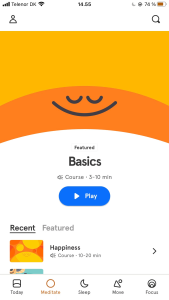
In the fast-paced world we live in, finding moments of peace and mindfulness is crucial. Headspace, a meditation app, has been designed to help you embrace the present moment. Stress relief, improved sleep quality, and daily mindfulness practices are just a few of the benefits it offers.

Headspace provides a wide range of meditation sessions, podcasts, and playlists to cater to your unique needs. Whether you prefer meditating in a quiet room, preparing for a restful night’s sleep, or even during your workout, Headspace has you covered. With a “Mindful Moment” each day, the app keeps you motivated and offers valuable insights for contemplation.
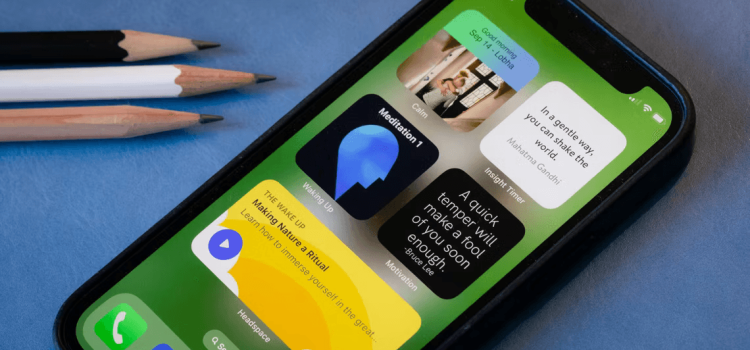
Table:

Mobile App Key Features Subscription
Headspace – Guided meditation sessions for stress relief Free with a premium subscription
  • Sleep aid to improve sleep quality |
  • Mindfulness exercises for daily practice |

Duolingo: Expand Your Horizons through Language Learning

Learning a new language not only broadens your horizons but also enhances your memory and opens doors in both your career and personal life. Duolingo, one of the most popular language-learning apps, empowers you to pick up a new language effortlessly.

With over 30 languages to choose from, Duolingo offers a gamified learning experience that keeps you engaged. Daily streaks, competitive league tables, and an active global language-learning community make the journey enjoyable. Whether you aspire to learn a common language like French or delve into the depths of Finnish or Norwegian, Duolingo has the tools to help you succeed.

Table:

Mobile App Key Features Subscription
Duolingo – Learn over 30 languages in a gamified environment Free with a premium subscription
  • Daily streaks and competitive leagues |
  • Engage with a global language-learning community |

Health: Track Your Wellness Journey

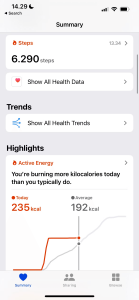
Maintaining a healthy lifestyle is a vital component of your daily routine. The Health app, a default feature on your iPhone, offers a comprehensive set of tools to help you achieve your wellness goals. From tracking your sleep patterns to monitoring your daily step count, Health empowers you to take control of your well-being.

One of the most significant advantages of the Health app is its integration with various third-party platforms, including Nike Run Club, Calm, and Sleep. This seamless integration allows you to consolidate your wellness data in one place, providing you with a holistic view of your health journey.

Table:

Mobile App Key Features Subscription
Health – Set sleep and fitness goals for a healthier lifestyle Free
  • Track menstrual cycles and symptoms |
  • Integration with third-party apps like Nike Run Club |

Note: Subscription prices may vary based on location.

Conclusion: Elevate Your Daily Routine with These Life-Changing Apps

In the modern era, enhancing your daily routine is not just a possibility; it’s a reality. With the power of mobile apps at your fingertips, you can transform your life one day at a time. Whether you’re striving for fitness, peace of mind, language proficiency, or overall well-being, there’s an app waiting to support you on your journey.

So, why wait? Embrace these life-changing apps and elevate your daily routine to new heights. With commitment and the right tools, you can unlock a more fulfilling and balanced life.

Introduction

We all strive to manage our time effectively, but it’s not always easy to follow through on our time management goals. The good news is that there are strategies and tools to help you take control of your time and achieve your objectives. In this article, we’ll explore some surefire ways to enhance your time management skills, with insights from the expert, Kayla Matthews.

1. Reduce Your Time-Estimation Bias

Have you ever found yourself consistently underestimating how long tasks take, leading to perpetual lateness? You’re not alone. Researchers have found that people vary in their time estimation abilities. To improve yours, start by tracking how long tasks actually take you. Then, set realistic goals based on your newfound insights. You can even use time-tracking apps like “Do Now” to refine your time perception further.

Time Management
Image by:https://zapier.com/

Recommended App: Do Now for Android (Free)

2. Learn the MCII Strategy

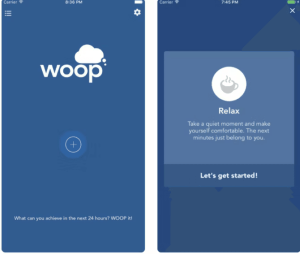
Athletes use visualization to achieve their goals, and you can too with the Mental Contrasting with Implementation Intentions (MCII) strategy. Begin by envisioning your goal and its successful outcome. Then, identify obstacles holding you back and devise a plan to overcome them. This powerful technique, summarized as “Wish, Outcome, Obstacle, Plan (WOOP),” has been proven to enhance time management skills.

Time Management
Image by https://www.makeuseof.com/

Recommended App: WOOP for iOS | Android (Free)

3. Check and Fix Your Perception of Time

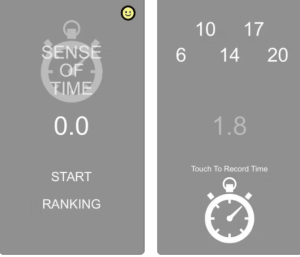
Your perception of time is influenced by various factors, including task confidence and personal preferences. Use the “Sense of Time” iOS app to turn time perception into a game. Accurately gauge how many seconds have passed to improve your time awareness. Translate these findings into your Google Calendar to better plan your day, adjusting task durations to match your perception.

Time Management
Image by https://www.makeuseof.com/

Recommended Apps:

4. Learn Your Productivity Style

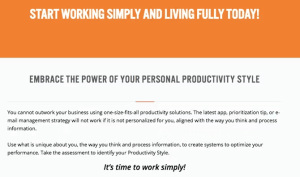
Did you know there are distinct productivity styles? Identifying your style and tailoring your methods accordingly can supercharge your productivity. Take the Productivity Style Assessment, a 28-question test that takes only about 10 minutes. It categorizes you into one of four productivity types: Prioritizer, Planner, Arranger, or Visualizer. Knowing your style helps you work smarter, not harder.

Time Management
Image by https://www.makeuseof.com/

Recommended Assessment: The Productivity Style Assessment | Website (Free)

5. Capitalize on Your Hedonic Flexibility

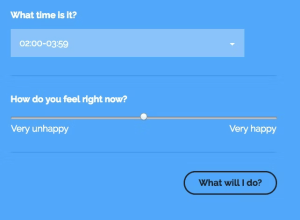
Your mood can significantly impact task completion. When you’re in a positive mood, tackle challenging tasks. In contrast, save easier or enjoyable tasks for gloomier moments. This phenomenon, known as hedonic flexibility, leverages positive outlooks as a resource. Use the “My Next Move” web app to predict your activities based on your feelings, allowing you to plan your day strategically.

Time Management
Image by https://www.makeuseof.com/

Recommended Website: My Next Move

Key Points Description
1. Organizing Notes in Folders Create folders on Mac and iPhone for better note organization. Drag related notes into folders for easy access.
2. Start Using Smart Folders Create Smart Folders on both Mac and iPhone to automatically categorize notes based on filters like tags, dates, and attachments.
3. Search for Specific Types of Notes Simplify note retrieval by searching for specific types of notes, such as those with attachments, checklists, or shared notes.
4. Use Emojis in Folder Names Customize folder names with emojis to visually differentiate and add flair to your note organization.
5. Use Custom Images to Differentiate Notes Enhance note recognition by adding custom images to your notes, making it easier to locate and categorize them visually.

This table encapsulates the essential insights from the article and provides a quick reference for readers to grasp the main concepts of improving Apple Notes organization for enhanced productivity.

Conclusion

Meeting your time management goals requires more than good intentions; it demands actionable strategies and reliable tools. Embrace these techniques and apps to conquer your time-estimation bias, visualize success, refine your time perception, align with your productivity style, and harness your moods. With Kayla Matthews’ expert insights, you’re well on your way to mastering time management and achieving your goals. Don’t let time slip away; take control of it.

4 Disadvantages of Giving Your Child a Fitness Tracker

In an age where technology intertwines with our daily lives, the concept of equipping our children with fitness trackers has gained momentum. While these devices offer several benefits, it’s essential to consider the potential downsides carefully. In this article, we’ll explore four disadvantages of giving your child a fitness tracker.

1. Your Child Might View Exercise as a Chore

The Conundrum: Fitness trackers provide valuable data about your child’s activity levels, but they can inadvertently transform the joy of physical activities into a mere numbers game. The pursuit of reaching a daily step count may overshadow the importance of overall health and enjoyment in exercise.

Fitness Trackers
Image by https://www.makeuseof.com/

Discouraging Diverse Activities: Fitness trackers may inadvertently discourage children from engaging in a variety of healthy exercises like climbing, spinning, rolling, and throwing, which don’t necessarily contribute to daily step goals. This singular focus can limit their physical exploration.

Dependency on the Tracker: Additionally, children might become reliant on their fitness tracker as the sole validation of their efforts, potentially leading to a lack of motivation to exercise when the device isn’t worn.

2. The Technology Might be Addictive

The Temptation: Just like any digital device, fitness trackers have the potential to become addictive for children. While many trackers have straightforward designs, they still introduce an additional gadget that captures your child’s attention and desire for daily use.

Technology Distraction: The constant monitoring and desire to meet activity goals might inadvertently shift the focus away from unstructured play and other non-digitized activities that promote a well-rounded childhood.

3. Data Is Not Always Accurate

The Reliability Issue: Fitness trackers are excellent at collecting data, but the accuracy of this data can be questionable. Research has shown discrepancies of up to 26% in metrics such as step counts across different trackers. Metrics like heart rate and calorie burn estimations can also be subjective.

Data-Driven Decisions: Relying solely on fitness tracker data for critical decisions about your child’s health, such as nutrition choices, might not be advisable due to these inaccuracies.

4. Fitness Trackers May Cause Anxiety in Some Kids

The Anxiety Factor: The fixation on numbers and meeting daily targets can create anxiety in some children. The pressure to achieve certain goals set by the tracker can lead to feelings of inadequacy or disappointment if they fall short.

Well-Being Concerns: The focus on numbers rather than overall well-being can negatively impact a child’s mental and emotional health, potentially leading to stress and anxiety.

In Conclusion

While fitness trackers can be valuable tools for monitoring activity levels, it’s crucial for parents to consider both the advantages and disadvantages before introducing these devices to their children. Striking a balance between technology-assisted health tracking and fostering a genuine love for physical activity and well-being is key. Ultimately, responsible use and open communication can help mitigate the potential downsides and ensure a positive experience for your child.

Kanban vs. Scrum: Choosing the Right Project Management Method

In the world of project management, two agile methodologies stand out: Kanban and Scrum. Each has its unique approach to handling tasks and projects, but understanding the differences and deciding which one aligns with your project’s needs can be challenging. In this comprehensive guide, we delve into the intricacies of Kanban and Scrum, highlighting their distinctions and helping you make an informed choice for your project management journey.

What Is Kanban?

Productivity
Image by https://www.makeuseof.com/

Kanban is an agile methodology rooted in a project management system based on 12 principles and values. It enhances productivity by visualizing work, fostering continuous workflows, ensuring high-quality outcomes, and speeding up task completion through the “work in progress” (WIP) rule.

Framework:

Kanban vs. Scrum
Image by https://www.makeuseof.com/

Kanban offers flexibility with a choice between physical Kanban boards or software-based Kanban tools. A typical Kanban board comprises columns like “To-Do,” “In Progress,” and “Done,” which can be customized based on your project’s complexity. It enforces WIP limits, allowing you to control the number of tasks in each column.

Key Rules:

  • Manage Flow: Clear understanding of work for seamless progress.
  • Explicit Policy: Set guidelines and quality expectations.
  • Feedback Loops: Daily feedback and updates for tasks.
  • Collaboration: Adapt tasks based on feedback and team dynamics.

Metric: Kanban measures lead time, the duration from task arrival to completion.

Change Philosophy: Kanban prioritizes adaptability, allowing changes based on priorities, feedback, and team capacity.

Tools: Popular Kanban tools include Kanbanize, Kanban Flow, and Jira Software.

What Is Scrum?

Kanban vs. Scrum
Image by https://www.makeuseof.com/

Scrum is an agile framework based on empirical principles. It relies on teams completing work or product increments within fixed time intervals called Sprints. After each Sprint, the product is reviewed, improved, and refined based on real-time feedback.

Roles: Scrum involves specific roles:

  • Product Owner: Ensures efficient team performance and quality.
  • Scrum Master: Manages Sprints, assigns tasks, and enforces Scrum rules.
  • Developer: Executes tasks within Sprints.

Framework:

Kanban vs. Scrum
Image by https://www.makeuseof.com/

Scrum operates through various stages:

  • Sprint Planning: Defining product backlogs and Sprint timelines.
  • Daily Scrum: Quick daily meetings to track progress.
  • Iteration Review: Reviewing finished Sprints.
  • Retrospective: Reflecting on successes and areas for improvement.

Metric: Scrum uses Story Points, estimated units of effort for tasks within Sprints.

Change Philosophy: Scrum implements changes only after delivering the final product and receiving feedback.

Tools: Implement Scrum with tools like nTask, Zoho Sprint, or Jira Software.

The Difference Between Scrum and Kanban

Aspect Kanban Scrum
Nature Adaptive: Flexible workflow Fixed: Follows Sprint cycles
Framework Kanban board for visualization Sprint Planning, Daily Scrum, Iteration Review, Retrospective
Cadence Continuous flow with feedback loops Fixed-length Sprints (2 weeks or 1 month) based on Story Points
Roles No particular roles are required Product Owner, Scrum Master, Developer
Software Kanbanize, Kanban Flow, Jira Software nTask, Zoho Sprint, Jira Software

Which One Is Right for You?

Kanban vs. Scrum
Image by https://www.makeuseof.com/

Choose Kanban If:

  • Your project requires flexibility in time management.
  • Visualizing tasks is essential for project oversight.
  • An adaptive method suits your need for real-time adjustments to ensure high-quality results.

Choose Scrum If:

  • You have a complex project that demands specialized teams.
  • Completing the project within a set timeframe is crucial.
  • Customer feedback is a priority for iterative improvements.

Kanban or Scrum: Which One Do You Choose?

Both methodologies offer distinct advantages. If you find it challenging to decide, consider a hybrid approach. Implement Scrum for overall project management and utilize Kanban for effective Sprint management, ensuring a balanced and efficient workflow.

The Essential Microsoft Excel Formulas and Functions Cheat Sheet

If you’ve ever used Microsoft Excel, you know it’s a powerful tool for data management and analysis. However, to unlock its full potential, you need to harness the magic of Excel formulas and functions. These can not only make your work faster but also more accurate and efficient. In this article, we’ll provide you with a handy Excel formulas cheat sheet to help you navigate the world’s favorite spreadsheet program with ease.

Excel Formulas vs. Functions: What’s the Difference?

Before diving into our cheat sheet, let’s clarify a fundamental concept: the difference between Excel formulas and functions.

  • Excel Formula: A formula is an equation created by the user. You can combine cell references, mathematical operators, and constants to perform calculations and generate results. For example, “A1+B1” is a formula.
  • Excel Function: A function, on the other hand, is a predefined calculation built into Excel. Functions simplify complex operations, making it easier to perform calculations and manipulate data. For instance, the function “SUM(A1:A5)” calculates the sum of values in cells A1 through A5.

Now that we’ve got that covered, let’s explore our comprehensive Excel formulas cheat sheet:

Category Formula/Function Description
Date and Time =NOW Show the date and time
=TODAY() Show the current date without the time
=DAY(TODAY()) Show today’s date in a cell
=MONTH(TODAY()) Show current month in a cell
=TODAY()+10 Add 10 days to the current date
Counting and Rounding =SUM Calculates the sum of a group of values
=AVERAGE Calculates the mean of a group of values
=COUNT Counts the number of cells in a range that contains numbers
=INT Removes the decimal portion of a number
=ROUND Rounds a number to a specified number of decimal places
Logical and Statistical =IF Tests for a true or false condition
=SUMIF Calculates a sum from a group of values in which a condition has been met
=COUNTIF Counts the number of cells in a range that match a criteria
=TRUE Returns the logical value TRUE
=FALSE Returns the logical value FALSE
=AND Returns TRUE if all of its arguments are TRUE
=OR Returns TRUE if any argument is TRUE
Unit Conversion =CONVERT(A1,”day”,”hr”) Converts value of A1 from days to hours
=CONVERT(A1,”hr”,”mn”) Converts value of A1 from hours to minutes
=CONVERT(A1,”yr”,”day”) Converts value of A1 from years to days
=CONVERT(A1,”C”,”F”) Converts value of A1 from Celsius to Fahrenheit
=CONVERT(A1,”tsp”,”tbs”) Converts value of A1 from teaspoons to tablespoons
=CONVERT(A1,”gal”,”l”) Converts value of A1 from gallons to liters
=CONVERT(A1,”mi”,”km”) Converts value of A1 from miles to kilometers
=CONVERT(A1,”km”,”mi”) Converts value of A1 from kilometers to miles
=CONVERT(A1,”in”,”ft”) Converts value of A1 from inches to feet
=CONVERT(A1,”cm”,”in”) Converts value of A1 from centimeters to inches
Mathematical =B2-C9 Subtracts values in the two cells
=D8*A3 Multiplies the numbers in the two cells
=PRODUCT(A1:A19) Multiplies the cells in the range
=A1/A3 Divides value in A1 by the value in A3
=MOD Returns the remainder from division
=MIN(A1:A8) Calculates the smallest number in a range
=MAX(C27:C34) Calculates the largest number in a range
=POWER(9,2) Calculates nine squared
=9^3 Calculates nine cubed
=FACT(A1) Factorial of value in A1
=EVEN Rounds a number up to the nearest even integer
=ODD Rounds a number up to the nearest odd integer
=AVERAGE Calculates the average
=MEDIAN Calculates the median
=SQRT Calculates the square root of a number
=PI Shows the value of pi
=POWER Calculates the result of a number raised to a power
=RAND Returns a random number between 0 and 1
=RANDBETWEEN Returns a random number between the numbers you specify
=COS Calculates the cosine of a number
=SIN Calculates the sine of a given angle
=TAN Calculates the tangent of a number
=CORREL Calculates the correlation coefficient between two data sets
=STDEVA Estimates standard deviation based on a sample
=PROB Returns the probability that values in a range are between two limits
Text =LEFT Extracts one or more characters from the left side of a text string
=RIGHT Extracts one or more characters from the right side of a text string
=MID Extracts characters from the middle of a text string
=CONCATENATE Merges two or more text strings
=REPLACE Replaces part of a text string
=LOWER Converts a text string to all lowercase
=UPPER Converts a text string to all uppercase
=PROPER Converts a text string to proper case
=LEN Returns a text string’s length in characters
=REPT Repeats text a given number of times
=TEXT Formats a number and converts it to text
=VALUE Converts a text cell to a number
=EXACT Checks to see if two text values are identical
=DOLLAR Converts a number to text, using the USD currency format
=CLEAN Removes all non-printable characters from text
Finance =INTRATE Calculates the interest rate for a fully invested security
=EFFECT Calculates the effective annual interest rate
=FV Calculates the future value of an investment
=FVSCHEDULE Calculates the future value of an initial principal after applying a series of compound interest rates
=PMT Calculates the total payment (debt and interest) on a debt security
=IPMT Calculates the interest payment for an investment for a given period
=ACCRINT Calculates the accrued interest for a security that pays periodic interest
=ACCRINTM Calculates the accrued interest for a security that pays interest at maturity
=AMORLINC Calculates the depreciation for each accounting period
=NPV Calculates the net present value of cash flows based on a discount rate
=YIELD Calculates the yield of a security based on maturity, face value, and interest rate
=PRICE Calculates the price per $100 face value of a periodic coupon bond

Feel free to refer to this table as a quick reference for Excel formulas and functions while working with Microsoft Excel.

Speed Up Your Work in Microsoft Excel

This Excel formulas cheat sheet is your shortcut to becoming an Excel wizard. Download and print it, and keep it handy as a reference. With these essential Excel functions at your fingertips, you’ll be able to supercharge your productivity and make the most of this versatile tool.

Don’t forget that Excel offers even more powerful features, including tools like Power Query, to further enhance your data management capabilities. Explore our other articles for additional Microsoft Excel tips and tricks, and dive deeper into the world of text and functions in Excel.

5 Free Zoom Alternatives for Video Conferencing and Online Meetings

In today’s digital age, video conferencing and online meetings have become an integral part of our professional and personal lives. With remote work and virtual collaboration becoming the norm, finding the right video chat software is essential. While Zoom and Skype have been the go-to choices for many, there’s a world of free alternatives out there that offer unique features and advantages. In this article, we’ll explore five free Zoom alternatives for video conferencing and online meetings that cater to various needs and preferences.

1. Skype Meet Now: Free Skype Calls for Everyone

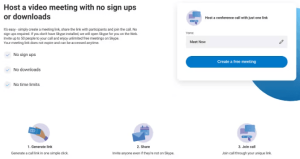
Skype Meet Now is a new and improved version of the popular video calling app, Skype. It offers free, unlimited time video calls without the need for participants to have a Skype account. Whether you’re using a desktop web browser or a mobile app, Skype Meet Now ensures a hassle-free video conferencing experience.

Apps
Image by https://www.makeuseof.com/

Key Features:

  • No registration or paid accounts required.
  • Easy scheduling, file sharing, and contact management.
  • Poll creation and video recording.
  • Text chat with searchable archives.
  • Reliable security backed by Microsoft.

2. Zipcall: No Sign-up With Picture-in-Picture and Live Captions

Zipcall is a fast and secure video calling app that stands out for its simplicity. With no sign-ups or installations required, Zipcall offers an effortless way to start video calls directly from your web browser. It’s compatible with both desktop and mobile devices, making it accessible to everyone.

Apps
Image by https://www.makeuseof.com/

Key Features:

  • Instant video calls via web browser.
  • Picture-in-picture mode for multitasking.
  • Seamless screen sharing and text chat.
  • Enhanced privacy through WebRTC technology.
  • Live Caption feature for real-time transcriptions.

3. Touchbase: 15-Minute Meetings to Stay on Topic and Build Connections

Touchbase is a desktop-based video call app designed to foster focused and time-efficient meetings. It enforces a 15-minute time limit, encouraging participants to stay on topic. With predefined meeting topics and a restriction on mobile usage, Touchbase ensures productive interactions.

Apps
Image by https://www.makeuseof.com/

Key Features:

  • Desktop-only meetings for a work-oriented environment.
  • 15-minute time limit with optional 5-minute extension.
  • Topic selection for meeting agendas.
  • Google Calendar integration for easy scheduling.
  • Suitable for quick catch-ups and team stand-up meetings.

4. Team.Video: Agenda, Non-Verbal Reactions, and Games

Team.Video is a feature-rich video conferencing app designed to enhance collaboration during meetings. It offers an agenda sidebar, shared notepad, and a range of non-verbal reactions to make interactions more meaningful. Plus, it includes interactive games to keep participants engaged.

Apps
Image by https://www.makeuseof.com/

Key Features:

  • Agenda sidebar for structured meetings.
  • Non-verbal reactions using emojis.
  • Shared notepad for collaborative note-taking.
  • Quick games for fun and engagement.
  • Usual features like screen sharing and text chat.

5. Video Conferencing Guide: Compare Video Chat App Features in a Table

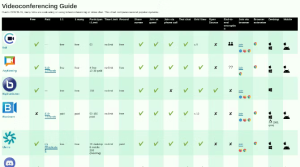
Choosing the right video chat app can be challenging due to the variety of options available. Video Conferencing Guide simplifies the decision-making process by providing a comprehensive table that compares the features of popular video calling apps. You can quickly find information on free vs. paid versions, participant limits, platform compatibility, and more.

Apps
Image by https://www.makeuseof.com/

Key Features:

  • Detailed feature comparison for popular video chat apps.
  • Information on free and paid versions.
  • Participant and time limits for each app.
  • Platform compatibility and key features.
  • A valuable resource for making informed choices.
App No Registration Required Screen Sharing Live Caption Non-Verbal Reactions Scheduling Tools Maximum Meeting Duration Platform Compatibility
Skype Meet Now Unlimited Web, Android, iOS
Zipcall Unlimited Web, Mobile
Touchbase 15 minutes (extendable) Web (Chrome)
Team.Video 60 minutes (unlimited offer) Web
Video Conferencing Guide Web

Conclusion:

While Zoom and Skype have been reliable choices for video conferencing, these free alternatives offer diverse features and cater to specific needs. Whether you prefer the simplicity of Zipcall, the productivity focus of Touchbase, the interactive elements of Team.Video, or the comprehensive app comparison at Video Conferencing Guide, there’s a suitable option for you. Explore these alternatives to find the perfect fit for your video conferencing and online meeting requirements.

Introduction: Unleashing the Power of AI in Self-Development

In the fast-paced world we live in, finding time for self-development and self-care often seems like an elusive goal. The demands of daily life can leave us feeling overwhelmed and disconnected from our personal growth journey. However, thanks to the remarkable advancements in artificial intelligence (AI), we now have access to innovative apps that can serve as dedicated companions on our path to self-improvement.

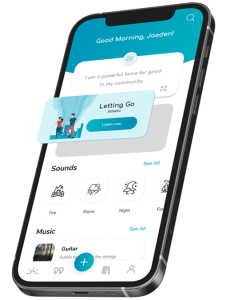
These AI-based apps offer more than just automated responses; they provide personalized solutions and insights that resonate with your unique needs and aspirations. In this article, we’ll delve into three exceptional AI-powered self-development apps that can empower you to make positive changes in your life. Let’s explore the transformative potential of these digital companions.

1. Selfpause: Your Path to Positivity

Selfpause stands out as a remarkable AI self-development and affirmation app. It offers a holistic approach to cultivating a positive mindset and nurturing your personal growth journey. When you open the app, you’re greeted with a treasure trove of daily affirmations spanning various aspects of life, from academics to stress management. These affirmations serve as your daily dose of motivation, tailored to boost your confidence and resilience.

AI-Based Apps
Image by:https://selfpause.com/

But Selfpause goes beyond affirmations; it offers an AI-based mindset and life coach functionality. Through curated meditation sessions, soothing soundscapes, and calming breathing exercises, the app helps you find moments of tranquility and reflection in your hectic schedule.

The app’s insightful progress tracking feature allows you to monitor your growth journey, celebrating your achievements and identifying areas for improvement. To unlock the complete library of affirmation content, you have the option to upgrade to its premium version.

2. Elysai: Your Digital Emotional Companion

Elysai is another AI-powered gem in the realm of self-development. This app offers a personalized and soothing experience designed to help you unwind, relax, and connect with your inner self.

Elysai’s advanced conversational abilities and emotion-recognition capabilities set it apart. The app introduces you to a diverse array of digital companions and personas, each capable of understanding and responding to your unique moods and emotions.

AI-Based Apps
Image by:https://play.google.com/

To begin your journey with Elysai, simply answer a few questions to gauge your stress levels and overall mood. From there, the app guides you through various aspects of life, offering support in areas like conflict resolution, relationship building, communication skills, and more. These interactions are designed to be near-humanlike, providing you with a safe and judgment-free space to explore your thoughts and feelings.

Elysai also offers quick and engaging wellness games to enhance your self-care routine. Its intuitive interface serves as a tranquil haven for reflection and solace, making it an ideal digital companion for your emotional well-being.

3. Rocky AI: Your Personal Growth Partner

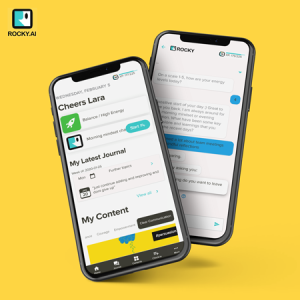
Rocky AI is your dedicated partner in personal development and self-improvement. This app offers a comprehensive range of coaching modules and features designed to enhance your focus, foster an entrepreneurial mindset, and cultivate positive thoughts.

AI-Based Apps
Image by:https://www.rocky.ai/

One of Rocky AI’s standout features is its personalized guidance and support. Based on your specific needs and life goals, the app provides personalized tips, tutorials, and mentorship. It serves as a digital mentor, guiding you towards achieving your self-improvement objectives.

Rocky AI also encourages you to record your thoughts, reflections, and achievements through friendly and conversational interactions. The app celebrates your victories and reinforces positive habits, motivating you to continue your journey of self-growth.

While the free version offers limited chat functionality and guided sessions, you have the option to upgrade for access to premium content and unlimited AI-based coaching. Rocky AI seamlessly integrates interactive exercises, motivational content, and practical strategies to help you overcome challenges and unlock your full potential.

App Name Key Features Availability Pricing
Selfpause – Daily affirmations<br> – Motivational quotes<br> – AI-based mindset and life coach<br> – Curated meditation sessions<br> – Progress tracking<br> – Vast content library (premium) Android, iOS Free (with premium option)
Elysai – Advanced conversational abilities<br> – Emotion recognition<br> – Diverse digital companions<br> – Mood tracking<br> – Conflict resolution support<br> – Wellness games Android Free
Rocky AI – Personalized coaching modules<br> – Mentorship and tips<br> – Recording thoughts and achievements<br> – Interactive exercises<br> – Progress tracking<br> – Unlimited AI coaching (premium) Android, iOS Free (with premium option)

Use this table to quickly compare the features and availability of these AI-powered self-development apps to find the one that best suits your needs and preferences.

Conclusion: Elevate Your Self-Development with AI

In a world that often feels relentlessly fast-paced, these AI-based self-development apps offer a lifeline to those seeking personal growth and well-being. They combine tailored guidance, data-driven insights, and continuous learning capabilities to provide recommendations and solutions that align with your unique preferences.

We encourage you to explore these apps and experience their transformative potential firsthand. By integrating the power of AI into your self-development journey, you can unlock your true potential, foster a healthy lifestyle, and embark on a fulfilling path of personal growth.

Embrace the future of self-improvement with AI as your trusted companion, and let these apps be your partners on your quest for a happier and more empowered you.

Introduction: Addictive Features of Mobile Games

The world of mobile gaming is undeniably captivating, offering a vast array of experiences right at your fingertips. However, have you ever found yourself sinking countless hours into a mobile game without realizing it? Mobile games have a knack for keeping players hooked, employing a combination of addictive elements that can be hard to resist. In this article, we will dissect six of these addictive features commonly found in mobile games, shedding light on the psychology behind them and offering tips on how to avoid getting ensnared in their grasp.

1. Accessible UIs, Easy Progression, and Design Psychology:

Big and Flashy UIs: Mobile games are designed with user-friendliness in mind. The moment you open a mobile game, you’re greeted with a visually appealing and intuitive user interface. Menus and buttons are prominent and easy to navigate. This approach minimizes any initial confusion and allows players to jump right into the action.

Mobile games
Image by https://www.makeuseof.com/

Design Psychology: Game developers leverage principles of psychology in the design of mobile games. They choose large buttons, pleasing color schemes, and employ rewarding sound design. These elements serve to condition players’ brains by creating a sense of satisfaction when they interact with the game. The initial levels are intentionally made easy to foster a feeling of competence and success. This sense of accomplishment encourages players to continue, as they perceive themselves as skilled and capable within the game world.

2. Mobile Games Capitalize on Instant Gratification and Dopamine:

Instant Gratification: Mobile games excel at delivering quick, easily attainable rewards. These games are filled with small, achievable challenges that, when completed, provide players with a burst of dopamine—a neurotransmitter associated with pleasure and reward. This instant gratification creates a sense of achievement, making players feel good and motivating them to continue playing.

Dopamine Hits: While these quick rewards can be enjoyable, they may replace the sense of accomplishment derived from more meaningful real-life achievements. The cycle of seeking quick, dopamine-inducing rewards in mobile games can lead to a diversion of time and energy away from more productive or fulfilling activities.

3. Free-to-Play, Pay-to-Win, and Season Pass Business Models:

Free-to-Play (F2P): Many mobile games adopt the free-to-play model, removing any initial cost barriers for players. This encourages users to download and try the game without any financial commitment, making it accessible to a wide audience.

Mobile games
Image by https://www.makeuseof.com/

Pay-to-Win (P2W): The pay-to-win aspect comes into play when mobile games introduce in-game purchases, such as hints, gems, or powerful characters, that can be obtained for a fee. This model can create an imbalance where paying players gain advantages in the game. The allure of achieving success or progress more quickly can lead some players to spend money, potentially disrupting the fair and competitive nature of the game.

4. Mobile Game Devs Use Fear of Missing Out (FOMO):

Limited-Time Offers: Developers employ FOMO tactics by introducing limited-time offers or events within the game. These offers often come with special in-game rewards or bonuses. The fear of missing out on these time-limited benefits can entice players to stay engaged with the game, even when they might have initially intended to take a break.

Disable Notifications: To resist succumbing to the temptation of these time-limited events, players can take control by disabling notifications for games on their phones. This allows them to enjoy the game on their own terms and reduce the external pressures of FOMO.

5. Achievement Systems, Ranking, and Progression:

Mobile games
Image by https://www.makeuseof.com/

Competition: Human nature often craves competition and recognition. Mobile games tap into this desire by implementing achievement systems and ranking mechanisms. Players can track their progress, achievements, and rankings, both individually and compared to their friends. This fosters a sense of friendly competition and motivates players to keep playing to maintain or improve their standings.

6. Loot Boxes and RNG Elements (AKA Gambling):

Loot Boxes: Some mobile games incorporate elements similar to gambling, such as loot boxes. These are virtual boxes that players can purchase, often with real money, for a chance to receive random in-game rewards. The element of chance and uncertainty can be enticing, as players hope for rare or valuable items.

Mobile games
Image by https://www.makeuseof.com/

Gambling Effects: While randomness itself is not inherently harmful, the option to spend real money on uncertain outcomes can lead to addictive behavior, especially for individuals susceptible to gambling-related issues. Players should exercise caution and self-control when engaging with such elements in mobile games to avoid potential negative consequences.

Addictive Features of Mobile Games Description
Accessible UIs, Easy Progression, and Design Psychology – Mobile games feature user-friendly interfaces with large, easy-to-navigate menus and buttons.<br>- Design elements leverage psychology, using pleasing colors and rewarding sound design to condition players’ brains for continued engagement.<br>- Initial levels are intentionally made easy to create a sense of competence and encourage players to continue.
Mobile Games Capitalize on Instant Gratification and Dopamine – Quick, easily attainable rewards in the form of small challenges provide bursts of dopamine, associated with pleasure and reward.<br>- These quick rewards create a sense of achievement, motivating players to keep playing for more instant gratification.
Free-to-Play, Pay-to-Win, and Season Pass Business Models – Many mobile games adopt a free-to-play model, removing initial cost barriers for players.<br>- Pay-to-win elements involve in-game purchases, potentially creating imbalances in gameplay.<br>- Season passes and in-game purchases aim to engage players by offering rewards and incentives.
Mobile Game Devs Use Fear of Missing Out (FOMO) – Limited-time offers and events with special in-game rewards create a fear of missing out (FOMO), encouraging players to stay engaged.<br>- Disabling notifications for games can help resist the temptation of time-limited offers.
Achievement Systems, Ranking, and Progression – Mobile games tap into the human desire for competition and recognition through achievement systems and ranking mechanisms.<br>- Players can track their progress and compete with friends, fostering a sense of competition and motivation to maintain or improve standings.
Loot Boxes and RNG Elements (AKA Gambling) – Some mobile games feature elements resembling gambling, such as loot boxes.<br>- Loot boxes offer random rewards, and players can spend real money to acquire them, potentially leading to addictive behavior if not used with caution.

These features collectively contribute to the addictive nature of mobile games, enticing players to continue playing and engaging with in-game content. It’s important for players to be aware of these elements and exercise self-control to maintain a healthy gaming balance.

Choose Your Mobile Games Carefully:

In conclusion, awareness is key when indulging in mobile gaming. Recognizing these addictive features can help you make informed choices. Opt for games that don’t require a long-term commitment and prioritize your overall well-being. Remember, it’s often better to pay upfront for a complete and enjoyable gaming experience rather than getting caught in the web of in-app purchases and addictive mechanics. Stay in control, have fun, and game responsibly.