Air fryers have quickly become a staple in many kitchens, touted as a healthier alternative to traditional frying methods. These countertop appliances use hot air to cook food, creating crispy textures without the added oil and fat of deep frying. But what are some ways to make the most of your air fryer and create healthy meals? We turned to nutrition experts for their top air fryer hacks.

  1. Use a misting spray bottle for oil One of the benefits of air frying is the reduction in added oils and fats, but some recipes still call for a light coating of oil. Instead of pouring oil into the air fryer basket, use a misting spray bottle to evenly distribute a thin layer of oil. “This ensures the oil is evenly distributed, which can lead to a better texture and flavor, while also cutting down on excess oil,” says registered dietitian and nutritionist Emily Danckers.
  2. Swap out breadcrumbs for healthier alternatives Breadcrumbs are a common ingredient in air fryer recipes, but they can be high in carbs and calories. Swap out traditional breadcrumbs for healthier alternatives like almond meal, panko breadcrumbs, or crushed whole-grain cereal. “These alternatives provide a great texture and flavor, while also adding a boost of fiber and nutrients,” says Danckers.
  3. Experiment with different herbs and spices Air fryers are great for cooking up flavorful meals without added calories. Experiment with different herbs and spices to add flavor without the need for added salt or fat. “Fresh herbs like rosemary, thyme, and basil can add depth of flavor to meats and vegetables, while spices like cumin, chili powder, and paprika can add a kick of heat,” says registered dietitian and nutritionist Rachel Fine.
  4. Choose lean proteins Air fryers are great for cooking up lean proteins like chicken breasts, fish, and tofu. “These proteins are low in fat and calories but high in protein, making them a great option for anyone looking to build muscle, lose weight, or simply eat healthier,” says Fine.
  5. Don’t forget about vegetables Air fryers are a great way to cook up vegetables quickly and easily. “Try roasting broccoli, cauliflower, or Brussels sprouts for a crispy and flavorful side dish,” suggests Danckers. You can also use the air fryer to cook up vegetable-based meals like veggie burgers or falafel patties.
  6. Preheat your air fryer To ensure even cooking and crispy textures, preheat your air fryer before adding your food. “This allows the air fryer to reach its optimal temperature and ensures that your food cooks evenly,” says Fine.
  7. Clean your air fryer regularly Air fryers require regular cleaning to prevent the buildup of food debris and oil. “Be sure to clean the basket and tray after each use and wipe down the exterior of the air fryer as needed,” advises Danckers. This ensures your air fryer continues to work efficiently and produce healthy meals.

In conclusion, air fryers can be a great tool for creating healthy meals at home. By using these nutrition expert tips, you can cut calories and create flavorful meals without sacrificing texture or taste. Remember to experiment with different ingredients and recipes to find what works best for you and your family.
If you’re a fan of tacos but looking for a new twist on the classic recipe, look no further than oven-baked Buffalo chicken tacos. This recipe combines the bold flavors of Buffalo chicken with the convenience and portability of a taco, making for a delicious and satisfying meal that’s perfect for any occasion.

What sets these tacos apart from the traditional variety is the use of oven-baking. By baking the tortillas and chicken together in the oven, you achieve a crispy and flavorful taco that’s sure to please. The recipe starts with boneless, skinless chicken breasts that are cooked in a mixture of hot sauce, butter, and spices. The result is tender, juicy chicken infused with the bold flavors of Buffalo sauce.

Once the chicken is cooked, it’s shredded and piled onto warm tortillas, along with your favorite toppings. The beauty of these tacos is their versatility – you can use any toppings you like, from shredded lettuce and diced tomatoes to crumbled blue cheese and sliced jalapeños. The final touch is a drizzle of ranch dressing on top, which adds a cool and creamy contrast to the spicy chicken.

One of the great things about oven-baked Buffalo chicken tacos is their ease of preparation. While the chicken does need to be cooked beforehand, the assembly and baking process is quick and simple. Plus, the tacos can easily be customized to suit your tastes or dietary restrictions. For example, you could use a gluten-free tortilla or swap out the chicken for a plant-based protein like tofu or tempeh.

Another benefit of these tacos is their portability. They’re the perfect meal for on-the-go, whether you’re packing them for lunch or bringing them to a picnic or potluck. Simply wrap them in foil or store them in a container and you’re ready to hit the road.

If you’re looking to switch up your Taco Tuesday routine, oven-baked Buffalo chicken tacos are a great place to start. They’re an easy and delicious way to add some excitement to a classic dish, while still keeping it simple and accessible. Plus, they’re a great meal option for any time of year, whether you’re enjoying them on a hot summer day or warming up with them on a chilly winter night.

Here’s the full recipe:

Ingredients:

  • 1 lb. boneless, skinless chicken breasts
  • 1/2 cup hot sauce (such as Frank’s RedHot)
  • 2 tbsp. unsalted butter
  • 1 tsp. garlic powder
  • 1 tsp. chili powder
  • 1 tsp. cumin
  • 1/4 tsp. salt
  • 8 small tortillas
  • Toppings of your choice (shredded lettuce, diced tomatoes, crumbled blue cheese, sliced jalapeños, etc.)
  • Ranch dressing, for serving

Instructions:

  1. Preheat your oven to 375°F.
  2. In a large skillet, combine the hot sauce, butter, garlic powder, chili powder, cumin, and salt. Heat over medium heat until the butter is melted and the mixture is smooth.
  3. Add the chicken to the skillet and toss to coat in the sauce. Cook for 8-10 minutes, or until the chicken is cooked through.
  4. Remove the chicken from the skillet and shred it using two forks.
  5. Arrange the tortillas on a baking sheet and divide the shredded chicken among them.
  6. Top the chicken with your desired toppings.
  7. Bake the tacos in the oven for 8-10 minutes, or until the tortillas are crispy and the cheese is melted.
  8. Serve the tacos hot, with a drizzle of ranch dressing on top.

If you’re looking for a flavorful and adventurous meal, look no further than pork and peanut dragon noodles. This recipe is a fusion of Chinese and Thai cuisine, combining the bold flavors of Sichuan peppercorns and chili oil with the creamy richness of peanut butter.

What are pork and peanut dragon noodles?

Pork and peanut dragon noodles are a variation of the popular Chinese dish known as “hot oil noodles” or “dragon noodles.” In this recipe, thinly sliced pork is added for extra flavor and protein, while peanut butter is used to give the dish a rich, creamy texture. Thai-inspired ingredients such as fish sauce, lime juice, and cilantro are also added to enhance the flavor.

Ingredients:

  • 8 oz of noodles (such as udon or lo mein)
  • 1/2 lb of thinly sliced pork
  • 2 tbsp of vegetable oil
  • 3 tbsp of chili oil
  • 2 tbsp of soy sauce
  • 1 tbsp of Sichuan peppercorns
  • 3 cloves of garlic, minced
  • 1 tsp of grated ginger
  • 2 tbsp of creamy peanut butter
  • 1 tbsp of fish sauce
  • 1 tbsp of lime juice
  • 2 tbsp of chopped cilantro
  • 2 scallions, thinly sliced

Instructions:

  1. Cook the noodles according to the package directions until they are al dente. Drain and set aside.
  2. In a small skillet, toast the Sichuan peppercorns over medium heat until fragrant, about 1-2 minutes. Crush them with a mortar and pestle or a spice grinder and set aside.
  3. In a large skillet or wok, heat the vegetable oil over medium-high heat. Add the pork and cook until browned on both sides, about 3-4 minutes. Remove from the skillet and set aside.
  4. In the same skillet, add the garlic and ginger and cook until fragrant, about 1 minute.
  5. Add the chili oil, soy sauce, peanut butter, fish sauce, and lime juice to the skillet and stir to combine. Cook for 1-2 minutes, stirring frequently.
  6. Add the cooked noodles and pork to the skillet and toss to coat with the sauce. Cook for 1-2 minutes, stirring frequently.
  7. Add the crushed Sichuan peppercorns to the skillet and toss to combine.
  8. Garnish with chopped cilantro and sliced scallions and serve hot.

Tips for making pork and peanut dragon noodles:

  • Use high-quality ingredients, especially the chili oil and peanut butter, to get the best flavor.
  • Adjust the amount of chili oil to your desired level of spiciness.
  • If you can’t find Sichuan peppercorns, you can substitute with black peppercorns.
  • If you’re not a fan of pork, you can substitute with chicken, beef, or tofu.
  • For a vegetarian version, omit the pork and use vegetable broth instead of chicken broth.

In conclusion, pork and peanut dragon noodles are a flavorful and adventurous meal that’s easy to make at home. With a few simple ingredients and some basic cooking skills, you can enjoy the bold flavors of Chinese and Thai cuisine in one delicious dish. So why not give it a try and add some excitement to your dinner table?

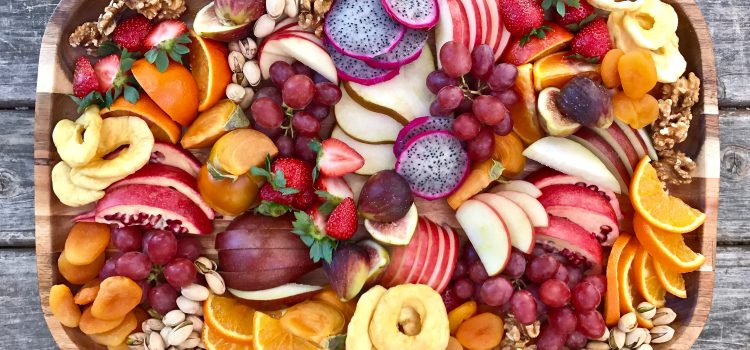
Fruits are not only nutritious but also incredibly versatile when it comes to cooking. Whether you’re looking for a quick breakfast or a healthy dessert, incorporating fruits into your diet can be a tasty way to stay healthy. Here are some simple and delicious recipes to help you get your daily fruit fix.

  1. Overnight Oats with Mixed Berries

Overnight oats are a healthy and easy breakfast option that can be customized to your liking. In a mason jar or container, mix rolled oats, almond milk, and a tablespoon of honey. Add a handful of mixed berries such as blueberries, strawberries, and raspberries. Stir well and refrigerate overnight. In the morning, give it a quick stir and enjoy your fruity breakfast on the go.

  1. Grilled Peach Salad

Grilling peaches brings out their natural sweetness and adds a delicious smoky flavor to any dish. Cut peaches in half, brush them with a little bit of olive oil, and grill them for a few minutes on each side until they are tender. In a bowl, toss some arugula, goat cheese, and sliced almonds. Add the grilled peaches on top and drizzle with balsamic glaze for a tasty and healthy salad.

  1. Mango Salsa

Mango salsa is a refreshing and flavorful side dish that goes well with grilled chicken or fish. Dice a ripe mango and mix it with chopped red onion, diced jalapeno, cilantro, and lime juice. Season with salt and pepper to taste. Serve it chilled and enjoy the sweet and spicy flavors.

  1. Strawberry Yogurt Bark

Yogurt bark is a healthy and easy snack that you can make in advance and keep in the freezer for a quick and satisfying treat. Mix Greek yogurt with a tablespoon of honey and spread it onto a baking sheet lined with parchment paper. Add sliced strawberries on top and freeze for a few hours until it’s firm. Break it into pieces and enjoy the sweet and tangy flavors.

  1. Apple Cinnamon Smoothie

Apples are not only delicious but also high in fiber, making them an excellent choice for a healthy smoothie. Blend a medium-sized apple with Greek yogurt, almond milk, a teaspoon of cinnamon, and a tablespoon of honey. Add a handful of ice cubes and blend until smooth. Pour it into a glass and enjoy the sweet and spicy flavors.

In conclusion, incorporating fruits into your diet can be a tasty way to stay healthy. These simple and delicious recipes are a great way to get your daily fruit fix and satisfy your cravings for something sweet. So, next time you’re in the mood for a snack or a meal, try incorporating some fruits into your recipes and enjoy the health benefits they offer.

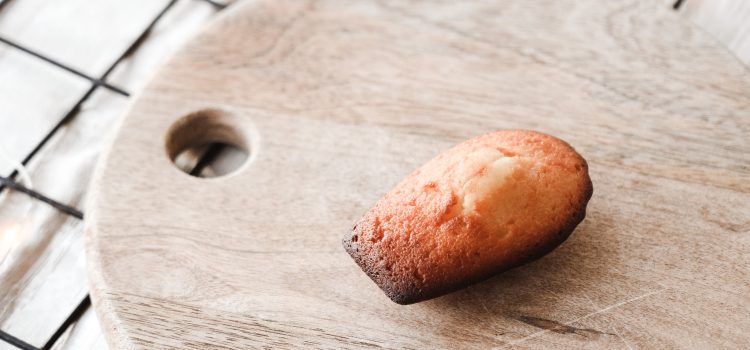
Dominique Ansel is a world-renowned pastry chef who has created some of the most innovative and delicious desserts in the world. Among his many creations are the delicate and delicious mini madeleines, which have become a favorite treat for many people. In this article, we will explore Dominique Ansel’s recipe for mini madeleines and discover how you can make these delectable treats in the comfort of your own home.

The first step in making Dominique Ansel’s mini madeleines is to gather all of the necessary ingredients. You will need all-purpose flour, granulated sugar, baking powder, salt, unsalted butter, eggs, vanilla extract, and lemon zest. These ingredients can be found in most grocery stores and are relatively easy to find.

Next, you will need to prepare the batter. Start by creaming the butter and sugar together until they are light and fluffy. Add the eggs, one at a time, and mix well after each addition. In a separate bowl, sift together the flour, baking powder, and salt, then add to the butter mixture, mixing until just combined. Finally, add the vanilla extract and lemon zest and mix until fully incorporated.

Once the batter is ready, it’s time to fill the madeleine molds. Ansel suggests using a piping bag or a plastic bag with a small corner cut off to fill the molds. The molds should be greased with butter or cooking spray to prevent the madeleines from sticking.

After the molds are filled, they should be chilled in the refrigerator for at least 30 minutes. Chilling the batter is essential to achieving the perfect texture and flavor in the finished madeleines.

When the batter is chilled, it’s time to bake the madeleines. Preheat the oven to 375°F (190°C) and place the molds on a baking sheet. Bake the madeleines for 10-12 minutes, or until they are lightly golden brown around the edges and spring back when touched. Be sure to watch the madeleines closely as they bake, as they can overcook quickly.

Once the madeleines are finished baking, remove them from the oven and allow them to cool in the molds for a few minutes. Then, remove them from the molds and allow them to cool completely on a wire rack. Once the madeleines have cooled, dust them with powdered sugar or dip them in melted chocolate for an extra special touch.

In conclusion, making Dominique Ansel’s mini madeleines is a relatively simple process that requires only a few basic ingredients and a little bit of patience. By following this recipe closely and paying attention to the details, you can create delicate and delicious mini madeleines that are sure to impress your friends and family. So why not treat yourself to a batch of these delectable treats and discover why Dominique Ansel’s mini madeleines are so beloved by pastry chefs and dessert lovers around the world?

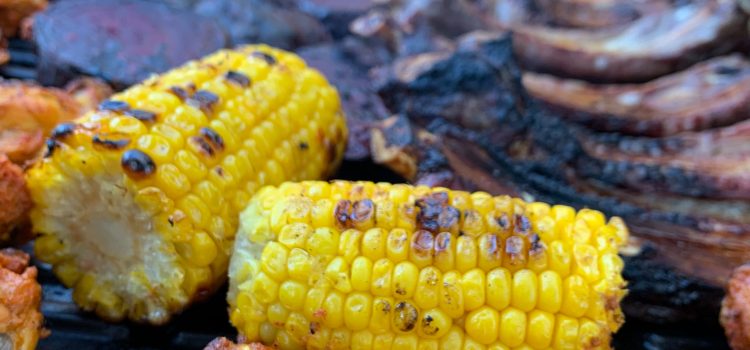
Corn on the cob is a beloved summer staple that is often enjoyed at barbecues, picnics, and other outdoor gatherings. It is a versatile vegetable that can be grilled, boiled, or roasted, and it pairs well with a variety of flavors and seasonings. Grilling corn on the cob is a popular method that imparts a smoky flavor and crispy texture to the kernels, and it is surprisingly easy to do. With a few simple tips and tricks, you can master the art of grilling corn on the cob and impress your guests at your next summer gathering.

The first step to grilling corn on the cob is to select fresh and ripe ears of corn. Look for corn that has bright green husks that are tightly wrapped around the kernels. The kernels should be plump and evenly spaced, and there should be no brown spots or moldy areas on the husks. If possible, try to buy corn on the same day you plan to grill it, as this will ensure the freshest and most flavorful results.

Once you have selected your corn, it’s time to prepare it for grilling. Start by peeling back the husks, but do not remove them entirely. Instead, pull the husks down to the base of the cob, and remove any silks that are present. Then, fold the husks back up around the corn, and tie them off with kitchen twine or a piece of husk. This will help to keep the corn moist and prevent it from drying out on the grill.

Next, it’s time to prepare your grill. Heat your grill to medium-high heat, or around 400 degrees Fahrenheit. Brush the grates with oil to prevent the corn from sticking, and place the corn on the grill. Cook the corn for 10-15 minutes, turning occasionally, until the kernels are tender and lightly charred. You can test the doneness of the corn by piercing a kernel with a fork or knife. If it is tender and easily pierced, it is ready to eat.

While the corn is grilling, you can prepare any additional seasonings or toppings that you want to serve with it. Classic options include butter, salt, and pepper, but you can also experiment with more flavorful options like garlic, herbs, or cheese. Simply mix your desired seasonings together in a small bowl, and brush them onto the corn once it has finished grilling.

Another option is to serve the corn with a dipping sauce, such as a spicy aioli or a lime and cilantro dressing. These sauces can add an extra layer of flavor and complexity to the dish, and they are easy to prepare in advance.

Grilling corn on the cob is a simple and satisfying way to enjoy this summertime favorite. With a few basic tips and techniques, you can achieve perfectly cooked and flavorful corn that will delight your taste buds and impress your guests. So fire up your grill, grab some fresh corn on the cob, and get ready to savor the flavors of summer.

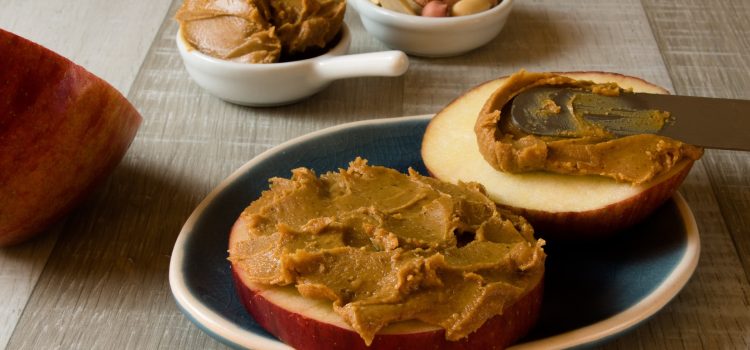
Peanut butter is a beloved spread that has been a staple in many households for years. It is a versatile food that can be eaten on toast, used as a dip for fruits and vegetables, and incorporated into a variety of recipes. But where did peanut butter come from? The answer may surprise you.

The history of peanuts and peanut butter dates back thousands of years to South America, where they were cultivated by the ancient Incas. The Incas roasted peanuts and ground them into a paste, which they used for food and medicine. Peanuts were also an important crop for the Aztecs, who used them in religious ceremonies.

It wasn’t until the 19th century that peanuts made their way to North America. In the United States, peanuts were primarily grown as a crop for animal feed. It wasn’t until the late 1800s that people began to realize the potential of peanuts as a food for humans.

The credit for inventing peanut butter is often given to Dr. John Harvey Kellogg, a physician and health-food advocate. In the late 1800s, Dr. Kellogg created a peanut paste for his patients who had trouble chewing and digesting solid foods. He also suggested that peanut butter could be a nutritious food for people who were vegetarian or had difficulty digesting meat.

In 1895, Dr. Kellogg patented his peanut butter creation, which he called “nut butter.” However, the peanut butter we know and love today was invented by George Washington Carver, an agricultural scientist and inventor.

Carver is known for his work on crop rotation and soil conservation, but he also experimented with peanuts and other crops to create new products. In the early 1900s, Carver developed a process for making peanut butter that involved roasting and milling the peanuts into a smooth paste. He also found ways to make other products from peanuts, including peanut oil, peanut milk, and peanut flour.

Carver’s peanut butter became popular, and he traveled around the country promoting the use of peanuts and other crops to improve nutrition and create new products. His work helped to establish peanuts as an important crop in the United States and paved the way for the peanut butter industry.

Today, peanut butter is a multibillion-dollar industry, with hundreds of different brands and varieties available. It is a popular food around the world and is used in a variety of ways, from sandwiches to baking to sauces and dressings.

Despite its popularity, peanut butter has had some controversies over the years. In the 1990s, there was a scare over aflatoxin, a toxin produced by a fungus that can grow on peanuts. This led to increased regulations and testing for peanut products.

Peanut butter has also been linked to allergies, which can be life-threatening in some cases. In recent years, there has been a growing concern over the use of peanuts in schools and other public places due to the risk of allergic reactions.

Despite these challenges, peanut butter remains a beloved food for many people. Its versatility, nutritional value, and delicious taste make it a favorite for all ages. From its humble beginnings in South America to its widespread popularity today, the story of peanut butter is a fascinating one that continues to evolve.

Easter is a time for celebration, family gatherings, and of course, delicious treats. If you’re looking for a fun and creative way to celebrate the holiday, why not try making some cute Easter cookies? These delightful treats are not only easy to make, but they’re also a great way to get the kids involved in the kitchen.

To make these Easter cookies, you’ll need:

  • 1 cup of unsalted butter, at room temperature
  • 1/2 cup of granulated sugar
  • 1/2 cup of brown sugar
  • 2 large eggs
  • 1 teaspoon of vanilla extract
  • 2 cups of all-purpose flour
  • 1 teaspoon of baking powder
  • 1/2 teaspoon of salt
  • Assorted pastel-colored candy melts
  • Assorted Easter-themed sprinkles and decorations
  • Piping bags or plastic sandwich bags

Directions:

  1. In a large bowl, cream together the butter and sugars until light and fluffy.
  2. Beat in the eggs one at a time, then add the vanilla extract.
  3. In a separate bowl, whisk together the flour, baking powder, and salt.
  4. Gradually add the dry ingredients to the wet ingredients, mixing until just combined.
  5. Preheat the oven to 350°F and line a baking sheet with parchment paper.
  6. Roll the dough into balls and place them on the baking sheet, spacing them about 2 inches apart.
  7. Bake the cookies for 10-12 minutes, or until lightly golden brown.
  8. Allow the cookies to cool on the baking sheet for a few minutes before transferring them to a wire rack to cool completely.
  9. Melt the candy melts according to the package instructions.
  10. Dip each cookie into the melted candy, allowing any excess to drip off.
  11. Add Easter-themed sprinkles and decorations to the cookies while the candy is still wet.
  12. Allow the candy coating to harden before piping on additional decorations with a piping bag or plastic sandwich bag.

You can get creative with the decorating process by adding different colors of candy melts and experimenting with different piping techniques. For example, you could use a toothpick to create intricate designs or use a star tip to create a textured effect.

These Easter cookies are perfect for family gatherings, Easter egg hunts, or to give as a gift to friends and neighbors. You could even set up a cookie decorating station and let everyone get creative with their own designs.

In conclusion, Easter cookies are a fun and creative way to celebrate the holiday and get everyone involved in the kitchen. With a little creativity and a lot of love, you can create some truly adorable and delicious treats that are sure to put a smile on everyone’s face. So why not give it a try and see what kind of cute Easter cookies you can come up with?

Meyer lemons are a sweet and fragrant variety of lemons that have become increasingly popular in recent years. This citrusy fruit is perfect for making a variety of dishes, but one of the most delicious and refreshing is Meyer Lemon Mayo Roast Chicken.

Roast chicken is a classic dish that has been enjoyed for centuries, but adding Meyer lemon mayo takes it to a whole new level. The Meyer lemon mayo adds a tangy and zesty flavor to the chicken that is sure to impress your taste buds. Plus, it’s a refreshing change from the usual butter or oil-based marinades.

To make this dish, you’ll need a few ingredients: a whole chicken, Meyer lemons, mayonnaise, garlic, salt, and pepper. Start by mixing the mayonnaise, minced garlic, salt, and pepper in a bowl. Add the juice and zest of one Meyer lemon and mix well. Set aside.

Next, prepare the chicken by removing any giblets and excess fat. Pat the chicken dry with paper towels and season it with salt and pepper. Then, rub the Meyer lemon mayo mixture all over the chicken, making sure to get it under the skin as well.

Preheat your oven to 425°F and place the chicken in a roasting pan. Cut the remaining Meyer lemons in half and place them around the chicken in the pan. Roast the chicken for about an hour, or until the internal temperature reaches 165°F. Make sure to baste the chicken with the pan drippings every 20 minutes or so to keep it moist and flavorful.

Once the chicken is done, let it rest for about 10 minutes before carving. The Meyer lemon mayo will have formed a crispy and flavorful coating on the chicken that will make it hard to resist. Serve with your favorite sides and enjoy!

Meyer Lemon Mayo Roast Chicken is not only delicious but also healthy. Meyer lemons are rich in vitamin C, which is important for a healthy immune system. Mayonnaise, when used in moderation, is also a good source of healthy fats. Plus, by roasting the chicken in the oven, you avoid the need for extra oil or butter.

This dish is perfect for any occasion, whether it’s a family dinner or a dinner party with friends. It’s also easy to customize by adding herbs or spices to the Meyer lemon mayo mixture. Try adding thyme, rosemary, or even smoked paprika for a twist on the classic recipe.

In conclusion, Meyer Lemon Mayo Roast Chicken is a refreshing and delicious take on a classic dish. With just a few simple ingredients and some easy steps, you can impress your family and friends with this flavorful and healthy meal.

Apple cider vinegar (ACV) has gained popularity as a weight loss aid in recent years, with many claiming that it can help shed pounds and improve overall health. But what does the science say? Is there any truth to these claims, or is it just another health fad?

ACV is a type of vinegar made from apples, which is fermented to form acetic acid. It has been used for centuries as a natural remedy for various ailments, including weight loss. The acetic acid in ACV is believed to be responsible for its potential weight loss benefits, as it has been shown to reduce appetite, increase metabolism, and promote fat burning.

One study published in the Journal of Functional Foods found that participants who consumed 1-2 tablespoons of ACV daily for 12 weeks lost significantly more weight, body fat, and inches around the waist than those who did not consume ACV. Another study published in the Journal of Agricultural and Food Chemistry found that acetic acid, the main component of ACV, can help reduce body weight, body mass index (BMI), and visceral fat.

However, it’s important to note that these studies were relatively small and short-term, and more research is needed to confirm these findings. Additionally, while ACV may have potential weight loss benefits, it is not a magic solution and should not be relied upon as the sole method for weight loss.

It’s also worth mentioning that consuming ACV in large quantities can have negative side effects, such as irritation of the throat and digestive tract. It is recommended to dilute ACV with water or other beverages and consume in moderation.

So, what is the best way to incorporate ACV into your diet for potential weight loss benefits? One popular method is to mix 1-2 tablespoons of ACV with a glass of water and drink it before meals. This can help reduce appetite and increase feelings of fullness, potentially leading to reduced calorie intake.

Another option is to incorporate ACV into recipes, such as salad dressings or marinades. This can add flavor to your meals while also providing potential weight loss benefits.

Overall, while there is some evidence to support the potential weight loss benefits of ACV, more research is needed to fully understand its effects. It should not be relied upon as the sole method for weight loss, and consuming it in moderation is key. As with any diet or weight loss plan, it is important to consult with a healthcare professional before making significant changes to your diet or lifestyle.