In recent years, there has been a growing trend towards a more holistic approach to healthcare. One way individuals are seeking to improve their overall health and wellbeing is through the use of dietary supplements and vitamins. Whether it be for filling nutrient gaps or enhancing specific health concerns, supplements and vitamins can play an important role in achieving optimal health.

Dietary supplements are products that are intended to supplement one’s diet and provide nutrients that may be lacking in one’s daily food intake. Vitamins, on the other hand, are organic compounds that are essential for normal growth and nutrition and are often included in supplements. These supplements and vitamins can come in various forms, including pills, powders, liquids, and gummies.

There are numerous benefits to incorporating supplements and vitamins into one’s diet. Firstly, they can help to fill nutrient gaps that may be lacking in one’s daily food intake. For example, if an individual is not consuming enough Vitamin D through their diet, a supplement can help to make up for this deficiency. Additionally, supplements and vitamins can be beneficial in supporting specific health concerns. For example, Omega-3 supplements have been shown to have anti-inflammatory effects, which can be helpful in reducing the risk of chronic diseases such as heart disease and arthritis.

Another benefit of supplements and vitamins is that they can aid in the prevention of nutrient deficiencies. Certain individuals, such as those following a vegan or vegetarian diet, may be at risk of not consuming enough of certain nutrients that are mainly found in animal-based products, such as Vitamin B12. By taking supplements, they can ensure they are getting adequate amounts of these nutrients.

It is important to note, however, that supplements and vitamins should not be used as a replacement for a healthy diet. They should be used to supplement and support one’s diet, not replace it entirely. It is also important to consult with a healthcare professional before starting any new supplement or vitamin regimen, as they can advise on any potential interactions with medications or pre-existing health conditions.

When it comes to choosing the right supplements and vitamins for one’s individual needs, it can be overwhelming with the vast array of options available. It is important to do research and choose high-quality products from reputable brands. Additionally, it is important to choose supplements and vitamins that are specific to one’s needs and health concerns.

In conclusion, incorporating dietary supplements and vitamins into one’s diet can be an effective way to support overall health and wellbeing. Whether it be filling nutrient gaps or supporting specific health concerns, supplements and vitamins can provide numerous benefits when used in conjunction with a healthy diet and lifestyle. As always, it is important to consult with a healthcare professional before starting any new supplement or vitamin regimen.


As technology continues to advance, video games have become a common form of entertainment for people of all ages. With the rise of online gaming and the ability to access games on various devices, it’s easy to spend hours lost in virtual worlds. However, with this increased accessibility comes the potential for technology addiction, and it’s important to maintain a healthy balance between gaming and other aspects of life.

Video game addiction, also known as gaming disorder, is a behavioral addiction that can lead to negative consequences such as decreased physical activity, social isolation, and poor academic or work performance. It’s important to note that not all gamers who play frequently have a gaming addiction, but it’s essential to be aware of the signs and symptoms to prevent the development of addictive behaviors.

Some common signs of gaming addiction include:

  • Obsessive thoughts about gaming, even when not playing
  • Difficulty cutting back or stopping gaming
  • Neglecting personal hygiene and responsibilities to play games
  • Continuing to play games despite negative consequences

To maintain a healthy balance, it’s important to establish boundaries and set limits on gaming time. This can be achieved by setting a schedule and prioritizing other activities such as exercise, socializing, and work or school commitments. It’s also helpful to turn off notifications and alerts during designated gaming times to avoid distractions and focus on the game.

Another important factor in maintaining a healthy balance is to choose games that promote positive behaviors. This includes games that encourage physical activity, social interaction, and problem-solving skills. Many games now offer features such as fitness trackers and multiplayer modes that can increase physical activity and social interaction.

In addition, it’s important to be mindful of the content in the games being played. Some games may include violent or explicit content that can contribute to negative behaviors and emotions. It’s important to choose games that align with personal values and beliefs, and to avoid games that may contribute to the development of addictive behaviors or negative behaviors.

As with any form of entertainment, moderation is key. While video games can be a fun and engaging form of entertainment, it’s important to maintain a healthy balance and prioritize other aspects of life. By setting boundaries, choosing games that promote positive behaviors, and being mindful of game content, gamers can enjoy their hobby without risking the negative consequences of addiction.

Overall, gaming and technology addiction is a growing concern, and it’s important for gamers to be aware of the risks and take steps to maintain a healthy balance. With the right approach, gaming can be a positive and enjoyable experience that enhances life rather than detracts from it.

The world of gaming has come a long way since the days of simple 8-bit graphics and arcade machines. However, for those who crave a trip down memory lane or are just discovering the classics, there are still plenty of retro games that have stood the test of time. Whether you’re looking for platformers, RPGs, or arcade-style games, there’s something for everyone in the world of retro gaming. Here are some of the best retro games for a blast from the past.

  1. Super Mario Bros. (1985)

It’s hard to talk about retro gaming without mentioning Super Mario Bros. This game is an all-time classic, and it’s the game that really put Nintendo on the map. The gameplay is simple but addictive, and the iconic soundtrack is still instantly recognizable to this day. Super Mario Bros. has spawned countless sequels and spin-offs, but the original remains a must-play for any retro gaming enthusiast.

  1. The Legend of Zelda (1986)

The Legend of Zelda is another classic that’s still beloved by fans today. This game is known for its open-world exploration and puzzle-solving gameplay, and it’s one of the first games to really push the limits of what was possible on the NES. The music is also unforgettable, with the classic overworld theme still a fan favorite.

  1. Sonic the Hedgehog (1991)

While Nintendo was dominating the gaming market in the late ’80s and early ’90s, Sega’s Sonic the Hedgehog was a worthy competitor. The speedy blue hedgehog became an instant icon, and the game’s fast-paced gameplay and catchy soundtrack made it an instant classic. Sonic the Hedgehog spawned numerous sequels and spin-offs, but the original game remains a fan favorite.

  1. Castlevania (1986)

Castlevania is a classic horror-themed platformer that’s still worth playing today. The game is known for its challenging gameplay and creepy atmosphere, and it’s a must-play for fans of the horror genre. The music is also top-notch, with the game’s main theme still sending shivers down the spines of players.

  1. Mega Man 2 (1988)

Mega Man 2 is widely considered to be one of the best games in the Mega Man series, and it’s easy to see why. The game features tight, responsive controls and challenging but rewarding gameplay. The music is also fantastic, with each boss having their own unique theme that’s still memorable today.

  1. Pac-Man (1980)

Pac-Man is one of the most iconic arcade games of all time, and it’s still just as fun to play today as it was in 1980. The gameplay is simple but addictive, and the game’s bright, colorful graphics and catchy music are instantly recognizable.

  1. Donkey Kong (1981)

Donkey Kong is another classic arcade game that’s still worth playing today. The game’s simple but challenging gameplay and charming graphics make it a must-play for any retro gaming enthusiast. Plus, who can forget the game’s iconic protagonist, Jumpman (who would later become known as Mario)?

  1. Street Fighter II (1991)

Street Fighter II is the game that really popularized the fighting game genre, and it’s still a blast to play today. The game’s cast of memorable characters and deep, strategic gameplay make it a must-play for any fighting game fan.

  1. EarthBound (1994)

EarthBound is a unique RPG that’s still beloved by fans today. The game’s quirky humor and memorable characters set it apart from other games in the genre, and the game’s music is also fantastic. While the game didn’t sell well upon its initial release, it has since become a cult classic.

Video games have come a long way since the days of beeps and bloops. Today, they boast some of the most dynamic and captivating soundtracks in the entertainment industry. From 8-bit chiptunes to fully orchestrated scores, the music in video games has become an integral part of the gaming experience. In this article, we explore the impact of soundtracks on gaming and how they enhance the overall gameplay.

Music has always been an essential component of video games, even from the early days of gaming. The bleeps and bloops of the Atari 2600 may seem primitive now, but back then, they were revolutionary. These simple sound effects helped to create a sense of immersion, making players feel like they were part of the game world. As technology improved, so did the quality of game music. By the time the 16-bit era rolled around, game music had evolved into something more sophisticated. Composers like Nobuo Uematsu, Yuzo Koshiro, and Hirokazu Tanaka were creating memorable soundtracks that were every bit as impactful as the games themselves.

Today, game music has reached new heights of sophistication. With the advent of CD-ROM technology, game developers were able to incorporate fully orchestrated scores into their games. This allowed composers to create more complex and nuanced music that could evoke a wide range of emotions. Games like Final Fantasy VII, Chrono Cross, and The Legend of Zelda: Ocarina of Time are prime examples of this. These games featured music that was not only immersive but also emotionally resonant.

The impact of soundtracks on gaming cannot be overstated. The right music can set the tone for an entire game. It can evoke a wide range of emotions, from excitement and anticipation to sadness and despair. It can create a sense of tension and suspense, making players feel like they’re on the edge of their seats. And it can help to create a sense of immersion, making players feel like they’re part of the game world.

But music doesn’t just enhance the gaming experience; it can also have a profound effect on players outside of the game. Game soundtracks have become so popular that they are now released as standalone albums. Fans of game music can purchase these albums and listen to them outside of the game. This has helped to raise the profile of game music and has given it a new level of respectability.

The impact of game music can also be seen in the world of live entertainment. Video game music concerts have become increasingly popular in recent years. These concerts feature live orchestras and choirs performing music from popular video games. They have become a way for fans to celebrate their love of game music and to connect with other gamers who share their passion.

In conclusion, the impact of soundtracks on gaming cannot be overstated. From the earliest days of gaming to the present, music has played an essential role in creating immersive and emotionally resonant game worlds. As technology has improved, so has the quality of game music. Today, game music is a sophisticated art form that is every bit as impactful as music in film or television. It has become an integral part of the gaming experience and has helped to elevate video games to a new level of artistic respectability.

Role-playing games (RPGs) have been a staple of the gaming industry for decades, providing players with the opportunity to immerse themselves in a world of fantasy and adventure. Whether you’re a fan of dragons, magic, or epic battles, there is an RPG out there for you. Here are some of the best role-playing games for fantasy fans.

  1. The Elder Scrolls V: Skyrim – Bethesda Game Studios’ epic RPG is a classic for a reason. Set in the land of Tamriel, players can choose to play as a range of different races, from humans to orcs to cat-like Khajiit. With an open world filled with dungeons, dragons, and magic, Skyrim provides endless hours of exploration and adventure.
  2. The Witcher 3: Wild Hunt – CD Projekt Red’s masterpiece RPG takes place in a world filled with monsters, magic, and political intrigue. Players take on the role of Geralt of Rivia, a monster hunter with a heart of gold. The game’s rich storytelling and complex characters make it one of the best RPGs of all time.
  3. Dragon Age: Inquisition – Bioware’s Dragon Age series has always been a favorite among RPG fans, and Inquisition is no exception. Players take on the role of the Inquisitor, tasked with saving the world of Thedas from a demonic invasion. With deep character customization and a compelling story, Dragon Age: Inquisition is a must-play for fantasy fans.
  4. Final Fantasy XV – Square Enix’s long-running Final Fantasy series has always been known for its epic storytelling and unforgettable characters, and Final Fantasy XV is no exception. Players take on the role of Prince Noctis, accompanied by his friends, on a journey to reclaim his throne and save his kingdom. With a stunning open world and real-time combat, Final Fantasy XV is a modern classic.
  5. World of Warcraft – Blizzard Entertainment’s massively multiplayer online role-playing game (MMORPG) has been a cultural phenomenon for over a decade. Players create their own characters and join millions of others in a world filled with magic, monsters, and adventure. With regular updates and expansions, World of Warcraft provides endless hours of gameplay for fantasy fans.
  6. Pillars of Eternity – Obsidian Entertainment’s throwback to classic RPGs like Baldur’s Gate and Planescape: Torment is a must-play for fans of old-school RPGs. Set in the world of Eora, players take on the role of a hero who must unravel a mystery that threatens to destroy the world. With deep character customization and rich storytelling, Pillars of Eternity is a modern classic.
  7. Divinity: Original Sin 2 – Larian Studios’ sequel to their hit RPG Divinity: Original Sin is one of the best RPGs of the past decade. Set in a world filled with magic and intrigue, players take on the role of a hero who must save the world from an ancient evil. With turn-based combat and deep character customization, Divinity: Original Sin 2 is a must-play for RPG fans.

In conclusion, there are many excellent role-playing games for fantasy fans to enjoy. From epic open-world adventures to classic throwbacks to old-school RPGs, there is something for everyone. Whether you’re a fan of dragons, magic, or epic battles, these RPGs provide hours of immersive gameplay and unforgettable storytelling. So grab your sword and shield, and dive into a world of fantasy and adventure with one of these great RPGs.

Video games have become a popular form of entertainment in recent years, with millions of people around the world playing games every day. However, video games are not just a source of fun and entertainment; they can also be used to address social issues and promote social justice. In this article, we will explore how games are addressing social issues and promoting social justice.

  1. Representation Representation is a crucial issue in the gaming industry. Historically, games have often featured white male protagonists, which has left many gamers feeling excluded. However, in recent years, there has been a push for greater representation in games. Games like “Life is Strange” and “Gone Home” feature female protagonists, while games like “Watch Dogs 2” and “Assassin’s Creed: Origins” feature characters from diverse backgrounds.
  2. Diversity Diversity is another issue that games are addressing. Games like “Never Alone” and “This War of Mine” explore the experiences of marginalized communities, while games like “That Dragon, Cancer” and “Hellblade: Senua’s Sacrifice” explore mental health issues. These games offer a unique perspective on social issues and provide players with a better understanding of the challenges faced by marginalized communities.
  3. Social Commentary Many games use social commentary to address social issues. Games like “BioShock” and “Fallout” explore issues like political ideology, while games like “This War of Mine” and “Papers, Please” explore the experiences of refugees and immigrants. These games offer a unique perspective on social issues and encourage players to think critically about the world around them.
  4. Activism Games are also being used as a tool for activism. Games like “Spent” and “Darfur is Dying” address issues like poverty and genocide, while games like “Climate Quest” and “Climate Challenge” raise awareness about climate change. These games are designed to educate players about social issues and inspire them to take action.
  5. Community Building Games can also be used to build communities and promote social justice. Games like “Minecraft” and “Roblox” provide players with a platform to build and create together, fostering a sense of community and collaboration. Games like “League of Legends” and “Overwatch” also offer players the opportunity to work together and promote teamwork and cooperation.

In conclusion, games are a powerful tool for addressing social issues and promoting social justice. From representation and diversity to social commentary and activism, games are offering players a unique perspective on the world around them. As the gaming industry continues to grow and evolve, we can expect to see more games that address social issues and promote social justice, making a positive impact on the world.

In recent years, the world of gaming has exploded in popularity. With the rise of eSports and the availability of online gaming platforms, more and more people are turning to gaming as a form of entertainment and competition. But with such a competitive landscape, how can you become a better gamer? Here are some tips for unleashing your inner gamer and taking your skills to the next level.

  1. Know Your Game

One of the most important things you can do to become a better gamer is to truly understand the game you are playing. This means knowing the rules, the objectives, the characters, and the various strategies that are involved in the game. Spend some time reading about the game online or watching tutorial videos to get a better understanding of the gameplay.

  1. Practice, Practice, Practice

Just like any other skill, becoming a better gamer requires practice. Set aside time each day to play the game and work on improving your skills. Try out new strategies and experiment with different approaches to see what works best for you. And don’t be afraid to make mistakes – learning from your failures is an important part of the process.

  1. Use the Right Equipment

Having the right equipment can make a big difference in your gaming performance. Make sure you have a reliable computer or gaming console, a comfortable gaming chair, and a high-quality gaming mouse and keyboard. Investing in these items can help you play more comfortably and efficiently, which can lead to better results.

  1. Join a Community

Joining a gaming community can be a great way to learn from other players and get feedback on your performance. Whether it’s joining a clan, a Discord server, or a subreddit, being part of a community can provide you with access to tips, tricks, and advice from other gamers who share your passion.

  1. Watch the Pros

If you’re serious about becoming a better gamer, take some time to watch professional gamers play the game. You can learn a lot by observing their techniques and strategies, and seeing how they react to different situations in the game. You can find professional gamers streaming on Twitch or YouTube, or watch replays of their matches on sites like YouTube or esports replays.

  1. Stay Focused

One of the biggest challenges of gaming is staying focused for long periods of time. It’s important to take breaks and stretch your muscles, especially if you’re playing for hours at a time. And don’t forget to stay hydrated and well-rested – being physically and mentally prepared can help you perform at your best.

  1. Have Fun

Finally, it’s important to remember that gaming should be fun! While it’s great to strive for improvement, don’t forget to enjoy the game and the community that comes with it. Take time to appreciate the graphics, the music, and the overall experience of playing the game. Ultimately, the most important thing is to enjoy yourself and have a good time.

In conclusion, becoming a better gamer takes time, effort, and dedication. By following these tips and putting in the work, you can unleash your inner gamer and take your skills to the next level. Whether you’re playing for fun or competing at a professional level, the key is to keep practicing and enjoying the game.

Gaming has become an increasingly popular pastime for people of all ages, and it’s not hard to see why. With the rise of mobile gaming and easy access to games on multiple platforms, there’s never been a better time to enjoy video games as a family. However, not all games are suitable for all ages, and finding family-friendly games can be a challenge. In this article, we’ll explore some of the best games to play together as a family, regardless of age or experience level.

First on the list is “Minecraft,” a game that’s been around for over a decade but remains incredibly popular. This game is suitable for all ages, from young children to grandparents, and can be played on multiple platforms, including PC, Xbox, PlayStation, and Nintendo Switch. “Minecraft” allows players to build and explore their own virtual world, which is ideal for family bonding. Parents can help younger children navigate the game’s mechanics, while older children can take on more advanced building projects. The game also encourages creativity and problem-solving skills, making it a perfect choice for families looking to play together and learn together.

Another great family-friendly game is “Mario Kart 8 Deluxe,” available exclusively on Nintendo Switch. This game is a classic and has been entertaining families for over 25 years. The game features a variety of fun and colorful tracks and characters, making it easy for even the youngest players to get in on the action. Parents can team up with their kids to compete against other players, or they can race against each other for some friendly competition. With a variety of game modes and difficulty levels, “Mario Kart 8 Deluxe” is a game that will keep the whole family entertained for hours.

For families who prefer cooperative games, “Overcooked 2” is an excellent option. This game is available on multiple platforms, including PC, Xbox, PlayStation, and Nintendo Switch, and it requires players to work together to cook and serve food in a busy restaurant. The game’s frantic pace and silly characters make it a hit with kids, while the strategic elements appeal to adults. Parents can help younger children with the cooking mechanics, while older children can take on more challenging recipes. “Overcooked 2” is a fun and engaging game that encourages teamwork and communication, making it an excellent choice for family game night.

Finally, for families who enjoy puzzles and brain teasers, “Portal 2” is an excellent choice. This game is available on PC and consoles, and it requires players to solve a series of challenging puzzles using a portal gun. The game’s intricate puzzles and witty humor make it a hit with older children and adults, while the non-violent gameplay makes it suitable for all ages. Parents can help younger children with the puzzles, while older children can take on the more advanced levels. “Portal 2” is a game that will challenge and engage the whole family, making it a great choice for family game night.

In conclusion, gaming is a fantastic way for families to spend time together and bond over a shared interest. However, finding family-friendly games can be a challenge. The games listed above, “Minecraft,” “Mario Kart 8 Deluxe,” “Overcooked 2,” and “Portal 2,” are all excellent choices for families of all ages and experience levels. These games encourage creativity, problem-solving skills, teamwork, and communication, making them ideal for family game night. Whether you’re a seasoned gamer or a newcomer to the world of gaming, there’s something for everyone in these family-friendly games.

Gaming has come a long way from the days of Pong and Tetris. With the rise of powerful smartphones and tablets, gamers can now enjoy console-quality games on the go. Mobile gaming has become a billion-dollar industry, with millions of people around the world playing games on their smartphones and tablets.

In the early days of mobile gaming, the selection of games was limited, and the quality was often poor. However, as technology has improved, so has the quality of mobile games. Today, there are thousands of games available for download, with many of them featuring stunning graphics, immersive sound effects, and engaging gameplay.

One of the biggest advantages of mobile gaming is its accessibility. With a smartphone or tablet, gamers can play their favorite games anytime, anywhere. Whether you’re waiting in line at the grocery store or commuting on a train, you can easily pull out your device and start playing.

Another advantage of mobile gaming is its affordability. While console and PC gaming can be expensive, with the cost of the hardware and the games themselves, many mobile games are free to download and play. Of course, some games may offer in-app purchases, but these are usually optional and don’t detract from the overall experience.

One of the most popular genres of mobile games is the “casual” game. These are simple games that can be played in short bursts, perfect for when you have a few minutes to spare. Games like Candy Crush, Angry Birds, and Temple Run have become global sensations, with millions of people playing them every day.

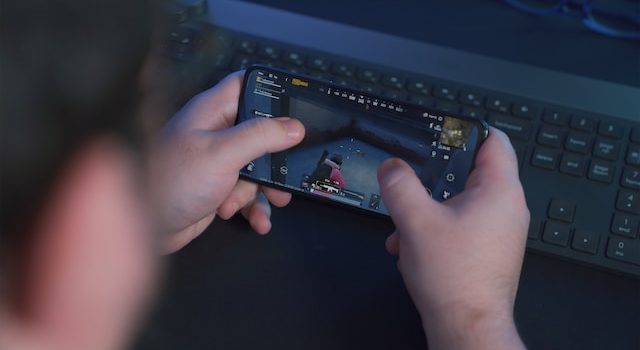
However, mobile gaming isn’t just for casual players. Many game developers are now creating more complex games that offer console-like experiences. Games like Fortnite, PUBG Mobile, and Call of Duty Mobile are all hugely popular, with millions of players competing against each other in real-time battles.

Mobile gaming has also become a popular platform for esports, with many competitive gaming events and tournaments now being held for mobile games. Games like Clash Royale and Brawl Stars have become popular choices for esports events, with players competing for cash prizes and sponsorships.

Of course, mobile gaming isn’t without its drawbacks. The small screen size of smartphones and tablets can make some games difficult to play, and the lack of physical controls can be frustrating for some gamers. However, many game developers are now creating games that are optimized for touch controls, making them more accessible and easier to play.

As technology continues to improve, it’s likely that we’ll see even more impressive mobile games in the future. With the rise of 5G networks, mobile gaming could become even more seamless and immersive, with real-time multiplayer games becoming even more popular.

In conclusion, mobile gaming has come a long way in recent years, and it’s clear that it’s here to stay. With its accessibility, affordability, and wide selection of games, it’s no surprise that millions of people around the world are playing games on their smartphones and tablets. Whether you’re a casual player or a competitive gamer, there’s something for everyone in the world of mobile gaming.

Video games have come a long way since the early days of arcade classics like Pac-Man and Space Invaders. Today, gamers can immerse themselves in complex, detailed worlds that allow them to explore, fight, and interact with other players in unprecedented ways. From console games to mobile apps and virtual reality experiences, the world of gaming continues to evolve and expand.

The history of video games dates back to the 1950s, when researchers began exploring the possibility of creating interactive electronic games. The first commercially successful arcade game, Space Invaders, was released in 1978 and became a global phenomenon. From there, the industry continued to grow and develop, with home consoles like the Atari 2600 and the Nintendo Entertainment System (NES) making video games more accessible than ever before.

In the 1990s, gaming entered a new era with the release of 3D games like Doom and Quake. These titles pushed the boundaries of what was possible in terms of graphics and gameplay, paving the way for modern classics like Grand Theft Auto and The Elder Scrolls. As the internet became more widespread, multiplayer games like World of Warcraft and League of Legends emerged, allowing players to compete and collaborate with others from around the world.

Today, gaming is more diverse than ever before. Indie game developers have become a major force in the industry, creating innovative, often experimental games that offer unique experiences. Mobile gaming has exploded in popularity, with apps like Candy Crush and Angry Birds attracting millions of players worldwide. And virtual reality technology has the potential to take gaming to entirely new heights, allowing players to fully immerse themselves in digital worlds.

One of the key drivers of the gaming industry’s growth has been the rise of esports. This refers to organized, competitive gaming tournaments that offer substantial prizes and attract large audiences. Esports has become a huge business, with professional leagues and teams competing in games like League of Legends, Overwatch, and Fortnite. Top esports players can earn millions of dollars in prize money and sponsorships, and the industry is projected to continue growing rapidly in the coming years.

Despite its many successes, the gaming industry has also faced criticism and controversy. Some people argue that video games can be addictive and have negative effects on players’ mental health and social lives. Others have raised concerns about the content of some games, particularly those that feature violence, sexual content, or other controversial themes.

Despite these challenges, gaming remains a hugely popular and influential medium. It offers players a chance to explore new worlds, connect with other people, and challenge themselves in ways that traditional entertainment can’t match. As technology continues to advance, the possibilities for gaming are limited only by our imaginations.