Breakfast is often referred to as the most important meal of the day, and for good reason. A healthy breakfast can help to jumpstart your metabolism, provide you with energy for the day ahead, and improve your overall health and wellbeing. Cereal is a popular breakfast option for many people, but not all cereals are created equal when it comes to nutrition. In this article, we’ll take a closer look at the secrets of the healthiest cereal options, and explore what to look for when choosing a cereal that is both delicious and nutritious.

First, let’s talk about what makes a cereal healthy. Ideally, a healthy cereal should be low in sugar and high in fiber and whole grains. It should also be free from artificial colors, flavors, and preservatives. Additionally, a healthy cereal should provide a good source of vitamins and minerals, such as iron, calcium, and vitamin D.

One of the best ways to ensure that a cereal is healthy is to look for whole grains as the first ingredient. Whole grains are an important source of fiber, which can help to keep you feeling full and satisfied throughout the morning. They are also rich in vitamins and minerals, and have been linked to a reduced risk of heart disease, diabetes, and other chronic conditions.

Another important factor to consider when choosing a healthy cereal is the sugar content. Many cereals are loaded with sugar, which can contribute to weight gain and other health problems. Look for cereals that have less than 10 grams of sugar per serving, and avoid those that have added sugars, such as high fructose corn syrup.

In addition to whole grains and low sugar content, a healthy cereal should also be free from artificial colors, flavors, and preservatives. These additives can be harmful to your health, and have been linked to a range of health problems, including hyperactivity in children and cancer.

So, what are some of the healthiest cereal options on the market? Here are a few to consider:

1. Cheerios: Cheerios are a classic cereal that are low in sugar and high in whole grains. They are also free from artificial colors, flavors, and preservatives, making them a great choice for those looking for a healthy breakfast option.

2. Kashi Go Lean: Kashi Go Lean is a high-protein cereal that is packed with whole grains and fiber. It is also low in sugar and free from artificial ingredients, making it a great choice for those looking to start their day with a nutritious breakfast.

3. Nature’s Path Organic Flax Plus: This cereal is made with organic whole grains and is high in fiber and omega-3 fatty acids. It is also low in sugar and free from artificial ingredients, making it a great choice for those looking for a healthy and delicious breakfast option.

4. Bob’s Red Mill Organic High Fiber Oat Bran Cereal: This cereal is made with organic oat bran and is high in fiber and protein. It is also low in sugar and free from artificial ingredients, making it a great choice for those looking for a healthy and filling breakfast option.

5. Barbara’s Puffins: Barbara’s Puffins are a low-sugar cereal that are made with whole grains and are free from artificial ingredients. They come in a variety of flavors, making them a great choice for those looking for a delicious and healthy breakfast option.

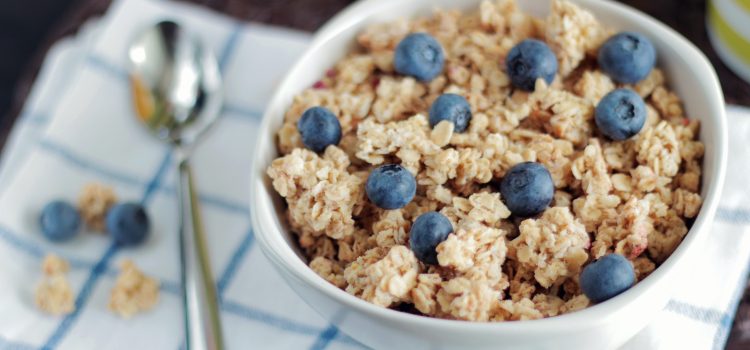
In addition to these options, there are many other healthy cereals on the market. When choosing a cereal, be sure to read the label carefully and look for whole grains, low sugar content, and natural ingredients. You can also add fresh fruit or nuts to your cereal to boost its nutritional value and add flavor.

In addition to cereal, there are many other healthy breakfast options to consider. Some examples include oatmeal, Greek yogurt, and smoothies made with fresh fruit and vegetables. By making a few simple changes to your breakfast routine, you can enjoy a delicious and nutritious start to your day that will help you feel energized and ready to take on whatever comes your way.


In conclusion, a balanced breakfast is an important part of a healthy lifestyle. Look for cereals that are high in whole grains, low in sugar, and free from artificial ingredients. By making a few simple changes to your breakfast routine, you can enjoy a delicious and nutritious start to your day that will help you feel energized and ready to take on whatever comes your way.
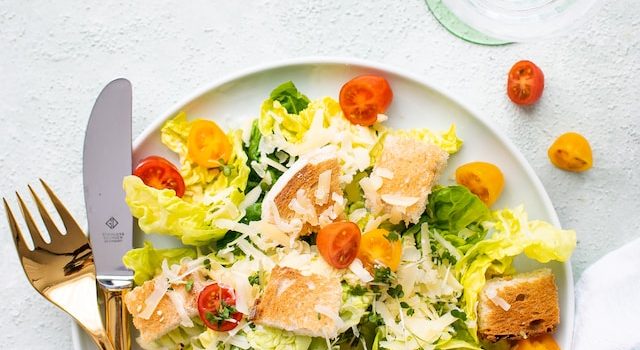
The restaurant service charge has been a topic of debate in the food industry for many years. Some diners love it, while others hate it. But regardless of how one feels about it, the service charge remains a resilient fixture in the industry. In this article, we’ll take a closer look at the reasons behind the service charge’s resilience, and explore the arguments for and against its use.

First, let’s define what we mean by the restaurant service charge. This is a fee that is added to the bill at the end of a meal, typically as a percentage of the total cost of the meal. The purpose of the service charge is to cover the cost of the service provided by the restaurant staff, including waiters, bartenders, and other front-of-house employees.

One of the main arguments in favor of the service charge is that it provides a more reliable source of income for restaurant staff. In the past, many restaurants relied on tips as the primary source of income for their front-of-house staff. However, this system was often unpredictable and could lead to significant fluctuations in income from one day to the next.

By contrast, the service charge provides a more stable source of income for restaurant staff. It ensures that they are compensated for their work regardless of whether or not they receive tips from customers. This can be particularly important in areas where tipping is not a common practice, or where customers may be less likely to tip generously.

Another argument in favor of the service charge is that it allows restaurants to more accurately track their costs and revenue. By including the service charge as a separate line item on the bill, restaurants can more easily calculate their total revenue and expenses. This can be particularly important for larger restaurants with multiple locations, where accurate financial tracking is essential for success.

However, the service charge is not without its controversies. One of the main criticisms of the service charge is that it can be confusing for customers. Many diners are not aware of the purpose of the service charge, or may not understand how it is calculated. This can lead to frustration and mistrust among customers, particularly if they feel that they are being charged for a service that they did not receive.

Another criticism of the service charge is that it can be seen as a way for restaurants to avoid paying their staff a fair wage. Some argue that the service charge allows restaurants to shift the burden of paying their staff onto the customers, rather than taking responsibility for providing fair wages and benefits. This can be particularly problematic in areas where the minimum wage for restaurant staff is low, or where there are few protections for workers.

Despite these criticisms, the service charge remains a common practice in the restaurant industry. In fact, in some countries, such as the UK, the service charge is mandatory and must be included on all bills. This has led to some confusion and controversy, particularly among tourists who may not be familiar with the practice.

So, what can be done to address the concerns surrounding the service charge? One possible solution is to provide more transparency and clarity around the purpose of the service charge. Restaurants could provide more information to customers about how the service charge is calculated, and what it is used for. This could help to build trust and confidence among customers, and reduce the likelihood of misunderstandings or disputes.

Another solution is to explore alternative models for compensating restaurant staff. Some restaurants have experimented with eliminating the service charge altogether and instead paying their staff a higher wage. This can help to ensure that staff are fairly compensated for their work, while also providing a more transparent and straightforward pricing model for customers.

However, despite these alternatives, the service charge remains a resilient fixture in the industry. This is due in part to the fact that it provides a reliable source of income for restaurant staff, and allows for more accurate financial tracking for restaurants. Additionally, the service charge has become a familiar and expected part of the dining experience for many customers, and may be seen as a way to support the restaurant industry as a whole.

In conclusion, the restaurant service charge is a complex and controversial issue in the industry. While it provides a more reliable source of income for restaurant staff and allows for more accurate financial tracking, it can also be confusing and frustrating for customers. By providing more transparency and exploring alternative compensation models, restaurants can work to address these concerns and build a more sustainable and equitable industry for all. However, regardless of how one feels about the service charge, it is clear that it is here to stay, and will continue to be a resilient fixture in the industry for years to come.

For any business in the food industry, maintaining high standards of hygiene is essential. Customers expect to be able to enjoy their meals without worrying about the risk of foodborne illness or other health hazards. For businesses, a poor hygiene rating can be a major blow to their reputation and bottom line. But what does it take to transform a low hygiene rating into a top score? We spoke to the owners of a takeaway in Bolton, UK, to find out.

The takeaway had been struggling with a hygiene rating of just 1 out of 5. This was a major concern for the owners, who knew that they needed to take action to address the issues that were causing concern among customers and health inspectors. They began by conducting a thorough review of their practices, identifying areas where improvements could be made and implementing new procedures to ensure that food safety was a top priority.

One of the first steps that the owners took was to introduce regular staff training sessions. All employees were required to attend these sessions, which covered topics such as food handling, cleaning and sanitation, and the importance of maintaining a clean and hygienic work environment. This helped to ensure that everyone was on the same page when it came to food safety, and that everyone understood the importance of following proper procedures.

Another important change was the introduction of a rigorous cleaning schedule. The takeaway now has a dedicated cleaning team that works throughout the day to keep the premises clean and hygienic. This includes regular deep cleaning of all surfaces, equipment, and utensils, as well as daily checks to ensure that everything is in good working order.

In addition to these changes, the takeaway also invested in new equipment and technology to help improve their practices. This included the installation of a new dishwasher, which helped to ensure that all dishes and utensils were properly cleaned and sanitized. They also introduced a new food temperature monitoring system, which allowed them to track the temperature of all food items and ensure that they were being stored at the correct temperature to prevent the growth of harmful bacteria.

All of these changes paid off in a big way. The takeaway’s hygiene rating improved dramatically, from a score of just 1 out of 5 to a perfect score of 5 out of 5. This was a testament to the hard work and dedication of the owners and staff, who had worked tirelessly to improve their practices and ensure that their customers were getting the best possible experience.

But the improvements didn’t stop there. The takeaway also began to focus on improving the quality of their food, using fresh ingredients and experimenting with new recipes to create a menu that was both delicious and healthy. They also began to engage more with their customers, soliciting feedback and using it to make further improvements to their practices and offerings.

One of the keys to the takeaway’s success was their willingness to be transparent about their practices. They made a point of sharing information about their hygiene rating and the steps they were taking to improve it with their customers. This helped to build trust and confidence among their customer base, and showed that they were committed to providing a safe and enjoyable dining experience.

Another important factor was the dedication of the staff. The owners made it clear that food safety was a top priority, and this message was echoed throughout the business. Everyone from the chefs to the cleaning staff understood the importance of following proper procedures and maintaining high standards of hygiene. This culture of excellence helped to ensure that the improvements made were sustainable and long-lasting.

The takeaway’s journey to hygiene triumph was not without its challenges. The owners had to overcome a number of obstacles along the way, including resistance from some staff members who were resistant to change. But through persistence and a commitment to excellence, they were able to overcome these challenges and achieve their goal of a perfect hygiene rating.

Today, the takeaway is a shining example of best practices in the industry. They have won numerous awards for their food quality and hygiene practices, and have become a beloved fixture in the local community. Their success serves as a reminder of the importance of food safety and hygiene, and the power of dedication and hard work in achieving excellence.

In conclusion, the journey of this Bolton takeaway from inspection woes to triumph is a testament to the power of hard work, dedication, and a commitment to excellence. By recognizing the risks involved in poor food hygiene and taking proactive steps to address them, the owners and staff were able to transform their business and become a shining example of best practices in the industry. Their success serves as a reminder of the importance of food safety and hygiene, and the power of dedication and hard work in achieving excellence.

Salads are a great way to get your daily dose of vegetables and nutrients, but there are many myths surrounding salad dressings that can make it difficult to know what to choose for a healthy salad. Let’s bust some of these myths and find out what you need to know for a healthy salad.
Myth #1: All salad dressings are unhealthy.
While it’s true that some salad dressings can be high in calories, unhealthy fats, and added sugars, not all dressings are created equal. There are many healthy salad dressing options available that can add flavor and nutrition to your salad.
Look for dressings made with whole food ingredients like olive oil, vinegar, and herbs and spices. These ingredients are rich in nutrients and antioxidants that can help boost your immune system and reduce inflammation.
One of the healthiest salad dressings is a simple vinaigrette made with olive oil and vinegar. Olive oil is rich in heart-healthy monounsaturated fats, while vinegar is a natural appetite suppressant and can help regulate blood sugar levels. To make a basic vinaigrette, mix together 3 parts olive oil to 1 part vinegar, and add a pinch of salt and pepper to taste.
Another healthy salad dressing option is a tahini dressing. Tahini is a paste made from ground sesame seeds and is rich in protein, healthy fats, and minerals like calcium and iron. To make a tahini dressing, mix together 2 tablespoons of tahini, 2 tablespoons of lemon juice, 1 tablespoon of olive oil, and a pinch of salt and pepper.
Myth #2: Fat-free salad dressings are the healthiest option.
While it’s true that fat-free salad dressings can be lower in calories, they often contain added sugars and other unhealthy ingredients to compensate for the lack of fat. In addition, fat is an important nutrient that helps your body absorb vitamins and minerals from your salad.
Instead of choosing fat-free dressings, look for dressings made with healthy fats like olive oil, avocado, or nuts. These ingredients can provide a range of health benefits, including improved heart health and reduced inflammation.
Myth #3: You should always choose low-calorie salad dressings.
While it’s important to be mindful of your calorie intake, choosing low-calorie salad dressings isn’t always the best option. Many low-calorie dressings are made with artificial sweeteners and other unhealthy ingredients that can be harmful to your health.
Instead of focusing solely on calorie count, look for dressings made with whole food ingredients and pay attention to portion sizes. Measuring out your dressing and sticking to the recommended serving size can help you avoid consuming too many calories and unhealthy ingredients.
Myth #4: You should always make your own salad dressing.
While making your own salad dressing can be a great way to control the ingredients and avoid unhealthy additives, it’s not always necessary. There are many healthy store-bought salad dressing options available that can save you time and effort.
When shopping for store-bought salad dressings, be sure to read the labels carefully. Look for dressings made with whole food ingredients and avoid those that are high in sugar, salt, and unhealthy fats. Some healthy store-bought options include Newman’s Own Olive Oil and Vinegar Dressing, Primal Kitchen Greek Vinaigrette, and Tessemae’s Organic Lemon Garlic Dressing.
Myth #5: Salad dressing is the only way to add flavor to your salad.
While salad dressing can add flavor and nutrition to your salad, it’s not the only way to make your salad delicious. Adding a variety of colorful vegetables, fruits, and healthy fats can provide a range of flavors and textures.
Try adding leafy greens like spinach and kale, colorful bell peppers, and crunchy carrots and cucumbers. You can also add healthy fats like avocado and nuts to your salad for added flavor and nutrition. Avocado is rich in heart-healthy monounsaturated fats, while nuts like almonds and walnuts are high in protein and healthy fats.
In conclusion, there are many myths surrounding salad dressings that can make it difficult to know what to choose for a healthy salad. To make a healthy salad, look for dressings made with whole food ingredients like olive oil, vinegar, and herbs and spices. Be mindful of your portion sizes and pay attention to the ingredients in store-bought dressings. Adding a variety of colorful vegetables and healthy fats can also provide a range of flavors and textures to your salad. With these tips, you can enjoy a delicious and healthy salad every day.

Sustainable farming is an approach to agriculture that aims to reduce environmental impact, increase biodiversity, and improve the livelihoods of farmers. This approach involves a range of practices, including conservation agriculture, agroforestry, and sustainable livestock management. By adopting these practices, farmers can reduce their environmental footprint while also improving their productivity and profitability.
One of the key drivers of sustainable farming is the need to reduce environmental impact from the agriculture sector. According to the Food and Agriculture Organization of the United Nations (FAO), agriculture is responsible for around 14% of global greenhouse gas emissions. This includes emissions from livestock, fertilizer use, and land-use change. By adopting sustainable farming practices, farmers can reduce these emissions and contribute to global efforts to mitigate climate change.
Another driver of sustainable farming is the need to build resilience to the impacts of climate change. As the climate changes, farmers are facing new challenges, such as droughts, floods, and pests. By adopting sustainable farming practices, farmers can build resilience to these impacts and ensure that their farms remain productive and profitable in the face of a changing climate.
To support the transition to sustainable farming, governments and private investors are increasingly investing in sustainable agriculture initiatives. In 2021, a total of $13 billion in funding was committed to support sustainable agriculture initiatives around the world. This funding is being used to support a range of activities, including research and development, capacity building, and the adoption of sustainable farming practices.
One example of a sustainable agriculture initiative is the Sustainable Agriculture and Rural Development (SARD) program in Nigeria. This program aims to increase agricultural productivity and reduce environmental impact by promoting the adoption of sustainable farming practices. The program is expected to benefit over 2 million farmers and generate $1.2 billion in additional income.
Another example of a sustainable agriculture initiative is the Sustainable Agriculture and Rural Livelihoods (SARL) program in Cambodia. This program aims to increase agricultural productivity and reduce environmental impact by promoting the adoption of sustainable farming practices. The program is expected to benefit over 100,000 farmers and generate $50 million in additional income.
In addition to government and private sector funding, there are also a number of international initiatives that are supporting the transition to sustainable farming. One example is the Global Alliance for Climate-Smart Agriculture, which was launched in 2014 to promote the adoption of sustainable farming practices around the world. The alliance brings together governments, international organizations, and private sector partners to support the transition to sustainable farming.
The benefits of sustainable farming are numerous. By reducing environmental impact, farmers can contribute to global efforts to mitigate climate change. By building resilience to the impacts of climate change, farmers can ensure that their farms remain productive and profitable in the face of a changing climate. And by adopting sustainable farming practices, farmers can improve their soil health, reduce their use of pesticides and fertilizers, and protect biodiversity.
However, there are also challenges to the adoption of sustainable farming practices. One of the biggest challenges is the lack of access to finance and technical assistance. Many smallholder farmers in developing countries lack the resources and knowledge to adopt sustainable farming practices. To address this challenge, governments and private investors need to provide funding and technical assistance to support the adoption of these practices.
Another challenge is the lack of policy support for sustainable farming. Many governments have not yet developed policies and regulations that support the adoption of sustainable farming practices. To address this challenge, governments need to develop policies and regulations that incentivize the adoption of these practices and provide support for farmers who are transitioning to sustainable farming.
In conclusion, pushing for a sustainable future requires a transition to sustainable farming practices. With $13 billion in funding committed to support sustainable agriculture initiatives around the world, the transition to sustainable farming is well underway. By reducing environmental impact, building resilience to the impacts of climate change, and adopting sustainable farming practices, farmers can contribute to global efforts to mitigate climate change while also improving their productivity and profitability. However, to fully realize the benefits of sustainable farming, governments and private investors need to provide funding and technical assistance, and develop policies and regulations that support the adoption of these practices.

There are few things more luxurious and elegant than a meal at Tiffany’s. Made famous by Audrey Hepburn in the classic film “Breakfast at Tiffany’s,” the famed jewelry store has become synonymous with sophistication and glamour. But now, Tiffany’s isn’t just a place to shop for diamonds and pearls – it’s also a destination for brunch.

The Tiffany Blue Box Cafe, located on the fourth floor of the flagship store on Fifth Avenue in New York City, offers a brunch experience that is truly unforgettable. The space itself is breathtaking, with elegant white and Tiffany Blue decor and stunning views of the city. But it’s the menu that truly sets this brunch apart.

Start with the Breakfast at Tiffany’s signature dish, a classic croissant served with smoked salmon and cream cheese. The flaky croissant pairs perfectly with the rich, smoky salmon and creamy cheese, making for a decadent start to the meal.

For the main course, indulge in the Tiffany Eggs Benedict, which features poached eggs, smoked salmon, and a tangy hollandaise sauce on a freshly baked brioche bun. The combination of textures and flavors is exquisite, with the perfectly poached eggs and tender smoked salmon complementing the rich hollandaise sauce and buttery brioche.

Another standout dish is the lobster and avocado toast, which features buttery lobster meat and creamy avocado spread on top of thick slices of toasted sourdough bread. The dish is finished with a drizzle of lemon and olive oil, which adds a bright, refreshing flavor to the rich and indulgent ingredients.

For those with a sweet tooth, the brunch menu also offers a variety of pastries and desserts, including a decadent chocolate mousse cake and a delicate berry tart. And of course, no meal at Tiffany’s would be complete without a cup of their signature blend coffee, served in a Tiffany Blue cup and saucer.

But it’s not just the food that makes this brunch so special – it’s the entire experience. From the moment you enter the store and ride the iconic elevator to the fourth floor, you feel like you’re part of something truly special. The elegant atmosphere, impeccable service, and stunning views of the city all contribute to a brunch experience that is truly unforgettable.

Of course, all this luxury comes with a price tag. Brunch at Tiffany’s isn’t cheap, with prices ranging from $39 for the croissant and smoked salmon dish to $125 for the lobster and avocado toast. But for those looking to indulge in a truly special meal, the Tiffany Blue Box Cafe is worth every penny.

And while the flagship store in New York City may be the most famous location for a Tiffany-inspired brunch, the experience is also available at other locations around the world. The Tiffany Blue Box Cafe has now opened in locations such as London, Tokyo, and Hong Kong, offering a taste of luxury to diners around the globe.

In conclusion, dining in style at Tiffany’s is an experience that every foodie and fashion lover should have at least once in their lifetime. From the elegant atmosphere to the exquisite menu, everything about this brunch is a testament to Tiffany’s commitment to luxury and sophistication. So go ahead, treat yourself to a little bit of glamour and indulge in the ultimate Tiffany-inspired brunch experience.

Salmon is a delicious and healthy fish that is enjoyed by many people around the world. However, achieving perfectly cooked salmon can be a challenge. Overcooked salmon can be dry and tough, while undercooked salmon can be raw and unsafe to eat. But with a proven technique called sous vide, you can achieve flawless salmon every time.

Sous vide is a cooking technique that involves vacuum-sealing food in a plastic bag and cooking it in a water bath at a precise temperature. This technique is popular among professional chefs and home cooks alike, as it allows for precise temperature control and consistent results.

To cook salmon sous vide, simply season the fish with salt and pepper and place it in a vacuum-sealed bag. Add some herbs, spices, or citrus zest for extra flavor if desired. Seal the bag using a vacuum sealer or a zip-top bag with the air removed using the water displacement method.

Preheat your sous vide machine to 125°F for medium-rare salmon or 130°F for medium salmon. Place the bag of salmon in the water bath and cook for 30-45 minutes, depending on the thickness of the fish. Once the salmon is cooked, remove it from the bag and pat it dry with paper towels.

One of the great things about cooking salmon sous vide is that it allows for precise temperature control. This means that you can cook the salmon to the exact temperature you want, resulting in perfectly cooked fish every time. And because the salmon is cooked in a sealed bag, it retains its natural juices and flavors, resulting in a moist and tender fish.

Another benefit of cooking salmon sous vide is that it is a hands-off cooking method. Once you’ve set the temperature and time, you can walk away and let the sous vide machine do the work. This makes it a great option for busy weeknights or when you’re entertaining guests and want to focus on other tasks.

In addition to being delicious and easy to prepare, sous vide salmon is also a healthy option. By cooking the salmon at a low temperature, you can preserve the nutrients and omega-3 fatty acids that are essential for good health. And because you’re not using any oil or butter to cook the salmon, it’s a low-fat and low-calorie option.

But sous vide salmon isn’t just healthy and delicious. It’s also a versatile option that can be served in a variety of ways. Try serving your sous vide salmon with a simple lemon butter sauce, a creamy dill sauce, or a spicy mango salsa. You can also serve it over a bed of quinoa or rice with some roasted vegetables for a complete and nutritious meal.

In conclusion, if you want flawless salmon every time, try cooking it sous vide. This proven technique allows for precise temperature control and consistent results, resulting in perfectly cooked fish every time. And because the salmon is cooked in a sealed bag, it retains its natural juices and flavors, resulting in a moist and tender fish. So why settle for mediocre salmon when you can have flawless salmon every time with sous vide?

In today’s fast-paced world, many of us struggle to find the time to cook healthy and delicious meals. But just because we’re short on time doesn’t mean we have to sacrifice flavor or luxury. With a few simple ingredients and some creativity, you can create quick and lavish meals that are both delicious and satisfying.

One example of a quick and lavish meal is seared scallops with a lemon butter sauce. This dish takes only 10 minutes to prepare and is perfect for a quick and elegant dinner. Simply season the scallops with salt and pepper, and sear them in a hot pan with some butter and olive oil. While the scallops are cooking, make the lemon butter sauce by melting butter in a separate pan and adding lemon juice and zest. Serve the scallops with the lemon butter sauce and a side of roasted vegetables for a healthy and luxurious meal.

Another quick and lavish meal is filet mignon with a red wine reduction. This dish takes only 20 minutes to prepare and is perfect for a special occasion or a romantic dinner. Simply season the filet mignon with salt and pepper, and sear it in a hot pan with some butter and garlic. While the filet mignon is cooking, make the red wine reduction by simmering red wine, beef broth, and shallots in a saucepan until it thickens. Serve the filet mignon with the red wine reduction and a side of mashed potatoes for a decadent and indulgent meal.

If you’re in the mood for something a little more exotic, try making a quick and easy shrimp curry. Simply sauté some onions and garlic in a hot pan with some oil. Add some shrimp and curry powder, and cook until the shrimp is pink and cooked through. Add some coconut milk and simmer until the sauce thickens. Serve the shrimp curry over rice for a fast and lavish meal that is both delicious and exotic.

One of the great things about quick and lavish meals is that they don’t have to be complicated or time-consuming. With a few simple ingredients and some creativity, you can create meals that are both quick and luxurious. And the best part is that you don’t have to sacrifice flavor or nutrition for convenience.

In fact, many quick and lavish meals are also healthy and nutritious. By using fresh ingredients and lean proteins, you can create meals that are both delicious and good for you. And by making your own meals at home, you can control the amount of salt, sugar, and fat that goes into your food.

But quick and lavish meals aren’t just about the ingredients. They’re also about the presentation. By taking a little extra time to arrange your food in an appealing way, you can make even the simplest meal look elegant and sophisticated.

For example, try serving your seared scallops with a lemon butter sauce on a bed of risotto with a side of roasted asparagus. Or, serve your filet mignon with a red wine reduction on a colorful platter with a side of roasted root vegetables. By paying attention to the details, you can make your quick and lavish meals look and taste like they came from a gourmet restaurant.

In addition to being delicious and elegant, quick and lavish meals can also be budget-friendly. By using simple ingredients and making your own meals at home, you can save money and still enjoy delicious and nutritious meals. And by planning ahead and using leftovers, you can stretch your budget even further.

In conclusion, quick and lavish meals are a great way to enjoy delicious and elegant meals without sacrificing convenience or nutrition. By using simple ingredients and some creativity, you can create meals that are both quick and luxurious. And by paying attention to the details, you can make your quick and lavish meals look and taste like they came from a gourmet restaurant. So why settle for boring and bland meals when you can have quick and lavish meals that are both delicious and indulgent?

Rome is a city that is steeped in history and tradition, and its culinary culture is no exception. One ingredient that has played a significant role in Roman cuisine for centuries is the fava bean, or “baccelli” in Italian. From traditional dishes to modern twists, the fava bean is a versatile ingredient that is celebrated in Rome’s culinary scene.

The fava bean has been cultivated in Italy since ancient times and is believed to have been introduced by the Etruscans. It is a hardy legume that thrives in the Mediterranean climate and has long been a source of sustenance for the people of Rome.

In Roman cuisine, the fava bean is used in a variety of dishes, from soups and stews to salads and pasta dishes. One of the most famous fava bean dishes is “pasta con le fave,” a simple yet flavorful pasta dish made with fresh fava beans, pancetta, and pecorino cheese.

However, the fava bean is not just limited to traditional dishes in Rome. In recent years, chefs and foodies alike have been experimenting with new and innovative ways to incorporate this versatile ingredient into their cooking.

One example of a modern twist on a traditional fava bean dish is “fave e cicoria,” a dish that combines fresh fava beans with bitter chicory greens. The dish is typically served with a drizzle of olive oil and a sprinkle of salt, and it is a perfect example of the simple yet flavorful cuisine that Rome is known for.

Another modern take on the fava bean is “fave e guanciale,” a dish that combines fresh fava beans with crispy pork jowl. The dish is typically served as a side dish or appetizer, and it is a perfect example of the rich and indulgent flavors that are often associated with Roman cuisine.

For those who want to try their hand at cooking with fava beans, there are plenty of recipes available online. From pasta dishes to soups and stews, there are endless possibilities for incorporating this versatile ingredient into your cooking.

One popular recipe is “fave alla romana,” a stew made with fava beans, artichokes, and pancetta. The dish is hearty and filling, and it is a perfect comfort food for the cool spring evenings in Rome.

Another popular recipe is “fave e pecorino,” a simple yet delicious appetizer made with fresh fava beans and pecorino cheese. The dish is typically served with a drizzle of olive oil and a sprinkle of black pepper, and it is a perfect example of the simple yet flavorful cuisine that Rome is known for.

In addition to its culinary uses, the fava bean also has cultural significance in Rome. During times of famine and hardship, the fava bean was often the only source of sustenance available, and it became a symbol of the city’s ability to endure and overcome adversity.

In fact, the fava bean is so closely associated with the city’s history that it is often referred to as the “poor man’s meat” or the “grain of the Romans.” It is a humble ingredient that has played a significant role in the city’s culinary and cultural traditions.

Despite its long history and cultural significance, the fava bean is not without controversy in Rome. In the Middle Ages, the fava bean was believed to be a food of the devil and was avoided by many people. It was also associated with death and mourning, as it was often served at funeral banquets.

In more recent times, the fava bean has been linked to a controversial political movement in Rome. In the 1970s, a group of left-wing activists known as the “Brigate Rosse” (Red Brigades) used the fava bean as a symbol of their movement. They would leave fava beans at the scenes of their crimes as a way of taunting the authorities and asserting their political ideology.

Despite these negative associations, the fava bean remains a beloved ingredient in Roman cuisine, and its versatility and adaptability make it a favorite among chefs and foodies alike. Whether you prefer traditional dishes or modern twists, the fava bean is an ingredient that is worth exploring and celebrating in Rome’s culinary scene.

The world of scrambled eggs is vast and varied, but there is one recipe that stands out among the rest: carbonara-inspired scrambled eggs. This dish combines the creaminess of scrambled eggs with the salty, savory flavors of carbonara pasta, resulting in a breakfast that is indulgent and satisfying.

But what is the secret to making the perfect carbonara-inspired scrambled eggs? It all comes down to a few key ingredients and techniques.

First, you need to start with the right eggs. Ideally, you want to use fresh, high-quality eggs from chickens that are allowed to roam and eat a varied diet. The better the eggs, the better your scrambled eggs will taste. If you can, try to find eggs that are organic and/or from a local farm.

Next, you’ll need some pancetta or bacon. The salty, savory flavor of pancetta or bacon is what gives carbonara its distinctive taste, and it’s what makes these scrambled eggs so delicious. You’ll also need some grated Parmesan cheese, which adds richness and depth of flavor.

To make the eggs, start by whisking them together in a bowl with a little bit of heavy cream. The cream will help make the eggs extra silky and luxurious. In a separate pan, cook the pancetta or bacon until it’s crispy, then remove it from the pan and set it aside.

Next, heat some butter in a nonstick pan over medium heat. Once the butter is melted and hot, pour in the eggs. Use a rubber spatula to gently stir the eggs as they cook, making sure to scrape the bottom and sides of the pan to prevent the eggs from sticking.

As the eggs begin to set, add the cooked pancetta or bacon and some grated Parmesan cheese. Keep stirring the eggs until they’re just set but still slightly runny. This will ensure that the eggs are creamy and not overcooked.

Finally, serve the eggs hot, garnished with a little bit of chopped fresh parsley and more Parmesan cheese if desired. You can also serve them with some crusty bread or toast on the side to sop up any extra sauce.

The key to making the perfect carbonara-inspired scrambled eggs is to use high-quality ingredients and to cook the eggs gently, stirring constantly to prevent them from sticking or overcooking. The result is a dish that is rich, savory, and absolutely delicious.

But scrambled eggs aren’t just for breakfast. They make a great quick and easy dinner, too. Serve them with a simple salad or some roasted vegetables for a complete meal that’s satisfying and indulgent.

In conclusion, if you want to take your scrambled eggs to the next level, try making carbonara-inspired scrambled eggs. With just a few simple ingredients and techniques, you can create a breakfast (or dinner) that is both comforting and luxurious.