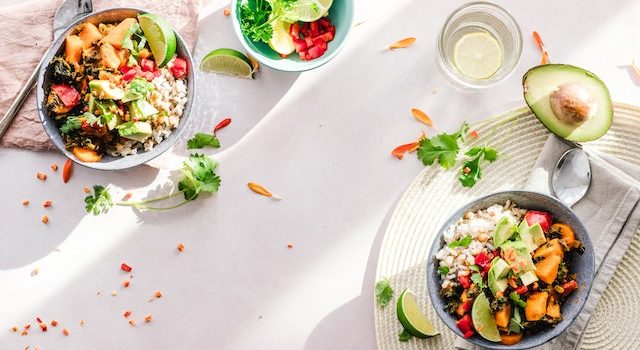
The world of nutrition is constantly evolving, with new superfoods and health trends emerging all the time. One such trend that has gained popularity in recent years is the concept of “clean eating.” Clean eating is a dietary approach that emphasizes whole, unprocessed foods and minimizes the consumption of processed and refined foods. While the concept of clean eating has its roots in the natural food movement of the 1960s and 1970s, it has gained renewed attention in recent years as people seek to improve their health and well-being.

The basic principles of clean eating are simple: eat whole, unprocessed foods as much as possible, and avoid processed and refined foods. This means focusing on foods that are as close to their natural state as possible, such as fruits, vegetables, whole grains, and lean proteins. It also means avoiding foods that are high in added sugars, saturated fats, and artificial ingredients.

One of the main benefits of clean eating is that it can help to improve overall health and well-being. By focusing on whole, nutrient-dense foods, clean eating can provide the body with the vitamins, minerals, and other nutrients it needs to function properly. This can help to reduce the risk of chronic diseases such as heart disease, diabetes, and cancer.

Clean eating can also help to improve digestion and gut health. By avoiding processed and refined foods, which are often high in additives and preservatives, clean eating can help to reduce inflammation in the gut and promote the growth of beneficial bacteria. This can help to improve digestion, reduce bloating and gas, and improve overall gut health.

Another benefit of clean eating is that it can help to improve energy levels and mental clarity. By avoiding foods that are high in added sugars and refined carbohydrates, which can cause blood sugar spikes and crashes, clean eating can help to stabilize blood sugar levels and provide a steady source of energy throughout the day. This can help to improve mental clarity and focus, as well as reduce feelings of fatigue and lethargy.

Clean eating can also be beneficial for weight loss and weight management. By focusing on whole, nutrient-dense foods, clean eating can help to reduce cravings for unhealthy foods and promote feelings of fullness and satiety. This can help to reduce overall calorie intake and promote weight loss.

However, it is important to note that clean eating is not a one-size-fits-all approach. While it can be a healthy and effective way to improve overall health and well-being, it may not be suitable for everyone. For example, individuals with certain medical conditions, such as celiac disease or food allergies, may need to avoid certain foods or food groups. Additionally, some people may find that strict adherence to clean eating principles can lead to feelings of guilt or anxiety around food.

It is also important to note that clean eating does not necessarily mean that all processed or refined foods are off-limits. While it is generally recommended to minimize the consumption of these foods, there are some processed and refined foods that can be part of a healthy diet. For example, whole-grain breads and pastas, canned beans, and frozen fruits and vegetables can all be part of a healthy, clean eating diet.

In conclusion, clean eating is a dietary approach that emphasizes whole, unprocessed foods and minimizes the consumption of processed and refined foods. It can be a healthy and effective way to improve overall health and well-being, by providing the body with the nutrients it needs to function properly, improving digestion and gut health, and promoting weight loss and weight management. However, it is important to note that clean eating may not be suitable for everyone, and that it is important to maintain a balanced and varied diet that meets individual nutritional needs. As with any dietary approach, it is important to consult with a healthcare professional before making any significant changes to your diet.
The world is facing a major challenge when it comes to food waste. According to the United Nations, one-third of all food produced in the world is lost or wasted, which amounts to approximately 1.3 billion tons of food per year. This waste has a significant impact on the environment, contributing to greenhouse gas emissions and other environmental problems. To address this issue, there is a growing call to action for sustainable solutions that focus on reducing food waste.

One of the main causes of food waste is overproduction and overconsumption. In many countries, food is produced in excess to meet demand, and consumers often buy more food than they need. This excess food often ends up in landfills, where it decomposes and releases methane, a potent greenhouse gas.

To address this issue, there is a growing movement towards sustainable agriculture and food production. This includes practices such as regenerative agriculture, which focuses on building healthy soil and reducing the use of synthetic fertilizers and pesticides. Sustainable agriculture also involves reducing food waste at the farm level by using innovative technologies and practices to improve crop yields and reduce losses due to pests and disease.

Another solution to reducing food waste is to focus on reducing waste in the supply chain. This includes improving transportation and storage practices to reduce spoilage and waste, as well as implementing better inventory management systems to reduce overproduction.

In addition, there is a growing movement towards reducing food waste at the consumer level. This includes initiatives such as food waste education programs, which teach consumers about the impact of food waste and provide tips on how to reduce waste at home. It also includes efforts to improve food labeling and packaging to reduce confusion and encourage consumers to use food before it goes bad.

One example of a sustainable solution to food waste is the concept of a circular economy. In a circular economy, waste is minimized by designing products and systems that are regenerative and restorative. This includes designing food systems that are based on the principles of reduce, reuse, and recycle.

For example, some companies are using food waste to create new products, such as using discarded fruit and vegetables to make juices and snacks. Others are using food waste to create compost, which can be used to improve soil health and reduce the need for synthetic fertilizers.

Another example of a sustainable solution to food waste is the concept of food recovery. Food recovery involves rescuing food that would otherwise go to waste and redistributing it to those in need. This includes initiatives such as food banks and food rescue programs, which collect surplus food from restaurants, grocery stores, and other sources and distribute it to those in need.

To reduce food waste, it is important to address the root causes of waste. This includes reducing overproduction and overconsumption, improving transportation and storage practices, and educating consumers about the impact of food waste.

One way to address these issues is through policy changes. Governments can implement regulations and incentives to encourage sustainable agriculture and food production practices, as well as to reduce waste in the supply chain. They can also invest in food waste education programs and support initiatives such as food banks and food rescue programs.

Another way to reduce food waste is through collaboration and partnerships. This includes working with farmers, food producers, retailers, and consumers to develop sustainable solutions that reduce waste at all levels of the food system. It also includes working with technology companies and other stakeholders to develop innovative solutions to prevent food waste.

In conclusion, reducing food waste is a critical issue that requires sustainable solutions at all levels of the food system. This includes sustainable agriculture and food production practices, reducing waste in the supply chain, educating consumers about the impact of food waste, and implementing circular economy principles. By working together to address this issue, we can create a more sustainable and equitable food system that benefits both people and the planet.

Tupperware’s fight to maintain its position in the food storage market has been a struggle, as the company faces challenges from all sides.
One of the biggest challenges facing Tupperware is the rise of eco-friendly and sustainable food storage options. Consumers are increasingly concerned about the environmental impact of disposable plastic containers, and are looking for alternatives that are reusable and environmentally friendly.
To address this challenge, Tupperware has introduced new products that are made from eco-friendly materials such as bamboo and glass. The company has also launched a recycling program to encourage customers to recycle their old Tupperware containers.
However, Tupperware’s efforts to go green may not be enough to keep up with the changing market. Consumers are increasingly turning to brands that prioritize sustainability and environmental responsibility, and Tupperware may need to do more to stay competitive.
Another challenge facing Tupperware is the rise of meal delivery services and pre-packaged meals. These services often come with their own containers, reducing the need for consumers to purchase separate food storage containers.
To address this challenge, Tupperware has launched its own line of meal prep containers, designed specifically for meal delivery services and pre-packaged meals. The containers are designed to be durable and reusable, and are made from materials that are safe for food storage.
However, Tupperware’s meal prep containers may not be enough to keep up with the changing market. Consumers are increasingly looking for convenience and portability in their food storage containers, and are willing to pay a premium for products that offer these features.
To address this challenge, Tupperware has launched a new line of products that are designed for on-the-go use. The products include insulated containers for hot and cold foods, as well as containers with built-in utensils and compartments for easy organization.
Despite these efforts, Tupperware’s ability to maintain its position in the food storage market remains uncertain. The company has faced criticism for its direct sales model, which some have accused of being a pyramid scheme. Tupperware has denied these accusations and has emphasized that its sales model is based on direct selling and not on recruiting.
In addition, Tupperware’s brand reputation and history of innovation may not be enough to keep up with the changing market. New players in the food storage market are introducing innovative new products that offer features and benefits that Tupperware may not be able to match.
To address these challenges, Tupperware may need to rethink its business model and strategy. The company may need to focus more on innovation and differentiation, and may need to explore new markets and distribution channels.
Tupperware may also need to focus more on sustainability and environmental responsibility. Consumers are increasingly looking for brands that prioritize sustainability and environmental responsibility, and Tupperware may need to do more to meet these expectations.
In conclusion, Tupperware’s fight to maintain its position in the food storage market has been a struggle. The company faces challenges from all sides, including competition from new players in the market, changing consumer preferences and trends, and criticism of its direct sales model. To stay competitive, Tupperware may need to rethink its business model and strategy, and may need to focus more on innovation, differentiation, and sustainability. Only time will tell if Tupperware can maintain its position in the food storage market.

Singapore is known for its vibrant street food scene, with hawker centers and food stalls offering a wide variety of delicious and affordable dishes. Now, that same street food culture is making its way to New York City, with the opening of a new hotspot for street food lovers.

Located in the heart of the city, the new hotspot brings together some of the best Singaporean street food vendors in New York City. From Hainanese chicken rice to laksa, the vendors offer a diverse range of dishes that reflect the city’s multiculturalism.

One of the highlights of the new hotspot is the Hainanese chicken rice, a classic Singaporean dish that has become a favorite among New Yorkers. The dish features tender poached chicken served with fragrant rice cooked in chicken broth and a variety of sauces and condiments.

Another popular dish is laksa, a spicy noodle soup that features a rich and flavorful broth made with coconut milk, spices, and seafood or chicken. The dish is a favorite among Singaporeans and has become increasingly popular in New York City.

But it’s not just about the food. The new hotspot offers a unique cultural experience that reflects the vibrant street food culture of Singapore. It’s a place where people from all walks of life can come together to enjoy delicious food, learn about different cultures, and connect with one another.

The vendors also bring with them a sense of community and connection. Many of the vendors are family-run businesses, and they take pride in sharing their culinary traditions and stories with their customers.

In addition to the Singaporean street food vendors, the new hotspot also features vendors from other parts of the world, adding to the already diverse culinary landscape of New York City. From Mexican food trucks to Korean barbecue, the vendors offer a wide variety of flavors and cuisines.

But the new hotspot is not just about the food. It’s also a hub for cultural exchange and community building. The vendors come from all over the world, and they bring with them their unique culinary traditions and stories.

The new hotspot also hosts events and workshops that showcase the vendors’ cultures and cuisines. From cooking classes to cultural performances, the events provide a platform for the vendors to share their stories and connect with the community.

In addition, the new hotspot is committed to sustainability and social responsibility. The vendors use locally sourced ingredients whenever possible, and they prioritize environmentally friendly practices such as composting and recycling.

The new hotspot is a testament to the power of street food to bring people together and create community. It’s a place where people can come together to enjoy delicious food, learn about different cultures, and connect with one another.

But it’s also a reminder of the challenges that street food vendors face in cities around the world. In many cities, street food vendors are subject to strict regulations and face barriers to entry that make it difficult for them to operate. The new hotspot is a step towards creating a more inclusive and supportive environment for street food vendors.

In conclusion, the new hotspot for street food lovers brings together some of the best Singaporean street food vendors in New York City, offering a unique cultural experience that reflects the vibrant street food culture of Singapore. It’s a place where people from all walks of life can come together to enjoy delicious food, learn about different cultures, and connect with one another. But it’s also a reminder of the challenges that street food vendors face, and the need for more inclusive and supportive environments for street food culture to thrive.

Dining out can be a wonderful experience, but it can also be confusing and overwhelming. From deciphering menus to understanding wine pairings, there are many mysteries to unravel when it comes to restaurants. That’s why we’ve enlisted the help of our expert food critic to help you decode the secrets of dining and make informed decisions about where to eat.

Our food critic has years of experience in the industry and a discerning palate that can help you navigate the world of gastronomy. Whether you’re looking for a romantic date spot, a family-friendly restaurant, or a trendy new hotspot, our food critic can provide valuable insights and recommendations.

One of the mysteries of dining out is understanding the different dishes and ingredients on a menu. Our food critic can help you decipher menus and provide recommendations for dishes that are particularly delicious or unique. They can also provide insights into the different cooking techniques and flavor profiles used in different cuisines.

Another mystery of dining out is knowing how to pair food and wine. Our food critic can provide recommendations for wine pairings that complement the flavors of your meal and enhance your dining experience. They can also provide insights into the different types of wine and how they are made.

If you’re looking for a romantic date spot, our food critic can provide recommendations for restaurants with intimate atmospheres, candlelit tables, and romantic menus. And if you’re looking for a family-friendly restaurant, our food critic can recommend restaurants with kid-friendly menus, play areas, and activities to keep the little ones entertained.

But our food critic doesn’t just provide recommendations for dining out. They can also help you navigate the world of home cooking and entertaining. If you’re hosting a dinner party or special event, our food critic can provide tips and recommendations for menu planning, wine pairings, and presentation.

In addition to providing recommendations and advice, our food critic can also help you stay up-to-date on the latest trends and developments in the world of gastronomy. From new restaurant openings to emerging food trends, our food critic can provide insights and analysis to help you stay informed and ahead of the curve.

But perhaps the biggest mystery of dining out is simply understanding the culture and etiquette of different types of restaurants. Our food critic can provide insights into the different types of restaurants, from casual cafes to fine dining establishments. They can also provide tips on how to dress, how to make reservations, and how to interact with restaurant staff.

So if you’re looking to unravel the mysteries of dining and make informed decisions about where to eat, submit your inquiries to our food critic. With their years of experience and discerning palate, they can help you navigate the world of gastronomy and discover new and exciting dining experiences.

Soups are a great way to nourish your body and provide comfort during the hot summer months. They can be served hot or cold, and can be made with a variety of ingredients to suit your taste preferences. One popular summer soup is gazpacho, which is a cold soup made with tomatoes, cucumbers, peppers, and other fresh vegetables. Gazpacho is not only refreshing, but it’s also packed with nutrients that can benefit your health.

Another popular summer soup is chilled avocado soup, which is made with ripe avocados, lime juice, and other fresh ingredients. Avocado is a great source of healthy fats, which can help keep you feeling full and satisfied. It’s also packed with vitamins and minerals, including vitamin C, vitamin K, and potassium.

But soups aren’t the only way to uplift your well-being. Salted margarita bars are a great way to cool down and enjoy a refreshing drink. Margarita bars are typically made with tequila, lime juice, and other fresh ingredients, and can be served with a variety of salty snacks, such as chips and guacamole.

But margarita bars don’t have to be unhealthy. You can make a healthier version by using fresh ingredients and reducing the amount of sugar. For example, you can use fresh-squeezed lime juice instead of a pre-made mix, and use a natural sweetener like honey or agave nectar instead of sugar.

In addition to soups and margarita bars, there are many other ways to uplift your well-being and stay refreshed. One way is to stay hydrated by drinking plenty of water and other hydrating beverages, such as coconut water or herbal tea. You can also enjoy fresh fruits and vegetables, which are packed with water and nutrients that can help keep you feeling cool and energized.

Another way to uplift your well-being is to practice mindfulness and self-care. Taking the time to prepare and enjoy a nourishing soup or refreshing margarita can help you slow down and focus on your well-being. And by choosing healthier ingredients, you can feel good about nourishing your body and supporting your well-being.

In fact, soups and margarita bars can be a great way to incorporate healthy ingredients into your diet. For example, you can add fresh herbs and spices to your soups to boost their flavor and nutritional value. And you can use fresh fruits and vegetables to make your margarita bars more nutritious and flavorful.

In addition, soups and margarita bars can be a great way to practice self-care and uplift your well-being. Taking the time to prepare and enjoy a nourishing soup or refreshing margarita can help you slow down and focus on your well-being. And by choosing healthier ingredients, you can feel good about nourishing your body and supporting your well-being.

In conclusion, soups and margarita bars are a great way to beat the summer heat and enjoy delicious and refreshing dishes. Soups can provide comfort and nourishment, while margarita bars can provide a zingy and salty drink that’s perfect for cooling down. But these dishes don’t have to be unhealthy. By using fresh ingredients and reducing the amount of sugar, you can enjoy these dishes in a healthier way. And by incorporating healthy ingredients and practicing mindfulness and self-care, you can uplift your well-being and feel rejuvenated all summer long.

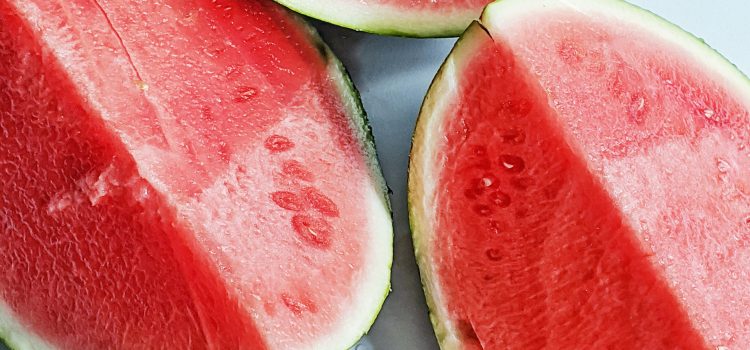
Watermelon is a low-calorie fruit that is high in water content, making it a great choice for hydration during the hot summer months. In fact, watermelon is made up of about 92% water, which makes it a great way to stay hydrated and cool down on a hot day.

But watermelon is not just a refreshing fruit. It’s also packed with nutrients that can benefit your health in a variety of ways. For example, watermelon is a great source of vitamin C, which is an antioxidant that can help protect your cells from damage caused by free radicals. Vitamin C is also important for immune function and can help your body absorb iron from plant-based foods.

Watermelon is also a good source of vitamin A, which is important for eye health and immune function. It’s also a good source of potassium, which is important for heart health and can help regulate blood pressure.

In addition to these vitamins and minerals, watermelon is also a good source of lycopene, which is a powerful antioxidant that can help protect your cells from damage. Lycopene has been linked to a reduced risk of heart disease, certain types of cancer, and other chronic diseases.

But the health benefits of watermelon don’t stop there. Watermelon is also a good source of citrulline, which is an amino acid that can help improve blood flow and reduce muscle soreness. Citrulline is converted into arginine in the body, which is important for the production of nitric oxide. Nitric oxide is a molecule that helps dilate blood vessels, which can improve blood flow and reduce the risk of heart disease.

Watermelon is also a great choice for weight management. It’s low in calories and high in water content, which can help you feel full and satisfied without consuming too many calories. In fact, one cup of diced watermelon contains only 46 calories, making it a great snack or addition to any meal.

But how can you incorporate watermelon into your diet? There are many ways to enjoy this delicious and nutritious fruit. You can simply slice it up and enjoy it as a snack, or you can add it to salads, smoothies, or even grilled dishes for a sweet and refreshing twist.

One popular way to enjoy watermelon is in a refreshing summer drink. Watermelon juice is easy to make and can be a great way to stay hydrated and cool down on a hot day. Simply blend fresh watermelon with a little bit of water and ice, and you have a delicious and nutritious drink that’s perfect for summer.

Another way to enjoy watermelon is in a salad. Combine diced watermelon with feta cheese, mint, and a drizzle of balsamic vinegar for a sweet and savory salad that’s perfect for a summer picnic or barbecue.

Watermelon can also be used in a variety of desserts. Try freezing watermelon cubes and blending them into a sorbet or smoothie for a healthy and refreshing treat.

In conclusion, watermelon is a sweet, hydrating, and nutritious fruit that is packed with vitamins, minerals, and antioxidants that can benefit your health in a variety of ways. It’s a great choice for hydration, weight management, and heart health, and can be enjoyed in a variety of ways. So next time you’re looking for a refreshing and healthy snack, reach for a juicy and nutritious watermelon.

Jamaican cuisine is known for its bold flavors and vibrant spices, but for vegan chefs like Taymer Mason, it’s also about compassion. Mason is on a mission to explore the transformative power of veganism in Jamaican cooking, and to show that plant-based eating can be both delicious and compassionate. In this article, we’ll take a closer look at Mason’s unique approach to Jamaican cuisine and how she’s using food to create positive change in the world.

Mason’s journey began in Barbados, where she grew up surrounded by the flavors and aromas of Caribbean cuisine. She learned to cook from her grandmother, and developed a deep appreciation for the rich culinary heritage of her homeland. But it wasn’t until she moved to Canada that she began to explore the possibilities of vegan cooking.

As a vegan chef, Mason is passionate about promoting plant-based eating and compassion. She believes that food can be a powerful tool for creating positive change in the world, and that by choosing plant-based options, we can reduce our carbon footprint and promote a more compassionate future.

But Mason’s approach to vegan cooking is not just about compassion. It’s also about flavor and creativity. She believes that vegan cooking can be just as delicious and satisfying as traditional meat-based dishes, and she’s on a mission to prove it.

One of Mason’s signature dishes is her vegan ackee and saltfish, which is made with ackee fruit instead of saltfish. Ackee is a fruit that is native to Jamaica and is often used in traditional Jamaican dishes. Mason’s vegan version of the dish is made with a blend of spices, including allspice, thyme, and scotch bonnet peppers, giving the dish the bold and spicy flavor that Jamaican cuisine is known for.

But Mason’s culinary journey is not just about creating delicious vegan dishes. It’s also about exploring the cultural and historical roots of Jamaican cuisine. She believes that food is a reflection of a culture’s history and traditions, and that by exploring the culinary heritage of Jamaica, she can better understand the country’s rich cultural history.

In addition to her work as a chef, Mason is also an author and activist. She has written several cookbooks, including “Caribbean Vegan” and “The Real Jerk,” which explore the possibilities of vegan cooking in Caribbean cuisine. She is also a vocal advocate for animal rights and environmental sustainability.

Mason’s work is part of a larger movement towards plant-based eating and compassion in the food industry. As more people become aware of the environmental and ethical implications of meat-based diets, chefs like Mason are leading the way in creating delicious and innovative plant-based dishes.

But Mason’s work is also a reflection of the changing cultural landscape of Jamaica. As the country becomes more diverse and globalized, chefs like Mason are exploring new ways to incorporate traditional Jamaican flavors and techniques into vegan dishes that are accessible to everyone.

In conclusion, Taymer Mason is a vegan chef, author, and activist who is exploring the transformative power of veganism in Jamaican cooking. Through her work as a chef and author, Mason is creating a unique and immersive culinary experience that is both delicious and compassionate. As the food industry continues to evolve, chefs like Mason are leading the way in creating a more sustainable and compassionate future for all.

If you’re a fan of churros, get ready to embark on a taste bud adventure at Mercado Little Spain. Tucked away in the vibrant heart of New York City, Mercado Little Spain is a bustling food hall that brings the vibrant flavors of Spain to life. Among its many enticing offerings, one treat stands out as a must-try: the churro-inspired cone. Combining the beloved flavors of churros with a unique presentation, this delightful creation is sure to satisfy your sweet tooth and leave you craving more.

As you approach the churro stand at Mercado Little Spain, the sweet aroma of freshly fried dough wafts through the air, immediately capturing your attention. The churro-inspired cone takes the classic churro to new heights by transforming it into an innovative cone shape. The dough is expertly piped into a spiral, creating a visually stunning cone that’s as much a work of art as it is a delectable treat.

But the adventure doesn’t stop there. The churro-inspired cone at Mercado Little Spain takes it up a notch by adding a range of exciting toppings and fillings. Imagine biting into a warm, crispy churro cone filled with luscious dulce de leche or rich chocolate ganache. Each bite is an explosion of flavors and textures, with the crunchy exterior giving way to a gooey, indulgent center. The combination of the cinnamon-infused churro and the decadent fillings is a match made in dessert heaven.

The churro-inspired cone at Mercado Little Spain is a testament to the culinary craftsmanship and creativity of the artisans behind it. Every element is meticulously crafted to deliver a sensational experience for your taste buds. From the perfectly fried and golden-brown churro cone to the rich and flavorful fillings, each component is carefully prepared to ensure a symphony of flavors in every bite.

One of the joys of the churro-inspired cone is its versatility. At Mercado Little Spain, you’ll find a variety of fillings and toppings to suit your preferences. Whether you’re a fan of classic flavors like vanilla and chocolate, or you prefer more adventurous options like salted caramel or fruity variations, there’s a churro-inspired cone to satisfy every craving. The combinations are endless, allowing you to tailor your dessert experience to your liking.

Beyond its delectable taste and stunning presentation, the churro-inspired cone embodies the spirit of indulgence and fun. It’s a treat that brings out the childlike joy in everyone, inviting you to relish in the sheer delight of savoring something whimsical and delicious. From the first bite to the last, you’ll find yourself transported to a place of pure bliss, where worries melt away and only the enjoyment of the moment matters.

Mercado Little Spain itself is a treasure trove of culinary delights. Created by renowned Spanish chefs José Andrés, Albert Adrià, and Ferran Adrià, the food hall showcases the diverse and vibrant flavors of Spain. From tapas to paella, from fresh seafood to traditional Spanish desserts, Mercado Little Spain offers a culinary journey that delights both locals and tourists alike.

So, if you’re looking to tempt your taste buds and treat yourself to a unique and indulgent dessert, head over to Mercado Little Spain and experience the churro-inspired cone. Let the warm, cinnamon-infused churro, combined with the delightful fillings and toppings, take you on a flavor adventure that will leave you craving more. It’s a dessert experience that promises to satisfy your sweet tooth and create lasting memories of the vibrant culinary scene at Mercado Little Spain.

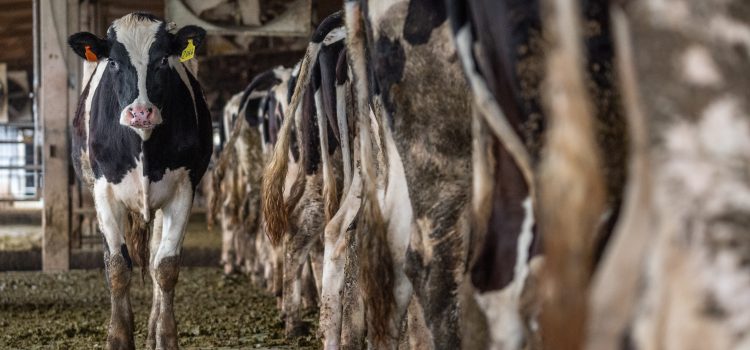
As the world grapples with the effects of climate change, it’s becoming increasingly clear that we need to take action to reduce our carbon footprint and mitigate the effects of global warming. One area where we can make a significant impact is in the dairy industry. Dairy cows are a major source of greenhouse gas emissions, but with the right management practices, they can also be a powerful tool for combating climate change. In this article, we’ll take a closer look at how dairy cows are becoming climate change allies.

First, let’s talk about the problem. Dairy cows are a major source of greenhouse gas emissions, primarily in the form of methane. Methane is a potent greenhouse gas that is 25 times more effective at trapping heat in the atmosphere than carbon dioxide. In fact, the dairy industry is responsible for around 4% of global greenhouse gas emissions.

So, what can we do to reduce the carbon footprint of the dairy industry? One solution is to focus on improving the efficiency of dairy production. This can be achieved through a variety of management practices, such as improving feed quality, reducing waste, and optimizing herd health.

One of the most effective ways to reduce the carbon footprint of dairy production is to focus on improving the diet of dairy cows. By providing cows with a diet that is high in fiber and low in starch, we can reduce the amount of methane that they produce. This is because fiber is more difficult for cows to digest, which means that it spends more time in their digestive system and produces less methane.

Another important factor to consider is the use of manure. Dairy cow manure is a significant source of greenhouse gas emissions, primarily in the form of methane and nitrous oxide. However, by properly managing manure, we can reduce these emissions and even use the manure as a source of renewable energy.

One way to manage manure is through the use of anaerobic digesters. Anaerobic digesters are systems that break down organic matter, such as manure, in the absence of oxygen. This process produces biogas, which can be used as a source of renewable energy. By using anaerobic digesters to manage manure, we can reduce greenhouse gas emissions and produce renewable energy at the same time.

In addition to improving the efficiency of dairy production, there are also a number of other strategies that can be used to promote sustainability in the dairy industry. For example, some dairy farmers are turning to regenerative agriculture practices, which focus on building healthy soil and promoting biodiversity. By using these practices, farmers can reduce their carbon footprint and improve the health of their land and animals.

Another strategy is to focus on reducing food waste. Food waste is a major contributor to greenhouse gas emissions, and the dairy industry is no exception. By reducing food waste and improving the efficiency of the supply chain, we can reduce the carbon footprint of dairy production and promote sustainability.

In addition to these strategies, there are also a number of technological innovations that are helping to reduce the carbon footprint of dairy production. For example, some farmers are using precision feeding systems that allow them to provide cows with the exact amount of feed that they need, reducing waste and improving efficiency. Other farmers are using methane capture systems that capture methane emissions from manure and convert them into renewable energy.

So, how are dairy cows becoming climate change allies? By implementing these management practices and technological innovations, dairy farmers are reducing the carbon footprint of their operations and promoting sustainability. In addition, some farmers are also using their land to sequester carbon through practices such as planting cover crops and reducing tillage.

In conclusion, dairy cows are becoming climate change allies through a variety of management practices and technological innovations. By improving the efficiency of dairy production, focusing on diet and manure management, and promoting sustainability through regenerative agriculture and food waste reduction, we can reduce the carbon footprint of the dairy industry and promote a more sustainable future. With the right management practices and technological innovations, dairy cows can be a powerful tool in the fight against climate change.