Introduction:

Meal planning can be a daunting task, especially for individuals with dietary restrictions. Finding suitable recipes that adhere to specific dietary needs and restrictions can be time-consuming and overwhelming. However, with the advent of advanced artificial intelligence, ChatGPT has emerged as a powerful tool to simplify meal planning for those with dietary restrictions. In this article, we will explore how ChatGPT supports individuals in mastering meal planning while accommodating their unique dietary needs.

Understanding Dietary Restrictions:

Dietary restrictions encompass a wide range of needs, including food allergies, intolerances, medical conditions, religious or cultural beliefs, and personal preferences. Each restriction requires careful consideration of ingredients, nutritional requirements, and suitable alternatives. ChatGPT serves as a valuable resource, leveraging its extensive knowledge and language processing capabilities to assist individuals in navigating their specific dietary restrictions.

Personalized Recipe Recommendations:

One of ChatGPT’s greatest strengths lies in providing personalized recipe recommendations tailored to individual dietary restrictions. By inputting specific dietary needs such as gluten-free, dairy-free, or vegan preferences, ChatGPT generates a diverse array of recipe ideas that align with these requirements. These personalized recommendations ensure that individuals have access to a variety of delicious and nutritious meal options, keeping them inspired and motivated on their culinary journey.

Ingredient Substitutions and Alternatives:

Finding appropriate ingredient substitutions is a common challenge for individuals with dietary restrictions. Whether it’s replacing dairy products, gluten-containing grains, or animal-based ingredients, ChatGPT can offer suggestions and alternatives that suit specific dietary needs. It helps individuals discover suitable substitutes like plant-based milk, gluten-free flours, or meat alternatives, empowering them to enjoy flavorful meals without compromising their dietary requirements.

Nutritional Analysis and Customization:

Maintaining a well-balanced and nutritious diet is crucial, regardless of dietary restrictions. ChatGPT offers nutritional analysis and customization features that enable individuals to assess the nutritional composition of their meals. By inputting recipes or specific ingredients, ChatGPT provides insights into the calorie content, macronutrient distribution, and key micronutrients. This information empowers individuals to make informed choices and ensure that their meals meet their nutritional needs.

Smart Shopping Lists and Meal Prep:

ChatGPT goes beyond recipe recommendations by assisting with smart shopping lists and meal prep. Once individuals have selected their recipes or identified their preferred ingredients, ChatGPT generates comprehensive shopping lists tailored to their dietary restrictions. This feature saves time and ensures that all necessary ingredients are readily available. Additionally, ChatGPT can provide meal prep tips and strategies, helping individuals plan and prepare their meals efficiently, especially for busy schedules.

Exploring New Flavors and Cuisines:

Having dietary restrictions should not limit culinary exploration and variety. ChatGPT can introduce individuals to new flavors and cuisines that align with their dietary needs. Whether they seek to incorporate more plant-based options, explore international dishes, or experiment with allergen-free recipes, ChatGPT offers inspiration and recommendations to expand their culinary horizons.

Continuous Learning and Improvement:

ChatGPT is a machine learning model that continuously learns and improves based on user interactions and feedback. As more individuals with dietary restrictions engage with ChatGPT, the system becomes increasingly adept at understanding and accommodating diverse needs. This ongoing learning process enhances the accuracy and relevance of its recommendations, ensuring an ever-improving meal planning experience for users.

Conclusion:

Mastering meal planning with dietary restrictions can be made easier with the support of ChatGPT. Through personalized recipe recommendations, ingredient substitutions, nutritional analysis, smart shopping lists, and culinary exploration, ChatGPT becomes a valuable tool for individuals navigating their unique dietary needs

Introduction:

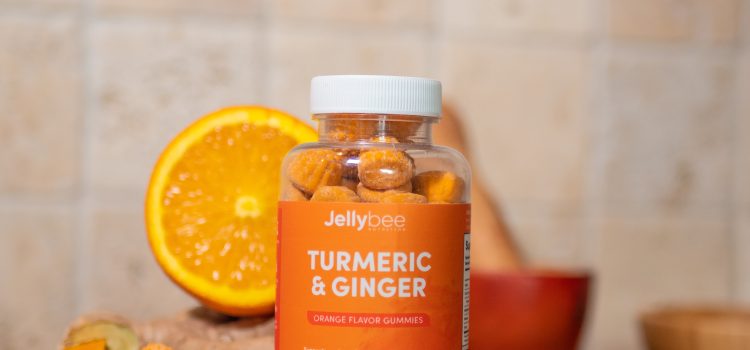
Turmeric, a golden spice renowned for its vibrant color and distinctive flavor, has garnered significant attention for its potential health benefits. With its active compound, curcumin, being studied for its anti-inflammatory and antioxidant properties, turmeric supplements have become increasingly popular. However, like any dietary supplement, it is important to understand the potential risks and benefits. In this article, we delve into the double-edged sword of turmeric supplements, navigating the complexities of their safety and health effects.

The Health Potential of Turmeric:

Turmeric, scientifically known as Curcuma longa, has a long history of use in traditional medicine systems. Curcumin, the primary active compound in turmeric, has been studied for its potential to support joint health, promote cardiovascular well-being, alleviate symptoms of inflammation, and even exhibit anticancer effects. These findings have sparked interest in turmeric supplements as a convenient way to harness the potential health benefits of curcumin.

Navigating Safety Concerns:

While turmeric supplements are generally regarded as safe when used as directed, it is essential to be aware of potential risks. Some individuals may experience mild gastrointestinal symptoms, such as stomach upset or diarrhea, particularly when consuming high doses of curcumin. Additionally, turmeric may interact with certain medications, such as blood thinners, affecting their efficacy. It is crucial to consult with a healthcare professional before starting turmeric supplements, especially if you have underlying health conditions or are taking medications.

Quality and Standardization:

Ensuring the quality and standardization of turmeric supplements is of paramount importance. Look for products from reputable manufacturers that adhere to good manufacturing practices (GMP) and undergo third-party testing. These measures ensure that the supplements contain the stated ingredients, are free from contaminants, and meet regulatory standards. Choosing high-quality supplements increases the likelihood of reaping the potential health benefits while minimizing potential risks.

Bioavailability and Absorption:

Curcumin has low bioavailability, meaning that the body has difficulty absorbing it efficiently. To enhance absorption, some turmeric supplements incorporate technologies or ingredients that improve curcumin’s bioavailability. For instance, piperine, a compound found in black pepper, has been shown to increase curcumin absorption. Other formulations may utilize nanotechnology or liposomal delivery systems to optimize curcumin’s bioavailability. These strategies aim to maximize the potential health effects of turmeric supplements.

Complementary Approach to Wellness:

While turmeric supplements may offer potential health benefits, they should not be viewed as a magical cure-all. A holistic approach to wellness, including a balanced diet rich in whole foods, regular exercise, stress management, and adequate sleep, remains crucial. Turmeric supplements should be seen as a complementary addition to a healthy lifestyle, rather than a substitute for it.

Research and Individual Variations:

It is important to note that the majority of research on turmeric’s health effects has focused on curcumin as a compound rather than specifically on turmeric supplements. Additionally, individual responses to supplements may vary due to genetic, lifestyle, and health factors. What works for one person may not have the same effect on another. It is advisable to stay informed about the latest scientific research and consult with a healthcare professional to determine the best approach for your specific needs.

Conclusion:

Turmeric supplements have gained popularity for their potential health benefits, largely attributed to the active compound curcumin. While research suggests that curcumin may offer various health advantages, navigating the safety and health effects of turmeric supplements requires caution and an informed approach. Prioritizing high-quality products, understanding potential risks and interactions, and adopting a holistic approach to wellness are essential.

Introduction:

In the world of online culinary content, the line between culinary exploration and ethical responsibility can sometimes become blurred. A recent incident involving a Chinese food vlogger has brought attention to the consequences of sharing controversial recipes. The vlogger’s video featuring a recipe using great white shark meat has ignited a wave of criticism and legal repercussions. This article delves into the incident, exploring the moral and legal dimensions surrounding the use of endangered species in culinary content creation.

The Great White Shark Meat Recipe:

The Chinese food vlogger, known for pushing boundaries and experimenting with unconventional ingredients, recently posted a video showcasing a recipe featuring great white shark meat. The video quickly went viral, but it also attracted significant backlash from viewers and animal rights activists concerned about the ethics and legality of using a protected species for culinary purposes.

Legal Protections for Endangered Species:

Great white sharks, like many other endangered species, are protected under international and national laws due to their vulnerable status. The Convention on International Trade in Endangered Species of Wild Fauna and Flora (CITES) is an international agreement that regulates the trade and protection of endangered species. China, as a signatory to CITES, enforces strict laws to safeguard endangered wildlife, including great white sharks.

Legal Repercussions:

Following the release of the controversial video, the Chinese authorities swiftly took action against the vlogger for violating wildlife protection laws. The vlogger faced fines and penalties for using great white shark meat without the necessary permits. This case highlights the significance of adhering to legal frameworks designed to protect endangered species and promote responsible culinary practices.

Ethical Considerations:

Beyond the legal implications, the use of great white shark meat raises profound ethical concerns. These majestic creatures play a crucial role in maintaining marine ecosystems, and their populations are already under significant threat due to factors such as overfishing and habitat destruction. Utilizing endangered species for culinary purposes not only contributes to the further depletion of these populations but also perpetuates unsustainable practices and undermines conservation efforts.

Promoting Responsible Culinary Practices:

The incident involving the Chinese food vlogger serves as a wake-up call to the culinary community, emphasizing the importance of promoting responsible and ethical cooking practices. Content creators, particularly those with large online followings, have the power to influence consumer behavior and shape culinary trends. By showcasing sustainable ingredients, supporting ethical sourcing, and advocating for responsible cooking practices, food vloggers can lead the way towards a more conscientious and sustainable culinary landscape.

Raising Awareness and Educating Viewers:

This incident presents an opportunity to engage in meaningful conversations about the environmental impact of culinary choices. Food vloggers can use their platforms to educate viewers about sustainable seafood options, responsible sourcing, and the preservation of endangered species. By fostering a dialogue around these topics and encouraging viewers to make informed decisions, content creators can contribute to a more sustainable and ethical food culture.

Collaborating with Conservation Organizations:

To further promote responsible culinary practices, food vloggers can collaborate with conservation organizations and environmental groups. These partnerships can provide valuable insights into sustainable sourcing, offer guidance on alternative ingredients, and help content creators understand the environmental implications of their recipes. By working together, vloggers and conservation organizations can raise awareness and empower individuals to make conscious choices.

Conclusion:

The legal and moral consequences faced by the Chinese food vlogger for sharing a recipe featuring great white shark meat underline the importance of considering the impact of culinary choices on endangered species and ecosystems. Content creators have a responsibility to advocate for sustainable and ethical practices, raising awareness among their viewers and fostering a culture of conscious consumption. By promoting responsible sourcing, engaging in dialogue, and collaborating with conservation organizations, food vloggers can contribute to a more compassionate and environmentally conscious.

Introduction:

In today’s fast-paced world, finding quality time for family meals can be challenging. However, recent research suggests that dedicating an extra 10 minutes to dinner can have a profound impact on children’s eating habits and overall health. In this article, we explore the power of extending dinner time and how it can promote healthier eating habits in kids.

The Significance of Family Meals:

Family meals provide a precious opportunity for connection, communication, and nourishment. They offer a time for parents and children to come together, share experiences, and foster healthy eating habits. Numerous studies have consistently highlighted the benefits of regular family meals, including improved dietary quality, enhanced emotional well-being, better academic performance, and a reduced risk of obesity and eating disorders.

Extending Dinner Time:

A recent study published in the Journal of Pediatrics delved into the effects of extending family dinner time on children’s food intake. The researchers discovered that by simply adding an extra 10 minutes to the duration of dinner, children exhibited increased consumption of fruits, vegetables, and whole grains. This small adjustment to mealtime had a notable positive impact on the nutritional quality of their overall diet.

During the extended dinner time, parents and children engaged in conversations, shared stories, and enjoyed each other’s company without rushing through the meal. This relaxed atmosphere provided an opportunity for parents to model healthy eating behaviors, introduce new foods, and encourage their children to make nutritious choices.

Promoting Healthy Food Choices:

The additional 10 minutes at the dinner table can be utilized to incorporate various strategies that promote healthier eating habits in children:

  1. Introduce a variety of foods: Use the extended dinner time to introduce new fruits, vegetables, whole grains, and other nutritious foods to your child. Encourage them to explore different flavors and textures, expanding their palate and increasing their exposure to a wide range of nutrients.
  2. Engage in meal planning: Involve your children in meal planning and preparation. Use this extra time to discuss and decide on the menu for the upcoming days, allowing them to contribute their ideas and preferences. By involving them in the process, you empower them to make informed food choices and develop a sense of ownership over their meals.
  3. Foster positive mealtime conversations: Encourage open and positive conversations during dinner. Create an environment where everyone feels comfortable sharing their day, thoughts, and experiences. This not only strengthens family bonds but also promotes a relaxed atmosphere that encourages mindful eating and appreciation of food.
  4. Practice mindful eating: Utilize the extended dinner time to teach children the importance of mindful eating. Encourage them to savor each bite, paying attention to flavors, textures, and sensations. Discuss the importance of listening to their bodies’ hunger and fullness cues, fostering a healthy relationship with food and preventing overeating.
  5. Role model healthy behaviors: As parents, it is essential to lead by example. Use the extended dinner time to demonstrate healthy eating habits. Show enthusiasm for nutritious foods, eat a variety of fruits and vegetables, and prioritize balanced meals. When children witness their parents enjoying healthy choices, they are more likely to follow suit.

Conclusion:

Investing an additional 10 minutes at the dinner table can yield significant benefits for children’s nutrition and overall well-being. By creating a relaxed environment, engaging in meaningful conversations, and promoting healthy food choices, parents can help shape their children’s eating habits and set them on a path towards a lifetime of good health. Let us embrace the power of extended dinner time as a simple yet effective solution for fostering healthier eating habits in our children, nurturing their physical and emotional well-being for years to come.

Cancer is a devastating disease that affects millions of people around the world. While there are many factors that can contribute to the development of cancer, recent studies have shown a link between ultra-processed foods and an increased risk of ovarian cancer and other malignancies.

Ultra-processed foods are defined as foods that are heavily processed and contain a high amount of additives, preservatives, and artificial ingredients. These foods are often high in calories, sugar, and unhealthy fats, and are typically low in essential nutrients such as fiber, vitamins, and minerals.

A recent study published in the journal BMJ found that women who consumed a diet high in ultra-processed foods had a significantly higher risk of ovarian cancer. The study analyzed data from over 80,000 women over the course of 15 years, and found that those who consumed the most ultra-processed foods had a 30% higher risk of ovarian cancer compared to those who consumed the least.

The study also found that the risk of other malignancies, such as breast cancer and colorectal cancer, increased with the amount of ultra-processed foods consumed. People who consumed more than four servings of ultra-processed foods per day had a 50% higher risk of other malignancies compared to those who consumed less than two servings per day.

The link between ultra-processed foods and cancer risk is thought to be due to the high levels of additives and preservatives found in these foods. These chemicals have been shown to disrupt hormone levels and increase inflammation in the body, which can contribute to the development of cancer.

In addition to cancer, ultra-processed foods have also been linked to an increased risk of other health problems, such as obesity, heart disease, and diabetes. These foods are often high in calories and low in nutrients, which can lead to weight gain and other health problems.

Despite the growing evidence of the dangers of ultra-processed foods, they continue to be a popular choice for many people. These foods are often marketed as convenient and affordable, and are widely available in supermarkets and fast food restaurants.

However, there are many healthier alternatives to ultra-processed foods that are just as convenient and affordable. Whole foods such as fruits, vegetables, whole grains, legumes, nuts, and seeds are rich in essential nutrients and are free from the harmful additives and preservatives found in ultra-processed foods.

Making small changes to your diet can have a big impact on your health. By reducing your consumption of ultra-processed foods and increasing your intake of whole foods, you can lower your risk of ovarian cancer and other malignancies, as well as other health problems.

In addition to making dietary changes, it is also important to lead a healthy lifestyle overall. Regular exercise, stress management, and getting enough sleep are all important factors in maintaining good health and reducing the risk of cancer and other diseases.

The food industry also has a role to play in reducing the prevalence of ultra-processed foods. By reducing the amount of additives and preservatives in their products, and by promoting healthier options, food companies can help to improve the health of their customers.

In conclusion, the link between ultra-processed foods and ovarian cancer and other malignancies is a concerning issue that highlights the need for greater awareness of the dangers of these popular food products. By making small changes to our diets and lifestyles, we can reduce our risk of cancer and other health problems, and lead healthier, happier lives. The food industry also has a responsibility to promote healthier options and reduce the prevalence of ultra-processed foods, in order to improve the health of their customers and the wider population.

Arlington, Virginia is a melting pot of cultures and cuisines, and one of the most exciting culinary experiences in the area is the King of Kochari. This family-owned restaurant offers a unique and authentic taste of Egyptian cuisine, showcasing the rich and diverse flavors of this ancient culinary tradition.

Egyptian cuisine is a fusion of flavors and influences from the Mediterranean, Middle East, and Africa. It is known for its bold and aromatic spices, fresh herbs, and hearty stews and soups. The King of Kochari captures the essence of Egyptian cuisine with its flavorful and authentic dishes.

One of the standout dishes at the King of Kochari is, of course, the kochari. This traditional Egyptian dish consists of rice, lentils, and macaroni, topped with a tomato sauce and crispy fried onions. It is a staple of Egyptian cuisine, and the King of Kochari has perfected the recipe, earning its title as the best kochari in Arlington.

But the King of Kochari is more than just a one-dish wonder. The menu is full of delicious and authentic Egyptian dishes, from savory appetizers to sweet desserts. One standout dish is the koshari platter, which includes the signature kochari dish, as well as falafel, salad, and a side of spicy sauce.

Another must-try dish is the molokhia, a traditional Egyptian soup made with jute leaves and served with rice. It is a comforting and flavorful dish that is sure to warm you up on a chilly day.

For those with a sweet tooth, the King of Kochari offers a range of delicious desserts, including baklava, basbousa, and konafa. Baklava is a sweet pastry made with layers of phyllo dough and honey, while basbousa is a semolina cake soaked in syrup. Konafa is a pastry made with shredded phyllo dough and filled with sweet cheese or nuts.

But what sets the King of Kochari apart from other Egyptian restaurants is its commitment to using fresh and high-quality ingredients. The restaurant sources its ingredients locally whenever possible, and the dishes are made from scratch daily.

The King of Kochari is also committed to providing a welcoming and friendly atmosphere for its customers. The staff is knowledgeable about the menu and happy to make recommendations, and the restaurant is decorated with traditional Egyptian artwork and decor, creating a cozy and inviting ambiance.

Egyptian cuisine has a rich history that dates back thousands of years. It has been influenced by various cultures and civilizations, including the Greeks, Romans, and Ottomans. The cuisine is known for its use of spices, herbs, and fresh ingredients, which are combined to create bold and flavorful dishes.

One of the most popular dishes in Egyptian cuisine is the ful medames, a dish made with fava beans, garlic, and lemon juice. It is often served for breakfast and is a staple of Egyptian cuisine.

Another popular dish is the kofta, which is a type of meatball made with ground beef or lamb and a variety of spices. It is often served with rice or pita bread and is a favorite among meat lovers.

Egyptian cuisine also includes a variety of appetizers, such as falafel, hummus, and baba ghanoush. These dishes are often served with pita bread and are perfect for sharing with friends and family.

For those with a sweet tooth, Egyptian cuisine offers a range of delicious desserts, including umm ali, a sweet pastry made with phyllo dough, milk, and nuts, and qatayef, a sweet pastry filled with cream or nuts and soaked in syrup.

Overall, the King of Kochari is a must-visit for anyone looking to experience Egyptian culinary excellence. With its delicious and authentic dishes, commitment to using fresh and high-quality ingredients, and welcoming atmosphere, it is a hidden gem of Arlington, Virginia. So why not stop by and savor the majesty of Egyptian cuisine at the King of Kochari? Your taste buds will thank you.

The food we eat has a significant impact on our health, and a recent study has highlighted the potential of plant-based foods in reducing the risk of prostate cancer progression.

Prostate cancer is one of the most common types of cancer in men, and it can be a devastating diagnosis. However, the study, which was published in the journal Cancer Prevention Research, found that men who followed a plant-based diet had a lower risk of prostate cancer progression than those who did not.

One of the reasons why plant-based foods may be beneficial in fighting prostate cancer is because they are rich in phytochemicals. Phytochemicals are compounds that are found in plants, and they have been shown to have anti-cancer properties. Some of the most well-known phytochemicals include lycopene, found in tomatoes, and resveratrol, found in grapes.

Additionally, plant-based foods are often high in fiber, which can help to regulate hormones that are linked to prostate cancer. Fiber can also help to promote healthy gut bacteria, which can have a positive impact on overall health.

The study also found that men who followed a plant-based diet had lower levels of inflammation in their bodies. Inflammation is a natural response to injury or infection, but chronic inflammation can lead to a range of health problems, including cancer. By reducing inflammation in the body, plant-based foods may help to prevent the progression of prostate cancer.

While the study focused specifically on prostate cancer, the benefits of a plant-based diet are not limited to this type of cancer. Plant-based foods have been shown to have a range of health benefits, including reducing the risk of heart disease, stroke, and other types of cancer.

So what can we do to incorporate more plant-based foods into our diet? One of the easiest ways is to focus on eating a variety of fruits and vegetables. Aim for at least five servings of fruits and vegetables per day, and try to include a variety of colors and types.

Additionally, we can focus on incorporating more whole grains, legumes, and nuts into our diet. These foods are all rich in fiber and phytochemicals, and they can help to promote overall health.

Finally, we can focus on reducing our intake of animal products. While some animal products, like lean meats and fish, can be part of a healthy diet, excessive consumption of animal products has been linked to a range of health problems. By reducing our intake of animal products and focusing on plant-based foods, we can improve our overall health and reduce our risk of chronic diseases like cancer.

In conclusion, the recent study highlights the potential of plant-based foods in reducing the risk of prostate cancer progression. By incorporating more plant-based foods into our diet, we can improve our overall health and reduce our risk of chronic diseases. So why not try incorporating more fruits, vegetables, whole grains, legumes, and nuts into your diet today? Your body will thank you.

The food industry is constantly evolving, and with it, the way we think about food and nutrition. One of the most significant changes in recent years has been the rise of artificial sweeteners. These fake sugars are often marketed as a healthier alternative to traditional sugar, but there is growing concern about their impact on metabolic health.

Artificial sweeteners are synthetic compounds that are designed to mimic the taste of sugar without the calories. They are often used in diet sodas, low-calorie snacks, and other processed foods. Some of the most common artificial sweeteners include aspartame, saccharin, and sucralose.

While artificial sweeteners may seem like a good alternative to sugar, there is growing evidence that they may have negative effects on metabolic health. Studies have shown that consuming artificial sweeteners can lead to an increase in appetite, which can lead to overeating and weight gain. Additionally, some studies have linked artificial sweeteners to an increased risk of type 2 diabetes, metabolic syndrome, and other health problems.

One of the reasons why artificial sweeteners may be harmful to metabolic health is because they disrupt the balance of gut bacteria. Our gut microbiome plays a crucial role in regulating metabolism, and when this balance is disrupted, it can lead to a range of health problems. Some studies have shown that artificial sweeteners can alter the composition of gut bacteria, leading to an increase in harmful bacteria and a decrease in beneficial bacteria.

Another reason why artificial sweeteners may be harmful to metabolic health is because they can lead to insulin resistance. Insulin resistance is a condition in which the body’s cells become less responsive to insulin, which can lead to high blood sugar levels and an increased risk of type 2 diabetes. Some studies have shown that consuming artificial sweeteners can lead to an increase in insulin resistance, which can have negative effects on metabolic health.

Despite these concerns, artificial sweeteners continue to be widely used in the food industry. They are often marketed as a healthier alternative to sugar, and many people believe that they can help them lose weight and improve their health. However, the evidence suggests that artificial sweeteners may not be as beneficial as we once thought.

So what can we do to protect our metabolic health? One of the best things we can do is to reduce our consumption of processed foods and focus on eating whole, nutrient-dense foods. This means avoiding foods that are high in added sugars, artificial sweeteners, and other harmful additives.

Additionally, we can focus on incorporating more fiber-rich foods into our diet. Fiber is an important nutrient that helps to regulate metabolism and promote healthy gut bacteria. Foods like fruits, vegetables, whole grains, and legumes are all great sources of fiber.

Finally, we can focus on reducing our overall sugar intake. While artificial sweeteners may seem like a good alternative to sugar, the evidence suggests that they may be just as harmful to metabolic health. Instead, we can focus on using natural sweeteners like honey, maple syrup, and stevia in moderation.

In conclusion, the rise of artificial sweeteners has raised concerns about their impact on metabolic health. While they may seem like a good alternative to sugar, the evidence suggests that they may have negative effects on appetite, gut bacteria, insulin resistance, and other aspects of metabolic health. By focusing on whole, nutrient-dense foods and reducing our overall sugar intake, we can protect our metabolic health and promote overall wellness.

Soda bread is a beloved staple in many households, and for good reason. It is a quick and easy bread to make, and it can be customized to suit a variety of tastes. One of the most delicious and popular variations of soda bread is currant and caraway soda bread. In this article, we will explore the history and culinary significance of this delicious bread and how it has become a perfect match for tea and savory fare.

Currants are small, dried grapes that are often used in baking. They add a sweet and tangy flavor to soda bread and pair well with caraway seeds. Caraway seeds are a spice that is commonly used in European cuisine. They have a slightly sweet and nutty flavor and are often used in breads, stews, and sauerkraut. Caraway seeds add a savory flavor to soda bread and pair well with currants.

The history of soda bread can be traced back to Ireland in the 1800s. At that time, many people did not have access to ovens, so they would cook their bread on a griddle over an open fire. The bread was made with simple ingredients like flour, baking soda, salt, and buttermilk. Over time, variations of soda bread were developed, including currant and caraway soda bread.

Today, currant and caraway soda bread is a popular bread that is enjoyed all over the world. It is often served with butter and jam for breakfast or as an accompaniment to soups and stews. It is also a popular bread to serve with tea, as the sweet and savory flavors pair perfectly with a hot cup of tea.

One of the reasons why currant and caraway soda bread is such a popular bread is because it is easy to make. Unlike traditional bread, which requires kneading and rising, soda bread can be made in under an hour and requires minimal kneading. This makes it a great option for busy home cooks who want to make fresh bread without spending hours in the kitchen.

To make currant and caraway soda bread, you will need the following ingredients:

– 3 cups of all-purpose flour
– 1 teaspoon of baking soda
– 1 teaspoon of salt
– 1 tablespoon of caraway seeds
– 1 cup of currants
– 1 1/2 cups of buttermilk

To begin, preheat your oven to 425 degrees Fahrenheit. In a large mixing bowl, combine the flour, baking soda, salt, caraway seeds, and currants. Mix well to ensure that the ingredients are evenly distributed.

Next, add the buttermilk to the dry ingredients and mix until a dough forms. The dough will be sticky, so be sure to flour your hands before handling it.

Transfer the dough to a floured surface and knead it gently for a few minutes. Shape the dough into a round loaf and place it on a baking sheet lined with parchment paper.

Using a sharp knife, make a cross on the top of the loaf. This will help the bread to rise evenly in the oven.

Bake the bread for 30-35 minutes, or until it is golden brown and sounds hollow when tapped on the bottom. Allow the bread to cool for a few minutes before slicing and serving.

Currant and caraway soda bread is a versatile bread that can be enjoyed in a variety of ways. It is perfect for tea time, as the sweet and savory flavors pair perfectly with a hot cup of tea. It is also a great accompaniment to soups and stews, as the bread can be used to soak up the flavorful broth.

In addition to being delicious, currant and caraway soda bread also has some health benefits. Currants are a good source of fiber, vitamins, and minerals, and are low in calories. Caraway seeds are also a good source of fiber, vitamins, and minerals, and are low in calories. By incorporating these ingredients into your diet, you can enjoy a delicious bread while also getting some important nutrients.

In conclusion, currant and caraway soda bread is a delicious and easy-to-make bread that has been enjoyed for centuries. Its sweet and savory flavors make it a perfect match for tea and savory fare, and its versatility makes it a great bread to serve with a variety of dishes. So why not try making your own currant and caraway soda bread today? Your taste buds will thank you!

In recent years, a new trend has emerged that aims to help people get a better night’s sleep: consuming cereal and “sleep” snacks before bed.

These products are marketed as containing ingredients that promote relaxation and sleep, such as melatonin, chamomile, and valerian root. But what is the science behind these ingredients, and do they really help to improve sleep?

Melatonin is a hormone that is naturally produced by the body to regulate sleep. It helps to signal to the body that it is time to sleep, and can help to regulate the sleep-wake cycle. Some studies have suggested that consuming melatonin supplements can help to improve sleep quality and duration, particularly in individuals with sleep disorders such as insomnia.

Chamomile is an herb that has been used for centuries as a natural remedy for anxiety and stress. It contains compounds that have been shown to have a calming effect on the body, and may help to promote relaxation and reduce feelings of stress and anxiety. Some studies have suggested that consuming chamomile tea before bed can help to improve sleep quality and duration.

Valerian root is another herb that has been used for centuries as a natural remedy for sleep issues. It contains compounds that have been shown to have a sedative effect on the body, and may help to promote relaxation and improve sleep quality. Some studies have suggested that consuming valerian root supplements can help to improve sleep quality and duration.

While these ingredients have been shown to have sleep-promoting properties, it is important to note that not all products that contain these ingredients are created equal. Some products may contain high levels of added sugars or other unhealthy ingredients, which can negate some of the health benefits of these products. It is important to read the ingredient list carefully and choose products that are low in added sugars and other unhealthy ingredients.

It is also important to note that while consuming cereal and “sleep” snacks before bed can be a helpful tool for improving sleep, they should not be relied upon as the sole solution for sleep issues. It is important to practice good sleep hygiene, such as establishing a regular sleep schedule, avoiding caffeine and alcohol before bed, and creating a relaxing sleep environment.

In addition to consuming cereal and “sleep” snacks before bed, there are other lifestyle changes that can help to improve sleep. For example, regular exercise can help to improve sleep quality and duration, as can practicing relaxation techniques such as meditation or deep breathing exercises.

It is also important to address any underlying medical issues that may be contributing to sleep issues. For example, sleep apnea, a condition in which breathing is interrupted during sleep, can cause poor sleep quality and duration. Treating sleep apnea can help to improve sleep quality and overall health.

In conclusion, consuming cereal and “sleep” snacks before bed can be a helpful tool for improving sleep, particularly for individuals with sleep issues such as insomnia. These products contain ingredients such as melatonin, chamomile, and valerian root, which have been shown to have sleep-promoting properties. However, it is important to choose products that are low in added sugars and other unhealthy ingredients, and to practice good sleep hygiene. As with any dietary or lifestyle change, it is important to consult with a healthcare professional before making significant changes to your routine.