Breakfast is often referred to as the most important meal of the day, and for good reason. A well-balanced breakfast provides the necessary fuel to kick-start our metabolism, improve cognitive function, and maintain optimal energy levels throughout the day. However, not all breakfasts are created equal when it comes to nutrition. To truly unlock the secrets of the healthiest breakfast, we need to focus on three key components that make it a nutrition powerhouse.

  1. Protein-Packed Start:

Protein is an essential nutrient that plays a crucial role in building and repairing tissues, supporting a healthy immune system, and promoting satiety. Including a good source of protein in your breakfast is essential for maintaining balanced blood sugar levels and preventing mid-morning energy crashes.

One excellent protein option for breakfast is eggs. Packed with high-quality protein, essential amino acids, and vital nutrients like vitamin B12 and choline, eggs provide a complete nutritional profile. A study published in the International Journal of Obesity found that people who consumed eggs for breakfast experienced increased feelings of fullness and reduced calorie intake throughout the day, leading to better weight management.

Other protein-rich options include Greek yogurt, cottage cheese, nut butter, or a variety of plant-based proteins such as tofu, tempeh, or chickpeas. These options not only provide protein but also offer a range of essential nutrients, including calcium, healthy fats, and fiber.

  1. Wholesome Carbohydrates:

Carbohydrates are the primary source of energy for our body and brain. However, not all carbohydrates are created equal. Choosing wholesome, complex carbohydrates over refined and processed options is crucial for a nutritious breakfast.

Whole grains such as oats, quinoa, or whole wheat bread are excellent choices. They are packed with fiber, which aids digestion, helps regulate blood sugar levels, and promotes a feeling of fullness. Additionally, these grains provide important nutrients like vitamins, minerals, and antioxidants.

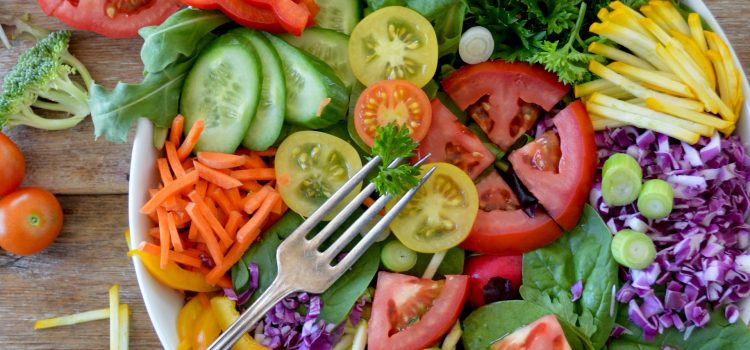
Incorporating fruits and vegetables into your breakfast further enhances its nutritional value. Fruits offer natural sweetness and provide essential vitamins, minerals, and antioxidants. Adding sliced berries to your oatmeal or a side of fresh fruit to your plate can elevate the nutrient content while making your breakfast more delicious.

  1. Healthy Fats:

Including healthy fats in your breakfast is crucial for overall well-being. Healthy fats provide essential fatty acids that support brain health, protect organs, and aid in nutrient absorption. They also contribute to a feeling of satiety and help stabilize blood sugar levels.

Avocados are an excellent source of healthy fats. Their creamy texture and mild flavor make them a versatile addition to breakfast. Spread avocado on whole-grain toast or incorporate it into a smoothie to add richness and nutritional value.

Nuts and seeds, such as almonds, walnuts, chia seeds, or flaxseeds, are other excellent sources of healthy fats. Sprinkle them on your yogurt, oatmeal, or blend them into a smoothie for an added nutritional boost.

Conclusion:

Building a breakfast with these three key components – protein, wholesome carbohydrates, and healthy fats – is a surefire way to unlock the secrets of a nutrition powerhouse. A protein-packed start, including sources like eggs or Greek yogurt, provides essential amino acids and helps maintain satiety. Incorporating wholesome carbohydrates such as whole grains, fruits, and vegetables provides energy, fiber, and essential nutrients. Finally, adding healthy fats from sources like avocados, nuts, and seeds enhances nutrient absorption and supports overall well-being.

By consciously choosing nutrient-dense options for breakfast, we can set ourselves up for a productive day filled with sustained energy and optimal health. So, tomorrow morning, make sure to create a breakfast that nourishes your body and mind, and experience the benefits of unlocking the secrets of the healthiest breakfast.


Water, the essence of life, has long reigned as the go-to beverage for hydration. However, in recent years, its dominance has faced challenges as alternative hydration options flood the market. From sports drinks and flavored waters to energy beverages and infused concoctions, the landscape of hydration is rapidly evolving. In this article, we explore the changing preferences in hydration and the potential consequences of straying from water’s timeless reign.

The Popularity of Alternative Hydration Beverages:

In today’s fast-paced world, consumers seek hydration options that offer more than just replenishing fluids. Sports drinks, for example, provide electrolytes and carbohydrates to support athletes’ performance and recovery. Flavored waters, infused with fruits and herbs, offer a refreshing twist and a burst of natural flavors. Energy beverages promise a boost of stamina and focus, catering to those seeking a quick pick-me-up. With such a diverse range of options, water is facing tough competition for the top spot in the hydration hierarchy.

The Rise of Functional Beverages:

Beyond hydration, consumers are increasingly seeking functional benefits from their beverages. This shift has led to the rise of functional beverages that target specific needs, such as enhanced focus, relaxation, or immune support. These beverages often incorporate ingredients like adaptogens, vitamins, and botanical extracts. While they may offer added benefits, the question arises: do they truly replace the simplicity and purity of water?

Environmental Concerns:

As the demand for alternative hydration beverages grows, so do concerns about their environmental impact. Single-use plastic bottles and excessive packaging contribute to pollution and waste. In contrast, water, as a readily available resource, can be consumed without adding to the plastic crisis. Choosing water over alternative beverages not only promotes personal health but also contributes to a more sustainable future.

Health Implications:

While alternative hydration beverages may offer enticing flavors and functional benefits, their impact on health should be carefully considered. Many of these beverages contain added sugars, artificial sweeteners, and high levels of caffeine, which can have adverse effects on the body. Water, on the other hand, remains the natural and calorie-free option that supports optimal hydration without any negative health implications.

The Importance of Mindful Hydration:

Amidst the evolving landscape of hydration, it is crucial to adopt a mindful approach. Understanding the body’s hydration needs and making informed choices is key. While alternative beverages can be enjoyed occasionally, they should not replace water as the primary source of hydration. Opting for water ensures a pure, reliable, and essential source of refreshment.

Reigniting the Love for Water:

To reignite the love for water, we must celebrate its simplicity and timeless benefits. Promoting the accessibility and importance of clean, filtered tap water can help shift the focus back to this fundamental beverage. Encouraging individuals to carry reusable water bottles and utilize water refill stations can reduce the reliance on single-use plastic bottles and promote sustainable hydration habits.

Conclusion:

As the beverage industry continues to innovate, the reign of water as the ultimate hydration choice is facing challenges. Alternative beverages offer variety, flavors, and functional benefits, but they also come with environmental and health concerns. While it is essential to embrace diversity and personal preferences, water’s simplicity and purity should not be overlooked. By making mindful choices and prioritizing the value of water, we can strike a balance between enjoying alternative beverages and recognizing the timeless importance of water in our hydration routine.

Vegetarianism has become more than just a dietary choice; it’s a way of life for many individuals seeking a healthier and more sustainable approach to eating. While vegetarian options can now be found in most restaurants, there are destinations around the world that go above and beyond to create inclusive dining experiences where vegetarians are not only accommodated but warmly embraced.

These destinations understand the importance of catering to the needs and desires of vegetarian diners. They recognize that vegetarianism is not a passing trend but a significant lifestyle choice for many people, driven by concerns for animal welfare, personal health, and environmental sustainability. In response, they have curated menus and dining experiences that celebrate plant-based cuisine and offer a diverse range of delicious fare.

Inclusive dining destinations prioritize creating a welcoming and inclusive atmosphere for all guests, regardless of their dietary preferences. They understand that a dining experience should be about more than just the food on the plate; it should be a celebration of flavors, cultures, and connections. These destinations take pride in offering a dining experience that brings people together, transcending dietary differences and fostering a sense of unity and enjoyment.

One of the hallmarks of inclusive dining destinations is their commitment to creativity and innovation in vegetarian cuisine. Chefs in these establishments embrace the challenge of crafting plant-based dishes that not only satisfy vegetarians but also captivate the taste buds of all diners. From gourmet plant-based burgers to exquisite vegan tasting menus, the culinary offerings are a testament to the ingenuity and skill of these talented chefs.

Moreover, inclusive dining destinations recognize that vegetarianism is not a one-size-fits-all concept. They understand that within the vegetarian community, there are individuals with varying dietary needs and preferences. As such, they strive to offer a wide array of options, including vegan, gluten-free, and allergen-friendly choices. This commitment to inclusivity ensures that all guests can enjoy a memorable dining experience without compromising their dietary requirements.

In addition to the diverse menu options, these destinations also pay attention to the sourcing of their ingredients. Many of them prioritize using locally sourced, organic, and sustainable ingredients whenever possible. This not only enhances the quality and freshness of the dishes but also supports local farmers and reduces the carbon footprint associated with food production and transportation.

What sets inclusive dining destinations apart is their dedication to providing exceptional service and hospitality. They understand that a truly memorable dining experience is about more than just the food; it’s about the ambiance, the attentiveness of the staff, and the overall feeling of being welcomed and valued as a guest. Servers are knowledgeable about vegetarian cuisine and can provide recommendations and guidance to ensure a satisfying dining experience.

These destinations also recognize the importance of education and awareness. They go beyond simply serving vegetarian dishes and take the initiative to educate their staff and customers about the benefits of vegetarianism. Through workshops, cooking classes, and informational materials, they aim to inspire and empower individuals to make more conscious and sustainable food choices.

Inclusive dining destinations are not limited to specific geographic locations. They can be found in cosmopolitan cities, beachside resorts, and even in remote corners of the world. From bustling metropolises like New York and London to tranquil retreats in Bali and Costa Rica, these destinations are paving the way for a more inclusive and compassionate approach to dining.

In conclusion, inclusive dining destinations are beacons of hope for vegetarians seeking delicious, diverse, and inclusive dining experiences. They offer a haven where vegetarians can enjoy a wide range of delectable plant-based dishes, surrounded by a warm and welcoming atmosphere. By prioritizing creativity, sustainability, inclusivity, and exceptional service, these destinations are leading the way in redefining the concept of dining and creating a space where all guests can feel embraced and satisfied, regardless of their dietary preferences.

Walking into a bustling cocktail bar, the air filled with lively chatter and the clinking of glasses, you’re faced with a seemingly infinite array of drink options. The menu is a labyrinth of intriguing names and exotic ingredients, leaving you wondering how to navigate this tantalizing world of mixology. Fear not, for we are here to unveil the ultimate secret to ordering the perfect drink and elevate your status to that of a true cocktail connoisseur.

The key to ordering the perfect drink lies in understanding the balance of flavors and the art of mixology. A well-crafted cocktail is a harmonious blend of sweet, sour, bitter, and aromatic components. Before placing your order, take a moment to consider the flavor profile you’re seeking. Are you in the mood for something refreshing and citrusy, or perhaps something more complex and bold? By identifying your desired flavor profile, you can narrow down your options and make a more informed choice.

Once you have an idea of the flavors you crave, it’s time to decode the menu. A skilled mixologist carefully curates the menu, ensuring a balance of classic cocktails and innovative creations. Each drink is a masterpiece in itself, with its own story and unique combination of ingredients. Take your time to read the descriptions, paying attention to the spirits used, the presence of fresh fruits or herbs, and any house-made syrups or infusions. This exploration will help you discover new and exciting flavor combinations that align with your preferences.

One of the secrets to ordering the perfect drink is understanding the techniques used in mixology. Different techniques, such as shaking, stirring, muddling, or building directly in the glass, impart distinct characteristics to the final drink. For example, shaking a cocktail with ice creates aeration and dilution, resulting in a chilled and well-mixed beverage. On the other hand, stirring gently preserves the integrity of the ingredients while adding a silky texture. Pay attention to the techniques mentioned in the menu and consider how they may affect the overall experience of the drink.

Another important aspect of cocktail ordering is engaging with the bartender. The bartender is not just a drink mixer; they are artists and storytellers, passionate about their craft. Strike up a conversation, express your preferences, and seek their guidance. A knowledgeable bartender can recommend hidden gems, offer insights into flavor profiles, and even create a customized cocktail based on your preferences. Building a relationship with the bartender can transform your cocktail experience, leading to personalized and unforgettable drinks.

When ordering a cocktail, don’t forget the power of presentation. Aesthetics play a significant role in the overall enjoyment of a drink. Bartenders often garnish their creations with flair, using fresh fruits, herbs, or creative garnish designs to enhance the visual appeal. The garnish not only adds a touch of elegance but can also provide aromatic notes that elevate the drinking experience. Take note of the garnishes used in the cocktails you enjoy and be open to the delightful surprises they bring.

Lastly, embrace the spirit of adventure and experimentation. The world of mixology is constantly evolving, with new techniques, ingredients, and flavor combinations emerging all the time. Don’t be afraid to step outside your comfort zone and try something new. Trust the bartender’s expertise and be open to their suggestions. By embracing the unknown, you may discover a new favorite cocktail or a flavor combination that ignites your taste buds.

In conclusion, ordering the perfect cocktail is an art that involves understanding flavor profiles, decoding the menu, engaging with the bartender, appreciating mixology techniques, and embracing the aesthetics of presentation. By applying these principles, you can elevate your cocktail experience and become a true connoisseur of the craft. So, the next time you find yourself at a cocktail bar, armed with this knowledge, take a deep breath, peruse the menu with confidence, and enjoy the journey of discovering the perfect drink. Cheers to your newfound expertise in the world of mixology!

When it comes to creating a delicious and satisfying salad, the combination of chicken and olives can transform a simple bowl of greens into a symphony of flavors. The succulent chicken, paired with the briny and tangy olives, creates a delightful harmony that tantalizes the taste buds and leaves you craving for more. Let’s dive into the world of chicken and olives and explore how this dynamic duo can elevate your salad game.

The key to a successful chicken and olive salad lies in the quality and preparation of the ingredients. Start by selecting tender and juicy chicken breasts or thighs. For maximum flavor, marinate the chicken in a blend of olive oil, lemon juice, garlic, and a medley of herbs and spices. This allows the chicken to absorb the vibrant flavors and ensures that each bite is packed with mouthwatering goodness.

While the chicken marinates, turn your attention to the olives. There are various types of olives to choose from, each with its unique flavor profile. Kalamata olives offer a rich and robust taste, while green or black olives add a briny and tangy note. Experiment with different varieties or use a combination to create a symphony of flavors. Make sure to pit the olives if necessary and give them a quick rinse to remove excess salt.

To assemble your salad, start with a bed of fresh and crisp greens. Choose your favorite lettuce variety, such as romaine, arugula, or spinach. These greens provide a refreshing and nutritious base for the other ingredients. Add a variety of colorful vegetables like cherry tomatoes, cucumbers, and bell peppers to create a visually appealing salad that bursts with freshness.

Now, it’s time to bring the star players to the stage. Grill or cook the marinated chicken until it’s cooked through and has a beautiful golden brown color. Allow the chicken to rest for a few minutes before slicing it into thin strips. The tender and flavorful chicken becomes the focal point of your salad, adding substance and protein to every bite.

Next, scatter the olives throughout the salad. Their briny and tangy flavor complements the chicken and adds a delightful contrast. Consider using both whole and sliced olives for textural variety. Additionally, you can add other ingredients to enhance the salad’s flavor profile. Crumbled feta cheese, roasted red peppers, or thinly sliced red onions can further elevate the taste and create a harmonious balance of flavors.

To bring all the elements together, dress your salad with a flavorful vinaigrette. A simple dressing made with extra virgin olive oil, lemon juice, Dijon mustard, and a touch of honey can enhance the flavors and tie everything together. Drizzle the dressing over the salad and toss gently to ensure every leaf is coated.

With each forkful, you’ll experience the symphony of flavors that chicken and olives create. The succulent chicken offers a savory and juicy bite, while the olives provide bursts of briny and tangy goodness. The crisp greens and vibrant vegetables add freshness and texture to the ensemble. Each ingredient complements the others, resulting in a salad that is greater than the sum of its parts.

In addition to being delicious, a chicken and olive salad offers a balanced and nutritious meal. Chicken is a lean source of protein, while olives provide healthy fats and antioxidants. The greens and vegetables offer a range of vitamins and minerals, making this salad a satisfying and wholesome choice.

Whether you’re looking for a light lunch, a vibrant dinner, or a crowd-pleasing option for a gathering, a chicken and olive salad will always impress. Its symphony of flavors, textures, and colors will leave your taste buds dancing with delight. So, the next time you want to dress up your greens, turn to the magical combination of chicken and olives and savor the harmonious experience they create.

When it comes to culinary treasures, few ingredients can match the grandeur and versatility of garlic. Its distinct aroma and rich flavor have made it a beloved staple in kitchens around the world. One dish that truly showcases the splendor of garlic is the braised pork shoulder. This mouthwatering delight combines tender pork shoulder with the exquisite allure of garlic, resulting in a culinary masterpiece that will tantalize your taste buds and leave you craving for more.

To embark on the journey of discovering the perfect braised pork shoulder, it all starts with selecting the right ingredients. Choose a high-quality pork shoulder, preferably bone-in, as the bone adds depth of flavor and enhances the overall succulence of the meat. Next, gather fresh garlic bulbs and prepare to unleash their aromatic essence.

To begin the process, heat a large, heavy-bottomed pot or Dutch oven over medium-high heat. Add a drizzle of oil and carefully place the pork shoulder in the hot pan. Sear the meat on all sides until a beautiful golden crust forms, locking in the juices and setting the stage for a flavor extravaganza.

Now, it’s time to elevate the dish to new heights by embracing the grandeur of garlic. Peel and finely chop several cloves of garlic, allowing its irresistible aroma to fill the air. Add the garlic to the pot and sauté it until it becomes fragrant and just begins to turn golden. This step is crucial as it releases the full potential of garlic’s flavors, infusing the dish with its magical essence.

With the garlic adding its enchanting touch, it’s time to reintroduce the pork shoulder to the pot. Nestle it among the fragrant garlic, and pour in a braising liquid that will transform the dish into a succulent masterpiece. Options for the braising liquid include broth, wine, or a combination of both. The liquid should reach about two-thirds of the way up the pork shoulder, ensuring a moist and flavorful result.

To enhance the complexity of flavors, add a bouquet garni of herbs such as thyme, rosemary, and bay leaves. These aromatic herbs harmonize beautifully with the garlic and infuse the braising liquid with their delightful essence. Season with salt and pepper to taste, cover the pot, and transfer it to a preheated oven.

The slow and gentle cooking process is where the magic truly happens. Allow the pork shoulder to braise in the oven for several hours, until it reaches a state of melt-in-your-mouth tenderness. As it cooks, the flavors of the garlic, herbs, and braising liquid meld together, creating a symphony of taste that will have your taste buds dancing with delight.

When the braised pork shoulder is ready, remove it from the oven and let it rest for a few minutes. This resting period allows the juices to redistribute throughout the meat, resulting in a succulent and flavorful final dish. As you carve into the tender pork shoulder, the garlic’s grandeur will become evident with each bite.

Serve the braised pork shoulder alongside your favorite accompaniments, such as creamy mashed potatoes or roasted vegetables. Spoon some of the flavorful braising liquid over the meat for an added burst of richness. Garnish with fresh herbs to add a vibrant touch and complete the visual appeal of the dish.

Indulging in the grandeur of garlic through the perfect braised pork shoulder is a culinary experience like no other. The tenderness of the pork, infused with the aromatic allure of garlic, creates a symphony of flavors that will leave you in awe. Each mouthful is a celebration of taste, as the garlic’s grandeur dances on your palate.

So, embark on this culinary adventure and discover the perfect braised pork shoulder. Let garlic’s alluring embrace enchant your senses and elevate your dining experience to new heights. With each bite, savor the harmonious blend of flavors and relish in the indulgence of garlic’s grandeur.

When it comes to barbecue, most people’s minds wander to the smoky flavors of American barbecue or the sizzling grills of Brazilian churrasco. However, nestled in the heart of China, there is a city that is making waves in the world of barbecue: Chengdu. Known for its fiery cuisine and vibrant food culture, Chengdu has emerged as a trendsetting barbecue city that is captivating the taste buds of locals and tourists alike.

Chengdu, the capital of Sichuan province, is renowned for its bold and spicy flavors. The city’s obsession with chili peppers and Sichuan peppercorns is no secret, and this love for heat extends to its barbecue scene as well. But Chengdu’s barbecue is more than just a feast of flavors—it’s a reflection of the city’s rich cultural heritage and its people’s passion for good food.

At the heart of Chengdu’s barbecue culture is the traditional method of cooking over coals. Whether it’s skewered meats, vegetables, or tofu, these ingredients are carefully grilled over smoldering coals, imparting a distinct smoky flavor and irresistible charred aroma. The art of controlling the heat, the perfect timing, and the mastery of seasoning are all part of Chengdu’s barbecue tradition.

One of the most iconic dishes in Chengdu’s barbecue repertoire is the “chuan,” which refers to skewered meats and vegetables. The chuan culture in Chengdu is unparalleled, with countless street vendors and restaurants dedicated to perfecting this art. Locals and visitors flock to bustling food streets like Jinli and Wide and Narrow Alleys, where rows of vendors display an array of marinated skewers, ready to be cooked to perfection.

What sets Chengdu’s barbecue apart is the use of bold and aromatic spices, including Sichuan peppercorns, chili peppers, and a variety of herbs and spices. The combination of these flavors creates a sensory explosion that tingles the taste buds and leaves a lasting impression. From the mouth-numbing sensation of the Sichuan peppercorns to the fiery kick of the chili peppers, Chengdu’s barbecue is not for the faint of heart.

Beyond the flavors, Chengdu’s barbecue scene is also a testament to the city’s vibrant food culture. The communal aspect of barbecue is deeply ingrained in Chengdu’s social fabric. Families and friends gather around the grill, sharing stories, laughter, and a love for good food. It’s a time for bonding, for celebrating, and for indulging in the pleasures of the table.

Chengdu’s barbecue culture has also embraced innovation and creativity. While traditional chuan remains a staple, modern twists and fusions have emerged, catering to the evolving tastes of food enthusiasts. From barbecue hotpot, where skewers are cooked in a simmering broth at the center of the table, to innovative flavor combinations that blend traditional Sichuan spices with international influences, Chengdu’s barbecue chefs are pushing the boundaries of culinary exploration.

For those seeking an immersive barbecue experience, Chengdu offers more than just the taste of delicious food. The city’s vibrant street life, its bustling night markets, and its rich history and culture all contribute to the overall experience. Exploring the local food scene, engaging with passionate vendors, and delving into the captivating stories behind each dish are all part of the journey.

Chengdu’s barbecue is not just a culinary delight; it’s a representation of the city’s spirit, its love for bold flavors, and its commitment to preserving its cultural heritage. Whether you’re a heat-seeker, a culinary adventurer, or simply a lover of good food, Chengdu’s trendsetting barbecue scene is sure to leave an indelible mark on your taste buds and your heart. So, fire up your appetite and embark on a journey to Chengdu, where coals meet culture and flavors come alive.

When it comes to busy lifestyles and hectic schedules, make-ahead meals can be a game-changer. And when it comes to fresh and healthy options, make-ahead salads are a true winner. By preparing your salads in advance, you can ensure that you have a nutritious and delicious meal ready to enjoy whenever hunger strikes. In this article, we will explore the art of making make-ahead salads and the benefits they offer in terms of freshness and convenience.

One of the greatest advantages of make-ahead salads is the ability to prep them in advance, saving you time and effort during the busiest parts of your day. By dedicating a little time to meal preparation, you can assemble your salads, store them in the refrigerator, and have them readily available whenever you need them. This not only simplifies your meal planning but also guarantees that you have a healthy option on hand, discouraging unhealthy food choices when hunger strikes.

To ensure the ultimate freshness of your make-ahead salads, it’s important to follow a few key guidelines. First and foremost, start with the freshest and highest quality ingredients available. Choose crisp and vibrant leafy greens, ripe and juicy fruits, and crunchy vegetables. Opt for organic and locally sourced produce whenever possible, as they tend to have a longer shelf life and retain more nutrients.

Proper storage is crucial for maintaining the freshness and crispness of your make-ahead salads. Invest in high-quality airtight containers or mason jars that can keep your ingredients protected and sealed. Layer your salad components strategically, starting with the heartier ingredients at the bottom and the more delicate ones on top. This helps prevent wilting and keeps the flavors and textures intact. Additionally, consider adding a small paper towel or a moisture-absorbing packet to the container to absorb excess moisture and keep your salad fresh.

Dressing is another important factor to consider when making make-ahead salads. To avoid sogginess, it’s best to store the dressing separately and add it just before serving. This ensures that your salad remains crisp and allows you to control the amount of dressing you prefer. You can use small dressing containers or mini jars to carry the dressing, making it convenient to add when you’re ready to enjoy your salad.

When it comes to ingredients, choose a combination that holds up well over time. Consider using sturdier greens like kale or romaine lettuce instead of more delicate varieties like spinach or arugula. Grains, beans, and roasted vegetables also work wonderfully in make-ahead salads, as their flavors tend to develop and meld over time. Add-ins like nuts, seeds, and cheeses can be packed separately and sprinkled on top just before serving to maintain their freshness and crunch.

Timing is crucial when it comes to the assembly of make-ahead salads. While some salads benefit from marinating and resting in the refrigerator for a few hours, others are best assembled closer to the time of consumption. For example, grain-based salads can be prepared a day in advance to allow the flavors to blend, while salads with more delicate ingredients like avocado or citrus fruits should be assembled just before serving to retain their optimal texture and taste.

Lastly, don’t forget the importance of temperature control. If you’re taking your make-ahead salad on the go, be sure to keep it refrigerated or chilled in an insulated cooler bag with ice packs to maintain its freshness and food safety. Avoid leaving your salad at room temperature for an extended period to prevent the growth of bacteria and ensure its quality.

In conclusion, make-ahead salads offer a convenient and healthy solution for busy individuals who want to enjoy fresh and nutritious meals without the hassle of daily preparation. By following these tips and guidelines, you can create make-ahead salads that remain fresh, flavorful, and satisfying. So, prep, chill, and enjoy the ease and deliciousness of make-ahead salads for a hassle-free and nutritious eating experience.

Salmon, with its vibrant pink flesh and rich flavor, is a beloved fish that graces the tables of many seafood enthusiasts. While delicious on its own, there is a secret ingredient that can take salmon from ordinary to extraordinary: salt. The magical properties of salt can enhance the flavors, texture, and overall experience of enjoying this prized fish. In this article, we will explore how salt can transform salmon, different techniques for using salt, and the art of achieving perfectly seasoned salmon.

Salt, an essential component of cooking, has the power to elevate the taste of salmon to new heights. It acts as a flavor enhancer, bringing out the natural umami and subtle nuances of the fish. By properly seasoning salmon with salt, you can unlock its full potential and create a culinary masterpiece.

One technique that showcases the magic of salt is dry brining. Dry brining involves generously sprinkling salt over the salmon and allowing it to rest in the refrigerator for a period of time. During this process, the salt draws out moisture from the fish, which then gets reabsorbed along with the seasoned flavors, resulting in a more tender, flavorful, and succulent salmon. To dry brine salmon, select a high-quality salt, such as kosher salt or sea salt. Sprinkle the salt evenly over the salmon, covering all sides, and let it rest in the refrigerator for at least 30 minutes, up to several hours. This technique is simple yet effective in transforming the taste and texture of salmon.

Another method that can take your salmon from ordinary to extraordinary is the use of a salt crust. A salt crust creates a protective barrier around the fish, locking in moisture and infusing it with a delicate saltiness. To create a salt crust, mix coarse salt with herbs, spices, and aromatics of your choice. Place the salmon on a baking sheet and generously pack the salt mixture around it, forming a thick crust. As the salmon bakes, the salt crust seals in the moisture, resulting in a perfectly cooked and seasoned fish. Once the salmon is done, crack open the salt crust, revealing a beautifully seasoned and moist fillet.

Flavored salts also offer a world of possibilities when it comes to transforming salmon. Infused with various herbs, spices, and aromatics, flavored salts add depth and complexity to the fish. For example, a dill and lemon-infused salt can enhance the natural flavors of salmon and provide a refreshing twist. Other options include smoked salt, garlic salt, or even chili-lime salt for a hint of heat and tang. Experimenting with different flavored salts can elevate your salmon dishes to new levels and add a unique touch to your culinary creations.

When using salt to season salmon, it’s important to strike a balance. Too little salt can leave the fish bland, while too much can overpower its natural flavors. Start with a moderate amount of salt and adjust to your preference. Remember, you can always add more salt, but it’s difficult to remove excess salt once it’s been added. The goal is to enhance the flavors of the salmon while allowing its inherent qualities to shine through.

In addition to seasoning, salt can also play a role in the texture of salmon. A light sprinkling of salt on the skin of the fish can help achieve a crispy and flavorful crust when searing or grilling. The salt draws out moisture from the skin, resulting in a crispy and golden exterior. This technique adds a delightful contrast of textures and enhances the overall enjoyment of the dish.

In conclusion, salt is the secret ingredient that can transform ordinary salmon into an extraordinary culinary delight. Whether through dry brining, salt crusts, or experimenting with flavored salts, the magic of salt brings out the best in salmon, enhancing its flavors, texture, and overall dining experience. So, the next time you prepare salmon, embrace the power of salt and take your dish from ordinary to extraordinary. Your taste buds will thank you for it.

Herbs are a great way to add flavor and depth to your dishes. Freshly harvested herbs can elevate your meals to new heights, and growing your own herb garden is a great way to ensure you always have access to fresh herbs. In this article, we will explore the benefits of growing your own herb garden and how to use freshly harvested herbs to elevate your dishes.

The Benefits of Growing Your Own Herb Garden

Growing your own herb garden has many benefits. It is a great way to ensure that you always have access to fresh herbs, and it can also be a way to save money and reduce waste.

Herb gardens can take many forms, from small windowsill gardens to large outdoor gardens. They can be grown in pots or in the ground, and can be tailored to your specific needs and preferences.

Growing your own herb garden can also be a way to connect with nature and reduce stress. It can be a calming and meditative activity, and can help you feel more connected to the earth and the natural world.

Using Freshly Harvested Herbs in Your Dishes

Freshly harvested herbs can add a burst of flavor and freshness to your dishes. They can be used in a variety of ways, from simple garnishes to complex flavor profiles.

Here are some tips for using freshly harvested herbs in your dishes:

1. Use them as garnishes: Fresh herbs can be used as simple garnishes to add color and flavor to your dishes. Try adding a sprig of parsley or cilantro to your soups or stews, or sprinkle some fresh basil over your pasta dishes.

2. Infuse oils and vinegars: Fresh herbs can be infused into oils and vinegars to create unique and flavorful dressings and marinades. Simply add a handful of fresh herbs to a bottle of oil or vinegar and let it sit for a few days to infuse the flavors.

3. Make herb butter: Herb butter is a great way to add flavor to your dishes. Simply mix softened butter with chopped fresh herbs and a pinch of salt, and use it to top grilled meats or vegetables.

4. Create herb blends: Herb blends can be used to add complex flavor profiles to your dishes. Try mixing together herbs like thyme, rosemary, and sage to create a savory blend for roasted meats, or mix together basil, oregano, and garlic for a classic Italian seasoning.

Conclusion

Growing your own herb garden is a great way to ensure that you always have access to fresh herbs, and it can also be a way to save money and reduce waste. Freshly harvested herbs can add a burst of flavor and freshness to your dishes, and can be used in a variety of ways.

If you are looking to elevate your dishes with freshly harvested herbs, start by growing your own herb garden. Choose herbs that you enjoy and that are easy to grow, and experiment with different ways to use them in your dishes.

By embracing the power of freshly harvested herbs, you can add depth and complexity to your dishes and create unique and unforgettable flavor profiles.