Introduction:

With the holiday season just around the corner, it’s time to start planning those festive meals and gatherings. As you prepare to dazzle your family and friends with delicious dishes, it’s crucial to prioritize food safety. Take a moment to evaluate your food handling skills and ensure you’re equipped with the knowledge and practices necessary to keep everyone safe during this joyous time of year.

  1. Assess Your Storage Know-How:

Proper food storage is essential for maintaining freshness and preventing foodborne illnesses. Ask yourself the following questions:

  • Do you regularly check expiration dates and discard expired products?
  • Are perishable foods stored at the correct temperatures?
  • Do you keep raw meats separate from ready-to-eat foods in the refrigerator?

By paying attention to these details, you can minimize the risk of consuming spoiled or contaminated food.

  1. Test Your Food Preparation Practices:

Safe food preparation is the foundation of a successful and risk-free meal. Consider the following:

  • Do you wash your hands thoroughly before and after handling food?
  • Do you use separate cutting boards for raw meats and produce?
  • Are knives and utensils properly cleaned and sanitized?

Following these practices ensures that harmful bacteria are kept at bay, reducing the chances of foodborne illnesses.

  1. Evaluate Your Cooking Techniques:

Cooking food thoroughly is crucial for killing bacteria and other pathogens. Consider the following:

  • Do you use a food thermometer to check the internal temperature of meats and poultry?
  • Are you aware of the recommended cooking temperatures for different types of food?
  • Do you avoid partially cooking food and then finishing it later?

By adopting proper cooking techniques, you can ensure that your dishes are not only delicious but also safe to consume.

  1. Examine Your Serving and Storage Practices:

Once the meal is ready, how you serve and store the leftovers can make a significant difference in food safety. Ask yourself the following:

  • Do you keep hot foods hot (above 140°F) and cold foods cold (below 40°F)?
  • Do you avoid leaving perishable foods at room temperature for more than two hours?
  • Are leftovers properly packaged and refrigerated promptly?

By paying attention to these practices, you can prevent the growth of harmful bacteria and extend the shelf life of your leftovers.

Conclusion:

As the holiday season approaches, it’s essential to prioritize food safety to ensure a joyous and healthy celebration. By evaluating your food handling skills and practices, you can identify areas where improvement is needed and take steps to enhance your knowledge and techniques.

Remember to always follow the core principles of food safety: keep things clean, separate raw and cooked foods, cook to appropriate temperatures, and refrigerate promptly. By incorporating these practices into your routine, you’ll not only protect your loved ones from foodborne illnesses but also set a positive example for others.

If you find that you need guidance or want to learn more about food safety, consult trusted resources such as the U.S. Food and Drug Administration (FDA) or the Centers for Disease Control and Prevention (CDC). These organizations offer valuable information and resources to help you navigate food safety best practices.

This holiday season, let’s prioritize safety in the kitchen and create memorable meals that are not only delicious but also free from foodborne hazards. By doing so, you’ll ensure that your festive gatherings are filled with joy, laughter, and good health for all.
Introduction:

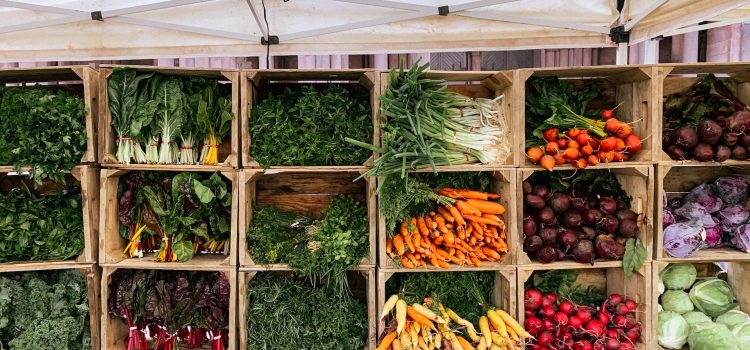
Maintaining healthy blood sugar levels is vital for overall well-being and disease prevention. Making smart food choices is a powerful tool in managing blood sugar levels effectively. In this article, we explore key strategies and foods that can help you keep your blood sugar in check, providing you with the knowledge to make informed decisions about your diet and health.

  1. Understanding Blood Sugar:

Blood sugar, or glucose, is the main source of energy for our bodies. However, imbalances in blood sugar levels can lead to various health issues, including diabetes and metabolic disorders. By adopting a proactive approach and making smart food choices, you can promote stable blood sugar levels and optimize your health.

  1. The Importance of Carbohydrates:

Carbohydrates have the most significant impact on blood sugar levels. However, not all carbohydrates are created equal. It’s crucial to focus on consuming complex carbohydrates that provide sustained energy release and minimize blood sugar spikes. Opt for:

a. Whole Grains: Whole wheat, brown rice, oats, and quinoa are excellent choices as they contain fiber, which slows down the absorption of glucose and promotes stable blood sugar levels.

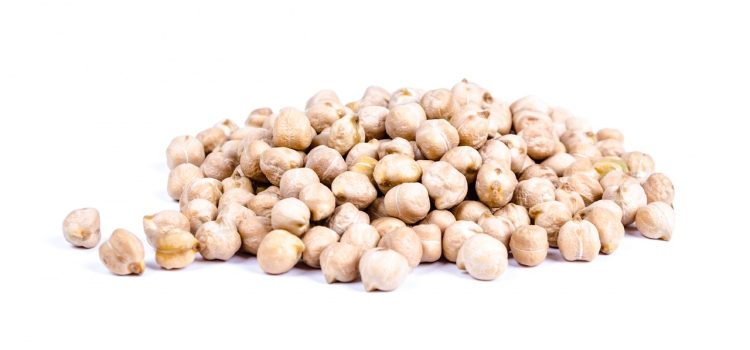
b. Legumes: Beans, lentils, and chickpeas are rich in fiber and protein, making them a nutritious option that doesn’t cause rapid blood sugar fluctuations.

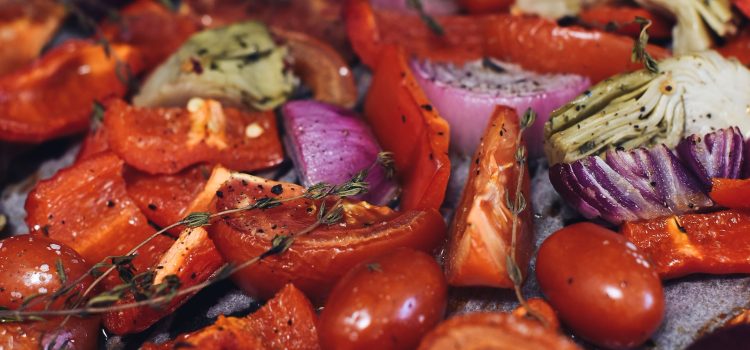
c. Non-Starchy Vegetables: Leafy greens, broccoli, cauliflower, and bell peppers are low in carbohydrates and high in fiber, vitamins, and minerals, making them a great addition to your meals.

  1. Balanced Meals with Protein:

Including lean protein in your meals is essential for blood sugar management. Protein helps slow down the digestion and absorption of carbohydrates, preventing rapid spikes in blood sugar. Consider:

a. Poultry: Skinless chicken or turkey breast is a lean source of protein that can be incorporated into various dishes.

b. Fish: Fatty fish like salmon, trout, and mackerel are not only rich in protein but also contain omega-3 fatty acids, which have been linked to improved insulin sensitivity and blood sugar control.

c. Plant-Based Proteins: Tofu, tempeh, legumes, and nuts are excellent sources of plant-based protein that can be included in your diet for blood sugar management.

  1. Healthy Fats for Satiety:

Incorporating healthy fats into your meals can help you feel more satisfied and prevent blood sugar spikes. Opt for:

a. Avocados: Rich in monounsaturated fats and fiber, avocados can promote stable blood sugar levels and provide a feeling of fullness.

b. Nuts and Seeds: Almonds, walnuts, chia seeds, and flaxseeds are packed with healthy fats, fiber, and essential nutrients that support blood sugar control.

c. Olive Oil: Extra virgin olive oil is a healthy fat that contains antioxidants and anti-inflammatory properties, making it a beneficial choice for blood sugar management.

  1. Mindful Eating and Portion Control:

In addition to making smart food choices, practicing mindful eating and portion control can play a significant role in blood sugar management. Paying attention to your body’s hunger and fullness cues, eating slowly, and avoiding distractions while eating can help prevent overeating and promote better blood sugar control.

Conclusion:

Keeping your blood sugar in check requires a thoughtful and balanced approach to your diet. By making smart food choices, focusing on complex carbohydrates, incorporating lean proteins and healthy fats, and practicing mindful eating, you can maintain stable blood sugar levels and support your overall health. Remember to consult with a healthcare professional or registered dietitian for personalized guidance, especially if you have pre-existing health conditions or take medication.

Introduction:

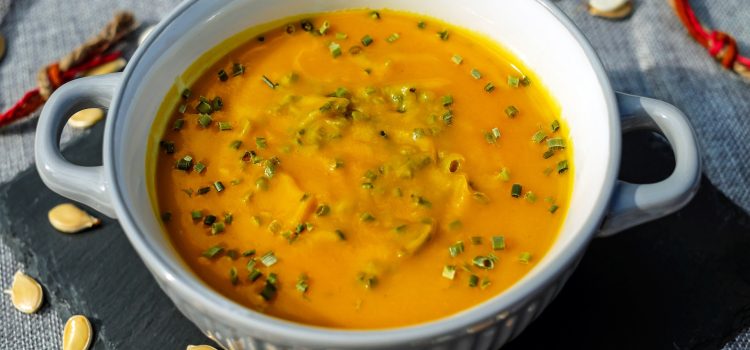
Soup, a timeless culinary creation, holds a special place in our gastronomic repertoire. Beyond its role as a source of sustenance, soup has evolved into an art form that engages our senses, delights our palates, and nourishes our souls. In this article, we explore the artistry behind soup-making, the sensory experience it offers, and the profound impact it has on our culinary landscape.

  1. Culinary Creativity:

Soup provides a canvas for culinary creativity, allowing chefs and home cooks to showcase their skills and imagination. From classic recipes passed down through generations to innovative and boundary-pushing creations, soup offers endless possibilities for flavor combinations, ingredient variations, and presentation techniques. Chefs can experiment with textures, spices, herbs, and garnishes to elevate a humble bowl of soup into a culinary masterpiece.

  1. Balancing Flavors and Textures:

The art of soup lies in the delicate balance of flavors and textures. Chefs strive to create harmonious combinations that tantalize the taste buds and offer a symphony of sensations. From the creamy richness of a bisque to the vibrant tang of a gazpacho, each spoonful should bring forth a well-rounded and satisfying experience. The interplay of contrasting textures, such as velvety purees, tender chunks of vegetables, or chewy noodles, adds depth and dimension to the soup.

  1. Visual Appeal:

Soup is a feast for the eyes as well as the palate. Chefs take great care in presenting their soups with artistic flair, turning a humble bowl into a visual masterpiece. The vibrant colors of fresh vegetables, the swirls of vibrant sauces, and the arrangement of garnishes all contribute to the visual appeal. Aesthetically pleasing presentations not only enhance the dining experience but also reflect the chef’s attention to detail and commitment to the artistry of food.

  1. Sensory Journey:

The enjoyment of soup extends beyond taste. It takes us on a sensory journey, engaging all our senses. The aroma of simmering broth, the sizzle of ingredients hitting the hot pan, the sound of ladles gently scooping the soup into bowls—all create an immersive experience that heightens our appreciation of the dish. The warmth and comforting touch of the bowl in our hands add to the sensory delight, making soup a truly immersive culinary experience.

  1. Cultural Significance:

Soup holds deep cultural significance in many societies, reflecting culinary traditions and cultural values. Each culture has its signature soups, often passed down through generations as treasured family recipes. From Italian minestrone to Thai tom yum, these soups embody the essence of their respective cultures, showcasing local ingredients, cooking techniques, and flavor profiles. Exploring diverse soup traditions allows us to connect with different cultures and gain a deeper understanding of their culinary heritage.

  1. Nourishing Body and Soul:

Soup has long been revered for its nourishing qualities, offering comfort and healing to both the body and soul. Whether it’s a bowl of chicken noodle soup to soothe a cold or a hearty vegetable soup to provide sustenance, soups are often associated with feelings of warmth, care, and well-being. The act of preparing and savoring a bowl of homemade soup can be a therapeutic experience, offering a moment of respite and nourishment in our busy lives.

Conclusion:

Soup transcends its role as a mere sustenance and becomes an art form that engages our senses, celebrates culinary creativity, and reflects cultural traditions. From the interplay of flavors and textures to the visual appeal and sensory journey it offers, soup exemplifies the culinary arts. So, let us embrace the art of soup-making, explore its infinite possibilities, and savor the sensory experience it provides.

Introduction:

In the United States, the issue of food waste has reached alarming proportions. Each year, millions of tons of edible food are discarded, contributing to significant environmental and economic challenges. However, within this wastefulness lies a hidden solution to one of the nation’s most pressing issues: hunger. In this article, we delve into the complex relationship between food waste and hunger in America and explore the potential for food waste to become a powerful hunger solution.

  1. The Scale of Food Waste in America:

Food waste is a pervasive problem throughout the United States. According to estimates, approximately 40% of the food produced in the country goes uneaten. This wastage occurs at various stages of the food supply chain, including production, processing, distribution, retail, and consumer levels. Understanding the scale of the problem is crucial for recognizing the potential impact of redirecting this wasted food towards addressing hunger.

  1. The Hidden Hunger Crisis:

While food waste is rampant, millions of Americans struggle with food insecurity and hunger. The hidden hunger crisis in the country is a stark contrast to the abundance of wasted food. Many families and individuals, including children and the elderly, face daily challenges in accessing nutritious meals. Addressing this issue requires creative solutions that utilize the excess food that would otherwise go to waste.

  1. Food Recovery and Redistribution:

One of the key strategies to unlock the potential of food waste is through food recovery and redistribution initiatives. Across the country, numerous organizations are working tirelessly to rescue surplus food from farms, restaurants, grocery stores, and other sources. By collecting and redistributing this food to food banks, shelters, and community organizations, we can significantly reduce hunger and ensure that nutritious meals reach those in need.

  1. Supporting Local Food Systems:

Fostering local food systems is another avenue for transforming food waste into a hidden hunger solution. By supporting small-scale farmers, community gardens, and farmers’ markets, we can increase access to fresh and affordable produce, thereby reducing food waste and providing healthier food options to underserved communities. Such initiatives not only address hunger but also promote sustainable and resilient local food economies.

  1. Innovations in Food Waste Reduction:

In addition to food recovery and redistribution, innovations in food waste reduction are essential for unlocking the potential of wasted food. Technology, such as data analytics and inventory management systems, can help businesses and organizations optimize their operations, minimize waste, and ensure efficient use of resources. Encouraging collaboration between food producers, retailers, and consumers can also lead to better practices that prevent waste from occurring in the first place.

  1. Education and Awareness:

Educating the public about the consequences of food waste and the potential for it to alleviate hunger is crucial. By raising awareness and promoting behavioral changes, we can encourage individuals and communities to reduce food waste in their households, schools, and workplaces. Providing resources, such as meal planning tips, storage techniques, and recipe ideas for using leftovers, can empower people to make a positive impact in their daily lives.

Conclusion:

America’s food waste problem holds immense potential as a hidden hunger solution. By redirecting wasted food through recovery and redistribution efforts, supporting local food systems, promoting innovations in waste reduction, and raising awareness among individuals, we can make significant progress in alleviating hunger and addressing the environmental impact of food waste. Collaboration among stakeholders, including government agencies, businesses, non-profit organizations, and communities, is essential to harnessing this potential and creating a more sustainable and equitable food system. Let us unmask the potential within America’s food waste and work together to ensure that no one goes hungry while edible food goes to waste.

Introduction:

Food has long been recognized as a source of sustenance and nourishment, but its role in promoting health and well-being goes beyond simple sustenance. The concept of “food as medicine” has gained traction in recent years, with the belief that certain foods possess healing properties and can act as a remedy for various ailments. However, it is crucial to challenge the notion that food is a simple medicine and instead explore the complexities of its impact on our health. This article delves into the multifaceted nature of food and its effects on our well-being, encouraging a deeper understanding of the relationship between food and health.

  1. Nutritional Value and Beyond:

While food undoubtedly provides essential nutrients for our bodies, reducing it to a mere medicine overlooks the holistic nature of our dietary needs. Food is not just a collection of isolated nutrients; it is a complex combination of flavors, textures, and cultural significance. Embracing the full spectrum of food’s benefits means considering the emotional, social, and cultural aspects that contribute to our overall well-being.

  1. Context Matters:

Food cannot be seen as a universal remedy for all ailments. The relationship between food and health is highly individualized and depends on various factors, including genetics, lifestyle, and existing health conditions. What works as medicine for one person may not have the same effect on another. It is essential to consider individual needs and consult healthcare professionals to develop personalized dietary approaches that address specific health concerns.

  1. Complementary to Medicine:

While food can play a role in promoting health, it should not replace conventional medical treatments. Instead, it can complement medical interventions to enhance overall well-being. Food can provide a supportive foundation for healing by providing essential nutrients, supporting immune function, and reducing the risk of chronic diseases. Integrating food and medicine in a coordinated manner can lead to more comprehensive health outcomes.

  1. The Power of a Balanced Diet:

The concept of food as medicine should not overshadow the importance of a balanced and varied diet. No single food or nutrient can provide all the necessary components for optimal health. A diverse range of foods, including fruits, vegetables, whole grains, lean proteins, and healthy fats, is essential to meet our nutritional needs and support overall well-being. It is the synergy of these components that contributes to our health, rather than relying on isolated “superfoods” or quick-fix remedies.

  1. Mindful Eating and Awareness:

Developing a mindful approach to eating can further enhance the benefits of food on our well-being. Being present and attentive while eating allows us to savor the flavors, textures, and aromas of our meals. Mindful eating encourages a deeper connection with our bodies and helps us recognize the signals of hunger and fullness. It also fosters a greater appreciation for the journey of food from farm to plate, promoting a more sustainable and conscious relationship with our food.

Conclusion:

Food is far more than a simple medicine. It is a complex and multifaceted part of our lives that nourishes us physically, emotionally, and culturally. While certain foods may have healing properties and can support our health, it is essential to approach the concept of “food as medicine” with nuance and context. By embracing the holistic nature of food and understanding its role in our overall well-being, we can develop a more balanced and sustainable approach to nutrition. Let us appreciate the power of food to nourish, heal, and connect us to ourselves and the world around us.

Introduction:

Food is more than sustenance; it is a powerful expression of culture, tradition, and identity. In this captivating review, we delve into the cultural connections of food, exploring how it transcends taste to encompass history, heritage, and social dynamics. From the rituals of mealtime to the significance of ingredients, we embark on a journey that highlights the profound influence of food on our lives and communities.

  1. Cuisine as a Reflection of Culture:

Cuisine serves as a mirror of culture, reflecting the values, customs, and history of a particular group of people. Whether it’s the intricate spices of Indian cuisine, the delicate artistry of Japanese dishes, or the bold flavors of Mediterranean fare, each culinary tradition tells a story. From the choice of ingredients to the cooking techniques employed, food embodies the essence of a culture and provides a gateway to understanding its people.

  1. Traditional Recipes: Preserving Heritage:

Traditional recipes are a treasure trove of cultural heritage, passed down through generations. They act as a bridge connecting the present to the past, preserving the customs and flavors that define a community. Whether it’s a family recipe handed down through the years or a regional specialty guarded with pride, these dishes carry the weight of tradition, evoking nostalgia and a sense of belonging.

  1. Rituals and Festivals: Celebrating Identity:

Food plays a central role in rituals and festivals, serving as a conduit for cultural expression and celebration. From the lavish feasts of religious holidays to the symbolic dishes served during significant life events, these culinary traditions reinforce social bonds, strengthen community ties, and celebrate shared values. They provide an opportunity for people to come together, honor their heritage, and create lasting memories.

  1. Culinary Diversity: Embracing Global Flavors:

In our increasingly interconnected world, culinary diversity has become more accessible than ever. Migration, travel, and globalization have brought a rich tapestry of flavors to our tables. Exploring international cuisine allows us to expand our culinary horizons, appreciate different traditions, and foster a sense of inclusivity. It is through this exchange of flavors and techniques that we discover the beauty of cultural fusion.

  1. Food as Social Capital:

Food has the power to foster social connections and build bridges across communities. Whether it’s a potluck dinner, a shared meal with neighbors, or a gathering at a local food market, food acts as a catalyst for social interaction. It brings people together, encourages dialogue, and creates a sense of belonging. Food can break down barriers, promoting understanding and empathy between diverse groups.

  1. Food as a Cultural Ambassador:

Food serves as a cultural ambassador, allowing us to explore different cultures without leaving our own communities. Through restaurants, food festivals, and culinary events, we can embark on a culinary journey, immersing ourselves in the traditions and flavors of distant lands. By embracing these cultural experiences, we promote cultural appreciation, foster tolerance, and cultivate a sense of global citizenship.

  1. Sustainable and Ethical Food Choices:

In recent years, there has been a growing awareness of the environmental and ethical impact of our food choices. Many individuals and communities are embracing sustainable and ethical practices, considering the origins of their food, supporting local farmers, and minimizing waste. This shift in mindset not only promotes a healthier planet but also reflects a deeper understanding of the interconnectedness between food, culture, and sustainability.

Conclusion:

Food transcends mere sustenance; it is a cultural artifact that connects us to our past, shapes our present, and paves the way for our future. From traditional recipes that embody heritage to culinary rituals that celebrate identity, food is a powerful medium through which we express our culture, values, and social bonds. By appreciating the cultural connections of food, we gain a deeper understanding of ourselves and others, fostering empathy, respect, and a sense of shared humanity. So, let us embark on this captivating journey, savoring the flavors and unraveling the stories that make food a captivating reflection of our diverse world.

Introduction:

Mexican cuisine is renowned worldwide for its vibrant flavors, bold spices, and rich culinary traditions. Among the many iconic dishes that showcase the depth and diversity of Mexican fare, Tok Seel stands out as a shining example of the country’s culinary heritage. In this article, we delve into the origins, ingredients, and cultural significance of Tok Seel, inviting you to savor the essence of Mexico through this beloved dish.

  1. A Brief History:

Tok Seel, also known as Tok-Sel-Lim or Tok-Sel-Lip, has its roots in the Yucatan Peninsula of Mexico. This traditional Mayan dish has been passed down through generations, carrying with it the flavors and techniques that have defined Mexican cuisine for centuries. The name “Tok Seel” translates to “hot soup” in the Mayan language, alluding to the dish’s characteristic spiciness.

  1. Ingredients that Tell a Story:

At the heart of Tok Seel are the ingredients that create a symphony of flavors. The dish typically features marinated pork or chicken, cooked with a blend of aromatic spices such as cumin, coriander, and oregano. What truly sets Tok Seel apart is the use of habanero peppers, which infuse the dish with a fiery kick. Other common ingredients include onions, tomatoes, garlic, and citrus juices, which contribute to the complexity and balance of flavors.

  1. The Art of Preparation:

Preparing Tok Seel is an art form that requires time, patience, and attention to detail. The meat is marinated to infuse it with the flavors of the spices, and then slow-cooked to achieve tender and succulent results. The habanero peppers are carefully added to provide the signature heat, while the other ingredients are meticulously layered to create a harmonious blend of flavors. The traditional preparation methods ensure that every bite of Tok Seel is a celebration of Mexican culinary heritage.

  1. Regional Variations:

Like many traditional dishes, Tok Seel exhibits regional variations across Mexico. Different regions incorporate their own unique twists and ingredients, adding to the tapestry of flavors that define Mexican cuisine. Some versions of Tok Seel include annatto seeds for a vibrant red color, while others may feature additional spices or herbs. Exploring these regional variations allows us to appreciate the diverse culinary landscape of Mexico.

  1. A Cultural Celebration:

Tok Seel is not just a dish; it is a cultural celebration. It reflects the fusion of Mayan, Spanish, and indigenous influences that have shaped Mexican cuisine over centuries. The dish is often served during special occasions, festivals, and family gatherings, where it becomes a centerpiece of communal feasts. Sharing Tok Seel with loved ones creates a sense of togetherness and an opportunity to honor the country’s culinary traditions.

  1. Embracing the Flavors:

Embracing the flavors of Tok Seel means embracing the essence of Mexican cuisine. The fiery heat of the dish is balanced by the careful combination of spices, herbs, and other ingredients, creating a harmonious flavor profile that is both bold and nuanced. The vibrant colors and aromas that emanate from Tok Seel awaken the senses and invite us to indulge in the true essence of Mexico’s culinary heritage.

  1. A Culinary Journey:

Exploring Tok Seel is embarking on a culinary journey through Mexico’s diverse regions and cultural tapestry. It invites us to appreciate the craftsmanship, passion, and dedication that goes into creating this beloved dish. Whether enjoyed in a traditional Mexican eatery or prepared in your own kitchen, Tok Seel allows us to connect with the vibrant soul of Mexico through every mouthwatering bite.

Conclusion:

Tok Seel shines as a testament to the culinary heritage of Mexico. Its bold flavors, rich history, and cultural significance make it a beloved dish that embodies the essence of Mexican cuisine. From the aromatic spices to the fiery kick of habanero peppers, Tok Seel invites us to savor the flavors and stories embedded within them. So, the next time you crave a taste of Mexico, indulge in the vibrant and tantalizing experience of Tok Seel and let it transport you to the heart of this culinary-rich country.

Food is not just a source of sustenance, but also a reflection of our culture, values, and lifestyle. However, the way we produce and consume food has a significant impact on the environment. The food industry is responsible for a significant portion of greenhouse gas emissions, deforestation, and water pollution. As consumers, we have the power to make a difference by choosing climate-friendly and exquisite foods. In this article, we’ll explore the concept of climate-friendly and exquisite foods and how they can nourish both our palate and the planet.

What are Climate-Friendly Foods?

Climate-friendly foods are those that are produced and consumed in a way that minimizes their impact on the environment. This includes foods that are produced using sustainable farming practices, such as regenerative agriculture, organic farming, and agroforestry. It also includes foods that are produced using renewable energy sources, such as solar or wind power. Climate-friendly foods are also those that are produced and consumed locally, reducing the carbon footprint associated with transportation.

Examples of climate-friendly foods include:

– Locally grown fruits and vegetables
– Grass-fed beef and pasture-raised poultry
– Sustainable seafood
– Plant-based proteins, such as beans, lentils, and tofu
– Organic dairy products
– Foods produced using regenerative agriculture practices, such as cover cropping and crop rotation

What are Exquisite Foods?

Exquisite foods are those that are not only delicious, but also reflect the cultural and culinary traditions of a region. Exquisite foods are often made using traditional methods and local ingredients, resulting in unique and flavorful dishes. Exquisite foods can also be those that are made using high-quality ingredients and prepared with care and attention to detail.

Examples of exquisite foods include:

– Traditional Italian pasta dishes made with fresh, locally sourced ingredients
– Japanese sushi made with sustainably sourced seafood and high-quality rice
– Indian curries made with locally grown spices and vegetables
– French pastries made with high-quality butter and flour
– Mexican dishes made with fresh, locally sourced ingredients and traditional cooking methods

How Can Climate-Friendly and Exquisite Foods Nourish Both Our Palate and the Planet?

Climate-friendly and exquisite foods can nourish both our palate and the planet in several ways. First, they can provide us with delicious and nutritious meals that reflect our cultural and culinary traditions. By choosing climate-friendly and exquisite foods, we can support local farmers and food producers, preserving traditional farming practices and culinary traditions.

Second, climate-friendly and exquisite foods can help reduce the environmental impact of the food industry. By choosing foods that are produced using sustainable farming practices and renewable energy sources, we can reduce greenhouse gas emissions and protect natural resources. By choosing locally produced foods, we can reduce the carbon footprint associated with transportation.

Third, climate-friendly and exquisite foods can help promote a more equitable and just food system. By supporting local farmers and food producers, we can help create a more resilient and sustainable food system that benefits everyone. By choosing foods that are produced using fair labor practices and paying fair prices for those foods, we can help ensure that everyone involved in the food system is treated with dignity and respect.

In conclusion, climate-friendly and exquisite foods are not just about nourishing our palate, but also about nourishing the planet and promoting a more equitable and just food system. By choosing foods that are produced using sustainable farming practices, renewable energy sources, and fair labor practices, we can make a positive impact on the environment and support local farmers and food producers. By choosing foods that reflect our cultural and culinary traditions, we can celebrate our diversity and preserve our culinary heritage. So next time you sit down to enjoy a meal, consider choosing climate-friendly and exquisite foods that nourish both your palate and the planet.

Introduction:

In our fast-paced and hectic lives, finding moments of peace and tranquility is essential for our well-being. One often overlooked avenue for cultivating mindfulness and serenity is through the art of cooking. By approaching food preparation with a mindful mindset, we can transform our time in the kitchen into a calming and meditative experience. In this article, we will explore the concept of mindful cooking and how it can bring balance, joy, and nourishment to our lives.

  1. Embracing the Present Moment:

Mindful cooking begins with being fully present in the kitchen. Instead of rushing through meal preparation, take the time to engage all your senses. Notice the vibrant colors, textures, and aromas of the ingredients. Focus on each task, whether it’s chopping vegetables or stirring a sauce, with complete attention and awareness. By immersing ourselves in the present moment, we create space for relaxation and enjoyment.

  1. Cultivating Gratitude:

Gratitude is a powerful practice that can enhance our experience in the kitchen. Before starting to cook, take a moment to express gratitude for the ingredients you have. Reflect on the journey of each item, from the farm to your kitchen. Appreciate the nourishment and sustenance they provide. This act of gratitude shifts our perspective and deepens our connection with the food we prepare.

  1. Engaging the Senses:

Cooking is a sensory experience, and mindful cooking invites us to engage all our senses. Listen to the sizzle of ingredients in the pan, feel the texture of the dough as you knead it, and inhale the enticing aromas wafting through the kitchen. When it’s time to taste the food, savor each bite slowly, paying attention to the flavors and textures. By fully experiencing our senses, we awaken a deeper appreciation for the culinary journey.

  1. Letting Go of Perfection:

In the pursuit of perfection, cooking can become stressful and overwhelming. Mindful cooking encourages us to let go of the need for perfection and embrace the process with acceptance and non-judgment. Recognize that mistakes and imperfections are a part of the learning experience. Embrace the joy of experimentation and allow creativity to flourish in the kitchen. By relinquishing the pressure of perfection, we free ourselves to enjoy the journey.

  1. Creating Mindful Rituals:

Establishing mindful rituals in the kitchen can enhance the sense of serenity and intentionality. Before you begin cooking, create a ritual that helps you transition into a mindful state. This could involve taking a few deep breaths, lighting a candle, or playing calming music. Engage in these rituals with awareness and intention, allowing them to anchor you in the present moment and set the tone for a peaceful cooking experience.

  1. Nourishing the Body and Soul:

Mindful cooking goes beyond the physical act of preparing food. It also involves considering the nourishment of both the body and the soul. Choose ingredients that align with your values and support your well-being. Focus on incorporating fresh and whole foods that provide nourishment and vitality. Additionally, infuse your cooking process with love and intention, knowing that the energy you put into the food will be transferred to those who consume it.

  1. Sharing Mindful Meals:

The final step in the mindful cooking journey is sharing the fruits of your labor with others. Invite loved ones to join you at the table and savor the meal together. Engage in mindful eating by savoring each bite, engaging in meaningful conversation, and expressing gratitude for the nourishment received. Sharing mindful meals creates a sense of connection and community, enhancing the overall experience.

Conclusion:

Mindful cooking offers us an opportunity to infuse our lives with serenity, presence, and nourishment. By approaching food preparation with mindfulness, we can transform the kitchen into a sanctuary of peace and creativity. Embrace the practice of being fully present, cultivating gratitude, engaging the senses, and letting go of perfection. Create mindful rituals and nourish both your body and soul. By incorporating these principles into your cooking journey, you will not only create delicious meals but also find a sense of deep connection and tranquility in the process. So, let’s embark on this mindful culinary adventure and savor the Zen of cooking.

Introduction:

Food packaging is an integral part of our daily lives, ensuring the safety, freshness, and convenience of the products we consume. However, it’s not uncommon for consumers to encounter frustrating aspects of food packaging that can dampen their experience. In this article, we delve into the five most infuriating aspects of food packaging, shedding light on common grievances and discussing potential solutions to alleviate these woes.

  1. Excessive and Non-Recyclable Packaging:

One of the top frustrations for environmentally conscious consumers is excessive and non-recyclable packaging. Excessive layers of plastic, styrofoam, and other non-recyclable materials not only contribute to the global waste problem but also make it difficult for consumers to dispose of packaging responsibly. Manufacturers should prioritize sustainable packaging practices by opting for minimal and recyclable materials. Switching to eco-friendly alternatives like compostable packaging or using materials with a high percentage of post-consumer recycled content can significantly reduce the environmental impact of food packaging.

  1. Difficult-to-Open Packaging:

There’s nothing more exasperating than struggling to open food packaging, whether it’s a tightly sealed jar, a stubborn plastic wrap, or a bag that requires superhuman strength to tear open. Difficult-to-open packaging can be a major inconvenience, causing frustration and even accidents. To address this issue, manufacturers should invest in consumer-friendly packaging designs. Incorporating easy-to-grip tabs, tear strips, or peel-off seals can make a world of difference, ensuring that consumers can access their food quickly and without hassle.

  1. Inaccurate or Confusing Labels:

Misleading or confusing labels are a significant source of frustration for consumers seeking transparency and accurate information about the food they purchase. Incomplete ingredient lists, unclear nutritional information, and misleading claims can make it challenging for consumers to make informed choices. Manufacturers should prioritize clear and accurate labeling, providing comprehensive information about ingredients, nutritional content, allergens, and any relevant certifications. This helps build trust with consumers and empowers them to make informed decisions that align with their dietary needs and preferences.

  1. Poor Portion Control:

Packaging that fails to provide adequate portion control can be both frustrating and wasteful. Consumers often face difficulties in measuring out appropriate serving sizes, leading to overconsumption or food waste. Manufacturers should consider offering portion-controlled packaging options, such as individually wrapped servings or resealable containers with clear portion guidance. By providing convenient portion sizes, manufacturers can help consumers make mindful choices and reduce unnecessary food waste.

  1. Packaging that Compromises Product Freshness:

The primary purpose of food packaging is to preserve the freshness and quality of the product. However, some packaging materials or designs can inadvertently compromise the product’s freshness, leading to spoilage or flavor alteration. Consumers expect their food to be in optimal condition upon opening, and packaging should never be the cause of disappointment. Manufacturers must invest in packaging materials and designs that effectively maintain product freshness, extending shelf life while preserving taste and texture.

Conclusion:

Food packaging is an essential part of our daily lives, ensuring the safety, convenience, and integrity of the products we consume. However, certain aspects of food packaging can be incredibly infuriating for consumers. Excessive and non-recyclable packaging, difficult-to-open designs, inaccurate labeling, poor portion control, and packaging that compromises product freshness are among the most common frustrations. To address these concerns, manufacturers must prioritize sustainability, invest in consumer-friendly designs, provide accurate and transparent labeling, promote portion-controlled options, and ensure packaging materials maintain product freshness. By listening to consumer feedback and implementing innovative solutions, the food industry can alleviate packaging woes and enhance the overall consumer experience.