Are you looking for a workout that can help improve your cardiovascular health while also boosting endurance? Look no further than HIIT (High-Intensity Interval Training). With its focus on short bursts of intense exercise followed by brief periods of rest, HIIT has become increasingly popular in recent years as a way to get fit and reduce the risk of heart disease. In this blog post, we’ll explore the many ways HIIT workouts benefit your cardiovascular system, from improving blood flow and oxygen uptake to lowering blood pressure and reducing inflammation. Get ready to discover why HIIT is not just a great way to burn calories but also an essential tool for maintaining optimal heart health!

What is HIIT?

HIIT, or high-intensity interval training, is a type of cardiovascular exercise that alternates between short periods of intense effort and briefer periods of recovery. HIIT has been shown to be an effective way to improve cardiovascular health and endurance.

There are many benefits to HIIT workouts, including improved heart health, increased endurance, and betterfat burning. HIIT workouts have also been shown to reduce blood pressure and improve cholesterol levels. In addition, HIIT can help you maintain a healthy weight and improve your overall fitness level.

How HIIT benefits your cardiovascular system

HIIT – or high-intensity interval training – is a type of exercise that alternates between short bursts of intense activity and periods of rest. HIIT has been shown to be an effective workout for improving cardiovascular health.

There are many ways in which HIIT benefits the cardiovascular system. HIIT workouts improve heart health by increasing heart rate and stroke volume, and by decreasing blood pressure. HIIT also helps to increase levels of HDL (good) cholesterol and decrease levels of LDL (bad) cholesterol. In addition, HIIT has been shown to improve insulin sensitivity and decrease body fat.

HIIT workouts offer many benefits for the cardiovascular system, including improved heart health, increased HDL cholesterol, decreased LDL cholesterol, improved insulin sensitivity, and decreased body fat.

HIIT workouts for beginners

HIIT workouts are great for beginners because they are a type of cardiovascular exercise that can be done in a short amount of time. HIIT stands for High Intensity Interval Training and it is a workout where you alternate between periods of high intensity activity and low intensity activity. For example, you could sprint for 30 seconds and then walk for 60 seconds. HIIT workouts are beneficial for your cardiovascular system because they help to improve your endurance, heart rate, and blood pressure.

The best time of day to do a HIIT workout

HIIT workouts are a great way to improve your cardiovascular system, but when is the best time of day to do them? The answer may depend on your goals.

If you’re looking to improve your endurance, doing a HIIT workout in the morning may be best. This is because your body is rested and more likely to be able to handle the intensity of the workout.

If you’re looking to prevent heart disease, however, doing a HIIT workout in the afternoon or evening may be better. This is because your heart rate will be higher and you’ll get more benefit from the workout.

No matter when you do it, though, a HIIT workout is sure to benefit your cardiovascular system!

How often should you do HIIT?

HIIT, or high intensity interval training, is a type of workout that alternates between periods of intense activity and periods of rest. The benefits of HIIT workouts are numerous, from improving cardiovascular health to increasing endurance. But how often should you do HIIT in order to reap these benefits?

The frequency of HIIT workouts depends on your fitness level and goals. If you’re just starting out, you may want to start with two or three HIIT workouts per week. As you get more fit, you can increase the frequency to four or five times per week. And if your goal is to improve endurance, you may want to do HIIT every other day.

Of course, it’s always important to listen to your body and make sure you’re not overdoing it. If you’re feeling overly fatigued or sore after HIIT workouts, cut back on the frequency or intensity until you’re feeling better.

Conclusion

In conclusion, HIIT workouts provide an incredibly effective way to improve your cardiovascular health. This type of exercise should not be overlooked as it can help you achieve a wide array of benefits, ranging from improved heart disease prevention and increased endurance to better weight management and improved cognitive performance. Whether you prefer at-home workouts or gym classes, there are many ways that HIIT can benefit your cardiovascular system. So what are you waiting for? Start incorporating some HIIT into your routine today and start feeling the difference!
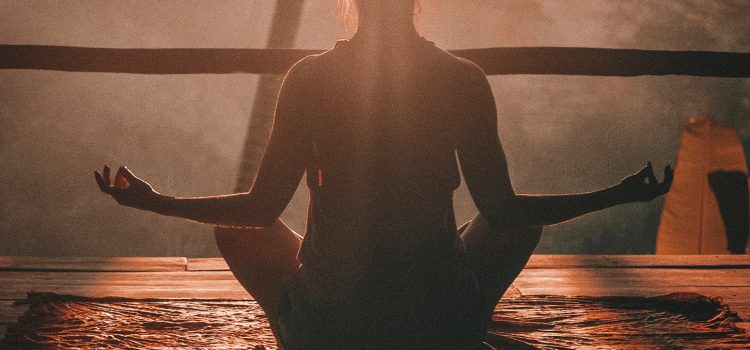

Are you feeling stressed and overwhelmed? It’s time to say “Namaste” to all your worries and find inner peace through yoga. This ancient practice is not only great for physical health, but also for mental well-being. With the right poses, you can release tension from your body and clear your mind of negative thoughts. So, roll out your mat, put on some calming music, and let these best yoga poses for relaxation help you de-stress and unwind.

What is yoga?

Yoga is an ancient practice that has many benefits for both the body and the mind. The word “yoga” comes from the Sanskrit word yuj, which means “to yoke” or “to unite.” Yoga is a way to unite the body, mind, and spirit.

There are many different types of yoga, but all of them share some common elements. These elements include breath work, physical postures, and meditation.

The physical postures, or poses, of yoga are designed to stretch and strengthen the body. They also help to improve balance and flexibility. The breath work associated with yoga helps to control stress and anxiety levels. And finally, the meditation component of yoga can help to still the mind and promote inner peace.

The Different Types of Yoga

1. Restorative Yoga

If you’re looking for a yoga practice that will help you relax and de-stress, look no further than restorative yoga. This type of yoga is all about slowing down and finding stillness, both physically and mentally. Restorative yoga poses are generally held for a long period of time, which allows your body to open up and release any tension it may be holding onto. If you’re new to restorative yoga, start with just a few poses to get a feel for it. Once you find your groove, you can add in more poses or even create your own sequence.

2. Yin Yoga

Yin yoga is another great option for those seeking relaxation through their practice. Similar to restorative yoga, yin yoga poses are also held for longer periods of time. However, yin poses are often more challenging since they target the connective tissues, such as the ligaments and tendons, instead of the muscles. This can result in a deep release of tension and stress from the body. If you’re new to yin yoga, start with just a few poses and build up from there. You may also want to use props such as blankets or blocks to help support your body in the positions.

3. Hatha Yoga

Hatha yoga is a more traditional form of yoga that emphasizes the connection between the mind and body. Hatha classes usually move at a slower pace than other types of classes, which

The Benefits of Yoga

1. Yoga can help to lower your stress levels and improve your overall sense of well-being.

2. Yoga can help to improve your flexibility and range of motion.

3. Yoga can help to strengthen your muscles and bones.

4. Yoga can help to improve your circulation and increase your energy levels.

5. Yoga can help you to focus on your breath and be present in the moment, which can lead to a more relaxed state of mind

The Best Yoga Poses for Relaxation

There are a variety of yoga poses that can help you relax, both physically and mentally. Here are some of the best poses for relaxation:

1. Child’s pose: This is a resting pose that can help to stretch and release tension in the back, shoulders, and neck.

2. Corpse pose: This is a deep relaxation pose that allows your entire body to completely release any tension or stress.

3. Cat/cow pose: This is a gentle flowing sequence that helps to massage the spine and release any built-up tension in the back.

4. Forward Bend: This pose helps to lengthen the spine and relieve any tension in the back and neck. It can also be helpful in calming the mind.

5. Half Camel Pose: This is a great pose for releasing tension in the shoulders and upper back. It can also help to open up the chest and improve breathing.

Yoga Recipes

When it comes to relaxation, there is nothing quite like yoga. Yoga is a gentle and effective way to ease stress and tension from the body and mind. And, there are many different yoga poses that can be used for relaxation. Here are some of the best yoga poses for relaxation:

1. Child’s Pose: This pose is incredibly calming and grounding. It helps to stretch the back and hips, while also promoting deep breathing.

2. Corpse Pose: This pose may sound strange, but it is actually incredibly relaxing. It requires you to lay flat on your back with your arms and legs extended. This position allows the entire body to completely relax and can be very helpful if you are struggling to fall asleep.

3. Legs Up the Wall Pose: This pose is great for relieving tension in the legs and lower back. It also promotes lymphatic drainage and can help reduce swelling in the feet and ankles.

4. Neck Rolls: This simple neck exercise can help to release tension and promote relaxation in the head, neck, and shoulders.

5. Cat-Cow Pose: This pose is a great way to release tension from the spine. It also helps to massage the internal organs and improve digestion.

Alternatives to Yoga

1. Restorative yoga: This type of yoga is all about relaxation. Poses are generally supported by props, such as blankets and bolsters, and are held for long periods of time. This can help to deeply relax the body and mind.

2. Yin yoga: Yin yoga poses are also held for longer periods of time, often up to 5 minutes or more. These poses target the connective tissues, such as the ligaments and tendons, rather than the muscles. This can be a great way to release tension from the body.

3. Yoga Nidra: Yoga Nidra, also known as “yogic sleep”, is a form of guided meditation that can be extremely relaxing. During Yoga Nidra, you will lie down in a comfortable position and be guided through a series of relaxation techniques.

4. Breath work: Breath work is an important part of yoga, but it can also be done on its own as a way to relax the body and mind. There are many different breathing techniques that can be used, so experiment to find what works best for you.

5. Meditation: Meditation is another excellent way to calm the mind and relieve stress. If you’re new to meditation, there are many apps and websites that offer guidance on how to get started.

Conclusion

Yoga is a great way to relax the body and mind and release stress. We hope that our list of the best yoga poses for relaxation has given you some ideas on how to practice at home or in a class setting. With patience, dedication, and consistency with your practice, you can begin to see amazing physical and mental health benefits from regular yoga sessions. Namaste!

Diabetes is a growing epidemic that affects millions of people worldwide. Unfortunately, access to life-saving insulin has become increasingly difficult for those who need it most. But there’s good news on the horizon: Novo Nordisk, a leading pharmaceutical company, has pledged to make insulin more accessible and affordable for everyone who needs it. In this blog post, we’ll explore what this means for those living with diabetes and how Novo Nordisk plans to make an impact on this global crisis. Get ready to learn about some exciting developments in the world of healthcare!

Who is Novo Nordisk?

Novo Nordisk is a leading global healthcare company that is committed to making life-saving insulin more accessible and affordable. The company has been on the forefront of diabetes care for over 90 years, and today, they continue to innovate and lead the way in developing new treatments and technologies.

Novo Nordisk’s products are available in more than 170 countries, and they work with governments, healthcare professionals, and patients to ensure that everyone who needs their products can access them. In addition to their commitment to making insulin more accessible, Novo Nordisk also strives to make it more affordable. They offer patient assistance programs and have partnered with organizations like the American Diabetes Association to help people afford their insulin.

If you or someone you know has diabetes, Novo Nordisk can help. Visit their website or contact their customer service team to learn more about their products and services.

What is Novo Nordisk’s mission?

“Novo Nordisk’s mission is to help people with diabetes live their best lives. We are committed to making life-saving insulin more accessible and affordable for everyone who needs it.”

“Novo Nordisk is the world’s leading manufacturer of insulin. We have been helping people with diabetes live their best lives for more than 90 years.

“Our mission is to help people with diabetes live their best lives. We are committed to making life-saving insulin more accessible and affordable for everyone who needs it. We will continue to innovate and lead the way in finding new and better ways to treat and prevent diabetes.”

How will Novo Nordisk make insulin more accessible and affordable?

In recent years, the cost of insulin has skyrocketed, making it inaccessible for many people who need it. Novo Nordisk, one of the world’s leading manufacturers of insulin, has pledged to make insulin more accessible and affordable.

Novo Nordisk has several programs in place to help make insulin more affordable and accessible for those who need it. The company offers a patient assistance program that provides free or discounted insulin to low-income patients. It also offers a co-pay assistance program that helps patients with private insurance coverage pay for their insulin.

In addition to these assistance programs, Novo Nordisk is working on developing new formulations of insulin that are more affordable and easier to use. The company is also investing in research and development to improve the manufacturing process of insulin, so that it can be produced more cheaply.

With these initiatives, Novo Nordisk is working to make life-saving insulin more accessible and affordable for everyone who needs it.

What are the benefits of making insulin more accessible and affordable?

Novo Nordisk, the world’s largest producer of insulin, has announced a series of measures to make the life-saving medication more accessible and affordable. The move comes as the company faces criticism for the high price of its insulin products.

The new initiative includes a $50 million fund to help patients in the United States who struggle to pay for their insulin. Novo Nordisk will also work with pharmacy benefit managers and insurers to improve access to its products, and it will provide free or discounted insulin to low-income countries.

Novo Nordisk’s CEO Lars Rebien Sørensen said that the company is committed to making insulin “accessible and affordable for all who need it.”

The announcement was welcomed by patient advocates, who have long criticized the high cost of insulin. One in four patients with diabetes struggles to afford the medication, according to a recent survey.

Patients’ advocates say that Novo Nordisk’s actions are a step in the right direction, but they caution that more needs to be done to make sure all patients have access to affordable insulin.

How will this impact people with diabetes?

According to the World Health Organization, diabetes is a chronic disease that occurs when the pancreas does not produce enough insulin or when the body cannot effectively use the insulin it produces. In 2018, an estimated 463 million adults were living with diabetes, and by 2045 this number is projected to rise to 700 million.

Novo Nordisk, a leading global provider of diabetes care products, has announced a new set of initiatives aimed at making life-saving insulin more accessible and affordable for people with diabetes. This is welcome news for the millions of people around the world who rely on insulin to manage their condition.

Under the new initiative, Novo Nordisk will work to expand access to its affordable human insulin products in low- and middle-income countries. The company will also invest in research and development to create new formulations of insulin that are more effective and easier to use. In addition, Novo Nordisk will provide financial support to patient organizations so they can continue their work advocating for improved access to affordable diabetes care.

These are all important steps that will help improve the lives of people with diabetes. By expanding access to affordable insulin products and investing in research and development, Novo Nordisk is helping to make life-saving treatments more accessible and affordable for people with this chronic condition.

Conclusion

It is heartening to see big corporations like Novo Nordisk take meaningful steps towards making life-saving medications more accessible and affordable. Their commitment to providing insulin at lower cost could potentially save millions of lives, especially in the low and middle income countries where access to essential medicines remains a challenge. We hope that other pharmaceutical companies follow suit and ensure that people around the world have access to affordable treatments regardless of their economic situation.

Introduction

“Your health is your most valuable asset, and just like any other investment, it requires regular attention and maintenance. Routine screenings are the key to preventing serious health issues before they arise. These check-ups can detect potential problems early on, giving you a better chance for successful treatment and recovery. In this blog post, we’ll explore why investing in your health through routine screenings is worth every penny.”

The Value of Routine Screenings

Routine screenings are important because they can help to detect health problems early, when they are most treatable. They can also help to prevent health problems by identifying risk factors that can be changed. For example, a routine screening for high blood pressure could lead to lifestyle changes that could prevent heart disease. Routine screenings can also save money by preventing more costly treatments down the road.

What Screenings to Get and When to Get Them

There are many different types of screenings that people can get, and the frequency with which they should get them depends on a number of factors. Here is a list of some common screenings and when to get them:

– Blood pressure check: every 2 years starting at age 18
– Cholesterol check: every 5 years starting at age 45
– Colon cancer screening: every 10 years starting at age 50
– Diabetes screening: every 3 years starting at age 45
– Pap smear: every 3 years starting at age 21
– Mammogram: every 2 years starting at age 50

These are just a few of the most common screenings that people should get. Talk to your doctor about which ones are right for you and how often you should have them done.

Who Pays for Screenings?

There is no one definitive answer to the question of who pays for screenings. In some cases, health insurance may cover the cost of certain screenings, while in other cases, patients may be responsible for paying out of pocket. Ultimately, it is important to check with your health insurance provider to see what types of screenings are covered under your plan. Even if you have to pay out of pocket for a screening, it is important to remember that routine screenings can help catch potentially serious health problems early on, when they are often more treatable.

How to Make the Most of Your Screenings

Routine screenings are an important part of preventative health care. They can help catch health problems early, when they’re often more treatable. But how can you make the most of your screenings?

Here are a few tips:

1. Know what screenings you need. Talk to your doctor about which screenings are right for you, based on your age, gender, family history, and other factors.

2. Keep track of when you need them. Write down when you need to get each screening, or set reminders in your calendar. That way, you won’t forget or put it off.

3. Make sure your insurance covers them. Check with your insurance company to find out which screenings are covered and how much they cost. Some screenings may require a copayment or coinsurance.

4. Prepare for your appointment. Write down any questions you want to ask your doctor, and make sure you understand the instructions for any tests being done. This will help you get the most out of your appointment time.

5. Follow up after your screening. If anything abnormal is found, make sure to follow up with your doctor as recommended. Early detection and treatment can improve your chances of a successful outcome

Conclusion

Ultimately, investing in your health pays off. Routine screenings allow you to catch potential issues before they become serious problems and help you stay healthy in the long run. They are an effective way of protecting yourself from potentially life-threatening illnesses or conditions and can also provide peace of mind knowing that everything is okay and allaying any fears you may have about your health. Taking a proactive approach to your wellbeing by getting regular checkups should be part of everyone’s routine for a healthier and happier life.

Introduction: The Importance of Cancer Prevention

Cancer is a leading cause of death worldwide, with approximately 14 million new cases and 8.2 million cancer-related deaths in 2012. The number of cancer cases is expected to rise to 22 million by 2030. Cancer is preventable through lifestyle changes, such as maintaining a healthy weight, eating a healthy diet, getting regular exercise, and avoiding tobacco use.

There are many reasons to focus on cancer prevention. First, it is estimated that up to 40% of cancers are preventable through lifestyle changes. Second, cancer prevention can save lives. Cancer mortality rates have been declining in developed countries over the last few decades largely due to advances in early detection and treatment; however, these advances have had little impact on mortality rates in developing countries. Third, cancer prevention can save money. The cost of treating cancer is high and is expected to continue to rise as the population ages and more people develop chronic diseases such as cancer. Fourth, cancer prevention protects families and communities. The burden of care for a family member with cancer can be emotionally and financially devastating. Lastly, cancer prevention is an investment in our future. A healthier population is a more productive population, which benefits us all.

There are many things we can do to prevent cancer. Some are simple lifestyle changes that we can make today, while others require more long-term planning and commitment. But all are worth the effort because they can improve our health and quality of life both now and into the future.

What Causes Cancer?

There are many different factors that can contribute to the development of cancer. While some of these factors are out of our control, such as our genes or family history, there are many lifestyle choices that we can make that can significantly reduce our risk for developing cancer.

Some of the primary lifestyle choices that have been linked with an increased risk for cancer include smoking, excessive alcohol consumption, poor diet, and lack of exercise. These habits can not only lead to cancer, but also other chronic health problems such as heart disease and diabetes.

Making positive lifestyle changes is one of the best things you can do for your health. Quitting smoking, eating a healthy diet, and getting regular exercise can not only help reduce your risk for cancer, but also improve your overall health and quality of life.

Risk Factors for Cancer

Cancer is a complex disease with many possible causes, including lifestyle choices. Some cancer risk factors, such as smoking cigarettes, are well-known. Others, like eating a unhealthy diet or not getting enough exercise, are less understood but equally important.

There are several lifestyle choices that can increase your risk of developing cancer. These include:

• Smoking cigarettes
• Spending time in the sun without sunscreen
• Eating an unhealthy diet
• Not getting enough exercise
• Drinking too much alcohol
Making healthy lifestyle choices can lower your risk of developing cancer. You can also talk to your doctor about ways to reduce your risk, such as getting vaccinated or having regular cancer screenings.

Protective Factors Against Cancer

Most cancers are caused by a combination of genetic and lifestyle factors. While you can’t change your genes, you can make lifestyle choices that may help lower your risk of developing cancer. Some lifestyle choices that may help protect against cancer include:

-Eating a healthy diet with plenty of fruits, vegetables, and whole grains
-Limiting consumption of red meat and processed meats
-Staying at a healthy weight
-Getting regular physical activity
-Limiting alcohol intake
-Not smoking or using tobacco products

Lifestyle Changes to Reduce Your Risk of Cancer

Cancer is a devastating disease that claims the lives of millions of people each year. While there is no surefire way to prevent cancer, there are lifestyle changes you can make to reduce your risk.

Quitting smoking is one of the most important things you can do to reduce your risk of cancer. Cigarette smoke contains thousands of chemicals that are known to damage DNA and cause cancer. If you smoke, quitting is the best thing you can do for your health.

Eating a healthy diet is another important way to reduce your risk of cancer. A diet rich in fruits, vegetables, and whole grains can help protect against cancer. Eating plenty of fiber may also help reduce the risk of colorectal cancer.

Getting regular exercise is another great way to reduce your risk of cancer. Exercise helps keep your weight down, which can lower your risk of developing obesity-related cancers such as breast and ovarian cancer. Exercise also helps boost the immune system, which helps fight off cancer cells.

Reducing alcohol consumption is also important for reducing your risk of cancer. Alcohol consumption has been linked with an increased risk of several types of cancer, including breast, throat, and liver cancer. If you drink alcohol, it’s important to limit yourself to no more than one drink per day for women or two drinks per day for men.

Making these lifestyle changes can be difficult, but they’re worth it for the sake of your health. Taking

Conclusion

Making lifestyle changes to reduce your risk of developing cancer is an important and worthwhile endeavor. While there is no sure way to prevent the disease, a healthy diet and active lifestyle can help minimize your chances of getting cancer. By taking steps such as quitting smoking, limiting alcohol consumption, exercising regularly, eating nutritious foods, avoiding sun exposure, and maintaining a healthy weight you can significantly reduce your risk of developing this devastating disease. Remember that prevention is always better than cure so take action now!

Summer is finally here! It’s time to enjoy the great outdoors with family and friends. But, beware: ticks are out in full force, and they can be more dangerous than you think. With tick-related illnesses on the rise, it’s crucial to know how to prevent them from ruining your summer fun. In this blog post, we’ll explore all about tick bites and how to protect yourself from them. We’ll also discuss effective treatments if you’re unfortunate enough to get bitten by one of these pesky bugs. So grab a cold drink and read on for some essential tips for staying safe this summer!

What are tick-related illnesses?

Tick-borne diseases are on the rise in the United States, with 16,000 cases reported in 2018 alone. The most common tick-related illness is Lyme disease, which is caused by the bacterium Borrelia burgdorferi. Lyme disease can cause a wide range of symptoms, including fever, headache, fatigue, and a distinctive bull’s-eye rash. If left untreated, Lyme disease can lead to serious complications, such as joint pain, neurological problems, and even heart failure.

Other tick-borne illnesses include Rocky Mountain spotted fever (RMSF), which is caused by the bacterium Rickettsia rickettsii; ehrlichiosis, which is caused by the bacterium Ehrlichia chaffeensis; and anaplasmosis, which is caused by the bacterium Anaplasma phagocytophilum. all of these diseases can be effectively treated with antibiotics if they are caught early enough.

To prevent tick-borne illnesses, it is important to take precautions when spending time outdoors in areas where ticks are prevalent. Wear long sleeves and pants tucked into socks or boots to keep ticks from getting access to your skin. Use an insect repellent that contains at least 20% DEET or other EPA-approved repellent on exposed skin and clothing. Inspect your body for ticks after spending time outdoors and remove any ticks you find promptly with tweezers. If you develop a fever or other symptoms of a

How do you get them?

Lyme disease, Rocky Mountain spotted fever, and other tick-borne illnesses are on the rise in the United States. Here’s what you need to know about preventing and treating these illnesses.

Lyme disease is caused by the bacterium Borrelia burgdorferi and is transmitted to humans through the bite of an infected black-legged tick. Symptoms of Lyme disease can include rash, fever, headache, fatigue, and joint and muscle pain. If left untreated, Lyme disease can cause serious health complications, including neurological problems and heart problems.

Rocky Mountain spotted fever is caused by the bacterium Rickettsia rickettsii and is transmitted to humans through the bite of an infected tick. Symptoms of Rocky Mountain spotted fever can include rash, fever, headache, nausea, vomiting, and muscle pain. If left untreated, Rocky Mountain spotted fever can be fatal.

There are a few things you can do to prevent tick-borne illnesses:

• Use insect repellent that contains at least 20% DEET when spending time outdoors in areas where ticks are found.

• Wear long sleeves and pants when spending time outdoors in areas where ticks are found.

• Check for ticks after spending time outdoors in areas where they are found. Be sure to check under your arms, in your groin area, and behind your knees—ticks love these warm, dark places!

If you find a tick on your body:

• Use

What are the symptoms?

Most tick-related illnesses have similar symptoms, which can include:

-Fever
-Chills
-Body aches
-Headache
– fatigue
-Etc.

How can you prevent them?

To prevent tick-related illnesses, you should take measures to avoid being bitten by ticks. This includes using insect repellent, wearing light-colored clothing so that ticks are more visible, and staying away from wooded and brushy areas where ticks are more likely to be found.

If you do find a tick on your body, it is important to remove it as soon as possible. The best way to do this is to use fine-tipped tweezers to grasp the tick close to the skin and pull it straight out. Do not twist or jerk the tick, as this can cause the mouthparts to break off and stay in the skin. Once the tick is removed, clean the bite area with soap and water or rubbing alcohol.

If you develop any symptoms after being bitten by a tick, it is important to see a doctor right away. Early diagnosis and treatment oftick-related illnesses is crucial for preventing serious health complications.

How can you treat them?

Ticks are small, parasitic creatures that can attach themselves to the skin of humans and animals. They are most commonly found in wooded or brushy areas, and they can cause a number of serious illnesses if they are not removed promptly.

The best way to prevent tick-related illnesses is to avoid contact with ticks. However, if you do come into contact with a tick, it is important to remove it as soon as possible. The longer a tick is attached to your skin, the greater the risk of illness.

There are a number of different ways to remove a tick safely. You can use fine-tipped tweezers to grasp the tick by the head and pull it straight out. Alternatively, you can use a commercial tick removal tool. Once the tick has been removed, clean the area with alcohol or soap and water.

If you develop any symptoms after removing a tick, it is important to see a doctor immediately. Tick-related illnesses can be difficult to diagnose, so early treatment is essential.

When should you see a doctor?

If you develop any symptoms of a tick-borne illness, it is important to see a doctor as soon as possible. Tick-borne illnesses can be difficult to diagnose because they can mimic other conditions. A doctor will likely order a blood test to look for evidence of infection.

Conclusion

Ticks are becoming an increasingly common problem, and with that comes the risk of tick-borne illnesses. However, with a few simple steps such as wearing protective clothing when outdoors and doing regular tick checks on yourself and your pets, you can greatly reduce your chances of being bitten. If you do find a tick attached to you or someone else, it is important to act quickly by removing the tick correctly and seeking medical help if necessary. By following these tips, you can keep yourself safe from ticks and the diseases they carry!

Have you ever experienced a moment where time seems to stand still or fly by in the blink of an eye? It turns out that our perception of time is not solely based on clocks and calendars. Our heart rate could be the missing piece to understanding why some moments feel like they last forever while others pass us by too quickly. In this blog post, we’ll explore how a faster heartbeat can warp our sense of time and what this means for our daily lives. So sit back, relax, and get ready to dive into the fascinating world of temporal distortion!

What is Time Warp?

A faster heartbeat can indeed make minutes feel like seconds. When you’re in a state of excitement, your heart rate speeds up and your body releases adrenaline. This rush of adrenaline causes time to appear to slow down. You may have experienced this phenomenon yourself if you’ve ever been in a car accident or another life-threatening situation.

Time Warp is a term coined by Dr. David Eagleman, a neuroscientist at Baylor College of Medicine, to describe this time-altering effect. In his book Incognito: The Secret Lives of the Brain, Eagleman writes about how our perceptions of time are shaped by the activity of our brains.

When we’re in a heightened state of awareness, such as during an emergency, our brains take in more information and process it more quickly than usual. This boost in brainpower makes seconds seem like hours and minutes seem like days.

Dr. Eagleman has conducted experiments that show how our perceptions of time can be manipulated by altering the activity of certain areas of the brain. In one experiment, he had subjects stand on a platform that would drop them unexpectedly. As they fell, they pressed a button that would trigger an electric shock to their ankles (don’t worry, it wasn’t strong enough to hurt them).

The subjects who were shocked while falling perceived time as passing more slowly than those who weren’t shocked. Dr. Eagleman believes this is because their brains were working overtime to process the sudden burst of

How Does Time Warp Work?

When we perceive time, our brains take in a lot of information. This includes visual cues like how fast objects are moving, but also things like our own body movement and the sound of our own heartbeat. All this information is processed and used to estimate how long ago something happened, or how long it will take for something to happen.

However, sometimes this system can be fooled. One way this can happen is if our heart rate increases. This extra input can make our brains think that time is passing more quickly than it actually is. That’s why when we’re nervous or excited, time can seem to speed up.

Interestingly, this effect isn’t just limited to our perception of time. Studies have shown that when people’s heart rates are increased, they actually move faster and make more mistakes on tasks that require careful timing. So not only does time seem to move more quickly, but we also act as if it does!

The Benefits of Time Warp

When we experience something exciting, our heart rate increases and time seems to warp. This is because when our heart rate goes up, we take in more information per second, making seconds feel like they last longer. This is known as “time dilation.”

While this effect is usually temporary, there are some ways to prolong it. One way is by doing things that get your heart rate up, such as exercising or taking stimulants. Another way is to focus your attention on something else while your heart rate is increasing. This can be done by listening to music or watching a movie.

Some people may find that time warp experiences are more intense when they’re tired or have been drinking alcohol. This is because both of these things can increase your heart rate without you realizing it.

So if you’re looking for a way to make time slow down, try getting your heart rate up! You may be surprised at how much longer minutes can feel.

The Drawbacks of Time Warp

When our heart rate speeds up, time seems to distort. This is called the “time warp” effect, and it can be experienced during intense exercise, anxiety, or other moments of stress. While the time warp effect can be exciting or even exhilarating in some situations, it can also be detrimental to our health and well-being.

For one, the time warp effect can cause us to lose track of time. This can be dangerous if we’re not aware of how long we’ve been exerting ourselves or how long we’ve been in a state of anxiety. Additionally, the time warp effect can lead to poorer decision making. We may make impulsive decisions without thinking about the consequences because we’re not fully aware of what’s happening around us.

Finally, the time warp effect can be exhausting. If we’re constantly living in a state of heightened arousal, it takes a toll on our body and mind. We may feel fatigued and irritable, and our sleeping patterns may suffer. If you find that you’re regularly experiencing the time warp effect, it’s important to take steps to manage your stress levels and get adequate rest.

How to Use Time Warp

When you feel like time is dragging, it can be helpful to try a technique called time warping. This involves speeding up your heart rate to make minutes feel like seconds.

There are a few different ways to do this. One is to take deep, fast breaths. Another is to run in place or do some other form of cardio exercise. You can also try visualizing something that would make time fly by, like an exciting event or trip.

Whichever method you choose, the goal is to get your heart rate up and keep it there for at least a minute or two. Time warp can be an effective way to get through a boring task or difficult situation. Just be sure not to overdo it, as too much adrenaline can lead to anxiety and other problems.

Conclusion

Our research into the way our hearts affect our perception of time has shown us that a faster heartbeat can make minutes feel like seconds. When we take this concept and apply it to a variety of scenarios, from exercise to panic attacks, we can see how controlling one’s heart rate can play an important role in how much time feels like it passes. By learning about this fascinating phenomenon, you’ll be able to tap into your body’s internal clock and become more mindful of how every second of your life passes by.

Attention all TikTok enthusiasts! Did you know that your favorite platform’s potential sale is at the center of a heated discussion regarding national security risks? Yes, that’s right. The Chinese-owned app has been under scrutiny for its data collection practices, and now it seems like selling to an American company might be the only solution. So why is this sale crucial for addressing national security concerns? Keep reading to find out!

What is TikTok and why is it popular?

TikTok is a social media app that allows users to create and share short videos with others on the app. The app is extremely popular, especially with young people, and has been downloaded over 2 billion times. TikTok has been praised for its creative content and ability to make anyone a star. However, the app has also been criticized for its potential to spread false information and promote negative stereotypes.

TikTok’s potential sale is crucial to addressing national security risks because the app poses a serious threat to data privacy. TikTok collects a vast amount of user data, including personal information such as names, birthdays, phone numbers, addresses, and more. This data could be used by the Chinese government to track and target individuals, which is a major concern for many countries around the world.

TikTok’s security risks

When it comes to social media platforms, TikTok is relatively new on the scene. The app has only been around since 2016, but it has quickly gained a massive following among young people. In just a few short years, TikTok has become one of the most popular social media platforms in the world.

However, TikTok’s popularity is not without its risks. The app has come under fire for a number of security and privacy concerns. These concerns have led some to call for TikTok to be banned in the United States.

One of the biggest concerns surrounding TikTok is its ties to China. The app is owned by Chinese company ByteDance. This has led to fears that TikTok could be used to collect data on American users and even spy on them.

Another concern is TikTok’s handling of user data. The app has been accused of collecting personal information from its users without their consent or knowledge. This includes things like phone numbers, email addresses, and GPS location data.

TikTok has also been criticized for censoring content that is critical of the Chinese government. This has led some to worry that the app could be used to silence dissent and spread propaganda.

Despite these concerns, TikTok remains incredibly popular among young people in the United States. It’s important to note that there is no evidence that TikTok has actually been used to collect data on American users or spy on them in any way. However, the potential for

The potential sale of TikTok

As the world’s most popular short-video app, TikTok has been a source of joy for many during the pandemic. However, the app has also been the subject of intense scrutiny from U.S. lawmakers and officials over concerns about its data collection practices and ties to China.

In recent months, there have been growing calls for TikTok to be banned in the U.S. over national security concerns. The Trump Administration even went as far as to order TikTok’s parent company, ByteDance, to sell the app’s U.S. operations within 90 days or face a ban.

Now, it appears that ByteDance is close to reaching a deal to sell TikTok’s U.S. business to Oracle and Walmart. While the details of the deal are still being worked out, it is clear that this potential sale is crucial to addressing the national security risks associated with TikTok.

If the deal goes through, Oracle and Walmart would gain control of TikTok’s algorithms and user data. This would allow them to ensure that TikTok is not collecting or sharing user data with the Chinese government. It would also allow for greater transparency around how TikTok collects and uses data.

The potential sale of TikTok is a positive development for those concerned about national security risks associated with the app. It would help address some of the key concerns raised by lawmakers and officials. And it would provide some much-needed peace of mind for users

Why the sale is crucial to addressing national security risks

The potential sale of TikTok is crucial to addressing national security risks for a number of reasons. First, TikTok has a large user base in the United States, which gives it access to a significant amount of data on American users. This data could be used by the Chinese government to track and target Americans, which poses a serious national security risk.

Second, TikTok is owned by ByteDance, a Chinese company with close ties to the Chinese government. This raises concerns about whether ByteDance would be willing to comply with requests from the Chinese government to access TikTok data. If ByteDance were to hand over user data to the Chinese government, it could be used to track and target American citizens.

Third, TikTok is widely used by American military personnel and government employees. If TikTok were to be sold to a Chinese company, there is a risk that the Chinese government could gain access to sensitive information through the app. This could pose a serious national security threat.

Fourth, there are concerns that TikTok could be used to spread disinformation about America and its allies. If TikTok were sold to a Chinese company, there is a risk that the app could be used to disseminate propaganda that would undermine American interests.

Finally, there are concerns that TikTok could be used as a tool for cyber espionage. If ByteDance were to sell TikTok to a Chinese company, there is a risk that the app could be used to collect

What could happen if TikTok is not sold?

There are a few potential scenarios that could play out if TikTok is not sold. The first is that the app could be banned in the United States, which would be a major blow to the company. Another possibility is that the app could continue to operate but with increased scrutiny from the U.S. government. This could lead to more restrictions being placed on the app, which could make it less attractive to users. Finally, it’s possible that nothing changes and TikTok continues to operate as it does today. However, this seems unlikely given the current political climate.

Conclusion

The potential sale of TikTok is a crucial step towards addressing the national security risks associated with the app. It is essential that we take measures to protect our country’s data from foreign entities, and this move would be an important start. However, it cannot be stressed enough that further steps must be taken in order to mitigate any future threats as well. Only through careful scrutiny and regulation can we ensure that our citizens remain safe from cyber threats in the long-term.

Are you ready for a ride into the future of transportation? Buckle up and hang on tight as we take you on a journey through the latest breakthroughs in transport technologies. From self-driving cars to hyperloops, the possibilities are endless! Join us as we explore how these innovations will not only revolutionize our daily commutes but also have significant impacts on society and the environment. So, fasten your seatbelts – it’s time to explore what’s driving tomorrow’s world.

Self-driving cars

The race to develop self-driving cars is on, with tech giants and car manufacturers alike vying for a piece of the pie. But what exactly are self-driving cars, and how do they work?

Self-driving cars are also known as autonomous or driverless vehicles. These are vehicles in which the onboard computer system is capable of navigating and driving the car without human intervention.

There are various levels of automation when it comes to autonomous vehicles. Level 5 is full automation, where the vehicle can drive itself in all conditions and environments, without any need for human input. We’re not quite there yet, but many companies are working hard to achieve this level of automation.

At present, most self-driving cars on the road are at Level 2 or 3; they can perform some driving tasks autonomously but still require a human driver to be present and pay attention at all times.

How do autonomous vehicles work? The technology behind driverless cars makes use of sensors, radar, GPS, and artificial intelligence (AI) to navigate their surroundings. Lidar (light detection and ranging) is often used too; this uses lasers to create a 3D map of the environment around the car.

With all this data, the computer system aboard the vehicle can build up a clear picture of its surroundings and make decisions accordingly. For example, it can identify obstacles in its path and plan a safe route around them.

Self-driving cars are still

Hyperloops

In recent years, there has been a lot of excitement around the potential of new transport technologies to revolutionize the way we travel. From self-driving cars to hyperloops, there are a number of promising breakthroughs that could have a major impact on the way we get around in the future.

One of the most hyped technologies is the hyperloop. This is a high-speed transportation system that uses magnets and vacuum tubes to send passengers or cargo at speeds of up to 760 mph. The idea was first proposed by Elon Musk in 2013, and since then there have been a number of companies working on developing it.

There are a number of potential advantages of the hyperloop over traditional forms of transportation. Firstly, it could be much faster than existing train or plane journeys. Secondly, it would be much more energy-efficient, as there would be no friction from air resistance. Finally, it has the potential to be much cheaper to build and operate than other high-speed transportation options.

However, there are also some challenges that need to be overcome before the hyperloop can become a reality. Firstly, it is still in the early stages of development, so there is a long way to go before it is ready for commercial use. Secondly, some experts have raised concerns about its safety and feasibility. Nonetheless, the hyperloop remains one of the most intriguing transport technologies currently under development, and it will be interesting to see how it progresses in the coming years.

Electric planes

Electric planes are one of the latest breakthroughs in transport technologies. They offer a more environmentally friendly and efficient way to travel, and have the potential to revolutionize air travel.

Electric planes are powered by electric motors, which are significantly more efficient than traditional internal combustion engines. This means that electric planes generate far less pollution and emissions than their fossil fuel-powered counterparts. Electric planes also tend to be quieter than their traditional counterparts, making them ideal for use in urban areas.

One of the key benefits of electric planes is their efficiency. Electric motors are able to convert a higher proportion of energy into useful work than internal combustion engines, meaning that electric planes can travel further on the same amount of power. This makes them ideally suited for long-distance travel, such as between cities or across countries.

Another key benefit of electric planes is their environmental friendliness. Electric motors produce zero emissions, meaning that electric planes generate no pollution or greenhouse gases. This makes them a much more sustainable option for air travel than traditional fossil fuel-powered aircraft.

Electric planes are still in the early stages of development, but they hold immense promise for the future of air travel. They offer a cleaner, more efficient alternative to traditional aircraft, and have the potential to revolutionize the way we travel by air.

Flying cars

The idea of flying cars has been around for decades, and while the technology has progressed significantly, there are still many challenges to overcome before we see widespread adoption. The biggest obstacle is likely the cost, as current prototypes are prohibitively expensive for most people. Additionally, there are concerns about safety and regulation, as flying cars would introduce a whole new category of vehicles to the already congested airspace.

That said, there are a number of companies working on flying car technologies and there have been some promising developments in recent years. In 2018, Airbus announced its plans for an autonomous flying car called Vahana which is currently in development. And in 2019, Hyundai unveiled its own concept for a flying car called Elevate which is designed to be used in search and rescue missions.

With the rapid advancements in technology, it’s not impossible to imagine a future where flying cars are commonplace. But whether or not that future comes to fruition remains to be seen.

Conclusion

Transport technologies have come a long way in the last few decades, and they are continuing to advance at an impressive rate. Self-driving cars, hyperloops, and flying cars are just some of the advances that we’re seeing today. As technology continues to improve, it will open up new possibilities for transport around the world. We can only imagine what other breakthroughs we’ll see in this exciting field!

Cancer is a devastating disease that affects millions of people worldwide. While chemotherapy has been the standard treatment for many years, it’s not always effective and can come with severe side effects. Fortunately, there are alternative approaches to fighting cancer that offer hope to those who have exhausted traditional treatments or want to explore more natural options. In this blog post, we’ll delve into some of these innovative methods and discuss how they may help combat cancer in ways beyond chemotherapy. From diet changes to immunotherapy, let’s take a closer look at the exciting possibilities for treating this life-threatening illness.

Chemotherapy: Pros and Cons

Chemotherapy has been the go-to cancer treatment for decades, but it’s not without its side effects. While chemotherapy can be incredibly effective at killing cancer cells, it also causes collateral damage to healthy cells. This can lead to a host of side effects like fatigue, nausea, hair loss, and more.

But chemotherapy isn’t the only option out there. There are a number of alternative approaches to fighting cancer that don’t come with the same drawbacks as chemo. These approaches include immunotherapy, targeted therapy, and radiation therapy.

Immunotherapy harnesses the power of the immune system to fight cancer. It works by helping the body recognize cancer cells as foreign invaders and attacking them accordingly. Immunotherapy can be used alone or in combination with other treatments like chemotherapy or radiation therapy.

Targeted therapy is another promising alternative to chemotherapy. Unlike chemo, which attacks all rapidly dividing cells (healthy and cancerous), targeted therapy only attacks cancer cells. This makes it much less likely to cause side effects like hair loss and fatigue. Targeted therapies are often used in combination with other treatments like chemotherapy or radiation therapy.

Radiation therapy is another option for treating cancer that doesn’t come with the same side effects as chemo. Radiation therapy uses high-energy beams to kill cancer cells while sparing healthy tissue. It can be used alone or in combination with other treatments like chemotherapy or targeted therapy.

If you’

Alternative Approaches to Fighting Cancer

Cancer is a complex and difficult disease to treat, and there is no one-size-fits-all approach to fighting it. In addition to traditional chemotherapy, there are a number of alternative approaches that may be effective in treating cancer.

Some of these alternative approaches include immunotherapy, targeted therapy, and radiation therapy. Immunotherapy helps the body’s immune system to fight cancer cells, while targeted therapy targets specific molecules that are involved in the growth and spread of cancer cells. Radiation therapy uses high-energy beams to kill cancer cells.

Each patient’s situation is unique, so it is important to work with a medical team to determine which approach or combination of approaches may be best for you. There is still much unknown about cancer, but researchers are constantly exploring new ways to fight it. With advances in treatment options, there is hope for a cure.

Nutritional Therapy

A healthy diet is an important part of any cancer treatment plan. Chemotherapy and other cancer treatments can cause side effects that make eating a challenge. Nutritional therapy can help manage these side effects and ensure that you’re getting the nutrients you need.

Some common side effects of chemotherapy include nausea, vomiting, diarrhea, and constipation. These side effects can make it difficult to get enough calories and nutrients. Nutritional therapy can help you manage these side effects and make sure you’re getting the nutrition you need.

Your doctor or a registered dietitian can help you develop a nutritional therapy plan that’s right for you. This plan may include changes to your diet, such as eating small meals more often, eating foods that are easy to digest, or taking supplements.

Making sure you get enough nutrition is an important part of cancer treatment. Nutritional therapy can help you manage side effects and get the nutrients you need.

Herbal Supplements

There is a wide variety of herbal supplements on the market that claim to fight cancer. While there is no scientific evidence to support these claims, some people believe that these supplements can be effective.

Some of the most popular herbal supplements for cancer include:

Ginseng: Ginseng is a popular herbal supplement that has been used for centuries in Traditional Chinese Medicine. Some people believe that ginseng can help boost the immune system and fight cancer.

Turmeric: Turmeric is a spice that is commonly used in Indian cuisine. Some studies have shown that turmeric may have anti-cancer properties.

Garlic: Garlic has been shown to have some anti-cancer properties in laboratory studies. However, it is unclear if garlic supplements are effective in humans.

Green tea: Green tea contains antioxidants that may protect cells from damage. Some studies have shown that green tea may reduce the risk of certain types of cancer.

Herbal supplements are not regulated by the FDA and there is no guarantee of their safety or efficacy. If you are considering taking an herbal supplement, talk to your doctor first to see if it is right for you.

Meditation and Visualization Techniques

Meditation and visualization techniques have been shown to be effective in reducing stress and anxiety, and improving overall well-being. These techniques can also be used to help fight cancer by reducing the side effects of chemotherapy and radiation, and by boosting the immune system.

There are many different meditation and visualization techniques that can be used, so it is important to find one that works best for you. If you are new to meditating, there are many resources available to help you get started, including books, websites, and apps.

Once you have learned how to meditate, visualize yourself surrounded by white light. This light will protect you from the side effects of chemotherapy and radiation, and will also help to boost your immune system. Visualize the cancer cells being destroyed by the white light, and see yourself healthy and cancer-free.

Practicing meditation and visualization regularly can help to reduce stress, anxiety, and fatigue, and can also improve your overall sense of well-being. It is important to find a quiet place where you can relax and focus on your breathing. Make sure to set aside some time each day for this practice, even if it is just for a few minutes.

Yoga and Exercise

The role of exercise in cancer prevention and treatment is well-established. However, the role of yoga specifically has received less attention. A recent study published in the European Journal of Cancer investigated the effect of yoga on quality of life, fatigue, and physical activity in breast cancer survivors.

The study included 160 women who had completed chemotherapy for breast cancer. The women were randomized to either a yoga group or a control group. The yoga group participated in two 90-minute yoga classes per week for 12 weeks, while the control group did not participate in any yoga classes.

The results of the study showed that the yoga group had significantly lower levels of fatigue and better quality of life compared to the control group. Additionally, the yoga group had higher levels of physical activity than the control group. These findings suggest that yoga may be an effective intervention for managing fatigue and improving quality of life in breast cancer survivors.

Conclusion

We hope that this article has provided an introduction to some of the alternative approaches to treating cancer, such as dietary and lifestyle changes, supplements, and other forms of therapy. It is important to recognize that there are many options available for those seeking out holistic treatments for their disease. We encourage you to investigate further into these topics before deciding which approach works best for your journey towards healing. No matter what path you choose, we wish you all the best in your fight against cancer!