Have you ever noticed how your mood can shift depending on what you eat? Maybe you’ve felt sluggish and irritable after a junk food binge, or energized and uplifted after a nourishing meal. It turns out that these gut feelings aren’t just in your head – there’s actually a complex relationship between the health of your gut and your emotional wellbeing. In this post, we’ll explore why what you eat matters more than you might think, and how taking care of your gut can lead to better mental health overall. So grab a cup of tea (or maybe some bone broth?) and let’s dig into the fascinating world of digestive wellness!

What is gut health?

Gut health is the balance of good and bad bacteria in the gastrointestinal (GI) tract. This balance impacts overall emotional wellbeing, as gut bacteria play a role in regulating the immune system and mood.

Good gut health can improve mental wellbeing by reducing stress, anxiety, and depression symptoms. Poor gut health is associated with a variety of chronic illnesses, including inflammatory bowel disease (IBD), obesity, and diabetes.

There are many factors that influence gut health, including diet, exercise, genetics, and lifestyle choices. Here are some tips to promote gut health:

Eating a balanced diet includes plenty of fruits and vegetables. Fruits and vegetables are high in fiber which helps to keep the gut healthy. Fiber also supports regularity and reduces constipation symptoms.

Limit processed foods and sugar-laden drinks. These foods contain unhealthy fats that can damage the gut wall and increase inflammation in the body. Consuming too much sugar can also lead to weight gain and type 2 diabetes.

Exercise regularly . Exercise has been shown to improve mental wellbeing by reducing stress levels, boosting moods, AND improving gut health! Aerobic exercise is best for overall gut health; however walking is also great for promoting mental wellbeing.Aim for at least 30 minutes of moderate-intensity aerobic activity every day or 75 minutes of vigorous-intensity aerobic activity every week. Aim for at least five days a week of muscle-strengthening activities such as resistance training or climbing stairs!

The relationship between gut health and emotional wellbeing

Think about it: how often do you hear people talk about their gut health and emotional wellbeing? When it comes to our digestive system, the answer is undoubtedly more than we’d like to admit. According to a study published in the journal Psychoneuroendocrinology, our gut health plays a significant role in both our psychological well-being and fertility.

When it comes to gut health, there are a few key things you can do to ensure your happiness and reproductive health. First of all, make sure to eat a balanced diet that includes plenty of fruits and vegetables. Secondly, be sure to drink enough water each day — especially if you’re dehydrated. And finally, reduce your intake of processed foods and unhealthy snacks.

All of these tips are important for overall gut health, but they also have an impact on emotional wellbeing. By calming your digestive system and boosting your immune system, healthy eating can help improve your moods and reduce stress levels. In addition, research suggests that probiotics — healthy microorganisms found in fermented foods like yogurt — may play an important role in reducing anxiety and depression symptoms. So whether you’re looking for ways to improve your digestion or reduce your stress levels, making some simple changes to your diet could be the perfect step in the right direction!

The gut-brain connection

The gut-brain connection is perhaps the most well-known and empirically supported link between the two. Gut health is critical for overall emotional wellbeing, as both the gut and brain are responsible for regulating our emotions. The gut contains trillions of bacteria that interact with our food and contribute to our overall health. Poor gut health can lead to a number of negative consequences, including anxiety, depression, and digestive problems.

There are a few key ways in which gut health affects emotional wellbeing. First, gut bacteria play an important role in regulating mood and stress levels. Second, the gut-brain link involves communication between the brain and intestine. When there is dysfunction in this communication network, it can lead to poor emotional wellbeing. Finally, diet can have a significant impact on gut health and emotional wellbeing. Poor diet can cause damage to the gastrointestinal tract, leading to increased inflammation and consequently poorer gut health. This damage can also affect mood and stress levels.

How to improve gut health

There’s a growing body of scientific evidence that suggests diet is one of the most important things you can do to maintain or improve your emotional well-being.

This relationship between gut health and emotional wellbeing has been dubbed the “gut-brain axis,” and is based on the idea that gut health impacts not only physical health but also mental wellbeing.

Here are some ways to improve gut health:

1. Eat a balanced diet.

A healthy diet includes plenty of fruits, vegetables, whole grains, and low-fat proteins. Eating a balanced diet helps to protect against chronic diseases like obesity, heart disease, and type 2 diabetes. It also supports your gut microbiota, which plays a role in overall emotional wellbeing.

2. Avoid processed foods and sugar.

Processed foods are packed with sugar and unhealthy ingredients such as sodium chloride (table salt), chemical additives, and genetically modified organisms (GMOs). These foods can cause inflammation in the gut which can lead to mood disorders like anxiety and depression. Additionally, sugar feeds the bad bacteria in your gut while disrupting the good bacteria population – this can have negative consequences for your overall emotional well-being. Try to eat mostly unprocessed foods that are high in fibre to help maintain healthy gut bacteria levels.

The benefits of probiotics and prebiotics

Probiotics and prebiotics are living microorganisms that support gut health. They are often used to improve digestive function and overall health. Probiotics help restore the balance of good and bad bacteria in the gut, which can promote overall well-being. Prebiotics help feed the probiotic bacteria, which can also promote gut health. There are many potential benefits to probiotic and prebiotic consumption, including: improved digestive function

reduced inflammation

increased energy levels

enhanced immune system function

improved moods

What to eat to improve gut health

Gut health is critical for overall wellbeing. Poor gut health can lead to a number of emotional issues, such as anxiety, stress, and depression. Here are five things you can eat to improve gut health and improve your emotional wellbeing:

1. Eat Lots of Fruits and Veggies: Fruits and vegetables are packed with nutrients that promote gut health. They are also low in calories and contain fiber which helps regulate digestion. In addition to promoting gut health, fruits and vegetables have been linked with reducing the risk of various diseases, including cancer.

2. Avoid Processed Foods: processed foods are often high in sugar, unhealthy fats, and additives. These foods can damage the lining of the gut which can lead to gut issues such as constipation or diarrhea.

3. Eat More Whole Grains: Whole grains are packed with fiber which helps regulate digestion and prevent constipation or diarrhea. In addition to promoting gut health, whole grains have been linked with reduced risk of heart disease, stroke, type 2 diabetes, obesity, and more.

4. Drink Plenty of Water: Most people don’t drink enough water which can lead to dehydration and poor gut health. Dehydration can cause inflammation in the digestive system which can further compromise gut health. Drinking enough water has also been linked with improved moods and better sleep habits.

5. Take probiotics supplements: Probiotics help restore balance in the intestinal flora by helping to populate the intestine with beneficial bacteria

Conclusion

It is clear that what we eat matters for our health and well-being, but it is also clear that the gut-brain connection extends far beyond just physical health. Studies have shown that a poor gut health can lead to problems such as anxiety and depression, while resolving or managing gut issues has been linked with improvements in both mental and physical wellbeing. With this in mind, it is important to be mindful of everything we put into our bodies – whether its food or supplements – and to pay attention to the relationships between different foods and nutrients. By doing so, we can create a holistic approach to wellness which considers not only our body’s overall state but also the emotions we are experiencing at any given moment.
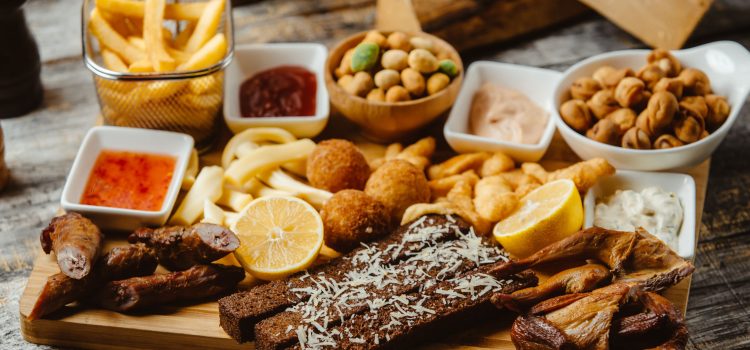
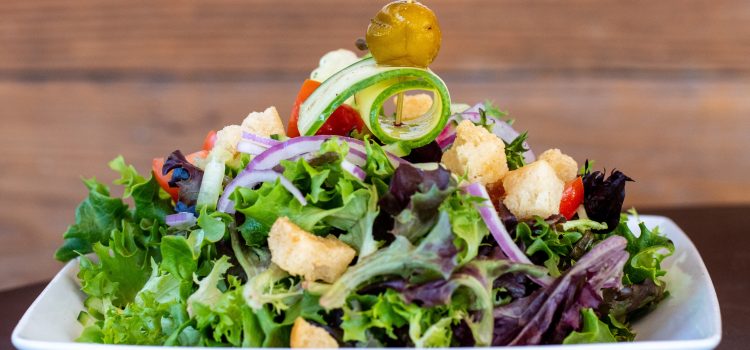
Have you ever stopped to think about the impact of the food we eat on our health? Well, if you haven’t, then it’s time to pay attention because what we put in our bodies can have serious consequences. In recent years, a new type of food has emerged – ultra-processed foods – and they’ve been linked to an increased risk of several health problems. The latest research shows that these types of foods could also be linked to ovarian cancer. If you’re wondering what exactly ultra-processed foods are and how they may affect your risk for this disease, keep reading! We’ll explore everything you need to know about this important topic.

What is ovarian cancer?

Ovarian cancer is a deadly disease that affects women of all ages. It’s the most common female cancer and the fifth leading cause of cancer death in women in the United States. According to the American Cancer Society, ovarian cancer is caused by hormone-related cancers that start in one or more ovaries. The risk factors for ovarian cancer include age (over 50), having two or more prior diagnosed cancers, having a family history of ovarian cancer, and being overweight or obese.

There are many types of ovarian cancer, but the most common is epithelial ovarian cancer (EOC). EOC is made up of cells that line the inside of the uterus and other reproductive organs. These cells can become abnormal and develop into ovarian tumors. Other types of ovarian cancers include quinvaginous (QVC) carcinoma, mucinous carcinoma, and endometrioid carcinoma.

In spite of advances in treatments, Ovarian cancer claims an alarming number of lives each year – with current estimates exceeding 3800 annually in the US alone1. More than 60% of cases occur in women over 50 years old2. Risk factors for developing Ovarian Cancer include: age (above 50), obesity/overweight, inherited traits such as BRCA 1 or 2 mutation carriers3, use of fertility drugs such as gonadotrophins/hormones etc., presence/exposure to environmental toxins4-6 and previous cancers within your reproductive system7-9

The Role of Ultra-Processed Foods in the Development of Ovarian Cancer

The role of ultra-processed foods in the development of ovarian cancer has been a topic of concern for many years. These foods are typically high in sugar, salt, and saturated fats, which can all contribute to the development of this cancer.

Studies have shown that women who eat a lot of ultra-processed foods are at an increased risk for developing ovarian cancer. In fact, one study found that women who ate the most ultra-processed foods were almost three times as likely to develop ovarian cancer compared to women who ate the least ultra-processed foods.

What makes these foods so harmful? Ultra-processed foods tend to be high in sugar and salt, both of which can damage cells in the body. They also often contain unhealthy fats, such as saturated fat, which can promote the growth of cancer cells.

If you’re concerned about your risk for ovarian cancer and you want to reduce your exposure to ultra-processed foods, it’s important to consider what’s on your plate every day. Make sure to include plenty of fruits and vegetables instead, which are low in sugar and salt and rich in nutrients that support healthful hormone levels.

How Processed Foods Affect the Female Health

Processed foods can contain a variety of chemicals and contaminants that can have a negative impact on female health. These toxins may lead to reproductive problems, such as ovarian cancer, as well as other health concerns. Here are some of the most common processed foods and their potential effects:

Ultra-processed foods: Ultra-processed foods are those that have been through a number of processing steps, including high-heat cooking and dicing, which can increase the risk of harmful compounds leaching into the food. These foods are often high in sugar, salt, and saturated fat, which can all pose major health risks.

Ovarian cancer: One study found that women who ate the most ultra-processed foods had a significantly increased risk of developing ovarian cancer. The study participants were followed for over 20 years and it was found that those who ate the most ultra-processed foods had a 61% higher risk of developing ovarian cancer than women who ate the least ultra-processed food.

Reproductive problems: Several studies have linked processed foods with reproductive problems, including infertility and birth defects. Processed food consumption has been shown to decrease levels of antioxidants in our bodies, which can lead to damage to cells in the reproductive system.

Other health concerns: Processed foods also contain harmful compounds that can have impacts beyond just female health. For example, processed food additives have been linked with obesity and chronic diseases such as heart disease and diabetes.

What to Do if You Are Suspected of Having Ovarian Cancer

If you are worried about your ovarian cancer risk and have been told that you may have the disease, there are some things you can do to help protect yourself. Here are five tips:

1. Establish a healthy lifestyle routine. Make sure to include plenty of fruits and vegetables in your diet, and exercise regularly.

2. See your doctor regularly. Make sure to discuss your concerns about ovarian cancer with your doctor so that they can keep an eye on any changes in your health.

3. Seek out medical help if you experience heavy bleeding or abdominal pain. These could be signs of ovarian cancer progressing, so it is important to get treatment as soon as possible.

4. Don’t hesitate to speak up if you feel like you may have ovarian cancer. It is important to have open communication with your doctor about any concerns that you might have, so that they can help take the appropriate steps for protecting your health.”

Conclusion

The connection between ultra-processed foods and ovarian cancer is clear – we need to start eating more whole, unprocessed foods if we want to decrease our risk of this deadly disease. And that means cutting out all those ultra-processed packaged goods: cakes, cookies, pies, pastries…the list goes on. Instead of reaching for junk food every time you’re feeling stressed or famished, try opting for healthier alternatives like fruits and vegetables.

If you knew there was a secret to living past 100, would you do anything to uncover it? Well, the answer might be sitting right in front of us on our plates. It’s time to take a closer look at how centenarians eat and see if their diet could hold the key to longevity. So grab a cup of tea and join us as we explore the fascinating world of eating like a centenarian!

What is a Centenarian?

A centenarian is a person who has reached the age of 100 years or more. A study published in the journal PLOS One found that people who ate like centenarians – eating a diet full of fruits, vegetables, and whole grains – had a lower risk of death than those who didn’t. Researchers believe that this may be because centenarians’ diets are rich in antioxidants, which protect cells from damage.

There’s no definitive answer as to why consuming a diet like that of a centenarian might help you live longer, but it’s believed that it could have something to do with reducing inflammation and improving heart health. Plus, eating like a centenarian may give you some good advice for living a happy and healthy life regardless of your age!

The Benefits of a Centenarian Diet

A Centenarian Diet Could Help You Live Past 100 Years
People who eat a diet high in fruits and vegetables, whole grains, and lean protein have a lower incidence of chronic diseases and longer lives. Scientists believe that these dietary factors may be responsible for the apparent longevity benefits of centenarians.

A study published in The Journals of Gerontology Series A found that people over age 100 who ate a mostly plant-based diet had a 42% lower risk of death from any cause than those who ate a diet high in animal-based products. Furthermore, the plant-based group had a 66% lower risk of death from heart disease. Elderly people who consumed more vegetable matter also had a 33% reduced risk of fracture compared to those who ate less vegetable matter.

These findings suggest that eating like centenarians may help you live longer by reducing your risk for chronic diseases and fractures. In addition to consuming more fruits and vegetables, whole grains, legumes, nuts, and unsaturated fats may also be beneficial for elderly individuals.

How to Achieve a Centenarian Diet

It’s no secret that a healthy diet is key to preserving your health as you age, but what about living to 100? Turns out there are plenty of ways to enjoy a centenarian-friendly lifestyle without even trying. Here are five tips for eating like a centenarian:

1. Stick to whole foods

One big way to eat like a centenarian is to stick to whole foods as much as possible. Whole foods include unprocessed items such as fruits, vegetables, nuts and seeds, and less processed options such as home-cooked meals or canned goods. This way of eating is typically more nutritious and gives you the benefits of antioxidants, vitamins and minerals that come from eating whole foods.

2. Make sure your intake of protein is high

Protein is essential for keeping you healthy and strong as you age. According to the World Health Organization (WHO), protein helps keep muscles strong and can help reduce the risk of developing diseases such as heart disease, stroke and cancer. Getting enough protein in your diet can be tricky if you’re not used to consuming more protein regularly, so aim for about 20% of your daily caloric intake from protein sources. Consider including high-quality animal proteins such as lean steak or chicken breast along with other whole grains, fruits and vegetables in your meals.

3. Include plenty of fiber in your diet

Fiber is another important nutrient for preserving health in later years. According to

The 5 Best Foods to Eat If You Want to Live Longer

There are a few different things you can do to help lengthen your life and live a healthier lifestyle. One of the most important things you can do is eat a healthy diet. You don’t have to become a vegetarian or vegan, but it’s important to include plenty of fruits and vegetables in your diet. Here are five foods that are known to increase lifespan:

1. Blueberries: A study published in the “Journal of Agricultural and Food Chemistry” found that blueberries may help prevent age-related diseases, including obesity, heart disease, stroke, diabetes and cancer.

2. Olive oil: Not only is olive oil rich in antioxidants, but studies show that it may also protect against heart disease and other health conditions.

3. Avocados: Avocados are high in monounsaturated fats and antioxidants which may help protect your cells from damage caused by free radicals.

4. Dark chocolate: Dark chocolate has been shown to be beneficial for lowering blood pressure and reducing the risk of heart attack or stroke.

5. Garlic: Garlic is a powerful antioxidant that has been shown to reduce the risk of several diseases including cancer, heart disease, Alzheimer’s disease, arthritis and asthma symptoms.

Conclusion

While there is no guaranteed way to live a long, healthy life, adopting some of the habits of centenarians may help you extend your time on this earth. By eating foods that are high in antioxidants and fiber, Centenarian Secrets reveals how these individuals have been able to stay healthy and energetic into their 100s. If you’re looking for ways to increase your lifespan and reduce the risk of age-related diseases, read on!

Are you curious about how long you will live and what factors influence your lifespan? Whether we like it or not, mortality is a natural part of life. However, the good news is that there are things we can do to increase our chances of living longer, healthier lives. In this blog post, we’ll explore some key factors that play a role in determining how long you’ll live and offer tips on how to extend your lifespan. So buckle up and get ready to discover some surprising insights into longevity!

The 5 Most Important Health Factors That Influence Life Span

There are many factors that influence how long you’ll live, but the five most important ones are your genetics, lifestyle choices, stress levels, diet and exercise.

Your genetics is something you can’t control, but you can modify some of the other four factors. Lifestyle choices include things like smoking, being overweight or obese and not getting enough exercise. Stress levels can be controlled by dealing with problems head-on and setting boundaries with family and friends. Diet is key because it can influence everything from your cholesterol level to your risk for heart disease. And lastly, exercise has been shown to improve moods and reduce stress levels, which in turn can extend lifespan.

The 3 Main Causes of Death

1. How you live your life
2. Your genes
3. The environment

The 10 Things You Can Do to Increase Your Lifetime Healthspan

There are many things you can do to increase your lifetime healthspan, but not all of them are going to be easy or convenient. Here are 10 of the most important:

1. Eat a healthy diet.

A healthy diet is essential for both overall health and longevity. It’s packed with antioxidants, vitamins, and minerals that can help protect your cells from damage and boost your immune system. And research shows that diets high in fruits and vegetables may also help reduce the risk of chronic diseases like cancer, heart disease, and stroke.

2. Exercise regularly.

Exercising can not only improve your physical health, it can also add years to your life by reducing the risks of chronic diseases like obesity and heart disease. In fact, regular exercise has been linked with a lower mortality rate across all ages! But unlike some exercises that are simply cardio or weight-lifting workouts, there are many different types of exercises you can do to find what’s best for you – so give it a try!

3. Take supplements regularly.

Several supplements have been shown to have benefits for both overall health and lifespan extension in various studies. These include antioxidants like vitamin C, omega-3 fatty acids, CoQ10, magnesium, zinc, and calcium; anti-inflammatory supplements like turmeric; supplements that support cognitive function such as magnesium oxide; protein supplements; probiotics; and fiber supplements (like those made with plantains). The best way to determine

How to Reduce Your Risk of Dementia and Alzheimer’s Disease

There are many factors that influence how long you’ll live, but some things you can do to increase your lifespan include eating a healthy diet, getting enough exercise, and avoiding tobacco smoke. You also need to make sure that you get an adequate amount of sleep each night.

If you have genes that increase your risk of developing dementia or Alzheimer’s disease, there are things that you can do to reduce your risk. For example, if you’re at risk for both conditions, make sure to get regular screenings for both conditions. And if either condition develops, talk to your doctor about available treatments.

What to Do If You’re Already a Senior

If you’re already on the senior side, there’s no need to feel down – in fact, there are a number of things you can do to increase your lifespan and enjoy a healthy retirement. Here are five key factors that influence how long you’ll live:

1. Your overall health: If you have a good overall health, you’re less likely to suffer from chronic conditions that can shorten your life – such as diabetes, heart disease, and stroke. Keeping your weight under control and getting regular exercise are also key factors in having a long and healthy life.

2. The quality of your sleep: Getting enough good quality sleep is crucial for your overall health, mood, and well-being. Not getting enough sleep can lead to depression, weight gain, increased stress levels, and even accidents – so make sure you get the recommended seven hours per night!

3. Your genes: You can’t change the fact that you were born with certain genes (like being prone to heart disease or diabetes), but what you can do is play an active role in promoting lifelong healthy habits by eating a balanced diet, getting exercise regularly, avoiding tobacco smoke and excessive alcohol consumption, etc.

4. Your social environment: It’s never too late to start making new friends and building positive relationships – whether it’s with family members or close friends who share similar interests or values. Social interaction not only keeps us healthy physically but mentally as well; research shows that people who have strong

Do you constantly suffer from the discomfort of heartburn? Have antacids become your best friend? You’re not alone. Heartburn affects millions of people worldwide, and in some cases, it can be a stubborn condition that refuses to go away even with medication. Fortunately, our expert is here to answer common questions about heartburn and offer solutions to help alleviate your symptoms. Read on for tips on how to finally say goodbye to that pesky burning sensation once and for all!

What Causes Stubborn Heartburn?

There are a few things that can cause your stomach to produce a stubborn case of heartburn. One common cause is food that is too large or tough to push down. Other causes can include:

Irritable bowel syndrome (IBS) – A condition in which people experience recurrent bouts of abdominal pain and bloating. IBS is thought to be caused by a combination of factors, including the way the stomach and intestines function.

– A condition in which people experience recurrent bouts of abdominal pain and bloating. IBS is thought to be caused by a combination of factors, including the way the stomach and intestines function. Gastroesophageal reflux disease (GERD) – A condition in which acid from the stomach flows back into the esophagus, causing heartburn and other digestive problems. GERD is often associated with abnormal muscle contractions in the lower esophageal sphincter (LES), which prevents food from entering the stomach properly.

– A condition in which acid from the stomach flows back into the esophagus, causing heartburn and other digestive problems. GERD is often associated with abnormal muscle contractions in the lower esophageal sphincter (LES), which prevents food from entering the stomach properly. Hiatal hernia – A protrusion or lump on one side of your gastrointestinal (GI) tract due to an abnormality in your diaphragm or chest muscles. This can

How to Treat Stubborn Heartburn

Stubborn heartburn can be frustrating and difficult to manage. Here are some tips to help you get relief:

1. Drink plenty of water. A full glass each day is recommended. Drinking more water will help dilute your stomach acids, making them less likely to cause irritation.

2. Swap high-fat foods for low-fat foods. Eating high-fat foods can create too much acid in the stomach, while eating low-fat foods will help lower levels of acidity.

3. Take antacids before meals if needed. Taking antacids before meals may help reduce the amount of acid that comes up after eating. However, it is important to note that overuse of antacids may lead to tooth erosion and other problems. Talk with your doctor about the best way to manage your stubborn heartburn symptoms.

4. Try a relaxation technique such as deep breathing or meditationbefore meals if you find yourself struggling with intense heartburn symptoms. Practicing these techniques before meals may help calm your nervous system and ease digestion of food in the stomach.”

Foods That Cause Stubborn Heartburn

Do certain foods cause stomach upset that can lead to stubborn heartburn?

Yes, some foods can cause problems for those with stubborn heartburn. Some common culprits include caffeine, acidic foods, and fatty foods. Caffeine can irritate the lining of the stomach, while acidic foods and fatty foods can create an environment in which bacteria love to grow. This combination can lead to troublesome symptoms like heartburn and reflux disease.

If you’re experiencing troublesome symptoms from your diet, it might be worth considering making some changes. Chief among these may be limiting or avoiding caffeine, reducing your intake of acidic foods (such as tomatoes), and reducing your intake of unhealthy fats. If these adjustments don’t solve the problem, speak with your doctor about other potential remedies.

Homeopathic Solutions for Stubborn Heartburn

Homeopathic Solutions for Stubborn Heartburn

If you’re suffering from stubborn heartburn, there are homeopathic remedies that may help. Homeopathy is a form of medicine that uses tiny doses of substances to treat symptoms. One remedy for stubborn heartburn is called phytolacca decandra. This remedy is recommended for people who have difficulty swallowing and find it hard to break down food. It’s also used to treat indigestion and other digestive problems. You can buy phytolacca decandra over the counter or find it in some health stores. There are also other homeopathic remedies that can help with stubborn heartburn, so don’t be afraid to try something different if nothing else works.

Conclusion

Stubborn heartburn can be frustrating and difficult to deal with, but it doesn’t have to be. Our expert offers some tips on how you can deal with your stubborn heartburn and live a more comfortable life. From preventing episodes of stubborn heartburn in the first place to relieving symptoms when they do occur, our tips will help you get the most out of your day-to-day life.

Have you ever thought about the strength of your grip? You may not realize it, but something as simple as how tightly you can hold onto an object could be an indicator of your longevity. Recent studies have shown a strong correlation between muscle health and aging, and one particular aspect that stands out is grip strength. So if you want to live long and healthy, pay attention to those handshakes – they just might reveal more than you think! In this blog post, we’ll explore the fascinating link between grip strength and longevity, and what it means for our overall well-being.

The Relationship Between Grip Strength and Longevity

Grip strength is one of the most important abilities you can have for overall health and longevity. Strong grip muscles can help protect your extremities from injury, and they also play a role in keeping your balance and preventing falls.

In addition to these benefits, strong grip muscles may also be linked to a longer lifespan. A study published in the journal BMC Geriatrics found that people with strong grip strength had a reduced risk of mortality compared to those with weaker grip strength. The study authors believe that this link is due to the protective effects of grip strength on body weight and bone health.

Making sure your grip strength is up to par isn’t as hard as you might think. Simple exercises like hand-grip strengthening exercises or resisted wrist curl variations can help improve your muscle function and build stronger bones too!

The Effects of Grip Strength on Cardiovascular Health

Grip strength has been consistently shown to be a strong predictor of cardiovascular health. Cardiovascular disease (CVD) is the leading cause of death in the US, and according to the American Heart Association, “Stronger handgrip strength is associated with a lower risk for CVD events and overall mortality” (Mills 2015). The link between muscle health and aging is well-known, with greater muscle strength typically correlating with a longer life expectancy. This relationship is likely due to several factors:

1. Greater muscle strength contributes to improved balance and coordination, both of which play key roles in preventing falls and other accidents that can lead to CVD.

2. Stronger muscles are better able to resist fatigue and burn more calories during physical activity, which can help improve overall fitness levels and reduce the risk of obesity-related diseases such as heart disease, stroke, and type 2 diabetes.

3. Stronger muscles reduce stress on the body’s systems by providing support when they are needed most – like during moments of intense exercise or during times of prolonged rest.

The Relationship between Grip Strength and Cognitive Function

Do you know what your grip strength is? Grip strength can be a good indicator of cognitive function, according to a study published in the journal Neurology.

The study found that people with better grip strength were less likely to have problems with memory and thinking skills, compared to those who had weaker grips. The findings suggest that maintaining strong grip strength may play an important role in maintaining cognitive health as we age.

Grip strength is an important tool for preventing injuries and improving overall fitness. Maintaining strong grip muscles can also help prevent falls, which can lead to serious health problems. So, it’s important to keep your grip strength up as you age so you can stay healthy and continue performing at your best!

How to Increase Grip Strength

Reduce the risk of developing age-related diseases by improving your grip strength. Grip strength can predict longevity, improve overall muscle health and reduce the risk of falls.

1) Improve grip strength with a variety of exercises. A variety of exercises that target different muscles in your hand as well as your forearm will help increase grip strength. Exercise selection is key to ensuring you are achieving maximal results while minimizing possible injuries.

2) Reduce stress levels through relaxation techniques. Improving blood flow and reducing stress can both help improve grip strength. Relaxation techniques such as meditation and yoga can help to ease tension in your hands and promote better circulation.

3) Increase intake of nutrients that support muscle growth, such as omega-3 fatty acids. Omega-3 fatty acids play an important role in maintaining healthy muscle tissue, and can be found in fish, nuts and seeds. In addition to promoting better muscle health, these nutrients also have been linked with reduced risk of age-related diseases such as dementia and heart disease.

Conclusion

Grip strength is a critical measure of overall health and well-being, as it can predict a variety of long-term outcomes including longevity. While exercise and diet are undoubtedly important factors in maintaining good muscle health, the grip strength of our fingers can help us to stay independent for years to come. So if you want to enjoy a long and healthy life, make sure to maintain strong finger muscles!

Are you struggling to get the most out of your CPAP therapy? Have you tried everything from adjusting your mask to changing up your sleep routine but still can’t seem to achieve optimal results? Well, here’s a little secret: it may not be entirely about what you’re doing physically. In fact, one major factor that could be affecting the effectiveness of your CPAP therapy is something much more internal – your body’s natural rhythms. In this blog post, we’ll delve into how these rhythms work and why they are crucial for successful treatment with a CPAP machine. So sit back, relax and let’s explore this fascinating topic together!

What are Rhythms and How Do They Impact CPAP Therapy?

There are many rhythms that occur throughout the day and night. These rhythms can impact how well your CPAP therapy works. Here’s a look at some of the most common rhythms and how they may affect your sleep therapy:

Body Time: This is the natural rhythm of the body, which varies based on the time of day. During the daytime, our bodies are active and use more energy. This means that our body’s natural rhythm is faster. At night, when we are bedded down and using less energy, our body’s natural rhythm slows down.

Delta Sleep Rhythm: This is a type of sleep rhythm that occurs during stages 1, 2 and 3 sleep. Delta sleep is characterized by decreased brain activity and is crucial for consolidating memory formation and restoring restful sleep patterns. People with a delta sleep rhythm usually have worse sleep quality than people with other types of sleep rhythms.

Theta Sleep Rhythm: Theta sleep is also known as slow-wave sleep or deepSleep because it has low levels of brain activity. Thetasleep helps us to consolidate memories, process emotions and relax muscles. People with a thetasleep rhythm usually have better overall sleeping quality than people with other types of rhythms.

What can You Do to Alleviate Rhythms Affecting CPAP Therapy?

There are many rhythms that can affect a person’s sleep, and they can have an impact on the effectiveness of CPAP therapy. While it is not known exactly why CPAP therapy isn’t always effective for certain people, there are things you can do to help alleviate the issue.

First, consult with your sleep specialist to find out which rhythms are affecting your sleep and whether or not they could be causing problems. If you know which rhythms are problematic, you can try to adjust your sleep schedule in order to coincide with those rhythms. This may require some effort on your part, but it could lead to more consistent and effective CPAP therapy.

Additionally, some people find relief from using a noise machine to block out distracting noises during their sleep hours. This may help to improve the quality of their sleep and reduce the amount of time it takes for them to fall asleep.

Conclusion

Sleep apnea is a condition in which people stop breathing while they sleep, and CPAP therapy is the treatment of choice for this condition. It’s important to understand why your body’s natural rhythms may be affecting your CPAP therapy so that you can improve your sleep quality. The reason why your natural rhythm affects your respiration during sleep is because it impacts how deeply you’re asleep and how well you breathe. If you suffer from mild sleep apnea, adjusting to a more restricted schedule may help improve airflow and reduce the chance of experiencing episodes of apnea. However, if you have severe sleep apnea or an irregular sleeping pattern, CPAP therapy might not work as well as it could because your body will continue to struggle to breathe at a consistent rate through the night.

Are you considering progestin-only birth control but feeling overwhelmed by the conflicting information out there? With so many benefits and potential risks to consider, it’s important to make an informed decision that works for your individual needs. In this blog post, we’ll explore the pros and cons of progestin-only birth control and help you find the right balance between safety and effectiveness. Whether you’re a first-time user or looking to switch methods, read on for everything you need to know about progestin-only birth control.

What is progestin-only birth control?

The progestin-only birth control pill is a contraceptive method that uses only progestin, a hormone found in the ovaries. Progestin-only birth control is different from other contraceptives because it does not use any other hormones to prevent pregnancy. The benefits of progestin-only birth control include that it is reversible (you can get pregnant if you stop taking the pill), has low side effects, and works well for some women. However, there are also some risks associated with this type of birth control, including an increased risk of blood clots and breast cancer. It is important to weigh the pros and cons of each contraception before choosing which one is right for you.

The benefits of progestin-only birth control

Progestin-only birth control is a form of contraception that uses only progestins. These hormones are found in many over the counter medications, such as birth control pills, and they work by preventing ovulation. Progestin-only birth control has several benefits: it is more effective than other forms of contraception at preventing unintended pregnancy, it is reversible (meaning you can get pregnant if you stop using it), and it does not require daily Pill taking. However, there are also some risks associated with progestin-only birth control: these include increased risk for blood clots, stroke, and heart attack. It is important to weigh the pros and cons of each type of contraception before deciding which one is best for you.

The risks of progestin-only birth control

Many women are choosing progestin-only birth control (POC) as their contraception method because it offers many of the benefits of other contraceptive methods, without some of the risks. However, POC is not without its own set of risks. Here are four important things to know about POC and its associated risks:

1. Atypical Birth Control Methods Are Riskier Than Conventional Methods: Among all contraceptive methods, POC is associated with the highest risk for unintended pregnancy. This is likely due to the fact that a woman using a POC method must take regular pills every day, which increases the chances of missing a pill and becoming pregnant. In addition, some women experience side effects from progestin-only contraception such as mood swings, weight gain, and increased acne severity.

2. Pregnancy Risks With POC Are Similar to Those With Other Contraceptive Methods: Like other contraceptive methods, using a progestin-only birth control method can lead to decreased health risks for both you and your baby if used correctly. However, because there are no effective emergency contraceptives available for use with this type of contraception, there is an increased risk for unintended pregnancy if you miss your period or if you have unprotected sex while using a progestin-only birth control method. Also be aware that both types of contraception increase your risk for pelvic inflammatory disease (PID), which in turn can increase the risk for serious long-term health conditions like infertility

How do progestin-only birth controls work?

There are many different types of progestin-only birth control, each with its own benefits and risks. Progestin-only birth control is a type of contraception that uses only the hormone progestin. This means that it does not contain any other hormones, like estrogen, which can sometimes increase the risk of some health problems. Progestin-only birth control can be used as a way to avoid pregnancy without having to use other methods like condoms or withdrawal. There are several different types of progestin-only birth control available, including injections, pills, patches, rings, and implants. Each type has its own advantages and disadvantages. Injections: Injections are the most effective form of progestin-only contraception because they are reliable and easy to use. They require no special preparation or prior experience, and you can get them delivered right to your doorstep. The downside is that injectables may have side effects such as mood changes, weight gain, and increased blood pressure. Pills: Pill contraceptives work by stopping ovulation (the release of an egg from the ovaries). These contraceptives come in both extended release (ER) and regular release (CR) varieties. ER pills take longer to work but provide more protection than CR pills; CR pills work faster but offer less protection than injectables. Pills also come in various dosages and shapes (such as round or square), so finding one that fits your lifestyle is important. Patch: Patches work

What are the side effects of progestin-only birth control?

There are a few potential side effects of progestin-only birth control, but most women don’t experience any problems. The three most common side effects are menstrual changes (such as increased menstrual cramps and bleeding), changes in mood or libido, and weight gain. These side effects usually go away after you stop using the contraceptive pill. However, you may want to talk to your doctor if you experience them persistently or if they cause problems with your health.

Who should use progestin-only birth control?

There are a number of reasons why someone might choose progestin-only birth control, including if they have abnormal bleeding or are not able to take estrogen. Progestin-only birth control is also an option for people who want to avoid getting pregnant but don’t want to use other types of contraception. Here is a closer look at some of the key benefits and risks of using progestin-only birth control:

Benefits of progestin-only birth control include the following:

It can be an effective method of contraception. In one study, rates of pregnancy were lower among women using progestin-only than among women using combined hormonal contraceptives, even when both groups were using condoms consistently.

It is less likely to cause side effects than other types of contraceptive methods. Compared to combined hormonal contraceptives, progestin-only birth control is associated with a reduced risk of blood clots, heart attack, stroke, and bone loss. It may also be less likely to cause weight gain or acne. However, it does not protect against sexually transmitted infections (STIs).

It may be easier for people who are breastfeeding to use progestin-only birth control because it does not contain estrogen. However, it’s still important to choose a method of contraception that will keep you safe from STIs and allow you to breastfeed without affecting your milk supply.

Risks associated with taking progestin-only birth control include the following

Conclusion

While progestin-only birth control is one of the most effective types of birth control on the market, there are also a few risks to consider. By understanding both the benefits and risks of this type of contraception, you can make an informed decision about whether or not to use it.

Are you tired of constantly worrying about whether your food contains nuts? Are you looking for practical and expert advice on how to navigate a nut-free diet? Look no further! In this ultimate guide to nut-free eating, we have enlisted the help of a doctor to provide valuable insight and tips on staying safe and healthy without compromising on taste. Whether you have a nut allergy or simply want to explore nut-free options, this post is packed with everything you need to know about living a deliciously fulfilling life sans nuts. So sit back, relax, and enjoy as we delve into the world of nut-free eating.

What is a Nut-Free Diet?

A nut-free diet is a popular eating plan that eliminates the consumption of any type of nut. These foods are high in saturated fat, cholesterol and calories. A nut-free diet can be an effective way to manage food allergies or avoid potential health risks. There are a number of varieties of a nut-free diet, so it’s important to consult with a doctor or nutritionist to determine which type is best for you. Here are some tips for following a nut-free diet:

– Make sure you have access to a list of safe substitutes for nuts. Some options include seeds, legumes, chia seeds, peanut butter and tahini.

– Avoid packaged foods that contain nuts. Instead, buy bulk versions of foods like nuts and spice mix or make your own versions using ingredients like olive oil, soy sauce and tamari sauce.

– If you do eat nuts, make sure they’re processed in a way that avoids the inclusion of oils and other unhealthy additives. For example, try roasted almonds or hazelnuts instead of raw ones or use them in baking recipes that call fornut flour rather than almond flour.

Types of Nut-Free Diets

A nut-free diet can be a great way to improve your health and prevent inflammation. There are several types of nut-free diets, and each has its own benefits. Here are three types of nut-free diets:

The Paleo Diet is based on the idea that humans were originally designed to eat meat and plants that were hunted or gathered from the wild. Some people follow the Paleo Diet without any grains, dairy, or legumes, which is called a mono diet.

The Zone Diet is based on the principle that all foods should be divided into two categories: high-glycemic index foods and low-glycemic index foods. The goal is to keep your blood sugar levels stable by eating low-glycemic index foods, such as nuts and seeds, while limiting high-glycemic index foods, such as grains and sugar.

The GAPS Diet is similar to the Zone Diet in that it divides food into two categories: primitive (high-fiber) and modern (low-fiber). However, the GAPS Diet emphasizes raw fruits, vegetables, nuts, seeds, avocados, coconut milk products, meats with moderate amounts of fat, small amounts of dairy products (if tolerated), fermented cod liver oil supplements every day and regular exercise.

What to Eat on a Nut-Free Diet

When you’re on a nut-free diet, it’s important to do your research so that you know what to eat. Here are some ideas for foods that are safe and nutritious on a nut-free diet:

1. Plant-based proteins: legumes, tofu, beans, nuts and seeds. These are all good sources of protein without the added gluten or grains found in many animal-based proteins.

2. Grain-free breads and cereals: Many store-bought brands now have grain-free options, as well as recipes you can make at home using almond milk or coconut milk as the main liquid ingredient. There are also lots of grain-free cookies, cakes and muffins out there to enjoy!

3. Safe starches: sweet potato, yam, quinoa, amaranth and arrowroot all work well as stabilizers and provide plenty of fiber and other nutrients to help keep you feeling full. Just be sure to read labels carefully to ensure they’re gluten free (many starches often contain gluten).

4. Nutritional supplements: If you feel like you need extra support on a nut-free diet, consider taking a supplement such as vitamins B12 or D or omega 3 fatty acids. Speak with your doctor before starting any new supplement regimen, though!

The Best Foods to Eat on a Nut-Free Diet

Eating a nut-free diet can be challenging, but it’s worth it if you want to maintain good health. Here are the best foods to eat on a nut-free diet:

1. Nut-free bread and rolls. Store-bought gluten-free breads and rolls are a great option if you’re trying to cut down on your carbohydrate intake. Just be sure to read the ingredients before buying, since many of them contain nuts.

2. Nut-free pastries and desserts. Sweet treats that don’t involve flour or sugar can be surprisingly satisfying without all the added extras. Try almond milk ice cream, chocolate chip cookies made without flour, or a classic fruit tart sans crusts or sweetener.

3. Nut-free salads and side dishes. Planning ahead is key when it comes to enjoying a nut-free meal! Make sure to have plenty of salad dressings and sides available, like roasted Brussels sprouts with balsamic vinegar or lentil soup topped with roasted sweet potatoes.

4. Nut-free main dishes. If you’re looking for something more filling than a salad, consider cooking up a nut-free dish like quinoa stir-fry with fresh vegetables or vegetable chili with no beans or meat products involved.

Tips for Transitioning to a Nut-Free Diet

If you are currently on a nut-free diet, there are some things you can do to make the transition easier. Here are some tips from a doctor:

1. Start by gradually adding back one or two specific nuts into your diet each week. Try to choose options that are low in sugar and high in healthy fats and protein.

2. Choose nut-free replacements for foods that you would usually eat with nuts. For example, try using peanut butter instead of almond butter, almond milk instead of soy milk, or hazelnut spread instead of peanut butter.

3. Consider taking supplements such as fish oil or vitamin B12 to help your body get the nutrients it needs while on a nut-free diet.

4. Talk to your doctor about any other concerns you may have about transitioning to a nut-free diet. They may be able to recommend adjustments or sugges

Conclusion

Whether you are looking to avoid food allergies or simply want to eat healthier without sacrificing flavor, a nut-free diet can provide the solution you’re searching for. In this article, we have provided expert advice on how to make the switch to a nut-free lifestyle and maintain your health while eating delicious foods. We hope that our tips will help you enjoy a more nutritious and flavorful diet without any negative side effects.

Mental health parity is a force to be reckoned with, and it’s only getting stronger. With the pandemic highlighting the importance of mental wellness like never before, there’s no doubt that a new wave of advocacy is on the horizon. But what does this mean for individuals struggling with mental health issues? In this post, we’ll explore some predictions for the next wave of parity pushes and what they could mean for mental healthcare access and affordability. So buckle up – because it’s time to put your mental health first!

Mental Health in the News

The headlines from the past few months paint a grim picture of mental health in America. From mass shootings to suicide bombings, it seems like anything is possible when it comes to mental illness. But what do these events have in common? They’re all pushing mental health into the spotlight.

In response, advocates for mental health are working hard to make sure that parity — the principle that everyone should have access to the same quality care, regardless of their financial situation — becomes a reality. It’s not an easy task, but with so much at stake, we can’t afford to falter. Here are seven predictions for the future of parity:

1) More states will pass parity legislation.

Progress has been made at a state level, but there’s still more work to be done. Fifteen states now have parity laws on the books, and momentum is only growing — both in terms of support from lawmakers and public opinion. This year alone, four more states (Kentucky, New Hampshire, North Dakota and Wyoming) are expected to pass parity legislation.

2) More insurers will offer coverage for mental health services.

Many insurers remain reluctant to offer coverage for mental health services due to fears that it will be too expensive for them to cover. But as awareness grows about the importance of parity and the benefits that it can provide, this attitude is beginning to change. In 2017 alone, five new insurers had Mental Health Parity policies available through their plans. And

The Parity Movement: What It Is and Why It Matters

The parity movement is on the rise, and with good reason. According to the National Alliance on Mental Illness (NAMI), one in five adults experiences a mental health issue in a given year. That’s roughly 50 million people—a number that’s only going to grow as our population ages.

Parity is a movement aimed at ensuring that everyone receives the same level of care and treatment for mental health issues. It starts with ensuring parity in insurance coverage, which would mean that all mental health conditions would be treated no less seriously than any other medical condition.

There are many advocates for parity, including NAMI, which has been working toward it for more than two decades. And there are good reasons why parity is important: when people experience mental health problems, they often feel isolated and helpless. The lack of recognition and respect can lead to feelings of hopelessness and despair, making it difficult for people to recover and move forward.

Parity is also important because it recognizes that mental health is just as real as physical health. Too often, we see mental health problems portrayed as trivial or unreal – something that can be fixed with some self-help books or therapy sessions. But mental health disorders are real, serious conditions that need treatment just like any other illness.

So what comes next for the parity movement? Advocates say that they will continue to push for insurance companies to provide coverage for all mental illnesses equally, along with access to quality

How to Respond to a Parity Challenge

There is no question that parity is on the rise and that more women will be pushing for gender-based pay equality in the near future. While there are many ways to respond to a parity challenge, here are five tips:

1. Own your position. Don’t try to play down your expertise or underestimate the importance of what you’re proposing. Instead, be assertive and unequivocal in your beliefs.

2. Be prepared to answer tough questions. Your opponents may try to challenge your reasoning or attack your credentials, so be ready with a response.

3. Make your case calmly and persuasively. Stay focused on the issue at hand and avoid personal attacks or insults.

4. Stick to your guns. Don’t back down even if the odds seem insurmountable or public opinion seems against you. Persistence can pay off in the long run, especially if you’re backed by strong evidence and sound logic.

5. Keep an open mind. Even if someone challenges you on a point, don’t lose sight of why you believe it’s important – whether it’s because it’s justice, smart policy, or just common sense!

The Future of Mental Health Care in America

The mental health care industry is in for a big change in the coming years. More and more people are speaking up about their need for better mental health care, and advocacy groups are working harder than ever to make sure that everyone has access to the treatment they need.

Though there’s still a lot of work to be done, parity is on the rise as a powerful tool for fighting against discrimination and improving mental health care access. Here are five predictions for the future of parity in America:

1. Parity will become law across the country

For years, advocates have been working towards ensuring that all mental health services are treated equally under the law. And now, progress is being made at an unprecedented pace. In 2017 alone, eight states passed laws implementing parity into their healthcare systems – an increase from just two states just two years earlier.

2. The stigma surrounding mental health will gradually disappear

Until recently, mental health was considered a taboo topic – one that was seldom discussed and never openly discussed. But times are changing quick, and more and more people are opening up about their struggles with mental illness. This gradual shift away from stigma will help ensure that everyone has access to quality care, no matter what their situation or background may be.

Conclusion

The current climate of parity in mental health care is one of unprecedented opportunity and change. The push for more equality has led to improvements in access to mental health care, as well as the understanding that everyone experiences mental illness to some degree or another. This awareness is leading to greater support and understanding for people who experience mental illness, which in turn is helping to create a more accepting society. Looking ahead, we can expect continued progress towards parity in mental health care. Already, there are signs that this movement is having an impact on attitudes and behaviors around mental illness. More parity will only help ensure that people with all types of mental illnesses have the resources they need to get the treatment they need and live productive lives.