
Sustainable Fashion Products: Leading Brands in 2024

Sustainable fashion has emerged as a significant movement in the global fashion industry, reflecting growing awareness of environmental issues, ethical production practices, and social responsibility. As consumers become more conscious of the impact of their purchases, the demand for sustainable fashion products has increased. This article explores the latest trends in sustainable fashion, highlighting key developments in materials, design, production processes, and consumer behavior.

Pexels.com
  1. The Rise of Eco-Friendly Materials

One of the most notable trends in sustainable fashion is the increased use of eco-friendly materials. Traditional fashion relies heavily on synthetic fabrics and chemical-intensive production processes, which have a detrimental impact on the environment. However, the sustainable fashion movement is driving a shift towards natural, organic, and recycled materials.

Organic Cotton and Hemp

Organic cotton and hemp are two of the most popular materials in sustainable fashion. Unlike conventional cotton, organic cotton is grown without synthetic pesticides and fertilizers, reducing environmental pollution. Hemp, a fast-growing plant, requires minimal water and no pesticides, making it an excellent alternative to traditional fibers.

Recycled and Upcycled Fabrics

Another significant trend is the use of recycled and upcycled fabrics. Brands are increasingly sourcing materials from post-consumer waste, such as plastic bottles and discarded textiles, to create new clothing. This not only reduces waste but also lowers the demand for virgin materials, which are often resource-intensive to produce.

  1. Ethical Production Practices

Sustainable fashion is not just about the materials used but also the ethical practices behind the production of clothing. Consumers are demanding greater transparency and accountability from fashion brands, leading to a shift towards more ethical production methods.

Fair Trade and Living Wages

Fair trade certification ensures that workers in the fashion supply chain are paid fair wages and work in safe conditions. Brands that prioritize fair trade are gaining popularity as consumers seek to support companies that value human rights and social justice. This trend is also reflected in the growing demand for clothing produced in facilities that adhere to living wage standards, which go beyond minimum wage requirements.

Slow Fashion Movement

The slow fashion movement is a reaction against the fast fashion industry, which is characterized by mass production, low prices, and short-lived trends. Slow fashion emphasizes quality over quantity, encouraging consumers to invest in timeless, well-made pieces that are designed to last. This approach reduces the environmental impact of clothing production and promotes a more sustainable consumption pattern.

  1. Innovations in Sustainable Design

Innovation is at the heart of the sustainable fashion movement, with designers experimenting with new techniques and technologies to create eco-friendly products. These innovations are not only reducing the environmental footprint of fashion but also offering consumers unique and stylish options.

3D Printing and Zero-Waste Design

3D printing is revolutionizing sustainable fashion by enabling designers to create garments with minimal waste. This technology allows for precise production, reducing the need for excess fabric and cutting waste to nearly zero. Zero-waste design techniques, such as pattern making that utilizes every inch of fabric, are also gaining traction, offering a creative solution to the problem of textile waste.

Circular Fashion

Circular fashion is a concept that aims to create a closed-loop system where clothing is designed, produced, and recycled in a way that minimizes waste and environmental impact. This approach includes designing products that can be easily disassembled for recycling, using biodegradable materials, and offering take-back programs where consumers can return old garments for recycling or resale.

  1. Consumer Behavior and Sustainable Fashion

The rise of sustainable fashion is closely linked to changes in consumer behavior. As awareness of environmental and social issues grows, consumers are increasingly prioritizing sustainability in their purchasing decisions.

Conscious Consumerism

Conscious consumerism refers to the trend of consumers making deliberate choices to purchase products that align with their values. In the fashion industry, this means seeking out brands that prioritize sustainability, ethical production, and transparency. This shift is driving demand for sustainable fashion products and encouraging brands to adopt more responsible practices.

Rental and Resale Markets

The rental and resale markets are booming as consumers look for ways to reduce their environmental impact without sacrificing style. Clothing rental services allow consumers to access high-quality, designer pieces without the need for ownership, reducing the demand for new clothing production. Similarly, the resale market offers a sustainable alternative to fast fashion by extending the life of garments and reducing waste.

  1. Challenges and Opportunities in Sustainable Fashion

While the sustainable fashion movement is gaining momentum, it is not without its challenges. However, these challenges also present opportunities for innovation and growth in the industry.

Cost and Accessibility

One of the main challenges in sustainable fashion is the higher cost of eco-friendly materials and ethical production practices. This can make sustainable fashion products less accessible to the average consumer. However, as demand increases and technology advances, prices are expected to become more competitive, making sustainable fashion more affordable.

Greenwashing

Greenwashing, or the practice of making misleading claims about the environmental benefits of a product, is a significant issue in the sustainable fashion industry. Some brands use sustainability as a marketing tool without making meaningful changes to their production practices. Consumers and industry watchdogs are increasingly scrutinizing these claims, pushing for greater transparency and accountability.

  1. The Future of Sustainable Fashion

The future of sustainable fashion looks promising as the industry continues to evolve and adapt to new challenges. Advances in technology, materials, and consumer engagement are driving the movement forward, with the potential to transform the fashion industry into a more sustainable and ethical space.

Tech-Driven Sustainability

Technology is expected to play a crucial role in the future of sustainable fashion. Innovations such as AI-driven design, blockchain for supply chain transparency, and new textile recycling technologies are likely to shape the industry’s future. These developments will enable brands to produce clothing more efficiently, reduce waste, and provide consumers with greater insight into the origins of their garments.

Collaborative Efforts

Collaboration between brands, governments, and consumers will be essential in driving the sustainable fashion movement forward. Industry-wide initiatives, such as the Fashion Pact and the Sustainable Apparel Coalition, are already making strides in setting standards and promoting best practices. Continued collaboration will be key to overcoming challenges and achieving a more sustainable fashion industry.

Analysis Table: Trends in Sustainable Fashion

Trend Description Impact on Industry
Eco-Friendly Materials Increased use of organic, recycled, and upcycled fabrics. Reduces environmental impact, promotes resource efficiency.
Ethical Production Practices Focus on fair trade, living wages, and safe working conditions. Enhances brand reputation, addresses social justice issues.
Innovations in Design Adoption of 3D printing, zero-waste design, and circular fashion. Minimizes waste, promotes creativity, and extends product lifecycle.
Consumer Behavior Shifts Rise in conscious consumerism, rental, and resale markets. Drives demand for sustainable products, reduces clothing waste.
Challenges and Opportunities Issues like cost, accessibility, and greenwashing. Offers room for growth and innovation in response to these challenges.

Comparative Table: Sustainable Fashion vs. Fast Fashion

Aspect Sustainable Fashion Fast Fashion
Materials Organic, recycled, and upcycled fabrics. Synthetic and non-renewable materials.
Production Practices Ethical, fair trade, focus on living wages. Low-cost, mass production, often exploitative labor.
Design Philosophy Timeless, high-quality, durable designs. Trend-driven, short lifecycle, disposable.
Environmental Impact Lower carbon footprint, reduced waste, resource efficiency. High carbon footprint, significant waste, resource-intensive.
Consumer Appeal Attracts eco-conscious consumers, promotes responsible consumption. Appeals to trend-driven consumers, promotes overconsumption.
Price Generally higher due to ethical practices and materials. Lower, due to cost-cutting measures in production.

Conclusion

Sustainable fashion is no longer a niche market but a growing force in the global fashion industry. The trends discussed in this article reflect a shift towards more responsible production and consumption patterns, driven by consumer demand and innovations in materials and design. While challenges remain, the future of sustainable fashion looks promising, with opportunities for continued growth and positive change.

Top Health Tech Products to Watch in 2024

Wearable technology has revolutionized the way we interact with our devices, monitor our health, and stay connected. From fitness trackers to smartwatches and beyond, wearable tech has become an integral part of our daily lives. This article explores the top wearable tech devices available in the market, highlighting their features, benefits, and how they compare to one another.

Unsplash.com

Introduction to Wearable Technology

Wearable technology, often referred to as wearables, encompasses a wide range of electronic devices that can be worn on the body. These devices are designed to be both functional and fashionable, integrating seamlessly into our everyday activities. Wearables include fitness trackers, smartwatches, smart glasses, and even smart clothing.

Key Features of Wearable Tech Devices

Wearable tech devices come equipped with a variety of features that enhance user experience and provide valuable insights. Some of the key features include:

  1. Health Monitoring: Wearables can track various health metrics such as heart rate, sleep patterns, and physical activity.
  2. Connectivity: Many wearables offer Bluetooth and Wi-Fi connectivity, allowing for seamless integration with smartphones and other devices.
  3. Notifications: Users can receive calls, messages, and app notifications directly on their wearable devices.
  4. GPS and Navigation: GPS-enabled wearables provide location tracking and navigation assistance.
  5. Water Resistance: Many wearables are designed to withstand water exposure, making them suitable for swimming and other water activities.

Popular Wearable Tech Devices

  1. Apple Watch Series 8

The Apple Watch Series 8 continues to dominate the smartwatch market with its advanced features and seamless integration with the Apple ecosystem. Key features include:

  • ECG and Blood Oxygen monitoring
  • Advanced sleep tracking
  • Fitness tracking with a variety of workout modes
  • Fall detection and emergency SOS
  • GPS and cellular connectivity options
  1. Fitbit Charge 5

Fitbit Charge 5 is a popular fitness tracker known for its comprehensive health monitoring capabilities. Key features include:

  • Daily Readiness Score to optimize workouts
  • Stress management tools
  • Built-in GPS for outdoor activities
  • Advanced sleep tracking
  • 7-day battery life
  1. Garmin Fenix 7

Garmin Fenix 7 is a high-end multisport GPS smartwatch designed for outdoor enthusiasts. Key features include:

  • Multi-GNSS support for accurate tracking
  • Advanced health monitoring, including Pulse Ox and VO2 Max
  • Extensive battery life with solar charging options
  • TopoActive maps and ski maps
  • Performance metrics for a variety of sports
  1. Samsung Galaxy Watch 5

The Samsung Galaxy Watch 5 offers a robust set of features, making it a strong competitor in the smartwatch market. Key features include:

  • Body composition analysis
  • ECG and blood pressure monitoring
  • Sleep tracking and stress management
  • Fitness tracking with auto workout detection
  • Integration with Google services
  1. Oura Ring Gen 3

The Oura Ring Gen 3 is a unique wearable that focuses on comprehensive health and wellness tracking. Key features include:

  • Continuous heart rate monitoring
  • Sleep analysis with personalized insights
  • Activity tracking with calorie burn estimation
  • Temperature trend tracking
  • Discreet, ring-shaped design

Comparative Analysis of Wearable Tech Devices

To provide a clearer picture of how these top wearable tech devices stack up against each other, we present the following comparative analysis table:

Feature Apple Watch Series 8 Fitbit Charge 5 Garmin Fenix 7 Samsung Galaxy Watch 5 Oura Ring Gen 3
Health Monitoring ECG, Blood Oxygen Stress, ECG Pulse Ox, VO2 Max ECG, Blood Pressure Heart Rate, Temp
GPS Yes Yes Multi-GNSS Yes No
Battery Life 18 hours 7 days Up to 24 days 40 hours 7 days
Connectivity GPS, Cellular GPS GPS, Multi-GNSS GPS, Wi-Fi, Cellular Bluetooth
Water Resistance 50 meters 50 meters 100 meters 50 meters Water Resistant
Notifications Yes Yes Yes Yes No
Fitness Tracking Yes Yes Yes Yes Yes
Price Starting at $399 $179 Starting at $699 Starting at $279 $299

Detailed Analysis of Wearable Tech Devices

Health Monitoring Capabilities

Health monitoring is a core feature of wearable tech devices. The Apple Watch Series 8 and Samsung Galaxy Watch 5 lead the way with advanced ECG and blood oxygen monitoring capabilities. Fitbit Charge 5 stands out with its stress management tools, while Garmin Fenix 7 excels in providing comprehensive health metrics for serious athletes. The Oura Ring Gen 3 offers unique temperature trend tracking, which is particularly useful for early illness detection.

GPS and Connectivity

For those who prioritize GPS and connectivity, the Garmin Fenix 7 offers unparalleled accuracy with its multi-GNSS support. The Apple Watch Series 8 and Samsung Galaxy Watch 5 also provide reliable GPS tracking and offer cellular connectivity options, which is useful for staying connected without a smartphone. The Fitbit Charge 5 offers built-in GPS but lacks cellular connectivity, while the Oura Ring Gen 3 does not include GPS.

Battery Life

Battery life is a crucial consideration for many users. The Garmin Fenix 7 outperforms other devices with up to 24 days of battery life, thanks to its solar charging options. Fitbit Charge 5 and Oura Ring Gen 3 both offer impressive 7-day battery lives, making them suitable for extended use without frequent recharging. The Samsung Galaxy Watch 5 provides up to 40 hours, while the Apple Watch Series 8 requires daily charging with its 18-hour battery life.

Water Resistance

All the featured devices are water-resistant, making them suitable for swimming and other water activities. The Garmin Fenix 7 offers the highest water resistance at 100 meters, followed by the Apple Watch Series 8, Fitbit Charge 5, and Samsung Galaxy Watch 5 at 50 meters. The Oura Ring Gen 3 is water-resistant but not designed for deep-water activities.

Fitness and Activity Tracking

When it comes to fitness and activity tracking, all devices offer comprehensive features. The Apple Watch Series 8 and Samsung Galaxy Watch 5 include a wide range of workout modes and automatic workout detection. Garmin Fenix 7 provides detailed performance metrics for various sports, making it ideal for athletes. Fitbit Charge 5 focuses on daily readiness and stress management, while Oura Ring Gen 3 provides personalized activity insights based on overall health metrics.

Price

Price is often a deciding factor for many consumers. The Fitbit Charge 5 offers the most affordable option at $179, providing excellent value for its features. The Samsung Galaxy Watch 5 is competitively priced, starting at $279. The Apple Watch Series 8 starts at $399, reflecting its premium features and brand reputation. The Oura Ring Gen 3 is priced at $299, offering unique health insights in a discreet design. The Garmin Fenix 7 is the most expensive, starting at $699, but justifies its price with advanced features and durability.

Analysis Table

Feature Apple Watch Series 8 Fitbit Charge 5 Garmin Fenix 7 Samsung Galaxy Watch 5 Oura Ring Gen 3
Health Monitoring Advanced Comprehensive Extensive Robust Unique
GPS Reliable Built-in Unparalleled Reliable None
Battery Life Short Long Exceptional Moderate Long
Connectivity Excellent Limited Excellent Excellent Basic
Water Resistance High High Very High High Moderate
Notifications Comprehensive Basic Comprehensive Comprehensive None
Fitness Tracking Advanced Advanced Professional Advanced Personalized
Price High Affordable Premium Moderate Moderate

Wearable technology offers a variety of options to fit different lifestyles and preferences. By understanding the features and capabilities of each device, consumers can make informed decisions to find the wearable tech that best suits their needs.

Conclusion

Wearable technology continues to evolve, offering increasingly sophisticated features and capabilities. The top wearable tech devices highlighted in this article cater to a wide range of needs and preferences, from comprehensive health monitoring and advanced fitness tracking to seamless connectivity and extended battery life. Whether you are an athlete, a health enthusiast, or someone looking for a convenient way to stay connected, there is a wearable tech device to suit your needs.

Innovations in Electric Vehicle Accessories for 2024

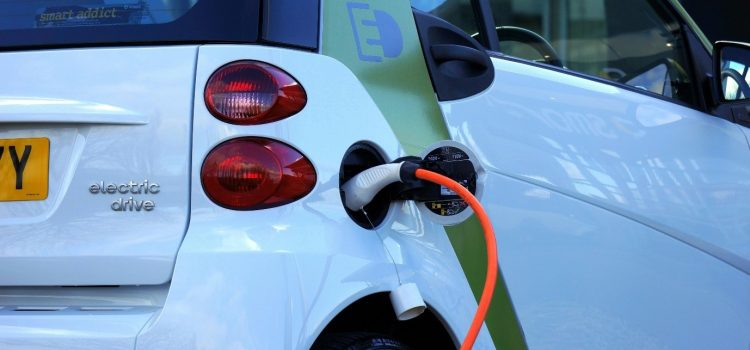
Electric vehicles (EVs) are becoming increasingly popular as a sustainable alternative to traditional internal combustion engine vehicles. With advancements in technology and growing environmental awareness, EVs offer several benefits but also come with their own set of challenges. This article provides a comprehensive analysis of the pros and cons of electric vehicles.

Pexels.com

Introduction to Electric Vehicles

Electric vehicles are powered by electric motors rather than internal combustion engines. They use energy stored in batteries, which can be recharged via electrical outlets or charging stations. The rise of EVs is driven by the need to reduce greenhouse gas emissions, improve air quality, and decrease reliance on fossil fuels.

Pros of Electric Vehicles

Environmental Benefits

One of the primary advantages of electric vehicles is their positive impact on the environment. Unlike traditional vehicles that burn gasoline or diesel, EVs produce zero tailpipe emissions. This significantly reduces the amount of pollutants such as carbon dioxide (CO2), nitrogen oxides (NOx), and particulate matter released into the atmosphere.

Key Points:

  • Reduced Greenhouse Gas Emissions: EVs contribute to lowering the overall carbon footprint, especially when charged from renewable energy sources.
  • Improved Air Quality: By eliminating tailpipe emissions, EVs help reduce urban air pollution and related health issues.

Economic Savings

Electric vehicles offer several economic advantages over their gasoline-powered counterparts. Although the initial purchase price of an EV can be higher, the long-term savings are notable.

Key Points:

  • Lower Fuel Costs: Electricity is generally cheaper than gasoline or diesel, leading to reduced operating costs.
  • Reduced Maintenance Costs: EVs have fewer moving parts compared to internal combustion engines, resulting in lower maintenance and repair expenses.

Technological Advancements

EVs are at the forefront of technological innovation. They come equipped with the latest features that enhance driving experience, safety, and convenience.

Key Points:

  • Advanced Driver Assistance Systems: Many EVs include features such as adaptive cruise control, lane-keeping assist, and automated parking.
  • Innovative Battery Technology: Ongoing advancements in battery technology are improving range, charging speed, and overall vehicle performance.

Future Outlook for Electric Vehicles

The future of electric vehicles looks promising, driven by rapid advancements in technology and growing environmental concerns. As battery technology improves, we can expect longer driving ranges, faster charging times, and lower costs for EVs. Innovations such as solid-state batteries and ultra-fast charging stations are on the horizon, which could address many of the current limitations of electric vehicles. Furthermore, government policies and incentives aimed at promoting clean energy and reducing carbon emissions will likely continue to support the growth of the EV market. As the automotive industry shifts towards electrification, we may also see increased collaboration between tech companies and automotive manufacturers, leading to more sophisticated and user-friendly electric vehicles.

The Role of Consumer Adoption

Consumer adoption plays a crucial role in the widespread acceptance of electric vehicles. Public perception and awareness of EV benefits are improving, but there is still work to be done in educating potential buyers about the advantages of going electric. Increased visibility and accessibility of electric vehicles, along with improved charging infrastructure, will help ease concerns and encourage more people to make the switch. Additionally, as EVs become more integrated into everyday life, factors such as resale value, variety of models, and overall cost of ownership will continue to influence consumer choices. By addressing these factors and promoting greater awareness, the transition to electric vehicles can gain momentum, contributing to a more sustainable and eco-friendly future.

Cons of Electric Vehicles

Limited Driving Range

One of the main drawbacks of electric vehicles is their limited driving range compared to traditional vehicles. Although advancements in battery technology are continually improving range, it remains a concern for potential EV buyers.

Key Points:

  • Range Anxiety: The fear of running out of battery power before reaching a charging station can be a significant barrier to EV adoption.
  • Charging Infrastructure: While expanding, the network of public charging stations is still less developed compared to the availability of gasoline stations.

Higher Initial Costs

Electric vehicles often come with a higher upfront price compared to their gasoline-powered counterparts. This can be a deterrent for many buyers, despite the potential for long-term savings.

Key Points:

  • Purchase Price: The cost of EVs is generally higher due to the expensive battery technology and limited production scale.
  • Incentives and Subsidies: While various government incentives can help offset these costs, they may not be available in all regions or might be phased out over time.

Charging Time and Convenience

The time required to charge an electric vehicle can be longer than refueling a gasoline vehicle. This difference in convenience can be a significant drawback for some users.

Key Points:

  • Charging Time: Depending on the type of charger and the vehicle’s battery capacity, charging can take anywhere from 30 minutes to several hours.
  • Home Charging Infrastructure: Installing a home charging station requires additional investment and may not be feasible for everyone, particularly those living in apartments or rental properties.

Comparative Table: Electric Vehicles vs. Internal Combustion Engine Vehicles

Feature Electric Vehicles (EVs) Internal Combustion Engine Vehicles (ICEVs)
Emissions Zero tailpipe emissions High emissions of CO2, NOx, and particulate matter
Fuel Cost Lower, electricity is cheaper Higher, gasoline/diesel is more expensive
Maintenance Costs Lower, fewer moving parts Higher, more complex engine components
Driving Range Limited, improving with technology Generally higher, depending on tank size
Charging Time Longer, varies by charger type Quick, refueling takes minutes
Initial Purchase Price Higher, due to battery technology Generally lower, more affordable options
Technological Features Advanced features and innovation Varies, generally less advanced
Environmental Impact Lower, significant reduction in pollution Higher, contributes to greenhouse gases

Analysis Table: Pros and Cons of Electric Vehicles

Aspect Pros Cons
Environmental Impact Reduces greenhouse gas emissions Limited impact if charged from non-renewable sources
Economic Benefits Lower fuel and maintenance costs Higher initial purchase price
Technology Advanced features, improving battery tech Limited driving range and longer charging times
Convenience Lower operating costs Charging infrastructure still developing
Health Benefits Reduces air pollution Limited public awareness and acceptance

Conclusion

Electric vehicles represent a promising advancement in automotive technology, offering significant environmental and economic benefits. However, challenges such as limited driving range, higher initial costs, and charging infrastructure remain. As technology continues to evolve and infrastructure expands, the adoption of electric vehicles is expected to increase, driving further innovations and improvements in this sector.

The ongoing shift towards electric vehicles reflects a broader commitment to sustainability and environmental stewardship. For consumers considering an EV, weighing the pros and cons will be crucial in making an informed decision that aligns with their needs and values.

As technology continues to evolve, the ways in which we secure our homes Home Security Products are also advancing. One of the most significant developments in home security is the smart lock. Smart locks offer convenience, enhanced security, and various innovative features that traditional locks cannot provide. This article will explore the top smart locks available on the market, providing a comprehensive analysis and comparison to help you make an informed decision.

Image by Pexels.com

Introduction to Smart Locks

Smart locks are electronic locks that can be controlled remotely through a smartphone app, voice assistants, or other smart home devices. They offer keyless entry, allowing homeowners to unlock their doors with a simple tap on their phone or through automated settings. These locks often come with additional features such as temporary access codes, activity logs, and integration with other smart home systems.

Benefits of Smart Locks

Smart locks offer several advantages over traditional locks:

  • Convenience: No need to carry physical keys; access your home with your smartphone or a keypad.
  • Enhanced Security: Many smart locks come with advanced encryption and security features to prevent hacking.
  • Remote Access: Lock or unlock your door from anywhere, giving you peace of mind and control over who enters your home.
  • Integration: Connect with other smart home devices like cameras, alarms, and doorbells for a comprehensive security system.

Top Smart Locks for Home Security

  1. August Wi-Fi Smart Lock
  2. Schlage Encode Smart Wi-Fi Deadbolt
  3. Yale Assure Lock SL
  4. Ultraloq U-Bolt Pro
  5. Kwikset Halo Touch

August Wi-Fi Smart Lock

Features:

  • Wi-Fi connectivity without the need for an additional bridge
  • Auto-lock and auto-unlock functionality
  • Compatible with most deadbolts
  • Integration with Alexa, Google Assistant, and Apple HomeKit
  • Activity feed for tracking who enters and exits

Pros:

  • Easy installation
  • Sleek design
  • Robust app features

Cons:

  • Slightly bulky
  • Higher price point

Schlage Encode Smart Wi-Fi Deadbolt

Features:

  • Built-in Wi-Fi for direct connection to your home network
  • Built-in alarm technology
  • Fingerprint-resistant, capacitive touchscreen
  • Voice control with Alexa
  • Up to 100 access codes

Pros:

  • No additional hubs required
  • Durable and reliable
  • Extensive access code management

Cons:

  • Higher price range
  • Limited integration with other smart home ecosystems

Yale Assure Lock SL

Features:

  • Key-free touchscreen deadbolt
  • Compatible with Z-Wave Plus for integration with other smart home systems
  • Voice control via Alexa, Google Assistant, and Siri
  • Auto-lock and one-touch locking

Pros:

  • Sleek and modern design
  • Keyless entry for enhanced security
  • Strong third-party integration

Cons:

  • Requires additional hub for some features
  • Expensive

Ultraloq U-Bolt Pro

Features:

  • 6-in-1 keyless entry system: fingerprint, code, smartphone app, auto-unlock, shake to open, and mechanical key
  • Anti-peep keypad
  • Dual data encryption for added security
  • Compatible with Alexa and Google Assistant

Pros:

  • Versatile entry options
  • Strong security features
  • Affordable

Cons:

  • Slightly complex installation
  • Limited third-party integrations

Kwikset Halo Touch

Features:

  • Fingerprint access
  • Wi-Fi enabled
  • SmartKey security for rekeying the lock yourself
  • Compatible with Alexa and Google Assistant
  • SecureScreen technology to prevent code detection

Image by Pexels.com

Pros:

  • Easy to use
  • Strong fingerprint sensor
  • No hub required

Cons:

  • Fingerprint sensor can be temperamental
  • Higher price point

Comparative Analysis

To help you decide which smart lock is best for your home security needs, let’s analyze the features, pros, and cons of these top models.

Feature/Model August Wi-Fi Smart Lock Schlage Encode Smart Wi-Fi Deadbolt Yale Assure Lock SL Ultraloq U-Bolt Pro Kwikset Halo Touch
Price High High High Moderate High
Wi-Fi Connectivity Yes Yes With additional hub With additional hub Yes
Fingerprint Access No No No Yes Yes
Voice Control Compatibility Yes Yes Yes Yes Yes
Auto-Lock/Unlock Yes Yes Yes Yes Yes
Integration Excellent Good Excellent Good Good
Ease of Installation Easy Moderate Moderate Moderate Easy
Security Features Strong Strong Strong Very Strong Strong

Conclusion

When choosing a smart lock, it’s crucial to consider your specific needs, budget, and the ecosystem of your existing smart home devices. Each of the top smart locks reviewed here offers unique features and advantages:

  • August Wi-Fi Smart Lock is ideal for those seeking a straightforward, feature-rich smart lock that integrates well with other smart home systems.
  • Schlage Encode Smart Wi-Fi Deadbolt is perfect for those wanting a reliable and durable lock with robust security features.
  • Yale Assure Lock SL is best for those looking for a sleek design and strong third-party integrations.
  • Ultraloq U-Bolt Pro offers versatile entry options and strong security features at a more affordable price.
  • Kwikset Halo Touch provides the convenience of fingerprint access and is easy to use without requiring a hub.

Ultimately, the best smart lock for you will depend on your specific security needs, preferences, and how much you are willing to invest in your home security system. Smart locks represent a significant step forward in securing our homes, combining convenience with advanced technology to keep our homes safe and accessible.


The Impact of AI on Consumer Electronics: Latest Products and Trends

The consumer electronics market is constantly evolving, driven by rapid technological advancements and shifting consumer preferences. As we look into the current trends, it becomes clear that innovation is the cornerstone of the industry. This article will explore the top trends in consumer electronics, providing a comprehensive overview of each trend, their implications, and a comparative analysis to highlight their impact.

Pexels.com
  1. Smart Home Devices

Smart home technology has transformed the way we interact with our living spaces. Devices such as smart thermostats, security cameras, and voice assistants have become commonplace. These devices offer convenience, energy efficiency, and enhanced security.

Key Developments:

  • Integration with AI: Modern smart home devices are increasingly powered by artificial intelligence, enabling more intuitive interactions and automation.
  • Voice Control: Voice assistants like Amazon Alexa, Google Assistant, and Apple’s Siri have become central to smart home ecosystems, allowing users to control various devices through simple voice commands.
  • Interoperability: The push towards standardization is making it easier for devices from different manufacturers to work together seamlessly.

Implications: The rise of smart home devices is improving quality of life by providing greater control and personalization. However, concerns about privacy and security remain significant.

  1. Wearable Technology

Wearable technology, including smartwatches and fitness trackers, continues to gain traction. These devices are not only fashionable but also provide valuable health and fitness insights.

Key Developments:

  • Health Monitoring: Advanced wearables now offer features like heart rate monitoring, sleep tracking, and even ECG readings.
  • Integration with Health Apps: Wearables are increasingly integrated with health and fitness apps, offering a comprehensive view of a user’s health.
  • Design Innovations: New designs focus on aesthetics and comfort, making wearables more appealing and user-friendly.

Implications: Wearable technology enhances personal health management and provides users with actionable insights. However, the accuracy of health data and data privacy concerns are areas that need ongoing attention.

  1. Augmented Reality (AR) and Virtual Reality (VR)

AR and VR technologies are revolutionizing entertainment, education, and training. These immersive technologies offer users new ways to interact with digital content.

Key Developments:

  • Gaming: VR gaming has become more sophisticated, providing highly immersive experiences.
  • Education and Training: AR and VR are being used for training simulations and educational experiences, offering hands-on learning in a virtual environment.
  • Social Interaction: Both AR and VR are enhancing social experiences by allowing users to interact in virtual spaces.

Implications: AR and VR are creating new opportunities for engagement and learning. However, the high cost of hardware and the need for advanced technical skills remain barriers to widespread adoption.

  1. 5G Connectivity

The rollout of 5G networks is set to revolutionize consumer electronics by providing faster and more reliable internet connectivity.

Key Developments:

  • Enhanced Speeds: 5G offers significantly higher speeds compared to 4G, enabling quicker downloads and smoother streaming.
  • Low Latency: Reduced latency improves real-time communication and enhances experiences in gaming and virtual reality.
  • Increased Device Connectivity: 5G supports a higher density of connected devices, facilitating the growth of the Internet of Things (IoT).

Implications: 5G connectivity is expected to drive innovation in various sectors, including smart cities and autonomous vehicles. However, the infrastructure costs and potential health concerns associated with 5G are still topics of discussion.

  1. Foldable and Flexible Displays

Foldable and flexible display technology is pushing the boundaries of traditional screen design, offering new possibilities for consumer electronics.

Key Developments:

  • Foldable Phones: Devices like foldable smartphones provide larger screens in a compact form factor.
  • Flexible Screens: Flexible displays are being used in various devices, including tablets and wearables, enhancing versatility and functionality.
  • Durability Improvements: Advances in materials and technology are making foldable screens more durable and reliable.

Implications: Foldable and flexible displays offer increased flexibility and innovative design options. However, the cost of these technologies and their long-term durability are key factors that will influence their adoption.

Comparative Analysis Table

Trend Key Features Implications Challenges
Smart Home Devices AI integration, voice control, interoperability Improved quality of life, enhanced control Privacy and security concerns
Wearable Technology Health monitoring, app integration, design innovations Enhanced personal health management Data accuracy and privacy concerns
AR and VR Immersive experiences, education and training applications, social interaction New engagement opportunities, enhanced learning High hardware costs, technical skill requirements
5G Connectivity Faster speeds, low latency, increased device connectivity Innovation in smart cities and IoT, enhanced experiences Infrastructure costs, health concerns
Foldable and Flexible Displays Larger screens, flexible design, durability improvements Increased design versatility, compact form factors High cost, durability issues

 Conclusion

The consumer electronics industry is witnessing a wave of innovation that is reshaping how we live, work, and play. From smart home devices to advanced display technologies, each trend is contributing to a more connected and interactive world. While these trends offer exciting possibilities, they also come with their own set of challenges that must be addressed. Keeping an eye on these developments will be crucial for both consumers and industry professionals as we move forward.

Top Kitchen Appliances to Look Out for in 2024

Cooking at home has become a delightful and creative activity for many, thanks to the rise of innovative kitchen gadgets. These tools are designed to simplify cooking processes, enhance food quality, and bring a professional touch to home-cooked meals. In this article, we will explore some of the most exciting kitchen gadgets currently available, analyze their features, and compare their benefits and drawbacks.

Freepik.com

The Rise of Smart Kitchen Gadgets

The Smart Oven

Smart ovens have revolutionized the way we cook. Equipped with Wi-Fi connectivity and intelligent sensors, these ovens can be controlled remotely via smartphone apps. Features like automated cooking settings, recipe guidance, and precise temperature control make smart ovens an essential gadget for modern kitchens.

Key Features:

  • Remote control via smartphone
  • Recipe and cooking presets
  • Self-cleaning functions
  • Energy-efficient design

Smart Refrigerators

Smart refrigerators are another leap forward in kitchen technology. These appliances come with touchscreens, internet connectivity, and internal cameras. They can manage grocery lists, suggest recipes based on available ingredients, and even alert you when food items are nearing their expiration dates.

Key Features:

  • Touchscreen interface
  • Inventory management
  • Recipe suggestions
  • Expiration date alerts

Gadgets for Precision Cooking

Sous Vide Precision Cooker

Sous vide cooking has gained popularity among home chefs for its ability to deliver restaurant-quality results. A sous vide precision cooker allows you to cook food in a water bath at a precisely controlled temperature, ensuring even cooking and enhanced flavors.

Key Features:

  • Precise temperature control
  • Consistent cooking results
  • Retains food moisture and nutrients
  • Easy to use

Digital Meat Thermometer

A digital meat thermometer is essential for achieving perfect doneness in meats. These thermometers provide instant and accurate readings, helping you avoid overcooking or undercooking your food.

Key Features:

  • Instant temperature readings
  • High accuracy
  • Easy to read display
  • Preset temperatures for different meats

Time-Saving Gadgets

Instant Pot

The Instant Pot is a multifunctional pressure cooker that combines several kitchen appliances into one. It can pressure cook, slow cook, sauté, steam, and even make yogurt. This versatility makes it a favorite among busy home chefs looking to save time and space in the kitchen.

Key Features:

  • Multiple cooking functions
  • Fast cooking times
  • User-friendly interface
  • Energy-efficient

Food Processor

A food processor is a versatile kitchen tool that can chop, slice, shred, and puree ingredients quickly. It’s perfect for preparing vegetables, making dough, and creating sauces and dips, significantly reducing prep time.

Key Features:

  • Multiple blade attachments
  • Large capacity bowl
  • Easy to clean
  • Time-saving

Gadgets for Healthy Cooking

Air Fryer

Air fryers have become popular for their ability to fry foods with little to no oil, offering a healthier alternative to traditional frying. They use hot air circulation to cook food evenly and create a crispy texture.

Key Features:

  • Requires little to no oil
  • Rapid cooking times
  • Versatile cooking options
  • Easy to clean

Spiralizer

A spiralizer is a fantastic tool for creating vegetable noodles, which are a great low-carb alternative to traditional pasta. It’s perfect for those looking to incorporate more vegetables into their diet creatively.

Key Features:

  • Creates vegetable noodles
  • Easy to use
  • Multiple blade options
  • Compact design

Specialty Gadgets

Bread Maker

For those who love fresh bread, a bread maker is a game-changer. This gadget mixes, kneads, and bakes bread with minimal effort, allowing you to enjoy homemade bread with ease.

Key Features:

  • Automatic mixing, kneading, and baking
  • Customizable settings
  • Timer functions
  • Easy to clean

Ice Cream Maker

An ice cream maker lets you create your own frozen treats at home. You can experiment with flavors, control the ingredients, and enjoy freshly made ice cream, sorbet, or frozen yogurt whenever you want.

Key Features:

  • Customizable flavors
  • Control over ingredients
  • Easy to use
  • Quick freezing times

Comparative Analysis

To provide a clearer understanding of these innovative kitchen gadgets, let’s analyze and compare their features, benefits, and potential drawbacks.

Gadget Key Features Benefits Drawbacks
Smart Oven Remote control, recipe presets, self-cleaning, energy-efficient Convenience, precision cooking, saves time High cost, requires Wi-Fi connectivity
Smart Refrigerator Touchscreen, inventory management, recipe suggestions, expiration alerts Reduces food waste, simplifies meal planning Expensive, complex setup
Sous Vide Precision Cooker Precise temperature control, consistent results, retains moisture Restaurant-quality food, easy to use Requires additional equipment (vacuum sealer)
Digital Meat Thermometer Instant readings, high accuracy, preset temperatures Perfectly cooked meats, easy to use Limited to meat cooking
Instant Pot Multiple functions, fast cooking, user-friendly Saves time and space, versatile Learning curve for multiple functions
Food Processor Multiple blade attachments, large capacity, time-saving Speeds up prep work, versatile Can be bulky and noisy
Air Fryer Little to no oil, rapid cooking, versatile Healthier fried foods, easy to clean Limited capacity, requires counter space
Spiralizer Creates vegetable noodles, multiple blade options Promotes healthy eating, easy to use Manual operation, limited use
Bread Maker Automatic mixing, kneading, baking, customizable settings Fresh homemade bread, easy to use Bulky, single-purpose
Ice Cream Maker Customizable flavors, control over ingredients, quick freezing Fresh homemade ice cream, easy to use Requires pre-freezing bowl (for some models)

Conclusion

Innovative kitchen gadgets have transformed home cooking by making it easier, faster, and more enjoyable. From smart ovens and refrigerators to sous vide cookers and air fryers, these tools offer a wide range of benefits that cater to different cooking styles and preferences. By investing in these gadgets, home chefs can elevate their culinary skills, save time, and enjoy healthier, tastier meals. Whether you are a novice cook or a seasoned chef, there is a kitchen gadget out there that can enhance your cooking experience and bring new creativity to your home kitchen.

The Growth of Plant-Based Products: What’s New in 2024

In recent years, there has been a significant shift in consumer preferences towards health and wellness products that align with a more natural lifestyle. One of the most notable trends in this movement is the increasing popularity of plant-based supplements. This article delves into the factors driving this trend, the benefits and challenges associated with plant-based supplements, and provides a comparative analysis of various options available in the market.

Pexels.com

Factors Driving Popularity

Health Consciousness

The growing awareness about the benefits of a healthy diet has led consumers to seek supplements that align with their lifestyle choices. Plant-based supplements are perceived as more natural and less likely to cause adverse side effects compared to synthetic alternatives. As individuals become more conscious of their health, they are turning to plant-based supplements to enhance their overall well-being.

Environmental Concerns

Environmental sustainability is another significant factor contributing to the rise of plant-based supplements. Consumers are increasingly aware of the ecological impact of their choices and prefer products that have a lower environmental footprint. Plant-based supplements are often viewed as a more sustainable option compared to those derived from animal sources or manufactured using environmentally harmful processes.

Ethical Considerations

Ethical considerations also play a crucial role in the growing popularity of plant-based supplements. With a rising awareness of animal welfare issues, many consumers are opting for plant-based supplements to avoid products that involve animal testing or exploitation. This shift reflects a broader trend towards more ethical consumerism.

Benefits of Plant-Based Supplements

Nutritional Value

Plant-based supplements often provide essential nutrients that are readily absorbed by the body. They are rich in vitamins, minerals, antioxidants, and other beneficial compounds that support overall health. For example, supplements derived from spirulina, chlorella, and various herbs can offer a concentrated source of nutrients that may be beneficial for specific health conditions.

Fewer Allergens and Additives

Plant-based supplements generally contain fewer allergens and additives compared to their synthetic counterparts. This makes them a preferable choice for individuals with sensitivities or allergies to common supplement ingredients. The natural composition of plant-based supplements reduces the risk of adverse reactions and promotes better tolerance.

Holistic Health Benefits

Many plant-based supplements provide holistic health benefits due to their complex composition of phytochemicals. For instance, turmeric and ginger supplements are known for their anti-inflammatory and antioxidant properties, which can contribute to overall health and well-being. The synergy of various plant compounds often results in a more comprehensive approach to health.

Challenges of Plant-Based Supplements

Quality and Purity

One of the challenges associated with plant-based supplements is ensuring quality and purity. Since the market for these products is rapidly growing, there is a risk of encountering substandard or contaminated supplements. It is crucial for consumers to choose reputable brands and verify the quality of the products they purchase.

Efficacy and Standardization

The efficacy of plant-based supplements can vary widely, and there is often a lack of standardized dosing and quality control. Unlike pharmaceutical drugs, which undergo rigorous testing, plant-based supplements may not always have consistent effects. This variability can make it challenging for consumers to gauge the effectiveness of these supplements.

Cost Considerations

Plant-based supplements can sometimes be more expensive than their synthetic counterparts. The cost of sourcing high-quality plant ingredients and maintaining sustainable practices can contribute to higher prices. This can be a barrier for some consumers who are interested in incorporating these supplements into their routine but are deterred by the cost.

Comparative Analysis Table

Aspect Plant-Based Supplements Synthetic Supplements
Source Derived from plants Manufactured chemically
Nutritional Value Rich in vitamins, minerals, antioxidants Can be fortified with specific nutrients
Allergens/Additives Fewer allergens, minimal additives May contain artificial additives and allergens
Environmental Impact Generally lower Higher, depending on manufacturing processes
Ethical Considerations More aligned with ethical choices Can involve animal testing
Cost Often higher Generally lower
Quality Assurance Varies, less standardized More consistent due to regulation

Comparative Table of Popular Plant-Based Supplements

Supplement Key Benefits Common Sources Typical Uses
Spirulina High in protein, vitamins, minerals Blue-green algae Immune support, energy boost
Turmeric Anti-inflammatory, antioxidant Root of Curcuma longa Joint health, digestive support
Chlorella Detoxification, nutrient-rich Green algae Detox, overall wellness
Ginger Anti-inflammatory, digestive aid Root of Zingiber officinale Nausea relief, digestive support

Conclusion

The growing popularity of plant-based supplements reflects a broader trend towards natural and sustainable health solutions. Driven by health consciousness, environmental concerns, and ethical considerations, these supplements offer numerous benefits, including nutritional value, fewer allergens, and holistic health advantages. However, challenges such as quality control, efficacy, and cost must be addressed to fully realize their potential. By understanding the factors influencing this trend and making informed choices, consumers can better navigate the expanding market of plant-based supplements.

Trends in Sustainable Fashion Products

Sustainable fashion has emerged as a significant movement in the global fashion industry, reflecting growing awareness of environmental issues, ethical production practices, and social responsibility. As consumers become more conscious of the impact of their purchases, the demand for sustainable fashion products has increased. This article explores the latest trends in sustainable fashion, highlighting key developments in materials, design, production processes, and consumer behavior.

Pexels.com
  1. The Rise of Eco-Friendly Materials

One of the most notable trends in sustainable fashion is the increased use of eco-friendly materials. Traditional fashion relies heavily on synthetic fabrics and chemical-intensive production processes, which have a detrimental impact on the environment. However, the sustainable fashion movement is driving a shift towards natural, organic, and recycled materials.

Organic Cotton and Hemp

Organic cotton and hemp are two of the most popular materials in sustainable fashion. Unlike conventional cotton, organic cotton is grown without synthetic pesticides and fertilizers, reducing environmental pollution. Hemp, a fast-growing plant, requires minimal water and no pesticides, making it an excellent alternative to traditional fibers.

Recycled and Upcycled Fabrics

Another significant trend is the use of recycled and upcycled fabrics. Brands are increasingly sourcing materials from post-consumer waste, such as plastic bottles and discarded textiles, to create new clothing. This not only reduces waste but also lowers the demand for virgin materials, which are often resource-intensive to produce.

  1. Ethical Production Practices

Sustainable fashion is not just about the materials used but also the ethical practices behind the production of clothing. Consumers are demanding greater transparency and accountability from fashion brands, leading to a shift towards more ethical production methods.

Fair Trade and Living Wages

Fair trade certification ensures that workers in the fashion supply chain are paid fair wages and work in safe conditions. Brands that prioritize fair trade are gaining popularity as consumers seek to support companies that value human rights and social justice. This trend is also reflected in the growing demand for clothing produced in facilities that adhere to living wage standards, which go beyond minimum wage requirements.

Slow Fashion Movement

The slow fashion movement is a reaction against the fast fashion industry, which is characterized by mass production, low prices, and short-lived trends. Slow fashion emphasizes quality over quantity, encouraging consumers to invest in timeless, well-made pieces that are designed to last. This approach reduces the environmental impact of clothing production and promotes a more sustainable consumption pattern.

  1. Innovations in Sustainable Design

Innovation is at the heart of the sustainable fashion movement, with designers experimenting with new techniques and technologies to create eco-friendly products. These innovations are not only reducing the environmental footprint of fashion but also offering consumers unique and stylish options.

3D Printing and Zero-Waste Design

3D printing is revolutionizing sustainable fashion by enabling designers to create garments with minimal waste. This technology allows for precise production, reducing the need for excess fabric and cutting waste to nearly zero. Zero-waste design techniques, such as pattern making that utilizes every inch of fabric, are also gaining traction, offering a creative solution to the problem of textile waste.

Circular Fashion

Circular fashion is a concept that aims to create a closed-loop system where clothing is designed, produced, and recycled in a way that minimizes waste and environmental impact. This approach includes designing products that can be easily disassembled for recycling, using biodegradable materials, and offering take-back programs where consumers can return old garments for recycling or resale.

  1. Consumer Behavior and Sustainable Fashion

The rise of sustainable fashion is closely linked to changes in consumer behavior. As awareness of environmental and social issues grows, consumers are increasingly prioritizing sustainability in their purchasing decisions.

Image by Pexels.com

Conscious Consumerism

Conscious consumerism refers to the trend of consumers making deliberate choices to purchase products that align with their values. In the fashion industry, this means seeking out brands that prioritize sustainability, ethical production, and transparency. This shift is driving demand for sustainable fashion products and encouraging brands to adopt more responsible practices.

Rental and Resale Markets

The rental and resale markets are booming as consumers look for ways to reduce their environmental impact without sacrificing style. Clothing rental services allow consumers to access high-quality, designer pieces without the need for ownership, reducing the demand for new clothing production. Similarly, the resale market offers a sustainable alternative to fast fashion by extending the life of garments and reducing waste.

  1. Challenges and Opportunities in Sustainable Fashion

While the sustainable fashion movement is gaining momentum, it is not without its challenges. However, these challenges also present opportunities for innovation and growth in the industry.

Cost and Accessibility

One of the main challenges in sustainable fashion is the higher cost of eco-friendly materials and ethical production practices. This can make sustainable fashion products less accessible to the average consumer. However, as demand increases and technology advances, prices are expected to become more competitive, making sustainable fashion more affordable.

Greenwashing

Greenwashing, or the practice of making misleading claims about the environmental benefits of a product, is a significant issue in the sustainable fashion industry. Some brands use sustainability as a marketing tool without making meaningful changes to their production practices. Consumers and industry watchdogs are increasingly scrutinizing these claims, pushing for greater transparency and accountability.

  1. The Future of Sustainable Fashion

The future of sustainable fashion looks promising as the industry continues to evolve and adapt to new challenges. Advances in technology, materials, and consumer engagement are driving the movement forward, with the potential to transform the fashion industry into a more sustainable and ethical space.

Tech-Driven Sustainability

Technology is expected to play a crucial role in the future of sustainable fashion. Innovations such as AI-driven design, blockchain for supply chain transparency, and new textile recycling technologies are likely to shape the industry’s future. These developments will enable brands to produce clothing more efficiently, reduce waste, and provide consumers with greater insight into the origins of their garments.

Collaborative Efforts

Collaboration between brands, governments, and consumers will be essential in driving the sustainable fashion movement forward. Industry-wide initiatives, such as the Fashion Pact and the Sustainable Apparel Coalition, are already making strides in setting standards and promoting best practices. Continued collaboration will be key to overcoming challenges and achieving a more sustainable fashion industry.

Analysis Table: Trends in Sustainable Fashion

Trend Description Impact on Industry
Eco-Friendly Materials Increased use of organic, recycled, and upcycled fabrics. Reduces environmental impact, promotes resource efficiency.
Ethical Production Practices Focus on fair trade, living wages, and safe working conditions. Enhances brand reputation, addresses social justice issues.
Innovations in Design Adoption of 3D printing, zero-waste design, and circular fashion. Minimizes waste, promotes creativity, and extends product lifecycle.
Consumer Behavior Shifts Rise in conscious consumerism, rental, and resale markets. Drives demand for sustainable products, reduces clothing waste.
Challenges and Opportunities Issues like cost, accessibility, and greenwashing. Offers room for growth and innovation in response to these challenges.

Comparative Table: Sustainable Fashion vs. Fast Fashion

Aspect Sustainable Fashion Fast Fashion
Materials Organic, recycled, and upcycled fabrics. Synthetic and non-renewable materials.
Production Practices Ethical, fair trade, focus on living wages. Low-cost, mass production, often exploitative labor.
Design Philosophy Timeless, high-quality, durable designs. Trend-driven, short lifecycle, disposable.
Environmental Impact Lower carbon footprint, reduced waste, resource efficiency. High carbon footprint, significant waste, resource-intensive.
Consumer Appeal Attracts eco-conscious consumers, promotes responsible consumption. Appeals to trend-driven consumers, promotes overconsumption.
Price Generally higher due to ethical practices and materials. Lower, due to cost-cutting measures in production.

Conclusion

Sustainable fashion is no longer a niche market but a growing force in the global fashion industry. The trends discussed in this article reflect a shift towards more responsible production and consumption patterns, driven by consumer demand and innovations in materials and design. While challenges remain, the future of sustainable fashion looks promising, with opportunities for continued growth and positive change.

The Best Air Purifiers for Home Use

Allergies can significantly impact our quality of life, causing discomfort and health issues ranging from sneezing and itching to severe respiratory problems. For those suffering from allergies, air purifiers can be a valuable tool in reducing airborne allergens and improving indoor air quality. This article will explore the top air purifiers designed to tackle allergens, offering detailed analysis and comparisons to help you make an informed decision.

Health.com

Understanding Allergens and Air Purifiers

What Are Allergens?

Allergens are substances that can trigger allergic reactions. Common indoor allergens include pollen, pet dander, mold spores, and dust mites. These particles can be present in the air and settle on surfaces, causing issues for those with sensitivities.

How Air Purifiers Help

Air purifiers work by filtering out airborne particles, reducing the concentration of allergens in the indoor environment. Most effective air purifiers use HEPA (High-Efficiency Particulate Air) filters, which can capture particles as small as 0.3 microns with an efficiency of 99.97%. Additionally, some air purifiers incorporate activated carbon filters to remove odors and volatile organic compounds (VOCs), and UV-C light to kill microorganisms.

HEPA Filter Technology

One of the most significant advancements in air purifier technology is the development and refinement of HEPA (High-Efficiency Particulate Air) filters. These filters have become the gold standard in air purification due to their ability to capture 99.97% of particles as small as 0.3 microns. HEPA filters work by forcing air through a dense filter mat that traps airborne particles, including dust mites, pollen, and pet dander. The evolution of HEPA technology has seen improvements in filter design, increasing their surface area and efficiency while reducing airflow resistance. This has resulted in more powerful and quieter air purifiers that effectively reduce allergens in indoor environments.

Advanced Filtration Technologies

Recent innovations in air purifier technology go beyond traditional HEPA filters, incorporating advanced filtration methods such as activated carbon filters, UV-C light, and PECO (Photo Electrochemical Oxidation). Activated carbon filters enhance air quality by adsorbing odors and volatile organic compounds (VOCs) that HEPA filters cannot capture. UV-C light technology, used in some models, helps to kill bacteria, viruses, and mold spores, adding an extra layer of protection against harmful microorganisms. The latest development in this field is PECO technology, which is employed by advanced models like the Molekule Air Pro. PECO filters use a light-activated process to break down pollutants at a molecular level, including VOCs and even some viruses, offering comprehensive air purification. These advancements represent a significant leap forward in creating cleaner, healthier indoor environments, particularly for individuals with severe allergies and sensitivities.

Top Air Purifiers for Allergies

  1. Dyson Purifier Cool TP07

Features:

  • Filter Type: HEPA and activated carbon
  • Coverage Area: Up to 500 sq. ft.
  • Special Features: Air Multiplier technology, oscillation, real-time air quality monitoring, and smartphone app control.

Pros:

  • Effective in removing allergens and pollutants.
  • Sleek design with cooling fan functionality.
  • Real-time air quality display.

Cons:

  • Higher price point.
  • Noisy on higher settings.
  1. Honeywell HPA300

Features:

  • Filter Type: True HEPA
  • Coverage Area: Up to 465 sq. ft.
  • Special Features: 3 air cleaning levels, turbo clean setting, and easy-to-use controls.

Pros:

  • High-performance HEPA filter.
  • Affordable price.
  • Quiet operation.

Cons:

  • Bulky design.
  • No additional features like smart technology.
  1. Blueair Blue Pure 211+

Features:

  • Filter Type: HEPA and activated carbon
  • Coverage Area: Up to 540 sq. ft.
  • Special Features: 3-stage filtration, minimalist design, and energy-efficient.

Pros:

  • Excellent allergen removal.
  • Sleek design and quiet operation.
  • Low energy consumption.

Cons:

  • No smart features.
  • Replacement filters can be costly.
  1. Levoit Core 300

Features:

  • Filter Type: HEPA and activated carbon
  • Coverage Area: Up to 219 sq. ft.
  • Special Features: 3 filtration stages, compact design, and affordable price.

Pros:

  • Compact and space-saving.
  • Affordable with good performance.
  • Quiet operation.

Cons:

  • Limited coverage area.
  • Basic features compared to higher-end models.
  1. Molekule Air Pro

Features:

  • Filter Type: PECO (Photo Electrochemical Oxidation)
  • Coverage Area: Up to 600 sq. ft.
  • Special Features: Advanced technology for destroying pollutants, including VOCs and viruses.

Pros:

  • Advanced filtration technology.
  • Effective at breaking down pollutants.
  • Stylish design.

Cons:

  • Expensive.
  • Higher maintenance costs.

Comparative Analysis

To better understand how these air purifiers measure up against each other, the following comparative table highlights key attributes and performance metrics.

Feature Dyson Purifier Cool TP07 Honeywell HPA300 Blueair Blue Pure 211+ Levoit Core 300 Molekule Air Pro
Filter Type HEPA & Activated Carbon True HEPA HEPA & Activated Carbon HEPA & Activated Carbon PECO
Coverage Area Up to 500 sq. ft. Up to 465 sq. ft. Up to 540 sq. ft. Up to 219 sq. ft. Up to 600 sq. ft.
Special Features Air Multiplier, Smart Control Turbo Clean Setting 3-Stage Filtration Compact Design Advanced Filtration
Pros Effective, Stylish High Performance Sleek, Quiet Affordable, Compact Advanced Technology
Cons Expensive, Noisy Bulky Design Costly Filters Limited Coverage High Maintenance Cost

Conclusion

When selecting an air purifier for allergies, it is essential to consider factors such as filter type, coverage area, special features, and overall cost. Each of the top air purifiers listed offers unique advantages tailored to different needs and preferences.

  • Dyson Purifier Cool TP07 is ideal for those seeking a stylish, multifunctional unit with real-time air quality monitoring.
  • Honeywell HPA300 provides robust allergen removal at an affordable price, suitable for larger rooms.
  • Blueair Blue Pure 211+ is a strong performer with a minimalist design and efficient operation.
  • Levoit Core 300 offers a compact, budget-friendly option for smaller spaces.
  • Molekule Air Pro represents the cutting edge of air purification technology but comes at a higher price point.

Choosing the right air purifier depends on your specific needs, budget, and preferences. By understanding the features and performance of each model, you can make an informed decision to improve your indoor air quality and alleviate allergy symptoms.

The Rise of Smart Thermostats: Energy Efficiency Trends

The growing concerns about energy consumption and the need for sustainable solutions have given rise to innovative technologies. Among these, smart thermostats have emerged as a significant development in energy management. This article delves into the trends in energy efficiency brought about by smart thermostats, examining their impact, advantages, and future prospects.

Pexels.com

Understanding Smart Thermostats

Smart thermostats are advanced devices that allow users to control their home heating and cooling systems via smartphones, tablets, or computers. Unlike traditional thermostats, these devices can learn user preferences, schedule climate control, and optimize energy usage. Major players in the market include Nest, Ecobee, and Honeywell, each offering various features to cater to different user needs.

The Technological Backbone

Connectivity and Integration

Smart thermostats leverage Wi-Fi connectivity to provide remote access and control. They integrate with various smart home systems, including Amazon Alexa, Google Assistant, and Apple HomeKit, enhancing their usability and convenience. This integration allows for seamless automation and control, contributing to a more efficient energy management system.

Machine Learning and AI

One of the most notable features of smart thermostats is their ability to learn and adapt. Through machine learning algorithms, these devices analyze user behavior and environmental conditions to create optimal heating and cooling schedules. This personalization leads to significant energy savings without compromising comfort.

Energy Efficiency Trends

Reduced Energy Consumption

Smart thermostats have been proven to reduce energy consumption significantly. According to studies, they can save up to 10-12% on heating and 15% on cooling costs. This reduction is achieved through features like geofencing, which adjusts the temperature based on the user’s location, and adaptive learning, which fine-tunes the temperature settings over time.

Environmental Impact

The environmental benefits of smart thermostats are substantial. By reducing energy consumption, these devices contribute to lower greenhouse gas emissions. This aligns with global efforts to combat climate change and promote sustainability. Additionally, the data collected by smart thermostats can be used to further improve energy efficiency measures at both household and community levels.

Cost Savings

For consumers, the financial savings are a significant incentive. The initial investment in a smart thermostat is offset by the long-term reduction in energy bills. Many utility companies also offer rebates and incentives for installing smart thermostats, making them an even more attractive option.

Comparative Analysis

To better understand the impact of smart thermostats, let’s compare them with traditional thermostats in terms of energy efficiency, user convenience, and overall cost.

Feature Smart Thermostats Traditional Thermostats
Energy Efficiency High (10-15% savings) Low
User Convenience High (remote access, automation) Low (manual operation)
Initial Cost Higher Lower
Long-term Savings Significant Minimal
Environmental Impact Positive (reduced emissions) Neutral

Market Adoption and Trends

Increasing Adoption Rates

The adoption of smart thermostats is on the rise. A report by Navigant Research indicates that the global market for smart thermostats is expected to grow significantly over the next decade. Factors driving this growth include rising energy costs, increasing awareness of energy efficiency, and advancements in smart home technologies.

Technological Advancements

Continuous advancements in technology are enhancing the capabilities of smart thermostats. Features such as voice control, predictive maintenance alerts, and enhanced user interfaces are making these devices more user-friendly and efficient. The integration with renewable energy sources like solar panels is also on the horizon, which could further boost their energy-saving potential.

Regulatory Support

Government regulations and policies are increasingly supporting the adoption of energy-efficient technologies. Initiatives like the Energy Star program in the United States provide certification and incentives for products that meet strict energy efficiency guidelines. Such policies are expected to drive the adoption of smart thermostats further.

Future Prospects

Integration with Smart Grids

One of the promising future trends is the integration of smart thermostats with smart grids. This integration allows for real-time energy management, where the thermostat can adjust usage based on grid demand, contributing to overall grid stability and efficiency.

Enhanced Data Analytics

As data analytics technologies advance, smart thermostats will become even more intelligent. Enhanced data analysis can provide deeper insights into energy usage patterns, helping users and utility companies optimize energy consumption further.

Broader Smart Home Ecosystems

The future of smart thermostats lies in their role within broader smart home ecosystems. These devices will increasingly interact with other smart devices like lighting systems, security systems, and home appliances to create a fully integrated and energy-efficient home environment.

Analysis Table

Criteria Smart Thermostats Traditional Thermostats
Energy Savings 10-15% Minimal
User Convenience High Low
Environmental Impact Positive Neutral
Initial Cost Higher Lower
Long-term Savings Significant Minimal
Adoption Rate Increasing Stable
Technological Advancements Continuous Minimal

Comparative Table

Feature Smart Thermostats Traditional Thermostats
Remote Access Yes No
Automation Yes No
Energy Reports Yes No
Learning Capabilities Yes No
Integration with Smart Home Yes No
Initial Cost Higher Lower
Long-term Savings Higher Lower

 Conclusion

Smart thermostats represent a significant step forward in energy efficiency and sustainable living. Their ability to learn and adapt, coupled with their integration into the broader smart home ecosystem, makes them a powerful tool for reducing energy consumption and costs. As technology continues to advance, the role of smart thermostats in promoting energy efficiency and environmental sustainability will only grow.