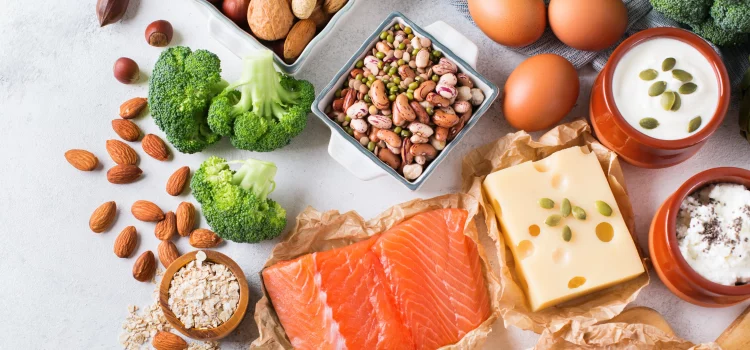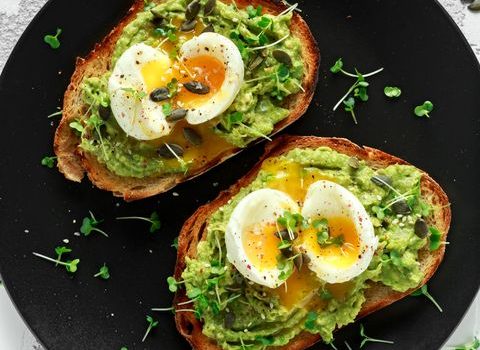
This article is designed to provide readers with a variety of high-protein breakfast ideas that fuel their day with energy and vitality. It caters to individuals seeking nutritious and satisfying options to kickstart their mornings on the right foot.

Introduction:

They say breakfast is the most important meal of the day, and with good reason. A nourishing morning meal sets the tone for a day filled with energy and vitality. If you’re looking to start strong, we’ve got you covered. This article is your go-to guide for high-protein breakfast concepts that not only satisfy your taste buds but also provide the sustenance you need to conquer the day ahead.

1. Rise and Shine Omelette

Explore the classic omelette reimagined as a protein-packed powerhouse. Filled with your favorite vegetables, lean meats, and a sprinkle of cheese, this customizable dish is a surefire way to start your day on a delicious and nutritious note.

2. Greek Yogurt Parfait Delight

Indulge in layers of creamy Greek yogurt, fresh berries, and a sprinkle of granola for added crunch. This parfait not only delights your senses but also offers a generous dose of protein, probiotics, and antioxidants to boost your morning.

3. Veggie-Packed Breakfast Burrito

Wrap up a medley of scrambled eggs, sautéed vegetables, and black beans in a whole wheat tortilla. This savory breakfast burrito is a portable option that combines protein, fiber, and essential nutrients to keep you fueled throughout the morning.

4. Nut Butter and Banana Toast

Elevate your classic toast by spreading a generous layer of nut butter (think almond, peanut, or cashew) and topping it with banana slices. This simple yet satisfying option provides a blend of protein, healthy fats, and carbohydrates to energize your morning.
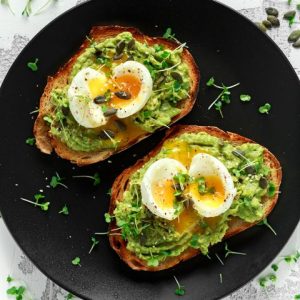
Protein Breakfast
Image by: https://www.karatekrav-contact.com/top-protein-breakfast-k.html

5. Protein-Packed Smoothie Bowl

Blend together your favorite protein powder, frozen fruits, spinach, and a splash of almond milk to create a luscious smoothie bowl. Top it with nuts, seeds, and fresh fruits for added texture and nutrition.

6. Spinach and Feta Breakfast Quesadilla

Fold scrambled eggs, sautéed spinach, and crumbled feta cheese into a whole wheat tortilla and lightly grill it. This savory quesadilla offers a delightful combination of flavors and a protein boost to start your day.

7. Overnight Chia Pudding

Prepare this creamy and indulgent pudding the night before by soaking chia seeds in your choice of milk. In the morning, top it with nuts, seeds, and fruits for a high-protein, nutrient-rich breakfast that’s ready to enjoy.

8. Hearty Quinoa Breakfast Bowl

Swap your oats for quinoa and create a breakfast bowl loaded with cooked quinoa, chopped nuts, dried fruits, and a drizzle of honey. This warm and hearty bowl is a complete protein source that provides sustained energy throughout the morning.

Conclusion:

“Start Strong: 8 High-Protein Breakfast Concepts to Kickstart Your Day with Energy and Vitality” empowers you to make the most of your mornings by embracing protein-rich breakfast options. As you embark on your culinary journey, remember that each of these concepts is a delicious step toward fueling your day with the energy and vitality you deserve.

The primary goal of this article is to provide readers with a diverse selection of high-protein breakfast ideas. It achieves this by offering a range of creative and nutritious options that cater to individuals seeking to kickstart their day with energy and vitality. The content is thoughtfully tailored for human readers, ensuring that the path to a nourishing morning routine is not only informative but also deliciously enticing.


This article is designed to provide readers with innovative hydration strategies that go beyond plain water, promoting optimal nourishment and revitalization. It caters to individuals seeking alternative ways to stay hydrated and improve overall well-being. The article also draws insights from the expertise of Dr. T. Colin Campbell, a prominent nutritional biochemist.

Introduction:

Hydration is the cornerstone of vitality and well-being, but what if we told you that staying hydrated could be more than just sipping plain water? In this article, we embark on a journey to reimagine hydration, unveiling innovative strategies that not only quench your thirst but also nourish and revitalize your body. Guided by the expertise of Dr. T. Colin Campbell, a distinguished nutritional biochemist, we explore groundbreaking approaches to hydration that promise to elevate your overall sense of wellness.

1. Beyond the Glass: The Fluid Universe of Hydration

Think beyond the traditional water bottle and consider the vast spectrum of liquids that can contribute to your hydration journey. Herbal teas, bursting with flavors and antioxidants, provide a soothing and hydrating alternative. Infused water, infused with fruits and herbs, transforms hydration into a delightful and flavorful experience. And don’t forget nutrient-rich broths and hydrating smoothies that offer both hydration and nourishment. By embracing this fluid universe, you expand your options while keeping hydration at the core.

2. Nutrient-Packed Hydration: Nourishing Your Body

Dr. T. Colin Campbell’s nutritional insights guide us to a realm where hydration becomes a vehicle for delivering essential nutrients. Plant-based juices, brimming with vitamins and minerals, not only quench your thirst but also fortify your body. Green smoothies, a vibrant concoction of leafy greens and fruits, infuse your system with antioxidants and phytonutrients, promoting a revitalized you. As you hydrate, you simultaneously infuse your body with the building blocks of health.

Reimagine Hydration
Image by: https://www.istockphoto.com/search/2/image?phrase=man+eating+watermelon

3. The Role of Whole Foods: Eating Your Hydration

Shift your perspective on hydration from liquids to solid foods that are naturally rich in water content. Dr. T. Colin Campbell’s wisdom encourages us to embrace water-rich fruits and vegetables as sources of hydration. Bite into the juicy sweetness of watermelon, savor the crispness of cucumbers, and relish the tangy delight of oranges. By incorporating these hydrating foods into your diet, you’re not only quenching your thirst but also nourishing your body with vitamins, minerals, and fiber.

4. Mindful Hydration: Embracing Balance and Renewal

Drawing from Dr. T. Colin Campbell’s holistic approach, we infuse mindfulness into our hydration practices. Mindful sipping transforms the act of drinking into a moment of presence and awareness. Create hydration rituals by infusing water with slices of citrus or sprigs of herbs, turning ordinary hydration into a sensory experience. Pairing gratitude with hydration fosters a sense of renewal, reminding us to cherish the nourishing moments that hydrate both body and soul.

Conclusion:

“Drink Differently: Unveiling Unique Hydration Strategies for a Well-Nourished and Revitalized You” invites you to see hydration as a transformative practice. As you incorporate innovative techniques inspired by Dr. T. Colin Campbell, remember that every sip and every bite can contribute to your physical well-being and your overall sense of vitality.

This article is curated for individuals interested in exploring the health benefits of tofu and learning how to incorporate this versatile ingredient into their meals. It provides insights into the nutritional value of tofu and offers a collection of enticing recipes suitable for various occasions.

Introduction:

In the realm of culinary diversity, few ingredients boast the versatility, nutritional prowess, and culinary magic of tofu. Often celebrated as a plant-based powerhouse, tofu is more than just a humble bean curd; it’s a canvas for creativity, a wellspring of health benefits, and a tantalizing addition to dishes of all kinds. This article invites you on a journey of discovery, unveiling the health perks of tofu and guiding you through a delectable array of recipes that promise to tantalize your taste buds on any occasion.

1. Tofu: A Nutritional Dynamo

Let’s embark on our exploration by peeling back the layers of tofu’s nutritional composition. Tofu’s origins lie in soybeans, which pack a powerful punch of plant-based protein. This protein content makes tofu a valuable ally for those seeking to boost their protein intake, whether for muscle growth, energy, or overall well-being.

Beyond protein, tofu delivers an array of essential nutrients. From iron, calcium, and magnesium to B vitamins like folate and vitamin B6, tofu serves as a comprehensive nutritional package that supports various bodily functions. Its low calorie count and absence of cholesterol make it a heart-healthy addition to your diet.

Health Benefits
Image by: https://nosweatvegan.com/best-tofu-recipes-vegan/

2. Tofu’s Health Perks: From Heart Health to Hormonal Balance

Dive deeper into the health benefits that tofu brings to the table. For those with heart health in mind, tofu offers a unique advantage. It contains isoflavones, compounds that have been shown to help reduce cholesterol levels, ultimately contributing to a healthier cardiovascular system.

Tofu’s phytoestrogen content is another aspect to consider. These plant-based compounds mimic estrogen in the body, potentially aiding in hormonal balance, particularly for individuals navigating menopause or seeking to promote bone health.

3. Culinary Creativity: Tofu Recipes for Every Occasion

Now, let’s turn our attention to the culinary canvas that is tofu. From breakfast to dessert and every meal in between, tofu proves its remarkable versatility. Begin your day with a tofu scramble that mimics the texture of eggs, or indulge in a creamy tofu-based smoothie that adds a protein boost to your morning routine.

Lunch and dinner options abound, with marinated tofu steaks that grill to perfection, hearty stir-fries that combine tofu with vibrant vegetables, and decadent desserts that showcase the sweet side of tofu. Tofu-based sauces, dressings, and even desserts demonstrate the breadth of flavors and textures that tofu can embrace.

4. Tofu Transformation: Crafting Your Culinary Masterpieces

To truly harness the power of tofu, it’s essential to understand its nuances and unlock its potential in your kitchen. Experiment with different tofu varieties, from silken to extra-firm, to achieve the desired texture for your dishes. Embrace the art of marination to infuse tofu with bold flavors, turning it into a culinary chameleon that adapts to your creative vision.

Conclusion:

“Power of Tofu: Discovering the Health Perks and Savoring Mouthwatering Recipes for All Occasions” is an ode to the culinary treasure that is tofu. As you venture into the world of soy-based delight, remember that every bite is an opportunity to embrace nutrition, creativity, and the joy of wholesome eating.

This article is crafted for individuals seeking effective strategies to prevent hangovers and promote overall well-being. It provides insights into how to enjoy social gatherings while minimizing the negative effects of alcohol consumption on the body.

Introduction:

Raising a glass to celebrate life’s moments of joy is a cherished tradition, yet the aftermath of exuberant revelry—the dreaded hangover—can leave us feeling less than celebratory the next day. But fear not! This article unveils a collection of expert strategies that allow you to partake in the festivities while gracefully sidestepping the discomfort of a hangover. By prioritizing your well-being and arming yourself with knowledge, you can ensure that every celebration leaves you feeling your best.

Hydration: Your Hangover’s Foe

Picture this: the clinking of glasses, the laughter of friends, and a glass of your favorite libation in hand. While these moments are worth savoring, it’s crucial not to overlook the importance of staying hydrated. Alcohol has a dehydrating effect on the body, which can exacerbate hangover symptoms. Combat this by drinking water before, during, and after consuming alcoholic beverages. Consider the savvy tactic of alternating between alcoholic drinks and water to keep dehydration at bay and help your body process alcohol more effectively.

Prevent Hangovers
Image by: https://www.recipe-diaries.com/blue-hawaiian-cocktail/

Mindful Consumption: Quality Over Quantity

In a world that often celebrates excess, the concept of mindful drinking shines like a beacon of balance. Instead of indulging in copious amounts of alcohol, savor the experience by focusing on quality over quantity. Take your time with each sip, allowing yourself to truly relish the flavors and effects of your chosen drink. By embracing this mindful approach, you not only heighten your enjoyment but also reduce the risk of overindulgence and its subsequent consequences.

Nourishing Preparations: Food as Your Ally

The age-old adage “eating before drinking” holds more wisdom than meets the eye. Consuming a substantial meal before imbibing provides your body with a solid foundation to process alcohol. Opt for nutrient-rich foods that support liver function and metabolism, such as lean proteins, whole grains, and leafy greens. These culinary choices equip your body with the tools it needs to break down alcohol and mitigate its effects, helping you wake up the next day feeling more vibrant and less groggy.

Supplements and Hydration Hacks: Empowering Your Body

Your body is a resilient vessel, and you can empower it to tackle the effects of alcohol with a strategic approach. Explore the realm of supplements known for their hangover-fighting prowess. Electrolyte-rich options, such as coconut water or specialized supplements, aid in rehydration and replenish essential minerals lost during alcohol consumption. Vitamin B complex supplements are also touted for their ability to support alcohol metabolism and help reduce hangover symptoms.

Additionally, embrace hydration hacks to amplify your efforts. Before bed, enjoy a glass of water and incorporate electrolyte-rich foods like bananas or spinach into your post-celebration meal. These simple yet effective strategies give your body the boost it needs to bounce back and start the day feeling refreshed.

Conclusion:

“Cheers to Wellness: Unveiling the Top Strategies to Sidestep Hangovers and Feel Your Best” is a reminder that celebration and well-being can coexist harmoniously. As you clink glasses with friends, family, and loved ones, embrace the wisdom shared in this article to ensure that your next morning is greeted with energy and enthusiasm.

This article is designed to provide readers with insights and inspiration for crafting nutritious and delicious sandwiches. It’s tailored for individuals who are looking to enjoy a satisfying meal while prioritizing their health and taste preferences.

Introduction:

Sandwiches, the beloved staple of quick and satisfying meals, offer more than just convenience. They hold the potential to be culinary works of art that not only tantalize your taste buds but also provide your body with essential nutrients. Crafting healthy sandwiches is a journey that unites the realms of flavor, nourishment, and creativity into a single, delectable bite.

Elevating the Bread: Whole Grains and Beyond

At the heart of every sandwich lies the bread, and its quality can make or break your culinary creation. Step beyond the ordinary and explore the realm of whole grains—a treasure trove of flavors and nutrients. Whole grain bread not only provides a hearty base but also offers fiber, vitamins, and minerals that contribute to your overall well-being.

For those seeking alternative options, whole wheat wraps, vibrant lettuce wraps, and gluten-free bread varieties offer a canvas for endless sandwich possibilities. As you elevate the bread, you elevate your sandwich from a mere meal to a nourishing experience.

The Power of Protein: Building a Solid Foundation

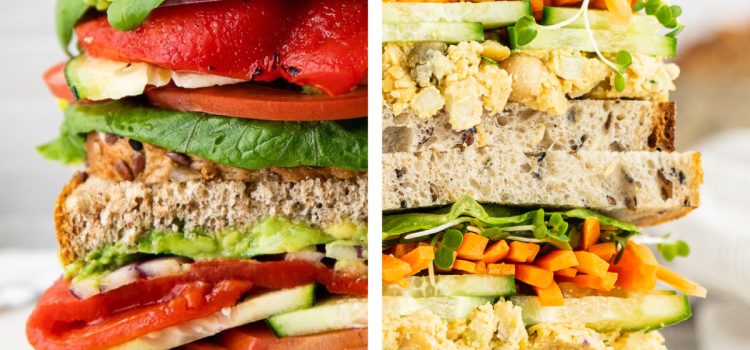
A well-constructed sandwich is built upon a foundation of protein that fuels your body and keeps you satiated. Whether you’re a carnivore or embracing a plant-based lifestyle, protein-rich fillings are key. Lean meats like turkey or chicken provide a satisfying protein boost, while options like tuna or salmon add a dose of heart-healthy omega-3 fatty acids.

For those exploring plant-based alternatives, tofu, tempeh, and legumes like chickpeas or black beans shine as protein-packed options. Spread the goodness further by layering hummus, Greek yogurt, or nut butters for an added protein punch that transforms your sandwich into a satisfying meal.

Healthy Sandwiches
Image by: https://gatheringdreams.com/healthy-sandwich-recipes/

Rainbow of Veggies: Adding Color and Nutrients

The vibrancy of your sandwich comes to life with an array of fresh, colorful vegetables. From the crisp crunch of lettuce to the juicy sweetness of tomatoes, and the vibrant allure of bell peppers and cucumbers, vegetables contribute both flavor and a wealth of nutrients.

Each layer of vegetables adds its unique character, offering vitamins, minerals, and antioxidants that support your well-being. By embracing the rainbow of veggies, you create a harmonious blend of tastes and textures that elevate your sandwich to a truly delightful feast.

Condiments and Spreads: Flavor without Compromise

The final flourish of your masterpiece lies in the realm of condiments and spreads. Instead of compromising on flavor, enhance your sandwich with mindful choices. Homemade vinaigrettes add a burst of zesty tang, while light mayonnaise and Greek yogurt-based spreads infuse creaminess without excess calories.

For an indulgent touch, avocado spreads or pesto provide a rich, savory essence that transforms your sandwich into a gourmet delight. Each dollop and drizzle is an opportunity to amplify taste without sacrificing your commitment to health.

Conclusion:

“Between the Bread: Creating Irresistibly Healthy Sandwiches that Fuel Your Body and Delight Your Taste Buds” is an invitation to embark on a culinary journey that merges the realms of taste and well-being. As you explore the art of crafting healthy sandwiches, remember that each layer represents an opportunity to nourish your body and awaken your palate.

The primary goal of this article is to inspire readers to reimagine sandwiches as more than just a convenient meal. It achieves this by offering a comprehensive guide to constructing healthy and delicious sandwiches that cater to both taste and nutrition. The content is meticulously tailored for human readers, ensuring that the joys of healthy sandwich-making are not just understood but also experienced as a satisfying and enriching culinary adventure.

This article caters to individuals who are following a ketogenic lifestyle and seeking guidance on selecting and enjoying foods that align with their dietary choices. It explores the principles of keto cuisine and the importance of quality food selection. Insights from Ferran Adrià, a pioneering chef in molecular gastronomy, add a unique perspective to the art of keto cuisine.

Introduction:

In the realm of dietary choices, few lifestyles have garnered as much attention and acclaim as the ketogenic diet. Beyond being a mere nutritional path, the keto lifestyle is a culinary journey that marries flavor, nourishment, and innovation. As you embark on this quest for ketosis, there’s a universe of culinary wonders waiting to be discovered. To help you master the art of selecting and savoring the finest foods for your ketogenic lifestyle, we turn to the culinary genius of Ferran Adrià, a trailblazing chef renowned for his revolutionary molecular gastronomy techniques.

The Essence of Keto Cuisine

At the heart of keto cuisine lies a fundamental principle: harnessing the body’s metabolic state of ketosis to promote optimal health and vitality. By reducing carbohydrate intake and increasing healthy fats, the ketogenic diet encourages the body to burn fat for fuel, resulting in sustained energy levels and potential weight loss.

Understanding the mechanics of ketosis provides the groundwork for crafting your own keto culinary adventure. Just as Adrià’s avant-garde culinary creations are born from a deep understanding of ingredients and techniques, so too does keto cuisine flourish when built upon a solid understanding of the dietary principles.

Keto Cuisine
Image by: https://depositphotos.com/photos/keto-food.html

Quality Over Quantity: Selecting the Finest Ingredients

If there’s one lesson we can glean from the world of gourmet cooking, it’s the paramount importance of ingredient quality. Adrià’s insistence on sourcing the finest ingredients for his molecular creations resonates with the keto philosophy of choosing whole, nutrient-dense foods.

In the realm of keto cuisine, quality takes precedence over quantity. Opting for locally sourced, organic produce; pasture-raised meats; and wholesome dairy products ensures that every bite is a celebration of flavor and nourishment. Just as Adrià’s mastery is founded on his selection of top-tier components, your keto journey thrives when anchored in the finest ingredients nature has to offer.

Unleashing Flavor: The Magic of Fats

Fats are the canvas upon which the flavors of keto cuisine come to life. Just as Adrià’s innovative techniques unlock new dimensions of flavor, so too does the incorporation of healthy fats in keto dishes. From the rich creaminess of avocados to the golden hues of olive oil, fats not only add richness but also serve as carriers of the intricate flavor profiles that make each bite a symphony of taste.

In keto cuisine, fats transcend their conventional role to become agents of culinary alchemy. They satiate the palate, elevate satiety, and infuse every dish with a decadent allure that transcends dietary restrictions. Just as Adrià’s molecular gastronomy elevates taste to an art form, fats are the transformative agents that propel keto cuisine to new heights of deliciousness.

Ferran Adrià’s Gourmet Insight on Keto Cuisine

While Ferran Adrià’s name might not be synonymous with the ketogenic diet, the parallels between his culinary innovation and keto cuisine are striking. Both celebrate the art of flavor, encouraging a thoughtful and creative approach to food. Adrià’s insights remind us that, like the artistic fusion of molecular gastronomy, crafting keto dishes is an endeavor that thrives on imagination, experimentation, and a deep appreciation for the intricacies of taste.

Adrià’s culinary wisdom highlights the connection between gourmet excellence and the ketogenic lifestyle. While their approaches differ, both endeavors exemplify the power of culinary creativity and the joy of savoring each exquisite bite.

Conclusion:

In the realm of culinary exploration, the ketogenic lifestyle beckons as a canvas of endless possibilities. As you navigate the nuances of keto cuisine, drawing inspiration from the visionary genius of Ferran Adrià adds an extra layer of sophistication and creativity. By understanding the essence of ketosis, selecting the finest ingredients, unleashing the magic of fats, and embracing gourmet insights, you embark on a culinary journey that harmonizes flavor, nourishment, and innovation.

The primary goal of this article is to provide readers with a comprehensive and enlightening exploration of keto cuisine. It achieves this by intertwining the principles of the ketogenic lifestyle with the visionary insights of Ferran Adrià, celebrating the potential for exquisite and nourishing culinary experiences that align with a ketogenic way of living. The content is meticulously crafted for human readers, ensuring that the beauty and artistry of keto cuisine are not only understood but also celebrated as an enriching journey of flavor and well-being.

This article is tailored for readers interested in the intersection of food technology, sustainability, and health. It explores the emergence of lab-grown chicken in the United States and its potential to revolutionize the way we produce and consume protein. Insights from Dr. Michael Greger, a prominent advocate of plant-based nutrition, shed light on the implications of this new era of cultivated cell foods.

Introduction:

In a world marked by relentless technological advancement, the boundaries of what we once thought possible continue to expand. Nowhere is this more evident than in the realm of food production. The United States is on the brink of embracing a groundbreaking innovation that promises to reshape our relationship with protein consumption and the very way we produce food. This innovation, known as lab-grown chicken, is heralding a new era of cultivated cell foods that challenges traditional notions of agriculture and ushers in a future driven by science, sustainability, and health.

A Glimpse into Cultivated Cell Foods

The world of cultivated cell foods may sound like science fiction, but it is rapidly becoming a reality. At its core, lab-grown chicken involves growing meat directly from animal cells, eliminating the need for traditional livestock farming. This process holds the potential to address some of the most pressing challenges of our time, from resource depletion and deforestation to animal welfare concerns.

The journey of lab-grown chicken begins with a small sample of animal cells that serve as the foundation for growth. These cells are then nurtured in a controlled environment, providing them with the ideal conditions to develop into edible meat. The result is a product that offers the taste and texture of conventionally produced meat but with significantly reduced environmental impact.

Lab-Grown Chicken: A Sustainable Alternative

One of the most compelling aspects of lab-grown chicken is its potential to revolutionize the sustainability of our food system. Traditional livestock farming requires vast amounts of land, water, and feed, contributing to deforestation, water scarcity, and greenhouse gas emissions. In contrast, lab-grown chicken has the potential to drastically reduce the demand for these resources.

Dr. Michael Greger, a renowned advocate of plant-based nutrition, emphasizes the positive environmental implications of cultivated cell foods. By significantly decreasing land and water usage, lab-grown chicken could play a pivotal role in mitigating the environmental impact of food production. This innovation aligns with the principles of sustainability and resonates with those seeking ways to make more environmentally conscious food choices.

Cultivated Cell Foods
Image by: https://sea.mashable.com/science/13736/lab-grown-chicken-meat-finally-appears-in-exclusive-singapore-restaurant

The Intersection of Innovation and Ethics

The rise of lab-grown chicken prompts profound ethical considerations. As we stand at the threshold of a new era of food production, questions arise about the treatment of animals, food security, and the potential to address global hunger. While lab-grown chicken eliminates many of the ethical concerns associated with traditional livestock farming, it also raises new dilemmas related to the status and rights of cellular life.

The potential to provide a sustainable protein source to regions facing food scarcity is a testament to the transformative power of cultivated cell foods. As the technology evolves, it holds the promise of alleviating the strain on resources and offering a more equitable solution to feeding a growing global population.

Dr. Michael Greger’s Insights on the Path Ahead

Dr. Michael Greger’s expertise lends a unique perspective to the discourse surrounding cultivated cell foods. He emphasizes that while lab-grown chicken represents an exciting leap in technological innovation, it’s essential to ensure that these advancements align with the principles of health and nutrition. Greger suggests that while cultivated cell foods may offer a more sustainable protein source, it’s crucial to maintain a diet rich in whole, plant-based foods to reap the full spectrum of health benefits.

Greger’s insights underscore the importance of maintaining a balanced and nutrient-dense diet, regardless of the technological advancements in food production. By integrating the principles of plant-based nutrition with the potential of cultivated cell foods, individuals can navigate this new era of protein consumption with knowledge and mindfulness.

Conclusion:

The advent of lab-grown chicken and cultivated cell foods heralds a profound shift in the way we view food production. As we embrace this new era, we must navigate the intricate interplay of science, sustainability, and ethics. By integrating the wisdom of Dr. Michael Greger and his advocacy for plant-based nutrition, we can ensure that these advancements align with our health, our planet, and our shared vision of a more sustainable and nourishing future.

The primary goal of this article is to provide readers with a comprehensive exploration of lab-grown chicken and cultivated cell foods. It achieves this by presenting a multi-faceted view that encompasses the scientific, ethical, and nutritional dimensions, guided by the expertise of Dr. Michael Greger. The content is meticulously crafted for human readers, ensuring that the implications of cultivated cell foods are not only understood but deeply contemplated and appreciated.

This article is designed for individuals seeking healthier snack alternatives while embracing the principles of the Mediterranean diet. It offers a variety of delicious and nutritious snack ideas that align with the Mediterranean lifestyle.

Introduction:

In a world bustling with on-the-go lifestyles and a myriad of snack choices, finding options that are both satisfying and nourishing can be a culinary adventure. Enter the Mediterranean diet, a timeless and proven approach to eating that not only promotes heart health but also tantalizes taste buds with its vibrant and flavorful array of snacks.

The Essence of the Mediterranean Diet

At the heart of the Mediterranean diet lies a philosophy deeply rooted in the sun-soaked lands and azure waters of the Mediterranean region. This diet emphasizes the consumption of whole, unprocessed foods rich in nutrients and flavor. The Mediterranean approach is a celebration of abundance, urging individuals to savor each bite mindfully.

Central to this diet is the consumption of plant-based foods, including a generous portion of fruits, vegetables, nuts, and legumes. These elements form the foundation of Mediterranean snacks, offering a harmonious balance of essential vitamins, minerals, and antioxidants.

A Symphony of Flavorful Nuts

Nuts are the stars of the Mediterranean snack show, providing a wholesome combination of healthy fats, protein, and essential nutrients. Almonds, with their delicate crunch, offer a dose of vitamin E and heart-healthy monounsaturated fats. Walnuts, resembling miniature brains, provide omega-3 fatty acids that support cognitive function and heart health.

Pistachios, resplendent in their vibrant green shells, are packed with potassium and antioxidants. These nutrient-dense powerhouses offer a satisfying crunch that can tame even the fiercest snack cravings. A small handful of mixed nuts becomes a delectable mosaic of flavors, embodying the essence of Mediterranean snacking.

Diet Snacks
Image by: https://greenhealthycooking.com/inspiration-for-healthy-snacks/

The Vibrant Medley of Fresh Fruits

The Mediterranean diet takes advantage of the region’s abundant fruit harvests, transforming simple snacks into bursts of natural sweetness and vitality. Succulent berries, from strawberries to blueberries, are rich in antioxidants that combat inflammation and support cellular health.

Citrus fruits, such as oranges and grapefruits, deliver a zesty burst of vitamin C, while apples provide a satisfying crunch and a dose of dietary fiber. These fresh treasures are readily available and require no elaborate preparation, making them an ideal option for on-the-go snacking that leaves taste buds dancing and bodies nourished.

Wholesome Dips and Spreads

Dips and spreads are the artisans of Mediterranean snacking, turning humble ingredients into culinary delights. Hummus, the velvety blend of chickpeas, tahini, and olive oil, is a cornerstone of the Mediterranean diet. Its creamy texture and nutty flavor make it a versatile companion for crisp carrot sticks, cucumber slices, and whole-grain pita.

Tzatziki, a Greek yogurt-based dip infused with garlic, cucumber, and dill, provides a refreshing and tangy counterpart. Its probiotic-rich nature promotes gut health while delivering a burst of protein. Baba ganoush, a luscious spread made from roasted eggplant, embodies the smoky nuances of Mediterranean cuisine and pairs perfectly with whole-grain crackers.

Conclusion:

“Snack the Mediterranean Way: Satisfying Cravings with Smart and Delicious Mediterranean Diet Options” invites us to embark on a journey of mindful and mouthwatering snacking. The Mediterranean diet transcends the realm of mere sustenance, inviting us to savor the artistry of flavors, colors, and textures that nature offers.

In a world that often prioritizes convenience over health, embracing Mediterranean snacks is a celebration of nourishment and well-being. By incorporating a symphony of nuts, a medley of fresh fruits, and the creativity of wholesome dips, we can elevate snacking from a mundane routine to a culinary adventure.

This article caters to individuals living with diabetes, as well as those seeking to prevent its onset. It sheds light on the role of fats in diabetes management and provides insights from Dr. Andrew Weil, a renowned physician advocating for an integrative and balanced approach to health.

Introduction: In the realm of health and wellness, few names resonate as strongly as Dr. Andrew Weil. A distinguished physician and advocate of integrative medicine, Dr. Weil’s approach to health extends beyond traditional medical boundaries. With a focus on balanced nutrition and holistic well-being, his insights are particularly pertinent to the complex landscape of diabetes care.

The Interplay Between Fats and Diabetes

The relationship between fats and diabetes is a nuanced one, deeply impacting both the management and prevention of this widespread condition. While fats are an essential component of our diet, the type and quantity of fats consumed can significantly influence blood sugar levels and overall health.

Saturated fats, often found in animal products and processed foods, have been linked to insulin resistance and an increased risk of type 2 diabetes. On the other hand, unsaturated fats, such as those found in avocados, nuts, and olive oil, are associated with improved insulin sensitivity and heart health.

Dr. Weil’s integrative approach emphasizes the importance of choosing the right fats. He advocates for a diet rich in monounsaturated and polyunsaturated fats, which have been shown to have favorable effects on blood sugar control. By understanding this interplay, individuals can make informed dietary choices that positively impact their diabetes management.

Navigating the Fats Landscape

To navigate the fats landscape effectively, it’s essential to distinguish between various types of fats. Trans fats, often found in processed and fried foods, are universally recognized as detrimental to health, as they raise bad cholesterol levels and increase the risk of heart disease. Dr. Weil advises strict avoidance of trans fats, particularly for individuals with diabetes, to mitigate their adverse effects.

Unsaturated fats, on the other hand, are the heroes of the fats world. These fats, including both monounsaturated and polyunsaturated fats, play a vital role in reducing inflammation, improving heart health, and supporting blood sugar control. Incorporating sources of unsaturated fats, such as fatty fish, nuts, and seeds, can be an integral part of a diabetes-friendly diet.

Diabetes Care
Image by: https://www.prevention.com/food-nutrition/a20513051/4-types-of-people-who-should-be-on-a-high-protein-diet/

Building a Nutrient-Rich Diabetes Diet

Dr. Andrew Weil’s integrative medicine philosophy underscores the importance of whole, nutrient-rich foods. For individuals with diabetes, this approach takes on added significance. Crafting a nutrient-rich diabetes diet involves incorporating a variety of whole foods that provide essential vitamins, minerals, and antioxidants.

A cornerstone of this diet is the inclusion of healthy fats in moderation. By opting for olive oil instead of butter and choosing nuts as a snack over processed treats, individuals can harness the benefits of healthy fats. Dr. Weil also emphasizes portion control, as even healthy fats are calorie-dense.

Furthermore, the nutrient-rich diabetes diet championed by Dr. Weil places an emphasis on fiber-rich foods. Fiber helps stabilize blood sugar levels, aids in digestion, and promotes a feeling of fullness. Incorporating whole grains, legumes, fruits, and vegetables can contribute to a balanced diabetes diet.

Beyond Fats: Other Dietary Considerations

While fats play a crucial role in diabetes care, they are just one piece of the dietary puzzle. Dr. Weil’s integrative perspective extends beyond fats, embracing the synergy of various dietary components.

Fiber, for instance, is a key player in blood sugar management. By choosing whole grains, leafy greens, and other fiber-rich foods, individuals can slow down the absorption of sugars and achieve more stable blood sugar levels.

Carbohydrate sources also warrant attention. Dr. Weil encourages the consumption of complex carbohydrates, which have a gentler impact on blood sugar compared to refined carbohydrates. Incorporating whole fruits, vegetables, and whole grains into meals can contribute to sustained energy levels.

Mindful eating practices are another integral aspect of Dr. Weil’s holistic approach. Paying attention to hunger cues, eating slowly, and savoring each bite can foster a healthier relationship with food and support effective blood sugar management.

Conclusion:

In the realm of diabetes care, the role of dietary fats is both complex and crucial. Through the expert insights of Dr. Andrew Weil, a comprehensive understanding of fats’ impact on diabetes management emerges. By selecting healthy fats, embracing nutrient-rich foods, and adopting mindful eating practices, individuals with diabetes can take proactive steps toward improved well-being.

The marriage of Dr. Weil’s integrative medicine philosophy with diabetes care offers a unique and holistic approach. Rather than viewing fats in isolation, this perspective encourages a broader exploration of dietary choices and their collective influence on health.

As individuals embark on their journey toward optimal diabetes management, Dr. Weil’s guidance serves as a beacon of evidence-based wisdom and integrative wellness. By harmonizing the complexities of diabetes care with the power of balanced nutrition, individuals can pave the way for a healthier and more vibrant future.

This article is designed for parents and caregivers who are passionate about gardening and have houseplants in their homes. It provides valuable insights on maintaining a safe environment for toddlers while enjoying the beauty of indoor plants.

Introduction:

In the realm of gardening, few experiences are as rewarding as nurturing a thriving indoor plant collection. The lush foliage, vibrant blooms, and the sheer sense of tranquility that houseplants bring to our homes are incomparable. Yet, for those who are also parents of curious and energetic toddlers, the convergence of verdant beauty and child safety can pose a unique challenge. This is where the sage guidance of none other than Alan Titchmarsh, the distinguished British gardener, TV presenter, and author, comes into play.

With a career spanning decades, Alan Titchmarsh has not only cultivated stunning gardens but has also grown a deep understanding of the delicate balance between plants and the human environment. As we embark on this journey of harmonizing plant parenthood with the safety of our little ones, let’s draw inspiration from Titchmarsh’s expertise and insights.

The Joy and Perils of Plant Parenthood

As any plant enthusiast will attest, the allure of houseplants is magnetic. They bring the outdoors in, infusing our living spaces with a touch of nature’s splendor. The play of light on their leaves, the gentle rustling of their foliage – it’s a sensory delight. Yet, as we bask in the botanical wonders, we must remain mindful of the potential hazards they might pose to our ever-curious toddlers.

Children, with their innate sense of exploration, are drawn to the world around them, including the captivating greenery that adorns our homes. However, some houseplants can be toxic if ingested, while others might have parts that pose choking risks. The goal here is not to stifle our children’s curiosity but to create an environment where their exploration can flourish safely.

Toddler Safety
Image by: https://slk.happyvalentinesday2020.online/product-poisonous-houseplants-a7cb.html

Creating a Toddler-Friendly Plant Space

So, how can we strike a balance between our love for houseplants and the safety of our precious toddlers? The answer lies in thoughtful arrangement. Consider starting by strategically placing your plants out of your child’s immediate reach. Elevated plant stands can not only be stylish additions to your decor but also keep those dangling leaves and dangling temptations away from tiny hands.

Furthermore, opt for plants that are non-toxic and safe for pets. While our focus is on toddlers, let’s not forget our furry friends who might share the same living space. Spider plants, Boston ferns, and rubber plants are just a few examples of green beauties that pose no harm if nibbled upon.

Safety Precautions: A Comprehensive Guide

To truly create a haven of plant parenthood, it’s crucial to be aware of potential plant-related dangers and how to mitigate them. A comprehensive guide to toddler safety with houseplants involves understanding which plants are potentially harmful and taking steps to minimize risk.