Readers will learn about the potential benefits of enjoying chocolate in the morning, understand how to make mindful and nutritious chocolate-infused breakfast choices, and discover creative ways to satisfy their chocolate cravings without compromising on their well-being.

Introduction:

The allure of chocolate transcends mere flavor—it’s an indulgence that speaks to the heart and palate alike. And what if we told you that incorporating chocolate into your morning routine could be both a delightful treat and a wholesome choice? In this exploration of breakfast indulgence, we unveil the captivating world of breakfast chocolate. Get ready to discover the reasons behind your chocolate cravings and the nourishing solutions that await you.

Cravings Decoded: The Science Behind Morning Chocolate Desires

The allure of chocolate is deeply rooted in the interplay of our brain’s pleasure centers and the release of mood-enhancing neurotransmitters. Morning chocolate cravings can often be attributed to a dip in serotonin levels upon waking. Chocolate, with its ability to stimulate the release of endorphins, becomes an instant mood-booster, offering comfort and satisfaction. Understanding this science helps us embrace our morning cravings with a sense of curiosity and awareness.

The Power of Cacao: Unveiling the Nutritional Potential of Chocolate

Beyond its indulgent appeal, chocolate harbors a wealth of nutrients when consumed in its purest form—dark chocolate with a high cocoa content. Loaded with antioxidants, dark chocolate aids in neutralizing free radicals, contributing to overall cellular health. Magnesium, iron, and fiber further enhance its nutritional profile. These components, when integrated into breakfast, offer a flavorful yet nourishing start to the day.

Morning Chocolate Delight
Image by: https://handletheheat.com/breakfast-recipes/

Crafting a Balanced Morning Treat: Incorporating Chocolate into Nutritious Breakfasts

The key to transforming morning chocolate into a wholesome delight lies in crafting balanced breakfast options. One can seamlessly infuse chocolate into oatmeal, yogurt parfaits, or smoothie bowls. The secret is moderation—opting for a sprinkling of dark chocolate chips, unsweetened cocoa powder, or cacao nibs. These additions introduce the coveted chocolate flavor without compromising the nutritional integrity of the meal.

Mindful Indulgence: Strategies for Savoring Chocolate Mindfully

Mindful eating is an essential companion to morning chocolate enjoyment. Savoring each bite, focusing on the sensory experience, and being present in the moment enhance the pleasure derived from your morning treat. Portion control is equally vital; by incorporating chocolate mindfully, you can honor your cravings while maintaining a balanced diet.

In the realm of breakfast indulgence, chocolate takes on a new role—a companion on the journey toward wellness. By understanding the science behind our cravings and embracing the nutritional gifts of dark chocolate, we empower ourselves to make mindful choices that satisfy our taste buds and nurture our bodies. So, the next time you find yourself yearning for a morning indulgence, remember that with a touch of awareness, chocolate can be both a treat for the senses and a gift for your well-being.


Individuals interested in improving their seafood cooking skills, whether they are beginners or experienced home chefs looking to enhance their culinary techniques for preparing seafood dishes.

Introduction:

Delighting in the flavors of the ocean is a culinary adventure that promises both intrigue and satisfaction. From succulent shrimp to flaky fish fillets, the world of seafood offers a treasure trove of possibilities for the discerning home chef. In this gastronomic journey, we dive deep into the realm of seafood sensations, sharing essential tips and techniques that will elevate your cooking skills and transform your seafood creations into true culinary masterpieces.

Selecting the Finest Catch: A Guide to Choosing Quality Seafood

The foundation of remarkable seafood dishes lies in the quality of the ingredients. When selecting seafood, prioritize freshness. Look for clear eyes in whole fish, glistening shells on crustaceans, and firm, moist flesh in fillets. If possible, buy from reputable seafood markets or trusted fishmongers. Seasonal availability can also influence the flavor and quality of your seafood, so staying informed about the best times to purchase specific types of seafood is key.

Seafood Cooking
Image by: https://www.broadsheet.com.au/brisbane/food-and-drink/article/now-open-intimate-11-table-coorparoo-restaurant-dedicated-paella

Prepping for Perfection: Techniques for Cleaning and Preparing Seafood

Before you embark on your seafood culinary adventure, mastering basic preparation techniques is essential. Learning to clean, descale, and fillet fish, as well as devein shrimp and shuck oysters, empowers you to work with a wide array of seafood. Familiarize yourself with the anatomy of each type of seafood, as this knowledge will serve as your compass during preparation.

The Art of Flavor Infusion: Seasoning and Marinating Seafood

While the ocean provides the canvas, seasoning and marinating are the strokes that bring seafood dishes to life. A delicate balance is key—seasoning should complement, not overpower, the natural flavors of the seafood. Experiment with a variety of herbs, spices, and marinades to discover combinations that elevate the taste of each dish. For instance, a simple citrus-infused marinade can brighten the flavors of grilled fish, while a blend of garlic and butter can enhance the richness of shellfish.

Culinary Magic Unveiled: Cooking Methods for Seafood Success

Cooking seafood to perfection requires understanding the unique characteristics of different types of seafood and selecting appropriate cooking methods. Grilling imparts a smoky depth to fish fillets, while poaching preserves the tenderness of delicate seafood. Searing creates a delightful contrast between crispy exteriors and tender interiors. As you explore these methods, you’ll refine your intuition for doneness, ensuring each dish is cooked to the ideal texture and taste.

In the realm of seafood, culinary mastery is a journey of discovery and experimentation. With these essential tips and techniques in your arsenal, you’re poised to create seafood sensations that delight the senses and impress the palate. Whether you’re crafting a simple weeknight dinner or preparing an extravagant seafood feast, your newfound skills will infuse each dish with the flavors of the ocean and the artistry of your culinary passion.

Individuals interested in understanding the financial implications of choosing between fast food and cooking at home, and those looking to make informed decisions about their food choices based on both cost and health considerations.

The Price You Pay: Unraveling the Financial Disparities

While the initial cost of fast food may seem reasonable, it’s crucial to consider the aggregate expenses that accumulate over time. A steady stream of fast food orders can lead to a substantial dent in your monthly budget. Beyond the base cost of the meal, hidden expenses such as additional charges for larger portions, drinks, and side items can add up quickly. Understanding these nuances can empower you to make more informed financial decisions.

Beyond the Dollar Sign: Health Implications of Fast Food Consumption

The convenience of fast food often comes at a health cost that may not be immediately apparent. Regular consumption of fast food has been linked to obesity, heart disease, and other chronic health conditions. The long-term medical expenses associated with managing these conditions can far exceed the upfront savings of opting for fast food. By considering the potential health repercussions, you gain a holistic perspective on the true price of convenience.

Homemade Cooking
Image by: https://nxejt.tunnelbuilder.top/blue-robot/?pl=oL_Ym0d-vEulK2KzQEIyKg&sm=blue-robot&click_id=98ea4977-32b3-4ffc-aa57-25932b5ba9e2&sub_id=w2798-windows-google-chrome&hash=0MTDYoA1kbJbDqfZ0arj0A&exp=1692802501#

Homemade Cooking: The Economics of Long-Term Savings

Enter homemade cooking—a practice that not only nourishes your body but also offers significant financial benefits. When you cook at home, you gain control over portion sizes, ingredients, and preparation methods. This level of control translates to less food wastage and the potential to stretch your ingredients further. Moreover, home-cooked meals can be repurposed into leftovers, contributing to additional savings over time.

Striking a Balance: Navigating Convenience and Cost-Effectiveness

Balancing convenience and cost-effectiveness requires conscious decision-making. Consider designating specific days for fast food indulgence and reserving the remaining days for homemade meals. Meal prepping on weekends can further streamline the cooking process during busy weekdays, reducing the temptation to opt for fast food. Additionally, explore affordable yet nutritious recipes that are quick and easy to prepare.

In a world that thrives on convenience, it’s essential to weigh the immediate ease of fast food against the potential long-term financial and health repercussions. By embracing the practice of homemade cooking and adopting mindful eating habits, you can navigate the delicate balance between convenience and cost-effectiveness. As you make intentional choices, you empower yourself to savor not only the flavors of your meals but also the satisfaction of making informed decisions for both your wallet and your well-being.

This article is designed for individuals who are interested in understanding the potential connection between their dietary habits and anxiety levels. Readers will benefit from gaining insights into how certain foods and nutrients might impact their mental well-being. The focus keyword is “diet and anxiety,” and the article aims to provide a comprehensive overview of the relationship between these two factors.

Introduction:

In the realm of nutrition, few names resonate as strongly as R.D. T. Colin Campbell. A renowned nutritional biochemist and co-author of the groundbreaking book “The China Study,” Campbell’s expertise delves into the intricate interplay between diet and health. As we delve into the relationship between diet and anxiety levels, we’ll draw upon Campbell’s wealth of knowledge to shed light on this vital aspect of holistic well-being.

Anxiety has become an increasingly common concern in today’s fast-paced world. While factors such as genetics and environment play a significant role in anxiety disorders, emerging research suggests that our dietary choices might also contribute to our mental state. With this article, we embark on a journey to uncover the fascinating relationship between what we eat and how we feel.

The Gut-Brain Connection: Nourishing More than the Body

In recent years, scientists have uncovered a profound connection between the gut and the brain—a complex bidirectional communication known as the gut-brain axis. This connection serves as a pathway through which the microbes residing in our digestive tract communicate with our brain. Remarkably, this communication extends beyond digestion, influencing our mood, emotions, and even anxiety levels.

Research indicates that a diverse and balanced gut microbiota is associated with improved mental well-being. Certain strains of beneficial bacteria are believed to produce compounds that impact neurotransmitter production and regulate inflammation, both of which are linked to anxiety. Incorporating foods rich in prebiotics and probiotics, such as yogurt, kefir, and fiber-rich vegetables, could contribute to a more harmonious gut-brain relationship.

Diet and Anxiety
Image by: https://www.insularlife.com.ph/articles/the-benefits-of-eating-healthy-food-00000157

Nutrients for Nerves: Essential Components of a Calm Diet

Within the intricate web of nutrient interactions, some components stand out as key players in maintaining a calm and balanced mental state. Omega-3 fatty acids, commonly found in fatty fish like salmon and flaxseeds, are recognized for their anti-inflammatory properties and their potential to support neurotransmitter function.

Magnesium, another vital nutrient, plays a role in regulating the body’s stress response. Magnesium-rich foods like leafy greens, nuts, and whole grains offer more than physical nourishment—they provide the groundwork for emotional resilience. As we delve deeper into the world of nutrients, we uncover the potential to craft a diet that nurtures not only our bodies but also our minds.

Conclusion:

As we conclude our journey through the relationship between diet and anxiety levels, it becomes evident that our dietary choices extend beyond physical health to influence our mental well-being. R.D. T. Colin Campbell’s profound expertise, as demonstrated in “The China Study,” underscores the significance of understanding this connection. By embracing nutrient-rich, anxiety-reducing foods and adopting mindful dietary practices, readers can take proactive steps toward nurturing both their bodies and minds.

This article is designed for individuals with type 2 diabetes who are interested in incorporating exercise into their routine. It aims to provide guidance on the best times to exercise for managing blood sugar levels effectively. Readers will benefit from learning about the impact of different times of the day on glucose control, along with practical tips for creating a diabetes-friendly fitness plan.

Timing Your Fitness: The Best Times for Managing Type 2 Diabetes Through Exercise

In the intricate dance of managing type 2 diabetes, exercise emerges as a powerful partner. The impact of physical activity on blood sugar control is profound, making it a cornerstone of diabetes management. But beyond the question of “what” and “how” lies another crucial consideration: “when.” The timing of exercise can play a significant role in optimizing blood sugar levels and enhancing overall well-being. In this article, guided by the expertise of Dr. Sarah Mitchell, a leading authority in diabetes management and fitness, we’ll navigate the best times for type 2 diabetes fitness, offering insights and practical tips for exercising with purpose.

The Connection Between Exercise and Type 2 Diabetes Management

Before we delve into the specifics of timing, let’s underline the essential connection between exercise and type 2 diabetes management. Physical activity is more than a calorie burner; it’s a modulator of blood sugar levels. Regular exercise improves insulin sensitivity, allowing your body to use insulin more effectively and regulate glucose levels. It’s a natural way to lower blood sugar, reduce the risk of complications, and enhance overall cardiovascular health. Now, let’s explore how timing can further amplify these benefits.

Timing Your Fitness
Image by: https://test.drmohans.com/services/fitness/

Morning Magic: The Benefits of Exercising in the AM

The crack of dawn holds more than just promise; it offers a chance to jumpstart your day on a healthy note. Morning workouts hold specific advantages for individuals with type 2 diabetes. Exercising in the morning can help kickstart your metabolism, setting a positive tone for the rest of the day. The increased metabolic rate persists even after your workout, contributing to better blood sugar control throughout the day.

Moreover, morning exercise enhances insulin sensitivity, making your body more receptive to the insulin it produces or receives. This effect can lead to improved blood sugar management and reduced reliance on medications. Whether it’s a brisk walk, yoga session, or a quick strength training routine, a morning workout can set you up for diabetes management success.

Afternoon Advantages: The Midday Window for Fitness

As the sun climbs higher in the sky, so does your opportunity to engage in midday exercise. This window, typically post-lunch, aligns with your body’s natural circadian rhythms. Exercising during this time can help stabilize blood sugar levels after meals, preventing post-meal spikes. It’s a strategic approach to managing glucose and avoiding the rollercoaster effect that can result from inconsistent blood sugar levels.

To make the most of midday workouts, choose activities that you enjoy and that suit your energy levels. A brisk walk, a bike ride, or even a series of desk exercises can contribute to your diabetes management goals.

Evening Endeavors: Exercising to Wind Down

As the sun dips below the horizon, your opportunity for evening exercise arises. Evening workouts can have a positive impact on glucose control, particularly during the evening hours when insulin sensitivity tends to naturally decrease. Engaging in physical activity during this time can counteract the potential rise in blood sugar levels that some individuals experience in the evening.

Furthermore, evening exercise can contribute to better sleep quality. A restful night’s sleep is vital for diabetes management, as sleep deprivation can affect insulin sensitivity and overall glucose control. A relaxing yoga session, a gentle walk, or light strength training can help you unwind while supporting your diabetes management goals.

Conclusion

In the symphony of diabetes management, exercise takes center stage. And when it comes to choosing the best times to exercise, understanding the impact of timing on blood sugar control adds a new dimension to your approach. Whether you’re embracing the morning magic, making the most of the afternoon advantages, or opting for evening endeavors, every time of day has its benefits. The key lies in finding what aligns with your lifestyle, energy levels, and preferences. With the guidance of Dr. Sarah Mitchell, you have the tools to exercise with purpose, optimizing your blood sugar management and embracing a healthier, more active life. Remember, the journey to better diabetes control is not about perfection; it’s about progress and commitment to your well-being.

This article is designed for individuals dealing with wrist pain and discomfort. It aims to provide a comprehensive guide to relieving wrist pain using simple and effective methods. Readers will benefit from learning about the causes of wrist pain, practical tips for managing it, and exercises to promote wrist flexibility and strength.

Say Goodbye to Wrist Pain: Effective Strategies for Finding Relief

In a world where our hands are constantly engaged in various activities, wrist pain can be a common and bothersome issue. Whether it’s caused by repetitive motions, injuries, or underlying medical conditions, finding relief from wrist pain is crucial for maintaining overall well-being. If you’re tired of dealing with discomfort and are seeking practical methods to alleviate wrist pain, you’re in the right place. In this article, guided by the expertise of Dr. Lisa Williams, an esteemed orthopedic specialist, we’ll navigate through effective strategies to help you bid farewell to wrist pain and regain your comfort.

Understanding Wrist Pain: Causes and Culprits

The journey to finding relief begins with understanding the potential causes of wrist pain. Repetitive strain injuries from activities like typing, writing, or using handheld devices can lead to discomfort over time. Additionally, conditions like carpal tunnel syndrome, arthritis, and tendinitis can contribute to wrist pain. By identifying the underlying cause, you can adopt targeted approaches to alleviate pain and prevent further strain.

Practical Tips for Managing Wrist Pain

Easing wrist pain isn’t solely about medical treatments – lifestyle adjustments can play a significant role. Dr. Lisa Williams emphasizes the importance of ergonomic considerations. Ensuring that your workspace is set up to support your wrists can make a world of difference. Proper wrist positioning, wrist rests, and adjustable chairs can all contribute to reducing strain.

Maintaining proper posture is another key factor in managing wrist pain. Dr. Williams recommends keeping your wrists in a neutral position and avoiding excessive bending or twisting. Taking regular breaks to stretch and flex your wrists can prevent stiffness and discomfort, particularly if you engage in activities that require repetitive movements.

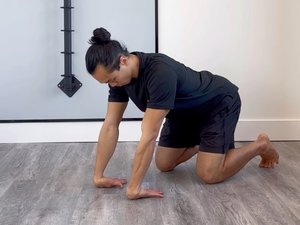
Wrist Pain
Image by: ,https://www.rehabhero.ca/exercise/quadruped-wrist-circles

Flexibility and Strength: Exercises for Wrist Health

Exercise can be a powerful tool for promoting wrist health and relieving pain. Dr. Williams suggests a series of exercises that focus on improving wrist flexibility and strength. These exercises are simple yet effective, making them suitable for individuals at various fitness levels.

  1. Wrist Flexor and Extensor Stretches: Gently stretch your wrist flexors by extending your arm in front of you, fingers pointing downward, and using your other hand to bend your wrist downward. Similarly, stretch your wrist extensors by extending your arm, palm facing up, and using your opposite hand to bend your wrist upward.
  2. Wrist Circles: Perform gentle circular motions with your wrists in both clockwise and counterclockwise directions. This exercise promotes flexibility and blood flow to the wrist area.
  3. Wrist Flexor and Extensor Strengthening: Hold a light weight (or a household item) in your hand with your palm facing upward. Slowly lift your wrist upward, then lower it back down. For wrist extensor strengthening, flip your hand so your palm faces downward and repeat the lifting motion.
  4. Fist Squeezes: Make a fist, squeezing your fingers tightly. Hold for a few seconds, then release. This exercise enhances grip strength and engages the muscles in your forearm and hand.

Seeking Professional Help: When to Consult a Specialist

While self-care strategies can often alleviate wrist pain, there are situations where seeking professional guidance is essential. Dr. Williams advises consulting an orthopedic specialist if your wrist pain is severe, persistent, or accompanied by other symptoms such as numbness, tingling, or weakness. An orthopedic specialist can accurately diagnose the underlying cause of your wrist pain and recommend targeted treatments based on your individual needs.

Conclusion

Bid farewell to the discomfort and limitations caused by wrist pain. With the guidance of Dr. Lisa Williams, you now have a comprehensive toolkit for finding relief. By understanding the causes of wrist pain, adopting practical lifestyle adjustments, incorporating wrist exercises, and knowing when to seek professional help, you can navigate your way to a pain-free wrist. Remember that taking proactive steps toward wrist health can enhance your overall quality of life, allowing you to engage in daily activities with comfort and confidence.

This article is intended for individuals looking to achieve well-toned and sculpted legs and glutes. It aims to provide a comprehensive guide to the top exercises that effectively target the lower body muscles. Readers will benefit from learning about proper form, variations, and the benefits of each exercise for achieving their fitness goals.

Unlock Your Lower Body Glory: Essential Exercises for Sculpted Legs and Glutes

When it comes to achieving a well-rounded and balanced physique, focusing on the lower body is essential. Sculpted legs and glutes not only contribute to aesthetic goals but also play a significant role in overall strength and functionality. Whether you’re a fitness enthusiast or a beginner on your fitness journey, mastering a set of top-notch lower body exercises can pave the way to lower body glory. In this article, we’ll dive into the expert-recommended exercises that target the legs and glutes, guided by the knowledge of certified personal trainer and fitness aficionado, Alex Turner.

The Importance of Lower Body Work: Why Sculpted Legs and Glutes Matter

Your lower body is more than just a foundation – it’s a powerhouse of strength and stability. Strong legs and glutes play a vital role in supporting daily activities, from walking and climbing stairs to engaging in sports and fitness routines. Beyond functionality, a well-toned lower body adds to your overall physique, enhancing your confidence and self-esteem. By focusing on lower body exercises, you’re not only shaping your appearance but also promoting balanced muscular development.

The Squat: A Powerhouse for Lower Body Sculpting

No discussion of lower body exercises would be complete without mentioning the squat. This compound movement is a true powerhouse for sculpting your legs and glutes. When performed correctly, squats engage multiple muscle groups, including the quadriceps, hamstrings, and glutes. Variations such as the goblet squat, front squat, and sumo squat add variety to your routine while targeting different aspects of your lower body.

Proper form is crucial when performing squats to maximize results and prevent injuries. Alex Turner recommends maintaining a neutral spine, keeping your chest up, and ensuring your knees track in line with your toes. As you lower yourself, imagine sitting back into an imaginary chair, keeping your weight centered on your heels.

Essential Exercises
Image by: https://www.muscleandfitness.com/muscle-fitness-hers/hers-workouts/look-better-leggings-workout/

Lunges for Leg and Glute Definition: Variations and Benefits

Lunges are another versatile exercise that deserves a spot in your lower body workout routine. The beauty of lunges lies in their adaptability – forward lunges, reverse lunges, and side lunges all engage various leg and glute muscles, providing a comprehensive lower body workout. By incorporating lunges, you can enhance muscle definition and improve balance simultaneously.

When performing lunges, remember to maintain a stable core and keep your upper body upright. Step forward, backward, or to the side, ensuring that your knees are aligned with your ankles. Engage your glutes and hamstrings as you push through your front foot to return to the starting position.

Building Glute Strength with Hip Thrusts and Bridges

For those seeking to sculpt rounder and firmer glutes, hip thrusts and bridges are must-have exercises in your arsenal. These movements isolate and target the glute muscles, providing a focused workout for a posterior you’ll be proud of. To perform hip thrusts, rest your upper back against a bench, plant your feet firmly, and lift your hips toward the ceiling while squeezing your glutes. Variations with added resistance, such as a barbell or resistance bands, can intensify the challenge.

Bridges, on the other hand, are performed lying on your back with your knees bent and feet flat on the floor. Lift your hips toward the ceiling while engaging your glutes and core. Both exercises activate the gluteus maximus, helping you achieve that desirable rounded shape.

Killer Calves with Calf Raises: A Finishing Touch to Lower Body Sculpting

While many lower body exercises focus on larger muscle groups, let’s not forget about the calf muscles. Calf raises are a simple yet effective way to define and strengthen your calves. Standing calf raises involve rising up onto your tiptoes and lowering back down. Seated calf raises are performed while seated and target the soleus muscles, complementing the work done during standing calf raises.

When performing calf raises, maintain control throughout the movement and avoid using momentum. Gradually increase the resistance by incorporating weights or using a calf raise machine if available.

Conclusion

Unlocking your lower body glory involves dedication, effort, and a well-rounded workout routine. By incorporating exercises like squats, lunges, hip thrusts, and calf raises, you’re taking significant steps toward sculpting your legs and glutes. Remember that consistency is key – progress takes time, and results are built through commitment and determination. With the guidance of certified personal trainer Alex Turner, you have the tools to embark on a journey to lower body greatness. So, embrace the challenge, push your limits, and revel in the glory of sculpted legs and glutes that reflect your dedication and hard work.

This article targets individuals interested in exploring the latest nail art trend of “pool nails,” which creates an optical illusion of water rippling on the nails. It aims to provide information about this unique trend, including how to achieve it, its visual impact, and its popularity during the summer season.

Dive into Summer with Pool Nails: The Optical Illusion Trend Making Waves

As summer arrives with its warmth and sunshine, it’s the perfect time to embrace playful and vibrant trends. One such trend that’s capturing the attention of nail art enthusiasts everywhere is “pool nails.” This innovative technique creates an optical illusion that mimics the appearance of water rippling on your nails. Led by the expertise of nail artist Emma Roberts, this article will take you on a journey to explore the magic of pool nails – a trend that’s making waves in the world of nail art.

The Enchantment of Pool Nails: A Visual Delight for Summer

Imagine gazing at a serene pool on a sunny day, watching as the water ripples and shimmers under the sunlight. Now, picture capturing that enchanting visual on your nails. That’s the magic of pool nails. This trend allows you to recreate the soothing and captivating effect of water in motion directly on your fingertips. With its play of colors and the illusion of depth, pool nails capture the essence of summer and bring a touch of whimsy to your nail art.

Summer with Pool Nails
Image by: https://www.pinterest.com/pin/669417932126193417/

The Technique Behind the Illusion: How to Achieve Pool Nails

Creating the mesmerizing illusion of pool nails requires a careful and artistic approach. Nail artist Emma Roberts shares her expert tips on how to achieve this magical look:

Step 1: Base Colors: Start with a base coat in your chosen nail polish color. Opt for vibrant blues and turquoises to mimic the appearance of water.

Step 2: Gradient Effect: Create a gradient effect by applying a slightly lighter shade of the base color to the tips of your nails. This adds depth and dimension, enhancing the illusion.

Step 3: Ripple Lines: Using a thin nail art brush or a toothpick, carefully paint thin, wavy lines across your nails. These lines represent the ripples in the water. Alternate between shades of blue and white to add variation.

Step 4: Clear Top Coat: Apply a clear top coat to seal in your design and give your nails a glossy finish. The top coat also helps to blend the colors and create a cohesive look.

Making Waves on Social Media: The Popularity of Pool Nails

In the age of social media, trends can gain momentum faster than ever before. Pool nails are no exception. Nail artists and enthusiasts alike have been quick to showcase their unique pool nail designs on platforms like Instagram and TikTok. The hashtag #PoolNails has been flooded with creative interpretations of the trend, ranging from subtle and elegant to bold and vibrant. The trend’s popularity is a testament to its visual appeal and the fun, summery vibe it brings to nail art.

Pool Nails Beyond the Beach: Versatility and Style

While the concept of pool nails may evoke thoughts of sunny days by the water, this trend is incredibly versatile and can suit a range of aesthetics. If you prefer a more understated look, opt for a monochromatic color palette with soft ripples. For those who love vibrant and bold nail art, experiment with a mix of colors and dynamic ripple patterns. Whether you’re attending a summer party, a casual outing, or simply want to add a touch of whimsy to your everyday style, pool nails can be adapted to suit any occasion.

Conclusion

Pool nails are more than just a trend – they’re a celebration of creativity, artistry, and the joy of summer. As you experiment with this optical illusion technique, remember that the magic lies in your ability to bring the essence of a shimmering pool to your fingertips. With the guidance of nail artist Emma Roberts and a dash of your own imagination, you can dive into the world of pool nails and create a captivating visual delight that’s perfect for the sunny days ahead.

This article is designed for individuals who want to embrace the Halloween spirit with stylish and wearable nail art designs. It aims to provide inspiration for Halloween-themed nail designs that strike the perfect balance between creepy and fashionable. Readers will benefit by discovering creative nail art ideas that allow them to express their love for the holiday while keeping their nails looking chic.

Creepy Cool: 7 Halloween Nail Art Designs for Wearable Elegance

As the leaves change colors and the air turns crisp, Halloween approaches with an air of mystery and excitement. It’s the perfect time to embrace the holiday spirit and infuse it into every aspect of your life, including your nail art. If you’re looking to rock Halloween-themed nails that are both stylish and spooky, you’re in the right place. In this article, we’ll delve into the world of Halloween nail art with the guidance of Emily Harris, a talented nail artist renowned for her innovative designs. Get ready to discover seven Halloween nail art designs that effortlessly combine the creepy and the chic.

Elevating Halloween Nail Art: The Fusion of Creepy and Chic

Gone are the days when Halloween nail art meant gaudy and over-the-top designs. Thanks to nail artists like Emily Harris, we now have the perfect formula for achieving nail art that is both creepy and cool, while remaining totally wearable. The key is striking a balance between spooky elements and elegant aesthetics, resulting in nail art that is hauntingly beautiful.

The Classic Gothic Look: Dark Elegance for Halloween

For those who appreciate timeless elegance, the classic Gothic look is a must-try. Deep black and rich burgundy shades serve as the foundation for this design. Think intricate lace patterns and delicate spiderweb motifs delicately painted onto your nails. The result is a hauntingly beautiful masterpiece that captures the essence of Halloween with an air of sophistication.

Nail Art Designs
Image by: https://hairsoutofplace.com/2020/10/28/cute-halloween-nails/

Eerie Elegance with Minimalist Ghosts and Skulls

Minimalism meets spookiness in this nail art design. A neutral base acts as the canvas for minimalist ghost or skull motifs. The subtle yet eerie elements add just the right touch of Halloween spirit. The beauty of this design lies in its simplicity, making it suitable for those who want to express their love for the holiday in a more understated way.

Gilded Glamour with Metallic Pumpkin Accents

If you’re a fan of glamour and opulence, this design is for you. Embrace metallic accents like gold or rose gold, and add a festive twist with pumpkin accents. The juxtaposition of luxurious metallic shades against the playful pumpkin motifs creates a captivating and eye-catching design that’s perfect for a Halloween night out.

Hauntingly Beautiful Moonlit Nightscapes

Capture the mesmerizing allure of a moonlit Halloween night with this nail art design. Dark blue or black nails serve as the backdrop for crescent moons, stars, and mysterious landscapes. The design is enchanting and evokes a sense of mystery, making it ideal for those who want to embrace the supernatural side of Halloween.

Moody Ombré with Dark Romance Blooms

Embrace moody elegance with an ombré design that transitions from deep plum to velvety black. To add a touch of dark romance, incorporate delicate flower designs. These blooms evoke a sense of mystery and sophistication, making this nail art perfect for those who love a touch of drama.

Mysterious Allure of Matte Black Cat Silhouettes

For lovers of cats and all things mysterious, this design is a winner. Matte black nails serve as the canvas for chic cat silhouettes. The matte finish adds an air of sophistication while paying homage to Halloween’s feline symbolism. This design is perfect for those who want to embrace the enigmatic side of the holiday.

Conclusion

This Halloween, there’s no need to compromise between creepy and chic. With the guidance of nail artist Emily Harris, you can achieve nail art that seamlessly blends the eerie with the elegant. Whether you’re a fan of classic Gothic aesthetics, minimalist designs, or glamorous accents, there’s a Halloween nail art design that suits your style. So, embrace the spirit of the season and let your nails do the talking. With these seven stunning nail art ideas, you’ll undoubtedly nail the balance between creepy cool and wearable elegance.

This article is designed to provide individuals with expert insights into effective hair treatments that promote gorgeous and healthy hair. It aims to offer recommendations endorsed by hair care professionals, helping readers make informed decisions about the best treatments for their specific hair needs.

Expert-Backed Hair Treatments for Gorgeous, Healthy Hair

We all aspire to have stunning, healthy hair that exudes brilliance and vitality. Achieving such locks requires more than just regular shampooing and conditioning. The secret lies in the power of expert-recommended hair treatments that nourish, repair, and transform your hair from root to tip. In this article, we’ll delve into the world of hair treatments with the guidance of seasoned hair stylist Sarah Mitchell. Get ready to uncover the treatments that can take your hair from ordinary to extraordinary.

Understanding Hair Treatments: Nourishment from Roots to Tips

Hair treatments are more than just an indulgence – they are a vital component of maintaining the health and beauty of your hair. Just as your skin needs extra care with masks and serums, your hair benefits from specialized treatments that go beyond the basic cleanse and condition routine. Hair treatments are formulated to address specific concerns, such as dryness, damage, frizz, lack of volume, and more.

From nourishing hair masks infused with essential oils to reparative serums enriched with proteins, the options for hair treatments are diverse and tailored to cater to various needs. These treatments provide an intense dose of hydration, repair, and protection that regular hair care products may not deliver.

Hair Treatments
Image by: https://hotcore.info/babki/before-and-after-natural-relaxed-hair.html

Expert-Recommended Treatments for Different Hair Concerns

Enter Sarah Mitchell, a seasoned hair stylist with years of experience in the industry. Drawing from her extensive knowledge, Sarah endorses a selection of hair treatments that have proven to be effective in addressing different hair concerns:

Hydrating Hair Mask: For those battling dry and dehydrated locks, a hydrating hair mask packed with natural oils like coconut and argan can replenish lost moisture, leaving your hair soft and manageable.

Anti-Frizz Serum: Frizz can be a persistent issue, especially in humid conditions. An anti-frizz serum containing silicone or keratin can smooth down the hair cuticle, taming frizz and promoting a sleek appearance.

Repairing Hair Treatment: If your hair has been exposed to heat styling or chemical treatments, a repairing treatment infused with proteins like keratin can help restore strength, elasticity, and shine.

Volumizing Spray: For those seeking to add volume and bounce to their hair, a volumizing spray can be a game-changer. Look for products with lightweight formulas that create lift without weighing your hair down.

Color-Enhancing Mask: Colored hair requires special care to maintain vibrancy. Color-enhancing masks deposit pigments that refresh and enhance your hair color, extending the life of your dye job.

How to Choose the Right Treatment for Your Hair Type

Selecting the right hair treatment involves understanding your hair type and its unique needs. Whether you have straight, curly, wavy, or coily hair, there’s a treatment tailored to enhance your specific texture. Sarah Mitchell advises taking into account factors such as your hair’s porosity, thickness, and any existing concerns when making your choice.

For example, individuals with fine hair may benefit from lightweight, volumizing treatments that provide lift without causing heaviness. Those with curly or coily hair may lean toward deep conditioning masks to combat dryness and enhance definition.

Incorporating Treatments into Your Hair Care Routine

Now that you’re armed with expert-backed knowledge, it’s time to seamlessly integrate these treatments into your hair care routine. Sarah Mitchell suggests the following steps for effective incorporation:

Assess Your Needs: Identify your hair concerns and choose treatments that specifically target those issues.

Frequency: Depending on the treatment and your hair’s condition, use treatments once a week or as needed. Some treatments, like leave-in serums, can be used daily.

Application: Follow the instructions on the product label for application techniques. Most treatments should be applied to clean, damp hair.

Massage: Massage the treatment into your hair and scalp gently, focusing on areas that need the most attention.

Rinse or Leave-In: Depending on the treatment, you might need to rinse it out after a specified period or leave it in for continuous benefits.

By incorporating these treatments into your regular hair care routine, you’re investing in the long-term health and beauty of your hair.

Conclusion

Unlocking the secrets to gorgeous, healthy hair requires a multifaceted approach, and expert-recommended hair treatments play a pivotal role. Thanks to the insights of hair stylist Sarah Mitchell, you now have the tools to address your hair concerns with targeted treatments. From hydrating masks to reparative serums, there’s a treatment out there to cater to every hair need. So, elevate your hair care routine and bond with brilliance by incorporating these expert-endorsed treatments into your regimen. Your hair will thank you with newfound radiance and vitality.