Introduction:

Welcome to an empowering journey toward managing varicose veins naturally, guided by Dr. Pooja Nagdev, an expert in holistic wellness. In this article, we will explore natural remedies and lifestyle changes that can aid in treating varicose veins from the comfort of your home. Dr. Nagdev’s insights will empower you to take charge of your vascular health and find relief through natural approaches.

Understanding Varicose Veins: A Brief Overview:

Varicose veins are swollen, twisted veins that you can see just under the surface of the skin, often appearing in the legs and feet. The condition is common, especially in women. Varicose veins can cause aching pain and discomfort and may lead to more severe problems if left untreated.

Home Remedies
Image by: https://www.emedihealth.com/skin-beauty/more-skin-conditions/home-treatment-varicose-veins

Natural Ways to Treat Varicose Veins at Home:

  1. Exercise Regularly: Engage in low-impact exercises like walking and cycling to improve circulation and strengthen leg muscles, which can help alleviate the symptoms of varicose veins.
  2. Elevate Your Legs: Elevate your legs whenever possible, especially if you have been standing or sitting for an extended period. This reduces pressure on the veins and improves blood flow.
  3. Compression Stockings: Wear compression stockings to help reduce the pooling of blood in your legs and relieve pain and discomfort associated with varicose veins.
  4. Maintain a Healthy Diet: Consume a diet rich in fiber to prevent constipation, which can contribute to varicose veins. Include fruits, vegetables, whole grains, and legumes in your daily meals.
  5. Herbal Remedies: Explore herbal remedies like horse chestnut, grape seed extract, and butcher’s broom, which are believed to improve vein health and blood circulation.
  6. Aloe Vera Gel: Apply aloe vera gel topically to the affected areas. Aloe vera has anti-inflammatory properties and may help reduce swelling and discomfort.
  7. Essential Oils: Cypress, lavender, and peppermint essential oils can be diluted and massaged onto the affected areas to promote better circulation and reduce the appearance of varicose veins.

Dr. Pooja Nagdev’s Expert Insights:

Dr. Pooja Nagdev, an esteemed expert in holistic wellness, emphasizes the efficacy of natural approaches in managing varicose veins. “Holistic healing empowers individuals to harness the potential of nature for improved well-being,” she says. “By adopting simple lifestyle changes and utilizing natural remedies, we can effectively manage varicose veins and promote vascular health.”

Dr. Nagdev advocates for a proactive and holistic approach to health, where natural remedies play a vital role in alleviating health concerns and enhancing overall quality of life.

Conclusion: Embrace Natural Healing for Healthy Veins:

Managing varicose veins naturally from the comfort of your home is an empowering choice that can lead to improved vascular health and a higher quality of life. By incorporating regular exercise, elevating your legs, wearing compression stockings, maintaining a healthy diet, and exploring natural remedies, you can find relief and reduce the visibility of varicose veins.

Embrace the power of natural healing and prioritize your vascular health. Celebrate your journey toward healthier veins and a more comfortable, active lifestyle.
Introduction:

Welcome to a proactive approach towards skin health guided by Dr. Pooja Nagdev, an eminent expert in holistic wellness. In this article, we will explore steps and lifestyle changes that can help in preventing vitiligo—a skin condition characterized by loss of pigment. Dr. Nagdev’s insights will empower you to take charge of your skin health and preserve your natural skin tone.

Understanding Vitiligo: A Brief Overview:

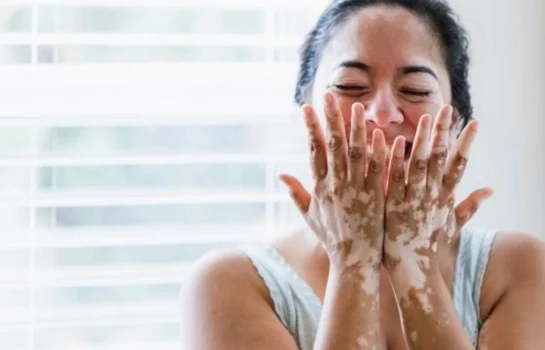
Vitiligo is a skin disorder characterized by the loss of pigment in certain areas of the skin, resulting in white patches. The exact cause is unknown, but it is believed to be an autoimmune condition where the body attacks its own pigment-producing cells (melanocytes).

Vitiligo Prevention
Image by: https://skinshineclinic.com/vitiligo-treatment-by-experts.html

Steps to Prevent Vitiligo:

  1. Protect Your Skin from Sun Exposure: Exposure to harsh sun can trigger vitiligo in susceptible individuals. Apply sunscreen with a high SPF to shield your skin from harmful UV rays.
  2. Manage Stress Levels: Chronic stress can potentially exacerbate autoimmune conditions. Incorporate stress-reduction techniques like yoga, meditation, or hobbies that relax the mind.
  3. Balanced Diet: Maintain a diet rich in antioxidants, vitamins, and minerals. Include fruits, vegetables, whole grains, and lean proteins. Avoid processed foods and excessive consumption of sugary items.
  4. Adequate Hydration: Drink plenty of water to keep your skin and body hydrated. Well-hydrated skin is less prone to various skin conditions.
  5. Regular Exercise: Engage in regular physical activity to boost your immune system and improve overall health. Exercise helps in managing stress and maintaining a healthy body weight.
  6. Avoid Harmful Chemicals: Be cautious of the products you use on your skin. Choose skincare and cosmetic products that are gentle and free from harsh chemicals.
  7. Regular Check-ups: Periodic visits to a dermatologist can help in early detection and timely management of any skin-related concerns, including vitiligo.

Dr. Pooja Nagdev’s Expert Insights:

Dr. Pooja Nagdev, a distinguished expert in holistic wellness, emphasizes the importance of a holistic lifestyle in preventing vitiligo. “Taking care of your skin is more than just topical treatments,” she says. “It’s about adopting a healthy lifestyle that nurtures your skin from within.”

Dr. Nagdev suggests a proactive approach to skin health, where mindful lifestyle choices can significantly contribute to preventing vitiligo and maintaining a vibrant, even skin tone.

Conclusion: Embrace a Skin-Healthy Lifestyle:

Preventing vitiligo involves a conscious effort to nurture your skin and overall well-being. By adopting a balanced diet, managing stress, protecting your skin from harmful elements, and seeking professional guidance, you can significantly reduce the risk of developing vitiligo.

Remember, your skin reflects your overall health. Embrace a skin-healthy lifestyle and celebrate the natural beauty of your skin, preserving your pigment and embracing a radiant, confident you.

Introduction:

Welcome to a culinary cautionary journey guided by Dr. Pooja Nagdev, an expert in the field of holistic wellness. In this article, we will explore the often underestimated connection between diet and shingles. Dr. Nagdev will shed light on foods that should be avoided to alleviate discomfort and promote a more efficient healing process during a shingles episode.

Understanding Shingles: A Brief Overview:

Shingles, caused by the varicella-zoster virus (VZV), is a painful rash typically appearing on one side of the body. It is a reactivation of the chickenpox virus and affects individuals who have previously had chickenpox. Managing shingles can be complex, and dietary choices play a crucial role in the healing process.

Foods to Avoid During Shingles:

  1. Spicy Foods: Spicy foods, rich in capsaicin, can irritate the nerves and worsen the pain associated with shingles.
  2. High Arginine Foods: Arginine-rich foods like nuts, seeds, and chocolate should be avoided as arginine can promote the growth of the varicella-zoster virus.
  3. Processed Foods: Processed foods with high levels of preservatives and artificial additives can weaken the immune system, hindering the body’s ability to combat the virus effectively.
  4. Sugary Foods: High sugar intake can suppress the immune system, potentially slowing down the healing process.
  5. Alcohol and Caffeine: Alcohol and excessive caffeine can dehydrate the body and compromise the immune system, prolonging the healing time.
Shingles and Cuisine
Image by: https://www.nutritionist-resource.org.uk/memberarticles/how-diet-affects-fibromyalgia

The Healing Diet: Foods to Include:

  1. Vitamin C-rich Foods: Incorporate fruits like oranges, strawberries, and kiwi to boost your immune system.
  2. Leafy Greens: Packed with vitamins and minerals, leafy greens like spinach and kale aid in healing and overall health.
  3. Lean Proteins: Include sources of lean protein such as chicken, turkey, and fish to support the body’s healing processes.
  4. Yogurt: Yogurt contains lysine, an amino acid that can help manage shingles.
  5. Healthy Fats: Opt for sources of healthy fats like avocados, nuts, and olive oil to support overall well-being.

Dr. Pooja Nagdev’s Expert Insights:

Dr. Pooja Nagdev, a prominent expert in holistic wellness, stresses the significance of mindful eating during a shingles episode. “Diet plays a vital role in managing shingles,” she says. “By avoiding certain foods that can exacerbate the condition and focusing on a healing diet, you can significantly impact your recovery process.”

Dr. Nagdev recommends consulting with a healthcare professional to tailor a diet that complements your individual condition and promotes a smoother healing journey.

Conclusion: Nourish Your Body, Ease the Discomfort:

Navigating shingles requires a holistic approach that encompasses not only medical treatments but also dietary choices. By avoiding foods that can aggravate shingles and incorporating healing foods into your diet, you can alleviate discomfort and promote a more efficient healing process.

Remember, consulting with a healthcare professional or a nutritionist is crucial to tailor a diet that best supports your unique situation. Embrace the healing power of mindful nutrition and let it be a cornerstone in your journey towards a shingles-free life.

Introduction:

Welcome to a journey beyond the surface of beauty, guided by Rose-Marie Swift, a prominent figure in the beauty and wellness industry. In this article, we will delve into the fascinating realm of undertones, an often overlooked aspect in beauty. Understanding your skin’s undertones is a game-changer that can revolutionize your makeup choices, enhancing your natural beauty and achieving a harmonious look.

Decoding Undertones: The Hidden Palette of Your Skin:

When it comes to cosmetics and fashion, most people are well-versed in their skin tone, but what about undertones? Undertones, the subtle hues beneath the surface of your skin, play a vital role in determining what colors enhance your beauty. They are broadly categorized into three main types: cool, warm, and neutral. Recognizing your undertones is essential in determining which makeup shades, clothing colors, and even hair colors flatter you the most.

Cool Undertones: If your skin has cool undertones, it will have hints of blue, pink, or purple. People with cool undertones usually have fair or light skin that burns easily.

Warm Undertones: Warm undertones manifest as hints of yellow, peach, or gold beneath your skin’s surface. Individuals with warm undertones typically have medium to dark skin tones that tan easily.

Neutral Undertones: If your undertones are neutral, your skin has a balance of both warm and cool tones. This provides versatility in choosing colors that suit you.

Perfection
Image by: https://www.elle.com/beauty/a32493187/skin-undertone-guide/

Discovering Your Undertones: A Quick Guide:

  1. Vein Test: Check the veins on your wrist. Blue veins often indicate cool undertones, while green veins typically suggest warm undertones.
  2. Silver vs. Gold Jewelry: Pay attention to whether silver or gold jewelry complements your skin better. Silver often suits cool undertones, while gold complements warm undertones.
  3. White vs. Cream Test: Hold a white fabric and a cream fabric near your face. If white looks better, you likely have cool undertones. If cream is more flattering, warm undertones are probable.
  4. Natural Hair Color: Consider your natural hair color. Cool undertones often pair with ashy or cool tones, while warm undertones typically accompany red or warm tones.

Choosing Makeup According to Your Undertones:

  1. Cool Undertones:
    • Foundation: Look for shades with pink or rosy undertones.
    • Lipsticks: Opt for shades like berry, mauve, or blue-based reds.
    • Eyeshadows: Choose cool tones like purples, blues, and silvers.
  2. Warm Undertones:
    • Foundation: Choose shades with golden or peachy undertones.
    • Lipsticks: Shades like coral, peach, or warm reds complement warm undertones.
    • Eyeshadows: Embrace warm hues like browns, golds, and oranges.
  3. Neutral Undertones:
    • Foundation: You’re lucky! Both warm and cool tones can work for you.
    • Lipsticks: Experiment with a variety of shades, both warm and cool, to find what suits you best.
    • Eyeshadows: Mix and match warm and cool tones for a versatile look.

Enhancing Your Natural Beauty: Tips and Tricks:

  1. Blend Foundations Skillfully: Blend foundation seamlessly with your neck to ensure a natural transition from your face to the rest of your body.
  2. Consider Seasonal Changes: Understand that your undertones can subtly change with the seasons. Adjust your makeup accordingly for a harmonious look.
  3. Test and Experiment: Don’t hesitate to experiment with different colors and shades. Makeup is an art, and finding what suits you best often involves trial and error.

Rose-Marie Swift’s Expert Insights:

Rose-Marie Swift, a luminary in the beauty industry, emphasizes the importance of undertones. “Understanding your undertones is the foundation of a flawless beauty regimen,” she states. “It’s the key to enhancing your natural beauty and achieving a cohesive, radiant look.”

Swift advocates for a holistic approach to beauty, focusing on overall well-being and inner radiance. By aligning our perceptions with this mindset, we can foster a healthier relationship with beauty and liberate ourselves from the constraints of unrealistic standards perpetuated by filters.

Conclusion: Unleash Your Beauty Potential with Undertones:

Mastering your skin’s undertones is the secret to unlocking beauty bliss. It guides you to choose makeup and clothing that harmonize with your skin, enhancing your overall appearance. Embrace your undertones and let them be your compass in the world of beauty, guiding you towards a beauty regimen that truly complements and celebrates your unique essence. Say hello to a more radiant, confident you, adorned in the perfect palette that accentuates your natural beauty.

Beyond the Filters: Understanding the Snapchat Dysmorphia Phenomenon

By Rose-Marie Swift

Greetings, readers! I’m Rose-Marie Swift, a beauty and lifestyle advocate, and today we’re diving into an important topic that has gripped our digital era: Snapchat Dysmorphia. This intriguing phenomenon sheds light on the evolving landscape of beauty standards and body image perception influenced by social media filters. In this article, we’ll explore the impact of these filters on our self-perception and the broader implications on modern society.

The Rise of Snapchat Dysmorphia

Social media filters have become a ubiquitous part of our online presence, allowing us to modify our appearances in real-time. Snapchat, among other platforms, offers an array of filters that can smooth our skin, enhance our features, and even change our facial structure. However, the line between playful modification and a distorted self-perception has blurred.

Snapchat Dysmorphia
Image by: https://studyfinds.org/why-people-take-selfies-vanity/

1. The Desire for Digital Perfection

Snapchat Dysmorphia refers to a phenomenon where individuals seek surgical or non-surgical procedures to resemble the altered version of themselves they portray through filters on social media. The desire to attain digital perfection in real life has escalated.

2. Impact on Body Image and Mental Health

The constant exposure to digitally altered images can warp our perception of beauty, making it challenging to differentiate between reality and digital manipulation. This can lead to body dissatisfaction and negatively impact mental health, causing anxiety, depression, and a decline in self-esteem.

Breaking the Cycle: Embracing Reality

It’s vital to address this growing issue and encourage a healthier relationship with our own image and beauty standards. Here are some steps to break free from the clutches of Snapchat Dysmorphia:

1. Educating Ourselves

Understanding the differences between digitally altered images and reality is crucial. Education on digital manipulation and the potential harms it can cause is a powerful tool to combat unrealistic beauty standards.

2. Promoting Authenticity

Advocating for real and authentic representations of ourselves on social media can counter the filtered norm. Let’s celebrate imperfections and embrace the uniqueness that makes us who we are.

3. Self-Love and Acceptance

Nurturing a healthy self-image begins with self-love and acceptance. Appreciating our individual beauty, both inside and out, can help combat the desire to conform to unrealistic standards.

Embrace Your Authentic Self

The Snapchat Dysmorphia phenomenon highlights the pressing need for a paradigm shift in how we perceive beauty and present ourselves online. Let’s cultivate a culture that celebrates authenticity, self-love, and diverse beauty. Your uniqueness is your strength; embrace it and let your true self shine through.

Rose-Marie Swift is a passionate advocate for natural beauty and a healthier lifestyle. Through her work, she aims to inspire individuals to embrace their authenticity and prioritize their well-being in a world saturated with digital alterations and beauty standards.

Introduction:

Welcome to the world of natural skincare with Tata Harper, a dedicated advocate of clean beauty. In this article, we’ll explore the remarkable journey of rice flour from paddy to beauty, unlocking its potential in skincare. Tata Harper, celebrated for her commitment to clean and organic ingredients, sheds light on the wonders of rice flour and its transformative effects on your skin.


Rice Flour: A Brief Overview:

Rice, a staple in kitchens globally, is also a treasure trove of skincare benefits. Extracting rice flour involves finely milling rice grains. This process creates a versatile ingredient that has been utilized for generations in traditional skincare practices, particularly in Asian cultures.


The Beauty Secrets of Rice Flour:

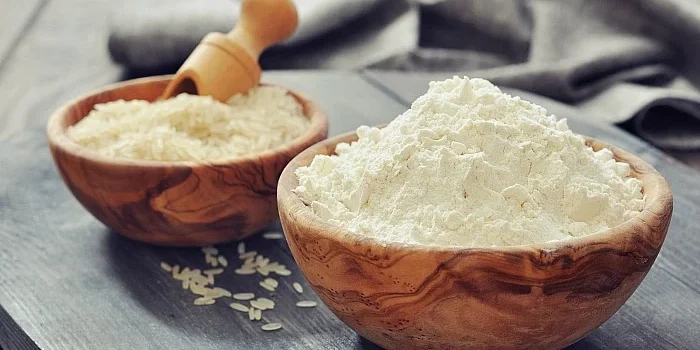
Rice flour is celebrated for its multifaceted benefits. It’s renowned for its gentle exfoliating properties, making it an ideal choice for sensitive skin. The fine particles gently buff away dead skin cells, revealing a smoother, more radiant complexion. Additionally, rice flour is known to aid in oil absorption, making it effective for oily or acne-prone skin.

rice flour
Image by: bhttps://shrifreevs.live/product_details/34836776.html

Why Rice Flour Works Wonders for the Skin:

  1. Gentle Exfoliation: The finely milled particles of rice flour make for a gentle exfoliator, promoting a softer and more refined skin texture. It removes dead skin cells and promotes cell turnover.
  2. Oil Absorption: Rice flour possesses natural oil-absorbing properties, making it an excellent choice for those with oily skin. It helps to control excess sebum and shine.
  3. Brightening Effect: Rice flour is believed to have brightening effects on the skin. It helps in reducing the appearance of dark spots and promoting a more even skin tone.

The Journey from Paddy to Beauty: Processing Rice Flour:

The journey of rice flour begins in the paddy fields. After the rice grains are harvested and dried, they undergo a meticulous milling process to produce the fine powder we know as rice flour. This process involves cleaning, husking, milling, and finally, grinding the rice into a fine powder.


Incorporating Rice Flour into Your Skincare Routine:

  1. DIY Rice Flour Scrub: Combine rice flour with water or other suitable ingredients to create a paste. Gently massage this scrub onto your skin in circular motions, then rinse off for a refreshed and smooth complexion.
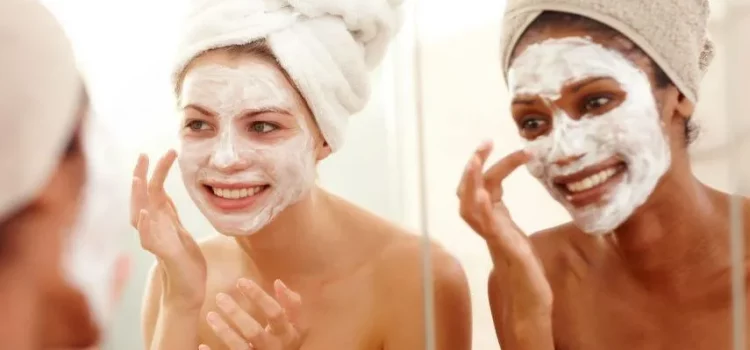
  2. Rice Flour Face Mask: Mix rice flour with yogurt or honey to create a face mask. Apply this mixture, leave it on for about 15-20 minutes, and then wash off. This can help with oil control and brightening.

Choosing the Right Rice Flour for Your Skin:

  1. Brown Rice Flour: Ideal for sensitive skin, brown rice flour has a slightly coarser texture, providing gentle exfoliation.
  2. White Rice Flour: Finer in texture, white rice flour is suitable for a more refined exfoliation and is great for oily skin.

Tata Harper’s Expert Insights:

Tata Harper, a leader in the clean beauty movement, emphasizes the significance of natural ingredients like rice flour in skincare. “Rice flour is a testament to the power of natural skincare,” she says. “Its ability to gently exfoliate and promote a radiant complexion is truly transformative.”

Tata Harper recommends incorporating rice flour into your skincare regimen for a revitalized and luminous complexion. “It’s a simple yet effective addition to your beauty routine, providing a natural glow and softer skin.”


Conclusion: Embrace the Transformative Power of Rice Flour:

Rice flour, a beauty secret passed down through generations, holds the key to smoother, more radiant skin. From the paddy fields to your beauty regimen, the journey of rice flour is one of transformation and natural rejuvenation. Embrace the gentle exfoliation and oil-absorbing properties of rice flour, and let your skin revel in its natural beauty.

Unveil the truth about rice flour and embark on a journey that transcends borders, bringing you closer to nature and its bountiful offerings. Say hello to a refreshed, revitalized complexion, courtesy of the ancient skincare wonder—rice flour.

Introduction:

Welcome to the world of tomato-infused skincare with Tata Harper, a leading voice in clean and natural beauty. In this article, we’ll explore the wonders of tomatoes, a humble kitchen staple, and how it can revolutionize your facial beauty routine. Tata Harper, known for her commitment to clean beauty, sheds light on the beauty secrets hidden within these red gems.

Tomato Tales: Unveiling the Beauty Potential

The tomato, a common vegetable in most kitchens, is making waves in the beauty industry. Beyond its culinary uses, tomatoes have an impressive range of beauty benefits. They are rich in vitamins A, C, and K, as well as potassium and folate. These nutrients work together to rejuvenate and refresh your skin, giving you a natural glow.

One of the most significant advantages of using tomatoes in your beauty routine is their ability to combat acne. The natural acidity of tomatoes helps to regulate excess oil and unclog pores, effectively preventing acne breakouts. Additionally, the antioxidants in tomatoes contribute to clear and youthful skin by fighting free radicals.

Tomato Beauty
Image by: https://boldoutline.in/tomato-splash-on-facial-skin.html

Understanding Your Skin: A Fundamental Start

Before incorporating tomatoes into your beauty routine, it’s crucial to understand your skin type and its specific needs. Every individual has a unique skin type, which can be oily, dry, combination, or sensitive. Knowing your skin type helps tailor your skincare routine to address its particular requirements.

Oily skin types benefit greatly from tomatoes due to their oil-controlling properties. The acidity in tomatoes helps to reduce excess oil, which is a common issue for those with oily skin. On the other hand, the vitamins and antioxidants in tomatoes make them suitable for all skin types, offering a gentle yet effective solution to various skincare concerns.

Tomato’s Beauty Arsenal: How It Benefits Your Skin

Tomatoes boast an impressive beauty arsenal. From acne control to skin rejuvenation, their benefits are far-reaching. Here’s a breakdown of how tomatoes can work wonders for your skin:

Acne Control: The natural acidity in tomatoes helps balance the skin’s pH levels, making it unfavorable for acne-causing bacteria to thrive. Additionally, the vitamins and antioxidants in tomatoes help reduce inflammation and redness associated with acne.

Skin Rejuvenation: Tomatoes are rich in vitamins A and C, promoting the production of collagen and contributing to youthful, radiant skin. These vitamins also help repair skin damage caused by environmental factors.

Sun Protection: The lycopene in tomatoes acts as a natural sunscreen, providing protection against harmful UV rays. While it’s not a replacement for traditional sunscreen, incorporating tomatoes into your diet and skincare routine can offer an extra layer of defense.

Incorporating Tomatoes into Your Routine: Tips for Maximum Impact

Now that we understand the potential benefits of tomatoes for the skin, let’s explore how to effectively integrate them into your beauty routine for maximum impact:

  1. Tomato Face Mask: Create a simple face mask by blending ripe tomatoes and applying the pulp to your face. Leave it on for 15-20 minutes, allowing the nutrients to penetrate your skin. Rinse off with lukewarm water for refreshed skin.
  2. Tomato Juice Toner: Extract fresh tomato juice and use it as a toner. Apply it to your face using a cotton ball after cleansing. This will help tighten pores and control excess oil.
  3. Tomato and Yogurt Scrub: Mix tomato pulp with yogurt and a bit of sugar to create a gentle exfoliating scrub. Gently massage this mixture onto your face to remove dead skin cells and reveal a brighter complexion.

Tomato Varieties for Different Skin Needs: Finding Your Match

Different tomato varieties offer unique benefits for specific skin concerns. Here are some popular varieties and their advantages:

  1. Roma Tomatoes: Excellent for oily skin due to their lower water content and higher pulp, making them effective in controlling excess oil.
  2. Cherry Tomatoes: Packed with antioxidants, cherry tomatoes are great for rejuvenating the skin and combating the signs of aging.
  3. Beefsteak Tomatoes: These are ideal for sensitive skin as they have a milder acidity level, providing the benefits of tomatoes without causing irritation.

Tata Harper’s Expert Insights: Harnessing Tomato Power

Tata Harper, a pioneer in clean beauty, emphasizes the importance of natural and organic ingredients like tomatoes in skincare. “Tomatoes are a game-changer in the beauty world,” she says. “Their natural acidity and nutrient-rich composition make them a versatile ingredient suitable for various skin types.”

Tata Harper recommends incorporating tomatoes into your skincare routine for a refreshing and revitalizing experience. “You’ll notice a difference in your skin’s texture and overall radiance. It’s a simple yet potent addition to any beauty regimen.”

Conclusion: Embrace the Red Power for a Glowing Complexion

Incorporating tomatoes into your beauty routine can be a transformative experience for your skin. Their abundance of vitamins, antioxidants, and natural acidity make them a powerful tool for combatting acne, rejuvenating the skin, and protecting against environmental stressors.

Discover the beauty secrets hidden within these vibrant red fruits and embrace a fresh, natural approach to skincare. Let the red power of tomatoes illuminate your complexion and leave you with a radiant and glowing skin. Say hello to a revitalized you, courtesy of the humble yet extraordinary tomato.

Introduction:

Welcome to the world of gentle skincare magic with Tata Harper, a luminary in natural beauty. Chamomile, a humble herb with extraordinary properties, takes the spotlight in this article. Tata Harper, a staunch advocate for clean beauty, delves into the soothing effects of chamomile and how it can work wonders for redness and acne-prone skin.

The Serenity of Chamomile:

Discover the soothing properties of chamomile, a herb celebrated for its calming effect on the skin and senses.

Understanding Redness and Acne:

Before we explore chamomile’s benefits, let’s comprehend the challenges of redness and acne that many face.

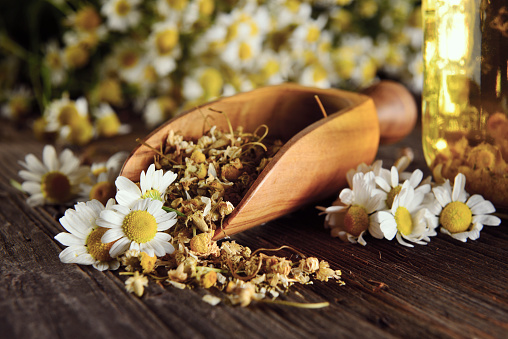
Chamomile Skincare
Image by: https://www.istockphoto.com/photo/chamomile-gm817800342-132291463

Chamomile’s Healing Power:

Uncover how chamomile harnesses its natural properties to combat redness and acne, providing relief and clarity.

Incorporating Chamomile in Your Routine:

Learn how to seamlessly introduce chamomile into your daily skincare regimen to enjoy its full potential in calming troubled skin.

Chamomile in Various Forms:

Explore different forms in which chamomile is available, finding the best fit for your skin type and preferences.

Tata Harper’s Expert Insights:

Benefit from Tata Harper’s extensive experience as she shares personalized tips and tricks to make the most of chamomile in your skincare routine.

Conclusion:

Bid farewell to redness and acne through the gentle touch of chamomile. Tata Harper enlightens us on the path to achieving a soothing, radiant complexion using this incredible herb.

Visual Table for Key Points:

Section Key Points
The Serenity of Chamomile – Calming effects of chamomile
Understanding Redness and Acne – Common skin dilemmas
Chamomile’s Healing Power – Properties combating redness and acne
Incorporating Chamomile in Your Routine – Application tips
Chamomile in Various Forms – Options for every skin type
Tata Harper’s Expert Insights – Personalized guidance

Comparative Table for Key Features:

Aspect Chamomile Benefits Other Skincare Products
Redness Reduction High Varies
Acne Control Moderate to High Varies
Sensitivity Low Varies
Natural Ingredients Yes Varies

Discover the calming and healing properties of chamomile with Tata Harper. Embrace gentle skincare and let chamomile work its magic in soothing redness and combatting acne, all while providing you with a serene and clear complexion.

Introduction:

Meet Tata Harper, a leading figure in natural skincare, renowned for her commitment to clean beauty. With a profound understanding of skincare ingredients, she unravels the mysteries behind baking soda face masks in this article. Let’s uncover the truth about this alkaline skincare trend and its implications on your skin.

Baking Soda and Skincare:

Baking soda is a household staple, but should it be part of your skincare routine? Tata Harper uncovers the role of baking soda in skincare and how it’s gained popularity.

Sugar Scrubs
Image by: https://mycocosoul.com/blogs/skin-care-regimen/how-to-exfoliate-face-in-winter

Understanding pH Balance:

Explore the importance of pH balance in maintaining healthy skin and how it plays a crucial role in skincare product selection.

The Attraction of Baking Soda Face Masks:

What is it about baking soda face masks that make them so appealing to skincare enthusiasts? Let’s dive into the reasons behind their popularity.

The Alkaline Quandary:

Baking soda is alkaline in nature, but is this trait beneficial for your skin? Tata Harper addresses the potential drawbacks and concerns associated with baking soda on your skin’s pH balance.

Skin-Friendly Alternatives:

Discover gentle and effective alternatives that offer exfoliation and cleansing benefits without disrupting your skin’s delicate pH balance.

Tata Harper’s Expert Advice

: Tata Harper, with her wealth of experience in clean beauty, shares her insights on maintaining a balanced skincare routine and avoiding harsh ingredients like baking soda.

Conclusion:

Your skin deserves the best. Tata Harper guides us towards making informed decisions in skincare, considering the intricacies of our skin’s needs and the impact of ingredients like baking soda.

Visual Table for Key Points:

Section Key Points
Baking Soda and Skincare – Baking soda in skincare
Understanding pH Balance – Importance of pH balance in skincare
The Attraction of Baking Soda Face Masks – Reasons for popularity
The Alkaline Quandary – Effects of alkalinity on skin
Skin-Friendly Alternatives – Alternative gentle exfoliants
Tata Harper’s Expert Advice – Nurturing skin responsibly

Comparative Table for Key Features:

Aspect Baking Soda Face Masks Gentle Alternatives
pH Level Alkaline Balanced
Skin Sensitivity High Low
Exfoliation Strength Strong Variable

With Tata Harper’s insights, you can now make informed choices for your skincare routine. Navigate the world of baking soda face masks with a clear understanding of their impact on your skin’s pH balance and overall health.

Introduction:

Introducing Dr. Rupali Datta, a renowned nutritionist and skincare expert, known for her holistic approach to wellness. With years of experience in the field, she brings forth her knowledge to dissect the trending phenomenon of facial sugar scrubs. In this article, we’ll delve into the sweet yet sometimes bitter world of sugar scrub skincare.

The Sugar Scrub Sensation:

Sugar has long been a favorite ingredient in skincare due to its exfoliating properties and delightful scent. But are sugar scrubs truly a boon for your skin, or do they come with a few caveats?

Understanding Your Skin:

Before we dive into the world of sugar scrubs, let’s understand the basics of exfoliation and why it’s crucial for maintaining healthy, glowing skin.

Sugar Scrubs
Image by: https://mycocosoul.com/blogs/skin-care-regimen/how-to-exfoliate-face-in-winter

The Allure of Sugar Scrubs

: Explore what makes sugar scrubs so popular in the skincare industry. From the satisfying texture to the immediate gratification, there’s a lot to love.

The Downside of Sugar Scrubs:

While sugar scrubs can be fantastic, they’re not without their downsides. Dr. Rupali Datta uncovers the potential pitfalls, from over-exfoliation to skin damage.

Sugar Alternatives:

For those seeking gentler options, we’ll explore alternatives to sugar scrubs that provide the benefits without the risks.

Expert Advice from Dr. Rupali Datta:

Dr. Datta shares her expert insights on how to incorporate exfoliation into your skincare routine safely and effectively. Learn the do’s and don’ts from a trusted source.

Conclusion:

In the world of skincare, balance is key. Sugar scrubs can be a sweet addition to your regimen when used mindfully. Dr. Rupali Datta guides us towards a harmonious relationship between our skin and sugar scrubs.

Visual Table for Key Points:

Section Key Points
The Sugar Scrub Sensation – Sugar’s appeal in skincare
Understanding Your Skin – Importance of exfoliation
The Allure of Sugar Scrubs – Texture and satisfaction
The Downside of Sugar Scrubs – Over-exfoliation risks
Sugar Alternatives – Gentler exfoliation options
Expert Advice – Dr. Rupali Datta’s recommendations

Comparative Table for Key Features:

Aspect Sugar Scrubs Alternative Exfoliants
Exfoliation Strength Strong Variable
Potential Irritation Higher risk Lower risk
Suitable Skin Types Selective Versatile
Frequency of Use Limited More frequent

Navigate the world of sugar scrub skincare with wisdom and awareness. Dr. Rupali Datta’s insights will empower you to make informed choices for your skin’s health and beauty. Sweeten your skincare knowledge while avoiding the sugar-coated pitfalls.