Subtitle 1: An Introduction to Bonsai: The Art of Miniaturizing Nature’s Beauty

Bonsai, the ancient Japanese art of cultivating miniature trees, has captivated enthusiasts around the world with its intricate beauty and serene elegance. Combining horticulture, aesthetics, and patience, bonsai allows us to recreate the essence of nature in a compact form. In this article, we delve into the world of bonsai and explore the secrets behind mastering this timeless craft.

Subtitle 2: The Origins and Philosophy of Bonsai: An Art Form with Deep Roots

Bonsai traces its roots back to ancient China, where it originated as a way to bring nature into the confines of imperial gardens. Over time, this art form was embraced and refined by the Japanese, who added their unique philosophy and aesthetics to create what we know as bonsai today. The principles of harmony, balance, and respect for nature form the foundation of bonsai, reflecting the Zen philosophy of mindfulness and tranquility.

Subtitle 3: Selecting the Right Tree: Nurturing Nature’s Potential

Choosing the right tree is crucial in bonsai cultivation. Different species possess distinct characteristics that impact their suitability for miniaturization. Some popular choices include junipers, pines, maples, and ficus. Factors such as leaf size, branch flexibility, and response to pruning should be carefully considered. The selection process involves envisioning the tree’s future form and ensuring it aligns with the desired style, whether it be formal upright, slanting, cascade, or any other variation.

Subtitle 4: Techniques and Training: Shaping the Living Sculpture

Shaping a bonsai tree is a meticulous process that requires careful pruning, wiring, and training. Pruning encourages growth in desired areas, while wiring enables the artist to manipulate branches and achieve the desired shape. Patience is key, as it may take years to achieve the desired form. Bonsai artists often employ techniques such as defoliation, carving, and grafting to further refine their creations, pushing the boundaries of artistic expression.

Subtitle 5: The Art of Maintenance: Nurturing Nature’s Masterpiece

Once a bonsai tree has been shaped, maintaining its health and vitality becomes paramount. Proper watering, fertilization, and pest control are essential. Bonsai trees have unique requirements compared to their full-sized counterparts, and a deep understanding of their specific needs is crucial. Pruning, repotting, and root trimming must be done judiciously to maintain the tree’s balance and encourage its continued growth.

Subtitle 6: Cultivating Patience and Serenity: Bonsai as a Meditative Journey

Mastering the bonsai craft extends beyond the technical aspects; it is a journey of self-discovery and inner peace. Bonsai demands patience, discipline, and an attunement to nature’s rhythms. The process of nurturing a bonsai tree teaches us to embrace the beauty of imperfection, to find solace in the passage of time, and to cherish the delicate balance between control and surrender. Bonsai enthusiasts often find themselves immersed in a meditative state as they connect with the living artwork they have carefully crafted.

Subtitle 7: Bonsai as a Living Legacy: Passing Down the Art and Wisdom

Conclusion:

Bonsai is a living legacy that transcends generations. The knowledge and techniques honed by bonsai masters are passed down through apprenticeships, workshops, and written records. It is a testament to the enduring nature of this art form that has survived for centuries. By cultivating and sharing the art of bonsai, we ensure that its beauty and wisdom continue to inspire and captivate future generations.
Introduction

The beauty of nature knows no bounds, and one of its most captivating spectacles lies in the ever-changing colors that grace the landscape throughout the seasons. From the vibrant blooms of spring to the fiery hues of autumn, each season unveils its own kaleidoscope of colors, inviting us to immerse ourselves in the chromatic marvels of the natural world. Let us embark on a journey through the seasons, exploring the enchanting palette that nature paints before our eyes.

  1. Spring’s Resplendent Awakening

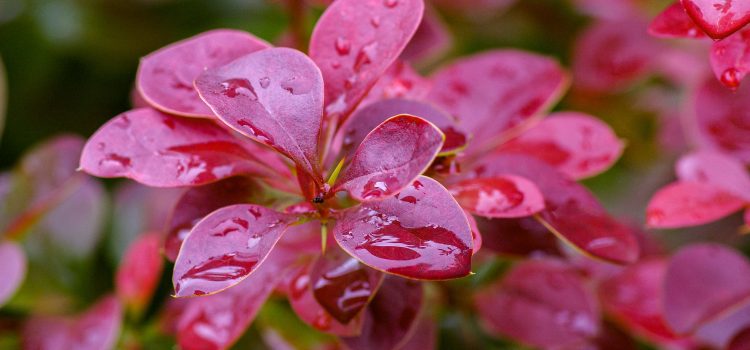
As winter bids farewell, nature awakens from its slumber, infusing the world with a burst of vibrant colors. Spring emerges as a symphony of pastel hues, with delicate blossoms adorning trees and meadows. Cherry blossoms paint the landscape in shades of soft pinks and whites, while tulips and daffodils add splashes of yellows and reds. The sight of colorful flowers emerging from the earth is a joyful reminder of the cyclical nature of life, promising renewal and new beginnings.

  1. The Sunlit Canvas of Summer

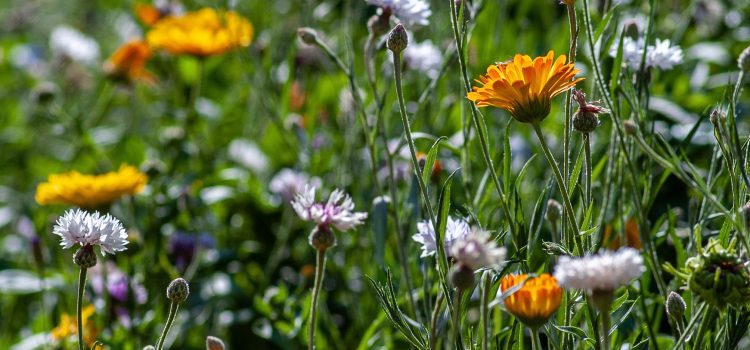
Summer arrives in all its glory, blanketing the world in a tapestry of rich and lively colors. Verdant greens dominate the scenery as trees and fields flourish under the warm sun. Brilliantly colored butterflies dance amidst vibrant wildflowers, their wings adorned with shades of orange, blue, and purple. Sunsets paint the sky in a breathtaking palette of oranges, pinks, and purples, casting a warm and enchanting glow over the land. Summer invites us to revel in its vibrant canvas, reminding us of the abundance and vibrancy of life.

  1. Autumn’s Fiery Spectacle

As summer fades away, autumn steps forward, dressed in a fiery cloak that ignites the senses. The landscape transforms into a picturesque tableau of reds, oranges, and yellows as trees shed their leaves. Maple trees blaze with hues of crimson, while oak trees offer a tapestry of golden browns. As the crisp air carries the scent of fallen leaves, the world becomes a painter’s dream, captivating our hearts with its breathtaking autumnal palette. The beauty of this season serves as a poignant reminder of the transient nature of life and the importance of embracing change.

  1. The Subtle Elegance of Winter

Winter unveils its own unique charm, embracing the world in a serene and monochromatic tapestry. Snow blankets the earth, creating a canvas of whites and silvers. Against this backdrop, evergreen trees stand tall, their deep green hues providing a striking contrast to the icy landscape. Winter sunsets cast a cool, ethereal glow over the horizon, as shades of pale blue and lavender mingle with soft pinks. Though subdued in comparison to the other seasons, winter’s understated elegance captures the essence of tranquility and introspection.

Conclusion

Nature’s kaleidoscope enchants us with its ever-changing colors, each season telling its own story through hues and shades. From the delicate pastels of spring to the fiery palette of autumn, and the subtle elegance of winter, every season offers a visual feast for the senses. As we revel in the chromatic marvels of nature, we are reminded of the cyclical nature of life and the profound beauty that surrounds us. Let us immerse ourselves in the kaleidoscope of colors and find inspiration in the vibrant symphony of nature’s palette.


Subtitle 1: The Artistry of Plant Crafting: Blending Nature and Creativity

In a world filled with technology and fast-paced living, plant crafting has emerged as a delightful fusion of nature and creativity. It offers a refreshing way to engage with the natural world and express one’s artistic flair. Whether you’re a seasoned plant enthusiast or just beginning your green journey, plant crafting presents endless possibilities to explore and create unique, personalized pieces that breathe life into your living spaces.

Subtitle 2: From Terrariums to Macrame: Exploring a World of Plant Crafting Possibilities

Plant crafting encompasses a wide range of artistic endeavors that can transform your home into a vibrant oasis. One popular avenue is terrarium-making, where miniature ecosystems are created within glass containers, blending plants, soil, rocks, and moss. The compact size of terrariums makes them ideal for small spaces, offering a touch of greenery even in the tiniest apartments.

For those with a penchant for textile art, macrame plant hangers provide an excellent outlet for creativity. With a few basic knots, you can fashion intricate designs that suspend your favorite plants from the ceiling, adding visual interest and verticality to any room. Macrame plant holders also make for stunning focal points and conversation starters.

Subtitle 3: DIY Plant Crafting: Bringing Greenery and Personalized Touches into Your Home

Plant crafting is not limited to store-bought items; it invites you to infuse your personal touch and unleash your imagination. DIY plant crafting projects allow you to repurpose everyday items, transforming them into unique planters or decorative elements. Upcycling old mugs, teapots, or even shoes into quirky plant containers not only adds a touch of whimsy but also helps reduce waste and promotes sustainability.

Personalization is key in DIY plant crafting. By painting pots with vibrant colors or intricate patterns, you can create a cohesive visual theme or express your individual style. You can also experiment with various techniques like decoupage or hand-painted designs to make each plant container a work of art.

Subtitle 4: Plant Crafting as a Mindful Practice: Nurturing Plants and Self-expression

Plant crafting goes beyond mere aesthetics; it can also be a mindful practice that nurtures both plants and self-expression. As you engage in crafting activities, you develop a deeper connection with nature and the plants you care for. The act of tending to your creations, from watering to pruning, becomes a meditative experience that fosters mindfulness and inner peace.

Additionally, plant crafting offers a means of self-expression. It allows you to convey your emotions, personality, and unique style through the choices you make in selecting plants, containers, and crafting techniques. Each creation becomes a reflection of your creativity and a source of joy and satisfaction.

Subtitle 5: The Growing Trend: Plant Crafting Communities and Workshops

With the rising popularity of plant crafting, communities and workshops dedicated to this creative pursuit have

Subtitle 1: Adapting to Change: The Resilience of Flora in Dynamic Environments Subtitle 2: Harnessing Diversity: Exploring the Role of Genetic Variability in Flora’s Survival Subtitle 3: The Power of Symbiosis: Understanding Mutualistic Relationships in Flora’s Habitat Adaptation Subtitle 4: Resourceful Strategies: How Flora Optimizes Resource Utilization in Diverse Habitats Subtitle 5: Embracing Resilience: Lessons from Flora’s Ability to Thrive in the Face of Challenges

Introduction: In the natural world, few organisms exhibit the remarkable ability to thrive in a wide range of habitats quite like flora. From lush rainforests to arid deserts and everything in between, plants have managed to adapt and flourish in diverse environments across the globe. This article delves into the strategies that enable flora to withstand and thrive in such varied habitats, shedding light on their resilience and offering valuable insights into the beauty of nature’s diversity.

Subtitle 1: Adapting to Change: The Resilience of Flora in Dynamic Environments Flora’s ability to thrive in diverse habitats can be attributed to their remarkable adaptability. In dynamic environments where conditions can change rapidly, plants have developed mechanisms to adjust and ensure their survival. From altering their growth patterns and physiology to adjusting their reproductive strategies, flora exhibits a remarkable ability to adapt to changing environmental factors such as temperature, moisture levels, and soil composition.

Subtitle 2: Harnessing Diversity: Exploring the Role of Genetic Variability in Flora’s Survival Genetic variability plays a crucial role in flora’s resilience. It allows plants to possess a wide range of traits, providing them with the necessary genetic arsenal to adapt to different habitats. Through genetic diversity, plants can evolve and select traits that best suit their specific environment, enabling them to better withstand challenges such as pests, diseases, and climatic fluctuations. This diversity acts as a survival mechanism, ensuring the long-term resilience of plant populations.

Subtitle 3: The Power of Symbiosis: Understanding Mutualistic Relationships in Flora’s Habitat Adaptation Flora often establishes intricate mutualistic relationships with other organisms, enhancing their ability to thrive in various habitats. For instance, certain plant species engage in symbiotic associations with pollinators, ensuring successful reproduction through effective cross-pollination. Additionally, mycorrhizal fungi form symbiotic relationships with plant roots, aiding in nutrient absorption and enhancing the plants’ ability to survive in nutrient-poor soils. These symbiotic interactions highlight the interdependence of flora with other organisms and their significance in habitat adaptation.

Subtitle 4: Resourceful Strategies: How Flora Optimizes Resource Utilization in Diverse Habitats Flora’s resourceful strategies contribute significantly to their resilience in different habitats. Plants have developed remarkable adaptations to optimize resource utilization, such as water retention mechanisms in arid regions or efficient nutrient uptake in nutrient-depleted soils. Additionally, the diverse array of leaf shapes, sizes, and surface textures found in different plant species enables them to maximize sunlight capture and minimize water loss. These resource optimization strategies allow plants to thrive in habitats with limited resources, showcasing their remarkable ability to survive and flourish.

Subtitle 5: Embracing Resilience: Lessons from Flora’s Ability to Thrive in the Face of Challenges The resilience of flora offers valuable lessons for human societies. Just as plants have adapted and thrived in diverse environments, we can learn to embrace diversity and adaptability to overcome challenges. By fostering genetic diversity, nurturing symbiotic relationships, and optimizing resource utilization, we can unlock our own potential to thrive amidst change and adversity. Flora

Introduction:

In our fast-paced, modern world, finding moments of tranquility and inner peace has become increasingly challenging. However, there is a timeless solution rooted in ancient traditions that continues to captivate and soothe souls—the Zen garden. Among the many elements that contribute to the serenity of these gardens, plants hold a special place. Through their beauty, symbolism, and therapeutic effects, plants play a vital role in transforming chaotic spaces into serene havens. Let us embark on a journey to explore how harnessing the power of plants in Zen gardens can lead us from chaos to calm.

Subtitle 1: Discovering Tranquility through Harmonious Landscapes

Zen gardens, also known as Japanese rock gardens or dry landscapes, are meticulously designed spaces that emphasize simplicity, balance, and harmony. These gardens typically consist of carefully arranged rocks, gravel or sand raked to resemble water, and sparse plantings. The strategic placement of plants in Zen gardens creates a delicate balance between nature and human intervention.

The selection of plants in these landscapes is deliberate, often favoring those with subtle beauty and calming characteristics. Evergreen trees and shrubs, such as Japanese black pines and azaleas, are popular choices, as they provide a year-round sense of tranquility and stability. Delicate mosses, with their velvety green carpets, evoke a sense of calmness and invite contemplation.

Subtitle 2: Embracing Nature’s Serenity in the Art of Zen Gardening

The art of Zen gardening goes beyond mere aesthetics; it is a profound spiritual practice that embraces the interconnectedness of all things. Plants in Zen gardens are carefully positioned to reflect the natural landscape and evoke a sense of serenity. Each element is meticulously placed to create a sense of balance and flow, allowing visitors to connect with nature on a deeper level.

Bamboo, revered for its strength, flexibility, and graceful appearance, is often utilized in Zen gardens. The sound of wind rustling through bamboo leaves evokes a meditative atmosphere and serves as a gentle reminder of the impermanence of all things. Ornamental grasses, such as Japanese silver grass and fountain grass, sway gracefully in the breeze, symbolizing resilience and adaptability amidst life’s challenges.

Subtitle 3: Unleashing Inner Peace with the Healing Touch of Plants

Beyond their visual appeal, plants in Zen gardens possess therapeutic qualities that contribute to the overall sense of calm and well-being. Scientific research has shown that spending time in green spaces and engaging with plants can reduce stress, improve mood, and enhance cognitive function.

Aromatic plants, such as lavender, chamomile, and jasmine, are often incorporated into Zen gardens for their calming scents. These fragrances have been known to induce relaxation, promote better sleep, and alleviate anxiety. The act of tending to plants and engaging in mindful gardening practices can also be a form of meditation, allowing individuals to find solace in the present moment and reconnect with their inner selves.

Conclusion:

From chaos to calm, Zen gardens have stood the test of time as sanctuaries of tranquility. By harnessing the power of plants, these gardens offer a haven where one can escape the pressures of the modern world and find solace in the beauty and serenity of nature. The carefully chosen flora, the harmonious landscapes, and the therapeutic effects of plants work together to create an environment that promotes inner peace and mindfulness. In a world that often feels chaotic, embracing

Introduction:

In a fast-paced and technology-driven world, finding ways to create harmony and positive energy in our living and working spaces is becoming increasingly important. One powerful approach gaining momentum is the combination of plants and Feng Shui. The strategic placement of plants, along with the principles of Feng Shui, can create a synergistic effect that enhances the flow of energy, promotes well-being, and brings a sense of tranquility to any environment. Let’s dive into the world of greenery as energy catalysts and explore the profound impact they can have on our surroundings.

Enhancing Energy Flow with Plants and Feng Shui:

Plants have long been recognized for their ability to purify the air and provide a natural sense of tranquility. When combined with the principles of Feng Shui, they become catalysts for enhancing the flow of positive energy, or “Chi,” throughout a space. Feng Shui, an ancient Chinese art and science, focuses on the arrangement and orientation of objects to create balance and harmony in our surroundings. By strategically placing plants in specific areas, we can promote the flow of energy, improve the overall atmosphere, and create a sense of connection to nature.

Harnessing the Power of Nature for a Harmonious Environment:

The beauty of incorporating plants and Feng Shui lies in their ability to transform any space into a harmonious environment. In Feng Shui, certain plants are believed to bring specific benefits. For instance, the bamboo plant is associated with good luck and abundance, while the peace lily is known for its air-purifying properties. By selecting the right plants and placing them in appropriate locations, we can cultivate positive energy, invite prosperity, and foster a soothing ambiance. The combination of lush greenery and Feng Shui principles can truly turn a house into a nurturing home or an office into a productive workspace.

The Science Behind Plants and Feng Shui in Creating Positive Vibes:

While the benefits of plants and Feng Shui have been acknowledged for centuries, scientific studies now provide evidence supporting their positive impact on our well-being. Plants, through a process known as photosynthesis, release oxygen and absorb carbon dioxide, effectively improving air quality. This cleaner air can enhance cognitive function, boost productivity, and reduce stress levels. Moreover, studies have shown that exposure to nature, even in the form of indoor plants, can promote relaxation, improve mood, and increase overall happiness. When combined with the guiding principles of Feng Shui, the science behind these green catalysts becomes even more compelling.

Transforming Spaces with Greenery: Tips for Incorporating Plants and Feng Shui:

  1. Choose the right plants: Select plants that thrive in your environment and align with the specific benefits you seek. Consider their size, shape, and color to ensure they complement the overall aesthetics of the space.
  2. Positioning for energy flow: Place plants strategically to create a natural flow of energy. For instance, plants with upward growth, such as bamboo, can be placed in corners to encourage positive energy to circulate.
  3. Balance and harmony: Maintain a balanced arrangement of plants to create a harmonious environment. Avoid overcrowding or clutte

Subtitle 1: Discovering the Magic in the Ordinary

In our fast-paced and hectic lives, it’s easy to get caught up in the rush of daily routines and responsibilities. We often overlook the extraordinary beauty that surrounds us in the simplest of moments. However, by shifting our perspective and embracing inspiration in everyday moments, we can unlock a world of magic and find joy in the ordinary.

Subtitle 2: Finding Wonder in Nature’s Canvas

Nature, with its boundless wonders, offers a constant source of inspiration. From the delicate petals of a blooming flower to the awe-inspiring colors of a sunset, the natural world presents us with countless opportunities to witness extraordinary beauty. Take a moment to pause, immerse yourself in nature’s canvas, and allow yourself to be captivated by the intricate details and harmonious patterns that exist all around us.

Subtitle 3: The Power of Human Connections

Amidst the hustle and bustle of our daily lives, we often forget the power of human connections. Every interaction, no matter how small, has the potential to inspire and uplift. Engage in genuine conversations, listen attentively, and celebrate the diversity of experiences and perspectives. In these encounters, we can find extraordinary beauty in the stories, emotions, and shared moments that make us human.

Subtitle 4: Creativity Unleashed: Unveiling the Artist Within

Each of us possesses a unique creative spark waiting to be ignited. Whether it’s through painting, writing, dancing, or any other form of self-expression, tapping into our creative side allows us to unlock extraordinary beauty within ourselves. Embrace the process of creation, free yourself from judgment, and let your imagination run wild. In these moments, we can discover the extraordinary beauty that lies in our own capacity to create.

Subtitle 5: Gratitude: The Key to Unlocking Everyday Inspiration

Practicing gratitude is a powerful tool for unveiling the extraordinary beauty in everyday moments. By acknowledging and appreciating the small blessings that enrich our lives, we cultivate a mindset of abundance and joy. Take a moment each day to reflect on what you are grateful for, whether it’s a kind gesture from a stranger, a warm cup of coffee, or the sun shining through your window. Embrace the beauty of gratitude, and watch as it transforms your perception of the world around you.

Subtitle 6: Embracing Imperfections: The Beauty of Flaws

In our pursuit of perfection, we often overlook the beauty that lies within imperfections. Embrace the quirks and idiosyncrasies that make you who you are. Celebrate the beauty in the unfinished, the asymmetrical, and the unpredictable. It is in these flaws that we find uniqueness and character. By embracing imperfections, we open ourselves up to a world of extraordinary beauty that exists beyond conventional standards.

Subtitle 7: Mindfulness: Living in the Present Moment

The practice of mindfulness allows us to fully immerse ourselves in the present moment and discover extraordinary beauty in the most ordinary experiences. Engage your senses, notice the textures, colors, and sounds that surround you. Whether it’s savoring the taste of a meal, feeling the warmth of sunlight on your skin, or hearing the sound of laughter, mindfulness invites us to appreciate the richness of each passing moment.

Subtitle 8: Cultivating a Sense of Wonder

Children possess an innate sense of wonder that allows them to see the world with fresh eyes. We can learn from their curiosity and embrace the same childlike wonder in our lives. Approach each day with a sense of awe and excitement, and be open to the possibilities that lie ahead. By cultivating a sense of wonder, we invite extraordinary beauty into our lives and awaken our

Introduction: The Power of Art in Shaping Societal Change

Art has always been a powerful medium for self-expression, reflection, and social commentary. Throughout history, artists have used their creative talents to challenge the status quo, provoke thought, and advocate for social justice. In today’s world, where social inequality and systemic injustices persist, art continues to play a crucial role in sparking conversations, raising awareness, and inspiring collective action. This article explores the profound influence of art in the fight for social justice and how it can shape a better world.

I. Art as a Catalyst for Dialogue and Awareness

Art possesses a unique ability to communicate complex ideas and emotions in ways that transcend language barriers. It serves as a catalyst for dialogue, inviting viewers to engage with important social issues and question existing norms. Whether through paintings, sculptures, photography, or performance art, artists can tackle subjects such as racism, gender inequality, LGBTQ+ rights, and environmental degradation, among others. By presenting these issues in a visually compelling and thought-provoking manner, art has the power to awaken empathy, challenge biases, and promote understanding.

II. Art as a Mirror of Society

Art often serves as a mirror that reflects the realities of society, highlighting its flaws and calling for change. Artists keenly observe the world around them and respond to the prevailing socio-political climate through their creations. They capture the struggles, triumphs, and inequalities experienced by marginalized communities, providing a platform for those whose voices have been silenced. By amplifying these narratives, art demands accountability from those in power and demands a more just and inclusive society.

III. Art as a Tool for Advocacy and Empowerment

Art can go beyond raising awareness; it can also empower individuals and communities to take action. By creating works that embody the spirit of resilience, resistance, and hope, artists inspire others to join the fight for social justice. Artistic mediums like murals, street art, and public installations have the unique ability to reclaim public spaces, challenge oppressive systems, and provide a sense of ownership and belonging to marginalized communities. These forms of art foster unity, mobilize communities, and create lasting change.

IV. Art as a Means of Healing and Transformation

In addition to its role as an agent of social change, art can also promote healing and transformation. Art therapy, for example, has been widely used to help individuals affected by trauma, violence, or oppression to express themselves, process their experiences, and find solace. Through creative expression, survivors can reclaim their narratives and find strength and resilience. Art-based initiatives in prisons, schools, and community centers offer a constructive outlet for marginalized individuals, fostering personal growth, building confidence, and offering alternative paths for those at risk.

V. The Intersection of Art and Technology in Advocacy

In the digital age, technology has further amplified the impact of art in the fight for social justice. Social media platforms, online galleries, and virtual exhibitions have expanded the reach of artists, enabling them to connect with global audiences instantaneously. Hashtags, viral campaigns, and digital art activism have become powerful tools for organizing movements, raising funds, and promoting awareness. The fusion of art and technology has revolutionized the way we engage with social justice issues and transformed the possibilities for collective action.

Conclusion: Art as a Pathway to a Better World

Art has an undeniable influence in shaping the discourse around social justice. Through its power to create dialogue, reflect society, advocate for change, empower individuals, and promote healing, art provides a pathway to a better world. By supporting and valuing artists who dedicate their talents to advancing social justice causes, we can harness the transformative potential of art to build a more equitable, inclusive, and compassionate society. Let

Subheading: Unveiling the Beauty of Nature’s Canvas

Introduction: Nature has always been a muse for artists, inspiring countless masterpieces that capture the awe-inspiring beauty of landscapes. From majestic mountains to serene seascapes, the wonders of nature have been transformed onto canvas and immortalized in art. Join us on a transcendent journey as we explore the artful landscapes that showcase nature’s masterpieces.

Subheading: Capturing the Majesty of Mountains

The grandeur of mountains has captivated artists throughout history. With their towering peaks and rugged slopes, mountains provide a sense of majesty and tranquility. Artists like Albert Bierstadt and Caspar David Friedrich have masterfully depicted these natural wonders, evoking a sense of awe and reverence. Through their use of light, color, and perspective, they transport us to breathtaking mountain vistas, inviting us to contemplate the sublime beauty of nature.

Subheading: Embracing the Serenity of Seascapes

The ebb and flow of the sea have a mesmerizing effect on both artists and viewers. Seascapes offer a unique combination of tranquility and dynamism, capturing the vastness and unpredictability of the ocean. Artists such as J.M.W. Turner and Winslow Homer have skillfully portrayed the ever-changing moods of the sea, from serene sunsets to tempestuous storms. Their masterpieces immerse us in the captivating world of seascapes, allowing us to experience the soothing rhythm of waves and the eternal dance between sky and water.

Subheading: Reveling in the Splendor of Sunsets

Sunsets have long been a favorite subject for artists, providing a spectacle of colors and atmospheric effects. The interplay between light and shadow, the vibrant hues that paint the sky, and the ethereal glow that blankets the landscape all contribute to the enchantment of sunsets. Artists like Claude Monet and Joseph Mallord William Turner have harnessed the ephemeral beauty of sunsets, capturing the fleeting moments when nature’s palette is at its most captivating. Through their brushstrokes, they invite us to witness the breathtaking transformation of the sky as the day gives way to night.

Subheading: Exploring the Harmony of Forests

Forests hold a special place in the hearts of nature enthusiasts and artists alike. The serene atmosphere, the dappled sunlight filtering through the foliage, and the rich tapestry of flora and fauna create a harmonious sanctuary for contemplation. Artists such as Thomas Cole and Ivan Shishkin have revealed the enchantment of forests, inviting us to wander through their paintings and discover the hidden wonders within. With their meticulous attention to detail and masterful rendering of light and texture, they awaken our senses to the symphony of life that thrives in these verdant realms.

Subheading: Reflecting on the Artistic Legacy

Nature’s masterpieces, as interpreted by artists, have left an indelible mark on the art world. Through their creative vision, artists have not only captured the external beauty of landscapes but have also revealed the intrinsic connection between humanity and nature. The artful landscapes serve as a reminder of the fragility and magnificence of the natural world, encouraging us to appreciate and preserve these treasures.

Conclusion: Embarking on a journey through artful landscapes allows us to immerse ourselves in nature’s grandeur, evoking a sense of wonder and appreciation. The masterpieces created by artists throughout history enable us to experience the beauty of mountains, seascapes, sunsets, and forests in a profound and transformative way. As we revel in the brushstrokes of the past, we are reminded of the importance of preserving and cherishing the natural wonders that continue to inspire artists

Introduction:

Throughout history, art has been a powerful medium for expressing the beauty and complexity of the human form. From ancient cave paintings to modern masterpieces, artists have sought to capture the essence of human anatomy through their brushstrokes. However, beneath the surface of these artistic representations lies a deep understanding of the intricacies of human anatomy. This article explores the fascinating relationship between art and anatomy, delving into how artists have studied and depicted the human body throughout the ages.

I. The Historical Marriage of Art and Anatomy:

  1. Ancient Connections:
    • Cave paintings and early sculptures: The earliest examples of human artistic expressions often depicted figures with a rudimentary understanding of anatomy. Artists relied on observation and experimentation to capture the essence of the human form.
    • Ancient Egypt and Greece: Civilizations like the Egyptians and Greeks made significant strides in anatomical knowledge, allowing artists to portray the human body with greater accuracy and realism.
  2. The Renaissance Revolution:
    • Leonardo da Vinci: The Renaissance period marked a significant turning point in the study of human anatomy. Artists such as Leonardo da Vinci dissected cadavers to gain a deeper understanding of human anatomy, resulting in highly detailed and anatomically precise artworks.
    • Michelangelo’s Sistine Chapel: Michelangelo’s awe-inspiring frescoes in the Sistine Chapel showcased his profound knowledge of the human body, with each figure meticulously crafted to reflect anatomical accuracy.

II. Bridging Art and Science:

  1. Anatomy as an Artistic Discipline:
    • Art academies and anatomical study: In the 17th and 18th centuries, the establishment of art academies provided artists with opportunities to study anatomy alongside their artistic training. Dissections and anatomical drawings became integral parts of an artist’s education.
    • Écorché sculptures: Artists created detailed écorché sculptures, which depicted human figures with their skin removed to reveal the underlying musculature. These sculptures served as valuable references for understanding the three-dimensional form of the body.
  2. Scientific Contributions to Art:
    • Andreas Vesalius: Vesalius, a renowned anatomist, published “De humani corporis fabrica” in 1543, a groundbreaking anatomical treatise that revolutionized the study of anatomy. Artists eagerly adopted Vesalius’ discoveries, integrating them into their artistic practices.
    • Anatomical atlases: The development of anatomical atlases, such as those by Vesalius, played a crucial role in disseminating anatomical knowledge to artists. These visual references aided artists in achieving greater accuracy and realism in their representations of the human body.

III. Modern Perspectives on Anatomy in Art:

  1. Contemporary Artistic Practices:
    • Figurative art: Many contemporary artists continue to explore the human form, delving into the complexities of anatomy through a variety of mediums. From paintings to sculptures and digital art, artists push boundaries and challenge traditional representations of the body.
    • Medical illustration: The field of medical illustration combines art and science to communicate complex anatomical information. These illustrations are vital in medical education and scientific publications, ensuring accuracy and clarity in depicting the human body.
  2. Technology and Anatomy:
    • Digital tools: Advancements in technology have opened new possibilities for artists and anatomists alike. Digital tools enable artists to create intricate and realistic representations of human anatomy, while medical imaging technologies provide detailed insights into the human body’s inner workings.

Conclusion:

The intersection of art and anatomy has long been a source of fascination and inspiration. From ancient civilizations to the Renaissance and beyond, artists have strived to capture the intricacies of the human body through their artistic creations. Through the marriage of art and science, artists have deepened their understanding