Welcome to the glitz and glamour of Hollywood, where fame and fortune are just a movie script away. But behind the red carpets and flashing cameras lies a world filled with secrets, scandals, and insider information that only a few privileged people know. Are you ready to uncover some of Hollywood’s biggest secrets? From juicy gossip about celebrities’ personal lives to shocking revelations about the industry itself, this blog will take you on a wild ride through Tinseltown. So buckle up and get ready for an inside look at what really goes on in Hollywood!

Hollywood’s Biggest Secrets

Hollywood’s biggest secrets are not just limited to the personal lives of celebrities. There are many things that go on behind closed doors in this industry, some of which will shock you.

For instance, did you know that Hollywood has a long history of whitewashing? This practice involves casting white actors in roles that were originally meant for people of color. It’s a problem that has plagued the industry for decades and only recently started to change thanks to increased awareness and activism.

Another secret is the pressure put on actors to maintain their appearance. From strict diets and grueling workout regimens to plastic surgery and other procedures, actors often face intense scrutiny when it comes to their looks. This can lead to unhealthy habits and even addiction.

One more industry secret is how much power certain producers have over films. They can dictate everything from casting decisions to final edits, making it difficult for artists with strong visions or messages they want conveyed through their projects.

These are just a few examples of Hollywood’s biggest secrets. The entertainment industry may seem glamorous from afar but there is much going on behind-the-scenes that deserves attention too!

Scandals in Hollywood

Scandals in Hollywood are nothing new, but they always manage to shock and captivate us. From sex scandals to drug addiction, there is never a dull moment in Tinseltown.

One of the most infamous scandals involved Charlie Sheen’s public meltdown and subsequent firing from Two and a Half Men. His erratic behavior and wild partying made headlines for months on end.

Then there was the college admissions scandal involving actresses Lori Loughlin and Felicity Huffman who were accused of bribing colleges to admit their children. The scandal exposed the ugly side of privilege and entitlement in Hollywood.

The #MeToo movement also brought many long-hidden scandals to light, exposing sexual harassment and assault within the industry. Harvey Weinstein’s downfall was just the tip of the iceberg as more allegations surfaced against high-profile individuals such as Kevin Spacey, Louis C.

K., and Matt Lauer.

These scandals serve as a reminder that fame comes with its own set of dangers, temptations, and consequences.

Insider Info in Hollywood

Insider info is the lifeblood of Hollywood. It’s what makes the industry tick, and it can make or break a career overnight. The most successful people in Hollywood know how to play this game, and they do it well.

One of the biggest secrets in Hollywood is the power of connections. Getting your foot in the door often comes down to who you know, rather than what you can do. This means that networking events are essential for anyone looking to make a name for themselves in Tinseltown.

But insider info doesn’t just come from rubbing shoulders with A-listers at parties. Sometimes it comes from more nefarious sources. Studios and production companies have been known to leak information about their competitors’ projects as a way of gaining an advantage.

Of course, not all insider info is negative or malicious. In fact, some can be quite positive and helpful for aspiring actors or filmmakers looking to get ahead. Knowing which casting director prefers certain acting styles or which producer has a soft spot for indie films could mean the difference between landing your dream role or missing out on it entirely.

Insider info is an important part of navigating the cutthroat world of Hollywood. Those who can master its intricacies will have a leg up on their competition and be well on their way towards becoming one of Tinseltown’s elite power players.

Conclusion

Hollywood may seem like a glamorous and perfect world to outsiders, but it’s far from it. Scandals are common, and dirty secrets are lurking around every corner. From the biggest names in the industry to newcomers trying to make their mark, no one is immune to controversy.

However, this doesn’t mean that we should stop enjoying movies or TV shows altogether. It’s important to remember that these scandals don’t define everyone in Hollywood. There are many talented and hardworking people who create amazing works of art for us all to enjoy.

But as consumers and fans of entertainment media, we should also hold those in power accountable for their actions. We need transparency so that we can have faith in the industry once again.

So let’s continue watching our favorite movies and shows while also demanding better practices from those at the top. Let’s stand together against abusive behavior and work towards creating a healthier environment for everyone involved in making our beloved entertainment content.


Pages: 1 2

Have you ever wondered how community gardens are transforming neighborhoods and bringing people together? Community gardening is a growing trend that fosters social connections, promotes healthy living, and improves the quality of life. The benefits of community gardening go beyond just growing fresh produce; it’s about cultivating relationships, building a sense of belonging, and creating thriving communities. In this blog post, we’ll explore how community gardens can improve your life and the world around you. So grab your gardening gloves, let’s dig in!

What are community gardens?

Community gardens are shared spaces where people come together to grow fruits, vegetables, flowers or herbs. These gardens can be found in urban or suburban areas and are often created on vacant lots or public lands that have been repurposed for community use.

Gardening has always been a communal activity; it’s an opportunity to share knowledge, skills and resources. Community gardens provide a platform for people of all ages and backgrounds to come together around a common interest: growing food.

These gardens offer many benefits beyond just providing fresh produce. They help to beautify the neighborhood, reduce waste by composting organic matter, and increase biodiversity by attracting pollinators like bees and butterflies.

Community gardening also promotes physical exercise as gardeners tend to their plots which is excellent for health. Accessible gardening beds allow those with mobility challenges the ability to participate in gardening activities too.

Community gardens offer so much more than just fresh food. These green spaces provide opportunities for individuals from diverse backgrounds to connect with one another while nurturing the environment at the same time!

How community gardens foster social connections and improve quality of life

Community gardens are not just about growing fruits and vegetables, but also fostering social connections and improving quality of life. These gardens bring together people from different backgrounds with a common goal of creating a sustainable environment that benefits everyone involved.

Working in the garden allows individuals to connect on a personal level, sharing their knowledge, skills, and experiences. It encourages communication among neighbors who may have never had the opportunity to interact before. Community gardening provides an excellent platform for individuals to get involved in their local community while developing new friendships along the way.

In addition to building stronger relationships between individuals, community gardens promote teamwork as well. Participants work collaboratively towards achieving shared objectives such as planting seasonal crops or maintaining garden beds throughout the year. This sense of camaraderie helps build trust among members who share resources and responsibilities alike.

Apart from strengthening social bonds within neighborhoods, community gardens provide countless benefits for participants’ mental health too. Gardening has been shown to reduce stress levels by providing an outlet for relaxation and creativity while promoting physical activity at the same time.

Community gardening is much more than simply cultivating plants; it’s about cultivating meaningful relationships with others while simultaneously nurturing our natural world around us. It promotes sustainability practices that can be passed down through generations ensuring that we continue living harmoniously within our communities long into the future.

The benefits of community gardening

Community gardening is not only a fun and healthy activity but can also offer numerous benefits to individuals, communities, and the environment. Here are some of the advantages of community gardening:

Firstly, community gardens provide an opportunity for people to grow fresh fruits and vegetables that are free from harmful pesticides or chemicals. This means that participants get access to organic produce while reducing their carbon footprint by eating locally sourced food.

Secondly, community gardening provides physical exercise which contributes significantly to good health. The act of planting, watering, weeding, and tending plants in a garden helps improve flexibility and coordination as well as reduce stress levels.

Thirdly, community gardens have been known to foster social connections among neighbors who often come together to work on common goals such as beautification projects or organizing events like potlucks or picnics.

Moreover, Community gardens help in creating green spaces in urban areas where there may be limited outdoor space available for residents. These green spaces enhance the aesthetic value of neighborhoods while providing habitats for beneficial insects like bees.

Lastly but not least important is that Community gardening teaches valuable skills such as teamwork; creative thinking; problem-solving; planning; communication; leadership among others. These skills go beyond just growing vegetables but can be applied across various aspects of life including work environments thus improving overall quality of life.

It’s clear that participating in Community Gardening has both individual benefits as well societal ones making it one fantastic way people can come together while taking care themselves and their surrounding environment at large.

How to get involved in a community garden

Getting involved in a community garden can be an enriching experience for people of all ages and backgrounds. If you’re interested in joining a community garden, there are several ways to do so.

Firstly, search online for community gardens in your area. You can also check with local gardening clubs or city parks and recreation departments for information on nearby gardens. Once you have identified potential gardens, visit them and ask about membership requirements.

Many community gardens require members to pay an annual fee or volunteer time maintaining the garden. Some may also require attendance at meetings or workshops. Be sure to clarify expectations before committing to join.

If there are no existing community gardens in your area, consider starting one yourself! Gather like-minded individuals who share your passion for gardening and work together to find land, secure funding, and establish guidelines for membership and upkeep.

Community gardening is not only beneficial for personal well-being but also fosters social connections within neighborhoods. Joining or starting a community garden can be a rewarding way to give back to your local community while enjoying the benefits of fresh produce and outdoor activity.

Conclusion

Community gardens are an excellent way to foster social connections and improve the quality of life for individuals within a neighborhood or community. By coming together to cultivate and care for a shared space, people can develop meaningful relationships with their neighbors, share knowledge and skills related to gardening and sustainable living practices, and enjoy the many benefits that come from spending time in nature.

Whether you’re already an experienced gardener or simply interested in learning more about this rewarding hobby, there are many ways to get involved in local community gardens. From volunteering your time as a garden caretaker to attending educational workshops on topics like composting, water conservation, or seed saving techniques – there’s something for everyone when it comes to community gardening.

So why not consider joining or starting a community garden today? Not only will you be contributing to the health of your local environment by growing fresh produce sustainably; you’ll also be creating valuable connections with other members of your community while improving your own well-being.

Introduction

Welcome, busy moms! You’re constantly on-the-go, juggling work, family responsibilities, and everything in between. But have you ever stopped to ask yourself: “What about me?” It’s easy to put your own health and beauty needs on the back burner when life gets hectic. However, prioritizing self-care is not only beneficial for your well-being but also essential for being the best version of yourself. In this blog post, we’ll explore why self-care should be a non-negotiable part of every mom’s routine and share some practical tips on how to make it happen even with a packed schedule. So grab a cup of coffee (or tea!) and let’s dive in!

What is self-care?

As a busy mom, it’s easy to forget to take care of yourself. You’re always taking care of your family and your home, and there never seems to be enough time in the day to do anything for yourself. But self-care is essential for busy moms. It’s important to prioritize your health and beauty needs so that you can feel your best.

Self-care means taking care of yourself physically, mentally, and emotionally. It means doing things that make you feel good and help you relax. It can be anything from getting a massage or manicure, to taking a yoga class or going for a walk outdoors. Whatever makes you feel happy and relaxed, make sure to do it regularly!

Self-care is so important for busy moms because it helps you recharge and keep your energy levels up. When you’re feeling good about yourself, you’re able to be a better mom to your kids. So don’t forget to schedule some time for yourself each week – your family will thank you for it!

The benefits of self-care for busy moms

As a busy mom, it’s easy to forget to take care of yourself. You’re always taking care of others and putting their needs first. But if you don’t take care of yourself, you won’t be able to take care of anyone else. Self-care is essential for busy moms because it helps you recharge, relax, and feel your best.

When you take time for yourself, you’re able to come back to your family with more energy and patience. You can also set a good example for your kids by showing them that it’s important to take care of your health and wellbeing. And when you look and feel good, you’ll be more confident and capable of tackling anything that comes your way.

So what are some self-care activities that busy moms can do? Here are a few ideas:

• Get regular exercise: Exercise is not only good for your physical health, but it also boosts your mood and helps reduce stress levels. Even if you can only fit in a quick workout a few times a week, it will make a difference.

• Make time for yourself every day: Dedicate at least 30 minutes each day to doing something that you enjoy, whether it’s reading, taking a bath, or getting a manicure/pedicure. This time is important for recharging and relaxing so that you can be your best self for your family.

• Eat healthy: Eating nutritious foods gives you the energy you need to

How to fit self-care into a busy mom’s schedule

Self-care is essential for busy moms because it helps them stay healthy and feel their best. However, with all of the demands of motherhood, it can be difficult to find time for self-care. Here are some tips for fitting self-care into a busy mom’s schedule:

1. Make time for yourself every day. Whether it’s getting up early to exercise, taking a few minutes to meditate, or reading a book before bed, make sure you carve out some time each day just for yourself.

2. Get help from others. Don’t try to do everything yourself! Ask your partner, friends, and family members for help with childcare, housework, and errands so that you can have more time for self-care.

3. Schedule regular appointments. If you have trouble making time for self-care, schedule regular appointments for things like massages, haircuts, manicures/pedicures, etc. This way, you’ll be less likely to skip self-care when things get busy.

4. Take advantage of small moments. Even if you only have a few minutes here and there, you can still fit in some self-care! For example, take a break to walk outside and get some fresh air or listen to your favorite song while you’re getting ready in the morning.

Tips for staying motivated to prioritize self-care

It can be difficult to prioritize self-care when you’re a busy mom. You may feel like you don’t have the time or energy for it. However, self-care is essential for your physical and mental health. Here are some tips for staying motivated to prioritize self-care:

1. Make time for yourself. Even if it’s just 30 minutes a day, carve out some time that is just for you. This time can be used for anything that makes you feel good, such as reading, exercise, or taking a relaxing bath.

2. Set realistic goals. Don’t try to do too much at once or you’ll quickly become overwhelmed and discouraged. Start small and gradually add more self-care activities into your routine as you have time and energy for them.

3. Find a support system. Having someone to talk to who understands what you’re going through can be a huge help in staying motivated to prioritize self-care. Talk to your friends, family, or even join a support group for busy moms.

4. Take care of your physical health. Eating healthy food, getting enough sleep, and exercising are all important aspects of self-care that shouldn’t be ignored. When you’re physically healthy, you’ll have more energy and motivation to take care of yourself mentally and emotionally as well

Conclusion

Being a busy mom presents many challenges but also provides ample opportunities to prioritize yourself and practice self-care. We’ve provided some tips for mothers who are trying their best to juggle the demands of motherhood with taking care of themselves, so that they can feel confident, healthy and beautiful despite all the chaos. Taking even just a little bit of time each day for self-care can make a world of difference in how you look, feel and act – so don’t be afraid to put yourself first now and then!

Do you often hear the phrase “beauty sleep” being thrown around? It’s not just a myth, but there is a science behind it! Proper rest can do wonders for your appearance, and we’re here to delve deeper into the topic. In this blog post, we’ll explore why getting enough shut-eye is crucial for your skin health and overall well-being. From reducing dark circles to improving complexion, let’s redefine what “beauty sleep” really means and unlock its aesthetic benefits.

What is Beauty Sleep?

Most of us are familiar with the phrase “beauty sleep,” but what does it really mean? Is it just a term used to describe getting a good night’s rest, or is there actual science behind it?

It turns out, there is indeed science to support the claim that beauty sleep is real and important for achieving aesthetic benefits. Here’s a closer look at what beauty sleep is and how it can help you achieve your desired look.

What is beauty sleep?

Beauty sleep is simply getting enough quality rest each night so that your body can repair itself and you wake up looking refreshed. When you don’t get enough beauty sleep, it shows in your appearance. You may have dark circles under your eyes, dull skin, or more wrinkles. On the other hand, when you do get enough beauty sleep, you look more radiant and youthful.

Why is Beauty Sleep Important?

There are several reasons why beauty sleep is important for achieving your desired look. For one, during sleep is when your body repairs itself from the wear and tear of the day. This includes cell turnover, which helps keep your skin looking fresh and glowing. In addition, when you’re well-rested, your body releases more human growth hormone (HGH), which aids in collagen production and gives you firmer skin. Finally, getting enough shut-eye can help reduce stress levels, which can impact your skin negatively

The Science of Sleep

Most of us are familiar with the term “beauty sleep,” but what does it actually mean? And is there any science to back it up?

It turns out that there is indeed some science behind the idea of beauty sleep. Proper rest has been shown to have a number of aesthetic benefits, including improved skin appearance, reduced under-eye circles, and lessened stress levels.

Here’s a closer look at the science of sleep and how it can benefit your appearance:

Skin Appearance: When you don’t get enough sleep, it shows on your skin. You may notice dark circles under your eyes, or an overall dullness to your complexion. This is because sleep deprivation can lead to dehydration, which makes skin look more wrinkled and aged. Lack of sleep can also disrupt your body’s natural circadian rhythms, throwing off your skin’s natural repair process and leading to breakouts.

On the other hand, getting enough quality shut-eye can help keep your skin looking its best. Adequate sleep allows your body to properly repair damage from UV exposure, pollution, and other environmental stresses. Plus, getting enough Zzz’s helps promote collagen production, which keeps skin looking supple and youthful.

Reduced Under-Eye Circles: Tired eyes often go hand-in-hand with dark circles underneath them. When you don’t get enough sleep, blood vessels dil

The Benefits of Beauty Sleep

We all know the feeling of being tired and groggy after a late night or poor night’s sleep. But did you know that there is such a thing as beauty sleep? That’s right, getting enough shut-eye is not only important for your overall health, but it can also help improve your appearance.

Here are some of the ways that beauty sleep can benefit you:

1. Get Rid of Under-Eye Circles

One of the most common complaints among exhausted people is under-eye circles. These dark shadows can make you look older and more tired than you actually are. Getting enough rest can help eliminate under-eye circles by giving your body time to repair itself overnight.

2. Reduce Puffiness

Another annoying side effect of fatigue is puffiness around the eyes and face. This happens because when you’re tired, your body retains more water. Getting a good night’s sleep will help reduce puffiness by allowing your body to flush out excess fluids.

3. Improve Complexion

Tiredness can also affect your complexion, making your skin look dull and lifeless. When you don’t get enough sleep, your body doesn’t have time to regenerate new skin cells. This can lead to an accumulation of dead skin cells on the surface of your skin, resulting in a lackluster appearance. Getting adequate rest will give your body the chance it needs to produce fresh, new

How to Get the Most Out of Your Beauty Sleep

Needless to say, a sound night’s sleep does wonders for your skin and overall health. But what exactly does “beauty sleep” entail? We talked to some of the top skincare experts to find out how you can make the most of your Zzz’s for gorgeous, radiant skin.

First things first: To reap the benefits of beauty sleep, you need to get enough quality shut-eye. “The average person needs seven to eight hours of sleep per night, but this varies individually,” says NYC dermatologist Dr. Whitney Bowe. “Some people feel great on six hours, while others may need nine or 10. It’s important to listen to your body and see how you feel after different amounts of sleep.”

Once you know how muchsleep your body needs, you can start thinking about how to optimize your beauty sleep routine for maximum results. Here are a few tips:

1) Wash your face before bedtime: This simple step removes dirt, pollution, and makeup from your skin so it can better repair itself overnight. Choose a gentle cleanser that won’t strip away natural oils—we love Cetaphil Gentle Skin Cleanser ($7; amazon.com).

2) Apply a nighttime moisturizer: A good night cream will nourish and hydrate your skin while you sleep, so you wake up with a dewy glow

Conclusion

To put it simply, beauty sleep is much more than just a phrase; it is an important part of overall health and well-being. Adequate restful sleep is essential for maintaining both physical and mental health, as well as having aesthetic benefits such as brighter skin, fewer wrinkles and dark circles under the eyes. By making sure to get enough quality sleep each night, you can look and feel your best while also avoiding risks associated with prolonged periods of inadequate rest.

Stress is a common experience in our modern world that affects us all, but did you know it can be lethal? That’s right! Stress is the silent killer that lurks around every corner, waiting to pounce on unsuspecting victims. It can damage not only your mental health but also your physical wellbeing through increased risk of heart disease, obesity and other chronic illnesses. In this blog post, we’ll delve into the different types of stress and their impact on your health. Plus, we’ll share some tips for managing stress so you can live a happier and healthier life. So sit back, relax (if you can!) and let’s explore the true impact of stress on your health together!

What is stress?

Stress is a natural response to the demands of life. It’s your body’s way of protecting you from danger, whether it be physical or psychological. When faced with a stressful situation, your brain releases hormones that trigger the “fight or flight” response.

This physiological response sends blood rushing to your muscles and increases heart rate and respiration so you can react quickly. However, when stress becomes chronic, it can have serious negative effects on both mental and physical health.

There are three main types of stress: acute stress, episodic acute stress, and chronic stress. Acute stress is short-term stress that occurs in response to an immediate threat or challenge like public speaking or taking an exam. Episodic acute stress happens when someone experiences frequent episodes of acute stress over time due to their lifestyle choices or personality traits. Chronic Stress is ongoing long-term constant pressure that never goes away.

The bottom line? While some degree of daily life challenges may be unavoidable for all individuals (acute), too much prolonged exposure to overwhelming levels (chronic) affects our emotional & behavioral responses leading us towards depression/anxiety disorders , low energy level/ persistent fatigue affecting work performance along with high blood pressure/cardiovascular disease as well as other illnesses if left unmanaged!

The different types of stress

Stress is a common experience for most people, but did you know that there are different types of stress? Each type has its own unique characteristics and can impact your health differently.

Acute stress is the most common type of stress. It occurs in response to an immediate threat or challenge such as a deadline at work or avoiding a car accident. This type of stress typically subsides quickly and doesn’t have any long-term negative effects on your health.

Chronic stress, on the other hand, lasts for extended periods and builds up over time. It’s often caused by ongoing issues like financial problems, relationship troubles or job dissatisfaction. Chronic stress can lead to physical symptoms like headaches, fatigue and digestive problems as well as mental health issues like anxiety and depression.

Traumatic Stress is triggered by experiencing traumatic events such as natural disasters, sexual assault or witnessing violence. It can cause intense feelings of fear, helplessness and horror which may lead to post-traumatic disorder (PTSD).

Knowing the different types of stresses can help you identify what triggers them in your life so you can take steps to mitigate their impact on your health.

The impact of stress on your health

The impact of stress on your health can be significant and far-reaching. Stress can affect both your physical and mental well-being, causing a range of health problems. One common effect of stress is an increase in blood pressure, which can lead to heart disease if left unmanaged.

Stress also affects the immune system, making it harder for your body to fight off infections and illnesses. People who experience chronic stress may be more susceptible to colds, flu, and other illnesses.

In addition to physical symptoms, stress can also cause psychological issues such as anxiety and depression. It’s not uncommon for people under high levels of stress to experience mood swings or difficulty concentrating.

Chronic stress has been linked to a number of long-term health problems including digestive disorders like irritable bowel syndrome (IBS), chronic headaches or migraines, sleep disorders like insomnia or sleep apnea, skin conditions like eczema or psoriasis among others.

Despite these negative effects on our wellbeing , there are ways we can manage our response towards stressful situations thereby reducing its impact on our lives .

How to manage stress

Managing stress can be a challenging task, but it is essential to prioritize your well-being. Here are some practical ways you can manage stress:

1. Exercise: Physical activity is an excellent way to reduce stress and clear your mind. It releases endorphins that boost mood and energy levels.

2. Mindfulness meditation: Practicing mindfulness meditation can help calm the mind, reduce anxiety, and improve overall mental health.

3. Time management: Create a schedule that allows for breaks throughout the day and prioritize tasks based on importance.

4. Relaxation techniques: Try deep breathing exercises, progressive muscle relaxation or yoga to relax muscles and relieve tension.

5. Social support: Reach out to friends, family or seek professional help from counselors or therapists for emotional support.

Remember that everyone experiences stress differently; therefore, there may not be one definitive solution for managing it effectively. Experiment with different methods until you find what works best for you!

Conclusion

Stress is a part of our daily lives, and it can come from various sources. It’s essential to understand how stress affects our health so that we can take measures to manage it better. From physical symptoms like headaches and muscle tension to emotional symptoms like anxiety and depression, the impact of stress on our well-being is significant.

Fortunately, there are many ways to manage stress effectively. Exercise, meditation, deep breathing exercises, therapy sessions or even talking with loved ones about your concerns are all effective methods for reducing your overall levels of stress.

By taking steps towards managing your stress level you will not only improve your overall sense of wellbeing but also reduce the risk of developing serious health problems in the future. By understanding what triggers stress in our lives and finding healthy coping mechanisms we can lead healthier lifestyles both physically and mentally.

So take some time out for yourself today! Take up a new hobby or join an exercise class – do something that makes you feel good inside out! You deserve it!

Emergencies can happen at any time, and it’s important to know when to call 911. Making that decision can be tricky, though. You don’t want to waste emergency services‘ time with something that isn’t an actual emergency, but you also don’t want to hesitate if a situation truly requires immediate attention. So how do you determine when to make the call? In this guide, we’ll walk through some examples of situations where calling 911 is appropriate and offer tips for making those calls effectively. Let’s get started!

What is a 911 emergency?

911 is the emergency number in North America that connects you to police, fire, and ambulance services. It’s important to remember that 911 should only be used when you need immediate assistance from one of these services. A true emergency is a situation where there is an imminent threat to life or property.

For example, if someone has been seriously injured in an accident or there is a fire that needs immediate attention, then calling 911 would be appropriate. In addition to these types of emergencies, situations like witnessing a crime in progress or coming across a dangerous animal also warrant a call to 911.

It’s important to note that prank calls and non-emergency situations should never tie up the line for those who are actually facing life-threatening emergencies. Misusing 911 can result in fines and penalties because it takes first responders away from real situations where they’re needed most.

Understanding what constitutes as an emergency will help ensure proper use of the service and allow for those who are truly in danger get the help they need quickly.

What are some examples of when to call 911?

Knowing when to call 911 can be a difficult decision, especially in situations where you’re not sure if it’s an emergency. In general, if someone’s life is in danger or there’s a risk of serious injury, calling 911 is the best course of action. Here are some examples:

Medical emergencies: If someone is unresponsive, having difficulty breathing or experiencing chest pain, it could be a sign of a heart attack or stroke and requires immediate medical attention. Other medical emergencies that warrant calling 911 include seizures, severe allergic reactions and traumatic injuries.

Fires: If there’s smoke or flames coming from a building or vehicle, it’s important to call 911 immediately. Fires can quickly get out of control and put lives at risk.

Crime: If you witness a crime in progress such as burglary, assault or robbery—or hear gunshots—call 911 right away so law enforcement officials can respond quickly.

Traffic accidents: If you’re involved in—or witness—a traffic accident with serious injuries, call for help immediately.

Remember that when you dial 911, the operator will ask questions to determine the nature of your emergency and then dispatch appropriate responders. Stay calm and provide as much information as possible about the situation to ensure timely assistance arrives on scene.

What are some tips for calling 911?

Calling 911 can be a stressful experience, especially if you’re in the middle of an emergency. However, there are some tips that you can follow to make sure your call goes smoothly and help arrives as quickly as possible.

Firstly, it’s important to know your location before calling 911. This is crucial because emergency services need to know exactly where you are so they can send help right away. If you don’t know your exact location, try to find landmarks or street signs around you that could help identify your location.

When speaking with the dispatcher, remain calm and speak clearly. Provide them with all the necessary details such as what happened, how many people are involved and if anyone needs medical attention. Remember that every second counts during an emergency so provide accurate information quickly.

If possible, stay on the line until help arrives. The dispatcher may have additional questions or instructions for you while waiting for first responders to arrive. Additionally, remaining on the line will allow you to receive any updates about when help is coming.

Lastly but not least importantly never hang up unless instructed by a dispatcher because this could delay response time from emergency personnel trying to get back in touch with them which takes precious seconds away from reaching victims who need assistance immediately!

How to know when it’s not an emergency

Knowing when it’s not an emergency can be just as important as knowing when it is. First and foremost, if you’re unsure whether your situation constitutes an emergency, it’s always better to err on the side of caution and call 911. However, there are times when a situation may not require immediate attention from emergency services.

One way to determine if your situation is an emergency is by assessing the severity of the issue. For example, a minor cut or scrape that isn’t bleeding profusely likely doesn’t warrant a call to 911. Instead, consider seeking medical attention at an urgent care clinic or scheduling an appointment with your primary care physician.

Another factor to consider is whether or not you can safely transport yourself or your loved one to receive medical attention. If you have access to a vehicle and can drive without endangering yourself or others on the road, consider driving yourself instead of calling for an ambulance.

It’s also important to recognize situations where calling non-emergency services such as poison control or animal control may be more appropriate than calling 911. If someone has ingested something toxic but isn’t showing any severe symptoms, contacting poison control should be the first step.

Ultimately, using common sense and good judgment can go a long way in determining if your situation requires emergency intervention. When in doubt, don’t hesitate to reach out for help – even if that means simply asking a trusted friend or family member for advice before making the decision whether to call for assistance.

Conclusion

Knowing when to call 911 can make all the difference in an emergency situation. By understanding what a true emergency is and what constitutes a non-emergency, you can help ensure that first responders are available for those who truly need them. Remember to stay calm, provide clear information to the dispatcher, and follow any instructions given by emergency services personnel.

By using this guide as a reference, you can feel confident in your ability to determine whether or not your situation requires calling 911. Always err on the side of caution when it comes to potential emergencies – after all, it’s better to be safe than sorry. Stay vigilant and be prepared so that you can act quickly when time is of the essence.

Are you looking to optimize your nutrition and get the most out of your meals? Whether you’re an athlete, a health enthusiast, or simply striving for a healthier lifestyle, understanding macros and micronutrients is crucial. These nutrients are not only essential for proper body function but also play a significant role in achieving specific health goals. In this blog post, we’ll dive into how to calculate your macro and micronutrient intake, the best foods for maximizing nutrient absorption, and how to get the most out of your supplements. Get ready to take control of your nutrition game!

What are macros and micronutrients?

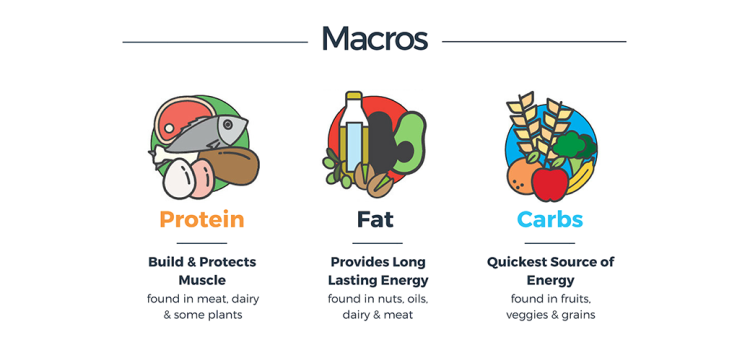
Macros and micronutrients are essential components of a healthy diet. Macros, or macronutrients, refer to the three main nutrients that provide energy: carbohydrates, proteins, and fats. These nutrients are needed in large quantities and play a vital role in fueling the body.

Carbohydrates are the primary source of energy for our bodies. They can be found in foods like fruits, vegetables, grains, and legumes. Proteins help build and repair tissues within the body while also playing an important role in maintaining immune function. Good sources of protein include meat, fish, eggs, beans,and nuts.

Fats are another essential macro nutrient that provides energy to our bodies while also helping with hormone regulation and vitamin absorption. Some good sources of healthy fats include avocados,nuts/seeds,oily fish like salmon/ sardines.

Micronutrients,on the other hand,refer to vitamins,minerals,and trace elements required by your body on smaller doses than macros but still plays significant roles.

Vitamins such as A,B,C,D,E,K; minerals such as iron,magnesium,zinc,sodium,potassium etc all have different functions including strengthening bones,fighting infections & enabling enzymes production that affect metabolism.

By understanding both macros and micros,you’ll be able to create a balanced diet plan for yourself which will help you achieve optimal health goals .

How to calculate your macro and micronutrient intake

Knowing how to calculate your macro and micronutrient intake is key to maximizing nutrition. First, determine your daily caloric needs based on factors such as age, gender, weight, height and physical activity level. From there, you can calculate your macronutrient needs by using the following guidelines: protein should make up 10-35% of your calories; carbohydrates should make up 45-65% of your calories; and fats should make up 20-35% of your calories.

To further break down these macronutrient ratios into grams per day, multiply the percentage by the total number of daily calories you need. For example, if you need 2000 calories per day and want a diet that’s 30% protein, then you would aim for roughly 150g of protein each day (since one gram of protein has four calories).

When it comes to micronutrients like vitamins and minerals, it’s important to eat a variety of nutrient-dense foods such as fruits, vegetables, whole grains and lean proteins. You can also use online resources or consult with a registered dietitian to ensure you’re meeting all necessary vitamin and mineral requirements through food or supplements.

By taking the time to properly calculate your macro and micronutrient needs based on individual factors like age and activity levels -and ensuring variety in sources-, individuals can optimize their overall health through good nutrition habits.

The best foods for macros and micronutrients

When it comes to getting the most out of your macro and micronutrient intake, choosing the right foods is key. Here are some of the best foods for each category:

For macros, lean proteins such as chicken breast, turkey, and fish are great options that can provide a high amount of protein with relatively low fat content. For those who follow a plant-based diet, legumes like lentils and chickpeas offer a good source of protein along with fiber.

Carbohydrates should come from complex sources like whole grains (brown rice, quinoa) or starchy vegetables (sweet potatoes). These options offer more sustained energy compared to simple carbs found in processed snacks or sugary drinks.

Healthy fats can be found in sources like nuts (almonds, walnuts), seeds (chia seeds), avocados and fatty fish (salmon).

As for micronutrients: leafy greens like kale and spinach contain an array of vitamins such as vitamin A,C,K while fruits like berries offer antioxidant properties which support immune health.

By incorporating these nutrient-dense foods into your diet regularly you’re not only fueling your body but also maximizing nutrition.

How to get the most out of your supplements

Supplements are a great way to fill in any gaps in your macro and micronutrient intake, but taking them at the wrong time or with the wrong food can actually hinder their effectiveness. To get the most out of your supplements, timing is key.

Firstly, take note of when you’re eating. Certain supplements should be taken on an empty stomach for optimal absorption, while others require food to aid digestion. For example, vitamins A,D,E,K are fat-soluble and need dietary fats for absorption.

Secondly, pay attention to how you store your supplements. Light and humidity can decrease their potency over time so it’s best to keep them in a cool dry place away from direct sunlight.

Next up is knowing which supplements work best together or alone. It’s important not to overload on one nutrient as this could lead to toxicity; always stick within recommended dosages unless advised otherwise by a health professional.

Consider investing in quality supplements from reputable brands that have undergone third-party testing for purity and potency. This will ensure that what you’re taking matches what’s written on the label.

By following these tips you’ll be able to maximize the benefits of your supplement regimen and support overall health and wellness!

Conclusion

Maximizing your nutrition is all about understanding the importance of both macro and micronutrients in your diet. By calculating and tracking your intake, you can ensure that you are getting enough of each nutrient for optimal health.

Remember to focus on whole foods as much as possible, incorporating plenty of fruits, vegetables, lean proteins, healthy fats and complex carbohydrates into your meals. And while supplements can be helpful in filling nutritional gaps or aiding specific health goals, they should not be relied upon as a replacement for a balanced diet.

By putting these tips into practice and making small changes to your eating habits over time, you can achieve a more nourishing diet that supports optimal health and wellbeing.

Introduction

The video game industry has experienced dramatic shifts since COVID-19 hit. Lockdowns and social distancing pushed millions indoors, turning off movie theaters and live events—but turning on consoles, PCs, and mobile games. Publishers saw skyrocketing downloads, while development teams struggled with remote work. Hardware shortages and shipping delays created long waits for new consoles and graphics cards. In this article, we’ll unpack how the COVID-19 impact has changed the gaming market, from player habits and digital sales to the challenges facing game development studios. Read on to learn why this pandemic may leave a lasting mark on gaming’s future.

1. Surge in Player Numbers and Engagement

Stay-at-Home Entertainment Boom

With schools closed and offices shuttered, people needed safe ways to stay entertained at home. Gaming fit the bill perfectly:

  • Multiplayer Titles like Fortnite, Animal Crossing, and Call of Duty saw record concurrent user counts.
  • Mobile Gaming exploded, with casual titles like Among Us and puzzle games topping app-store charts.
  • Streaming Platforms such as Twitch and YouTube Gaming reported huge spikes in viewership, bringing friends and communities together online.

Mental Health and Social Connection

Beyond fun, games filled a deeper need. Playing online with friends reduced loneliness and stress. Developers added in-game events—like virtual concerts—to help players feel connected during uncertain times.

2. Digital Distribution Overtakes Physical Sales

Shift to Digital Stores

Physical game stores faced closures, so players moved to download games directly:

  • Xbox Game Pass, PlayStation Store, and Steam saw higher download volumes than ever.
  • Subscription Services grew, giving players access to large libraries for a low monthly fee.

Impact on Retailers

Retail chains like GameStop and Best Buy saw video game disc sales drop sharply. Some stores retooled by offering curbside pickup and digital gift cards to stay afloat.

3. Hardware Shortages and Supply Chain Disruptions

Console Launch Challenges

The PlayStation 5 and Xbox Series X debuted in late 2020 amid massive interest. Yet production could not meet demand:

  • Chip Shortages affected manufacturing of CPUs and GPUs.
  • Shipping Delays lengthened transit times from factories to warehouses.
  • Scalper Bots bought up stock quickly, driving resale prices sky-high.

Gamers faced month-long waits, frustrating many and fueling aftermarket sales at double or triple the retail price.

PC Component Crunch

Graphics cards from NVIDIA and AMD also became scarce. Cryptocurrency mining increased GPU demand further, leaving many gamers unable to build or upgrade their rigs.

4. Game Development in a Remote World

From Office to Home Studio

Studios of all sizes shifted to work-from-home setups in early 2020. This transition posed several hurdles:

  • Communication Gaps: In-person brainstorming and white-boarding vanished, forcing teams to adopt tools like Slack, Zoom, and Miro.
  • Data Security: Companies had to secure source code and sensitive assets over home networks.
  • Hardware Access: Artists and developers sometimes lacked high-end PCs and software at home, slowing progress.

Agile Workflow Adjustments

Studios revised project timelines, implemented staggered schedules, and embraced more flexible deadlines. Many discovered benefits: employees saved commute time and reported better work–life balance.

5. Esports and Live Events: Digital Pivot

Cancelled Tournaments

Large in-person events such as E3, Gamescom, and PAX were cancelled or moved online. Esports leagues postponed live matches, impacting:

  • Ticket Revenue: Organizers lost income from fans in arenas.
  • Sponsorships: Brands paused or reduced event sponsorships amid economic uncertainty.

Online Leagues Thrive

To adapt, leagues shifted to fully online competitions. Fans continued to watch via live streams, and new formats—like remote tournament hubs—emerged. This digital pivot widened the audience, as fans who couldn’t travel to events got front-row seats from home.

6. Indie Developers Find New Opportunities

Lower Barriers to Entry

With AAA studios delaying major releases, players sought fresh content from indie teams. Platforms like itch.io and Steam provided indie developers with direct channels to reach gamers hungry for new experiences.

Crowdfunding and Community Support

Developers used Kickstarter and Discord to fund and build communities around their games. Players became backers, offering feedback and driving buzz well before launch.

7. Shifts in Consumer Spending

Increased Gaming Budgets

Many households reallocated entertainment budgets toward gaming:

  • Software Sales grew as people bought new titles to fill free time.
  • In-Game Purchases like battle passes and skins rose, boosting publisher revenues.
  • Peripheral Sales for headsets, controllers, and webcams climbed, as players optimized home setups.

Economic Uncertainty

Conversely, some players cut discretionary spending. Free-to-play games thrived, while expensive deluxe editions saw slower uptake.

8. Industry Revenue and Growth Trends

Record-Breaking Revenue

According to industry reports, global gaming revenue hit new highs in 2020 and 2021. Mobile gaming accounted for the largest share, followed by console and PC titles. This growth shows the COVID-19 impact was largely positive for sales—though pain points like hardware shortages remain.

Forecasts and Projections

Analysts predict continued expansion, as hybrid work models and social gaming trends persist beyond the pandemic. The rise of cloud gaming services, such as NVIDIA GeForce NOW and Xbox Cloud Gaming, points to a future where any device can play AAA titles.

9. Long-Term Changes and Lessons Learned

Permanent Remote Work

Many studios now offer permanent remote or hybrid positions, widening talent pools beyond major cities and reducing overhead costs.

Flexible Release Strategies

Publishers learned to stagger digital and physical releases, cushion servers for peak demand, and communicate transparently with players about delays.

Emphasis on Community

Strong community engagement—through live streams, social media, and in-game events—became vital. Studios that prioritized communication maintained player trust and loyalty.

Conclusion

The video game industry adapted swiftly to the challenges of COVID-19, turning obstacles into opportunities. Soaring player engagement, booming digital sales, and the rise of indie titles have reshaped the gaming market. Yet hardware shortages and remote work hurdles tested developers and fans alike. As game development studios adopt hybrid models and cloud gaming takes off, these COVID-19 impacts will continue to influence the industry’s evolution. In a world where virtual connections matter more than ever, gaming stands out as a resilient form of entertainment—and a key driver of innovation for years to come.

Introduction

Strong public schools are the backbone of thriving communities. Yet many districts struggle with low test scores, high dropout rates, and unequal access to resources. Government strategies play a key role in turning these challenges into success stories. By focusing on targeted education reform, officials can boost public education outcomes and ensure every student has the chance to learn and grow. In this article, we’ll explore effective methods—from investing in teachers to modernizing curriculum—that governments can use to improve student achievement and build a brighter future for all.

1. Increase and Target Funding

Adequate funding is the foundation of any successful public education system. Governments can:

  • Follow the Evidence: Use data to identify underfunded schools and allocate resources where they’re needed most.
  • Weighted Funding Formulas: Provide extra funds for high-poverty, rural, or special-needs schools to level the playing field.
  • Infrastructure Upgrades: Invest in safe, modern facilities with updated science labs, reliable heating and cooling, and accessible technology.
  • Support Services: Fund counselors, nurses, and after-school programs to address students’ academic and emotional needs.

By directing funds strategically, governments ensure that every dollar helps improve public education outcomes where it matters most.

2. Elevate Teacher Quality

Research shows teacher effectiveness is the single biggest in-school factor affecting student learning. To strengthen the teaching force, governments can:

  • Rigorous Certification Standards: Require new teachers to meet high training and assessment benchmarks.
  • Ongoing Professional Development: Offer regular workshops, coaching, and peer collaboration to help teachers refine their practice.
  • Competitive Compensation: Tie pay to performance, advanced degrees, or hard-to-staff subjects to attract and retain top educators.
  • Mentoring Programs: Pair early-career teachers with experienced mentors to provide guidance and support.

When teachers feel valued and well-prepared, student engagement and achievement naturally rise.

3. Modernize Curriculum and Assessment

Outdated textbooks and one-size-fits-all tests can hinder learning. Governments should:

  • Standards Review: Align curriculum to high, clear standards that emphasize critical thinking, problem-solving, and real-world skills.
  • Project-Based Learning: Encourage hands-on units where students explore science, history, and math through guided projects.
  • Formative Assessments: Use frequent, low-stakes quizzes and performance tasks to inform instruction and give students timely feedback.
  • Digital Resources: Adopt interactive textbooks, online simulations, and coding platforms that make learning engaging and personalized.

A dynamic curriculum keeps students curious and helps teachers adjust lessons to each learner’s needs, boosting overall student achievement.

4. Leverage Technology Effectively

Technology can be a powerful tool—but only when implemented thoughtfully. Key steps include:

  • Universal Access: Ensure every student has a reliable device and high-speed internet, both at school and at home.
  • Teacher Training: Provide ongoing training on best practices for integrating apps, virtual labs, and learning management systems.
  • Blended Learning Models: Combine face-to-face instruction with online lessons, letting students learn at their own pace.
  • Data Analytics: Use learning platforms that track student progress, highlight skill gaps, and suggest targeted interventions.

When used well, technology enhances learning, supports differentiated instruction, and prepares students for a digital world.

5. Strengthen Early Childhood Education

Strong starts lead to strong finishes. Government policies can:

  • High-Quality Preschool: Fund programs with low child-to-teacher ratios, research-based curricula, and trained early educators.
  • Health and Nutrition Services: Offer screenings, dental checks, and meals to ensure children are healthy and ready to learn.
  • Family Engagement: Provide parent workshops on reading aloud, language development, and positive discipline strategies.
  • Seamless Transitions: Coordinate preschool and kindergarten programs so children move smoothly into formal schooling.

Investing in early years yields lifelong benefits, including higher graduation rates, better social skills, and increased lifetime earnings.

6. Foster Community and Family Partnerships

Schools do best when families and communities are actively involved. Governments can:

  • Community Schools Model: Turn schools into hubs offering health care, adult education, and social services under one roof.
  • Parent Advisory Councils: Give parents a voice in curriculum choices, safety plans, and extracurricular activities.
  • Business and Nonprofit Collaborations: Partner with local organizations to provide internships, tutoring, and career workshops.
  • Cultural Inclusion: Celebrate diverse traditions through school events, bilingual newsletters, and staff training on cultural competence.

When parents and community members contribute, schools gain extra resources, stronger trust, and a shared commitment to student success.

7. Enhance Accountability and Transparency

Clear goals and honest reporting help all stakeholders know where progress is and where more work is needed. Effective measures include:

  • Smart Metrics: Go beyond test scores to track graduation rates, college enrollment, attendance, and social-emotional growth.
  • Public Dashboards: Publish school-level data in easy-to-understand formats so families can make informed decisions.
  • Regular Reviews: Conduct annual school performance reviews with on-site visits, interviews, and improvement plans.
  • Support Over Punishment: Offer extra help to underperforming schools before considering closure or staff changes.

Balanced accountability ensures that reforms lead to real gains, not just higher test numbers.

8. Promote Equity and Inclusion

Achievement gaps persist among students of different races, income levels, and abilities. Governments should:

  • Anti-Bias Training: Equip educators to recognize and counteract unconscious bias in grading and referrals.
  • Targeted Interventions: Provide tutoring, mentoring, and wrap-around services for students who need extra support.
  • Special Education Resources: Ensure timely evaluations, Individualized Education Programs (IEPs), and access to specialists.
  • Diverse Curriculum: Include books, examples, and histories from multiple cultures to make every student feel seen and valued.

Equitable policies help all students reach their potential and build a fairer society.

Conclusion

Improving public education outcomes demands a multifaceted approach. Governments must invest wisely in education reform, from smart funding formulas and top-quality teachers to modern curricula and meaningful community partnerships. Early childhood programs lay critical groundwork, while technology and accountability systems drive ongoing progress. Above all, equity and inclusion ensure every child benefits. By combining these government strategies, policymakers can spark lasting change in classrooms and beyond. When students thrive, communities grow stronger, and nations prosper. Let’s embrace these proven methods and work together to build a future where every learner succeeds.

Introduction

Art has always pushed our minds and hearts beyond the ordinary. From cave paintings to digital installations, creators have sought to break chains and spark wonder. Art Unchained captures this spirit, showcasing works that defy tradition and surprise us with their captivating manifestations. In this article, we’ll journey through the world of contemporary art, explore avant-garde art movements, and uncover strange art curiosities that challenge how we view the world. Whether it’s paint on city walls or code on a screen, prepare to be amazed by the endless possibilities of art unbound.

1. Street Art: Public Canvases and Hidden Messages

Origins and Impact

Street art began as simple graffiti—tags and slogans sprayed on urban walls. Today, it’s a global movement. Cities like Berlin, New York, and São Paulo host vibrant murals that shape neighborhood identities. Street artists use stencils, spray paint, wheat paste posters, and even light projections to communicate political messages, social critiques, and personal stories.

Notable Examples

  • Banksy (UK): The anonymous stencil master tackles themes of war, consumerism, and freedom. His rat series and balloon girl mural have become icons.
  • Os Gemeos (Brazil): Twin brothers whose bright, surreal characters appear on buildings worldwide. Their figures often reference Brazilian folklore.
  • Shepard Fairey (USA): Creator of the Obama “Hope” poster, Fairey blends propaganda-style graphics with pop-culture imagery.

Why It Matters

Street art breaks free from gallery walls, inviting everyone to engage. It can transform a gray alley into an open-air gallery. These public canvases foster community pride and spark conversations about pressing issues.

2. Avant-Garde Movements: Breaking Tradition

Dada and Surrealism

In the early 20th century, Dada artists rejected logic and reason after World War I. Marcel Duchamp’s “Fountain,” a signed urinal, questioned the very definition of art. Surrealists like Salvador Dalí painted dreamscapes with melting clocks and impossible scenes, tapping into the unconscious mind.

Abstract Expressionism

Post-World War II New York became home to artists like Jackson Pollock. His “drip paintings” threw traditional techniques aside. Color Field painters like Mark Rothko used large color blocks to evoke deep emotion through simplicity.

Fluxus and Performance Art

In the 1960s, Fluxus artists like Yoko Ono and Nam June Paik staged experimental events blending music, visual art, and theater. Ono’s “Cut Piece” invited audiences to clip her clothing, challenging ideas of vulnerability and participation.

Why It Matters

Avant-garde art refused to follow rules. By questioning materials, form, and purpose, these movements expanded what art could be. They taught us that art is not static—it evolves with society.

3. Digital and Interactive Art: Code as Canvas

Rise of Digital Tools

With computers and software, artists now paint with pixels, code, and algorithms. Digital art ranges from simple illustrations to immersive virtual reality (VR) experiences.

Interactive Installations

  • Rafael Lozano-Hemmer: His large-scale works use sensors and cameras to let viewers control lights, sounds, or projections with their movements.
  • teamLab (Japan): This collective creates rooms where digital flowers bloom under your touch, and fish swim around your feet.

NFTs and Blockchain Art

Non-fungible tokens (NFTs) let digital artists sell unique works securely on blockchain platforms. Beeple’s “Everydays” sold for $69 million, proving that digital creations can hold real value.

Why It Matters

Digital art democratizes creation and display. Anyone with a computer can become an artist, and audiences worldwide can view work online. It also introduces new questions about ownership, authenticity, and the future of creativity.

4. Sculptures That Move: Kinetic Wonders

Kinetic Art Origins

Kinetic art adds motion to sculpture. Pioneers like Alexander Calder built “mobiles” that danced in air currents. Jean Tinguely built self-destructing mechanical sculptures, turning decay into performance.

Modern Examples

  • Anthony Howe: Creates wind-driven sculptures that twist and swirl like giant gears. His stainless-steel pieces reflect light and color.
  • Theo Jansen: Builds “Strandbeests,” large creatures made of PVC pipes that walk on the beach using wind power.

Why It Matters

Moving sculptures remind us that art can live and breathe. They engage our senses, blending engineering with aesthetics. By incorporating motion, artists challenge static notions of form.

5. Unusual Materials: Art from Trash, Food, and Flesh

Trash to Treasure

Vik Muniz uses garbage and discarded materials to recreate classic paintings. Viewed up close, they look like piles of trash; from afar, they turn into recognizable masterpieces.

Edible Art

Artists like Tetsu Kasuya paint with coffee, tea, and wine. Others, such as Azuma Makoto, freeze flowers in ice sculptures. Galleries sometimes host edible installations where visitors taste the art itself.

Body and Flesh

Performance artist Marina Abramović has used her own body as a canvas. In “Rhythm 0,” she invited the audience to use 72 objects—roses, needles, even a loaded gun—on her body, exploring trust and vulnerability.

Why It Matters

Unexpected materials push viewers to rethink value and beauty. Using trash or food highlights waste and consumption. Body-based works force us to confront boundaries between artist and audience, art and life.

6. Street Galleries and Pop-Up Exhibits: Art on Demand

Guerrilla Galleries

Artists and curators sometimes hijack empty storefronts or building facades to show new work. These pop-up exhibits can last days or weeks before authorities intervene.

Virtual Exhibits

During global lockdowns, museums turned to online tours and augmented reality (AR) apps. The Tate Modern and the Louvre offered 360-degree views of galleries. Apps let viewers place sculptures in their living rooms through AR.

Why It Matters

Pop-up and virtual galleries make art accessible. They bypass high entry fees and geographical barriers. In doing so, they bring art to unexpected audiences and contexts.

7. Global Curiosities: Art from Around the World

Tibetan Sand Mandalas

Monks create intricate mandalas from colored sand over days. Then they sweep them away, symbolizing life’s impermanence.

African Mask Traditions

Masks from West Africa—like the Dan and Dogon—blend spiritual rites with sculptural mastery. They are made from wood, cloth, and natural pigments.

Aboriginal Dot Painting

Australian Aboriginal artists use dot techniques to depict Dreamtime stories. These vibrant patterns connect ancient culture with modern galleries.

Why It Matters

Art is a universal language. By exploring global traditions, we see how culture shapes form and meaning. These curiosities remind us that creativity takes countless forms across our shared world.

Conclusion

Art Unchained shows us that creativity knows no bounds. From street art murals to avant-garde performances; from digital wonders to kinetic sculptures; and from trash-made masterpieces to sacred global rituals, each form challenges what art can be. By stepping outside galleries and embracing curiosity, we open our minds to new experiences and ideas. Whether you’re a seasoned collector or a curious newcomer, let these art curiosities spark your imagination. In a world of endless possibilities, art unbound invites us all to see, question, and dream beyond limits.