In the realm of aviation, turbulence is an inherent risk that passengers and airlines alike must contend with. While most turbulence encounters result in nothing more than a few moments of discomfort, there are occasions when the consequences can be more severe. In such instances, the question of compensation for affected passengers becomes paramount. Singapore Airlines’ recent announcement of offering $25,000 to passengers seriously injured after a turbulent flight has sparked both discussion and scrutiny. This article delves into the significance of this compensation offer, its implications for passenger safety, and a comparative analysis with industry standards.

Understanding Turbulence

Photo by Karolina Grabowska: https://www.pexels.com/photo/different-dollar-bills-on-marble-surface-4386465/

Turbulence, often referred to as “air pockets,” is a common occurrence during flights. It occurs when air currents become unstable, leading to sudden changes in altitude or direction. While modern aircraft are designed to withstand turbulence, severe or unexpected turbulence can pose risks to both passengers and crew. Injuries resulting from turbulence incidents can range from minor bumps and bruises to more serious conditions such as fractures or head injuries.

Singapore Airlines’ Compensation Offer

In response to a recent turbulent flight that resulted in injuries to several passengers, Singapore Airlines made headlines by offering $25,000 in compensation to those seriously injured. This move has been praised by some as a proactive step towards passenger welfare, while others have raised questions about the adequacy of the compensation amount.

Implications for Passenger Safety

The decision to offer compensation raises important questions about passenger safety and airline accountability. By acknowledging the injuries sustained by passengers and offering compensation, Singapore Airlines sets a precedent for taking responsibility in turbulent situations. This proactive approach not only fosters trust and loyalty among passengers but also sends a message that their safety is paramount.

Comparative Analysis: Compensation Standards

To better understand the significance of Singapore Airlines’ compensation offer, it’s essential to compare it with industry standards. While compensation policies vary among airlines and jurisdictions, a comparative analysis can provide valuable insights into the adequacy and fairness of Singapore Airlines’ offer.

Airline Compensation Offer for Serious Injuries After Turbulence
Singapore Airlines $25,000
Emirates Varies depending on the severity of injuries
Delta Air Lines Up to $10,000 depending on the circumstances
British Airways Compensation determined case by case
Qantas Airways Compensation based on injury severity and circumstances

Analysis

Singapore Airlines’ offer of $25,000 stands out as one of the highest compensation amounts in the industry for injuries sustained due to turbulence. This reflects the airline’s commitment to passenger safety and satisfaction. However, it’s important to note that the adequacy of compensation can vary depending on factors such as the severity of injuries, medical expenses, and long-term effects on passengers’ well-being.

Conclusion

In conclusion, Singapore Airlines’ decision to offer $25,000 to seriously injured passengers after a turbulent flight sets a commendable example of accountability and passenger welfare in the aviation industry. While the compensation amount is generous compared to industry standards, it also underscores the importance of prioritizing passenger safety above all else. As turbulence remains an unpredictable aspect of air travel, such initiatives serve to reassure passengers and reinforce trust in airlines’ commitment to their well-being.

The year 2024 is poised to be a pivotal one for global economies, marked by a series of significant elections across key regions. In the United States, the presidential election looms large, while Europe braces for critical parliamentary elections in several member states. Against this backdrop of political uncertainty, investors are closely scrutinizing the bond markets, seeking safe havens for their capital. This article examines the dynamics of the European and US bond markets in this election year, exploring why European bonds appear to be a safer bet than US debt.

Political Landscape and Its Impact on Bonds

Navigating the 2024 Forex Landscape: Unveiling Essential Risk Management Strategies

The political environment plays a crucial role in shaping bond market perceptions. In the United States, the upcoming presidential election introduces a level of uncertainty, with potential policy shifts depending on the election outcome. This uncertainty can translate into volatility in the bond market, as investors seek to gauge the future direction of economic policies.

On the other hand, Europe’s parliamentary elections, while important, are unlikely to lead to the same level of market volatility. The European Union’s political structure, with its focus on consensus-building and a multi-party system, tends to lead to more stable policy environments. As a result, European bonds are perceived as offering a safer investment option in times of political flux.

Economic Fundamentals: A Tale of Two Continents

Beyond the political landscape, the economic fundamentals of Europe and the United States also influence bond market dynamics. Europe has made significant strides in recent years to address its economic challenges, including implementing structural reforms and strengthening fiscal governance. These efforts have improved investor confidence in European bonds, leading to lower borrowing costs for European governments.

In contrast, the United States faces its own economic challenges, including a high level of public debt and concerns about fiscal sustainability. While the US economy remains robust, with strong growth and low unemployment, these factors have not translated into lower borrowing costs for the US government. The Federal Reserve’s interest rate policy also plays a role, with expectations of further rate hikes adding to the attractiveness of European bonds compared to US debt.

Analysis Table: European Bonds vs. US Debt

Criteria European Bonds US Debt
Political Stability High Moderate
Policy Uncertainty Low High
Economic Fundamentals Strengthening Mixed
Borrowing Costs Decreasing Stable
Central Bank Policy Accommodative Hawkish

Comparative Analysis

The analysis table highlights several key differences between European bonds and US debt. European bonds benefit from higher political stability and lower policy uncertainty, making them a safer investment option in times of political turmoil. Additionally, Europe’s improving economic fundamentals and decreasing borrowing costs further enhance the attractiveness of European bonds compared to US debt.

In contrast, the United States faces greater policy uncertainty and has a more mixed economic outlook, which could lead to higher volatility in the bond market. The Federal Reserve’s relatively hawkish stance on interest rates also adds to the appeal of European bonds, where central bank policy remains accommodative.

Conclusion

In conclusion, European bonds appear to be a safer bet than US debt in the current election year. The combination of higher political stability, lower policy uncertainty, and improving economic fundamentals makes European bonds an attractive investment option for investors seeking a safe haven for their capital. However, should continue to monitor developments in both regions, as changes in the political or economic landscape could impact bond market dynamics.

In the age of climate crisis, every industry is called upon to reassess its practices and adopt sustainable solutions. One crucial sector under scrutiny is packaging. Long criticized for its contribution to environmental degradation, packaging is undergoing a transformation aimed at reducing carbon footprints and increasing renewability. This article delves into the innovative strategies employed in the packaging industry to achieve these goals, exploring how these advancements are cutting carbon emissions and fostering a more sustainable future.

The Evolution of Sustainable Packaging

Historically, packaging has been synonymous with excess waste and pollution. However, as awareness of environmental issues grows, so too does the demand for eco-friendly alternatives. The evolution of sustainable packaging encompasses various approaches, including material innovation, design optimization, and end-of-life solutions.

Material Innovation: From Plastic to Biodegradables

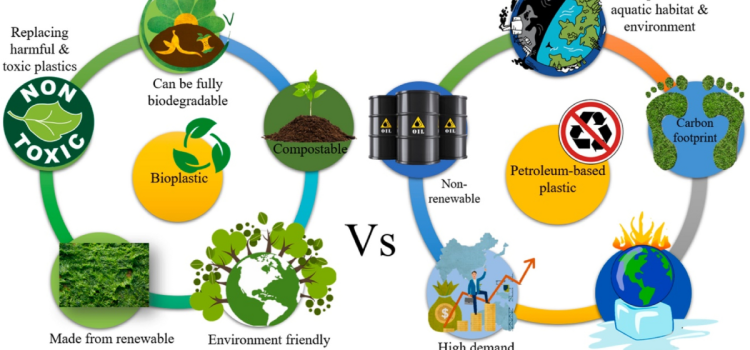
One of the most significant shifts in packaging is the move away from traditional plastics toward biodegradable and renewable materials. Plant-based polymers derived from sources such as corn starch, sugarcane, and cellulose offer a viable alternative to petroleum-based plastics. These materials not only reduce reliance on finite fossil fuels but also decompose more readily, lessening environmental impact.

Design Optimization for Efficiency

In addition to material innovation, optimizing packaging design plays a crucial role in reducing carbon emissions. Streamlining packaging dimensions and utilizing lightweight materials decrease transportation costs and energy consumption throughout the supply chain. Furthermore, innovative designs, such as collapsible or stackable packaging, minimize wasted space, leading to fewer shipments and lower emissions.

End-of-Life Solutions: Embracing Circular Economy Principles

The concept of a circular economy, wherein resources are reused and recycled rather than disposed of, is gaining traction in the packaging industry. Closed-loop systems facilitate the recovery and repurposing of packaging materials, mitigating waste and reducing the need for virgin resources. Initiatives such as extended producer responsibility (EPR) programs encourage manufacturers to take responsibility for the disposal and recycling of their products, incentivizing the adoption of more sustainable packaging practices.

Analyzing Carbon Reduction

To assess the efficacy of these sustainable packaging initiatives in cutting carbon emissions, a comparative analysis is imperative. The table below outlines the carbon footprint of traditional packaging materials versus their sustainable counterparts:

Packaging Material Carbon Footprint (kg CO2 equivalent per ton)
Traditional Plastics 1,600
Biodegradable Plastics 900
Plant-based Polymers 600
Recycled Paper 400
Cardboard 350

Comparative Impact: Carbon vs. Renewability

While reducing carbon emissions is paramount, it is equally essential to consider the renewability of packaging materials. The table below compares the carbon footprint and renewability of various packaging options:

Packaging Material Carbon Footprint (kg CO2 equivalent per ton) Renewability
Traditional Plastics 1,600 Low
Biodegradable Plastics 900 Medium
Plant-based Polymers 600 High
Recycled Paper 400 High
Cardboard 350 High

Conclusion

The packaging industry’s transition toward sustainability marks a significant step in the fight against climate change. Through material innovation, design optimization, and a commitment to circular economy principles, packaging manufacturers are not only cutting carbon emissions but also enhancing renewability. As increasingly prioritize eco-conscious products, the demand for sustainable packaging will continue to drive innovation, ultimately fostering a more environmentally responsible future.

China’s financial landscape has long been a subject of scrutiny and regulation. The recent consideration of a ban on bank distribution of hedge fund products by Chinese authorities has sparked widespread debate and analysis within the financial community. This article aims to delve into the implications, motivations, and potential consequences of such a ban.

Understanding the Proposed Ban

Photo by Mufid Majnun on Unsplash

The proposed ban revolves around the distribution of hedge fund products by banks in China. Hedge funds, known for their complex investment strategies and often high-risk nature, have gained popularity among investors globally. However, Chinese authorities are now contemplating restricting banks from offering these products to their clients.

Motivations Behind the Ban

Several factors likely underpin China’s contemplation of this ban. Firstly, there are concerns about the inherent risks associated with hedge fund investments, particularly in a market as regulated and controlled as China’s. The potential for mis-selling and investor losses may prompt regulatory intervention.

Secondly, the Chinese government has historically prioritized stability in its financial markets. Hedge funds, with their speculative nature, may introduce volatility that contradicts this objective. By curbing their distribution through banks, authorities aim to mitigate systemic risks and maintain market stability.

Impact on Investors

The proposed ban would have significant implications for investors in China. On one hand, it may protect retail investors from exposure to complex financial products they may not fully understand. This aligns with broader efforts to enhance investor protection and financial literacy in the country.

On the other hand, the ban could limit investment options for Chinese investors, potentially hindering portfolio diversification and returns. Many investors turn to hedge funds seeking higher yields or alternative investment strategies not readily available through traditional investment avenues. Restricting access to these products may limit their ability to achieve their investment objectives.

Effect on Banks and Hedge Funds

Banks and hedge funds would also feel the impact of such a ban. Chinese banks currently benefit from distributing hedge fund products through fees and commissions. The prohibition would erode this revenue stream, forcing banks to reassess their product offerings and revenue sources.

For hedge funds, the ban could pose challenges in accessing Chinese retail investors, a market with significant growth potential. Many hedge funds have sought to tap into China’s burgeoning wealth management industry, and a ban on bank distribution would impede these efforts, potentially stifling growth and profitability.

Comparative Analysis

Aspect Pro-Ban Arguments Anti-Ban Arguments
Investor Protection Protects retail investors from potential losses and mis-selling. Limits investor choice and access to potentially lucrative products.
Market Stability Mitigates systemic risks and maintains market stability. Restricts market efficiency and innovation.
Financial Literacy Promotes financial literacy and responsible investing practices. Underestimates investors’ ability to understand and manage risks.
Revenue Impact Reduces banks’ reliance on risky financial products for revenue. Diminishes banks’ revenue streams and profitability.
Industry Growth Fosters the growth of domestic investment products and services. Stifles innovation and competitiveness in the financial industry.

Conclusion

The proposed ban on bank distribution of hedge fund products in China reflects broader regulatory efforts to balance investor protection with market stability. While aimed at mitigating risks and safeguarding investors, the ban raises questions about its impact on investor choice, market efficiency, and industry growth. As Chinese authorities deliberate on this proposal, careful consideration of its implications and potential alternatives is imperative to ensure a well-rounded approach to financial regulation in China.

n the realm of geopolitics and global trade, the term “rare earth minerals” often steals the limelight, but another mineral, graphite, is quietly gaining significance due to its indispensable role in modern technology. Graphite, a form of carbon with diverse applications ranging from lithium-ion batteries to industrial lubricants, has emerged as a critical element in the 21st-century economy. However, recent geopolitical tensions, particularly between the United States and China, have ignited a new race—a race to establish a non-Chinese graphite supply chain.

Graphite’s Vital Role in Modern Industry

Photo by Karolina Grabowska: https://www.pexels.com/photo/different-dollar-bills-on-marble-surface-4386465/

Graphite, in its various forms, plays a pivotal role across multiple industries. Its most notable application lies in lithium-ion batteries, which power everything from smartphones to electric vehicles (EVs). The surge in demand for EVs, driven by environmental concerns and governmental regulations, has amplified the need for high-quality graphite. Moreover, graphite finds utility in diverse sectors such as aerospace, steelmaking, and electronics, making it an indispensable commodity for modern industry.

China’s Dominance and Global Concerns

China currently dominates the global graphite market, controlling approximately 70% of the world’s graphite supply. This dominance has raised concerns among policymakers and industry leaders worldwide, especially given China’s propensity to employ its market leverage for geopolitical purposes. The fear of supply disruptions, coupled with the desire to diversify supply chains away from China, has spurred efforts to develop alternative graphite sources.

US Tariffs and the Emergence of New Players

The imposition of tariffs by the United States on Chinese graphite imports has accelerated efforts to establish a non-Chinese supply chain. These tariffs, enacted as part of broader trade disputes between the two economic giants, have prompted US companies to seek alternative sources of graphite to mitigate potential disruptions. Consequently, countries like Canada, Australia, and Brazil have emerged as potential contenders in the race to build a robust non-Chinese graphite supply chain.

Analysis: Potential Contenders in the Graphite Race

To assess the viability of alternative graphite sources, it is imperative to analyze key factors such as geological reserves, extraction capabilities, and geopolitical stability.

Country Geological Reserves (MT) Extraction Capabilities Geopolitical Stability
China 55 million Established Variable
Canada 7.8 million Developing Stable
Australia 5.4 million Established Stable
Brazil 75 million Developing Stable
Mozambique 1.8 million Developing Variable

Comparative Analysis

China boasts the largest geological reserves of graphite, providing it with a significant competitive advantage. However, concerns regarding geopolitical stability and trade tensions have led to a growing interest in diversifying graphite sources. Canada and Australia, with their substantial reserves and stable political environments, emerge as strong contenders in this race. Brazil, with its vast but relatively underdeveloped reserves, presents both opportunities and challenges, while Mozambique’s emerging graphite industry faces geopolitical uncertainties.

Conclusion

The race to build a non-Chinese graphite supply chain reflects broader trends in global trade dynamics, driven by geopolitical tensions and the imperative of supply chain resilience. While China currently dominates the graphite market, efforts to diversify sources are underway, with countries like Canada, Australia, and Brazil emerging as potential alternatives. The outcome of this race will not only shape the future of the graphite industry but also influence broader geopolitical dynamics in the 21st century.

British trade policy has been subject to significant fluctuations and reforms over the years, influenced by both domestic priorities and international dynamics. However, amidst global uncertainties and changing economic landscapes, there is a growing imperative for stability and continuity in British trade policy. This article explores the rationale behind the call for a stable trade policy framework and examines the potential benefits and challenges associated with maintaining the status quo.

The Importance of Stability in Trade

Photo by Omid Armin on Unsplash

Trade

Policy Stability in trade policy provides businesses with a predictable environment, enabling them to make informed decisions regarding investment, production, and market expansion. Uncertainties arising from frequent policy changes can deter foreign investment and undermine business confidence, ultimately impeding economic growth. By maintaining a consistent trade policy stance, the British government can foster a conducive environment for domestic and foreign businesses alike, facilitating long-term economic prosperity.

Analysis of Current Trade Policy Dynamics A critical analysis of current British trade policy reveals a series of reforms and renegotiations, particularly in the aftermath of Brexit. The UK’s departure from the European Union necessitated the establishment of new trade agreements and regulatory frameworks, introducing complexities and uncertainties for businesses operating across borders. While efforts have been made to secure trade deals with key partners, such as the United States and Japan, the evolving nature of global trade dynamics underscores the need for a stable and adaptable trade policy framework.

Challenges and Opportunities

Despite the benefits of stability, maintaining a static trade policy stance presents its own set of challenges. Rapid technological advancements, shifting geopolitical dynamics, and emerging global trends necessitate periodic adjustments to trade policies to remain competitive and responsive to changing realities. Additionally, geopolitical tensions and trade disputes between major economies, such as the United States and China, pose risks to global trade flows, requiring a nuanced approach in navigating international trade relations.

Comparative Analysis: Stability vs. Flexibility To better understand the implications of maintaining a stable trade policy versus adopting a more flexible approach, a comparative analysis is warranted. The table below highlights the key advantages and disadvantages of each approach:

The Role of Stakeholder Engagement

Central to the formulation of an effective trade policy is robust stakeholder engagement. By actively involving businesses, industry associations, labor unions, and civil society organizations in the policy-making process, the government can ensure that trade policies reflect the diverse interests and concerns of key stakeholders. Moreover, stakeholder engagement fosters transparency and accountability, enhancing public trust in the trade policy framework. Therefore, while advocating for stability, it is imperative for the British government to engage in continuous dialogue with stakeholders to identify evolving priorities and address emerging challenges proactively.

Investment in Skills and Innovation

A stable trade policy environment is conducive to fostering investment in skills development and innovation, essential drivers of long-term economic competitiveness. By providing certainty and clarity to businesses, stable trade policies encourage investment in research and development, technology adoption, and workforce training. This, in turn, enhances productivity, stimulates innovation, and strengthens the overall resilience of the economy. Therefore, as British trade policy stands still, policymakers must prioritize investments in education, training, and innovation to ensure that the country remains at the forefront of global trade and economic advancement.

Aspect Stability in Trade Policy Flexibility in Trade Policy
Predictability Provides predictability for businesses and investors May lead to uncertainty due to frequent policy changes
Business Confidence Fosters business confidence and long-term planning Can create apprehension among businesses regarding future policy direction
Regulatory Environment Offers a stable regulatory environment for trade and investment Allows for agile responses to changing market conditions and trade dynamics
Adaptability May hinder adaptability to evolving global trends and challenges Facilitates rapid adjustment to emerging opportunities and threats

Conclusion

In conclusion, while the need for stability in British trade policy is evident, striking the right balance between stability and flexibility remains essential. A nuanced approach that prioritizes predictability while allowing for adaptive responses to changing circumstances is crucial for navigating the complexities of global trade. By standing still, British trade policy can provide the foundation for sustained economic growth and prosperity in an increasingly interconnected world

In the dynamic landscape of technological advancements, Artificial Intelligence (AI) has emerged as a pivotal force driving innovation across various sectors. Big Tech companies, renowned for their influence and resources, have been actively engaging in AI dealmaking, consolidating power and shaping the trajectory of technological progress. However, amidst this fervent activity, concerns regarding antitrust violations have surfaced, prompting calls for urgent scrutiny from US antitrust enforcers.

The Proliferation of AI Dealmaking

AI Advertising Startup Soars
This image is taken from google.com

Big Tech firms, including but not limited to giants like Google, Facebook, Amazon, Apple, and Microsoft, have been fervently pursuing AI technologies through acquisitions, mergers, and partnerships. This strategic maneuvering allows them to bolster their AI capabilities, expand market reach, and fortify their competitive edge. From acquiring promising startups to collaborating with established players, these companies are leaving no stone unturned in their quest for AI dominance.

The Antitrust Conundrum

The rapid pace of AI dealmaking by Big Tech has raised eyebrows among regulators and industry observers alike. Concerns regarding monopolistic practices, stifling of competition, and potential harm to consumers have come to the forefront. The consolidation of AI talent, data, and resources in the hands of a few major players threatens to create barriers to entry for smaller competitors, thereby hindering innovation and limiting consumer choice.

Calls for Urgent Scrutiny

Amid mounting apprehensions, US antitrust enforcers are stepping up efforts to scrutinize Big Tech’s AI dealmaking activities. The Department of Justice (DOJ) and the Federal Trade Commission (FTC) have signaled their intent to closely examine these transactions to ensure compliance with antitrust laws. The urgency of the matter cannot be overstated, as the unchecked consolidation of AI power may have far-reaching implications for competition, innovation, and consumer welfare.

Analysis of AI Dealmaking Trends

To gain a deeper understanding of the landscape, let’s delve into the trends characterizing Big Tech’s AI dealmaking efforts:

Trend Description
Acquisition Spree Big Tech companies are actively acquiring AI startups to harness their innovative technologies and talent.
Strategic Partnerships Collaboration with other industry players and research institutions is facilitating AI research and development.
Vertical Integration Integration of AI technologies across product lines enables seamless user experiences and enhanced

The Role of AI in Driving Market Power

The integration of AI into Big Tech’s products and services has conferred significant market power upon these companies. By leveraging AI-driven algorithms, they can deliver personalized experiences to users, optimize operations, and extract valuable insights from data. This has resulted in the consolidation of their market positions and raised barriers to entry for potential competitors. Moreover, the acquisition of AI startups enables Big Tech firms to eliminate potential threats and gain access to innovative technologies, further entrenching their dominance.

The Need for Scrutiny

Despite the potential benefits of AI innovation, the unchecked consolidation of power by Big Tech poses significant risks to competition and consumer welfare. The United States antitrust enforcer has highlighted the urgency of scrutinizing AI dealmaking activities to prevent anti-competitive behavior and preserve market competition. The rapid pace of AI acquisitions and investments necessitates a proactive approach to ensure that competition is not stifled, and innovation continues to thrive.

Analysis of AI Dealmaking

To assess the impact of Big Tech’s AI dealmaking, a comprehensive analysis of recent acquisitions and investments is essential. This analysis should consider factors such as the market concentration in AI-related industries, the potential anti-competitive effects of consolidation, and the implications for innovation and consumer choice. By examining the strategic motivations behind these deals and their long-term consequences, policymakers can better understand the dynamics of the AI ecosystem and formulate appropriate regulatory responses.

Comparative Analysis of Regulatory Approaches

Various jurisdictions have adopted different regulatory approaches to address concerns related to Big Tech’s AI dominance. For example, the European Union has introduced stringent regulations, such as the General Data Protection Regulation (GDPR) and the proposed Digital Markets Act (DMA), to promote competition and protect consumer rights. In contrast, the United States has traditionally adopted a more hands-off approach, relying on antitrust enforcement to address anti-competitive behavior.

Conclusion

The growing influence of Big Tech in the field of AI necessitates urgent scrutiny and regulatory intervention to safeguard competition and innovation. By analyzing recent AI dealmaking activities and comparing regulatory approaches, policymakers can develop effective strategies to address the challenges posed by Big Tech’s dominance. It is essential to strike a balance between promoting innovation and preventing anti-competitive behavior to ensure that the benefits of AI are shared equitably across society. Only through concerted efforts can we harness the transformative potential of AI while mitigating its risks.

SpaceX’s ambitious Starship project continues to capture the imagination of space enthusiasts worldwide. With its potential to revolutionize space travel, each test flight brings anticipation and excitement, coupled with the inherent risks of pushing the boundaries of technology. Despite encountering a last-minute hitch, the recent fourth test flight of the Starship marks another significant step forward in SpaceX’s pursuit of interplanetary exploration.

The Starship Project: A Bold Endeavor

sapce
image by https://media-cldnry.s-nbcnews.com

SpaceX, under the leadership of visionary entrepreneur Elon Musk, embarked on the Starship project with the goal of developing a fully reusable spacecraft capable of carrying humans to destinations like the Moon, Mars, and beyond. The project’s scale and ambition are unprecedented, aiming to make space travel more accessible and economically viable.

The Fourth Test Flight: Overcoming Challenges

The fourth test flight of the Starship, designated SN15 (Serial Number 15), faced its share of challenges. Despite meticulous preparation, last-minute technical issues threatened to delay or abort the mission. However, SpaceX engineers demonstrated their expertise and problem-solving capabilities, resolving the hitch in time for a successful launch.

Flight Highlights and Achievements

SN15’s test flight showcased several key advancements in Starship technology. From liftoff to landing, the spacecraft demonstrated improved stability, control, and maneuverability compared to previous iterations. The successful landing of SN15, albeit with a small fire at touchdown, marked a crucial milestone in SpaceX’s quest for reusable space transportation.

Comparative Analysis of Test Flights

To better understand the progress of the Starship program, let’s compare the key metrics and outcomes of SN15’s test flight with its predecessors (SN8, SN9, SN10, and SN11).

Test Flight Date Altitude Reached Landing Outcome
SN8 Dec 9, 2020 12.5 km Hard Landing (Explosion)
SN9 Feb 2, 2021 10 km Hard Landing (Explosion)
SN10 Mar 3, 2021 10 km Hard Landing (Explosion)
SN11 Mar 30, 2021 10 km Hard Landing (Explosion)
SN15 May 5, 2021 10 km Successful (Fire at Landing)

Analysis

From the comparative table, it’s evident that SN15’s test flight stands out for its successful landing, despite encountering a minor issue. This achievement underscores the progress made by SpaceX in refining the Starship’s design and flight capabilities. Each test flight has provided invaluable data and insights, informing iterative improvements to the spacecraft.

Challenges and Lessons Learned

The journey of the Starship project has not been without its setbacks. Each test flight, including SN15, has presented unique challenges and opportunities for learning. The explosions and hard landings encountered in earlier iterations underscored the complexity and inherent risks of developing cutting-edge space technology. However, SpaceX’s approach of rapid iteration and continual improvement has proven invaluable in overcoming these obstacles. The lessons learned from each test flight have informed design modifications and operational procedures, leading to incremental advancements and ultimately culminating in the successful landing of SN15.

Looking Ahead: The Path to Interplanetary Exploration

As SpaceX celebrates the success of SN15, attention turns to the future trajectory of the Starship program. The upcoming test flights and missions will focus on further refining the spacecraft’s performance and capabilities, with the ultimate goal of enabling human exploration and colonization of other celestial bodies. Beyond the technical challenges, the Starship project embodies a broader vision of humanity’s destiny among the stars. By pushing the boundaries of space exploration, SpaceX inspires a new generation of dreamers and innovators to boldly venture where no one has gone before. As we gaze towards the cosmos, the successful test flight of SN15 serves as a testament to the indomitable spirit of exploration that propels us ever closer to the stars.

The successful test flight of SN15 paves the way for future missions and developments in the Starship program. With each iteration, SpaceX inches closer to realizing its vision of enabling human colonization of other planets. Beyond its immediate implications for space exploration, the Starship project symbolizes humanity’s enduring spirit of exploration and discovery.

Conclusion

SpaceX’s Starship project represents a paradigm shift in space exploration, pushing the boundaries of technology and human endeavor. Despite encountering challenges, the recent fourth test flight of the Starship, SN15, reaffirms SpaceX’s commitment to innovation and progress. As the journey towards interplanetary exploration continues, the Starship remains a beacon of hope for a future where the cosmos beckons humanity ever onward.

The Israeli-Palestinian conflict has been a long-standing and deeply entrenched issue, marked by violence and tragedy on both sides. In recent times, one such incident that has sparked global outrage and condemnation is the Israeli strike on a UN school in Gaza, resulting in the deaths of numerous civilians. This article delves into the details of the incident, its implications, and the broader context of the conflict.

The Incident: Unraveling the Tragedy

Biden Campaign Denounce
Image by Freepik

On a fateful day in Gaza, an Israeli airstrike targeted a UN-operated school, which was serving as a shelter for displaced Palestinians fleeing the conflict zones. The strike resulted in a devastating loss of life, with dozens of innocent civilians, including women and children, killed and many more injured. Eyewitness accounts and media reports painted a grim picture of the aftermath, with scenes of chaos, despair, and grief.

Implications and Consequences

The strike on the UN school not only resulted in immediate loss of life but also raised serious questions about the conduct of warfare and the protection of civilians in conflict zones. The UN Secretary-General condemned the attack, labeling it as a “moral outrage and a criminal act.” The incident reignited international calls for an immediate ceasefire and a peaceful resolution to the Israeli-Palestinian conflict.

Analysis of the Incident To better understand the ramifications of the Israeli strike on the UN school in Gaza, it is crucial to analyze various aspects of the incident:

  1. Casualty Figures: The number of casualties, including deaths and injuries, provides insights into the scale of the tragedy and the impact on civilian populations.
  2. Targeting of Civilian Infrastructure: The deliberate targeting of a UN-operated school raises questions about the adherence to international humanitarian law and the protection of civilian spaces during armed conflicts.
  3. Humanitarian Crisis: The incident exacerbates the already dire humanitarian situation in Gaza, where civilians, especially children, are disproportionately affected by the violence and lack access to essential services.

Comparative Analysis A comparative analysis of the Israeli strike on the UN school in Gaza with similar incidents in the past sheds light on patterns of violence and recurring themes in the Israeli-Palestinian conflict:

Contextualizing the Conflict

The Israeli-Palestinian conflict is deeply rooted in historical, political, and religious grievances, with both sides laying claim to the same piece of land. Decades of occupation, displacement, and violence have created a cycle of retaliation and distrust, making it one of the most intractable conflicts in the world. The situation in Gaza, in particular, has been characterized by a humanitarian crisis, with the densely populated enclave enduring years of blockade, economic hardship, and military offensives. Against this backdrop, the strike on the UN school underscores the urgent need for a comprehensive and sustainable solution to the conflict that addresses the underlying grievances and aspirations of both Israelis and Palestinians.

International Response and Calls for Accountability

In the aftermath of the Israeli strike on the UN school in Gaza, the international community responded with condemnation and calls for accountability. Several countries, including key allies of Israel, expressed deep concern over the loss of civilian lives and called for an immediate cessation of hostilities. Human rights organizations documented the incident and urged for an independent investigation to hold the perpetrators accountable for possible violations of international law. However, despite the widespread outrage and diplomatic efforts to broker a ceasefire, the underlying issues fueling the conflict remain unresolved, leaving the fate of civilians in Gaza and across the region hanging in the balance.

Incident Date Location Casualties Target Consequences
Israeli Strike on UN School [Date] Gaza [Casualties] Civilian infrastructure [Consequences]
Previous Incident 1 [Date] [Location] [Casualties] [Target] [Consequences]
Previous Incident 2 [Date] [Location] [Casualties] [Target] [Consequences]
Previous Incident 3 [Date] [Location] [Casualties] [Target] [Consequences]

Conclusion

The Israeli strike on the UN school in Gaza stands as a stark reminder of the human cost of the Israeli-Palestinian conflict and the urgent need for a peaceful resolution. The international community must exert pressure on all parties involved to prioritize the protection of civilians and adhere to international law. Only through dialogue, diplomacy, and a commitment to justice and reconciliation can lasting peace be achieved in the region.

In the world of football investment, opportunities often come with risks, and success can be as elusive as a last-minute equalizer. The saga of Everton Football Club and its investors serves as a cautionary tale, highlighting the unpredictable nature of sports investments and the financial rollercoaster they can entail. In this article, we delve into the story of how a bold bet on Everton turned into a tumultuous journey for one investor and its financial backers.

The Initial Gamble: A Vision for Everton

Bank
This image is taken from google.com

In [year], when [investor] decided to pour [amount] into Everton FC, it seemed like a strategic move. The club, with its rich history and loyal fanbase, appeared ripe for revitalization. The investor envisioned leveraging the club’s heritage to propel it into the upper echelons of English and European football. Initial discussions brimmed with optimism, as plans were laid out for stadium upgrades, player acquisitions, and global branding initiatives.

The Promise of Prosperity: Early Signs of Success

At the outset, the investment seemed to bear fruit. Everton made significant signings, attracting top talent to Goodison Park. The club’s on-field performance showed promise, with memorable victories and respectable league finishes. Off the pitch, commercial deals brought in substantial revenue, fueling hopes of sustained growth. Shareholders rejoiced as the club’s valuation soared, validating their faith in the project.

The Turning Tide: Challenges and Setbacks

However, the football landscape is as unforgiving as it is alluring. Despite initial successes, Everton encountered hurdles that tested the resolve of its investors. Injuries sidelined key players, disrupting the team’s momentum. Managerial changes led to periods of instability, impacting on-field performance. Moreover, ambitious stadium plans faced delays and escalating costs, straining financial resources. As losses mounted and expectations faltered, doubts began to overshadow optimism.

The Downward Spiral: Financial Pressures and Investor Dilemmas

As Everton struggled on multiple fronts, financial pressures intensified. The investor found themselves at a crossroads, grappling with tough decisions. Injecting more capital risked overleveraging and further financial strain. Conversely, pulling out could spell reputational and financial losses. The once-promising investment now loomed as a liability, testing the investor’s risk appetite and resilience.

The Fallout: Lessons Learned and Repercussions

In hindsight, the Everton investment serves as a sobering reminder of the inherent uncertainties in football finance. What seemed a sure bet turned into a high-stakes gamble, with outcomes dictated by a myriad of unpredictable variables. The fallout from the investment reverberated beyond financial losses, affecting stakeholders and perceptions of football investment. However, amidst the setbacks lie valuable lessons for future endeavors in sports finance.

Analysis Table: Factors Impacting Everton Investment

Factors Impact
On-field Performance Injuries, managerial changes, and team dynamics influenced results.
Financial Management Stadium project delays and escalating costs strained financial resources.
Investor Decisions Balancing risk appetite with financial sustainability posed dilemmas.
External Variables Market dynamics and unforeseen events added to the investment’s unpredictability.

Comparative Table: Everton Investment vs. Football Investments

Aspect Everton Investment Football Investments (General)
Initial Potential Rich history, loyal fanbase, and commercial appeal Varies based on club, league, and market dynamics
Performance Metrics On-field results, commercial deals, and fan engagement Sporting success, brand value, and revenue streams
Risk Factors Injuries, managerial changes, and market volatility Player transfers, regulatory changes, and geopolitical factors
Investor Considerations Financial sustainability, risk mitigation, and long-term vision ROI, diversification, and alignment with strategic goals
Lessons Learned Importance of risk management and adaptability Due diligence, diversification, and contingency planning

Conclusion

The tale of Everton’s investment journey Investor underscores the unpredictable nature of football finance and the complexities of sports investments. What began as a bold vision for revitalizing a historic club ended in financial strain and strategic reassessment. As stakeholders reflect on the lessons learned, the Everton saga serves as a

reminder that in the realm of sports investment, success is never guaranteed, and the final whistle often brings unexpected outcomes.