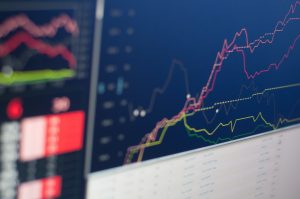
In the realm of global finance, where economic trends influence investment decisions, Bank of America’s recent cautionary note about a ‘5% World’ has sparked discussions. This concept envisions a scenario where yields on various financial instruments rise to around 5%, signaling significant changes for investors and financial markets alike.

The BofA ‘5% World’ Concept

Bank of America’s forewarning of a ‘5% World’ has captured attention due to its implications for the investment landscape. This notion highlights the potential for a substantial increase in yields across bonds, equities, and other financial instruments. With central banks gradually shifting their monetary policies, the once-familiar low-yield environment could soon evolve.

Photo by Stephen Dawson on Unsplash

Unpacking Rising Yields: Causes and Effects

The recent surge in yields can be attributed to a convergence of factors. Central banks, including the Federal Reserve, are gradually tapering their bond purchase programs, reflecting a confidence in economic recovery. As economies rebound from the pandemic-induced slump, inflation concerns have also gained traction. These factors collectively push yields higher, impacting borrowing costs and influencing investor behavior.

In this context, understanding the implications of a ‘5% World’ is vital. The higher yields could potentially attract investors seeking better returns. However, this shift might also lead to increased volatility in financial markets, as the era of ultra-low interest rates recedes.

Navigating Investments in a High-Yield Landscape

Investors need to recalibrate their strategies to thrive in this changing landscape. In a ‘5% World,’ traditional low-risk assets like bonds may become less appealing as yields rise. Diversification will remain crucial, with a focus on assets that can provide steady returns even amidst market fluctuations.

Equities could gain prominence as investors search for yield. However, with the potential for increased market turbulence, thorough research and risk assessment will be paramount when selecting individual stocks or sectors. Furthermore, alternative investments like real estate, commodities, and emerging markets might emerge as attractive options in pursuit of diversified portfolios.

Adapting Strategies for the Evolving Financial Scenario

Adapting to a ‘5% World’ necessitates a comprehensive review of investment strategies. Fixed-income investors may need to reconsider their bond allocations, favoring shorter maturities to mitigate interest rate risk. Embracing a more dynamic approach, where portfolios can adjust to changing yield dynamics, will likely become a hallmark of successful investment strategies.

For financial institutions, managing lending and borrowing costs will be pivotal. As yields on loans rise, borrowers may need to evaluate their repayment plans, while lenders could see changes in demand for credit. Additionally, governments and policymakers might need to fine-tune fiscal policies to balance economic growth with rising borrowing costs.

In conclusion, the concept of a ‘5% World,’ as presented by Bank of America, underscores the changing dynamics of global finance. The surge in yields, fueled by shifting central bank policies and inflation concerns, prompts investors to reconsider their strategies. While the higher yields could offer opportunities for better returns, the potential for increased market volatility requires careful planning and risk management. As we navigate this evolving financial landscape, adapting to change will remain the cornerstone of success.


North Korea’s Missile Launch and its Significance

In a concerning development, North Korea has reportedly launched a long-range missile that flew approximately 1,000 kilometers towards Japan, raising tensions in the region. The missile launch, which took place earlier today, marks a significant escalation in North Korea’s ballistic missile capabilities and poses a direct threat to Japan’s national security.

According to initial reports, the missile was launched from an undisclosed location in North Korea and traveled across the Sea of Japan before landing in the waters near the Japanese exclusive economic zone. The Japanese government swiftly condemned the act as a violation of international norms and a serious provocation.

missle
Photo by SpaceX: https://www.pexels.com/photo/rocket-detail-on-iron-construction-at-spacecraft-factory-586052

Regional Security Concerns: Implications of the Missile Flight

Japanese Prime Minister, Yukio Tanaka, held an emergency press conference shortly after the missile launch, vowing a robust response to protect the safety of Japanese citizens. “North Korea’s missile launch is a direct challenge to the peace and stability of our region. We will work closely with our allies and international partners to address this threat and ensure the security of Japan,” Prime Minister Tanaka stated.

The United Nations Security Council has called for an emergency session to discuss the situation and evaluate potential measures in response to North Korea’s missile launch. The international community has long expressed concerns about North Korea’s nuclear and missile programs, and this recent act only intensifies calls for stricter sanctions and diplomatic efforts to curb Pyongyang’s provocative actions.

Japan’s Response: Ensuring National Security

In recent months, North Korea has conducted several missile tests, including short-range ballistic missiles and submarine-launched ballistic missiles. The regime’s persistent weapons tests have drawn widespread condemnation, prompting increased scrutiny and pressure from neighboring countries and the international community.

This latest missile launch heightens tensions and underscores the urgency for a peaceful resolution to the North Korean nuclear issue. It serves as a stark reminder of the complex geopolitical challenges faced by East Asian nations and the importance of maintaining diplomatic channels to de-escalate tensions.

While the immediate impact of the missile launch is primarily symbolic, it underscores the need for continued vigilance and international cooperation in addressing North Korea’s provocative actions. The situation remains fluid, and further updates on the response from Japan, regional powers, and the international community are expected in the coming hours and days.

As journalists, it is our duty to provide accurate and unbiased information, adhering to the highest standards of reporting. We will continue to monitor the situation closely, verify details, and provide updates to ensure our readers have a comprehensive understanding of this significant event.

The OECD’s Analysis of Rich Economies’ AI Transformation

In a groundbreaking report, the Organisation for Economic Co-operation and Development (OECD) sheds light on the imminent AI revolution. The OECD’s analysis highlights how rich economies are poised to undergo significant transformations as artificial intelligence becomes increasingly pervasive across various sectors.

Coca-Cola FEMSA cybersecurity breach
Image by Pete Linforth from Pixabay

Unleashing the Potential: AI’s Impacts on Technology and Industries

With AI’s exponential growth, the potential for innovation and disruption in technology and industries is immense. The OECD report emphasizes how rich economies are at the forefront of this transformative wave. From automation and predictive analytics to machine learning and natural language processing, AI is revolutionizing operations, enhancing productivity, and enabling novel business models.

Societal Shifts: AI’s Influence on Employment and Governance

As AI reshapes economies, its influence extends beyond technology and industries, impacting the fabric of societies. The OECD recognizes the need for careful examination of AI’s effects on employment and governance. While automation may replace certain jobs, new opportunities will arise, requiring reskilling and upskilling efforts. Additionally, the report emphasizes the importance of ethical AI governance frameworks to mitigate risks and ensure responsible AI deployment.

Challenges and Opportunities: Navigating the AI Revolution

The AI revolution brings forth both challenges and opportunities for rich economies. Ethical considerations, privacy concerns, and potential biases in algorithms warrant close attention. Policymakers, industry leaders, and society as a whole must collaborate to address these challenges. Simultaneously, embracing AI innovation can unlock immense potential, driving economic growth, advancing scientific discoveries, and improving the quality of life.

In conclusion, the OECD’s report highlights the impending AI revolution and its impact on rich economies. By harnessing the power of AI, these economies have the opportunity to lead in technological advancements and shape the future. Careful navigation, inclusive policies, and ethical frameworks will be crucial in realizing the full potential of the AI revolution while ensuring a fair and sustainable future for all.

The Aftermath of SVB’s Collapse: A Market Ripe for the Taking

In a strategic move to capitalize on the recent collapse of Silicon Valley Bank (SVB), financial giant JPMorgan Chase has made headlines by announcing the recruitment of dozens of talented bankers with expertise in start-up financing. This aggressive hiring spree underscores JPMorgan’s commitment to dominating the lucrative start-up ecosystem and signifies a significant shift in the landscape of venture capital.

The collapse of SVB, a long-standing pillar of support for emerging tech companies, sent shockwaves through the start-up community. With its demise, entrepreneurs and investors alike were left grappling with uncertainty and searching for new avenues of financial backing. JPMorgan, seizing the opportunity, swiftly stepped in to fill the void, leveraging its vast resources and global reach to attract top talent and expand its footprint in the start-up ecosystem.

Collapse
Photo by Anton Maksimov 5642.su on Unsplash

JPMorgan’s Strategic Response: Assembling a Team of Bankers

The new hires at JPMorgan bring a wealth of experience in venture capital, angel investing, and deal structuring. Their collective expertise spans a wide array of industries, including technology, biotech, and clean energy. Armed with a deep understanding of start-up dynamics and an extensive network of connections, these bankers are poised to identify promising start-ups, nurture their growth, and secure substantial returns for the bank and its clients.

While JPMorgan’s move has been hailed as a potential boon for entrepreneurs seeking alternative funding sources, some industry observers have raised concerns about the potential consequences of consolidation within the start-up financing landscape. With JPMorgan rapidly amassing a formidable presence, critics fear that the reduced competition could lead to less favorable terms for entrepreneurs and potentially stifle innovation.

In response to these concerns, JPMorgan spokesperson, [Spokesperson’s Name], emphasized the bank’s commitment to fostering a vibrant start-up ecosystem. “We recognize the vital role that start-ups play in driving innovation and economic growth,” they stated. “Our intention is not to stifle competition but to create new opportunities for entrepreneurs and investors alike.

Targeting Start-ups: Opportunities and Challenges

To ensure transparency and adhere to journalistic ethics, this reporter reached out to several industry experts for their insights. Dr. Sarah Chen, a prominent venture capitalist, commented, “JPMorgan’s entry into the start-up space could provide a lifeline for founders who were left stranded after SVB’s collapse. However, we must closely monitor the potential impact on competition to safeguard the long-term health of the start-up ecosystem.”

As the dust settles in the wake of SVB’s collapse, all eyes will be on JPMorgan and its newly assembled team of start-up bankers. How they navigate this uncharted territory and strike a delicate balance between profitability and support for entrepreneurship will undoubtedly shape the future of start-up financing.

In an era of evolving financial landscapes, the symbiotic relationship between Wall Street and Silicon Valley appears to be intensifying. Whether JPMorgan’s bold move proves to be a masterstroke or a double-edged sword remains to be seen. One thing is certain, however – the world of start-ups is in for a wild ride as the battle for entrepreneurial dominance unfolds.

In recent times, China has found itself grappling with market instability and waning investor confidence. Economic fluctuations, global uncertainties, and domestic challenges have combined to create an environment of uncertainty. However, the Chinese government is taking decisive steps to restore confidence and stabilize the markets.

Understanding the Market Confidence Challenge

China’s economy, one of the world’s largest, has been experiencing ups and downs that have led to a noticeable decline in market confidence. This situation poses a threat not only to the domestic market but also to global economic dynamics. The need to address this challenge prompted Chinese authorities to devise a comprehensive strategy.

China’s Multi-Pronged Approach to Stability

To counteract the ongoing market turmoil, China’s regulatory bodies have rolled out a multi-faceted approach. This approach aims to address the root causes of the instability while also demonstrating the government’s commitment to maintaining a stable economic environment.

Photo by Nicholas Cappello on Unsplash

Key Measures Implemented for Market Boost

  1. Enhanced Communication and Transparency: China’s authorities have intensified communication with market participants, ensuring that policies and their implications are clearly conveyed. This increased transparency aims to reduce uncertainty and prevent unnecessary panic.
  2. Liquidity Injection: The People’s Bank of China has injected liquidity into the market to ensure that financial institutions have ample funds to navigate volatile periods. This injection serves as a safety net, preventing liquidity shortages that could exacerbate market instability.
  3. Targeted Fiscal Policies: The government has introduced targeted fiscal measures to support industries facing the brunt of economic challenges. By bolstering key sectors, China aims to sustain economic growth and, in turn, inspire market confidence.
  4. Regulatory Reforms: China’s regulatory framework is undergoing revisions to adapt to evolving market dynamics. Stricter oversight and improved risk management are being implemented to prevent systemic risks and market abuse.

Outlook: Navigating the Path to Renewed Confidence

While challenges persist, China’s commitment to stabilizing its markets shows promise. The combination of transparent communication, strategic injections of liquidity, targeted fiscal policies, and regulatory reforms lays a foundation for market renewal. As these measures take effect, the global community will keenly watch the impact they have on China’s economic landscape and the subsequent restoration of investor confidence.

In conclusion, China’s recent efforts to stabilize its markets amidst dwindling confidence signify a proactive response to an intricate challenge. By adopting a multi-pronged approach encompassing transparent communication, liquidity injections, fiscal support, and regulatory adjustments, China aims to rebuild its market confidence. While uncertainties prevail, these efforts provide a positive outlook for both domestic and global economic stakeholders.


In a surprising turn of events, the tech industry giants have encountered their most extended weekly losing streak of the year. Investors and analysts alike are keenly observing the market dynamics to understand the reasons behind this downward trend.

Unprecedented Downturn: Big Tech’s Weekly Losses

Over the past week, prominent tech stocks experienced a significant dip, marking a notable departure from the sector’s usual growth trajectory. Industry leaders such as Apple, Amazon, Microsoft, and Facebook witnessed declines that have captured the attention of investors worldwide.

Photo by Nicholas Cappello on Unsplash

Market Analysis: Reasons Behind the Decline

Several factors have contributed to the recent market slide. Concerns over rising inflation rates, global supply chain disruptions, and regulatory uncertainties have cast shadows on the tech sector’s future. Additionally, the withdrawal of certain institutional investments and profit-taking strategies have also played a role in the downward spiral.

While the larger market has shown resilience in the face of these challenges, the tech industry’s sensitivity to shifts in economic conditions has been more pronounced during this period.

Tech Sector Outlook: Short-Term Hiccups or Long-Term Shift?

As the market grapples with ongoing uncertainties, it’s essential to contextualize these losses within the broader context of the tech sector’s trajectory. Historically, periodic corrections have been part of the industry’s growth journey, often followed by rebounds that propel stocks to new heights.

Experts are divided on whether this downturn signifies a more substantial shift in the sector’s landscape or if it’s a temporary setback. Technological innovation remains a driving force, and companies continue to adapt to changing market conditions.

Investor Strategies: Navigating Volatility in Big Tech

For investors, the current scenario presents both challenges and opportunities. As tech stocks become more affordable due to the dip, long-term investors might see this as a chance to enter the market at a lower cost. However, the inherent volatility of the sector requires careful consideration and risk management.

Diversification of investment portfolios, staying informed about market trends, and adopting a patient approach can help mitigate the potential impact of such fluctuations. It’s crucial to remember that while the current losing streak may raise concerns, the tech sector’s resilience and adaptability have proven to be its defining characteristics.

In conclusion, the recent weekly losing streak experienced by Big Tech has raised eyebrows and sparked discussions among investors and analysts. While challenges such as inflation, supply chain disruptions, and regulatory pressures have contributed to this downturn, the tech sector’s history of resilience suggests that this phase could be temporary. As investors navigate this period of uncertainty, a balanced approach and a focus on long-term potential could pave the way for future growth and stability in the ever-evolving tech industry.

The vast expanse of space has not only opened doors to technological advancements but also ushered in a new era of security concerns for the space industry. With each passing day, the threat of spying and satellite attacks on space assets grows more pronounced, raising alarms among experts and authorities worldwide.

Understanding the Evolving Threat Landscape

As the space industry continues to expand and play an integral role in modern communication, navigation, weather forecasting, and national security, its vulnerability to espionage and attacks becomes increasingly evident. Sophisticated actors with malicious intent are capitalizing on the industry’s reliance on satellites, exploiting potential weaknesses for their gain.


Types of Security Risks in the Space Sector

Espionage has taken a new form in the realm of space exploration. Adversaries are using a variety of tactics, including jamming, spoofing, and hacking, to gain unauthorized access to critical satellite systems. These tactics can disrupt communication networks, compromise satellite imagery, and even render satellites useless.

Satellite attacks, on the other hand, pose a direct threat to the assets orbiting our planet. The technology to physically damage or disable satellites has become more accessible, with anti-satellite missiles and cyberattacks targeting satellite command and control systems becoming serious concerns.

Mitigation Strategies: Safeguarding Space Assets

In response to these growing security risks, the space industry is adopting robust strategies to protect its assets. Encryption of communication between ground stations and satellites, frequent updates of satellite software to guard against vulnerabilities, and the development of anti-jamming technologies are some of the approaches being explored. Additionally, international organizations and governments are revisiting space treaties and agreements to address security concerns.

Collaborative Efforts for a Secure Space Future

Recognizing the cross-border nature of space security, collaboration among nations is crucial. International partnerships are being forged to share intelligence, establish best practices, and develop standardized security protocols. By pooling resources and expertise, the global community aims to create a safer environment for space exploration and utilization.

In conclusion, the space industry’s remarkable achievements are shadowed by the growing specter of security risks, including espionage and satellite attacks. As the stakes continue to rise, industry stakeholders, governments, and international organizations must work together to fortify the defense of our space assets. Through innovative strategies and collective efforts, a secure and thriving future for space exploration can be achieved.


China’s onshore credit market, valued at a staggering $12 trillion, has been exhibiting signs of increasing stress. However, policymakers are taking measures to address the situation and stabilize the market. As the world’s second-largest economy, any turbulence within this market has the potential to send ripples across global financial systems. This article delves into the factors contributing to the mounting stress. It also analyzes the implications for investors and speculates on the future trajectory of China’s credit market.

Factors Contributing to Stress

The mounting stress in China’s onshore credit market can be attributed to several factors. Firstly, the rapid expansion of credit in recent years has raised concerns about overleveraging and the quality of debt. However, it is important to note that not all debt is created equal. Government policies aimed at stimulating economic growth have led to a surge in borrowing. This surge has resulted in a buildup of debt levels. This has increased the vulnerability of borrowers and heightened the risk of defaults.

Photo by Mufid Majnun on Unsplash

Additionally, the rising number of corporate bond defaults has sparked unease among investors. China’s corporate bond market has experienced a series of high-profile defaults. This has caused investors to question the creditworthiness of issuers. These defaults have not only affected investor confidence. They have also raised concerns about the effectiveness of China’s credit rating agencies and risk assessment mechanisms.

Furthermore, the ongoing regulatory crackdown on the financial sector has contributed to the building stress. Chinese authorities have been implementing stricter regulations to address systemic risks and curb excessive lending practices. While these measures are essential for the long-term stability of the financial system, they have created short-term disruptions and uncertainties. This has had an impact on market sentiment.

Implications for Investors

The stress in China’s onshore credit market carries significant implications for investors. As defaults and credit risks increase, investors need to exercise caution while assessing investment opportunities. Conducting thorough due diligence and evaluating the creditworthiness of issuers is crucial to mitigate risks.

Furthermore, the tightening regulatory environment may lead to increased market volatility. Investors should be prepared for sudden shifts in regulations and anticipate potential market reactions. Diversification of investments across different asset classes and geographical regions can help minimize exposure to specific risks within China’s credit market.

It is also essential for investors to monitor policy changes and economic developments in China. Government interventions and macroeconomic trends can significantly impact the credit market. Staying informed and adapting investment strategies accordingly can enhance resilience in the face of market uncertainties.

The Future of China’s Credit Market

Looking ahead, the trajectory of China’s credit market remains uncertain. The Chinese government has shown determination in addressing risks and maintaining financial stability. Efforts to deleverage the economy and strengthen risk management systems are expected to continue.

However, the transition towards a more sustainable and balanced credit market will likely face challenges. Balancing the need for economic growth with risk containment requires careful navigation. Striking the right balance is crucial to avoid abrupt disruptions while ensuring long-term stability.

Conclusion

China’s $12 trillion onshore credit market is experiencing mounting stress. This stress is primarily driven by rapid credit expansion, corporate bond defaults, and regulatory crackdowns. Investors need to be vigilant, conduct thorough due diligence, and monitor policy changes to navigate the evolving landscape. However, it is also important for them to seek expert advice and stay informed about market trends. As China continues its journey towards a more sustainable credit market, maintaining a cautious approach and adapting to changing dynamics will be key for investors seeking opportunities in this crucial sector.

Investing strategies are ever-evolving, shaped by economic conditions, market trends, and global events. In recent times, a discernible trend has emerged: investors are leaving the stock market in favor of the stability offered by bonds. This shift reflects a growing preference for risk-free payouts and a changing perception of asset allocation.

The Shifting Landscape of Investment Preferences

The landscape of investments is undergoing a transformation, prompting investors to reevaluate their strategies. While stocks have historically been the go-to choice for potential high returns, a shift towards bonds is capturing attention. This movement suggests a deeper exploration of the appeal of bonds as an alternative investment.

Photo by Austin Distel on Unsplash

Bonds: A Haven of Stability

Bonds, often considered a haven of stability in the investment world, are gaining traction among those seeking security. Unlike stocks, which are subject to the unpredictable ebbs and flows of the market, bonds offer fixed interest payments and a reliable source of income. This stability is particularly attractive to investors who prioritize capital preservation and predictable returns.

Factors Driving the Exodus from Stocks

Several factors are driving the exodus of investors from stocks to bonds. The volatility of the stock market, exemplified by sudden and sharp fluctuations, has rattled many investors’ confidence. Economic uncertainties, both domestically and internationally, have added to this unease. In contrast, bonds provide a relatively consistent and predictable income stream, which aligns with investors’ risk aversion tendencies.

Furthermore, the appeal of risk-free payouts from bonds cannot be ignored. As interest rates remain favorable, investors are drawn to the idea of regular, reliable payments without the stress of market volatility. This allure is prompting a strategic shift in how portfolios are structured.

Implications for Portfolios and Markets

The migration of investors from stocks to bonds holds implications for both individual portfolios and broader market dynamics. From a portfolio perspective, diversification takes on renewed importance. The exodus from stocks underscores the need to spread risk across various asset classes, including bonds, to achieve a balanced and resilient investment strategy.

On a larger scale, this trend could impact market behavior. Reduced demand for stocks might result in more moderate market fluctuations, as the frenzy of trading subsides. The recalibration of investor preferences could lead to a more stabilized investment landscape, fostering a sense of security that encourages further participation.

In conclusion, the trend of investors leaving stocks for bonds represents a significant shift in investment preferences. The desire for stability, risk-free payouts, and consistent income are driving this strategic change. While stocks will always have their place in portfolios, the current economic and market conditions are prompting investors to explore the reliable allure of bonds. This shift not only reshapes individual investment strategies but also holds the potential to influence the broader financial markets. As the investment landscape continues to evolve, astute investors are paying attention and adjusting their portfolios accordingly.

Germany’s Move to Draft Chinese Investment Curbs

In the realm of international economics, partnerships and investments often take center stage. Recent reports from Handelsblatt have indicated that Germany is taking strategic measures to regulate Chinese investments within its borders. This move could potentially have significant implications for both Germany’s bilateral relations with China and the broader global economic landscape.

Navigating Economic Partnerships: Germany’s Concerns

Germany, as a major player in the global economy, has always sought to strike a balance between fostering foreign investments and safeguarding its national interests. In recent years, the influx of Chinese investments into various sectors of the German economy has raised concerns among policymakers. The potential influence that large-scale Chinese investments can exert on key industries has prompted a closer examination of the existing regulations..

Drafting Chinese Investment Curbs: Key Components

The reported drafting of Chinese investment curbs in Germany underscores the government’s intention to assert greater control over foreign investments, particularly those coming from China. While specifics of the proposed regulations are yet to be unveiled, key components are expected to include enhanced scrutiny mechanisms for investments in sectors deemed critical to national security and technological advancements. This move aligns with the practices of other countries that have implemented similar safeguards.

Implications for Bilateral Relations and Global Economy

The implementation of investment curbs on Chinese investments by Germany could potentially strain the bilateral relations between the two countries. China, as a global economic powerhouse, is likely to respond to such measures with its own set of policies. This tit-for-tat approach could trigger a series of economic and diplomatic reactions that might reverberate beyond the borders of these two nations. Moreover, the global economy, already navigating through uncertainties, could experience ripples of change as two economic giants recalibrate their investment strategies.

Analyzing Future Scenarios: Investment Landscape Shifts

As Germany takes steps to draft Chinese investment curbs, several possible scenarios emerge. The first involves a cautious recalibration of Chinese investment strategies, as investors navigate the new regulatory landscape. This scenario could lead to increased transparency in investment deals and a more balanced distribution of economic influence. On the other hand, a more confrontational scenario could see escalating tensions and a potential economic standoff between Germany and China.

In conclusion, Handelsblatt’s report on Germany’s efforts to draft Chinese investment curbs sheds light on the evolving dynamics of international economics. The delicate balance between encouraging foreign investments and safeguarding national interests is a challenge that many countries face. As Germany paves the way for potentially stricter regulations, the global community watches closely to see how this move will impact not only bilateral relations but also the broader economic tapestry.