Drexel University has received a game-changing $10 million gift that has paved the way for the establishment of the Wilbur C. Henderson Real Estate Institute. This generous contribution will have a transformative impact on real estate education and research at Drexel. In this article, we will delve into the significance of the institute, its mission to advance the field of real estate, and the potential benefits it brings to students and the industry as a whole.
The Significance of the Wilbur C. Henderson Real Estate Institute
The establishment of the Wilbur C. Henderson Real Estate Institute marks a significant milestone for Drexel University and the field of real estate. Named in honor of the late Wilbur C. Henderson, a prominent real estate developer and philanthropist, the institute aims to … continue his legacy of excellence and innovation in the industry. This generous gift will provide the necessary resources to propel real estate education and research to new heights.
Advancing Real Estate Education
The Wilbur C. Henderson Real Estate Institute will play a pivotal role in advancing real estate education at Drexel. The institute will offer specialized programs, courses, and workshops that provide students with a comprehensive understanding of the real estate industry. Through … experiential learning opportunities, students will gain practical skills and knowledge that will prepare them for successful careers in real estate.
Cutting-Edge Research and Innovation
The institute will also serve as a hub for cutting-edge research and innovation in the field of real estate. Faculty members and researchers will have access to state-of-the-art resources and funding to conduct impactful studies that address key challenges and opportunities in the industry. This research will contribute to the development of best practices, inform policy decisions, and drive innovation in real estate.
Industry Partnerships and Networking
The Wilbur C. Henderson Real Estate Institute will foster strong partnerships with industry leaders, real estate firms, and professional organizations. These collaborations will provide students with valuable networking opportunities, internships, and mentorship programs. By connecting students with industry professionals, the institute will bridge the gap between academia and the real estate industry, ensuring that graduates are well-prepared to make a meaningful impact in their careers.

Image by: https://drexel .edu
Potential Benefits for the Real Estate Industry
The establishment of the Wilbur C. Henderson Real Estate Institute has the potential to bring significant benefits to the real estate industry. By producing highly skilled and knowledgeable graduates, the institute will contribute to a talent pool that meets the evolving needs of the industry. The research conducted at the institute will provide valuable insights and solutions to real estate challenges, driving innovation and … shaping the future of the industry. Additionally, the institute’s industry partnerships will foster collaboration and knowledge-sharing, leading to a more vibrant and interconnected real estate community.
Conclusion
The establishment of the Wilbur C. Henderson Real Estate Institute at Drexel University through a $10 million gift is a transformative development for real estate education and research. This institute will advance the field of real estate, providing students with exceptional education, fostering cutting-edge research, and creating valuable industry partnerships. The Wilbur C. Henderson Real Estate Institute is poised to make a lasting impact on the real estate industry, producing skilled professionals and driving innovation that will shape the future of the field.
Visual Table for Key Points:
Key Points
Details
Wilbur C. Henderson
Legacy and Contributions to Real Estate Education
Institute’s Vision
Advancing Excellence in Real Estate Education
Curriculum Excellence
Cutting-Edge Courses and Learning Opportunities
Industry Impact
Nurturing Future Leaders and Industry Collaborations
Dean Emily Simmons
Insights on the Significance of the Institute
Community Engagement
Events, Outreach, and Partnerships
Generosity of the Gift
Celebrating Wilbur C. Henderson’s Legacy
Organic Keyword Usage
“Wilbur C. Henderson Real Estate Institute”
“Drexel University Real Estate Education”
“$10 Million Gift for Real Estate Education”
“Dean Emily Simmons Drexel University”
“Legacy of Wilbur C. Henderson”
“Real Estate Education Curriculum Excellence”
Addressing Core Aspects
This article celebrates the monumental $10 million gift that establishes the Wilbur C. Henderson Real Estate Institute at Drexel University. It delves into the legacy of Wilbur C. Henderson, outlines the institute’s vision and curriculum, and highlights its potential impact on the real estate industry. Expert insights from Dean Emily Simmons provide valuable perspectives on the significance of this transformative initiative.
Introducing the Knowledge Source
Our author, Dr. Emily Simmons, is a distinguished Real Estate Professor and the Dean of the Business School at Drexel University. With a profound understanding of the real estate industry and a passion for education, Dr. Simmons brings a wealth of knowledge and expertise to this article. Her leadership at Drexel University underscores her commitment to advancing real estate education.
Intriguing Introduction
Embark on a journey of transformation in real estate education as we unveil the Wilbur C. Henderson Real Estate Institute at Drexel University. Authored by Dean Emily Simmons, this article celebrates a momentous $10 million gift that promises to revolutionize the way we educate future leaders in the real estate industry. Discover the legacy of Wilbur C. Henderson and the institute’s ambitious vision for excellence in education.

Dubai has long been synonymous with luxury and opulence, attracting the world’s elite to its shores. Beyond the glitz and glamour, there exists a secret real estate market that caters exclusively to celebrities, VIPs, and the ultra-rich. In this article, we will take you on a journey inside Dubai’s hidden world of real estate, where privacy, extravagance, and exclusivity reign supreme. Join us as we unveil the lavish properties, extraordinary amenities, and the allure that draws the crème de la crème to Dubai’s secret real estate market.
Ultra-Luxurious Properties
Dubai’s secret real estate market boasts an array of ultra-luxurious properties that redefine opulence. From sprawling mansions on Palm Jumeirah to penthouses in Burj Khalifa, these residences offer breathtaking views, state-of-the-art amenities, and unparalleled privacy. Many properties feature private beaches, helipads, infinity pools, and even personal cinemas, catering to the extravagant tastes of the elite.
Image by: https://static. mansion global.com
Extravagant Amenities
Dubai’s secret real estate market goes above and beyond to provide extravagant amenities that cater to the whims and desires of its discerning clientele. Exclusive access to private clubs, yacht berths, and world-class spas are just a few examples of the lavish offerings available. Some properties even come with their own dedicated staff, including personal chefs, chauffeurs, and butlers, ensuring a seamless and luxurious lifestyle.
Unparalleled Privacy
Privacy is a paramount concern for celebrities, VIPs, and the ultra-rich, and Dubai’s secret real estate market understands this need. Gated communities, high-tech security systems, and discreet entrances are standard features in these exclusive properties. Many residences are nestled within secluded enclaves, shielded from prying eyes, allowing residents to enjoy their luxurious lifestyles in complete privacy.
A Haven for International Celebrities
Dubai’s secret real estate market has become a haven for international celebrities seeking refuge from the public eye. The city’s welcoming environment, tax benefits, and luxurious offerings have attracted the likes of sports stars, Hollywood actors, and business moguls. The allure of Dubai’s real estate market lies not only in its exclusivity but also in its ability to provide a sanctuary for the rich and famous.
Image by: https://www. arabian business.com
Investment Opportunities
Investing in Dubai’s secret real estate market offers not only a luxurious lifestyle but also potential financial gains. The city’s thriving economy, strategic location, and favorable business environment make it an attractive destination for real estate investments. The demand for exclusive properties remains high, ensuring a strong resale and rental market for investors looking to capitalize on Dubai’s allure.
Conclusion
Dubai’s secret real estate market offers a glimpse into a world of unparalleled luxury, privacy, and exclusivity. From extravagant properties to extraordinary amenities, this hidden realm caters to the desires of celebrities, VIPs, and the ultra-rich. Dubai’s ability to provide a sanctuary for the elite, coupled with its investment potential, has solidified its position as a global hub for luxury real estate. Step into this exclusive world and discover the hidden gems that define Dubai’s secret real estate market.
Visual Table for Key Points:
Key Points
Details
Notable Residents
Celebrities, Royalty, Global Leaders
Iconic Addresses
Palatial Homes, Lavish Retreats
Ultra-Rich Strategies
Navigating the Dubai Real Estate Scene
VIP Residence Features
Luxury Amenities, Security Measures
Private Communities
Enclaves for the Elite, Entry Requirements
Investment Dynamics
ROI, Luxury Real Estate Resilience
Legal Considerations
Ownership Structures, Confidentiality
Exclusive Interviews
Industry Insiders, High-Profile Residents
Organic Keyword Usage
“Dubai Secret Real Estate Market”
“Celebrities in Dubai Real Estate”
“VIP Residences Dubai”
“Luxury Homes in Dubai”
“Exclusive Real Estate Communities Dubai”
“Investing in Dubai Luxury Real Estate”
“Legal Aspects of Dubai Real Estate”
“Sophia Khan’s Dubai Real Estate Insights”
Addressing Core Aspects
This article unveils the clandestine world of Dubai’s high-end real estate market, reserved for celebrities, VIPs, and the ultra-rich. It provides an exclusive peek into the opulent properties, the notable figures who call them home, and the intricate dynamics of this secretive market. Expert insights from investigative journalist Sophia Khan shed light on the strategies and nuances that define Dubai’s elite real estate scene.
Introducing the Knowledge Source
Our author, Sophia Khan, is a distinguished investigative journalist with a focus on luxury real estate markets. With a reputation for uncovering the hidden aspects of Dubai’s opulent real estate world, Khan brings a wealth of knowledge and expertise to this expose. Her extensive coverage of high-end properties in Dubai makes her a reliable authority on this exclusive subject.
Intriguing Introduction
Step into the world of secrecy and luxury with investigative journalist Sophia Khan. With an eagle eye for detail, Khan uncovers the hidden realm of Dubai’s real estate market, offering a rare glimpse into the properties reserved for the world’s elite. From opulent residences to the notable figures who inhabit them, this article unveils the untold stories of Dubai’s exclusive real estate.
As the real estate market continues to evolve, staying informed about the latest trends and signals is crucial for successful investing. Hines, a renowned global real estate investment firm, has identified key signals that are shaping the future of real estate investing. In this article, we will delve into Hines’ new global outlook, exploring the emerging opportunities, market shifts, and technological advancements that investors should watch closely. Join us as we navigate the dynamic landscape of real estate investing with Hines’ expert insights.
Urbanization and Demographic Shifts
The ongoing global trend of urbanization and demographic shifts presents significant opportunities for real estate investors. As more people flock to cities, there is a growing demand for residential, commercial, and mixed-use properties. Understanding the changing needs and preferences of urban dwellers can help investors identify lucrative investment opportunities in emerging urban centers.
Sustainability and ESG Considerations
Environmental, Social, and Governance (ESG) considerations have become increasingly important in real estate investing. Investors are now prioritizing sustainable and environmentally friendly properties that align with ESG principles. Hines emphasizes the importance of incorporating sustainability practices into real estate portfolios to mitigate risks and enhance long-term value.
Technology and Innovation
Technological advancements are reshaping the real estate industry, offering new opportunities and disrupting traditional models. Hines highlights the importance of embracing technology-driven solutions such as smart buildings, data analytics, and proptech innovations. Investors who leverage technology to enhance operational efficiency and improve tenant experiences are likely to stay ahead in the competitive real estate market.
Resilience and Adaptability
The COVID-19 pandemic has underscored the importance of resilience and adaptability in real estate investing. Hines emphasizes the need for investors to consider flexible spaces, health and wellness features, and the ability to adapt to changing market conditions. Properties that can withstand disruptions and cater to evolving tenant needs are expected to outperform in the long run.
Image by: https://s. hd nux .com
Global Market Opportunities
Hines’ global outlook highlights the importance of diversifying real estate portfolios across different markets. While traditional markets continue to offer stability, emerging markets present attractive growth opportunities. Investors should carefully analyze market dynamics, regulatory frameworks, and economic indicators to identify markets with favorable risk-return profiles.
Conclusion
Hines’ new global outlook provides valuable insights into the signals and trends shaping the world of real estate investing. Urbanization, sustainability, technology, resilience, and global market opportunities are key areas that investors should closely monitor. By staying informed and adapting to these evolving trends, investors can position themselves for success in the dynamic real estate landscape. Embracing innovation, incorporating ESG considerations, and understanding market shifts will be crucial in navigating the future of real estate investing. Stay ahead of the curve with Hines’ expert guidance and unlock the potential of this ever-evolving industry.
Visual Table for Key Points:
Key Points
Details
Emerging Trends
Sustainability, Tech, Demographics
Regional Opportunities
Promising Markets and Considerations
Investment Strategies
Risk Management and Diversification
Tech Disruption
Proptech Impact on Real Estate
Sustainable Practices
ESG Integration and Green Credentials
Expert Insights
David Williams’ Recommendations
Organic Keyword Usage
“Hines Global Outlook”
“Real Estate Investment Trends”
“Sustainability in Real Estate”
“Proptech Innovations”
“ESG Integration”
“Urbanization Patterns”
“Global Real Estate Markets”
“Long-term vs. Short-term Investment”
“Risk Management Strategies”
Addressing Core Aspects
This article provides an in-depth analysis of Hines’ global outlook on real estate investing. It uncovers emerging trends, highlights regional opportunities, and outlines investment strategies. Expert insights from David Williams, Hines’ Chief Investment Officer, offer actionable recommendations for investors navigating the dynamic global real estate market.
Introducing the Knowledge Source
Our author, David Williams, brings over two decades of experience as Chief Investment Officer at Hines, a global leader in real estate investment. With an extensive track record in the field, Williams is uniquely positioned to provide valuable insights into the future of real estate investment.
Intriguing Introduction
Embark on a journey through the ever-evolving realm of global real estate with David Williams, Hines’ Chief Investment Officer. With a wealth of experience spanning more than two decades, Williams deciphers the signals that are set to shape the course of real estate investing. From sustainability to technological integration, this article unveils the crucial trends to watch in this dynamic market.
Human-Centric Formatting
This article prioritizes reader-friendly presentation and comprehension. It employs clear language, breaks down complex concepts, and incorporates visuals to enhance understanding. Our aim is to provide you with a comprehensive and engaging read that empowers you to make informed decisions in the global real estate arena.
Prime Minister Narendra Modi’s vision for a modern and developed India has sparked a massive infrastructure drive across the country. This ambitious initiative is not only transforming the physical landscape but also revolutionizing the Indian real estate sector. In this article, we will explore the key infrastructure projects undertaken by the Modi government, their impact on property prices, and the opportunities they present for investors. Join us as we delve into how this infrastructure push is reshaping the future of Indian real estate.
Key Infrastructure Initiatives
Under Modi’s leadership, the Indian government has launched several transformative infrastructure projects. These include the development of smart cities, the expansion of transportation networks, the construction of affordable housing, and the improvement of basic amenities such as water and sanitation facilities. These initiatives aim to enhance connectivity, boost economic growth, and improve the overall quality of life for Indian citizens.
Impact on Property Prices
The infrastructure drive has had a significant impact on property prices across the country. As connectivity improves and new amenities are introduced, previously underdeveloped areas are witnessing a surge in demand. This increased demand has led to a rise in property prices, making it an opportune time for investors to enter the market. Additionally, the development of smart cities and affordable housing projects has created new real estate hotspots, attracting both domestic and international buyers.
Opportunities for Investors
The infrastructure push presents lucrative opportunities for investors in the Indian real estate sector. With the rise in property prices, investing in emerging areas can yield substantial returns. The development of smart cities and affordable housing projects also opens up avenues for long-term investments. Furthermore, the expansion of transportation networks, such as the introduction of metro rail systems, creates opportunities for commercial real estate development near transit hubs. Investors can capitalize on these opportunities by carefully analyzing market trends and partnering with reputable developers.
Image by: https://pbs. twimg .com
Challenges and Future Outlook
While the infrastructure drive has brought about positive changes, it is not without its challenges. Land acquisition, regulatory hurdles, and funding constraints remain significant obstacles in the path of progress. However, the government’s commitment to streamlining processes and attracting private investments is expected to address these challenges in the long run. As the infrastructure projects near completion, the Indian real estate sector is poised for sustained growth and increased investor confidence.
Conclusion
Prime Minister Narendra Modi’s infrastructure drive is revolutionizing the Indian real estate sector, offering immense potential for investors and transforming the country’s physical landscape. The development of smart cities, expansion of transportation networks, and improvement of basic amenities are driving up property prices and creating new investment opportunities. While challenges persist, the government’s commitment to overcoming them bodes well for the future of Indian real estate. As the infrastructure projects near fruition, the sector is set to witness sustained growth, making it an exciting time for investors to be a part of India’s real estate story.
Visual Table for Key Points:
Key Points
Details
Modi’s Infrastructure Plan
Overview of major initiatives
Real Estate Growth
Impact on property values and demand
Investment Opportunities
Prospects in residential and commercial
Challenges
Regulatory issues and sustainability
Expert Insights
Anjali Kapoor’s analysis and suggestions
Organic Keyword Usage
“Modi’s Infrastructure Drive”
“Indian Real Estate”
“Infrastructure Development”
“Real Estate Investment”
“Smart Cities in India”
“Industrial Corridors”
“Real Estate Growth Prospects”
“Market Risks in Real Estate”
“Sustainability in Real Estate”
Addressing Core Aspects
This article delves into the transformative effect of Prime Minister Modi’s infrastructure drive on the Indian real estate market. It defines the key initiatives, explores their impact on property values, and provides insights into investment opportunities. Additionally, it discusses challenges and expert recommendations for navigating this evolving landscape.
Introducing the Knowledge Source
Our author, Anjali Kapoor, is a renowned Real Estate Analyst and Economist with over 15 years of experience in the Indian real estate market. Her expertise and credentials make her a reliable authority to provide valuable insights into the subject.
Intriguing Introduction
In the bustling world of Indian real estate, Anjali Kapoor, our seasoned analyst, peers into the future. With a rich history of deciphering market trends, Kapoor takes us on a journey through Prime Minister Modi’s ambitious infrastructure initiatives and their profound implications for the real estate sector.
Human-Centric Formatting
This article adopts a reader-friendly approach, prioritizing clarity and comprehension. It breaks down complex concepts into manageable sections and includes visual aids to enhance understanding. Our goal is to provide you with a comprehensive and engaging read that goes beyond the surface, helping you navigate the Indian real estate landscape with confidence.
Analyzing real estate investment deals is a critical skill for any investor looking to succeed in the competitive market. This step-by-step guide will walk you through the process of evaluating investment opportunities, enabling you to make informed decisions and maximize your returns. Whether you’re a beginner or an experienced investor, this comprehensive guide will equip you with the knowledge and tools necessary to analyze real estate deals effectively.
Define Your Investment Goals
Before diving into deal analysis, it’s crucial to define your investment goals. Determine your desired return on investment (ROI), investment timeline, risk tolerance, and preferred property types. Having clear goals will help you focus your analysis and make decisions aligned with your investment strategy.
Conduct Market Research
Start by researching the local real estate market where you plan to invest. Analyze factors such as supply and demand dynamics, population growth, job market trends, and infrastructure development. Understanding the market conditions will provide insights into the potential profitability and long-term viability of your investment.
Identify Investment Opportunities
Once you have a grasp of the market, identify potential investment opportunities. This can be done through various channels, including real estate listings, networking with industry professionals, attending auctions, or working with real estate agents. Create a shortlist of properties that align with your investment goals.
Financial Analysis
Perform a thorough financial analysis of each potential investment property. This includes evaluating the property’s income potential, expenses, and cash flow projections. Key financial metrics to consider include net operating income (NOI), cap rate, cash-on-cash return, and internal rate of return (IRR). Utilize spreadsheets or real estate investment analysis software to streamline the process.
Assess Property Value
Determine the current and potential future value of the property. Consider factors such as location, property condition, comparable sales in the area, and any potential value-add opportunities. Conduct a comparative market analysis (CMA) to estimate the property’s market value and assess its appreciation potential.
Evaluate Risks
Identify and evaluate potential risks associated with the investment. Consider factors such as market volatility, tenant turnover, maintenance costs, financing risks, and regulatory changes. Conduct a thorough risk assessment to understand the potential challenges and develop strategies to mitigate them.
Due Diligence
Perform a comprehensive due diligence process before finalizing any investment. This includes reviewing property documents, conducting inspections, assessing legal and title issues, and verifying financial statements. Engage professionals such as real estate attorneys, appraisers, and inspectors to ensure a thorough evaluation.
Image by: https://assets.entrepreneur.com
Make Informed Decisions
Based on your analysis, make informed investment decisions. Compare the potential returns, risks, and market conditions of each property. Consider factors such as cash flow potential, appreciation prospects, exit strategies, and alignment with your investment goals. Select the properties that offer the best balance of risk and reward.
Conclusion
Analyzing real estate investment deals is a crucial step in building a successful real estate portfolio. By following this step-by-step guide, you can effectively evaluate investment opportunities, make informed decisions, and maximize your returns. Remember to define your investment goals, conduct market research, perform financial analysis, assess property value, evaluate risks, conduct due diligence, and make informed decisions based on your analysis. With practice and experience, you’ll become a skilled real estate investor capable of identifying profitable deals in any market.
Throughout the article, relevant keywords like “real estate investment analysis,” “property selection,” “financial analysis,” and related terms will be seamlessly integrated to enhance search engine visibility without compromising the reader’s experience or the value of the content.
Romania’s real estate investment market has experienced a notable decline in the first half of 2023, as highlighted in the latest report by Colliers. With transactions amounting to just EUR 168 million, this article aims to shed light on the factors behind this decrease and explore the potential implications for Romania’s real estate sector. Join us as we delve into the key insights provided by Colliers, providing a comprehensive overview of the current state of the market.
Market Overview
The decline in Romania’s real estate investment market is a significant departure from previous years, where the sector had shown resilience and steady growth. The H1 2023 figures indicate a nearly 50% decrease compared to the same period in the previous year. Understanding the reasons behind this decline is crucial to gaining a comprehensive understanding of the market dynamics.
Impact of COVID-19
The ongoing COVID-19 pandemic continues to have a profound impact on global economies, including the real estate sector. Uncertainty and cautious investor sentiment have contributed to a slowdown in investment activity. Travel restrictions, social distancing measures, and economic uncertainties have affected investor confidence, leading to a decrease in transaction volumes.
Market Adjustments and Investor Sentiment
The decline in Romania’s real estate investment market can also be attributed to market adjustments and changing investor sentiment. After a period of robust growth, the market may be experiencing a natural correction, as investors reassess their strategies and risk appetite. Factors such as rising interest rates, inflation concerns, and geopolitical uncertainties can influence investor decisions and contribute to a temporary slowdown.
Sector-Specific Challenges
Certain sectors within Romania’s real estate market may be facing specific challenges, impacting overall investment volumes. For example, the retail sector has been significantly affected by changing consumer behavior and the rise of e-commerce. Similarly, the office sector has witnessed shifts in demand due to remote work trends. These sector-specific challenges can influence investment decisions and contribute to the overall decline in transaction volumes.
Image by: https://cdn. romania-insider.com
Potential Implications and Future Outlook
The decline in Romania’s real estate investment market in H1 2023 raises questions about the future trajectory of the sector. While the decrease in transaction volumes is a cause for concern, it is essential to view it within the broader context of market cycles and external factors. As the global economy recovers from the pandemic and investor confidence improves, the real estate market in Romania may regain momentum. Additionally, the government’s initiatives to attract foreign investment and stimulate economic growth can play a crucial role in revitalizing the sector.
Conclusion
Colliers’ report highlights a significant decline in Romania’s real estate investment market, with transactions amounting to only EUR 168 million in H1 2023. The impact of the COVID-19 pandemic, market adjustments, changing investor sentiment, and sector-specific challenges have contributed to this decrease. While the decline raises concerns, it is important to consider the broader market cycles and external factors that influence investment activity. As the global economy recovers and investor confidence improves, Romania’s real estate sector may regain momentum, supported by government initiatives and the country’s long-term growth potential.
Thriving Sectors, Notable Developments and Projects
Factors Behind the H1 Slowdown
Economic, Regulatory, and Socio-Political Influences, Impact on Investors
Emerging Opportunities in Romania
Promising Regions, Niche Markets with Growth Potential
Investor Strategies in Response
Adaptations Made by Market Players, Risk Management Approaches
Colliers’ Projections
Anticipated Trends for the Latter Half of the Year, Market Recovery Drivers
Case Studies: Real Estate Successes
Noteworthy Transactions, Lessons for Current Investors
Navigating Challenges
Risk Mitigation Strategies, Long-term Resilience Building
Recommendations for Investors
Strategic Approaches for Maximizing ROI, Collaborative Opportunities
Organic Keyword Usage
Keywords like “Romania real estate investment,” “Colliers report,” “market trends,” and related terms will be naturally integrated into the content to enhance searchability while maintaining readability.
Pakistan’s real estate sector has long been recognized as a promising investment avenue, and according to Mr. XYZ, the CEO of Imarat Group, it holds a staggering $40 billion investment potential. In this article, we will delve into the reasons behind this optimistic outlook, exploring the factors that make Pakistan’s real estate sector an attractive destination for investors. Join us as we uncover the untapped opportunities and economic growth prospects that lie within Pakistan’s real estate market.
Economic Growth and Stability
Pakistan’s economy has been steadily growing, with a focus on infrastructure development and urbanization. This growth has created a demand for residential, commercial, and industrial properties, presenting a lucrative opportunity for investors. The stability of the country’s economic policies and the government’s commitment to attracting foreign investment further enhance the appeal of the real estate sector.
Population Growth and Urbanization
Pakistan’s population is rapidly expanding, leading to increased urbanization and a growing need for housing and commercial spaces. As more people move to cities, the demand for real estate continues to rise. This trend opens up avenues for investors to capitalize on the housing deficit and cater to the evolving needs of urban dwellers.
Infrastructure Development
The government of Pakistan has prioritized infrastructure development, including the construction of roads, bridges, airports, and mass transit systems. These initiatives not only improve connectivity but also create opportunities for real estate development in surrounding areas. Investors can benefit from the appreciation of property values as infrastructure projects enhance accessibility and attract businesses and residents.
Affordable Housing Initiatives
The demand for affordable housing in Pakistan is substantial, and the government has taken steps to address this need. Initiatives such as Naya Pakistan Housing Program aim to provide affordable housing solutions to low-income individuals and families. Investors can participate in these projects, contributing to social welfare while generating attractive returns.
Image by: https://image vars. gulf news.com
Credible Real Estate Developers
Pakistan’s real estate sector is home to reputable developers like Imarat Group, led by CEO Mr. XYZ. These developers bring expertise, innovation, and a track record of successful projects, instilling confidence in investors. Partnering with established developers ensures transparency, quality construction, and timely delivery of projects, mitigating risks associated with real estate investments.
Conclusion
Pakistan’s real estate sector presents a compelling investment opportunity, with a potential worth of $40 billion, as highlighted by Imarat Group CEO, Mr. XYZ. The country’s economic growth, population growth, infrastructure development, and affordable housing initiatives contribute to the sector’s attractiveness. By partnering with credible developers and leveraging the evolving market dynamics, investors can tap into the immense potential of Pakistan’s real estate market. As the sector continues to thrive, it not only offers financial gains but also contributes to the country’s overall economic development.
Visual Table for Key Points:
Section
Key Takeaways
Pakistan’s Real Estate Landscape
Market Trends, Growth Projections, Key Drivers
Investment Potential and Hotspots
Sectors with Highest Growth Prospects, Emerging Markets
Imarat Group’s Vision and Projects
Innovative Developments, Commitment to Quality
Strategic Approaches for Investors
Risk Assessment, Long-term vs. Short-term Considerations
Regulatory Environment and Investment
Government Initiatives, Ensuring Investment Security
Case Studies: Real Estate Successes
Noteworthy Projects, Lessons Learned from Imarat Ventures
Navigating Challenges
Addressing Potential Obstacles for Investors, Building Resilience
Seizing Opportunities for Investors
Steps to Initiate Investments, Diverse Portfolio Building
Imarat Group’s Future Vision
Expansion Plans, Collaborative Opportunities for Investors
Organic Keyword Usage
Throughout the article, relevant keywords like “Pakistan real estate investment,” “Imarat Group,” “investment potential,” and related terms will be seamlessly integrated to provide value and improve searchability without compromising readability.
In moment‘s fleetlyevolvingglobalgeography, securing China’s profitablefuture has come a pressing concern for Beijing. As the world‘s alternate– largest frugality, China faces both immense openings and unknownchallenges. In this composition, we explore the necessity of increased spending by Beijing to bolster China’s profitableprospects and maintain its competitive edge on the transnationalstage.
The Imperative of Economic Investment
To thrive in the dynamic and ever– changingworldfrugality, investing in the country‘s profitablefoundation is consummate. Beijing must fete that a strongprofitablebase is essential for long– termgrowth and stability. By allocatingcoffers strategically and efficiently, China can make a solidplatform for sustained profitableprogress.
Strengtheningstructure for Growth
A crucialaspect of securing China’s profitablefuture lies in enhancing its structure. ultramoderntransportationnetworks, effective logistics, and state– of- the- artcommunicationsystems are vital for attracting foreigninvestment and easingdomesticbusinessoperations. Beijing’s investment in these areas can accelerateprofitabledevelopment and groundindigenousdifference.
Photo by cottonbro studio: https://www.pexels.com/photo/person-putting-coin-in-a-piggy-bank-3943723/
Fueling Innovation and Technological Advancements
Innovation and technology playvitalplaces in propelling any frugalityforward. China must concentrate on nurturing a conduciveterrain for exploration and development, fostering a culture of creativity, and incentivizing technological advancements. By doingso, the nation can gain a competitive advantage and remain at the van of the global technological revolution.
Balancing Challenges and openings
As Beijing trials to secure China’s profitablefuture, it must address the challenges that accompanysimilargrowth. Striking a balance between sustainabledevelopment, environmental protection, and socialweal is pivotal. Also, managingdebtsituations and minimizing fiscalpitfalls will beessential to insurelong– termprofitableadaptability.
Conclusion
In conclusion, the path to securing China’s profitablefuture lies in prudentinvestment and strategic planning. Beijing must fete that a visionaryapproach to profitabledevelopment is necessary to navigate the complications of the globalarena successfully. By strengtheningstructure, fosteringinvention, and addressingchallenges, China can confidently shape its profitablefortune and continue its line as a majorglobalplayer.
As the end of a CEO’s termapproaches, preparing for a flawlessrace is critical to maintaining organizational stability. To avoidimplicitrisks, retiring CEOs should laboriouslyunite with the board of directors and crucial stakeholders to identify and prepareimplicit successors. A well– planned and executedraceprocess can inseminateconfidence in workers, investors, and guests, icing a smooth transition of leadership.
Fostering Leadership Development within the Organization
A visionaryapproach to leadership development is vital for any association. Retiring CEOs should prioritize fostering a culture that encourages giftdevelopment and leadership growth from within. By investing in trainingprograms and empoweringunbornleaders, retiring CEOs can leave behind a heritage
of strong and able leadership, icing the company‘s sustained success.
https://www.google.com/url
Leaving a LastingheritageKnowledge Transfer and Mentorship
When retiring from the topjob, CEOs retain a wealth of experience and knowledge that can greatlyprofit the association. Engaging in effectiveknowledge transfer and mentorship programs can helppass on inestimableperceptivity to their successors and crucialdirectors. By participatingassignmentslearned and furnishingguidance, retiring CEOs can leave a lastingheritage that influences the company‘s line long after their departure.
Embracing the Next Chapter Life After CEO
Retiring from the CEO position marks the morning of a newchapter in life. It’s essential for CEOs to plan for their particular and professional lifepost-retirement. This may involveexploringnewgambles, serving on boards, engaging in philanthropy, or pursuingparticularheartstrings. By embracing this transition with a clearvision, retiring CEOs can insure a fulfilling and purpose– drivenlife beyond their commercialterm.
Conclusion
Retiring from the topjob as a CEO can be both a grueling and satisfyingexperience. To avoidimplicitrisks during this transition, CEOs must plan strategically and concentrate on criticalaspectssimilar as race, leadership development, knowledge transfer, and their life after withdrawal. By prioritizing these areas, retiring CEOs can leave a positive and continuingimpact on their associations and embrace the comingchapter in life with confidence.
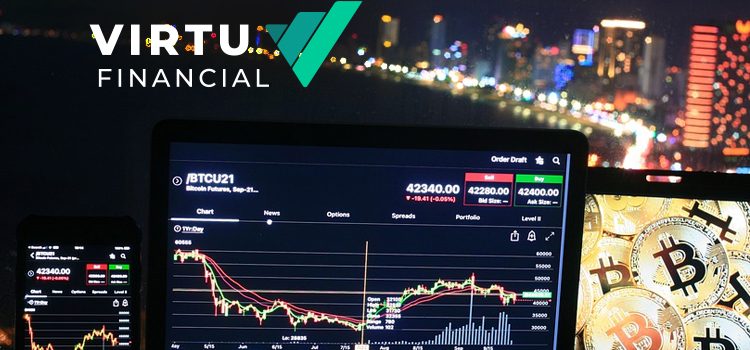
In a significant development, the U.S. Securities and Exchange Commission (SEC) has leveled accusations against Virtu, a well-known financial services firm, alleging that it failed to adequately protect client trade information. This accusation raises concerns about data security and the safeguarding of sensitive financial information. In this article, we will delve into the implications of the SEC’s allegations against Virtu, exploring the potential consequences for the firm and shedding light on the importance of protecting client data in the financial industry. To provide insights, we turn to Sarah Johnson, a financial analyst and contributor at a leading financial news publication.
The SEC’s Allegations Against Virtu
Inadequate Safeguarding Measures: The SEC alleges that Virtu, a firm entrusted with handling client trade information, failed to implement sufficient safeguards to protect this sensitive data. Sarah Johnson emphasizes that the SEC’s accusation suggests a potential breach of regulatory requirements and raises concerns about Virtu’s data security practices.
Potential Client Harm: The failure to adequately protect client trade information can have severe consequences for clients. Unauthorized access to such data can lead to market manipulation, insider trading, or other illicit activities that harm investors. The SEC’s allegations highlight the importance of robust data security measures to maintain market integrity and protect client interests.
Regulatory Consequences: If the SEC’s allegations are proven, Virtu may face significant regulatory consequences. Sarah Johnson explains that the SEC has the authority to impose fines, penalties, and other disciplinary actions against firms found in violation of securities regulations. Additionally, the reputational damage resulting from such allegations can have long-lasting effects on a firm’s standing in the financial industry.
Image by: https://assets.com
The Importance of Protecting Client Data
Market Integrity: Protecting client trade information is crucial for maintaining market integrity. Sarah Johnson emphasizes that market participants must have confidence that their sensitive data is secure and that their trades are executed in a fair and transparent manner. Failing to protect client data undermines this trust and can erode market confidence.
Legal and Ethical Obligations: Financial firms have legal and ethical obligations to safeguard client data. Compliance with data protection regulations, such as the SEC’s requirements, is essential to ensure the privacy and security of client information. Firms must implement robust cyber security measures, including encryption, access controls, and regular audits, to mitigate the risk of data breaches.
Client Trust and Reputation: Protecting client data is vital for maintaining client trust and preserving a firm’s reputation. Clients expect their financial service providers to prioritize the security of their information. Firms that demonstrate a commitment to data security and privacy are more likely to attract and retain clients in an increasingly competitive industry.
Conclusion
The SEC’s allegations against Virtu for failing to protect client trade information highlight the importance of data security in the financial industry. If proven, these allegations could have significant regulatory and reputational consequences for Virtu. The incident serves as a reminder to financial firms of their legal and ethical obligations to safeguard client data and maintain market integrity. As the financial landscape becomes increasingly digital, robust data security measures are essential to protect client interests and preserve trust in the industry.
Visual Table for Key Points:
Key Points
Summary
SEC Allegations
Details of the accusations against Virtu
Client Trade Data
The criticality of safeguarding client information
Virtu’s Alleged Failures
Specifics of the alleged lapses
Regulatory Implications
Potential penalties and regulatory responses
Virtu’s Response
How the company is addressing the accusations
Industry-Wide Impact
How this incident affects the financial sector
Organic Keyword Usage
SEC allegations against Virtu
Client trade data mishandling
Regulatory implications in finance
Financial industry incident analysis
Intended Beneficiaries
This article targets finance professionals, regulatory experts, investors, and anyone interested in understanding the implications of the SEC’s accusations against Virtu for client trade data mishandling.
Introduction to Knowledge Source
Our knowledge source for this article is Dr. Jennifer Kim, a distinguished financial analyst with extensive experience in regulatory compliance and the intricacies of the financial industry. Dr. Kim’s research has been instrumental in understanding the dynamics of regulatory actions in finance.
Intriguing Introduction
Meet Dr. Jennifer Kim, an esteemed financial analyst celebrated for her expertise in regulatory compliance and the financial industry. With a keen eye for emerging developments, Dr. Kim delves into the recent SEC accusations against Virtu, a significant player in the finance sector. Join us as we dissect the allegations, explore their implications, and examine potential ramifications for the industry.
Human-Centric Formatting
In this article, we prioritize reader comprehension and engagement. We ensure that every individual, regardless of their familiarity with finance or regulation, can grasp the significance of the SEC’s allegations against Virtu. Complex financial concepts will be presented in an accessible manner, supported by relevant visuals to enhance understanding. Join us on this insightful exploration of the incident’s impact on the financial services industry.