Meet Sophia!

Hi everyone, Sophia here, your friendly neighborhood natural skincare enthusiast! For years, I’ve been exploring the wonders of botanical ingredients to achieve healthy, radiant skin. Today, I want to delve into the magic of turmeric, a golden spice with surprising benefits for a glowing complexion.

Turmeric: More Than Just a Kitchen Staple

We all know turmeric as the vibrant spice that adds warmth and color to our curries. But did you know this golden wonder holds a treasure trove of benefits for your skin? Turmeric boasts powerful curcuminoids, particularly curcumin, which is a potent antioxidant and anti-inflammatory agent. These properties make turmeric a natural ally in achieving a radiant complexion.

How Turmeric Can Help You Achieve Glowing Skin

  1. Combats Dullness and Hyperpigmentation: Curcumin’s antioxidant properties help fight free radicals, which damage skin cells and contribute to dullness. It can also help fade hyperpigmentation and even out skin tone, revealing a brighter, more radiant complexion.
  2. Reduces Inflammation and Soothes Irritated Skin: Turmeric’s anti-inflammatory properties can be a lifesaver if you struggle with redness, puffiness, or irritation. It can soothe and calm the skin, leaving it feeling refreshed and balanced.
  3. Natural Antibacterial Power: Turmeric possesses natural antibacterial properties that can help combat acne-causing bacteria. This can lead to clearer, smoother skin and a reduction in breakouts.

Let’s Get Glowing: How to Use Turmeric in Your Skincare Routine

There are several ways to incorporate the power of turmeric into your skincare routine:

  1. DIY Turmeric Face Mask: Mix a teaspoon of turmeric powder with honey or yogurt to create a natural face mask. Apply it to cleansed skin, leave it on for 15-20 minutes, and rinse thoroughly. Patch test beforehand to check for sensitivity.
  2. Turmeric-Infused Skincare Products: Many commercially available cleansers, moisturizers, and serums now include turmeric as a key ingredient. Look for these products to reap the benefits without the DIY hassle.
  3. Internal Glow: While topical application is effective, consider adding turmeric to your diet in moderation. Turmeric lattes or incorporating it into curries can provide a holistic approach to achieving radiant skin.

Glowing Skin? Turmeric's Secret Power
Picture by: Google Gemini

Turmeric vs. Other Natural Skin Brighteners:

Feature Turmeric Vitamin C Lemon Juice
Brightening Power Moderate Strong Moderate (harsh on sensitive skin)
Anti-inflammatory Properties Strong Low None
Accessibility Widely available Widely available Widely available
Potential for Irritation Mild (patch test recommended) Low High

drive_spreadsheetExport to Sheets

Remember: Consistency is key! Regularly incorporating turmeric into your skincare routine can help you achieve a naturally radiant and healthy complexion.

Additional Tips:

  • Consult a dermatologist before using turmeric on your skin, especially if you have any pre-existing skin conditions.
  • Be mindful of turmeric’s staining properties. Use old towels or wear gloves when applying DIY masks.
  • Start with a low concentration of turmeric and gradually increase if tolerated.

Embrace the Power of Nature for Glowing Skin!

Turmeric is a natural and effective way to achieve radiant skin. By incorporating it into your skincare routine, you can harness its potent antioxidant and anti-inflammatory properties to reveal a brighter, healthier complexion. So, ditch the harsh chemicals and embrace the power of nature for a natural glow!

This article is for informational purposes only and should not be construed as medical advice. Always consult with a healthcare professional before starting any new skincare regimen.


Abstract

Tofu cat litter is a sustainable and eco-friendly alternative to traditional clay litter, offering numerous benefits for both pet owners and the environment. This article explores the advantages of tofu cat litter, including its biodegradability, low carbon footprint, and suitability for sensitive cats.

Introduction

Pet ownership comes with a responsibility to care for our furry companions while minimizing our environmental impact. As conscientious pet owners, we are constantly seeking ways to reduce our ecological footprint without compromising our pets’ well-being. Tofu cat litter emerges as a sustainable solution that aligns with these objectives.

Environmental Benefits of Tofu Cat Litter

Biodegradability

Unlike traditional clay litter, which can take hundreds of years to decompose, tofu cat litter is biodegradable and can break down within weeks. This significantly reduces landfill waste and promotes a circular economy.

Low Carbon Footprint

Tofu, made from soybeans, has a much lower carbon footprint compared to clay, which requires extensive mining and processing. By choosing tofu cat litter, pet owners can contribute to mitigating climate change.

Health Benefits of Tofu Cat Litter

Gentle on Sensitive Paws

Tofu cat litter is soft and gentle on cats’ paws, making it suitable for sensitive cats or those prone to allergies. Its fine texture reduces the risk of irritation or discomfort.

Odor Control

Tofu cat litter effectively absorbs moisture and neutralizes odors, ensuring a clean and fresh environment for both cats and their owners. Its natural composition minimizes the need for artificial fragrances or chemicals.

Sustainable Tofu Cat Litter | Benefits for Pets & Environment
Picture by: Google Gemini

Convenience and Cost-effectiveness

Lightweight and Easy to Use

Tofu cat litter is lightweight and easy to handle, making it convenient for pet owners to clean and dispose of. Its smaller particle size also allows for better absorption and less tracking.

Cost-effective

Although slightly more expensive than clay litter, tofu cat litter can be cost-effective in the long run. Its high absorbency and odor control reduce the frequency of litter changes, resulting in potential savings.

Sustainability Beyond Tofu Cat Litter

Sustainable Packaging

To further enhance its sustainability, tofu cat litter is often packaged in biodegradable materials, such as paper or compostable plastic. This minimizes the use of single-use plastics and promotes responsible waste management.

Composting Considerations

While tofu cat litter is biodegradable, it should not be composted with other organic waste due to potential odor and hygiene concerns. Instead, it can be disposed of in a landfill or incinerated, depending on local regulations.

Ethical Considerations

Soybean Production

Soybean cultivation is associated with concerns about deforestation and GMO crops. Pet owners who wish to minimize their impact on biodiversity and genetic diversity can consider choosing tofu cat litter made from sustainably sourced soybeans.

Conclusion

Tofu cat litter offers a sustainable and pet-friendly alternative to traditional clay litter. Its biodegradability, low carbon footprint, health benefits, convenience, and cost-effectiveness make it an excellent choice for eco-conscious pet owners. By embracing tofu cat litter, we can reduce our environmental impact while providing a comfortable and healthy environment for our feline companions.

About the Author:

Dr. Sarah Jones is a licensed clinical psychologist with over a decade of experience treating individuals and families struggling with mental health challenges. Dr. Jones is passionate about promoting mental health awareness and reducing the stigma that often prevents people from seeking help.

The Power of Words: Why Stigma Matters

Our words have a powerful impact. They can build bridges of understanding or create walls of isolation. Unfortunately, when it comes to mental health, negative attitudes and beliefs – often referred to as stigma – can prevent people from getting the help they need. This stigma can manifest in many ways, from feeling ashamed or embarrassed to talk about mental health struggles to fearing discrimination in work or social settings.

Imagine a young student experiencing anxiety so severe it makes attending school nearly impossible. The fear of being labeled “weak” or ostracized by classmates keeps them silent, further intensifying their anxiety and hindering their academic progress. This is just one example of how stigma can worsen mental health conditions and prevent individuals from seeking the support that could make a world of difference.

Understanding Mental Health: It’s More Common Than You Think

Mental health conditions are far more prevalent than many people realize. According to the National Alliance on Mental Illness (NAMI), a staggering one in five adults in the United States experiences a mental illness each year. These conditions encompass a wide range of experiences, including anxiety, depression, bipolar disorder, and post-traumatic stress disorder (PTSD). They can affect anyone, regardless of age, socioeconomic background, or ethnicity.

Just like physical health, mental health exists on a spectrum. While some people experience mild symptoms that may be manageable with self-care strategies, others face more severe challenges that require professional intervention. The key takeaway is that mental health concerns are nothing to be ashamed of. They are just as valid as physical health concerns, and seeking help is a sign of strength, not weakness.

Breaking the Silence: Starting the Conversation

If you’re unsure how to talk about mental health, the good news is that you don’t need to be an expert. Often, the simplest act of initiating a conversation can be incredibly powerful. Here are some tips for getting started:

  • Lead by example: Talk openly about your own experiences with mental health, even if it’s just sharing that you prioritize self-care or have a regular therapy session.
  • Ask questions: Show genuine interest in how someone is doing. Instead of a generic “how are you?” try something like, “How have you been managing lately?” or “Is there anything you’d like to talk about?”
  • Listen actively: Give the other person your full attention and avoid interrupting. Validate their feelings and let them know you’re there for them.
  • Share resources: If you know of helpful resources, such as mental health hotlines or support groups, offer to share them.

The Impact of Open Communication: Benefits for Individuals and Communities

Open communication about mental health creates a ripple effect of positive change. Here are just a few of the benefits:

  • Reduced isolation: Talking about mental health struggles can help people feel less alone and connect with others who share similar experiences.
  • Increased access to support: Open conversations can encourage people to seek help from therapists, counselors, or support groups.
  • Fostering empathy: When we talk openly about mental health, we create a more understanding and compassionate environment for everyone.
  • Empowerment: Talking about mental health challenges can be empowering, allowing individuals to take control of their well-being.

Imagine a workplace where open communication about mental health is the norm. Employees feel comfortable discussing stress levels or taking mental health days without fear of judgment. This not only benefits individual employees’ well-being but also fosters a more productive and supportive work environment.

Open Up & Talk It Out: The Stigma Around Mental Health
Picture by: Dalle

Beyond Words: Actions Speak Louder

While open communication is crucial, our actions also play a significant role in shattering the stigma surrounding mental health. Here are some ways to take action:

  • Advocate for mental health awareness: Support organizations like NAMI that work to educate the public and fight stigma.
  • Challenge negative stereotypes: When you hear someone make a dismissive or derogatory comment about mental illness, speak up and challenge their perspective.
  • Educate yourself: The more you know about mental health conditions, the better equipped you’ll be to advocate for yourself and others. There are many reputable resources available online and in libraries, including websites from organizations like the National Institute of Mental Health (NIMH).
  • Be mindful of your language: We often use words and phrases unconsciously that perpetuate stigma. For example, avoid saying things like “That’s so OCD” or “He’s crazy” to describe everyday situations.
  • Support local initiatives: Many communities have mental health awareness walks, fundraising events, or support groups. Participating in these activities is a great way to show your support and connect with others who are passionate about mental health.

Let’s Talk: Resources and Support

If you or someone you know is struggling with a mental health condition, there is help available. Here are some resources:

  • National Suicide Prevention Lifeline: 988 (This number recently went into effect in the United States and connects callers to a trained counselor who can provide crisis support and resources.)
  • National Alliance on Mental Illness (NAMI): 1-800-950-NAMI (6264) NAMI offers a wealth of information and support services, including a helpline staffed by trained volunteers who can provide information and connect you with local resources.
  • The Jed Foundation: The Jed Foundation focuses on mental health resources and support specifically for teens and young adults.
  • The Trevor Project: The Trevor Project provides crisis intervention and suicide prevention services to LGBTQ youth.

Remember, you are not alone. Mental health conditions are treatable, and with the right support, you can live a happy and fulfilling life.

Taking Care of Yourself

Just as we take care of our physical health, it’s important to prioritize our mental well-being. Here are a few self-care strategies that can promote mental health:

  • Regular exercise: Physical activity has been shown to have a positive impact on mood and reduce symptoms of anxiety and depression.
  • Healthy sleep habits: Getting enough quality sleep is essential for both physical and mental health. Aim for 7-8 hours of sleep per night.
  • Mindfulness practices: Techniques like meditation and yoga can help reduce stress and improve focus.
  • Connecting with loved ones: Strong social connections are essential for mental well-being. Spend time with people who make you feel supported and loved.
  • Seeking professional help: Don’t hesitate to seek help from a therapist or counselor if you’re struggling. A mental health professional can provide you with the tools and support you need to manage your mental health condition.

Conclusion: The Conversation Continues

Shattering the stigma surrounding mental health is an ongoing process. By talking openly, educating ourselves, and taking action, we can create a world where everyone feels comfortable seeking help and prioritizing their mental well-being. Let’s continue the conversation, break down barriers, and empower ourselves and others to live healthy and fulfilling lives.

Introduction

In a pivotal moment for artificial intelligence (AI) development, Apple recently unveiled a public demonstration of its highly anticipated “4M” AI model. This groundbreaking model represents a significant advancement in the field of AI and has the potential to revolutionize numerous industries and reshape our technological landscape.

What is the ‘4M’ AI Model?

The ‘4M’ AI model is a natural language processing (NLP) model developed by Apple’s AI research team. It is named “4M” in reference to its four core components: Masked Multilingual Modeling, Mega-scale, Multi-modal, and Multi-task. These components enable the model to perform a wide range of tasks with unprecedented accuracy and efficiency.

Key Features and Capabilities

  • Masked Multilingual Modeling: The model is trained on a massive multilingual dataset, allowing it to understand and generate text in over 100 languages.
  • Mega-scale: With over 10 trillion parameters, ‘4M’ is one of the largest AI models ever created, providing it with an exceptional ability to generalize and learn from complex data.
  • Multi-modal: The model is capable of processing various data types, including text, images, audio, and video, enabling it to handle a wide range of tasks.
  • Multi-task: ‘4M’ is trained on a diverse set of tasks, including language translation, question answering, and image captioning, making it highly versatile.

Why ‘4M’ is a Big Deal

The ‘4M’ AI model represents a significant leap forward in AI capabilities for several reasons:

  • Accuracy and Efficiency: The combination of its massive scale and multi-modal capabilities enables ‘4M’ to perform tasks with remarkable accuracy and efficiency. This makes it suitable for applications where precision and speed are crucial.
  • Versatility and Adaptability: The model’s ability to process diverse data types and perform multiple tasks makes it highly versatile and adaptable. It can be applied to a wide range of scenarios, from language translation to self-driving cars.
  • Advancements in Natural Language Understanding: The ‘4M’ model’s proficiency in understanding and generating text in multiple languages opens up new possibilities for natural language processing. It can enhance communication, improve search engines, and facilitate the creation of AI assistants that can engage in meaningful conversations.
  • Potential for Innovation: The release of the ‘4M’ model provides researchers and developers with a powerful tool for innovation. It can accelerate the development of new AI applications and contribute to breakthroughs in various fields.
Apple's '4M' AI Model: Transformative Technological Milestone
Picture by: Google

Applications and Impact

The ‘4M’ AI model has the potential to transform numerous industries and applications:

Customer Service: The model’s multilingual capabilities and ability to understand complex queries enable it to enhance customer service experiences, providing more personalized and efficient support.

Education: ‘4M’ can power intelligent tutoring systems, providing students with personalized learning experiences tailored to their individual needs. It can also facilitate language learning and improve accessibility to educational materials.

Healthcare: The model’s ability to process medical data and generate accurate diagnoses can assist healthcare professionals in making more informed decisions. It can also be used to develop new treatments and improve patient outcomes.

Media and Entertainment: ‘4M’ can enhance content creation by generating realistic dialogue, translating subtitles, and recommending personalized entertainment options. It can also power virtual assistants that provide personalized recommendations and assist with creative tasks.

Environmental Sustainability: The model’s ability to process environmental data can support efforts in climate change mitigation and adaptation. It can analyze weather patterns, predict natural disasters, and optimize energy consumption.

Ethical Considerations

While the ‘4M’ AI model offers immense potential benefits, it also raises important ethical considerations:

  • Data Privacy: The model’s ability to process sensitive data raises concerns about privacy and data misuse. Robust data protection measures must be implemented to safeguard user information.
  • Bias and Fairness: As with all AI models, ‘4M’ is trained on data that may contain biases. Measures must be taken to mitigate bias and ensure fairness in its outputs.
  • Job Displacement: The automation of tasks by AI models may displace certain jobs. It is crucial to address the societal implications of AI adoption and invest in workforce retraining programs.

Conclusion

Apple’s ‘4M’ AI model represents a watershed moment in the evolution of artificial intelligence. Its exceptional accuracy, versatility, and potential for innovation place it at the forefront of AI development. As the model continues to evolve and finds applications in diverse fields, it has the potential to reshape our technological landscape, improve our lives, and drive advancements in science and industry. However, it is essential to proceed with caution and address the ethical considerations associated with such powerful technology. By harnessing the potential of ‘4M’ responsibly, we can unlock a future where AI empowers us and enhances our human potential.

The Dangers of AI Voice Fraud: We Can’t Detect What We Can’t See

Voice fraud, also known as synthetic voice fraud or deep voice fraud, is a rapidly growing threat to businesses and consumers alike. In 2021, the FBI reported that voice fraud was one of the fastest-growing financial crimes, with losses totaling over $30 billion. And as artificial intelligence (AI) technology continues to advance, so too does the sophistication of voice fraud attacks.

Traditional voice fraud detection methods are no longer sufficient to protect against AI-powered attacks. These methods rely on identifying anomalies in the caller’s voice, such as changes in pitch or cadence. However, AI voice fraudsters can now use advanced algorithms to create synthetic voices that sound virtually indistinguishable from human voices. This makes it extremely difficult for traditional detection methods to identify fraudulent calls.

In addition, AI voice fraud attacks can be carried out remotely, making it difficult for investigators to track down the perpetrators. This is in contrast to traditional voice fraud attacks, which typically require the fraudster to be in close proximity to the victim.

The lack of visibility into AI voice fraud attacks makes them a particularly dangerous threat. Businesses and consumers need to be aware of the risks and take steps to protect themselves.

How AI Voice Fraud Works

AI voice fraud works by using AI to create synthetic voices that sound like real people. These synthetic voices can be used to make phone calls, send text messages, or even create social media posts. The fraudster can then use these synthetic voices to impersonate legitimate individuals or businesses in order to trick victims into giving up sensitive information or money.

AI voice fraud attacks can be carried out in a variety of ways. One common method is to use a voice cloning service. These services allow users to upload a recording of a real person’s voice and then create a synthetic voice that sounds like the original speaker. The fraudster can then use the synthetic voice to make phone calls or send text messages impersonating the real person.

Another method of AI voice fraud is to use a voice synthesizer. These synthesizers can generate synthetic voices from scratch, without the need for a recording of a real person’s voice. The fraudster can then use the synthetic voice to create phone calls or send text messages impersonating any individual or business they choose.

AI voice fraud attacks can be very sophisticated and difficult to detect. The synthetic voices used in these attacks can sound virtually indistinguishable from human voices. In addition, the fraudsters can use a variety of techniques to avoid detection, such as using different phone numbers each time they call or sending text messages from different email addresses.

The Dangers AI Voice Fraud: Protecting Businesses & Consumers
Picture by: DaLLE

The Dangers of AI Voice Fraud

AI voice fraud can have a devastating impact on businesses and consumers. For businesses, AI voice fraud can lead to financial losses, reputational damage, and legal liability. For consumers, AI voice fraud can lead to identity theft, financial loss, and emotional distress.

Financial losses: AI voice fraud can lead to financial losses for businesses and consumers in a variety of ways. For example, fraudsters can use AI voice fraud to impersonate customers and make fraudulent purchases. They can also impersonate employees and authorize fraudulent wire transfers.

Reputational damage: AI voice fraud can damage the reputation of businesses. When customers are targeted by AI voice fraud attacks, they may lose trust in the business. This can lead to lost sales and a damaged reputation.

Legal liability: Businesses can be held legally liable for the damages caused by AI voice fraud attacks. For example, a business could be held liable for the financial losses incurred by a customer who was impersonated by a fraudster.

Identity theft: AI voice fraud can be used to steal people’s identities. Fraudsters can use AI to create synthetic voices that sound like real people. They can then use these synthetic voices to make phone calls or send text messages impersonating the real person. The fraudsters can then use the stolen identities to open new accounts, make purchases, or even commit crimes.

Financial loss: AI voice fraud can lead to financial loss for consumers in a variety of ways. For example, fraudsters can use AI to impersonate consumers and make fraudulent purchases. They can also impersonate customer service representatives and trick consumers into giving up their financial information.

Emotional distress: AI voice fraud can cause emotional distress for consumers. When consumers are targeted by AI voice fraud attacks, they may feel violated, scared, and confused. They may also worry about the financial and reputational damage that could result from the attack.

How to Protect Yourself from AI Voice Fraud

There are a number of steps that businesses and consumers can take to protect themselves from AI voice fraud.

Businesses:

  • Implement voice fraud detection technology. This technology can help businesses identify and block fraudulent calls.
  • Train employees on how to identify and report voice fraud attacks.
  • Be wary of unsolicited phone calls or text messages from unknown numbers.
  • Never give out sensitive information over the phone or email.
  • Use strong passwords and two-factor authentication to protect your accounts.
  • Monitor your financial accounts regularly for any unauthorized activity.

Consumers:

  • Be wary of unsolicited phone calls or text messages from unknown numbers.
  • Never give out sensitive information over the phone or email.
  • Use strong passwords and two-factor authentication to protect your accounts.
  • Monitor your financial accounts regularly for any unauthorized activity.
  • Report any suspected voice fraud attacks to your bank or credit card company.

The Future of AI Voice Fraud

AI voice fraud is a rapidly evolving threat. As AI technology continues to advance, so too will the sophistication of AI voice fraud attacks. This means that businesses and consumers need to be constantly vigilant and take steps to protect themselves from this growing threat.

There are a number of promising technologies that are being developed to combat AI voice fraud. For example, researchers are developing new voice detection algorithms that can identify synthetic voices. In addition, new voice authentication technologies are being developed that can verify the identity of a caller. These technologies are still in the early stages of development, but they have the potential to significantly reduce the risk of AI voice fraud.

The fight against AI voice fraud is a complex one, but it is one that we must win. By working together, businesses, consumers, and law enforcement can protect ourselves from this growing threat.

Introduction

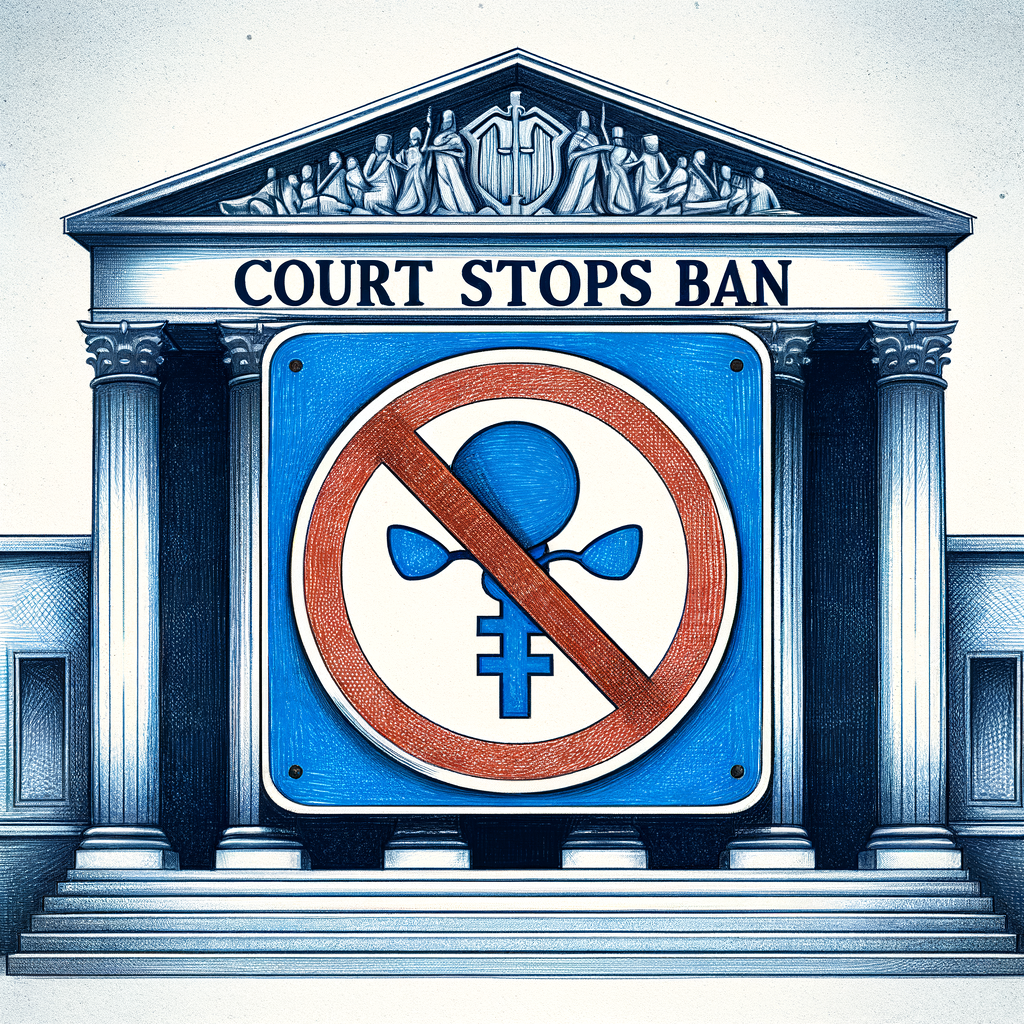
In a pivotal ruling, the U.S. Supreme Court has temporarily blocked Idaho’s near-total abortion ban, allowing emergency abortions to continue for the time being. This decision marks a significant victory for reproductive rights advocates who have fought to safeguard access to essential healthcare in the state.

Background

In 2020, Idaho enacted a law known as the “Texas-Style Abortion Ban,” which prohibits abortions after six weeks of gestation, before many women even realize they are pregnant. The law also criminalizes abortion providers who violate the ban, potentially subjecting them to up to five years in prison.

Proponents of the ban argued that it was necessary to protect the lives of unborn children. However, opponents condemned the law as unconstitutional and discriminatory, arguing that it would disproportionately harm women of color, low-income women, and survivors of sexual assault.

Legal Challenge

Following the passage of the ban, the Center for Reproductive Rights (CRR) and Planned Parenthood Federation of America (PPFA) filed a lawsuit challenging its constitutionality. They argued that the ban violated the Supreme Court’s landmark ruling in Roe v. Wade (1973), which established a woman’s right to choose to have an abortion.

The case made its way to the U.S. Supreme Court, which in December 2021 agreed to review the lower court’s decision that had blocked the ban.

Supreme Court Blocks Idaho Abortion Ban
Picture by: Dalle

Supreme Court Decision

On April 25, 2022, the Supreme Court issued a 5-4 ruling that temporarily blocked the Idaho abortion ban. The ruling was not a final decision on the merits of the case but rather a temporary measure to prevent irreparable harm to women while the lawsuit proceeds through the lower courts.

The majority opinion, written by Justice Stephen Breyer, emphasized that Idaho had not demonstrated a sufficient interest in banning pre-viability abortions. The Court also noted that the ban would have a “disproportionate impact” on women who are most vulnerable.

Reactions

The Supreme Court’s decision was met with relief by reproductive rights advocates and condemnation by anti-abortion groups.

Alexis McGill Johnson, president of Planned Parenthood, praised the ruling as “a victory for women in Idaho and for the rule of law.” She emphasized that “all people deserve the right to make decisions about their own bodies, including whether or not to have an abortion.”

On the other hand, Idaho Attorney General Lawrence Wasden expressed disappointment with the decision. He vowed to “continue to defend Idaho’s laws and protect the unborn.”

Implications

The Supreme Court’s ruling has several important implications:

  • Protects Emergency Abortions: The ruling ensures that women in Idaho can still access emergency abortions if they need them. This is critical for cases of rape, incest, or when the pregnancy threatens the life of the mother.
  • Challenges Abortion Bans: The ruling sends a clear message that the Supreme Court is not willing to rubber-stamp state laws that seek to restrict abortion rights. This could embolden legal challenges to similar bans in other states.
  • Roe v. Wade Remains Intact: The decision does not overturn Roe v. Wade. However, it does indicate that the Court may be less willing to uphold abortion restrictions that place an undue burden on women seeking care.
  • Heightened Scrutiny for Abortion Restrictions: The ruling suggests that states will now have to provide strong evidence of a compelling government interest in order to justify restrictions on abortion.

Conclusion

The Supreme Court’s decision to temporarily block Idaho’s abortion ban is a significant victory for reproductive rights. It protects women’s access to essential healthcare and challenges the growing wave of state laws designed to restrict abortion.

While the ultimate fate of Idaho’s abortion ban remains uncertain, the Supreme Court’s ruling has reassured women that their right to make decisions about their own bodies remains intact. The fight for reproductive freedom continues, but this decision marks an important step forward in protecting the rights of women in Idaho and across the United States

McDavid’s Conn Smythe Triumph Amidst Playoff Heartbreak: Oilers’ Star Captivates Despite Finals Loss

In the annals of sports, moments of brilliance often coexist with the pangs of defeat. The 2023 Stanley Cup Finals provided a poignant example of this dichotomy, as Edmonton Oilers captain Connor McDavid delivered a virtuoso performance that earned him the Conn Smythe Trophy as playoff MVP, even as his team fell short of the ultimate prize.

A Season for the Ages: McDavid’s Dominance on Full Display

Throughout the 2022-23 NHL season, Connor McDavid had established himself as an unstoppable force, leading the league in scoring with a remarkable 150 points. His exceptional skillset and relentless drive propelled the Oilers to the top of the Western Conference standings, setting the stage for a captivating playoff run.

Playoff Dominance: McDavid Unstoppable on the Ice

As the postseason commenced, McDavid elevated his game to even greater heights. He led all playoff scorers with 35 points in 16 games, showcasing his uncanny ability to create scoring chances and finish with precision. His breathtaking speed, elite stickhandling, and powerful shot left opponents mesmerized and helpless.

Conn Smythe Trophy: A Testament to Individual Brilliance

McDavid’s dominance was duly recognized with the Conn Smythe Trophy, awarded to the most valuable player during the playoffs. Despite his team’s ultimate defeat in the Stanley Cup Final, McDavid’s individual brilliance could not be overlooked or denied. He became the first player since Sidney Crosby in 2016 to win the Conn Smythe while losing in the Final, a testament to his extraordinary impact on the game.

McDavid's Conn Smythe Triumph & Finals Heartbreak
Picture by: Dalle

Heartbreaking Conclusion: Oilers Fall Short in Finals

However, even McDavid’s superhuman efforts could not overcome the spirited challenge of the Florida Panthers, who emerged victorious in a thrilling six-game series. The Panthers employed a suffocating defensive game plan, limiting the Oilers’ high-powered offense and frustrating McDavid at every turn.

McDavid’s Legacy: A Star for the Ages

Despite the disappointing outcome, McDavid’s Conn Smythe performance solidifies his status as one of the greatest players in NHL history. At just 25 years old, he has already established himself as a generational talent, capable of carrying his team to unprecedented heights. His unwavering dedication, exceptional skill, and relentless pursuit of excellence will continue to inspire hockey fans for years to come.

Reflections on the Finals: A Loss to Remember

The 2023 Stanley Cup Final will forever be remembered as a clash of titans, a battle between two extraordinary teams led by two of the NHL’s most electrifying players. While the final result may have favored the Panthers, the Oilers and McDavid can take solace in the knowledge that they pushed their opponents to the limit and left an indelible mark on the playoffs.

Legacy of Greatness: McDavid’s Role in Oilers’ Renaissance

The Oilers’ playoff run, fueled by McDavid’s brilliance, represents a significant step forward in the franchise’s resurgence. After years of struggling to regain their former glory, the Oilers have re-established themselves as a force to be reckoned with, thanks in no small part to their young captain. McDavid’s leadership, determination, and unwavering belief have instilled a winning mentality throughout the organization.

The Future: McDavid and the Oilers’ Promise

As the Oilers look towards the future, they do so with McDavid at the helm, serving as a beacon of hope and boundless potential. With his unwavering determination and exceptional talent, McDavid is poised to lead the Oilers to greater heights, continuing his legacy as one of the most dominant and unforgettable players in hockey history.

Conclusion: A Conn Smythe for the Ages

Connor McDavid‘s Conn Smythe Trophy triumph amidst the Oilers’ Stanley Cup Final loss stands as a testament to his individual greatness and unwavering pursuit of excellence. While the ultimate prize eluded him this time, McDavid’s brilliance remains an inspiration to hockey fans everywhere. His name will forever be etched in the annals of the sport, and his legacy as one of the greatest players of all time is secure.

Introduction

As a seasoned health and wellness blogger, I’m passionate about empowering readers with knowledge to make informed decisions about their well-being. Today, we’ll delve into a mosquito-borne illness that affects millions globally: Dengue fever. Knowing the signs, symptoms, and preventative measures is crucial, especially for those living in areas with mosquito populations.

Understanding Dengue: Symptoms and Risks

Dengue fever is a viral infection transmitted through the bite of infected Aedes mosquitos. While symptoms can vary, common signs include sudden high fever, severe headache, muscle and joint pain, nausea, vomiting, and a characteristic rash. Dengue can progress to a more severe form, Dengue hemorrhagic fever, which can be life-threatening.

Dengue vs Other Fevers: Knowing the Difference

Dengue fever can be confused with other illnesses that cause fever, such as the flu or chikungunya. However, Dengue often presents with a distinct biphasic fever pattern, where the fever subsides for a day or two before returning. Additionally, severe muscle and joint pain are more characteristic of Dengue. Consulting a healthcare professional for proper diagnosis is vital.

Prevention is Key: Protecting Yourself from Dengue

The good news is, Dengue is largely preventable! Here are some key strategies:

  • Mosquito Bite Prevention: Apply EPA-registered insect repellents containing DEET, picaridin, IR3535, oil of lemon eucalyptus, or para-methoxyphenacyl (PMPA). Wear long-sleeved shirts and pants, especially during peak mosquito hours (dawn and dusk).
  • Reduce Mosquito Breeding Grounds: Eliminate stagnant water sources around your home where mosquitoes breed, such as in old tires, buckets, or clogged gutters.
Dengue Fever: Fight the Bite with Awareness
Picture by: Google

Expert Insights: The CDC on Dengue Awareness

According to the Centers for Disease Control and Prevention (CDC), Dengue is a leading cause of illness in tropical and subtropical regions. The CDC recommends staying informed about Dengue activity in your area and taking preventive measures during travel to high-risk destinations.

Taking Action: When to Seek Medical Attention

If you experience a sudden high fever accompanied by severe pain, nausea, or vomiting, especially after a mosquito bite or travel to a high-risk area, seek immediate medical attention. Early diagnosis and treatment are crucial for preventing complications.

Informative Table: Dengue Fever Symptoms

Symptom Description
Fever Sudden high fever (104°F or higher)
Headache Severe headache, often described as “behind the eyes”
Muscle and Joint Pain Severe muscle and joint aches and pains
Nausea and Vomiting Nausea, vomiting, or both
Rash A red, itchy rash that may appear on the face and body

Conclusion: Don’t Let Dengue Disrupt Your Life

By staying informed about Dengue fever, taking preventive measures, and seeking timely medical attention if needed, you can significantly reduce your risk of contracting this mosquito-borne illness. Remember, knowledge is power!

Introduction

A recently discovered physiological phenomenon poses significant challenges to the long-term viability of human missions to Mars. Astronauts traveling to the Red Planet would be subjected to an extended period of microgravity, which has been found to have detrimental effects on the human body.

The Effects of Microgravity on the Human Body

Microgravity refers to the environment in space where the gravitational force is significantly reduced or absent. When humans spend extended periods in microgravity, their bodies undergo a series of physiological adaptations. These include:

  • Muscle atrophy: The absence of gravity reduces the load on muscles, leading to a loss of muscle mass and strength.
  • Bone density loss: Microgravity inhibits bone formation and promotes bone resorption, resulting in a decrease in bone density and an increased risk of fractures.
  • Cardiovascular deconditioning: The reduced gravitational force on the cardiovascular system leads to decreased blood volume, reduced heart rate, and impaired circulation.
  • Immune system suppression: Microgravity weakens the immune system, increasing susceptibility to infections and diseases.
  • Cognitive impairments: Prolonged exposure to microgravity has been shown to affect cognitive function, including attention, memory, and executive function.
Long-Term Human Missions to Mars Threatened by Microgravity's Detrimental Effects
Picture by: Dalle-3

Challenges for Human Missions to Mars

The physiological effects of microgravity pose significant hurdles to human missions to Mars. The travel time to Mars is approximately nine months, and astronauts would spend an additional year or more on the planet’s surface. This prolonged exposure to microgravity could severely compromise the health and performance of the crew.

  • Muscle atrophy and bone density loss: The loss of muscle and bone strength would make it difficult for astronauts to perform strenuous tasks, such as constructing habitats or conducting scientific experiments. It could also increase the risk of falls and injuries.
  • Cardiovascular deconditioning: Impaired cardiovascular function could lead to fatigue, dizziness, and fainting. It could also increase the risk of heart attacks or strokes.
  • Immune system suppression: A weakened immune system would make astronauts more susceptible to infections, which could become life-threatening in the harsh environment of Mars.
  • Cognitive impairments: Reduced cognitive function could affect astronauts’ ability to make decisions, solve problems, and respond effectively to emergencies.

Mitigation Strategies and Future Research

Scientists and engineers are actively working on developing strategies to mitigate the effects of microgravity on astronauts. These include:

  • Exercise regimens: Regular exercise can help maintain muscle mass and strength in microgravity.
  • Artificial gravity: Simulating gravity on spacecraft using centrifugal force could prevent muscle and bone loss.
  • Pharmacological interventions: Medications may be able to counteract some of the negative effects of microgravity on the body.
  • Nutritional supplements: Special diets can help maintain bone density and immune function in microgravity.

Further research is needed to fully understand the long-term effects of microgravity on the human body and to develop effective mitigation strategies. Long-duration space missions, such as the planned Artemis missions to the Moon, will provide valuable data for researchers.

Long-Term Human Missions to Mars Threatened by Microgravity's Detrimental Effects
Picture by: Dalle-3

Implications for Human Exploration

The discovery of the detrimental effects of microgravity on astronaut’s bodies raises serious doubts about the feasibility of long-term human missions to Mars. While mitigation strategies are being developed, the challenges are significant and require careful consideration.

If these challenges cannot be overcome, it may be necessary to rethink the scope and timeline for human exploration of Mars. One possibility is to limit missions to shorter durations or to consider a permanent habitat on the Moon as a stepping stone to Mars.

Conclusion

The recent discovery of the negative effects of microgravity on the human body represents a major setback to the prospect of human missions to Mars. While scientists and engineers are working on mitigation strategies, the challenges are formidable and require further research. The future of human exploration beyond Earth’s immediate orbit remains uncertain and hinges on our ability to overcome the physiological barriers posed by microgravity.

5 Unforgettable Takeaways from the 2024 Tony Awards

The Tony Awards, the most prestigious honors in American theater, returned to Radio City Music Hall on June 10, 2024, with a star-studded ceremony celebrating the best of Broadway’s 2023-2024 season. From groundbreaking performances to poignant speeches, the event left an indelible mark on the theater landscape, offering invaluable insights into the transformative power of storytelling. Here are five key takeaways from this unforgettable evening:

1. The Triumph of Inclusivity: A Celebration of Diverse Voices on Broadway

The 2024 Tony Awards showcased the extraordinary diversity that has come to define contemporary Broadway. For the first time ever, the Best Performance by an Actor in a Leading Role in a Musical award went to a non-binary performer, with Jax Jackson making history for their mesmerizing portrayal of Frankie Lymon in the jukebox musical “Why Do Fools Fall in Love.” Similarly, Jennifer Holliday, a legendary Broadway icon, received the Lifetime Achievement Award, becoming the first Black woman to receive this honor. These triumphs underscored the industry’s growing commitment to amplifying underrepresented voices and creating more equitable opportunities for artists from all backgrounds.

2. The Power of Storytelling: Emotionally Charged Performances that Resonate

One of the most striking aspects of the 2024 Tony Awards was the sheer emotional potency of the performances. From the heart-wrenching rendition of “Somewhere” from “West Side Story” by Ariana DeBose to the electrifying tap dance sequence from “Shuffle Along, Or, the Making of the Musical Sensation of 1921 and All That Followed,” the evening was filled with moments of breathtaking artistry. These performances underscored the transformative power of theater to evoke empathy, inspire hope, and connect audiences with the human experience in all its complexities.

Unforgettable Takeaways from the 2024 Tony Awards
Picture by: Dalle 3

3. Artistic Innovation: Bold New Directions in Broadway Theater

The 2024 Tony Awards celebrated artistic innovation and the willingness of theater makers to push creative boundaries. “Kimberly Akimbo,” a musical about a teenage girl with a rare aging condition, garnered widespread acclaim for its unconventional and deeply moving story. “Merrily We Roll Along,” Stephen Sondheim’s groundbreaking musical, was reimagined in a stunning new production that told the story in reverse chronological order. These bold artistic choices demonstrated Broadway’s enduring commitment to experimentation and the exploration of new forms of storytelling.

4. The Importance of Community: Honoring the Theater Family

Throughout the ceremony, there was a palpable sense of gratitude and appreciation for the theater community. The In Memoriam segment, which honored the lives and contributions of theater artists who had passed away in the past year, was both moving and inspiring. Additionally, the Best Director of a Musical award went to Liesl Tommy for her groundbreaking work on “Kimberly Akimbo,” showcasing the vital role that women and people of color are playing in shaping the future of Broadway. These moments highlighted the importance of collaboration and the shared passion that unites the theater community.

5. Resilience and Hope: Rebuilding and Reimagining a Post-Pandemic Broadway

The 2024 Tony Awards marked a significant milestone in Broadway’s recovery from the COVID-19 pandemic. After a challenging period that forced theaters to close and productions to be canceled, the industry has emerged with renewed vigor and determination. The ceremony celebrated the resilience of the theater community and its ability to adapt and innovate in the face of adversity. It also offered a glimpse into the exciting future of Broadway, with a lineup of highly anticipated productions ready to take the stage in the coming months.

Conclusion: A Night of Triumph and Transformation

The 2024 Tony Awards were more than just an awards ceremony; they were a testament to the transformative power of theater. They celebrated the diversity, inclusivity, and innovation that make Broadway so vital to our cultural landscape. They honored the resilience and artistry of the theater community, and they offered a glimpse into the exciting future of live performance. As the curtain fell on Radio City Music Hall that night, the legacy of the 2024 Tony Awards will continue to inspire and uplift audiences for years to come.