The field of regenerative medicine has witnessed unprecedented advancements in recent years, promising to revolutionize healthcare by offering innovative solutions to previously intractable medical conditions. As we delve into the future of regenerative therapies, it is crucial to understand the current landscape, emerging technologies, and the potential implications for both patients and the medical community. This article explores the trajectory of regenerative therapies, focusing on key areas such as stem cell research, tissue engineering, and gene editing, while addressing the ethical and regulatory considerations that accompany these advancements.

Stem Cell Research: The Cornerstone of Regenerative Medicine

Stem cell research remains at the forefront of regenerative therapies, primarily due to the pluripotent nature of stem cells, which can differentiate into various cell types. This unique characteristic has made stem cells a cornerstone in the treatment of degenerative diseases, such as Parkinson’s, Alzheimer’s, and spinal cord injuries.

Recent breakthroughs in induced pluripotent stem cells (iPSCs) have opened new avenues for personalized medicine. iPSCs are derived from adult cells that have been reprogrammed to an embryonic-like state, thus bypassing the ethical concerns associated with embryonic stem cells. The ability to generate patient-specific iPSCs holds immense potential for developing tailored treatments, minimizing the risk of immune rejection, and enhancing therapeutic efficacy.

Future of Regenerative Therapies: Healing the Unhealable
Picture by: Yandex.com

Tissue Engineering: Building Organs from Scratch

Tissue engineering is another critical component of regenerative therapies, aiming to create functional tissues and organs in the laboratory. The integration of biomaterials, cells, and bioactive molecules has led to the development of bioengineered tissues that can replace damaged or diseased tissues in patients.

One of the most promising advancements in this field is the development of 3D bioprinting technology. This innovative approach allows for the precise layering of cells and biomaterials to create complex tissue structures. Researchers have successfully bioprinted skin, cartilage, and even vascularized tissues, bringing us closer to the ultimate goal of printing fully functional organs.

The implications of tissue engineering are profound, particularly in addressing the shortage of donor organs for transplantation. Bioengineered organs could potentially eliminate the need for organ donors, reduce waiting times, and improve patient outcomes. However, significant challenges remain, including ensuring the long-term viability and functionality of engineered tissues and addressing the technical complexities of creating large, vascularized organs.

Gene Editing: Precision Medicine at Its Finest

Gene editing technologies, particularly CRISPR-Cas9, have garnered significant attention for their potential to correct genetic defects at the molecular level. This revolutionary tool allows for precise modifications to the genome, offering hope for the treatment of genetic disorders such as cystic fibrosis, muscular dystrophy, and sickle cell anemia.

The future of gene editing in regenerative therapies is promising, with ongoing research focused on improving the accuracy and efficiency of these techniques. Advances in delivery methods, such as viral vectors and nanoparticles, are enhancing the ability to target specific cells and tissues, minimizing off-target effects and increasing therapeutic potential.

Despite its promise, gene editing also raises ethical and regulatory concerns. The potential for germline editing, which involves changes to the DNA of embryos, poses significant ethical dilemmas, as these modifications would be heritable and could have unforeseen consequences for future generations. Regulatory frameworks must evolve to address these issues, ensuring that gene editing technologies are used responsibly and ethically.

Future of Regenerative Therapies: Healing the Unhealable
Picture by: Yandex.com

Ethical and Regulatory Considerations

The rapid pace of advancements in regenerative therapies necessitates robust ethical and regulatory frameworks to ensure patient safety and the responsible use of these technologies. Ethical considerations include the sourcing of stem cells, the potential for genetic modifications, and the long-term implications of bioengineered tissues and organs.

Regulatory bodies, such as the U.S. Food and Drug Administration (FDA) and the European Medicines Agency (EMA), play a crucial role in overseeing the development and approval of regenerative therapies. These agencies must balance the need for rigorous safety and efficacy standards with the urgency of bringing innovative treatments to patients. Streamlined regulatory pathways, such as the FDA’s Regenerative Medicine Advanced Therapy (RMAT) designation, are essential for accelerating the development and approval of promising therapies while maintaining high standards of patient safety.

The Road Ahead: Challenges and Opportunities

The future of regenerative therapies is undoubtedly bright, but several challenges must be addressed to realize their full potential. These include technical hurdles, such as improving the scalability and reproducibility of bioengineered tissues, and biological challenges, such as understanding the complex interactions between cells, biomaterials, and the host environment.

Collaboration between academia, industry, and regulatory bodies will be essential in overcoming these challenges. Public-private partnerships can facilitate the translation of scientific discoveries into clinical applications, while regulatory agencies can provide guidance and support to ensure the safe and effective development of new therapies.

Moreover, continued investment in research and development is critical. Funding from government agencies, private foundations, and industry partners will drive innovation and support the advancement of regenerative therapies. Education and training programs are also vital to equip the next generation of scientists, clinicians, and regulatory professionals with the skills and knowledge needed to navigate this rapidly evolving field.

Conclusion

Regenerative therapies hold the promise of transforming healthcare by offering novel solutions to some of the most challenging medical conditions. Advances in stem cell research, tissue engineering, and gene editing are paving the way for personalized, precision medicine that can restore function and improve quality of life for patients.

However, realizing the full potential of regenerative therapies will require addressing technical, ethical, and regulatory challenges. By fostering collaboration, investing in research, and developing robust regulatory frameworks, we can ensure that these groundbreaking therapies are developed responsibly and reach the patients who need them most.

As we look to the future, the continued evolution of regenerative therapies promises to redefine the boundaries of medicine, offering hope and healing to millions worldwide.


In recent years, the term “microbiome” has emerged from the realm of scientific research to become a buzzword in discussions about health and wellness. The microbiome, a collective term for the trillions of microorganisms inhabiting our bodies, plays a crucial role in maintaining our overall health. This article delves into the intricate relationship between the microbiome and various aspects of human health, exploring how these microscopic inhabitants affect our well-being.

Understanding the Microbiome

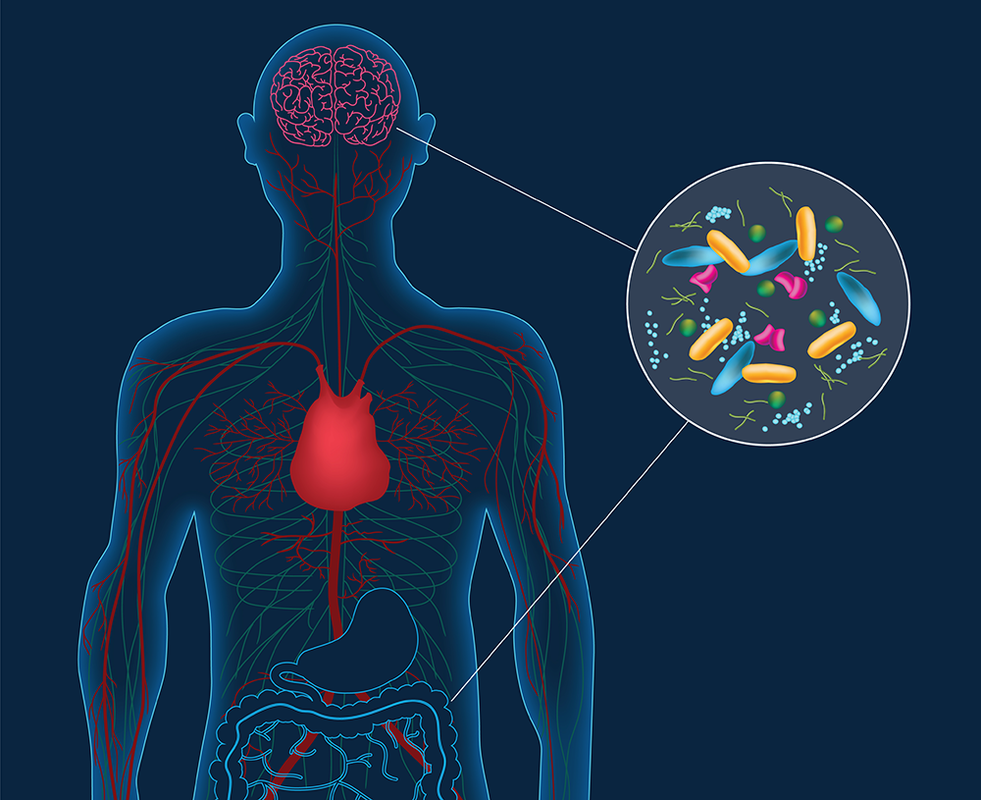
The human microbiome encompasses a vast array of bacteria, viruses, fungi, and other microorganisms that reside predominantly in the gut but are also found on the skin, in the mouth, and other body parts. The gut microbiome, in particular, has been the focus of extensive research due to its profound impact on health. These microorganisms form a complex ecosystem that interacts with our body in numerous ways, influencing digestion, immunity, and even mental health.

How the Microbiome Influences Overall Health
Picture by: Yandex.com

Digestive Health

One of the most well-known roles of the gut microbiome is in digestion. The microbiome aids in breaking down complex carbohydrates, fibers, and other substances that the human digestive system alone cannot process efficiently. Fermentation of these substances by gut bacteria produces short-chain fatty acids (SCFAs), which are essential for maintaining the health of the intestinal lining and serving as an energy source for colon cells.

Moreover, the gut microbiome helps synthesize essential vitamins, such as vitamin K and certain B vitamins, which are crucial for various bodily functions. An imbalance in the gut microbiota, often referred to as dysbiosis, can lead to digestive disorders such as irritable bowel syndrome (IBS), inflammatory bowel disease (IBD), and even contribute to the development of colorectal cancer.

Immune System Modulation

The gut microbiome plays a pivotal role in modulating the immune system. It acts as a barrier against pathogenic bacteria by competing for nutrients and attachment sites, thereby preventing infections. The microbiome also communicates with the immune system, training it to distinguish between harmful and harmless entities.

Research has shown that a healthy microbiome can enhance the efficacy of the immune response, reducing the risk of infections and autoimmune diseases. Conversely, dysbiosis has been linked to a range of immune-related conditions, including allergies, asthma, and autoimmune diseases like rheumatoid arthritis and multiple sclerosis.

Mental Health and the Gut-Brain Axis

The concept of the gut-brain axis highlights the bidirectional communication between the gut microbiome and the central nervous system. This connection is facilitated by the vagus nerve, immune signaling, and the production of neurotransmitters and metabolites by gut bacteria.

Studies have demonstrated that the gut microbiome can influence mood, behavior, and cognitive functions. For instance, certain strains of gut bacteria are involved in the production of serotonin, a neurotransmitter that regulates mood and anxiety. Dysbiosis has been associated with mental health disorders such as depression, anxiety, and even neurodegenerative diseases like Alzheimer’s.

How the Microbiome Influences Overall Health
Picture by: Yandex.com

Metabolic Health

The microbiome also plays a significant role in metabolic health. It influences the body’s ability to extract energy from food, regulate fat storage, and maintain glucose homeostasis. An imbalance in gut bacteria has been linked to metabolic disorders such as obesity, type 2 diabetes, and metabolic syndrome.

Research indicates that individuals with obesity often have a less diverse gut microbiome compared to lean individuals. Specific bacterial compositions have been associated with increased fat storage and inflammation, contributing to metabolic dysregulation. Modulating the gut microbiome through diet, probiotics, and prebiotics has shown promise in improving metabolic health and aiding weight management.

Cardiovascular Health

Emerging evidence suggests that the gut microbiome also impacts cardiovascular health. Certain gut bacteria produce metabolites such as trimethylamine-N-oxide (TMAO), which has been linked to an increased risk of atherosclerosis and cardiovascular diseases. Conversely, SCFAs produced by beneficial gut bacteria have anti-inflammatory properties and can help lower blood pressure.

Maintaining a healthy gut microbiome through a balanced diet rich in fibers, fruits, and vegetables can potentially reduce the risk of cardiovascular diseases. Probiotics and prebiotics are also being explored as therapeutic options to modulate the gut microbiome for cardiovascular health benefits.

Strategies to Support a Healthy Microbiome

Given the profound impact of the microbiome on overall health, it is essential to adopt strategies that support a healthy microbial balance. Here are some evidence-based recommendations:

Diet: A diverse diet rich in plant-based foods, fibers, and fermented products can promote a healthy microbiome. Foods such as yogurt, kefir, sauerkraut, and kimchi contain beneficial probiotics.

Prebiotics and Probiotics: Prebiotics are non-digestible fibers that nourish beneficial gut bacteria, while probiotics are live microorganisms that confer health benefits. Incorporating both into the diet can enhance gut health.

Avoiding Antibiotic Overuse: Antibiotics can disrupt the gut microbiome by killing beneficial bacteria. Use antibiotics only when prescribed and necessary.

Regular Exercise: Physical activity has been shown to increase microbial diversity and promote the growth of beneficial bacteria.

Stress Management: Chronic stress can negatively impact the gut microbiome. Practices such as mindfulness, meditation, and adequate sleep can help maintain microbial balance.

Conclusion

The microbiome is a vital component of our overall health, influencing everything from digestion and immunity to mental and cardiovascular health. Understanding the complex interplay between our body and its microbial inhabitants opens new avenues for therapeutic interventions and lifestyle modifications aimed at promoting health and preventing disease. As research continues to unravel the mysteries of the microbiome, it is becoming increasingly clear that nurturing our microbial partners is essential for maintaining optimal health.

By adopting a holistic approach that includes a balanced diet, regular exercise, stress management, and mindful use of antibiotics, we can support a healthy microbiome and, in turn, enhance our overall well-being.

The modern healthcare landscape is undergoing a significant transformation driven by the urgent need for sustainability. Sustainable healthcare aims to balance patient care quality, economic viability, and environmental responsibility. This article explores the latest innovations and challenges in achieving sustainable healthcare, focusing on key areas such as green technologies, resource efficiency, and policy frameworks.

Innovations in Sustainable Healthcare

Green Technologies

One of the most promising avenues for sustainable healthcare is the adoption of green technologies. These innovations not only reduce the environmental footprint of healthcare facilities but also improve operational efficiency. For example, the integration of renewable energy sources such as solar panels and wind turbines in hospital infrastructure can significantly cut down on carbon emissions and energy costs. Additionally, energy-efficient lighting, heating, and cooling systems are being increasingly adopted to further reduce energy consumption.

Telemedicine and Digital Health

Telemedicine and digital health platforms have revolutionized the way healthcare services are delivered. By minimizing the need for physical visits, these technologies reduce the carbon footprint associated with patient and staff transportation. Moreover, digital health records and e-prescriptions reduce paper waste and streamline administrative processes. The advent of artificial intelligence (AI) and machine learning (ML) in diagnostics and treatment planning also promises to enhance the efficiency and accuracy of medical care, thereby reducing resource wastage.

Sustainable Healthcare: Green Tech, Efficiency, and Challenges
Picture by: Yandex.com

Waste Management

Effective waste management is critical for sustainable healthcare. Innovations in this area include the development of biodegradable medical supplies and advanced recycling methods. Autoclaving and microwave treatments are being used to sterilize and recycle medical waste, thereby reducing landfill use. Additionally, hospitals are increasingly adopting practices to minimize pharmaceutical waste, such as using precise dosing systems and implementing take-back programs for unused medications.

Resource Efficiency

Water Conservation

Water is a vital resource in healthcare settings, used for sanitation, sterilization, and patient care. Innovations in water conservation, such as low-flow faucets and fixtures, water-efficient sterilization equipment, and greywater recycling systems, are being implemented to reduce water usage. These technologies not only conserve water but also reduce the energy required for water heating and treatment.

Sustainable Healthcare: Green Tech, Efficiency, and Challenges
Picture by: Yandex.com

Supply Chain Management

Efficient supply chain management is another critical component of sustainable healthcare. By optimizing procurement processes and adopting just-in-time inventory systems, healthcare facilities can minimize waste and reduce storage costs. Furthermore, sourcing materials and products from local suppliers can lower transportation emissions and support local economies. The use of sustainable packaging materials and the implementation of circular economy principles in the supply chain also contribute to resource efficiency.

Policy Frameworks and Challenges

Regulatory Compliance

Achieving sustainable healthcare requires a robust policy framework that enforces regulatory compliance. Governments and healthcare organizations must collaborate to establish standards and guidelines for sustainable practices. Policies should incentivize the adoption of green technologies, waste management practices, and resource-efficient systems. Additionally, regulatory bodies must ensure that healthcare providers comply with these standards through regular audits and assessments.

Financial Constraints

One of the most significant challenges in implementing sustainable healthcare practices is the financial investment required. While green technologies and efficient systems can lead to long-term savings, the initial costs can be prohibitive for many healthcare facilities. Securing funding and financial incentives from government bodies, private investors, and international organizations is crucial to overcoming this barrier. Additionally, healthcare facilities can explore public-private partnerships to share the financial burden and risks associated with sustainable initiatives.

Sustainable Healthcare: Green Tech, Efficiency, and Challenges
Picture by: Yandex.com

Cultural and Behavioral Change

Sustainable healthcare is not solely dependent on technological and policy innovations; it also requires a cultural and behavioral shift among healthcare providers and patients. Educating healthcare professionals about the importance of sustainability and training them in sustainable practices is essential. Moreover, raising awareness among patients about the environmental impact of healthcare services can encourage more sustainable behaviors, such as opting for telemedicine consultations when appropriate and participating in medication take-back programs.

Data and Metrics

Accurate data and metrics are vital for measuring the impact of sustainable healthcare initiatives. Healthcare facilities must implement robust data collection and analysis systems to track their environmental footprint, resource usage, and waste generation. This data can inform decision-making, identify areas for improvement, and demonstrate the effectiveness of sustainable practices. Additionally, transparent reporting and benchmarking against industry standards can drive competition and innovation in sustainability.

Conclusion

Sustainable healthcare is an evolving paradigm that seeks to harmonize patient care, economic viability, and environmental responsibility. Innovations in green technologies, resource efficiency, and waste management are paving the way for more sustainable healthcare systems. However, significant challenges remain, including financial constraints, regulatory compliance, and the need for cultural and behavioral change. By addressing these challenges through collaborative efforts and robust policy frameworks, the healthcare sector can make substantial strides towards sustainability, ultimately benefiting both current and future generations.

The COVID-19 pandemic has been a wake-up call for the world, exposing vulnerabilities in global health systems and revealing the critical need for better preparedness. As we reflect on the events of the past few years, it is essential to assess the lessons learned and identify strategies to enhance global pandemic preparedness. This article will explore key aspects of pandemic preparedness, including early detection, international cooperation, healthcare infrastructure, and public communication.

Early Detection and Surveillance

One of the most significant lessons from the COVID-19 pandemic is the importance of early detection and surveillance. The speed at which a virus can spread highlights the necessity for robust monitoring systems. Countries with well-established surveillance mechanisms were able to identify and respond to COVID-19 more effectively. For instance, South Korea’s extensive testing and contact tracing efforts were instrumental in controlling the virus’s spread early on.

Investing in advanced technologies such as artificial intelligence (AI) and big data analytics can enhance early detection capabilities. AI-driven models can predict outbreaks by analyzing patterns in real-time data, while big data can help track the spread of diseases more accurately. Strengthening global networks for disease surveillance and encouraging transparency in reporting are also crucial steps toward improving early detection.

International Cooperation

The COVID-19 pandemic underscored the importance of international cooperation in addressing global health crises. Viruses do not respect borders, and a coordinated global response is essential to mitigate their impact. The World Health Organization (WHO) played a pivotal role in providing guidance and coordinating efforts, but the pandemic also revealed gaps in international collaboration.

Moving forward, strengthening international health regulations and fostering partnerships between countries will be vital. Sharing information, resources, and expertise can help countries respond more effectively to pandemics. Initiatives like the COVAX facility, which aims to ensure equitable access to vaccines, demonstrate the power of global solidarity in combating health crises.

Healthcare Infrastructure

The pandemic exposed significant weaknesses in healthcare infrastructure worldwide. Many countries faced shortages of essential supplies, including personal protective equipment (PPE), ventilators, and hospital beds. Healthcare workers were overwhelmed, and health systems struggled to cope with the surge in patients.

Investing in resilient healthcare infrastructure is crucial for future pandemic preparedness. This includes increasing the capacity of healthcare facilities, ensuring adequate stockpiles of essential supplies, and investing in training and support for healthcare workers. Strengthening primary healthcare systems can also help manage the burden of pandemics by providing timely and accessible care to affected populations.

COVID-19 Resurgence: New Variants and Vaccine Updates
Image by : Yandex

Vaccine Development and Distribution

The rapid development of COVID-19 vaccines was a remarkable scientific achievement, but the distribution process highlighted significant challenges. Inequities in vaccine access were stark, with wealthier nations securing the majority of doses while many low- and middle-income countries struggled to obtain vaccines.

To address these disparities, it is essential to invest in global vaccine manufacturing and distribution capabilities. Supporting initiatives that promote technology transfer and local production can help ensure that vaccines are accessible to all. Additionally, fostering public trust in vaccines through transparent communication and addressing vaccine hesitancy are critical components of successful vaccination campaigns.

Public Communication and Trust

Effective public communication is a cornerstone of pandemic preparedness. The COVID-19 pandemic demonstrated the importance of clear, accurate, and timely information in managing public health crises. Misinformation and conflicting messages can undermine public trust and hinder response efforts.

Governments and health organizations must prioritize transparent communication and engage with communities to build trust. Utilizing multiple channels, including social media, traditional media, and community networks, can help reach diverse audiences. Public health campaigns should be culturally sensitive and tailored to address the specific needs and concerns of different populations.

Research and Innovation

The pandemic spurred unprecedented levels of research and innovation, leading to breakthroughs in diagnostics, treatments, and vaccines. However, it also highlighted the need for sustained investment in research and development (R&D) to prepare for future pandemics.

Encouraging collaboration between academia, industry, and government can accelerate the development of new technologies and solutions. Establishing global research networks and funding mechanisms dedicated to pandemic preparedness can ensure that the world is better equipped to respond to emerging threats. Additionally, promoting open access to research data and findings can facilitate knowledge sharing and drive innovation.

Addressing Social Determinants of Health

The COVID-19 pandemic brought to light the significant impact of social determinants of health on pandemic outcomes. Factors such as income, education, housing, and access to healthcare influence individuals’ vulnerability to infectious diseases. Marginalized and disadvantaged populations were disproportionately affected by the pandemic, exacerbating existing health inequities.

Addressing social determinants of health is essential for building resilient communities and improving pandemic preparedness. Policies that promote social equity, access to healthcare, and economic support can help mitigate the impact of future pandemics on vulnerable populations. Integrating social determinants of health into public health strategies can lead to more comprehensive and effective responses.

Conclusion

The COVID-19 pandemic has provided valuable lessons in global pandemic preparedness. Early detection and surveillance, international cooperation, healthcare infrastructure, vaccine development and distribution, public communication, research and innovation, and addressing social determinants of health are critical components of a robust preparedness strategy. By learning from the past and investing in these areas, the world can better prepare for and respond to future pandemics, ultimately safeguarding global health and well-being.

The gig economy, characterized by flexible, short-term, and freelance work arrangements, has undergone significant transformation over the past few decades. This evolution has been driven by technological advancements, shifting economic landscapes, and changing societal attitudes towards work. In this article, we will explore the origins, growth, and future prospects of the gig economy, providing an informative overview of this dynamic and increasingly prevalent sector.

Origins and Early Development

The concept of gig work is not entirely new. Historically, many professions operated on a freelance basis, including musicians, artists, and craftsmen. However, the modern gig economy began to take shape in the late 20th century, coinciding with the rise of the internet and digital technologies.

In the 1990s, the advent of the World Wide Web and the proliferation of personal computers created new opportunities for remote work and freelance projects. Websites like Craigslist and eBay emerged as early platforms where individuals could offer services or sell goods on a temporary basis. This period marked the beginning of a shift towards a more flexible and decentralized workforce.

The Rise of Digital Platforms

The true catalyst for the gig economy’s rapid expansion came with the development of digital platforms designed specifically to connect freelancers with clients. Companies like Upwork (formerly Elance-oDesk), TaskRabbit, and Fiverr revolutionized the way people found and performed gig work. These platforms provided a streamlined process for matching workers with short-term assignments, often leveraging user reviews and ratings to build trust and credibility.

The launch of ride-sharing services like Uber and Lyft in the early 2010s further accelerated the gig economy’s growth. These platforms not only offered a new way for individuals to earn money but also demonstrated the potential for gig work to disrupt traditional industries. The success of Uber and Lyft inspired a wave of innovation, leading to the creation of similar on-demand services in various sectors, including food delivery (e.g., DoorDash, Grubhub) and home services (e.g., Handy, Thumbtack).

Economic Factors and Workforce Demographics

Several economic factors have contributed to the gig economy’s expansion. The 2008 financial crisis, for example, resulted in widespread job losses and economic uncertainty, prompting many individuals to seek alternative sources of income. Gig work provided a viable solution for those in need of immediate employment, as well as for individuals looking to supplement their primary income.

Additionally, the gig economy has attracted a diverse range of workers. Millennials and Generation Z, in particular, have shown a strong preference for flexible work arrangements that allow for greater autonomy and work-life balance. This trend has been further amplified by the COVID-19 pandemic, which forced many people to reconsider traditional employment models and explore remote and freelance opportunities.

The Evolution of the Gig Economy
Picture by: Yandex.com

Technological Advancements

Technological advancements have played a crucial role in shaping the gig economy. The proliferation of smartphones and mobile apps has made it easier than ever for individuals to access gig work opportunities. Gig workers can now find, accept, and complete assignments with just a few taps on their devices.

Moreover, advancements in artificial intelligence (AI) and machine learning have enabled gig platforms to optimize their matching algorithms, ensuring that workers are paired with tasks that align with their skills and preferences. These technologies have also facilitated more efficient payment processing, dispute resolution, and performance tracking, enhancing the overall user experience for both workers and clients.

Challenges and Criticisms

Despite its many benefits, the gig economy has faced criticism and challenges. One of the primary concerns is the lack of job security and benefits for gig workers. Unlike traditional employees, gig workers typically do not receive health insurance, retirement plans, or paid leave. This has raised questions about the long-term sustainability of gig work and the potential for worker exploitation.

In response to these concerns, some governments and regulatory bodies have begun to implement measures aimed at protecting gig workers. For example, California’s Assembly Bill 5 (AB5) sought to reclassify certain gig workers as employees rather than independent contractors, thereby entitling them to additional benefits and protections. However, the implementation of such regulations has been met with resistance from gig companies, highlighting the ongoing debate over the classification and rights of gig workers.

The Future of the Gig Economy

Looking ahead, the gig economy is poised for continued growth and evolution. Several trends and developments are likely to shape its future trajectory:

  1. Increased Regulation: As the gig economy becomes more entrenched, governments around the world are likely to introduce more comprehensive regulations to protect gig workers’ rights. This may include measures to ensure fair wages, access to benefits, and protections against unfair termination.
  2. Technological Innovations: Advances in technology will continue to drive the gig economy’s evolution. AI and machine learning will play an increasingly important role in optimizing gig platforms, while blockchain technology may offer new solutions for secure and transparent payment processing.
  3. Industry Diversification: While the gig economy has traditionally been associated with sectors like transportation and delivery, it is likely to expand into new industries. Professional services, healthcare, and education are among the sectors that may see increased gig work opportunities in the coming years.
  4. Worker Empowerment: As gig workers become more organized and vocal, we can expect to see greater efforts to improve working conditions and ensure fair treatment. Worker cooperatives, unions, and advocacy groups will play a key role in driving these changes.
  5. Hybrid Work Models: The lines between traditional employment and gig work may continue to blur, with more companies adopting hybrid work models that combine elements of both. This could lead to new opportunities for workers to enjoy the benefits of flexibility while still accessing some level of job security and benefits.

Conclusion

The gig economy has come a long way since its early days, evolving into a significant and influential component of the modern labor market. While it offers numerous advantages, including flexibility and autonomy, it also presents challenges that must be addressed to ensure fair and sustainable working conditions. As technology continues to advance and societal attitudes towards work evolve, the gig economy is likely to undergo further transformation, shaping the future of work in ways we can only begin to imagine.

The landscape of healthcare has undergone a seismic shift in recent years, driven by technological advancements and societal needs. Telehealth, once a niche service, has emerged as a cornerstone of modern healthcare delivery. As we look ahead to 2024, several emerging trends are poised to redefine the telehealth ecosystem. These trends are not just technological innovations but also reflect broader shifts in healthcare policy, patient expectations, and the global healthcare market.

Integration of Artificial Intelligence and Machine Learning

Artificial Intelligence (AI) and Machine Learning (ML) are set to revolutionize telehealth in 2024. AI-driven diagnostic tools are becoming increasingly sophisticated, enabling healthcare providers to offer more accurate and timely diagnoses. Machine learning algorithms can analyze vast amounts of patient data to identify patterns and predict health outcomes, allowing for more personalized care plans.

For instance, AI can assist in triaging patients by analyzing symptoms and medical history to determine the urgency of care needed. This not only improves efficiency but also ensures that patients receive the appropriate level of care promptly. Moreover, AI-powered chatbots are being integrated into telehealth platforms to provide 24/7 support, answering patient queries and guiding them through the initial stages of medical consultation.

Expansion of Remote Patient Monitoring

Remote Patient Monitoring (RPM) is another trend gaining traction. With the proliferation of wearable devices and IoT-enabled health gadgets, continuous monitoring of vital signs such as heart rate, blood pressure, and glucose levels has become feasible. These devices transmit real-time data to healthcare providers, enabling continuous monitoring and timely interventions.

RPM is particularly beneficial for managing chronic conditions like diabetes, hypertension, and heart disease. It reduces the need for frequent in-person visits, thereby enhancing patient convenience and reducing healthcare costs. In 2024, we can expect to see more advanced RPM systems that integrate seamlessly with telehealth platforms, providing a holistic view of patient health.

Enhanced Cybersecurity Measures

As telehealth becomes more prevalent, the need for robust cybersecurity measures cannot be overstated. The healthcare sector is a prime target for cyberattacks, and the increasing volume of digital health data makes it even more vulnerable. In 2024, we anticipate significant advancements in cybersecurity protocols to protect patient data and ensure compliance with regulations such as HIPAA and GDPR.

Blockchain technology is emerging as a potential solution for securing health data. By creating an immutable ledger of patient records, blockchain can enhance data integrity and prevent unauthorized access. Additionally, multi-factor authentication and end-to-end encryption are becoming standard practices to safeguard telehealth platforms.

Telehealth for Mental Health Services

The demand for mental health services has surged in recent years, and telehealth has played a crucial role in meeting this need. In 2024, telehealth for mental health services is expected to expand further, driven by the convenience and accessibility it offers. Virtual therapy sessions, online support groups, and digital mental health resources are becoming more sophisticated and widely available.

Telehealth platforms are incorporating features such as virtual reality (VR) and augmented reality (AR) to enhance mental health treatments. For example, VR can be used for exposure therapy to treat anxiety disorders, while AR can provide interactive tools for cognitive behavioral therapy. These innovations are making mental health services more engaging and effective.

Telehealth Revolution: Top Trends for 2024
Picture by: Yandex.com

Regulatory Changes and Reimbursement Policies

Regulatory frameworks and reimbursement policies are critical factors influencing the growth of telehealth. In 2024, we expect to see more favorable policies that promote the adoption of telehealth services. Governments and healthcare organizations are recognizing the value of telehealth in improving access to care and reducing healthcare disparities.

Reimbursement policies are likely to become more inclusive, covering a broader range of telehealth services. This will encourage healthcare providers to invest in telehealth infrastructure and expand their service offerings. Additionally, cross-state licensing for telehealth providers is expected to become more streamlined, allowing for greater flexibility and reach.

Integration with Electronic Health Records (EHR)

The seamless integration of telehealth platforms with Electronic Health Records (EHR) systems is another trend to watch in 2024. This integration enables healthcare providers to access comprehensive patient histories during virtual consultations, leading to more informed decision-making. It also facilitates better coordination of care, as all members of the healthcare team can access and update patient records in real-time.

Interoperability standards are being developed to ensure that telehealth platforms can communicate effectively with various EHR systems. This will enhance the continuity of care and improve patient outcomes. Moreover, integrated EHR systems can streamline administrative processes, reducing the burden on healthcare providers and improving efficiency.

Expansion of Telehealth in Rural and Underserved Areas

Telehealth has the potential to bridge the gap in healthcare access for rural and underserved populations. In 2024, efforts to expand telehealth services in these areas are expected to intensify. Governments and healthcare organizations are investing in telehealth infrastructure, such as high-speed internet and telehealth kiosks, to ensure that remote communities can access quality healthcare.

Mobile health units equipped with telehealth capabilities are also being deployed to reach patients in remote locations. These units can provide a range of services, from primary care consultations to specialized treatments, thereby addressing healthcare disparities and improving health outcomes in underserved areas.

Conclusion

The future of telehealth is bright, with emerging trends in 2024 set to transform the way healthcare is delivered. The integration of AI and machine learning, expansion of remote patient monitoring, enhanced cybersecurity measures, and advancements in telehealth for mental health services are just a few of the developments to watch. Additionally, regulatory changes, EHR integration, and efforts to expand telehealth in rural and underserved areas will play a crucial role in shaping the telehealth landscape.

As telehealth continues to evolve, it promises to enhance patient care, improve access to healthcare services, and drive efficiencies in the healthcare system. Healthcare providers, policymakers, and technology developers must collaborate to harness the full potential of telehealth and ensure that its benefits are realized by all.

The COVID-19 pandemic has not only been a public health crisis of unprecedented scale and scope but has also exacerbated existing global health inequalities, laying bare the deep disparities in healthcare access and outcomes across different regions and demographics. This article explores the multifaceted ways in which the pandemic has intensified health inequalities, focusing on access to healthcare, economic impacts, and the differential effects on vulnerable populations.

Disparities in Healthcare Access

One of the most glaring manifestations of health inequality during the COVID-19 pandemic has been the unequal access to healthcare services. Wealthier countries and individuals have had better access to medical resources, including testing, personal protective equipment (PPE), ventilators, and later, vaccines. For instance, high-income countries, which represent only a fraction of the global population, secured the majority of the world’s vaccine supply early in the pandemic, leaving low- and middle-income countries to face severe shortages.

This disparity was not just international but also occurred within countries. In the United States, for example, there were significant discrepancies in COVID-19 testing availability and healthcare access among different racial and socioeconomic groups. Communities of color and economically disadvantaged areas experienced higher rates of infections and mortality, underscoring longstanding inequalities in the American healthcare system.

Economic Impacts and Health Outcomes

The economic fallout from the pandemic has been another critical driver of worsened health inequalities. Lockdowns and other restrictions, essential for controlling the spread of the virus, led to a significant economic downturn globally. Job losses and reduced incomes were more prevalent among low-wage workers, many of whom are from marginalized communities and developing countries.

The economic strain has had direct and indirect effects on health outcomes. Financial instability can lead to reduced access to nutritious food, safe housing, and healthcare services, all of which are crucial for maintaining health. Moreover, the stress associated with economic insecurity can exacerbate mental and physical health conditions. In developing countries, the economic shocks from the pandemic have threatened to reverse decades of progress in health metrics, such as reducing maternal and child mortality rates.

Impact on Vulnerable Populations

The pandemic has disproportionately affected various vulnerable groups, highlighting and intensifying pre-existing health disparities. For example, elderly individuals, particularly those in nursing homes, have been at a higher risk of severe illness and death from COVID-19. Similarly, people with pre-existing health conditions, such as diabetes and heart disease, have faced greater risks during the pandemic.

COVID-19: A Catalyst for Worsening Global Health Inequalitie
Picture by: Yandex.com

Furthermore, the impact on mental health has been profound across the globe, with increases in anxiety, depression, and other mental health disorders. However, access to mental health services has been uneven, with significant gaps in care in lower-income areas and countries.

Indigenous communities and other ethnic minorities have also suffered disproportionately due to several factors, including limited access to healthcare services, higher rates of comorbid conditions, and systemic discrimination. Similarly, migrants and refugees have faced unique challenges, from crowded living conditions that do not allow for effective social distancing to barriers in accessing healthcare and financial support.

Global Response and Future Directions

The global response to these exacerbated health inequalities must be multifaceted. It requires strengthening health systems, improving access to healthcare, and ensuring that economic recovery programs are inclusive and equitable. International cooperation is crucial in ensuring that vaccines and treatments are distributed fairly across the globe. The COVAX initiative, aimed at providing equitable access to COVID-19 vaccines, is a step in the right direction, but more efforts are needed to address the vast disparities that still exist.

Moreover, policies must also focus on the social determinants of health, such as education, employment, and housing, to tackle the root causes of health disparities. Investing in public health infrastructure, particularly in underserved areas, will be essential for preparing for future health crises and ensuring that all populations can access the care they need.

Conclusion

The COVID-19 pandemic has highlighted and exacerbated global health inequalities, revealing a stark divide in health access and outcomes based on geography, income, race, and other factors. Addressing these disparities requires a concerted global effort to ensure equitable access to healthcare resources, address the social determinants of health, and build resilient health systems capable of withstanding future crises. Only through such comprehensive and inclusive approaches can we hope to achieve better health outcomes for all, irrespective of their socio-economic status or geographical location.

Introduction

Telemedicine plays a crucial role in improving patient-doctor communication through various channels. From video conferencing to mobile apps, texting, and email, telemedicine offers a range of tools that enhance communication and streamline the healthcare process for both patients and healthcare providers.

Video conferencing is one of the key ways telemedicine enhances doctor-patient communication. Through virtual consultations, patients can connect with their healthcare providers from the comfort of their own homes, saving time and eliminating the need for travel. This not only improves accessibility for patients in remote areas but also offers convenience and time-saving benefits for all individuals involved.

Mobile apps have also revolutionized the way patients access their medical records and information. With just a few taps on their smartphones, patients can securely view their health data, test results, and treatment plans, empowering them to take an active role in their healthcare journey. This easy access to information fosters transparency and trust between patients and doctors.

Texting and email have become efficient communication tools in the realm of telemedicine. Patients can easily reach out to their healthcare providers with questions, concerns, or updates, receiving timely responses that help them stay informed and engaged in their care. These channels of communication streamline the healthcare process, ensuring that important information is shared in a timely manner.

Virtual consultations offer convenience and time-saving benefits for patients, allowing them to receive medical advice and treatment without the need to visit a physical clinic. This not only saves patients time and money but also reduces the burden on healthcare facilities, making it easier for patients to access the care they need.

Enhanced patient education through telemedicine platforms

Telemedicine platforms play a crucial role in enhancing patient education and engagement. Virtual consultations provide patients with easy access to healthcare providers, regardless of their location. This is particularly beneficial for individuals in remote areas who may have limited access to medical services.

Through video conferencing and mobile apps, patients can receive personalized education about their conditions, treatment options, and preventive care measures. This interactive approach to healthcare empowers patients to make informed decisions about their health and well-being, leading to better outcomes and improved quality of life.

Efficiency in communication is another key benefit of telemedicine platforms. With the ability to text or email their healthcare providers, patients can quickly and easily share information, ask questions, or request appointments. This streamlined communication process ensures that patients receive the care they need in a timely manner, improving overall satisfaction and engagement.

Telemedicine platforms provide convenience for both patients and doctors, allowing for flexible scheduling, easy access to medical records, and efficient communication. By leveraging these tools, healthcare providers can deliver high-quality care that is tailored to the individual needs and preferences of each patient, leading to better health outcomes and improved patient satisfaction.

The Role of Telemedicine in Improving Patient-Doctor Communication
Picture by: Dalle

Utilizing telemedicine for chronic disease management

Telemedicine plays a crucial role in chronic disease management, offering virtual consultations with healthcare providers that can help patients better manage their conditions. Through mobile apps, patients can easily access their medical records, track their symptoms, and communicate with their healthcare team, leading to improved outcomes and quality of life.

Video conferencing enhances communication between patients and doctors, allowing for real-time interactions that can help healthcare providers monitor patients’ progress, adjust treatment plans, and provide ongoing support. This personalized approach to care ensures that patients receive the attention and guidance they need to effectively manage their chronic conditions.

Texting and email provide additional benefits for patients with chronic diseases, allowing for efficient communication that can help patients stay on track with their treatment plans, medications, and lifestyle modifications. By leveraging these communication channels, healthcare providers can offer ongoing support and guidance that empowers patients to take control of their health and well-being.

Overall, telemedicine offers a comprehensive approach to chronic disease management that combines virtual consultations, mobile apps, video conferencing, and messaging tools to improve patient outcomes and enhance the patient experience.

Remote consultations for mental health services

Telemedicine has revolutionized the delivery of mental health services, offering remote consultations that provide convenience and accessibility for patients. Through virtual consultations, patients can connect with mental health professionals from the comfort of their own homes, eliminating barriers to care and ensuring that individuals receive the support they need.

Video conferencing enhances communication between patients and mental health providers, allowing for real-time interactions that can help providers assess patients’ mental health status, provide counseling and therapy, and monitor progress over time. This personalized approach to care ensures that patients receive the support and guidance they need to improve their mental well-being.

Mobile apps provide easy access to medical records and information, allowing patients to track their symptoms, monitor their progress, and access resources and tools that can support their mental health journey. By leveraging these digital tools, patients can take an active role in their treatment and recovery, leading to better outcomes and improved quality of life.

Texting and email offer additional benefits for patients seeking mental health services, providing efficient communication channels that can help patients stay connected with their providers, share updates, and access support in times of need. These communication tools streamline the delivery of care, ensuring that patients receive timely and effective support for their mental health concerns.

Overall, telemedicine offers a comprehensive approach to mental health services that combines remote consultations, video conferencing, mobile apps, and messaging tools to improve patient outcomes and enhance the patient experience.

The Role of Telemedicine in Improving Patient-Doctor Communication
Picture by: Dalle

Telemedicine as a tool for preventive care

Telemedicine plays a crucial role in preventive care, offering virtual consultations with healthcare providers that can help patients stay healthy and proactive about their well-being. Through mobile apps, patients can easily access their medical records, track their preventive screenings, and communicate with their healthcare team, leading to improved health outcomes and early detection of potential health issues.

Video conferencing enhances patient-doctor communication for preventive care, allowing for real-time interactions that can help healthcare providers assess patients’ risk factors, provide personalized recommendations, and monitor progress over time. This personalized approach to care ensures that patients receive the guidance and support they need to stay healthy and prevent future health problems.

Texting and email options increase efficiency and convenience for patients seeking preventive care, providing easy communication channels that can help patients stay on track with their preventive screenings, vaccinations, and lifestyle modifications. By leveraging these digital tools, healthcare providers can offer ongoing support and guidance that empowers patients to take control of their health and well-being.

Overall, telemedicine offers a comprehensive approach to preventive care that combines virtual consultations, mobile apps, video conferencing, and messaging tools to improve patient outcomes and promote a proactive approach to health and wellness.

Improved communication between healthcare providers and patients

Telemedicine enhances communication between healthcare providers and patients, offering virtual consultations that can help patients access care and support in a timely manner. Through mobile apps, patients can easily access their medical records, communicate with their healthcare team, and stay informed about their treatment plans, leading to improved outcomes and patient satisfaction.

Video conferencing provides efficient and convenient patient-doctor interactions, allowing for real-time communication that can help healthcare providers assess patients’ needs, provide guidance and support, and monitor progress over time. This personalized approach to care ensures that patients receive the attention and care they need to stay healthy and engaged in their treatment.

Texting and email options improve accessibility and communication between appointments, providing patients with easy channels to reach out to their healthcare providers, ask questions, or share updates. By leveraging these communication tools, healthcare providers can offer ongoing support and guidance that empowers patients to take an active role in their care and well-being.

Overall, telemedicine offers a comprehensive approach to communication between healthcare providers and patients that combines virtual consultations, mobile apps, video conferencing, and messaging tools to improve patient outcomes and enhance the patient experience.

Conclusion

In conclusion, telemedicine plays a crucial role in improving patient-doctor communication through virtual consultations, mobile apps, video conferencing, and messaging tools. By leveraging these digital tools, healthcare providers can offer personalized care, improve accessibility to medical records, streamline communication, and enhance the overall patient experience. Telemedicine has the potential to revolutionize the way healthcare is delivered, offering convenience, efficiency, and improved outcomes for patients and healthcare providers alike.

Introduction

Imagine a world where diseases are conquered with unprecedented speed and precision. This isn’t a distant dream anymore; it’s the reality being shaped by artificial intelligence. As a seasoned technology and healthcare enthusiast with a keen eye on the pharmaceutical industry, I’ve witnessed firsthand the transformative power of AI in drug discovery. Let’s delve into the fascinating world where algorithms meet biology and unlock the secrets of life-saving medications.

The Age of AI in Medicine

The convergence of artificial intelligence and healthcare is ushering in a new era of medical breakthroughs. AI’s ability to process vast amounts of data at lightning speed is revolutionizing drug discovery. From identifying potential drug targets to optimizing clinical trials, AI is proving to be an invaluable tool for researchers and pharmaceutical companies.

How AI is Accelerating Drug Discovery

  • Drug Target Identification: AI algorithms can analyze biological data to pinpoint potential drug targets with unprecedented accuracy.
  • Virtual Screening: By simulating the interaction between molecules, AI can rapidly screen millions of compounds to identify promising drug candidates.
  • Drug Design: AI-powered tools can design novel drug molecules with desired properties, accelerating the drug development process.
  • Clinical Trial Optimization: AI can help identify suitable patient populations, predict trial outcomes, and optimize trial design for efficiency.

Overcoming Challenges in Drug Development with AI

Drug development is a complex and costly process. AI is addressing some of the key challenges by:

  • Reducing Failure Rates: By improving target selection and drug design, AI can help reduce the number of failed drug candidates.
  • Speeding Up Time to Market: AI-driven automation and optimization can accelerate the drug development timeline.
  • Lowering Development Costs: By increasing efficiency and reducing trial failures, AI can help lower the overall cost of drug development.
AI Alchemy: Revolutionizing Drug Discovery
Picture by: Google Gemini

Ethical Considerations in AI-Driven Drug Discovery

As with any powerful technology, AI raises ethical concerns. It is crucial to ensure that AI is developed and used responsibly, with a focus on patient safety, data privacy, and accessibility to life-saving treatments.

The Future of AI in Healthcare

The future of AI in healthcare is incredibly promising. As AI technology continues to advance, we can expect to see even more groundbreaking applications in drug discovery, personalized medicine, and disease prevention.

Investing in the Future of Medicine

Investing in AI-driven drug discovery is not just a financial opportunity; it’s an investment in human health. By supporting AI research and development, we can accelerate the pace of medical innovation and improve the lives of millions of people worldwide.

Informative Table

AI Application Benefits Challenges
Drug Target Identification Increased accuracy, faster discovery Data quality and interpretation
Virtual Screening Rapid compound screening, cost-effective Computational resources, false positives
Drug Design Accelerated drug development, improved efficacy Complexity of molecular interactions
Clinical Trial Optimization Improved patient recruitment, faster trial completion Data privacy, ethical considerations

Comparative Table

Traditional Drug Discovery AI-Driven Drug Discovery
Relies on human expertise and intuition Leverages data-driven insights and algorithms
Time-consuming and costly Faster and more efficient
Higher failure rates Increased success rates

Conclusion

AI is not a silver bullet for drug discovery, but it is a powerful tool that is transforming the landscape of pharmaceutical research. By harnessing the power of AI, we can accelerate the development of life-saving treatments and create a healthier future for all.

New Developments in Renewable Energy Storage Solutions

The global shift towards renewable energy is gaining momentum, driven by the urgent need to mitigate climate change and reduce dependency on fossil fuels. However, one of the critical challenges in the widespread adoption of renewable energy sources such as solar and wind is their intermittent nature. This has spurred significant advancements in renewable energy storage solutions, which are essential for ensuring a reliable and stable energy supply. This article delves into the latest developments in renewable energy storage technologies, highlighting key innovations and their potential impact on the energy landscape.

Advanced Battery Technologies

Lithium-Ion Batteries

Lithium-ion batteries have long been the frontrunner in energy storage solutions due to their high energy density, efficiency, and declining costs. Recent advancements have focused on enhancing their performance and safety. Innovations such as solid-state electrolytes are being developed to replace the flammable liquid electrolytes currently used in lithium-ion batteries. Solid-state batteries promise higher energy densities, longer lifespans, and improved safety profiles.

Sodium-Ion Batteries

Sodium-ion batteries are emerging as a promising alternative to lithium-ion batteries, particularly for large-scale energy storage applications. Sodium is more abundant and less expensive than lithium, making sodium-ion batteries a cost-effective solution. Recent research has achieved significant improvements in the energy density and cycle life of sodium-ion batteries, bringing them closer to commercial viability.

Flow Batteries

Flow batteries, such as vanadium redox flow batteries, offer a unique advantage in terms of scalability and longevity. These batteries store energy in liquid electrolytes contained in external tanks, allowing for easy scaling by simply increasing the tank size. Recent developments have focused on improving the energy density and reducing the costs of flow batteries, making them more competitive for grid-scale energy storage.

Hydrogen Storage

Hydrogen is gaining traction as a versatile energy carrier that can store excess renewable energy and provide power when needed. Electrolysis, which uses electricity to split water into hydrogen and oxygen, is a key technology for producing green hydrogen from renewable sources. Recent advancements in electrolyzer technology have significantly improved efficiency and reduced costs, making hydrogen a more viable option for energy storage.

Moreover, new methods for hydrogen storage, such as metal hydrides and liquid organic hydrogen carriers (LOHCs), are being developed to address the challenges of hydrogen’s low energy density and storage complexity. These innovations are paving the way for hydrogen to play a crucial role in the future energy landscape.

New Developments in Renewable Energy Storage Solutions
Picture by: Yandex.com

Thermal Energy Storage

Thermal energy storage (TES) systems store excess heat generated from renewable sources, such as concentrated solar power (CSP) plants, for later use. Recent developments in TES technologies have focused on improving the efficiency and cost-effectiveness of these systems.

Molten Salt Storage

Molten salt storage is a well-established TES technology used in CSP plants. Recent innovations have enhanced the thermal stability and heat transfer properties of molten salts, allowing for higher operating temperatures and improved efficiency. Additionally, research is ongoing to develop new molten salt formulations that are less corrosive and more cost-effective.

Phase Change Materials

Phase change materials (PCMs) are another promising TES solution. PCMs store and release thermal energy during phase transitions, such as melting and solidifying. Recent advancements have focused on developing PCMs with higher energy densities and faster response times. These improvements make PCMs more suitable for a wide range of applications, from residential heating and cooling to industrial processes.

Mechanical Energy Storage

Mechanical energy storage technologies, such as pumped hydro storage and flywheels, offer robust and long-lasting solutions for storing large amounts of energy.

Pumped Hydro Storage

Pumped hydro storage is the most widely used form of energy storage globally. It involves pumping water to a higher elevation during periods of excess energy and releasing it to generate electricity when needed. Recent innovations have focused on improving the efficiency and environmental impact of pumped hydro systems. For example, closed-loop systems that minimize water usage and environmental disruption are being developed.

Flywheel Energy Storage

Flywheel energy storage systems store energy in the form of rotational kinetic energy. Recent advancements in flywheel technology have improved their energy density, efficiency, and durability. High-speed flywheels made from advanced composite materials can now achieve higher rotational speeds and longer lifespans, making them more competitive for grid-scale applications.

Emerging Technologies

Supercapacitors

Supercapacitors, also known as ultracapacitors, offer rapid charging and discharging capabilities, making them ideal for applications requiring short bursts of high power. Recent developments have focused on increasing the energy density of supercapacitors while maintaining their high power density and long cycle life. Innovations in electrode materials, such as graphene and carbon nanotubes, are driving these improvements.

Solid-State Batteries

Solid-state batteries represent a significant leap forward in energy storage technology. By replacing the liquid electrolyte with a solid electrolyte, these batteries offer higher energy densities, improved safety, and longer lifespans. Recent research has made strides in overcoming the challenges associated with solid-state batteries, such as interface stability and manufacturing scalability, bringing them closer to commercial deployment.

Conclusion

The rapid advancements in renewable energy storage solutions are addressing the critical challenge of intermittency associated with renewable energy sources. From advanced battery technologies and hydrogen storage to thermal and mechanical energy storage, these innovations are paving the way for a more reliable and sustainable energy future.

As the world continues to transition towards cleaner energy, the development and deployment of efficient and cost-effective energy storage solutions will play a pivotal role in ensuring a stable and resilient energy system. Continued investment in research and development, along with supportive policies and collaboration across industries, will be essential to unlocking the full potential of these emerging technologies and achieving a sustainable energy future for all.