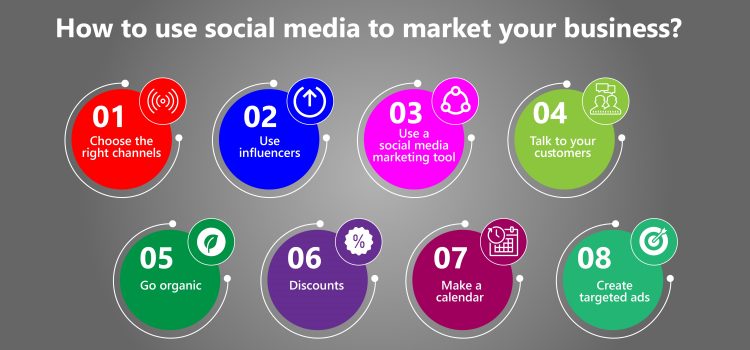
When you hear “SEO,” you might immediately think of Google. But did you know that social media platforms like Facebook, Instagram, and TikTok also use algorithms that you need to understand to reach your target audience? These popular apps have specific rules that marketers need to crack to make their content more visible. Social SEO is all about optimizing your social media pages to fit these rules, helping you gain more followers and increase engagement.
The Impact of Social SEO
In today’s digital world, 77% of businesses are using social media to connect with customers, with 41% even using it as a source of revenue. This isn’t surprising considering that 76% of users have bought at least one thing they saw on social media. Plus, on average, social media drives 16% of website traffic, just a bit less than organic search. Like Google, each social media platform has its own algorithm that determines which posts users see. So, understanding these algorithms is crucial for effective social media marketing.
Social SEO Tips for Instagram
Instagram uses its algorithm to show users the kind of content they like to engage with. Here are some tips to help you master the Instagram algorithm:
1. Find the right hashtags: Choose hashtags that are relevant and have a good balance of usage. Too popular, and you might get drowned out. Too obscure, and no one might see your post.
2. Incorporate keywords naturally: Use relevant terms in your post that signal to the algorithm what your content is about.
3. Identify the best time to post: Use Instagram’s analytics to find out when your audience is most active.
4. Post stories regularly: Daily stories tell Instagram you’re active and ready to engage with your followers.
5. Use Reels: Instagram Reels are becoming increasingly popular and have a higher reach than other types of content.
6. Use location tags: Posts with location tags receive 79% higher engagement than those without.
Benefits of Social SEO:
1. Increased visibility: Optimizing your social media content according to the platform’s algorithm increases your visibility, helping you reach a wider audience.
2. Higher engagement: When your content aligns with what your target audience wants to see, they are more likely to engage with your posts.
Social SEO Tips for Facebook, TikTok, and YouTube
Like Instagram, each social media platform has its own set of rules for content optimization. For Facebook, make sure to optimize your page description and “About” section, and use a vanity URL. For TikTok, hop on trends, use relevant hashtags, add subtitles, and post consistently. For YouTube, use keywords in your video title, description, tags, script, and more, add closed captions, divide your videos into chapters, and create eye-catching thumbnails.
Frequently Asked Questions About Social SEO
You might have some questions about social SEO, like the importance of adding alt text to images (yes, it’s important!), the factors that affect social SEO traffic and engagement, and whether AI-generated captions hurt the searchability of social media posts (they don’t, as long as they sound genuine and high-quality).
Conclusion
Mastering social SEO can seem challenging because each platform has a different algorithm. But with these tips, you’ll be well on your way to growing your social media presence. For a more efficient and timely approach, consider using a social media publishing tool like Sendible.
Benefits of Social SEO:
1. Improved brand recognition: As you optimize your social media presence, more people will recognize and engage with your brand.
2. Increased website traffic: By directing social media users to your website, you can significantly boost your website traffic.
In recent years, social media has become an integral part of daily life for millions of people around the globe. Platforms such as Facebook, Instagram, Twitter, and TikTok have revolutionized the way we communicate, share information, and interact with one another.
While social media has facilitated unprecedented connectivity and information dissemination, its impact on health behaviors is a topic of growing interest and concern among researchers, healthcare professionals, and the general public. This article delves into the multifaceted effects of social media on health behaviors, exploring both its potential benefits and drawbacks.
The Influence of Social Media on Health Awareness and Education
One of the most significant positive impacts of social media on health behaviors is its role in health awareness and education. Social media platforms provide a space for healthcare organizations, professionals, and advocates to share valuable information about various health topics. From public health campaigns to personal health tips, social media can be a powerful tool for educating the public about important health issues.
For instance, during the COVID-19 pandemic, social media played a crucial role in disseminating information about the virus, preventive measures, and vaccination campaigns. Public health agencies utilized platforms like Twitter and Facebook to reach a wide audience quickly, providing timely updates and debunking misinformation. Similarly, social media influencers and content creators have also contributed to health education by sharing their personal experiences and promoting healthy behaviors.
The Role of Social Media in Health Promotion and Behavior Change
Beyond education, social media has the potential to promote positive health behaviors and facilitate behavior change. Health promotion campaigns on social media often leverage the power of social influence, peer support, and community engagement to encourage individuals to adopt healthier lifestyles. For example, fitness challenges, healthy eating initiatives, and mental health awareness campaigns have gained traction on platforms like Instagram and TikTok, motivating users to participate and make healthier choices.
Moreover, social media can serve as a platform for behavior change interventions. Digital health interventions that incorporate social media elements, such as online support groups or interactive health apps, have shown promise in helping individuals manage chronic conditions, quit smoking, or achieve weight loss goals. These interventions often benefit from the sense of community and accountability that social media provides, making it easier for individuals to stay motivated and committed to their health goals.
The Dark Side: Negative Impacts on Health Behaviors
Despite its potential benefits, social media also has several negative impacts on health behaviors. One of the most concerning issues is the spread of misinformation and health-related myths. The viral nature of social media content can lead to the rapid dissemination of false or misleading information, which can have serious consequences for public health. For example, misinformation about vaccines, alternative treatments, or fad diets can influence individuals to make harmful health decisions.
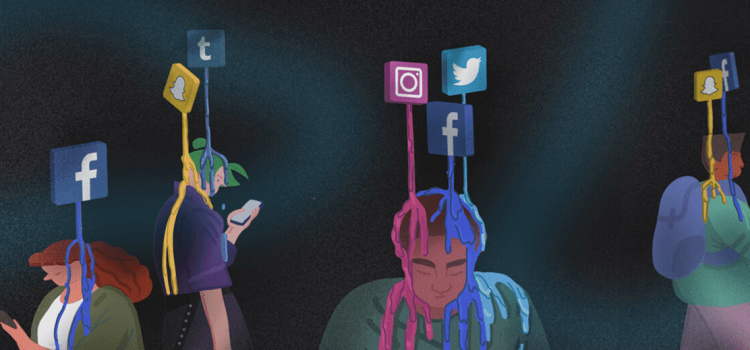
Another negative impact of social media on health behaviors is the promotion of unhealthy body image and lifestyle standards. Platforms like Instagram and TikTok are often criticized for perpetuating unrealistic beauty standards and promoting a culture of comparison. Exposure to idealized images and content can lead to body dissatisfaction, low self-esteem, and unhealthy behaviors such as disordered eating or excessive exercise. Studies have shown that prolonged exposure to such content is associated with an increased risk of developing eating disorders and other mental health issues.
Picture by: Yandex.com
The Impact on Mental Health
The relationship between social media use and mental health is complex and multifaceted. On one hand, social media can provide social support, foster connections, and offer a sense of belonging, which can positively impact mental well-being. Online communities and support groups can be particularly beneficial for individuals dealing with mental health challenges, providing a safe space to share experiences and seek advice.
On the other hand, excessive social media use has been linked to negative mental health outcomes, including anxiety, depression, and loneliness. The constant barrage of information, notifications, and social comparisons can contribute to feelings of stress and inadequacy. Additionally, cyberbullying and online harassment are significant concerns, particularly among adolescents and young adults. These negative experiences can have a profound impact on mental health and overall well-being.
Navigating the Influence of Social Media on Health Behaviors
Given the dual nature of social media’s impact on health behaviors, it is essential to navigate its influence thoughtfully and strategically. Here are some recommendations for individuals and healthcare professionals to harness the positive aspects of social media while mitigating its potential harms:
For Individuals:
Be Critical of Information: Evaluate the credibility of health information on social media. Rely on reputable sources such as healthcare organizations, verified accounts, and evidence-based content.
Limit Screen Time: Set boundaries for social media use to prevent excessive exposure and reduce the risk of negative mental health outcomes. Utilize features such as screen time trackers and app usage limits.
Curate Your Feed: Follow accounts that promote positive health behaviors and provide reliable information. Unfollow or mute accounts that contribute to negative self-image or spread misinformation.
Engage Positively: Use social media to connect with supportive communities, participate in health challenges, and share your own health journey in a constructive manner.
For Healthcare Professionals:
Leverage Social Media for Health Education: Utilize social media platforms to share accurate health information, promote public health campaigns, and engage with the community.
Address Misinformation: Actively counteract misinformation by providing evidence-based responses and directing individuals to credible sources.
Promote Digital Literacy: Educate patients and the public about how to critically evaluate health information on social media and recognize reliable sources.
Support Digital Health Interventions: Explore and recommend digital health interventions that incorporate social media elements to support behavior change and chronic disease management.
Conclusion
The impact of social media on health behaviors is a double-edged sword, offering both opportunities for health promotion and challenges related to misinformation and negative mental health outcomes. By approaching social media use with a critical and informed mindset, individuals can harness its potential benefits while minimizing its risks.
Healthcare professionals also play a crucial role in guiding the public towards positive health behaviors and addressing the challenges posed by social media. As social media continues to evolve, ongoing research and proactive strategies will be essential in optimizing its influence on health behaviors for the betterment of public health.
The Growth of Mind-Body Practices: Integrating Health and Wellness
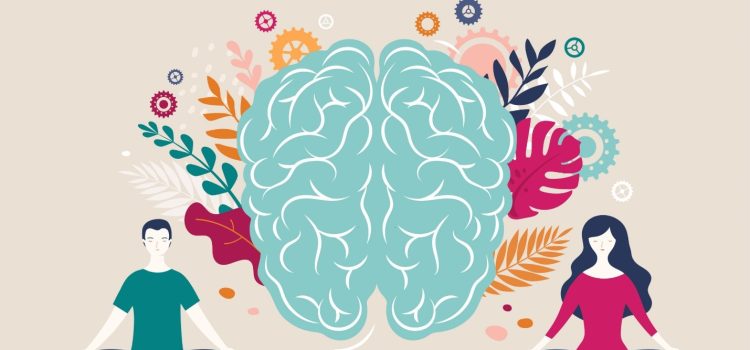
In recent years, the world has witnessed a significant surge in the popularity and acceptance of mind-body practices as a means of promoting health and wellness. From yoga studios sprouting up in urban neighborhoods to meditation apps becoming a staple on smartphones, these practices have become an integral part of many people’s daily routines. This article explores the growth of mind-body practices, their benefits, and how they are being integrated into modern health and wellness paradigms.
The Evolution of Mind-Body Practices
Mind-body practices have ancient roots, with many originating in Eastern traditions thousands of years ago. Yoga, for example, dates back over 5,000 years to ancient India, while Tai Chi has its origins in ancient China. These practices were historically used for spiritual growth, physical health, and mental clarity.
In the West, the adoption of mind-body practices began to gain traction in the 20th century. Pioneers like Swami Vivekananda and Paramahansa Yogananda introduced yoga to the Western world, while Jon Kabat-Zinn’s development of Mindfulness-Based Stress Reduction (MBSR) in the late 1970s brought meditation into mainstream medical practice.
The Science Behind Mind-Body Practices
One of the key factors contributing to the growth of mind-body practices is the mounting scientific evidence supporting their benefits. Numerous studies have demonstrated the positive effects of practices such as yoga, meditation, and Tai Chi on both physical and mental health.
Physical Health Benefits
Improved Flexibility and Strength: Yoga, in particular, is known for enhancing flexibility and building muscle strength. Regular practice can lead to improved posture and reduced risk of injury.
Cardiovascular Health: Mind-body practices can positively impact heart health. For instance, yoga has been shown to lower blood pressure and reduce cholesterol levels, while Tai Chi can improve heart function and circulation.
Pain Management: Chronic pain conditions, such as arthritis and lower back pain, can be alleviated through practices like yoga and meditation. These practices help reduce inflammation and promote relaxation, which can lead to pain relief.
Mental Health Benefits
Stress Reduction: One of the most well-documented benefits of mind-body practices is their ability to reduce stress. Meditation, in particular, has been shown to lower cortisol levels, the hormone associated with stress.
Enhanced Mental Clarity: Regular practice of meditation and mindfulness can improve focus, attention, and cognitive function. This is particularly beneficial in today’s fast-paced world, where distractions are abundant.
Emotional Well-being: Mind-body practices can help regulate emotions and improve mood. Studies have shown that meditation can reduce symptoms of anxiety and depression, while yoga can increase feelings of well-being and happiness.
Picture by: Yandex
Integration into Modern Healthcare
The integration of mind-body practices into modern healthcare is a growing trend, driven by both patient demand and clinical evidence. Many healthcare providers now recognize the value of these practices and incorporate them into treatment plans for various conditions.
Complementary and Integrative Medicine
Mind-body practices are often categorized under complementary and integrative medicine (CIM). This approach combines conventional medical treatments with alternative therapies to provide a holistic approach to health and wellness. Hospitals and clinics are increasingly offering yoga classes, meditation sessions, and Tai Chi programs as part of their services.
Workplace Wellness Programs
Employers are also recognizing the benefits of mind-body practices for employee health and productivity. Workplace wellness programs often include yoga and meditation sessions to help reduce stress and improve overall well-being. These programs can lead to increased job satisfaction, reduced absenteeism, and improved performance.
Digital Health and Wellness
The rise of digital health platforms has made mind-body practices more accessible than ever. Meditation apps like Headspace and Calm offer guided sessions that users can access anytime, anywhere. Online yoga classes and virtual wellness retreats have also become popular, allowing individuals to practice from the comfort of their homes.
Picture by: Yandex.com
The Future of Mind-Body Practices
As the popularity of mind-body practices continues to grow, their integration into mainstream health and wellness is likely to expand further. Several trends are emerging that could shape the future of these practices.
Personalized Wellness
Advancements in technology and data analytics are paving the way for personalized wellness programs. By analyzing individual health data, practitioners can tailor mind-body practices to meet specific needs and goals. This personalized approach can enhance the effectiveness of these practices and provide more targeted benefits.
Interdisciplinary Research
Ongoing research into the mechanisms and benefits of mind-body practices is essential for their continued integration into healthcare. Interdisciplinary studies that combine insights from neuroscience, psychology, and medicine can provide a deeper understanding of how these practices impact the mind and body.
Cultural Integration
As mind-body practices become more mainstream, there is a growing emphasis on cultural sensitivity and inclusivity. Recognizing and respecting the cultural origins of these practices is important for their ethical integration into modern wellness paradigms. This includes acknowledging the contributions of indigenous traditions and ensuring that practices are not appropriated or commercialized in ways that strip them of their cultural significance.
Conclusion
The growth of mind-body practices represents a significant shift in how we approach health and wellness. With their roots in ancient traditions and their benefits supported by modern science, these practices offer a holistic approach to well-being that addresses both physical and mental health. As they become more integrated into healthcare, workplaces, and digital platforms, mind-body practices have the potential to transform our approach to health and wellness, providing a path to a more balanced and fulfilling life.
Technology has become a huge part of our lives, including in the world of healthcare. Since the COVID-19 pandemic, there’s been a big focus on using technology in nursing. This isn’t just a passing trend, but something that’s likely to keep growing for many years to come.
How New Technologies are Changing Patient Care
Nowadays, there are all sorts of new technologies that are changing the way we look after patients. This includes everything from using data to predict patient needs, to robots that can help with tasks, and even artificial intelligence (AI) and telehealth services. Using more technology in nursing can be a great thing for everyone involved, offering benefits to both patients and healthcare professionals.
The Importance of Technology in Nursing
Technology in nursing isn’t just a nice-to-have, it can actually save lives. That’s why so many nurses believe that technology will continue to have a positive impact on patient care. If nurses want to keep up with the times and progress in their careers, it’s important to understand how technology is changing their profession.
The Amazing Benefits of Technology in Nursing
Technology’s Role in the Healthcare Industry
Over the past few years, technology in nursing has really taken off across the healthcare industry. Electronic health records (EHRs), for example, are now used everywhere, making it quicker and easier for healthcare providers to access patient records. This improves patient care and communication, and even lets patients view and transfer their own medical histories.
How Technology Benefits Healthcare Providers and Patients
Technology in nursing can benefit healthcare providers and patients in several key ways. It can improve communication between care teams, automate routine tasks, and make patient records more accessible. With so many advantages, it’s no surprise that almost all U.S. health system leaders see digital technology as a crucial investment.
How Health System Leaders Support Digital Technology
Health system leaders in the U.S. are big supporters of digital technology in healthcare. In fact, 99% of them see it as a key investment, and 84% of organizations require the use of digital health tools.
Picture by: Yandex.com
The Future of Nursing and Technology
The Future Impact of Technology on Nursing
What does the future hold for technology in nursing? To answer this, let’s look at seven ways that technology is likely to improve nursing and patient care in 2023.
The Promise of Predictive Analytics in Nursing
One exciting technology in nursing is predictive analytics. This uses AI to look at data from past patients and suggest the best course of treatment. It can help healthcare professionals analyze patient data quickly, which saves time and improves patient outcomes.
The Power of Clinical Mobility in Nursing
“Clinical mobility” refers to the use of handheld digital devices by healthcare professionals. These devices can help nurses do their jobs more effectively, sharing real-time patient data with their care team.
The Role of Mobile Robotic Systems in Nursing
Robots can help nurses with a range of tasks, from making deliveries to greeting patients. They can even conduct interviews in the emergency department. Robots can help nurses make more informed decisions about patient care.
The Use of Artificial Intelligence in Clinical Decision Support
AI can be really useful in healthcare for helping patients make decisions about their diagnosis or treatment plan. It can also help nurses sort through large amounts of patient data and understand new information.
The Importance of Streamlined User Interfaces in Nursing
Digital health user interfaces can help nurses streamline their work, making it easier to access patient data. They can reduce screen time, allow for dictation, and even be accessed through gestures.
The Benefits of Remote Patient Monitoring in Nursing
Remote patient monitoring tracks patient health outside the clinical setting. It allows patients to participate in their care from their homes, and lets nurses stay updated on any changes in their patients’ health.
The Rise of Telehealth in Nursing
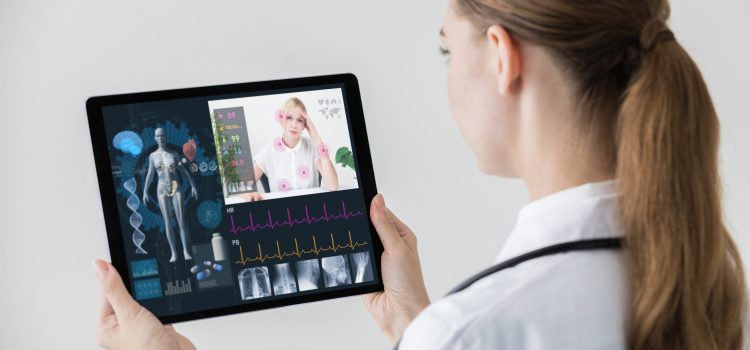
Telehealth, or telemedicine, is a significant technology predicted to change the future of nursing. It allows healthcare providers and patients to have virtual visits, making healthcare more accessible for patients in rural or hard-to-reach locations.
The Lasting Impact of Technology on Nursing Practice
How Technology is Improving Nursing Practice
New technology in nursing can make patient care better and even save lives. Virtual visits, handheld digital devices, and voice-assisted interfaces can all make it easier and more efficient to check on inpatients.
The Future of Nursing and Technology
In the future, technology will continue to be developed and applied to the nursing profession. This is likely to lead to reduced human error, more convenient patient care, and more personal relationships between nurses and patients. Despite the challenges, the benefits of adopting new technology are huge.
In conclusion, technology is not a competitor to nursing, but a collaborator. It has the potential to revolutionize patient care and deliver better health outcomes. The key is to embrace it as a companion in patient care and foster greater collaboration between nursing professionals and technology developers.
The advent of AI medical imaging has been a game-changer in the healthcare sector, significantly improving diagnostic accuracy and workflow efficiency. This technology has revolutionized the way radiology departments operate, paving the way for a new era in healthcare technology.
AI medical imaging is a product of two cutting-edge technologies: deep learning and machine learning. These two technologies are subsets of artificial intelligence, and they are responsible for the significant strides we are witnessing in the medical field today.
Deep learning, a type of machine learning, involves training a computer to recognize patterns and make decisions based on those patterns. In the context of healthcare, deep learning can be trained to recognize anomalies in medical images, such as tumors or fractures. This technology has significantly improved the accuracy of diagnoses, reducing the chances of human error and leading to better patient outcomes.
Machine learning, on the other hand, involves teaching a computer to learn from and make decisions based on data. In the realm of medical imaging, machine learning algorithms are used to analyze images and detect abnormalities that may not be visible to the naked eye. This has significantly improved the diagnostic accuracy of medical imaging, leading to earlier detection of diseases and improved patient outcomes.
The integration of AI in medical imaging has also led to significant improvements in workflow efficiency. Radiologists are now able to analyze images more quickly and accurately, reducing the time it takes to diagnose a patient and begin treatment. This not only improves the patient’s chances of recovery but also reduces the workload on the hospital staff, leading to more efficient operations.
AI medical imaging is a shining example of how healthcare technology can improve patient outcomes. By increasing diagnostic accuracy and workflow efficiency, this technology is helping to save lives and improve the quality of care patients receive.
But the magic of AI in medical imaging doesn’t stop there. As the technology continues to evolve, we can expect to see even more improvements in the way medical images are analyzed and interpreted. This will not only lead to better patient outcomes but also pave the way for new discoveries in the medical field.
In a nutshell, the integration of AI in medical imaging is a significant advancement in healthcare technology. It has revolutionized the field of radiology, improving diagnostic accuracy and workflow efficiency, and leading to better patient outcomes. As we continue to explore the possibilities of this technology, we can look forward to a future where AI plays an even more integral role in healthcare.
Picture by: Yandex.com
How AI Improves Diagnostic Accuracy
So, how does AI actually help with diagnosis? Well, AI uses something called machine learning, which is a type of deep learning. It’s trained on loads of medical images and learns to spot patterns and abnormalities that might be hard for us humans to see. For example, it’s really good at finding early signs of cancer in mammograms and CT scans. It’s so good, in fact, that it can sometimes do a better job than experienced radiologists.
The cool thing about AI is that it can also measure things like tumor sizes and track how they change over time. This is really important for planning treatments and keeping an eye on how a patient is doing.
AI Makes Workflows More Efficient
AI isn’t just about diagnosis though. It’s also helping to make the whole process more efficient. It can do routine tasks like image segmentation, annotation, and initial screening. This means that radiologists can focus on the more complex cases. Plus, it reduces the risk of burnout, which is a big issue in the medical profession.
In emergency situations, AI can prioritize the most critical cases. This ensures that patients who need urgent attention get it quickly. AI can also help to generate preliminary reports, speeding up the diagnostic process.
Benefits:
– Improves diagnostic accuracy
– Streamlines workflow and reduces workload
– Provides quantitative assessments for better treatment planning
– Prioritizes critical cases for timely attention
AI’s Role in Different Medical Fields
AI is being used in lots of different areas of medicine, like cardiology, neurology, orthopedics, and ophthalmology. It’s helping to detect heart diseases, diagnose conditions like Alzheimer’s disease, spot fractures and joint abnormalities, and even detect eye conditions that could lead to vision loss.
Overcoming Challenges and Ethical Considerations
Of course, like any new technology, there are some challenges and ethical considerations to think about. For example, the data that AI is trained on needs to be diverse to make sure it works well for different patient populations. And because AI can sometimes be a bit of a “black box”, researchers are working on ways to make it more transparent.
There are also important ethical issues around patient privacy and data security. We need to make sure that all this sensitive patient data is being handled responsibly and in line with regulations.
The Exciting Future of AI in Medical Imaging
The future of AI in medical imaging is looking really exciting. There are new technologies on the horizon that will allow AI to be trained on decentralized data sources, which will help protect patient privacy. Plus, the combination of AI with other technologies like augmented reality (AR) and virtual reality (VR) is opening up new possibilities for visualizing medical images.
In conclusion, AI is transforming healthcare by making diagnosis more accurate, improving workflow efficiency, and expanding the use of medical imaging in different fields. While there are challenges to overcome and ethical issues to consider, the benefits of AI in medical imaging are clear. As technology continues to evolve, AI will play an increasingly important role in improving patient care and advancing medical knowledge. The journey of AI in medical imaging is just beginning, and the future holds exciting possibilities for this groundbreaking technology.
With over one billion active users, Instagram is a powerful platform for connection and engagement. Individuals, businesses, and influencers all benefit greatly. One key strategy to enhance visibility and reach is leveraging trending hashtags. Trending Instagram hashtags are crucial for categorizing content, increasing discoverability, and attracting organic traffic. By using relevant and hashtags, you can amplify your reach, connect with like-minded users, and drive meaningful engagement. This guide will help you leverage trending Instagram hashtags to optimize your content strategy, enhance your online presence, and foster a vibrant community of followers.
1. Understanding the Significance of Trending Instagram Hashtags:
Trending Instagram hashtags are dynamic keywords or phrases that are currently popular on the platform. These hashtags represent trending topics, viral trends, seasonal themes, or community conversations. By including trending hashtags in your posts, you can tap into collective user interest, increase content visibility, and attract engagement.
2. Researching and Identifying Relevant Trending Hashtags:
Researching relevant hashtags is essential. Use Instagram’s search function, explore the Explore page, monitor industry trends, and engage with trending content. Stay informed about trending topics and hashtags to strategically incorporate them into your posts. This will increase your visibility and engagement metrics.
3. Adding a Mix of Broad and Niche Hashtags:
Use a mix of broad and niche hashtags. Broad hashtags have a larger reach, while niche hashtags are more specific. This combination attracts diverse audiences and improves content discoverability. It connects you with users who share specific interests relevant to your content.
4. Creating Hashtag Collections and Sets:
Organize your hashtags into collections or sets. Create curated lists based on themes, content categories, or campaign objectives. This streamlines your content creation process. Organized hashtag collections save time, maintain brand coherence, and track performance effectively.
Picture by: Yandex.com
5. Monitoring and Participating in Hashtag Challenges:
Hashtag challenges encourage users to create and share content using a designated hashtag. Participating in these challenges boosts engagement and visibility. Keep an eye on trending hashtag challenges. Join relevant ones that align with your brand and actively engage by creating compelling posts.
6. Analyzing Performance and Iterating Your Hashtag Strategy:
Regularly monitor your posts’ performance with trending hashtags. Use Instagram Insights, third-party analytics tools, or manual tracking methods. Assess reach, impressions, likes, comments, and other metrics. Analyze data, identify trends, and adjust your hashtag strategy to maximize engagement.
7. Leveraging Hashtags to Enhance Visual Content:
Incorporate trending hashtags into your visual content. Use relevant and eye-catching hashtags that complement your visuals and resonate with your audience. This increases the appeal and shareability of your posts, attracting more interactions.
8. Engaging with Hashtag Communities and Conversations:
Engagement is key. Participate in hashtag communities and conversations related to your niche. Like, comment, and share posts from other users using the same hashtags. Engage in discussions and build relationships. This expands your network and cultivates a supportive community.
9. Staying Relevant and Timely with Trending Hashtags:
Trending hashtags are often time-sensitive. Stay relevant and timely in your content creation. Regularly update your hashtag strategy based on emerging trends and seasonal topics. This keeps your content resonant and drives engagement.
10. Fostering Consistency and Experimentation with Hashtags:
Consistency and experimentation are essential. Maintain a consistent presence of trending hashtags. Be open to experimenting with new hashtags and different combinations. This diversifies your content reach and attracts new audiences.
By following these strategies, you can effectively leverage trending Instagram hashtags. This will optimize your content strategy, enhance your online presence, and foster a vibrant community.
As we step into 2024, the wellness landscape continues to evolve, driven by a growing awareness of holistic health and well-being. This year, several key wellness trends are set to dominate the scene, offering innovative ways to enhance physical, mental, and emotional health. From mindfulness practices to the burgeoning interest in the microbiome, these trends reflect a broader understanding of what it means to be truly well. Here, we explore the top wellness trends for 2024.
1. Mindfulness and Meditation
Mindfulness and meditation have been on the wellness radar for several years, but in 2024, they are expected to become even more mainstream. The benefits of mindfulness practices, such as reduced stress, improved focus, and enhanced emotional regulation, are well-documented. This year, we will see a surge in mindfulness apps, virtual meditation sessions, and corporate wellness programs incorporating mindfulness training.
Innovations in technology are also playing a significant role. Virtual reality (VR) meditation experiences are gaining popularity, providing immersive environments that help users achieve deeper states of relaxation and mindfulness. These VR experiences can transport users to serene natural settings or calming abstract environments, making meditation more accessible and engaging.
2. Personalized Nutrition
The concept of personalized nutrition is gaining traction as people recognize that one-size-fits-all dietary advice may not be effective for everyone. Advances in genetic testing and microbiome analysis are enabling more personalized dietary recommendations based on an individual’s unique genetic makeup and gut health.
In 2024, expect to see more personalized nutrition services that offer tailored meal plans, supplements, and lifestyle recommendations. These services use data from DNA tests, gut microbiome analyses, and other biomarkers to create customized nutrition plans that optimize health and well-being. This trend aligns with a growing interest in functional foods—foods designed to have a specific health benefit beyond basic nutrition.
3. The Microbiome Revolution
The microbiome, the community of microorganisms living in our gut, is at the forefront of wellness research. Emerging studies suggest that the health of our gut microbiome is linked to various aspects of overall health, including digestion, immune function, mental health, and even weight management.
In 2024, the focus on the microbiome will intensify, with more products and services aimed at promoting gut health. Probiotics, prebiotics, and synbiotics (a combination of probiotics and prebiotics) will become more sophisticated, targeting specific strains of bacteria for targeted health benefits. Additionally, microbiome testing kits will become more accessible, allowing individuals to gain insights into their gut health and make informed choices about their diet and lifestyle.
Picture by: Yandex.com
4. Mental Health and Emotional Well-being
The importance of mental health and emotional well-being has never been more recognized. In 2024, mental health will continue to be a significant focus within the wellness industry. Innovative approaches to mental health care, such as teletherapy, digital mental health platforms, and mental health apps, will become more prevalent.
Moreover, there will be a greater emphasis on preventive mental health care. This includes practices like journaling, gratitude exercises, and stress management techniques that help individuals build resilience and cope with life’s challenges. Corporate wellness programs are also likely to expand their mental health offerings, providing employees with resources and support to maintain their mental well-being.
5. Sustainable Wellness
Sustainability is an increasingly important consideration in all aspects of life, including wellness. In 2024, consumers will be more conscious of the environmental impact of their wellness choices. This includes everything from the packaging of wellness products to the sustainability of ingredients used in supplements and beauty products.
Eco-friendly wellness brands that prioritize sustainability will gain traction. This includes products with minimal packaging, biodegradable materials, and ethically sourced ingredients. Additionally, practices such as forest bathing (spending time in nature) and eco-therapy (using nature as a therapeutic tool) will become more popular as people seek to connect with the environment and reduce their ecological footprint.
6. Digital Detox
As technology becomes increasingly integrated into our daily lives, the need for digital detoxes is growing. In 2024, more people will recognize the importance of unplugging from digital devices to reduce screen time and improve mental and physical health.
Digital detox retreats and programs will become more popular, offering structured environments where individuals can disconnect from technology and reconnect with themselves and nature. These retreats often include activities such as yoga, meditation, hiking, and creative workshops, providing a holistic approach to wellness that emphasizes the benefits of being present and mindful.
7. Holistic Fitness
Fitness trends are also evolving to become more holistic, focusing on overall well-being rather than just physical appearance. In 2024, we will see a rise in fitness programs that integrate physical, mental, and emotional health.
Mind-body practices like yoga, Pilates, and tai chi will continue to be popular, offering benefits such as improved flexibility, strength, and mental clarity. Additionally, functional fitness training, which focuses on exercises that mimic real-life movements, will gain popularity. This approach to fitness emphasizes improving overall functionality and reducing the risk of injury.
Picture by: Yandex.com
8. Sleep Optimization
Quality sleep is a cornerstone of good health, and in 2024, sleep optimization will be a key wellness trend. People are becoming more aware of the impact of sleep on overall well-being, including mental health, immune function, and cognitive performance.
Innovative sleep technologies, such as smart mattresses, sleep trackers, and apps that monitor sleep patterns, will become more sophisticated. These tools provide personalized insights and recommendations to help individuals improve their sleep quality. Additionally, practices such as sleep hygiene education and relaxation techniques will be promoted to help people achieve better rest.
9. Integrative Medicine
Integrative medicine, which combines conventional medical treatments with complementary therapies, is gaining acceptance as a comprehensive approach to health care. In 2024, more people will seek out integrative medicine practitioners who offer a blend of traditional and alternative treatments.
This approach emphasizes treating the whole person—body, mind, and spirit—rather than just addressing specific symptoms. Common integrative therapies include acupuncture, chiropractic care, herbal medicine, and mindfulness practices. The goal is to provide a more personalized and holistic approach to health care that addresses the root causes of illness and promotes overall well-being.
Conclusion
The wellness trends for 2024 reflect a growing recognition of the interconnectedness of physical, mental, and emotional health. From mindfulness practices and personalized nutrition to the microbiome revolution and sustainable wellness, these trends offer innovative ways to enhance well-being in a holistic manner. As we embrace these trends, we move closer to a more comprehensive understanding of what it means to be truly well, paving the way for a healthier and more balanced future.
In today’s digital age, social media has become an tool for organizations to navigate and manage crises effectively. The real-time nature social media platforms allows businesses to communicate with their stakeholders promptly, address concerns, and manage their reputation during challenging times. This article explores the critical role of social media in Crisis Management, highlighting how organizations can leverage social media channels to mitigate the impact of crises, maintain transparency, and build trust with their audiences.
1. Proactive Communication Strategy:
During a crisis, prompt and transparent communication is key to Crisis Management on social media. Organizations can utilize platforms like Twitter, Facebook, and LinkedIn to provide timely updates, share important information, and address customer inquiries. By proactively communicating with stakeholders on social media, businesses can demonstrate their commitment to transparency, accountability, and crisis resolution, helping to prevent misinformation and maintain trust in their brand.
2. Monitoring and Listening:
Social media monitoring tools play a crucial role in Crisis Management by enabling organizations to track conversations, sentiment, and emerging issues related to a crisis. By actively listening to online conversations and monitoring mentions of their brand, businesses can quickly identify potential crises, assess the severity of the situation, and intervene to address concerns before they escalate. Monitoring social media allows organizations to stay informed, respond promptly, and adapt their Crisis Management strategies in real-time.
3. Engaging with Stakeholders:
Effective Crisis Management on social media involves engaging with stakeholders in a meaningful and empathetic manner. Organizations can use social media platforms to engage with customers, employees, media, and other key audiences during a crisis, providing updates, answering questions, and acknowledging concerns. By engaging proactively, organizations can demonstrate their commitment to customer satisfaction, employee well-being, and stakeholder communication, fostering a sense of trust and transparency in their Crisis Management efforts.
Image by: Bing.com
4. Humanizing the Brand:
Social media offers organizations an opportunity to humanize their brand and connect with audiences on a personal level during crises. By sharing authentic stories, empathetic messages, and behind-the-scenes insights on social media platforms, businesses can showcase their human side, demonstrating empathy, integrity, and a customer-centric approach to Crisis Management. Humanizing the brand on social media builds credibility, fosters connection, and enhances the organization’s reputation in times of crisis.
5. Crisis Response Team Coordination:
Social media serves as a central hub for Crisis Management teams to coordinate and collaborate during crises, ensuring a unified and consistent response across channels. Crisis response teams can use social media platforms to share information, assign tasks, and track responses in real-time, facilitating seamless communication and decision-making. By leveraging social media for team coordination, organizations can streamline Crisis Management processes, mitigate potential risks, and enhance their crisis response effectiveness.
6. Reputation Monitoring and Management:
Maintaining a positive reputation is critical in Crisis Management, and social media plays a vital role in monitoring and managing brand reputation during crises. Organizations can use social listening tools to monitor sentiment, track mentions, and assess the impact of a crisis on their brand reputation. By actively managing their online presence, responding to feedback, and addressing negative sentiment on social media, businesses can safeguard their reputation, rebuild trust, and demonstrate their commitment to resolving issues effectively.
7. Crisis Communication Planning:
Social media platforms are instrumental in Crisis Management planning, enabling organizations to develop proactive communication strategies and crisis response plans in advance. By establishing crisis communication protocols, developing social media guidelines, and conducting regular simulations and training exercises, businesses can prepare for potential crises and respond swiftly and effectively when faced with an emergency. Crisis communication planning on social media helps organizations anticipate challenges, coordinate responses, and mitigate reputational damage during times of crisis.
8. Transparency and Authenticity:
Transparency and authenticity are key principles of Crisis Management on social media, as organizations strive to build trust and credibility with their audiences. By being transparent in their communication, acknowledging mistakes, and taking responsibility for their actions, businesses can demonstrate integrity, openness, and a genuine commitment to resolving crises. Authenticity in crisis communication fosters trust, strengthens relationships, and positions organizations as credible and reliable sources of information during challenging times.
9. Social Media Crisis Response Playbook:
Developing a social media Crisis Management playbook is essential for guiding organizations in their response to crises on digital platforms. The playbook outlines key procedures, responsibilities, and communication guidelines for Crisis Management on social media, ensuring consistency, clarity, and efficiency in handling crises. By creating a Crisis Management playbook specific to social media, organizations can establish a structured approach, empower their teams, and enhance their readiness to address crises effectively in the digital space.
10. Learning and Adaptation:
In Crisis Management on social media, continuous learning and adaptation are critical for organizations to refine their strategies, improve their response tactics, and enhance their Crisis Management capabilities over time. By analyzing past crises, gathering feedback, and evaluating the effectiveness of their social media responses, businesses can identify areas for improvement, implement best practices, and adapt their Crisis Management approaches to address emerging challenges and trends in the digital landscape.
In the rapidly evolving landscape of social media, content creation has become a cornerstone of digital marketing strategies. New Trends in Social Media Content Creation encompass innovative approaches, tools, and strategies that are reshaping the way brands engage with their audience, create compelling content, and stay ahead in the competitive digital environment. From interactive and immersive experiences to user-generated and ephemeral content, the evolution of social media content creation reflects the dynamic nature of digital communication and the need for brands to adapt to changing consumer behaviors and preferences.
1. Interactive and Immersive Experiences:
Interactive and immersive content experiences are at the forefront of new trends in social media content creation, offering users engaging and personalized interactions with brands. Features such as interactive quizzes, polls, and augmented reality (AR) filters enable brands to create dynamic and memorable experiences that captivate audiences and drive participation. By incorporating interactive elements into their content strategy, brands can increase engagement, foster user interaction, and create a more immersive and entertaining experience for their followers on social media platforms.
2. User-Generated Content Campaigns:
User-generated content (UGC) campaigns continue to be a popular trend in social media content creation, as brands leverage the creativity and authenticity of their audience to curate engaging and relatable content. Encouraging users to create and share content, such as testimonials, reviews, and user-generated videos, enables brands to amplify their reach, build brand advocacy, and establish a sense of community among their followers. UGC campaigns foster user engagement, drive organic reach, and enhance brand credibility by showcasing real-life experiences and stories from satisfied customers.
3. Ephemeral Content and Stories Formats:
Ephemeral content and stories formats have gained prominence as a new trend in social media content creation, providing brands with a transient and authentic way to connect with their audience. Platforms like Instagram, Facebook, and Snapchat offer stories features that allow brands to share temporary content, such as behind-the-scenes glimpses, limited-time offers, and live updates, that create a sense of urgency and exclusivity among followers. Ephemeral content drives user engagement, encourages immediate action, and fosters a more personalized and spontaneous interaction with brands on social media.
4. Short-Form Video and Reels Content:
Short-form video content, including platforms like TikTok and Instagram Reels, has become a dominant trend in social media content creation, capturing users’ attention with bite-sized and visually engaging videos. Brands are leveraging short-form video content to convey their message, showcase products, and entertain audiences in a concise and impactful manner. Short-form videos are easily digestible, shareable, and versatile, allowing brands to experiment with creative storytelling, visual effects, and music to engage with their audience and drive brand awareness on social media platforms.
5. Live Streaming and Real-Time Engagement:
Live streaming has surged in popularity as a trend in social media content creation, enabling brands to connect with their audience in real time, foster immediate engagement, and deliver authentic and interactive experiences. Platforms like Facebook Live, Instagram Live, and YouTube Live allow brands to stream live events, product launches, Q&A sessions, and behind-the-scenes content that resonate with viewers in a more spontaneous and personal way. Live streaming drives real-time engagement, generates excitement, and facilitates direct interaction with audiences, creating a sense of community and transparency for brands on social media.
Picture by: Yandex.com
6. Influencer and Brand Collaborations:
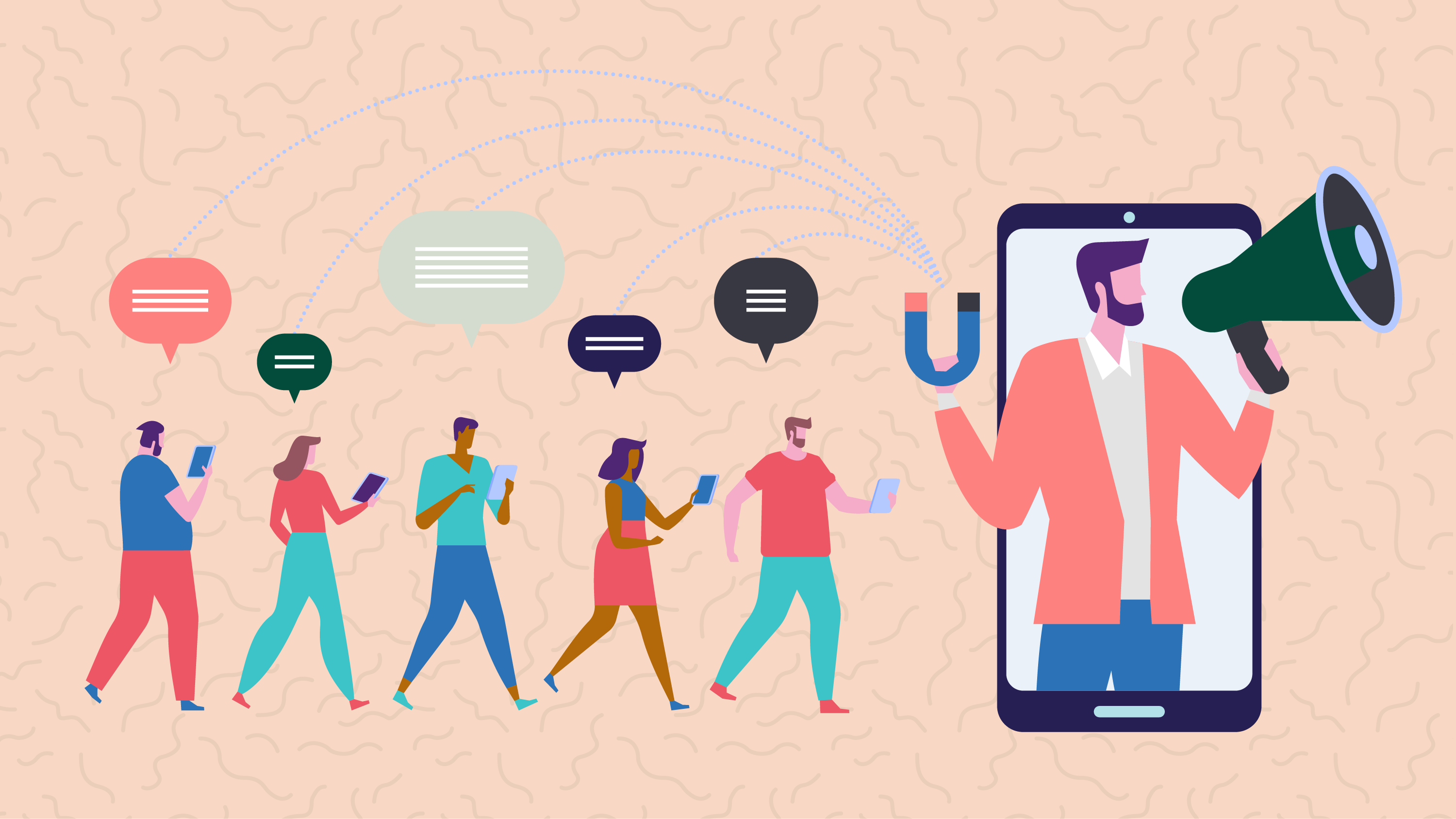
Collaborating with social media influencers and brands has emerged as a key trend in content creation, allowing brands to tap into the influencer’s reach, creativity, and engaged audience to amplify their content and messaging. Influencer partnerships enable brands to co-create authentic and impactful content that resonates with their followers, drives brand awareness, and fosters trust and credibility. Collaborating with influencers on sponsored posts, product placements, and content campaigns enables brands to expand their reach, target niche audiences, and leverage the influencer’s expertise to create engaging and compelling content on social media.
7. Personalized and Data-Driven Content:
Personalized and data-driven content strategies are gaining traction as a trend in social media content creation, as brands leverage user data, insights, and segmentation to tailor content to individual preferences and behaviors. Personalization enables brands to deliver relevant and targeted content that speaks to the specific needs and interests of their audience, increasing engagement, loyalty, and conversions. By analyzing data, tracking user behavior, and optimizing content based on performance metrics, brands can create personalized and impactful content that resonates with their audience and drives a deeper connection on social media platforms.
8. Augmented Reality (AR) Filters and Effects:
Augmented reality (AR) filters and effects are revolutionizing social media content creation, allowing brands to create interactive, engaging, and visually stunning content that captivates audiences and enhances user experience. AR filters enable users to transform their selfies, photos, and videos with animated overlays, face masks, and special effects that add a fun and creative element to their content. Brands can leverage AR filters to create interactive campaigns, product demonstrations, and branding experiences that engage users, drive user-generated content, and differentiate their brand on social media platforms.
9. Voice Search Optimization and Audio Content:
Voice search optimization and audio content are emerging trends in social media content creation, as brands adapt to changing search behaviors and preferences among users. Voice-activated devices, virtual assistants, and audio platforms have created new opportunities for brands to optimize their content for voice search queries and create audio-based content that caters to on-the-go audiences. By incorporating podcast episodes, voice snippets, and audio content into their social media strategy, brands can reach users in a more personalized and accessible way, drive engagement, and establish a presence in the growing audio content landscape.
10. Sustainable and Purpose-Driven Content:
Sustainable and purpose-driven content is a growing trend in social media content creation, as brands prioritize social responsibility, environmental stewardship, and ethical practices in their messaging and campaigns. Brands that align their content with social causes, sustainability initiatives, and ethical values can resonate with socially conscious consumers, build brand loyalty, and differentiate themselves in a crowded digital marketplace. Purpose-driven content communicates brand values, inspires action, and fosters a positive impact on society, creating meaningful connections and driving engagement with audiences on social media platforms.
In recent years, the advent of 3D printing technology has brought about transformative changes in various industries, and the field of prosthetics is no exception. This innovative technology is revolutionizing the way prosthetic limbs are designed, manufactured, and fitted, offering unprecedented levels of customization, affordability, and accessibility. Here, we explore how 3D printing is reshaping the landscape of prosthetics, providing new hope and improved quality of life for individuals with limb loss.
Customization and Personalization
One of the most significant advantages of 3D printing in prosthetics is the ability to create highly customized devices tailored to the specific needs of each patient. Traditional prosthetic limbs often require multiple fittings and adjustments, a process that can be time-consuming and costly. In contrast, 3D printing allows for the precise scanning of a patient’s residual limb, creating a digital model that can be adjusted to ensure a perfect fit.
This level of customization extends beyond just the fit of the prosthetic. Patients can choose the color, design, and even add personal touches to their prosthetic limbs, making them a more integral and personalized part of their lives. This not only enhances the functional aspects of the prosthetic but also has a positive impact on the psychological well-being of the wearer.
Affordability and Accessibility
Cost has always been a significant barrier in the field of prosthetics, with traditional prosthetic limbs often costing thousands of dollars. 3D printing is dramatically lowering these costs, making prosthetic limbs more accessible to a broader range of individuals. The materials used in 3D printing are generally less expensive than those used in conventional manufacturing, and the production process is more efficient, reducing labor costs.
Moreover, 3D printing technology is becoming increasingly accessible around the world. Non-profit organizations and startups are leveraging this technology to provide affordable prosthetic solutions to individuals in developing countries, where access to traditional prosthetics is often limited. This democratization of prosthetic technology is empowering individuals and communities, enabling them to overcome physical limitations and improve their quality of life.
Speed and Efficiency
The traditional process of creating a prosthetic limb can take several weeks or even months, involving multiple stages of casting, molding, and fitting. In contrast, 3D printing can significantly expedite this process. Once a digital model is created, a 3D printer can produce a prosthetic limb in a matter of hours. This rapid production capability is particularly beneficial in situations where time is of the essence, such as providing prosthetics to victims of natural disasters or conflict zones.
The speed and efficiency of 3D printing also allow for quicker iterations and improvements. If a prosthetic limb needs adjustments or modifications, these can be made swiftly and cost-effectively, ensuring that patients receive the most functional and comfortable devices possible.
Picture by: Yandex.com
Innovation and Advancements
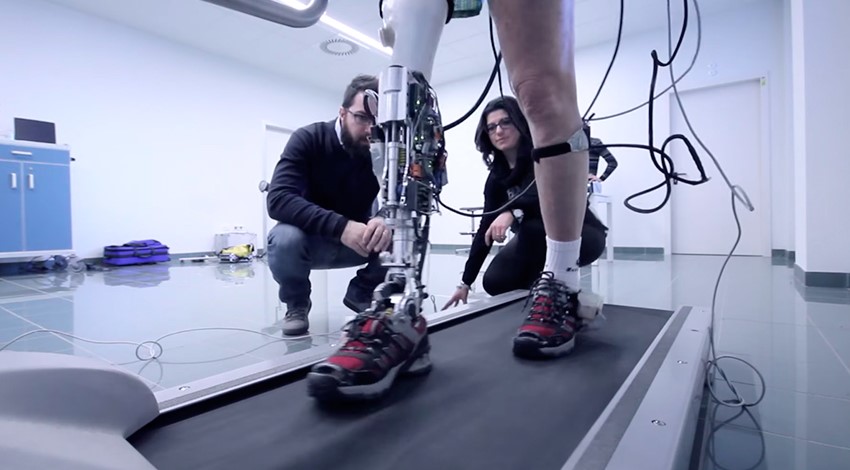
3D printing technology is continuously evolving, leading to exciting advancements in the field of prosthetics. Researchers and engineers are exploring new materials, such as lightweight and durable composites, that can enhance the performance and longevity of prosthetic limbs. Additionally, the integration of smart technologies, such as sensors and actuators, is paving the way for more advanced prosthetic devices that can mimic natural limb movements and provide real-time feedback to the user.
One notable development is the creation of bionic limbs that incorporate 3D-printed components. These high-tech prosthetics can be controlled by the user’s muscle signals or even brainwaves, offering a level of functionality that was once the realm of science fiction. Such innovations are not only improving the physical capabilities of prosthetic limbs but also opening up new possibilities for rehabilitation and therapy.
Collaborative Efforts and Future Prospects
The revolution in prosthetics driven by 3D printing is a collaborative effort involving various stakeholders, including researchers, healthcare professionals, engineers, and patients. This multidisciplinary approach is fostering a culture of innovation and continuous improvement, ensuring that the latest advancements are translated into practical solutions that benefit users.
Looking ahead, the future of 3D-printed prosthetics is incredibly promising. As technology continues to advance, we can expect to see even more sophisticated and functional prosthetic devices that are tailored to the unique needs of each individual. The integration of artificial intelligence and machine learning could further enhance the capabilities of prosthetic limbs, enabling them to adapt and respond to the user’s movements and environment in real-time.
Furthermore, the ongoing development of biocompatible materials and tissue engineering holds the potential to create prosthetic limbs that are not only functional but also seamlessly integrated with the body. This could lead to a new era of prosthetics that are indistinguishable from natural limbs in terms of appearance and performance.
Conclusion
3D printing is undeniably revolutionizing the field of prosthetics, offering a range of benefits that were previously unimaginable. From enhanced customization and affordability to rapid production and continuous innovation, this technology is transforming the lives of individuals with limb loss, providing them with new opportunities and improved quality of life. As we continue to push the boundaries of what is possible with 3D printing, the future of prosthetics looks brighter than ever, promising a world where everyone has access to the best possible prosthetic solutions.