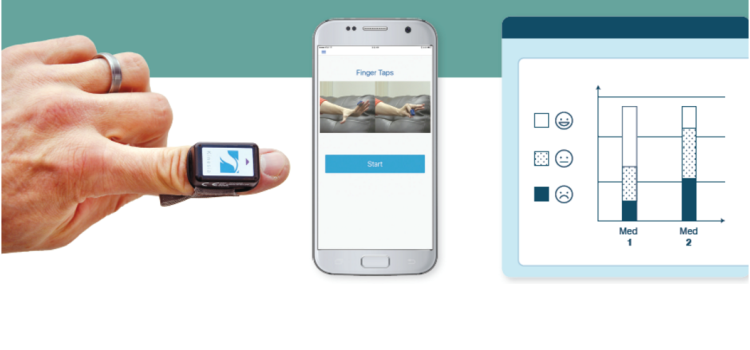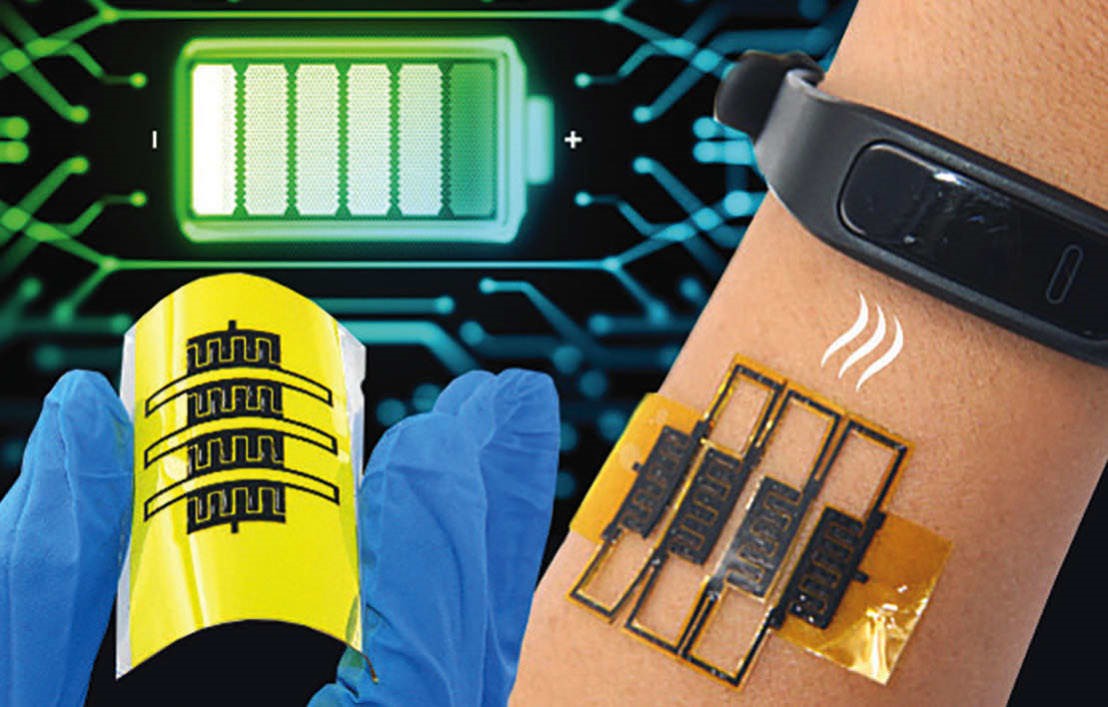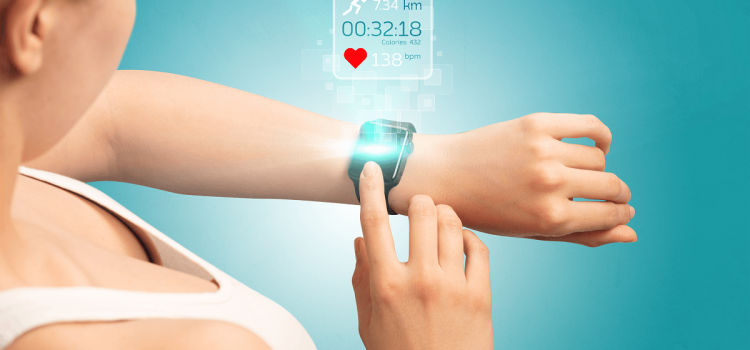
In recent years, the field of rehabilitation therapy has witnessed a remarkable transformation, thanks to the integration of robotics. Robotics rehabilitation is revolutionizing the way patients recover from injuries, surgeries, and neurological disorders, offering new hope and improved outcomes. This article explores the significant advancements in robotics rehabilitation, the technology behind it, and its impact on patient care.

The Evolution of Rehabilitation Therapy

Traditionally, rehabilitation therapy has relied heavily on manual techniques and exercises guided by physical therapists. While effective, these methods have limitations, especially when dealing with complex cases or patients with severe impairments. The introduction of robotics into rehabilitation therapy has addressed many of these challenges, providing more precise, consistent, and personalized treatment options.

The Technology Behind Robotics Rehabilitation

Robotics rehabilitation encompasses a wide range of technologies designed to assist and enhance the recovery process. Some of the key components include:

1. Robotic Exoskeletons

Robotic exoskeletons are wearable devices that provide support and assistance to patients with mobility impairments. These exoskeletons can be used for various purposes, including gait training, muscle strengthening, and improving balance. By mimicking natural movements, they help patients relearn walking patterns and regain their independence.

2. Robotic Arm and Hand Devices

For patients with upper limb impairments, robotic arm and hand devices offer targeted therapy. These devices use sensors and actuators to facilitate precise movements, enabling patients to perform tasks they might otherwise find challenging. This technology is particularly beneficial for stroke survivors and individuals with spinal cord injuries.

3. Robotic Gait Trainers

Robotic gait trainers are designed to assist patients in relearning how to walk. These devices use a combination of sensors, motors, and computer algorithms to provide real-time feedback and adjust the patient’s movements. This ensures that the therapy is tailored to the individual’s needs and progress.

4. Virtual Reality (VR) Integration

Virtual reality is increasingly being integrated into robotics rehabilitation. VR environments provide immersive and engaging experiences that motivate patients to participate actively in their therapy. By combining VR with robotic devices, therapists can create customized rehabilitation programs that simulate real-life scenarios.

The Benefits of Robotics Rehabilitation

The integration of robotics into rehabilitation therapy offers numerous benefits for both patients and healthcare providers. Some of the key advantages include:

1. Enhanced Precision and Consistency

Robotic devices provide precise and consistent movements, reducing the risk of human error. This level of accuracy is particularly important in rehabilitation, where small deviations can impact the effectiveness of therapy.

2. Personalized Treatment Plans

Robotics rehabilitation allows for highly personalized treatment plans. The technology can be adjusted to meet the specific needs and goals of each patient, ensuring that therapy is tailored to their unique condition and progress.

3. Increased Motivation and Engagement

The use of robotics and VR in rehabilitation makes therapy more engaging and enjoyable for patients. This increased motivation can lead to better adherence to treatment plans and faster recovery times.

4. Objective Measurement and Feedback

Robotic devices provide objective measurements and real-time feedback on a patient’s performance. This data is invaluable for therapists, allowing them to track progress, make informed adjustments to treatment plans, and set achievable goals.

5. Reduced Physical Strain on Therapists

Manual therapy can be physically demanding for therapists, leading to fatigue and potential injuries. Robotics rehabilitation reduces the physical strain on therapists, enabling them to provide high-quality care without compromising their own well-being.
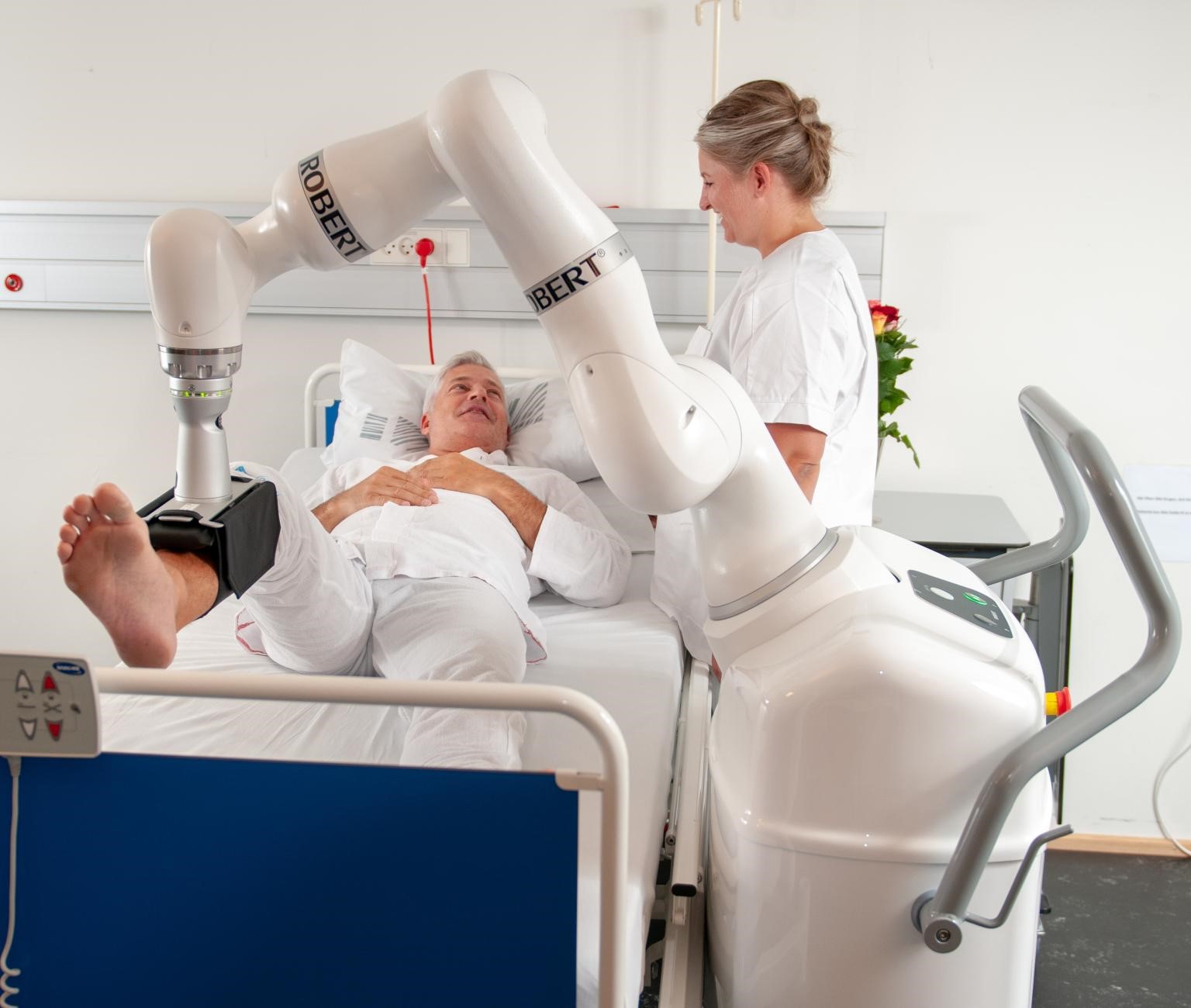
How Robotics is Enhancing Rehabilitation Therapy
Picture by: Yandex.com

Applications of Robotics Rehabilitation

Robotics rehabilitation is being applied across a wide range of medical conditions and settings. Some of the notable applications include:

1. Stroke Rehabilitation

Stroke is a leading cause of long-term disability, and robotics rehabilitation has shown great promise in helping stroke survivors regain function. Robotic devices assist with repetitive movements, promoting neuroplasticity and facilitating the recovery of motor skills.

2. Spinal Cord Injury Rehabilitation

For individuals with spinal cord injuries, robotics rehabilitation offers new possibilities for regaining mobility and independence. Robotic exoskeletons and gait trainers help patients relearn walking patterns and improve muscle strength.

3. Orthopedic Rehabilitation

After orthopedic surgeries or injuries, robotics rehabilitation can accelerate the recovery process. Robotic devices provide controlled and precise movements, reducing the risk of complications and promoting faster healing.

4. Pediatric Rehabilitation

Children with developmental disorders or injuries can benefit from robotics rehabilitation. The technology can be adapted to suit the needs of young patients, making therapy more engaging and effective.

5. Neurological Rehabilitation

For patients with neurological disorders such as Parkinson’s disease or multiple sclerosis, robotics rehabilitation offers targeted therapy to improve motor function and quality of life.

Challenges and Future Directions

While robotics rehabilitation holds immense potential, there are still challenges to overcome. Some of the key challenges include:

1. Cost and Accessibility

The cost of robotic devices can be prohibitive for some healthcare facilities and patients. Ensuring that these technologies are accessible to a wider population is a critical challenge that needs to be addressed.

2. Training and Integration

Healthcare providers need specialized training to effectively use robotic devices in rehabilitation therapy. Integrating these technologies into existing treatment protocols requires careful planning and coordination.

3. Ongoing Research and Development

Continued research and development are essential to further enhance the capabilities of robotics rehabilitation. Advancements in artificial intelligence, machine learning, and sensor technology will play a crucial role in shaping the future of this field.

Conclusion

Robotics rehabilitation is transforming the landscape of rehabilitation therapy, offering new hope and improved outcomes for patients with a wide range of conditions. The technology behind robotics rehabilitation provides enhanced precision, personalized treatment plans, and increased motivation for patients. While challenges remain, the future of robotics rehabilitation looks promising, with ongoing research and development paving the way for even more innovative solutions. As this field continues to evolve, it has the potential to significantly improve the quality of life for countless individuals, helping them regain their independence and achieve their rehabilitation goals.
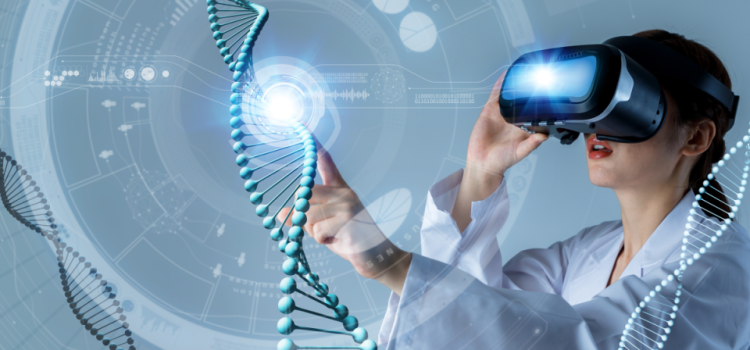

In recent years, the field of genetics has made remarkable strides, unveiling the complex blueprint of human life encoded within our DNA. This progress has profound implications for preventive healthcare, offering new strategies to predict, prevent, and manage a wide array of diseases. By understanding the role of genetics in preventive healthcare, we can harness this knowledge to improve individual and public health outcomes.

Understanding Genetics and Its Influence on Health

Genetics is the study of genes, the fundamental units of heredity, and their role in determining various traits and conditions. Each individual’s genetic makeup, or genome, is a unique combination of DNA inherited from both parents. This genetic information influences everything from eye color and height to susceptibility to certain diseases.

Genetic variations can significantly impact an individual’s health. Some variations are benign, while others can predispose individuals to various health conditions, including cancer, cardiovascular diseases, diabetes, and rare genetic disorders. By identifying these genetic predispositions, healthcare providers can develop personalized prevention and treatment plans, a concept known as precision medicine.

The Integration of Genetics in Preventive Healthcare

Preventive healthcare focuses on measures taken to prevent diseases or detect them early when they are more treatable. The integration of genetics into preventive healthcare represents a paradigm shift, enabling more precise and effective interventions. Here are several ways genetics is transforming preventive healthcare:

Risk Assessment and Stratification

Genetic testing can identify individuals at higher risk for certain diseases based on their genetic profile. For example, mutations in the BRCA1 and BRCA2 genes are associated with a significantly increased risk of breast and ovarian cancers. Individuals with these mutations can benefit from enhanced surveillance, lifestyle modifications, and preventive measures such as prophylactic surgeries or chemoprevention.

Early Detection and Screening

Genetic information can guide screening strategies, ensuring that high-risk individuals undergo appropriate and timely screenings. For instance, individuals with Lynch syndrome, a hereditary condition that increases the risk of colorectal cancer, can be monitored more closely with regular colonoscopies starting at a younger age. Early detection through tailored screening can lead to better outcomes and reduced mortality.

Personalized Lifestyle Recommendations

Genetics can provide insights into how an individual’s body responds to various lifestyle factors such as diet, exercise, and stress. For example, genetic variations can influence how efficiently a person metabolizes certain nutrients or responds to physical activity. By understanding these genetic factors, healthcare providers can offer personalized lifestyle recommendations that optimize health and prevent disease.

How Advances in Biotechnology Are Transforming Medicine genetics
Picture by: Yandex.com

Pharmacogenomics and Medication Management

Pharmacogenomics is the study of how genes affect an individual’s response to medications. Genetic variations can influence drug metabolism, efficacy, and the risk of adverse effects. By integrating pharmacogenomic information, healthcare providers can select the most appropriate medications and dosages for each patient, minimizing side effects and improving treatment outcomes.

Family Planning and Reproductive Health

Genetic counseling and testing play a crucial role in family planning, helping prospective parents understand their risk of passing on genetic disorders to their children. Carrier screening can identify individuals who carry genes for certain inherited conditions, enabling informed reproductive decisions. Additionally, preimplantation genetic diagnosis (PGD) during in vitro fertilization (IVF) allows for the selection of embryos free from specific genetic conditions.

Challenges and Ethical Considerations

While the integration of genetics into preventive healthcare holds great promise, it also presents several challenges and ethical considerations. These include:

Privacy and Confidentiality

Genetic information is highly personal and sensitive. Ensuring the privacy and confidentiality of genetic data is paramount to prevent discrimination and misuse. Robust legal and ethical frameworks are needed to protect individuals’ genetic information.

Access and Equity

Access to genetic testing and personalized preventive healthcare should be equitable. Disparities in access to these services can exacerbate existing health inequalities. Efforts must be made to ensure that all individuals, regardless of socioeconomic status, have access to the benefits of genetic advancements.

Psychological Impact

Receiving genetic information about disease risk can have psychological implications. Genetic counseling is essential to help individuals understand and cope with their genetic risk, providing support and guidance for making informed health decisions.

Clinical Validity and Utility

The clinical validity and utility of genetic tests must be rigorously evaluated. Not all genetic tests provide actionable information, and some may yield uncertain or ambiguous results. Healthcare providers must be trained to interpret genetic data accurately and integrate it into clinical practice effectively.

The Future of Genetics in Preventive Healthcare

The future of genetics in preventive healthcare is promising, with ongoing research and technological advancements continually expanding our understanding of the human genome. Some emerging areas of interest include:

Polygenic Risk Scores

Polygenic risk scores (PRS) aggregate the effects of multiple genetic variants to estimate an individual’s risk of developing a particular disease. PRS can enhance risk prediction for common complex diseases such as heart disease and diabetes, enabling more targeted preventive interventions.

Epigenetics

Epigenetics studies how environmental factors and lifestyle choices can influence gene expression. Understanding epigenetic mechanisms can provide insights into how behaviors and exposures impact health and disease risk, leading to more effective prevention strategies.

Gene Editing and Therapeutics

Advances in gene editing technologies, such as CRISPR-Cas9, hold the potential to correct genetic mutations and prevent or treat genetic disorders. While still in the early stages, these technologies could revolutionize preventive healthcare by addressing the root cause of genetic diseases.

Conclusion

The role of genetics in preventive healthcare represents a transformative shift towards more personalized, precise, and effective health interventions. By leveraging genetic information, healthcare providers can identify individuals at risk, implement tailored preventive measures, and optimize treatment strategies. While challenges and ethical considerations must be addressed, the integration of genetics into preventive healthcare holds the promise of improving health outcomes and enhancing the quality of life for individuals worldwide. As research and technology continue to advance, the potential for genetics to revolutionize preventive healthcare will only grow, ushering in a new era of precision medicine.

As we move into 2024, the landscape of pediatric health is evolving rapidly. Advances in technology, shifts in societal norms, and new research findings are driving significant changes in how we approach the health and well-being of children. This article explores the top pediatric health trends to watch in 2024, providing an informative overview that can help parents, healthcare providers, and policymakers stay ahead of the curve.

Telehealth and Digital Health Solutions

Telehealth has become a cornerstone of pediatric healthcare, especially in the wake of the COVID-19 pandemic. In 2024, this trend is set to continue its upward trajectory. Telehealth offers numerous benefits, including increased accessibility for families in rural or underserved areas, reduced travel time, and the ability to consult with specialists who may not be available locally.

Digital health solutions, such as mobile apps and wearable devices, are also gaining traction. These technologies can monitor vital signs, track medication adherence, and even provide mental health support. For instance, wearables that monitor sleep patterns and physical activity can help parents and healthcare providers make informed decisions about a child’s health.

Mental Health Awareness and Support

Mental health is increasingly recognized as a critical component of overall health, and this is particularly true for children and adolescents. In 2024, there is a growing emphasis on early intervention and comprehensive mental health support. Schools are integrating mental health education into their curricula, and pediatricians are more frequently screening for mental health issues during routine check-ups.

Additionally, there is a push for better access to mental health services, including counseling and therapy. Teletherapy is becoming more popular, offering a convenient and often less intimidating option for children and teens. Community-based programs are also expanding to provide support and resources for families dealing with mental health challenges.

Personalized Medicine

Personalized medicine, which tailors treatment to the individual characteristics of each patient, is making significant strides in pediatric healthcare. Advances in genomics and biotechnology are enabling more precise diagnoses and targeted therapies. For example, genetic testing can identify children who are at risk for certain conditions, allowing for early intervention and personalized treatment plans.

Pharmacogenomics, the study of how genes affect a person’s response to drugs, is another exciting area. This can help determine the most effective medications and dosages for each child, minimizing side effects and improving outcomes.

Nutrition and Gut Health

The link between nutrition, gut health, and overall well-being is becoming increasingly clear. In 2024, there is a growing focus on the role of diet in pediatric health. Parents and healthcare providers are paying more attention to the quality of children’s diets, emphasizing whole foods and reducing processed foods and sugars.

Probiotics and prebiotics are gaining popularity as supplements to support gut health. Research suggests that a healthy gut microbiome can have far-reaching effects, including improved immune function and mental health. Pediatricians are now more likely to discuss dietary habits and recommend specific interventions to support gut health.

Top Trends in Pediatric Health for 2024
Picture by: Yandex.com

Vaccination and Preventive Care

Vaccination remains a cornerstone of pediatric health, and 2024 is no exception. Efforts to increase vaccination rates and combat vaccine misinformation are ongoing. Public health campaigns are focusing on educating parents about the importance of vaccines in preventing serious illnesses.

Preventive care extends beyond vaccinations. Routine screenings, dental care, and regular physical exams are essential components of pediatric health. There is also a growing emphasis on lifestyle factors, such as physical activity and sleep, as part of a comprehensive approach to preventive care.

Environmental Health

Environmental factors play a significant role in children’s health, and awareness of this is increasing. Issues such as air quality, exposure to toxins, and climate change are gaining attention. In 2024, there is a push for policies and practices that reduce children’s exposure to harmful environmental factors.

Parents and caregivers are becoming more informed about the impact of environmental toxins, such as lead and pesticides, on children’s health. Pediatricians are also more likely to discuss environmental health during consultations, offering guidance on how to minimize exposure and advocating for safer environments.

Chronic Disease Management

Chronic diseases, such as asthma, diabetes, and obesity, are becoming more prevalent among children. Effective management of these conditions is a key focus in pediatric healthcare. In 2024, there is an emphasis on integrated care approaches that involve multidisciplinary teams, including pediatricians, specialists, dietitians, and mental health professionals.

Technology is playing a significant role in chronic disease management. For example, continuous glucose monitors and insulin pumps are improving the lives of children with diabetes. Mobile apps that track symptoms and medication adherence are also valuable tools for managing chronic conditions.

Health Equity and Access

Health equity is a critical issue in pediatric healthcare. Disparities in access to care and health outcomes persist, particularly among minority and low-income populations. In 2024, there is a concerted effort to address these disparities and ensure that all children have access to high-quality healthcare.

Community health programs, telehealth services, and policy initiatives are all part of this effort. There is also a focus on cultural competence in healthcare, ensuring that providers are equipped to meet the diverse needs of their patients.

Parental Education and Support

Informed and empowered parents are essential to children’s health. In 2024, there is a growing emphasis on parental education and support. Healthcare providers are offering more resources and guidance to help parents make informed decisions about their children’s health.

Parenting classes, online resources, and support groups are becoming more widely available. These resources cover a range of topics, from nutrition and sleep to mental health and chronic disease management. The goal is to equip parents with the knowledge and tools they need to support their children’s well-being.

Conclusion

The pediatric health trends of 2024 reflect a holistic and forward-thinking approach to children’s health. Advances in technology, a focus on mental health, personalized medicine, and a commitment to health equity are all shaping the future of pediatric healthcare. By staying informed about these trends, parents, healthcare providers, and policymakers can work together to ensure that all children have the opportunity to thrive.

Over the past decade, the scientific community has increasingly turned its attention to the gut, recognizing its critical role in overall health and well-being. Gut health research has unveiled a complex interplay between the gut microbiome and various bodily functions, from digestion to mental health. This article delves into the latest findings in gut health research, shedding light on how maintaining a healthy gut can significantly impact our lives.

The Gut Microbiome: An Overview

The human gut is home to trillions of microorganisms, including bacteria, viruses, fungi, and other microbes, collectively known as the gut microbiome. These microorganisms play a crucial role in various bodily functions, such as digesting food, producing essential vitamins, and protecting against harmful pathogens. The balance and diversity of these microorganisms are essential for maintaining gut health.

Recent Advances in Gut Health Research

1. Gut Microbiome and Mental Health

One of the most groundbreaking areas of gut health research is the connection between the gut microbiome and mental health. Researchers have discovered that the gut-brain axis, a bidirectional communication system between the gut and the brain, plays a significant role in regulating mood and cognitive function.

Recent studies have shown that an imbalance in gut microbiota can contribute to mental health disorders such as depression, anxiety, and even neurodegenerative diseases like Alzheimer’s. For instance, a study published in the journal Nature Microbiology found that individuals with depression had distinct gut microbiome profiles compared to healthy individuals. Probiotics, prebiotics, and dietary interventions are being explored as potential treatments for these conditions.

2. Gut Health and Immune Function

The gut microbiome is also closely linked to the immune system. Approximately 70% of the immune system resides in the gut, making it a critical player in defending the body against infections and diseases. Recent research has highlighted how a healthy gut microbiome can enhance immune function and reduce the risk of autoimmune diseases.

A study published in Cell demonstrated that specific gut bacteria could influence the production of immune cells, such as T-cells, which are vital for immune response. This research opens up new avenues for developing microbiome-based therapies to boost immunity and treat autoimmune conditions.

Image By:https://www.karenberrios.com/

3. Gut Health and Metabolic Disorders

Gut health research has also revealed a strong connection between the gut microbiome and metabolic disorders, including obesity and diabetes. The composition of gut bacteria can influence how the body processes and stores fat, as well as how it regulates blood sugar levels.

A study published in Nature found that individuals with obesity had a less diverse gut microbiome compared to lean individuals. Moreover, certain gut bacteria were associated with insulin resistance, a precursor to type 2 diabetes. These findings suggest that modifying the gut microbiome through diet, probiotics, or fecal microbiota transplantation (FMT) could be a potential strategy for managing metabolic disorders.

4. Gut Health and Cardiovascular Health

Emerging research has also linked gut health to cardiovascular health. The gut microbiome can produce metabolites that influence blood pressure, cholesterol levels, and inflammation, all of which are risk factors for cardiovascular diseases.

A study published in the Journal of the American College of Cardiology found that individuals with a higher abundance of certain gut bacteria had lower levels of inflammation and a reduced risk of heart disease. This research suggests that targeting the gut microbiome could be a novel approach to preventing and treating cardiovascular conditions.

5. Gut Health and Cancer

Gut health research has even extended to cancer. The gut microbiome can influence the effectiveness of cancer treatments, such as chemotherapy and immunotherapy. Certain gut bacteria can enhance the body’s response to these treatments, while others may hinder it.

A study published in Science found that cancer patients with a diverse gut microbiome responded better to immunotherapy compared to those with a less diverse microbiome. This research highlights the potential of using the gut microbiome as a biomarker for predicting treatment outcomes and developing personalized cancer therapies.

Practical Implications of Gut Health Research

The findings from gut health research have significant practical implications for improving overall health and well-being. Here are some actionable steps that individuals can take to maintain a healthy gut:

1. Eat a Diverse Diet

A diverse diet rich in fiber, fruits, vegetables, and fermented foods can promote a healthy gut microbiome. Foods like yogurt, kefir, sauerkraut, and kimchi contain beneficial probiotics that can enhance gut health.

2. Avoid Overuse of Antibiotics

While antibiotics are essential for treating bacterial infections, overuse can disrupt the balance of gut microbiota. It’s important to use antibiotics only when necessary and under the guidance of a healthcare professional.

3. Stay Hydrated

Adequate hydration is crucial for maintaining gut health. Water helps in the digestion and absorption of nutrients and supports the mucosal lining of the intestines.

4. Manage Stress

Chronic stress can negatively impact the gut microbiome. Practices such as mindfulness, meditation, and regular exercise can help manage stress and promote gut health.

5. Consider Probiotics and Prebiotics

Probiotics are live beneficial bacteria that can be taken as supplements, while prebiotics are non-digestible fibers that feed these bacteria. Both can support a healthy gut microbiome.

Conclusion

The latest research on gut health underscores the profound impact of the gut microbiome on various aspects of health, from mental well-being to immune function and metabolic health. As scientists continue to unravel the complexities of the gut microbiome, it becomes increasingly clear that maintaining a healthy gut is essential for overall health.

By incorporating the practical tips mentioned above and staying informed about the latest developments in gut health research, individuals can take proactive steps to support their gut health and, in turn, enhance their overall well-being.

In recent years, the field of biotechnology has seen groundbreaking advancements that are revolutionizing the landscape of medicine. These innovations are not only enhancing the efficacy of existing treatments but are also paving the way for entirely new therapeutic approaches. From gene editing to personalized medicine, biotechnology is at the forefront of a medical renaissance that promises to improve health outcomes and extend lives.

Gene Editing: The CRISPR Revolution

One of the most talked-about advancements in biotechnology is CRISPR-Cas9, a gene-editing technology that allows scientists to make precise changes to the DNA of living organisms. This technology has far-reaching implications for medicine. For instance, CRISPR is being explored as a potential treatment for genetic disorders such as cystic fibrosis, sickle cell anemia, and muscular dystrophy. By correcting the faulty genes responsible for these conditions, CRISPR could offer a permanent cure, rather than merely managing symptoms.

Moreover, CRISPR is being investigated for its potential in cancer treatment. Researchers are exploring ways to edit the genes of immune cells to enhance their ability to target and destroy cancer cells. This approach could lead to more effective and less toxic cancer therapies, offering hope to millions of patients worldwide.

Personalized Medicine: Tailoring Treatment to the Individual

Personalized medicine is another area where biotechnology is making significant strides. Traditional medicine often takes a one-size-fits-all approach, but personalized medicine aims to tailor treatments to the individual characteristics of each patient. This is made possible through advancements in genomics, proteomics, and metabolomics, which allow for a deeper understanding of the molecular underpinnings of disease.

For example, in oncology, personalized medicine is already making a difference. By analyzing the genetic mutations specific to a patient’s tumor, doctors can select targeted therapies that are more likely to be effective. This not only improves treatment outcomes but also reduces the likelihood of adverse side effects.

Pharmacogenomics, the study of how genes affect a person’s response to drugs, is another promising area. By understanding a patient’s genetic makeup, healthcare providers can predict how they will respond to certain medications, allowing for more precise dosing and reducing the risk of adverse reactions. This approach is particularly beneficial in fields like psychiatry, where finding the right medication can often be a process of trial and error.

How Advances in Biotechnology Are Transforming Medicine
Picture by: Yandex.com

Regenerative Medicine: Healing from Within

Regenerative medicine is an exciting frontier in biotechnology that aims to repair or replace damaged tissues and organs. Stem cell therapy is one of the most well-known applications in this field. Stem cells have the unique ability to develop into different cell types, offering the potential to regenerate damaged tissues and treat a variety of conditions, from spinal cord injuries to heart disease.

Bioprinting is another innovative technology in regenerative medicine. Using 3D printing techniques, scientists can create biocompatible structures that mimic natural tissues. These structures can be used to repair or replace damaged tissues, and in the future, may even be used to create entire organs for transplantation.

Immunotherapy: Harnessing the Power of the Immune System

Immunotherapy is a rapidly growing field that leverages the body’s immune system to fight disease. Biotechnology has been instrumental in developing new immunotherapies that are transforming the treatment of conditions like cancer and autoimmune diseases.

Checkpoint inhibitors are a type of immunotherapy that has shown remarkable success in treating certain types of cancer. These drugs work by blocking proteins that prevent the immune system from attacking cancer cells, allowing the body’s natural defenses to target and destroy the tumor. Another promising approach is CAR-T cell therapy, which involves modifying a patient’s own immune cells to better recognize and attack cancer cells.

In the realm of autoimmune diseases, biotechnology is helping to develop therapies that can modulate the immune system to reduce inflammation and prevent tissue damage. For example, biologic drugs that target specific immune pathways are being used to treat conditions like rheumatoid arthritis and Crohn’s disease, offering relief to patients who may not respond to traditional treatments.

Diagnostic Advances: Early Detection and Precision

Biotechnology is also transforming the field of diagnostics, enabling earlier and more accurate detection of diseases. Liquid biopsies, for example, are a non-invasive diagnostic tool that can detect cancer by analyzing small fragments of DNA released by tumors into the bloodstream. This technology has the potential to identify cancer at an earlier stage, when it is more treatable, and to monitor the effectiveness of treatment in real-time.

Next-generation sequencing (NGS) is another powerful diagnostic tool that allows for the comprehensive analysis of a patient’s genetic material. NGS can identify genetic mutations associated with various diseases, enabling more precise diagnoses and informing treatment decisions. This technology is particularly valuable in the diagnosis of rare genetic disorders, where traditional diagnostic methods may fall short.

Ethical and Regulatory Considerations

While the advancements in biotechnology hold immense promise, they also raise important ethical and regulatory questions. For example, the ability to edit the human genome with technologies like CRISPR has sparked a debate about the potential for “designer babies” and the ethical implications of gene editing. Ensuring that these technologies are used responsibly and equitably is a challenge that must be addressed as the field continues to evolve.

Regulatory frameworks also need to keep pace with the rapid advancements in biotechnology. Ensuring the safety and efficacy of new treatments is paramount, but regulatory processes must also be flexible enough to accommodate the unique challenges posed by novel biotechnologies. Collaboration between scientists, policymakers, and regulatory agencies will be essential to navigate these complexities.

Conclusion: A New Era in Medicine

Advances in biotechnology are ushering in a new era in medicine, characterized by more precise, effective, and personalized treatments. From gene editing and personalized medicine to regenerative therapies and advanced diagnostics, biotechnology is transforming the way we understand and treat disease. While challenges remain, the potential benefits of these innovations are immense, offering hope for improved health outcomes and a brighter future for patients worldwide.

As we continue to explore the frontiers of biotechnology, it is crucial to balance innovation with ethical considerations and robust regulatory oversight. By doing so, we can ensure that the benefits of these advancements are realized in a way that is safe, equitable, and sustainable. The future of medicine is bright, and biotechnology is leading the way.

Sleep, an essential component of human health and well-being, has long been a subject of fascination and study. As our understanding of sleep deepens, so too does our ability to innovate and improve the ways in which we rest and recover. This article delves into the future of sleep science and the groundbreaking innovations that promise to transform how we approach sleep.

The Importance of Sleep

Before exploring the innovations in sleep science, it is crucial to understand why sleep is so vital. Sleep is not merely a period of rest; it is an active process that supports various physiological and psychological functions. Adequate sleep is essential for cognitive function, emotional regulation, physical health, and overall quality of life. Chronic sleep deprivation has been linked to a myriad of health issues, including cardiovascular disease, diabetes, obesity, and mental health disorders.

Emerging Trends in Sleep Science

1. Personalized Sleep Solutions

One of the most promising trends in sleep science is the move towards personalized sleep solutions. Advances in technology have enabled the development of devices and applications that can monitor and analyze individual sleep patterns. Wearable sleep trackers, such as smartwatches and fitness bands, use sensors to collect data on sleep duration, quality, and stages. This data can then be used to provide personalized recommendations for improving sleep.

For instance, some devices can suggest optimal bedtimes based on an individual’s circadian rhythm, while others can offer insights into how lifestyle factors, such as diet and exercise, impact sleep. Personalized sleep solutions empower individuals to take control of their sleep health and make informed decisions to enhance their rest and recovery.

2. Smart Sleep Environments

Another exciting innovation in sleep science is the development of smart sleep environments. These environments leverage technology to create optimal conditions for sleep. Smart mattresses, for example, can adjust their firmness and temperature based on an individual’s preferences and needs. Some mattresses even come equipped with sensors that monitor sleep patterns and make real-time adjustments to improve comfort and support.

In addition to smart mattresses, there are also smart pillows, sleep masks, and lighting systems designed to enhance sleep quality. Smart pillows can track head movements and provide gentle vibrations to encourage side sleeping, which can reduce snoring and improve breathing. Sleep masks with built-in sensors can monitor brain activity and use light and sound to facilitate relaxation and sleep. Smart lighting systems can mimic natural light patterns to help regulate circadian rhythms and promote better sleep.

Innovations in Sleep Science: Future of Rest and Recovery
Picture by: Yandex.com

3. Sleep and Mental Health

The relationship between sleep and mental health is a burgeoning area of research in sleep science. Poor sleep has been linked to various mental health conditions, including depression, anxiety, and bipolar disorder. Conversely, improving sleep can have a positive impact on mental health.

Innovations in sleep science are focusing on developing interventions that target both sleep and mental health. Cognitive-behavioral therapy for insomnia (CBT-I) is one such intervention that has shown promise. CBT-I is a structured program that helps individuals identify and change behaviors and thoughts that negatively affect their sleep. Digital CBT-I programs, which can be accessed via smartphones or computers, are making this therapy more accessible to a broader audience.

Additionally, researchers are exploring the use of neurofeedback and brain stimulation techniques to improve sleep and mental health. Neurofeedback involves monitoring brain activity and providing real-time feedback to help individuals regulate their brain waves. Brain stimulation techniques, such as transcranial magnetic stimulation (TMS), can modulate brain activity to promote better sleep and alleviate symptoms of depression and anxiety.

4. Chronobiology and Shift Work

Chronobiology, the study of biological rhythms and their impact on health, is another critical area of sleep science. Understanding how circadian rhythms influence sleep can lead to innovations that benefit individuals with irregular sleep schedules, such as shift workers.

Shift work can disrupt circadian rhythms and lead to sleep disturbances, fatigue, and health problems. Innovations in sleep science are addressing these challenges by developing strategies to help shift workers adapt to their schedules. For example, light therapy can be used to reset circadian rhythms and improve alertness during night shifts. Wearable devices that monitor light exposure and provide personalized light recommendations are also being explored.

Furthermore, researchers are investigating the potential of pharmacological interventions, such as melatonin and wakefulness-promoting agents, to help shift workers manage their sleep and alertness. These innovations aim to mitigate the adverse effects of shift work and improve overall health and well-being.

5. Sleep and Aging

As the global population ages, understanding the relationship between sleep and aging is becoming increasingly important. Sleep patterns change with age, and older adults often experience difficulties with sleep initiation and maintenance. Poor sleep in older adults is associated with cognitive decline, increased risk of chronic diseases, and reduced quality of life.

Innovations in sleep science are focusing on developing interventions to improve sleep in older adults. For example, researchers are exploring the use of non-pharmacological interventions, such as cognitive-behavioral therapy and mindfulness-based stress reduction, to address sleep problems in this population. Additionally, advancements in technology, such as home-based sleep monitoring devices, are making it easier to assess and manage sleep issues in older adults.

6. Sleep and Athletic Performance

Athletes and fitness enthusiasts are increasingly recognizing the importance of sleep for performance and recovery. Sleep science innovations are providing new tools and strategies to help athletes optimize their sleep and enhance their performance.

Wearable devices that monitor sleep and provide feedback on recovery status are becoming popular among athletes. These devices can track metrics such as heart rate variability, which is an indicator of recovery and readiness for training. Additionally, sleep coaches and sports scientists are using data-driven approaches to develop personalized sleep plans for athletes.

Research is also exploring the impact of sleep on injury prevention and rehabilitation. Adequate sleep is essential for tissue repair and immune function, and optimizing sleep can play a crucial role in reducing the risk of injuries and promoting faster recovery.

Conclusion

The future of sleep science is bright, with innovations that promise to revolutionize the way we rest and recover. Personalized sleep solutions, smart sleep environments, and interventions targeting sleep and mental health are just a few examples of the exciting developments in this field. As our understanding of sleep deepens, we can look forward to a future where everyone has the tools and knowledge to achieve optimal sleep and enhance their overall health and well-being.

In the ever-evolving landscape of sleep science, one thing is clear: the quest for better sleep is far from over. With continued research and innovation, we are on the brink of unlocking new possibilities for rest and recovery, paving the way for a healthier and more rested world.

In recent years, the landscape of healthcare has experienced a seismic shift, driven primarily by advancements in technology. Among the most transformative of these innovations is wearable health tech. From fitness trackers to smartwatches and beyond, wearable health tech is revolutionizing how individuals monitor their health, offering unprecedented insights and empowering users to take control of their well-being.

The Emergence of Wearable Health Tech

Wearable health tech refers to electronic devices that can be worn on the body to collect data related to health and fitness. These devices range from simple pedometers to sophisticated biosensors capable of monitoring a wide array of physiological parameters. The proliferation of wearable health tech has been fueled by advancements in sensor technology, miniaturization of electronic components, and the growing integration of artificial intelligence (AI) and machine learning (ML).

Key Features of Wearable Health Tech

1. Real-Time Monitoring

One of the most significant advantages of wearable health tech is its ability to provide real-time monitoring of various health metrics. Devices like smartwatches and fitness trackers can continuously track heart rate, steps taken, calories burned, and even sleep patterns. This real-time data allows users to make immediate adjustments to their activities and lifestyle choices.

2. Personalized Health Insights

Wearable health tech devices are equipped with sophisticated algorithms that analyze the collected data to provide personalized health insights. For instance, some devices can detect irregular heartbeats, prompting users to seek medical advice. Others can offer tailored fitness recommendations based on an individual’s activity levels and goals.

3. Remote Health Monitoring

Wearable health tech has also paved the way for remote health monitoring, which is particularly beneficial for individuals with chronic conditions. Devices such as continuous glucose monitors (CGMs) for diabetics or wearable ECG monitors for heart patients enable healthcare providers to monitor patients’ health remotely, reducing the need for frequent hospital visits.

4. Integration with Health Apps

Most wearable health tech devices can seamlessly integrate with health apps on smartphones and other devices. These apps serve as a central hub for storing and analyzing health data, providing users with comprehensive reports and trends. Integration with health apps also facilitates data sharing with healthcare providers, ensuring continuity of care.

How Wearable Tech is Revolutionizing Health Monitoring
Picture by: Yandex.com

Impact on Preventative Healthcare

Wearable health tech is playing a crucial role in shifting the focus of healthcare from treatment to prevention. By providing continuous monitoring and early detection of potential health issues, these devices enable users to take proactive measures to maintain their health. For instance, detecting early signs of hypertension or irregular heart rhythms can prompt timely medical intervention, potentially preventing serious complications.

Moreover, wearable health tech encourages users to adopt healthier lifestyles. The gamification of health metrics, such as setting daily step goals or earning rewards for meeting fitness targets, motivates individuals to stay active and make healthier choices.

Enhancing Patient Engagement and Adherence

One of the challenges in healthcare is ensuring that patients adhere to prescribed treatment plans and lifestyle recommendations. Wearable health tech addresses this issue by enhancing patient engagement. The constant feedback and reminders provided by these devices keep users informed and motivated to follow their health regimens.

For example, smartwatches can remind users to take their medications, drink water, or move around after prolonged periods of inactivity. Additionally, the social features of some health apps allow users to connect with friends and family, fostering a sense of community and support.

The Role of AI and Machine Learning

The integration of AI and ML in wearable health tech has further amplified its potential. These technologies enable devices to learn from the collected data, improving their accuracy and predictive capabilities over time. AI-powered algorithms can analyze patterns and trends in health data, identifying potential health risks and providing personalized recommendations.

For instance, AI can analyze sleep patterns to identify issues such as sleep apnea or insomnia. Similarly, machine learning algorithms can predict the likelihood of a heart attack based on changes in heart rate variability and other physiological parameters. These predictive capabilities can significantly enhance early intervention and improve health outcomes.

Challenges and Considerations

While wearable health tech offers numerous benefits, it is not without challenges. Privacy and data security are major concerns, as these devices collect sensitive health information. Ensuring that this data is securely stored and transmitted is paramount to maintaining user trust.

Additionally, the accuracy of wearable health tech devices can vary. While they are generally reliable for tracking basic metrics like steps and heart rate, more complex measurements may require validation and calibration. Users should be aware of the limitations of these devices and consult healthcare professionals for critical health decisions.

The Future of Wearable Health Tech

The future of wearable health tech is promising, with ongoing advancements poised to further revolutionize health monitoring. Emerging technologies such as smart fabrics and implantable devices could provide even more comprehensive and accurate health data. Moreover, the integration of wearable health tech with other healthcare technologies, such as telemedicine and electronic health records (EHRs), will enhance the continuity and quality of care.

In the coming years, we can expect wearable health tech to become even more personalized and predictive. As AI and ML algorithms continue to evolve, these devices will offer increasingly precise health insights and recommendations. Additionally, the expansion of wearable health tech into new areas, such as mental health monitoring and rehabilitation, will broaden its impact on overall well-being.

Conclusion

Wearable health tech is undeniably transforming the landscape of health monitoring. By providing real-time data, personalized insights, and remote monitoring capabilities, these devices empower individuals to take control of their health and make informed decisions. As technology continues to advance, the potential of wearable health tech to enhance preventative healthcare, improve patient engagement, and predict health risks will only grow. Embracing these innovations will be key to unlocking a healthier future for all.

The landscape of healthcare is undergoing a significant transformation, driven by the rapid advancements in wearable health tech. This convergence of technology and healthcare is not only enhancing the way we monitor our health but also revolutionizing the entire healthcare ecosystem. From smartwatches that track heart rates to advanced biosensors that monitor glucose levels, wearable health tech is poised to become an integral part of our daily lives. This article delves into the current trends and future innovations shaping the world of wearable health tech.

The Evolution of Wearable Health Tech

Wearable health tech has come a long way from the rudimentary pedometers of the past. Today, these devices are equipped with sophisticated sensors and algorithms that provide real-time health data. The initial focus was primarily on fitness tracking, but the scope has significantly broadened to include comprehensive health monitoring.

Early Beginnings

The first wave of wearable health tech focused on basic metrics such as steps taken, calories burned, and sleep patterns. Devices like Fitbit and Jawbone gained popularity for their ability to motivate users to lead healthier lifestyles. However, these early devices had limitations in terms of accuracy and the range of data they could collect.

The Advent of Smartwatches

The introduction of smartwatches marked a significant milestone in the evolution of wearable health tech. Companies like Apple, Samsung, and Garmin integrated advanced health monitoring features into their smartwatches, making them indispensable tools for health-conscious users. These devices could track heart rates, monitor sleep quality, and even detect irregular heart rhythms.

Current Trends in Wearable Health Tech

As technology continues to advance, several key trends are emerging in the wearable health tech industry. These trends are not only enhancing the functionality of these devices but also expanding their applications in healthcare.

1. Advanced Biosensors

One of the most significant trends in wearable health tech is the development of advanced biosensors. These sensors can monitor a wide range of physiological parameters, including glucose levels, blood pressure, and oxygen saturation. For instance, continuous glucose monitors (CGMs) are becoming increasingly popular among diabetic patients for their ability to provide real-time glucose readings without the need for finger pricks.

2. Wearable ECG Monitors

Wearable ECG monitors are another groundbreaking innovation in the field of wearable health tech. Devices like the Apple Watch Series 6 can perform electrocardiograms (ECGs) to detect irregular heart rhythms and atrial fibrillation. These features are particularly beneficial for individuals with cardiovascular conditions, as they provide early warning signs and facilitate timely medical intervention.

3. Integration with Artificial Intelligence (AI)

Artificial Intelligence (AI) is playing a pivotal role in the advancement of wearable health tech. AI algorithms can analyze vast amounts of health data collected by wearables to provide personalized health insights and recommendations. For example, AI-powered wearables can predict potential health issues based on historical data and suggest preventive measures.

4. Remote Patient Monitoring

The COVID-19 pandemic has accelerated the adoption of remote patient monitoring (RPM) technologies. Wearable health tech is at the forefront of this trend, enabling healthcare providers to monitor patients’ health remotely. This is particularly beneficial for managing chronic conditions and reducing the need for in-person visits.

5. Mental Health Monitoring

Mental health is an area that is gaining increasing attention in the realm of wearable health tech. Devices equipped with sensors to monitor stress levels, sleep patterns, and physical activity can provide valuable insights into an individual’s mental well-being. Some wearables even offer guided meditation and relaxation exercises to help users manage stress and anxiety.

How Wearable Technology is Transforming Health Monitoring
Picture by: Yandex.com

Future Innovations in Wearable Health Tech

The future of wearable health tech holds immense promise, with several exciting innovations on the horizon. These advancements are expected to further enhance the capabilities of wearables and expand their applications in healthcare.

1. Non-Invasive Glucose Monitoring

One of the most anticipated innovations in wearable health tech is non-invasive glucose monitoring. Researchers are developing wearable devices that can measure glucose levels through the skin, eliminating the need for blood samples. This technology has the potential to revolutionize diabetes management and improve the quality of life for millions of patients.

2. Smart Clothing

Smart clothing is an emerging trend that integrates health-monitoring sensors into everyday garments. These garments can track a wide range of health metrics, including heart rate, respiratory rate, and muscle activity. Smart clothing is particularly promising for athletes and fitness enthusiasts, as it provides real-time performance data and helps prevent injuries.

3. Implantable Wearable Devices

Implantable wearable devices represent the next frontier in wearable health tech. These devices are implanted under the skin and can continuously monitor various health parameters. For example, implantable cardiac monitors can detect arrhythmias and other heart conditions with high accuracy. While still in the early stages of development, implantable wearables have the potential to offer unprecedented levels of health monitoring.

4. Personalized Health Recommendations

The integration of AI and machine learning with wearable health tech is paving the way for personalized health recommendations. Future wearables will be able to analyze an individual’s health data in real-time and provide tailored advice on diet, exercise, and lifestyle changes. This level of personalization can significantly enhance the effectiveness of health interventions and improve overall well-being.

5. Enhanced Data Security and Privacy

As wearable health tech continues to evolve, ensuring the security and privacy of health data will be paramount. Future innovations will focus on developing robust encryption and authentication mechanisms to protect sensitive health information. Blockchain technology is also being explored as a potential solution for secure data sharing and storage.

Conclusion

The future of wearable health tech is incredibly promising, with numerous trends and innovations set to transform the healthcare landscape. From advanced biosensors and AI integration to non-invasive glucose monitoring and smart clothing, these advancements are poised to enhance the way we monitor and manage our health. As wearable health tech continues to evolve, it will play an increasingly vital role in promoting preventive healthcare, improving patient outcomes, and empowering individuals to take control of their well-being.

In today’s fast-paced world, where convenience often trumps health, the importance of nutrition cannot be overstated. As the prevalence of chronic diseases continues to rise, understanding the role of nutrition in preventing these conditions has become paramount. Chronic diseases such as heart disease, diabetes, and cancer are responsible for a significant portion of global morbidity and mortality. However, many of these conditions are preventable through lifestyle modifications, with nutrition playing a central role.

Understanding Chronic Diseases

Chronic diseases are long-lasting conditions that typically progress slowly. They include a wide range of health issues such as cardiovascular diseases, type 2 diabetes, cancers, and chronic respiratory diseases. According to the World Health Organization (WHO), chronic diseases are the leading cause of death and disability worldwide. They are often linked to genetic, environmental, and lifestyle factors, with diet being a crucial modifiable risk factor.

The Connection Between Nutrition and Chronic Diseases

Nutrition is the process by which our bodies take in and utilize food substances necessary for health, growth, and energy. It is a cornerstone of good health and plays a vital role in preventing and managing chronic diseases. Here’s how nutrition impacts some of the most common chronic diseases:

1. Cardiovascular Diseases

Cardiovascular diseases (CVD) include conditions such as heart attacks, strokes, and hypertension. Poor dietary habits, such as high intake of saturated fats, trans fats, and sodium, are significant contributors to the development of CVD. Conversely, a diet rich in fruits, vegetables, whole grains, lean proteins, and healthy fats can reduce the risk. Nutrients like omega-3 fatty acids, found in fish, and antioxidants, found in fruits and vegetables, are particularly beneficial for heart health.

2. Type 2 Diabetes

Type 2 diabetes is characterized by insulin resistance and high blood sugar levels. Diet plays a critical role in both the development and management of this condition. Diets high in refined sugars and unhealthy fats can lead to obesity, a major risk factor for type 2 diabetes. On the other hand, a balanced diet rich in fiber, whole grains, lean proteins, and healthy fats can help maintain healthy blood sugar levels and reduce the risk of developing diabetes.

3. Cancer

Certain dietary patterns have been linked to an increased risk of various cancers. For instance, high consumption of red and processed meats has been associated with colorectal cancer. Conversely, diets rich in fruits, vegetables, and whole grains provide essential vitamins, minerals, and antioxidants that protect cells from damage and reduce cancer risk. Phytochemicals, naturally occurring compounds in plants, have been shown to have anti-cancer properties.

4. Obesity

Obesity is a significant risk factor for many chronic diseases, including heart disease, diabetes, and certain cancers. It is often a result of an imbalance between calorie intake and expenditure. Consuming high-calorie, nutrient-poor foods can lead to weight gain and obesity. A balanced diet that focuses on nutrient-dense foods and appropriate portion sizes can help maintain a healthy weight and reduce the risk of obesity-related chronic diseases.

The Role of Nutrition in Preventing Chronic Diseases
Picture by: Yandex.com

Key Nutrients in Preventing Chronic Diseases

Several key nutrients play a pivotal role in preventing chronic diseases. These include:

1. Fiber

Dietary fiber, found in fruits, vegetables, whole grains, and legumes, is essential for digestive health and can help prevent conditions like heart disease, diabetes, and certain cancers. Fiber helps regulate blood sugar levels, lowers cholesterol, and promotes a healthy weight.

2. Antioxidants

Antioxidants, such as vitamins C and E, and beta-carotene, protect cells from damage caused by free radicals. Free radicals can contribute to the development of chronic diseases like cancer and heart disease. A diet rich in colorful fruits and vegetables can provide a robust supply of antioxidants.

3. Omega-3 Fatty Acids

Omega-3 fatty acids, found in fatty fish, flaxseeds, and walnuts, have anti-inflammatory properties and are beneficial for heart health. They can help reduce the risk of cardiovascular diseases by lowering triglycerides, reducing blood pressure, and preventing blood clots.

4. Vitamins and Minerals

Essential vitamins and minerals, such as vitamin D, calcium, magnesium, and potassium, play critical roles in maintaining overall health and preventing chronic diseases. For example, calcium and vitamin D are vital for bone health, while potassium helps regulate blood pressure.

Dietary Patterns for Chronic Disease Prevention

Rather than focusing on individual nutrients, it is essential to consider overall dietary patterns. Several dietary patterns have been shown to reduce the risk of chronic diseases:

1. Mediterranean Diet

The Mediterranean diet emphasizes fruits, vegetables, whole grains, legumes, nuts, and olive oil, with moderate consumption of fish and poultry. This diet is rich in healthy fats, fiber, and antioxidants, making it beneficial for heart health and reducing the risk of chronic diseases.

2. DASH Diet

The Dietary Approaches to Stop Hypertension (DASH) diet focuses on reducing sodium intake and increasing the consumption of fruits, vegetables, whole grains, and lean proteins. It has been shown to lower blood pressure and reduce the risk of heart disease.

3. Plant-Based Diets

Plant-based diets, which emphasize whole plant foods and minimize animal products, have been associated with a lower risk of chronic diseases. These diets are typically high in fiber, vitamins, minerals, and antioxidants, and low in saturated fats and cholesterol.

Practical Tips for a Healthy Diet

Adopting a healthy diet to prevent chronic diseases doesn’t have to be complicated. Here are some practical tips:

  1. Eat a Variety of Foods: Include a wide range of fruits, vegetables, whole grains, lean proteins, and healthy fats in your diet to ensure you get all the essential nutrients.
  2. Limit Processed Foods: Processed foods often contain high levels of unhealthy fats, sugars, and sodium. Opt for whole, unprocessed foods whenever possible.
  3. Watch Portion Sizes: Be mindful of portion sizes to avoid overeating and maintain a healthy weight.
  4. Stay Hydrated: Drink plenty of water throughout the day to stay hydrated and support overall health.
  5. Plan and Prepare Meals: Planning and preparing meals at home can help you make healthier choices and control the ingredients in your food.

Conclusion

Nutrition plays a crucial role in preventing chronic diseases. By adopting a balanced diet rich in fruits, vegetables, whole grains, lean proteins, and healthy fats, individuals can significantly reduce their risk of developing conditions such as heart disease, diabetes, and cancer. Emphasizing overall dietary patterns, such as the Mediterranean and DASH diets, can provide a comprehensive approach to chronic disease prevention. Making informed dietary choices is a powerful tool in the fight against chronic diseases, leading to a healthier and more vibrant life.

The human gut is a bustling ecosystem teeming with trillions of microorganisms, including bacteria, viruses, fungi, and other microbes. This complex community, collectively known as the gut microbiota, plays a pivotal role in our overall health. Recent research has increasingly highlighted the importance of probiotics in maintaining and enhancing gut health. Probiotics, defined as live microorganisms that confer health benefits to the host when administered in adequate amounts, are becoming a focal point in both clinical and nutritional sciences. This article delves into the latest research on the role of probiotics in gut health, exploring their benefits, mechanisms of action, and potential applications.

Understanding Probiotics

Probiotics are often referred to as “good” or “friendly” bacteria. They are found naturally in fermented foods like yogurt, kefir, sauerkraut, and kimchi, as well as in dietary supplements. The most commonly studied probiotics belong to the Lactobacillus and Bifidobacterium genera, though other strains like Saccharomyces boulardii, a type of yeast, also show promising benefits.

The Gut Microbiota: A Delicate Balance

The gut microbiota is a dynamic and diverse community, with each individual’s microbial composition being unique. This microbiota plays an essential role in various bodily functions, including digestion, immune response, and even mental health. A balanced gut microbiota is crucial for maintaining gut health. However, factors such as poor diet, stress, antibiotics, and illness can disrupt this balance, leading to dysbiosis—a state of microbial imbalance associated with various health issues, including inflammatory bowel disease (IBD), irritable bowel syndrome (IBS), obesity, and even mental health disorders.

Probiotics and Gut Health: The Mechanisms

Restoration of Microbial Balance

One of the primary ways probiotics support gut health is by restoring the balance of the gut microbiota. When the gut is in a state of dysbiosis, introducing beneficial bacteria can help crowd out harmful pathogens and restore equilibrium. Studies have shown that probiotics can increase the abundance of beneficial bacteria, such as Lactobacillus and Bifidobacterium, while reducing the levels of harmful bacteria like Clostridium difficile.

Enhancement of Gut Barrier Function

The gut barrier is a critical structure that prevents harmful substances from entering the bloodstream while allowing essential nutrients to pass through. Probiotics have been shown to enhance the integrity of this barrier. For instance, certain strains of Lactobacillus and Bifidobacterium can increase the production of tight junction proteins, which help seal the gaps between intestinal cells, thereby preventing “leaky gut” syndrome.

Modulation of the Immune System

The gut is home to a significant portion of the body’s immune cells. Probiotics can modulate the immune system by enhancing the activity of these cells. For example, they can increase the production of anti-inflammatory cytokines while reducing pro-inflammatory cytokines, helping to maintain a balanced immune response. This immunomodulatory effect is particularly beneficial in conditions like IBD and IBS, where inflammation plays a central role.

Production of Short-Chain Fatty Acids (SCFAs)

Probiotics contribute to the production of short-chain fatty acids (SCFAs) such as butyrate, propionate, and acetate. SCFAs are produced through the fermentation of dietary fibers by gut bacteria and play a crucial role in maintaining gut health. They serve as an energy source for colon cells, regulate gut motility, and have anti-inflammatory properties. Butyrate, in particular, has been shown to enhance gut barrier function and reduce inflammation.

https://www.inbusinessworld.com/wp-content/uploads/2021/07/probiotics.jpg

New Research: Expanding the Horizons

The field of probiotics research is rapidly evolving, with new studies continually shedding light on their potential benefits and applications. Here are some of the latest findings:

Probiotics and Mental Health

The gut-brain axis, a bidirectional communication network between the gut and the brain, has garnered significant attention in recent years. Emerging research suggests that probiotics may have a role in mental health by influencing this axis. For instance, a study published in the journal Gastroenterology found that a specific probiotic strain, Lactobacillus rhamnosus, could reduce anxiety-like behavior in mice by modulating the levels of the neurotransmitter GABA. Human studies are also promising, with some showing that probiotics can alleviate symptoms of depression and anxiety.

Personalized Probiotics

The concept of personalized medicine is making its way into the realm of probiotics. Researchers are exploring the idea of tailoring probiotic treatments to an individual’s unique gut microbiota composition. A study published in Cell demonstrated that personalized probiotics could more effectively colonize the gut and confer health benefits compared to generic formulations. This personalized approach could revolutionize the way probiotics are used in clinical practice.

Probiotics and Metabolic Health

Obesity and metabolic disorders are major public health concerns. Recent research suggests that probiotics may play a role in metabolic health by influencing factors like insulin sensitivity, fat storage, and appetite regulation. A study published in Nature found that a probiotic formulation containing multiple strains of Lactobacillus and Bifidobacterium could improve insulin sensitivity and reduce body weight in obese individuals. These findings open up new avenues for using probiotics as a complementary therapy for metabolic disorders.

Probiotics in Early Life

The early years of life are crucial for the development of a healthy gut microbiota. New research is focusing on the role of probiotics in infants and children. A study published in JAMA Pediatrics found that administering probiotics to infants could reduce the incidence of gastrointestinal infections and colic. Additionally, early exposure to probiotics may have long-term benefits, including a reduced risk of allergies and autoimmune diseases.

Conclusion

Probiotics are emerging as a powerful tool for promoting gut health and overall well-being. The latest research underscores their potential in restoring microbial balance, enhancing gut barrier function, modulating the immune system, and producing beneficial metabolites like short-chain fatty acids. Furthermore, exciting new findings are expanding the horizons of probiotics, exploring their role in mental health, personalized medicine, metabolic health, and early-life interventions.

As our understanding of the gut microbiota and probiotics continues to grow, so too will the opportunities to harness these “friendly” bacteria for better health outcomes. However, it’s essential to approach probiotics with a discerning eye, as not all strains are created equal, and their effects can vary depending on the individual and the condition being treated. Consulting healthcare professionals and relying on evidence-based research will be key to unlocking the full potential of probiotics in gut health.

In summary, the dynamic interplay between probiotics and gut health is a promising frontier in medical and nutritional science, offering hope for improved management of various health conditions and a better quality of life.