Savannah, Georgia is on the verge of a renewable energy revolution as Hyundai Motor Group and LG Energy Solution announce plans to establish a groundbreaking $4.3 billion battery plant. This monumental project signifies a major leap forward in the pursuit of sustainable transportation and positions Savannah as a hub for renewable energy innovation. The collaboration between Hyundai and LG demonstrates their shared commitment to a greener future and marks a significant milestone in the transition to electric mobility.

The Hyundai-LG battery plant is set to transform the region, ushering in a new era of renewable energy production and positioning Savannah at the forefront of the clean energy revolution. The strategic decision to invest billions of dollars in the battery plant reflects the partners’ recognition of the growing global demand for electric vehicles and the critical role of advanced battery technology in driving the adoption of sustainable transportation.

The massive investment in the battery plant is a testament to the partners’ confidence in Savannah’s potential as a renewable energy epicenter. The region’s favorable business environment, robust infrastructure, and proximity to major transportation hubs make it an ideal location for such an ambitious project. The plant’s establishment will not only create thousands of jobs during the construction and operational phases but also attract further investments and stimulate economic growth in the region.

Beyond the economic impact, the Hyundai-LG collaboration represents a significant step towards reducing carbon emissions and combating climate change. The battery plant will be instrumental in meeting the rising demand for electric vehicles by producing advanced battery systems with increased energy density, longer range, and improved performance. By investing in renewable energy technologies, Hyundai and LG are making a profound contribution to the global effort to reduce greenhouse gas emissions and create a more sustainable future.

The battery plant’s proximity to Savannah’s major ports will facilitate efficient import of raw materials and export of finished battery products. This strategic advantage will not only streamline the supply chain but also position Savannah as a crucial gateway for battery manufacturing and distribution. The city’s strong logistics infrastructure and access to international markets will play a pivotal role in supporting the plant’s operations and ensuring timely delivery of batteries to domestic and global customers.

Moreover, the Hyundai-LG battery plant project will bolster the local renewable energy ecosystem. The manufacturing process will rely on clean energy sources, such as solar and wind power, minimizing the carbon footprint associated with battery production. The partners’ commitment to sustainable practices and responsible sourcing of raw materials will contribute to the development of a circular economy and enhance the overall environmental performance of the plant.

The establishment of the battery plant in Savannah underscores the importance of public-private partnerships in driving renewable energy initiatives. Hyundai and LG’s collaboration highlights the critical role that automotive manufacturers and battery suppliers play in advancing the adoption of electric mobility and supporting the transition to a low-carbon future. By joining forces, these industry leaders can leverage their expertise, share resources, and accelerate the development of cutting-edge technologies.

The success of the Hyundai-LG battery plant project hinges on several key factors, including technological advancements, regulatory support, and supply chain resilience. The partners must continue to invest in research and development to enhance battery performance, durability, and affordability. They must also work closely with local and state authorities to ensure a supportive policy environment that encourages the growth of the renewable energy sector.

As the Hyundai-LG battery plant takes shape, the significance of this collaboration reverberates throughout the industry and beyond. This transformative project has the potential to reshape the automotive landscape, reduce reliance on fossil fuels, and pave the way for a sustainable future. The establishment of the battery plant in Savannah represents a powerful step towards a cleaner, greener world, where renewable energy and electric mobility go hand in hand.

The Hyundai-LG partnership exemplifies the spirit of innovation and collaboration needed to address the urgent challenges of climate change and create a more sustainable planet. By investing in renewable energy infrastructure, advanced battery technologies, and sustainable manufacturing practices, Hyundai and LG are leading the way towards a future powered by clean energy and electric mobility.

In conclusion, the Hyundai-LG battery plant in Savannah represents a significant milestone in the global transition to renewable energy and electric mobility. The $4.3 billion investment demonstrates Hyundai and LG’s commitment to sustainable transportation and their confidence in Savannah’s potential as a renewable energy epicenter. This partnership will not only boost the local economy but also drive the development of advanced battery technologies and contribute to the global effort to combat climate change. As the battery plant takes shape, Savannah is poised to become a beacon of renewable energy innovation, shaping the future of transportation and paving the way for a cleaner, greener world.
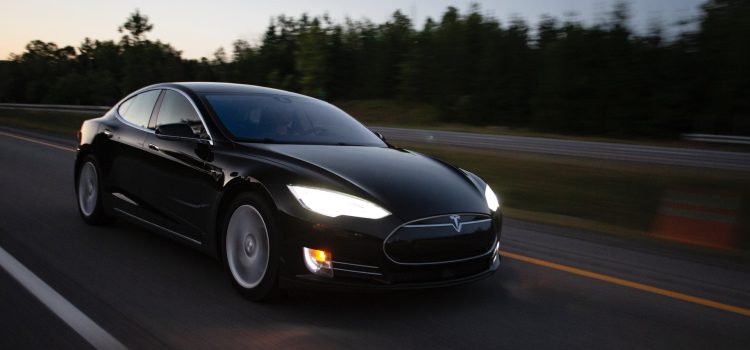
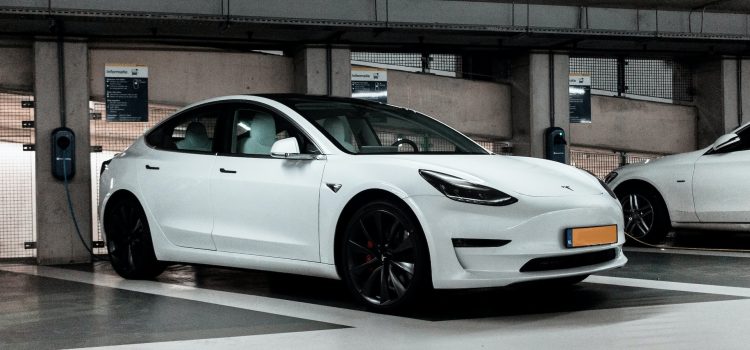
In a shocking turn of events, Tesla, the once-revered titan of the electric vehicle (EV) industry, is now facing a significant downturn in its reputation in the United States. What was once considered a trailblazer in the realm of sustainable transportation has been plagued by a series of controversies and missteps, leading to growing skepticism and a loss of faith among consumers and industry observers alike.

One of the key factors contributing to Tesla’s deteriorating reputation is the growing concern surrounding the safety of its vehicles. Reports of accidents involving Tesla’s Autopilot feature have raised questions about the effectiveness and reliability of the company’s autonomous driving technology. Tragic incidents resulting in fatalities have not only cast a shadow over the safety record of Tesla vehicles but have also called into question the company’s commitment to prioritizing the well-being of its customers. As a result, confidence in the brand has been severely shaken.

Moreover, Tesla’s reputation has suffered due to its struggles with quality control and production issues. Numerous reports have highlighted manufacturing challenges, including delays in deliveries, quality control problems, and inconsistent customer experiences. These issues have left many Tesla owners frustrated and disappointed, undermining the brand’s reputation for excellence and innovation. The inability to meet customer expectations has eroded trust and loyalty, forcing some consumers to reconsider their commitment to the Tesla brand.

The influence of Tesla’s CEO, Elon Musk, has also played a significant role in the company’s declining reputation. While Musk has been hailed as a visionary entrepreneur and a driving force behind Tesla’s success, his erratic behavior and controversial statements have often overshadowed the company’s achievements. Musk’s frequent use of social media platforms, often making bold claims or engaging in public feuds, has created a sense of unpredictability and instability surrounding Tesla. Such actions have led to questions about Musk’s leadership style and have raised concerns about the long-term viability of the company.

Additionally, increased competition in the EV market has impacted Tesla’s reputation. As other automakers enter the electric mobility space, offering competitive alternatives to Tesla’s vehicles, the once-dominant position of the company has been challenged. Established automotive giants and emerging EV manufacturers have made significant advancements in technology, range, and charging infrastructure, narrowing the gap between themselves and Tesla. This increased competition has forced Tesla to adapt and evolve, but it has also exposed vulnerabilities in the brand’s previously unassailable reputation.

To address the challenges it faces, Tesla must undertake a comprehensive reassessment of its approach. The company must prioritize safety and regain consumer trust by proactively addressing concerns surrounding its Autopilot system. Clear and transparent communication about the limitations and ongoing improvements of its autonomous driving technology is crucial in rebuilding confidence. Tesla must also prioritize quality control, ensuring that production issues are swiftly resolved to deliver a consistently exceptional customer experience.

Furthermore, Tesla’s leadership must exhibit a more measured and responsible approach. Elon Musk’s public statements and behavior must align with the professional expectations placed on the CEO of a prominent automotive company. Demonstrating stability, accountability, and a focus on long-term goals will be essential in restoring faith in the brand.

Tesla’s decline in reputation serves as a cautionary tale for the entire EV industry. As the market expands and competition intensifies, manufacturers must prioritize customer satisfaction, safety, and transparency. Building and maintaining a strong reputation are critical components of success in the rapidly evolving world of electric mobility.

While the road to redemption may be challenging, Tesla has the opportunity to learn from its missteps and reclaim its position as a leader in the EV industry. By addressing the concerns raised by consumers, improving quality control, and fostering a culture of transparency and accountability, Tesla can rebuild its reputation and regain the trust of the American market.

Only time will tell if Tesla can weather this storm and emerge stronger on the other side. The eyes of the automotive industry and the world will be watching as the electric vehicle pioneer strives to restore its reputation and reclaim its position as a transformative force in the transportation sector.

In a resounding victory for electric mobility, the Tesla Model Y has made history by claiming the coveted title of the world’s best-selling car. This remarkable achievement not only solidifies Tesla’s position as a trailblazer in the electric vehicle (EV) industry but also signifies a monumental shift in consumer preferences towards sustainable transportation.

The rise of the Tesla Model Y to the pinnacle of global car sales is a testament to the unwavering commitment of Tesla and its visionary CEO, Elon Musk, to revolutionize the automotive industry. With its sleek design, cutting-edge technology, and impressive performance, the Model Y has captured the imagination of consumers worldwide, reshaping the perception of electric vehicles and redefining what it means to be successful in the automotive market.

At the heart of the Model Y’s triumph lies its exceptional combination of range, efficiency, and practicality. Tesla’s relentless focus on advancing battery technology has resulted in the Model Y offering an impressive electric range that competes with, and in some cases surpasses, that of traditional combustion engine vehicles. This extended range, combined with Tesla’s expansive Supercharger network, has alleviated the range anxiety that has been a barrier to widespread EV adoption.

Furthermore, the Model Y’s success can be attributed to Tesla’s unwavering commitment to innovation. The vehicle boasts a host of advanced features, including Tesla’s renowned Autopilot functionality, which sets new standards for safety and convenience. Tesla’s dedication to over-the-air software updates ensures that the Model Y constantly evolves, with new features and performance enhancements being seamlessly delivered to owners, further enhancing the overall ownership experience.

The global embrace of the Tesla Model Y represents a shift in consumer mindset towards sustainability and environmental consciousness. As the devastating effects of climate change become increasingly evident, individuals and governments alike are seeking solutions to reduce carbon emissions and mitigate their impact on the planet. The Model Y’s success not only showcases the demand for electric vehicles but also serves as a wake-up call for the traditional automotive industry, urging them to accelerate their electrification efforts.

While Tesla’s achievement is undoubtedly significant, it also highlights the need for other automakers to prioritize electric mobility. Traditional manufacturers must recognize that the future of transportation lies in electric vehicles and adapt their strategies accordingly. The Model Y’s success has sent shockwaves through the industry, forcing competitors to reevaluate their product offerings and invest heavily in electric vehicle technology.

The implications of the Model Y’s triumph extend beyond individual automakers. It represents a tipping point in the global transition to sustainable transportation. Governments around the world have set ambitious targets to reduce greenhouse gas emissions, and the success of the Model Y demonstrates that electric mobility is a key component in achieving those goals. Policymakers must take note and continue to support the development of EV infrastructure and incentivize the adoption of electric vehicles to ensure a smooth and efficient transition to a low-carbon future.

As the Tesla Model Y secures its place as the world’s best-selling car, it sends a clear message to consumers that electric mobility is not only a viable alternative but a desirable one. The Model Y’s success has shattered preconceived notions of what an electric vehicle can achieve, dispelling myths surrounding range anxiety and demonstrating that electric cars can offer performance, luxury, and practicality without compromising on sustainability.

In conclusion, the Tesla Model Y’s unprecedented feat of becoming the world’s best-selling car is a significant milestone for the electric vehicle industry. It showcases the growing global demand for sustainable transportation and emphasizes the urgent need for traditional automakers to accelerate their electrification efforts. The Model Y’s success is a resounding win for Tesla and a powerful catalyst for the widespread adoption of electric mobility. It is a symbol of the changing tides in the automotive industry, where electric vehicles are reshaping the landscape and redefining what it means to be successful in the modern era of transportation.

In a significant development for the electric vehicle (EV) industry, Tesla and Ford have joined forces in a groundbreaking partnership aimed at boosting electric mobility and driving the world towards a greener future. The collaboration between these automotive giants signals a crucial step in overcoming one of the major barriers to widespread EV adoption: the availability and accessibility of a robust charging infrastructure. This strategic alliance holds the potential to revolutionize the EV landscape and accelerate the transition to sustainable transportation.

Tesla, a frontrunner in the EV market renowned for its innovative technology and Supercharger network, has played a pivotal role in advancing the adoption of electric vehicles worldwide. The Supercharger network, consisting of high-speed charging stations strategically located across the globe, has offered Tesla owners unrivaled convenience and peace of mind during their journeys. On the other hand, Ford, an established player in the automotive industry, has made significant strides in the EV segment with the successful launch of models such as the Mustang Mach-E. By combining their expertise, Tesla and Ford aim to leverage their respective strengths and drive the industry forward.

At the core of this partnership lies the integration of Tesla’s Supercharger network into Ford’s charging infrastructure. This integration will enable Ford EV owners to access Tesla’s extensive network of Supercharger stations, vastly expanding the charging options available to them. The collaboration between these two prominent brands will enhance the convenience and accessibility of charging for EV owners, effectively addressing the issue of range anxiety and making electric vehicles a more attractive option for a broader range of consumers.

The Tesla-Ford partnership extends beyond the integration of charging networks. The collaboration also involves joint research and development efforts focused on advancing charging technologies and infrastructure. By combining their resources and expertise, Tesla and Ford are committed to staying at the forefront of innovation, meeting the evolving needs of EV owners, and continuously improving the charging experience. This dedication to technological advancements underscores their shared vision of a sustainable future powered by electric mobility.

The significance of this partnership reaches beyond the immediate benefits for Tesla and Ford owners. The establishment of a robust and interconnected charging infrastructure is crucial for the mass adoption of electric vehicles. By joining forces, Tesla and Ford are leading the way in creating an integrated charging network that transcends individual brand boundaries. This collaboration sets a precedent for cooperation among automakers and charging infrastructure providers, emphasizing the shared goal of promoting sustainable transportation and overcoming the barriers that hinder EV adoption.

Furthermore, the Tesla-Ford partnership has profound implications for the competitive landscape of the EV market. As two industry leaders collaborate, they not only strengthen their positions but also send a clear message to competitors: collaboration and innovation are key to driving the industry forward. This alliance demonstrates a shift in mindset, where cooperation is prioritized over cutthroat competition. By working together, Tesla and Ford aim to accelerate the adoption of electric vehicles, foster innovation, and contribute to global decarbonization efforts.

The impact of this partnership extends beyond Tesla and Ford, reaching the wider EV ecosystem and potential EV buyers. A comprehensive and reliable charging infrastructure is essential in attracting new customers who may have hesitated to embrace electric mobility due to concerns about charging accessibility and range. With Tesla’s Supercharger network now open to Ford owners, the confidence of potential EV buyers will be bolstered, as their worries about charging infrastructure limitations are alleviated.

As governments and industries worldwide place increasing emphasis on sustainable transportation, partnerships like the one between Tesla and Ford play a vital role in driving the electrification revolution. This collaboration symbolizes a collective commitment to building a greener future, where electric vehicles become the norm rather than the exception. It sets an example for the industry and encourages further collaboration and innovation in the pursuit of sustainable mobility solutions.

In conclusion, the partnership between Tesla and Ford marks a significant milestone in the EV industry. By integrating Tesla’s Supercharger network into Ford’s charging infrastructure, these two automotive powerhouses are poised to transform the electric mobility landscape. The collaboration will enhance the accessibility and convenience of charging for EV owners, attract new customers to the market, and accelerate the transition towards a greener future. With their shared commitment to innovation and sustainable transportation, Tesla and Ford are driving the industry towards a brighter and more sustainable tomorrow.

In the ever-evolving landscape of electric vehicles (EVs), Rivian Automotive has emerged as a frontrunner with its highly anticipated R1S Electric SUV. With a meticulous approach to development and a commitment to quality, Rivian has successfully debugged its offering, positioning the R1S as a promising contender in the EV market. Let’s explore the key features and advancements that make the Rivian R1S stand out from the crowd.

Rivian’s journey began over a decade ago when founder Robert “RJ” Scaringe set out to create a sustainable mobility solution that challenged conventional norms. The R1S Electric SUV is a testament to Rivian’s unwavering dedication to that vision. From the sleek and aerodynamic exterior design to the thoughtfully crafted interior, the R1S embodies Rivian’s commitment to innovation and sustainability.

One of the R1S’s standout features is its impressive range. Equipped with a state-of-the-art battery pack, the R1S boasts an estimated range of over 300 miles on a single charge. This range alleviates one of the main concerns for potential EV owners: range anxiety. Whether it’s daily commuting or embarking on long road trips, the R1S offers the confidence and convenience of extended range, ensuring that drivers can go the distance without compromise.

Beyond its impressive range, the R1S Electric SUV delivers exhilarating performance. Rivian has equipped the R1S with a powerful quad-motor system that offers exceptional torque and acceleration. With independent motor control for each wheel, the R1S delivers precise handling and off-road capabilities that surpass traditional SUVs. Whether tackling rugged terrains or navigating urban streets, the R1S promises an electrifying driving experience.

Safety is a paramount concern for Rivian, and the R1S reflects this commitment. The vehicle is designed with a robust safety system, including advanced driver-assistance features such as adaptive cruise control, lane-keeping assist, and automatic emergency braking. Rivian’s dedication to safety extends to its manufacturing processes, ensuring that every R1S undergoes rigorous testing and meets the highest safety standards.

Inside the R1S, Rivian has crafted a comfortable and versatile space for both driver and passengers. The cabin showcases Rivian’s attention to detail and commitment to sustainable materials, with options for premium vegan leather and responsibly sourced wood accents. The R1S offers spacious seating for up to seven passengers, making it an ideal choice for families or those seeking ample cargo space. The intuitive infotainment system and connectivity features enhance the overall driving experience, keeping occupants connected and entertained on the road.

Rivian’s dedication to sustainability goes beyond the vehicle itself. The company is actively working to establish a robust charging infrastructure to support R1S owners. Rivian has partnered with charging networks and has plans to install its own network of fast-charging stations across strategic locations, ensuring convenient access to charging for its customers. This commitment to infrastructure development is crucial in driving the widespread adoption of EVs and further solidifies Rivian’s position as an industry leader.

As Rivian prepares for the commercial release of the R1S Electric SUV, the company’s achievements have garnered attention and praise from industry experts and consumers alike. The debugged and ready R1S positions Rivian as a serious contender in the EV landscape, challenging established automakers and offering a compelling choice for environmentally conscious buyers.

The success of the R1S is not only a testament to Rivian’s innovation and engineering prowess but also to the increasing demand for sustainable transportation options. As more consumers prioritize environmental responsibility and embrace the shift towards electric mobility, Rivian’s R1S represents a compelling choice that blends performance, sustainability, and versatility.

In conclusion, the Rivian R1S Electric SUV shines as a promising contender in the EV landscape. Through its meticulous development process and commitment to quality, Rivian has debugged its offering, delivering an impressive vehicle that combines range, performance, safety, and sustainability. With the R1S, Rivian is poised to revolutionize the EV market, setting a new standard for electric SUVs and inspiring a greener future on the road.

In a groundbreaking move, Ford Motor Company has announced the reintroduction of AM broadcast radio to its electric vehicle (EV) lineup, effectively addressing long-standing safety concerns. This significant development not only underscores Ford’s commitment to customer satisfaction but also highlights the company’s innovative approach to integrating traditional media with cutting-edge technology. By finding a solution to the interference that previously compromised AM radio reception in EVs, Ford is paving the way for a safer and more enjoyable driving experience for EV owners.

Electric vehicles have experienced rapid growth in recent years, driven by the increasing demand for sustainable and environmentally-friendly transportation options. However, as EVs became more prevalent, a significant issue emerged—the interference caused by their high-voltage electrical systems, which hindered AM radio reception. This problem not only frustrated EV owners but also posed safety concerns, as compromised radio reception could impact important emergency broadcasts or vital information during a drive.

Recognizing the importance of addressing this issue, Ford invested in extensive research and collaboration with radio industry experts to develop an innovative solution. The result is a breakthrough technology that effectively mitigates interference, allowing EV owners to tune in to their favorite AM radio stations without compromising safety or performance.

The reintroduction of AM broadcast radio to Ford’s electric vehicles signifies a significant step forward in the industry. It not only provides EV drivers with a seamless and immersive driving experience but also renews the relevance of AM radio in an era dominated by digital media. By preserving this traditional medium and integrating it into their EV lineup, Ford showcases its commitment to catering to diverse consumer preferences and acknowledging the enduring value of AM radio in connecting communities and providing localized content.

Ford’s emphasis on safety is evident in their approach to resolving the AM radio reception issue in EVs. The company’s engineers worked diligently to implement new shielding techniques and optimize the electrical architecture of their vehicles, ensuring that the high-voltage systems no longer interfere with radio signals. This commitment to safety demonstrates Ford’s dedication to providing a secure driving environment for their customers, where they can stay informed and entertained without compromising their well-being.

The reintroduction of AM broadcast radio to Ford’s EV lineup also has significant implications for the automotive industry as a whole. As EV sales continue to soar, other manufacturers will likely take note of Ford’s solution and strive to incorporate AM radio compatibility into their own electric vehicle offerings. This move not only benefits consumers who have a fondness for AM radio but also reinforces the importance of preserving traditional media formats while embracing technological advancements.

The revival of AM broadcast radio in Ford’s electric vehicles also opens up new opportunities for radio broadcasters and advertisers. Advertisers can now reach a broader audience as more EV owners regain access to AM radio, offering a valuable platform for localized advertising and promoting community engagement. Moreover, radio broadcasters can expand their reach to EV drivers, reaffirming the relevance and impact of AM radio in the digital age.

Ford’s reintroduction of AM broadcast radio to its EV lineup is a testament to the company’s ability to address and resolve technological challenges while prioritizing consumer satisfaction and safety. By integrating traditional media with innovative technology, Ford sets a precedent for the industry and showcases the potential for a harmonious coexistence between the past and the future.

As electric vehicles continue to reshape the automotive landscape, Ford’s commitment to enhancing the driving experience extends beyond performance and sustainability. The reintroduction of AM broadcast radio demonstrates that automakers must consider the diverse preferences of their customers and ensure that their vehicles cater to a wide range of needs. Ford’s solution sets a high standard for the industry, encouraging other manufacturers to prioritize safety, convenience, and the preservation of cultural heritage in their electric vehicle offerings.

In conclusion, Ford’s reintroduction of AM broadcast radio to its electric vehicles marks a significant milestone for both the automotive and radio industries. By addressing safety concerns and finding a solution to the interference issue, Ford has paved the way for a renewed appreciation of AM radio in the era of electric mobility. This move highlights Ford’s dedication to customer satisfaction, safety, and the seamless integration of traditional media with modern technology. As other manufacturers take note of Ford’s innovative approach, the future looks promising for a harmonious coexistence between electric vehicles and the enduring charm of AM radio.

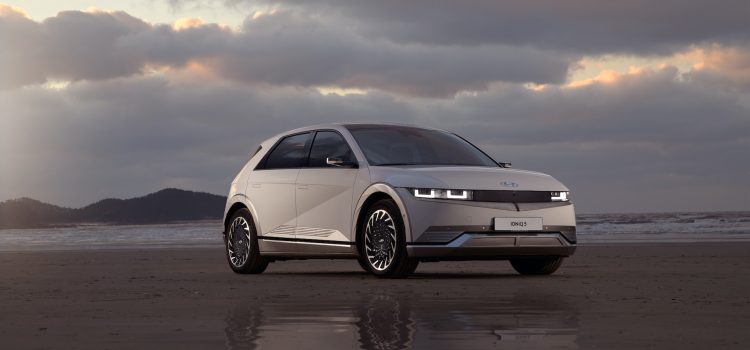
In an era of rapid technological advancements and a growing emphasis on sustainability, Hyundai has unveiled its latest masterpiece: the 2023 Ioniq EV SUV. This groundbreaking electric vehicle combines pioneering design, cutting-edge technology, and an eco-conscious mindset to deliver a truly exceptional driving experience. With its sleek aesthetics, impressive performance, and advanced features, the 2023 Ioniq EV SUV is set to redefine electric adventures.

At first glance, the Ioniq EV SUV captivates with its striking design, seamlessly blending sleekness and sophistication. Hyundai’s commitment to innovation shines through every curve and contour, resulting in a visually stunning vehicle that turns heads on the road. From its aerodynamic profile to the carefully crafted details, the Ioniq EV SUV exudes an air of elegance while embracing the futuristic allure of electric mobility.

Beneath its captivating exterior lies a wealth of cutting-edge technology that propels the Ioniq EV SUV into the future. The vehicle boasts an electric powertrain that offers impressive acceleration, delivering a seamless and exhilarating driving experience. Its advanced battery system provides an estimated range of over 300 miles, allowing drivers to embark on longer journeys with confidence. Whether it’s navigating city streets or cruising on the open highway, the Ioniq EV SUV is ready to take on any adventure.

Step inside, and you’ll discover a refined and spacious cabin designed with both comfort and functionality in mind. Premium materials and meticulous craftsmanship create an inviting atmosphere, while intuitive controls and advanced infotainment systems put the driver in command. The integration of smart features, including smartphone connectivity and voice commands, ensures that drivers can stay connected and entertained throughout their journeys.

Hyundai’s commitment to sustainability extends beyond the Ioniq EV SUV’s zero-emission powertrain. The company has prioritized eco-friendly practices throughout the vehicle’s production, incorporating recycled and renewable materials wherever possible. By reducing its environmental impact, Hyundai aims to set new benchmarks for sustainable manufacturing and contribute to a greener future.

Safety is paramount in the 2023 Ioniq EV SUV, with Hyundai equipping the vehicle with a comprehensive suite of advanced safety technologies. These include adaptive cruise control, lane-keeping assist, and automatic emergency braking, among others, to help prevent accidents and protect both occupants and pedestrians. The Ioniq EV SUV’s commitment to safety reinforces Hyundai’s dedication to providing a secure and reliable driving experience.

In line with the growing electric vehicle infrastructure, Hyundai has also taken steps to ensure convenience and accessibility for Ioniq EV SUV owners. The vehicle supports fast charging, enabling drivers to recharge the battery to 80% capacity in a matter of minutes. Hyundai is actively collaborating with charging infrastructure partners to expand the network, making charging stations more readily available for electric vehicle owners.

The 2023 Ioniq EV SUV represents a significant milestone in Hyundai’s journey towards sustainable transportation. As more drivers embrace electric vehicles, Hyundai is at the forefront of delivering a vehicle that not only addresses environmental concerns but also provides an exhilarating and technologically advanced driving experience.

With its pioneering design, cutting-edge technology, and unwavering commitment to sustainability, the 2023 Ioniq EV SUV is poised to make a lasting impact on the electric vehicle market. Hyundai’s unwavering dedication to innovation and forward-thinking has resulted in a vehicle that embodies the future of mobility—a vehicle that not only meets the demands of the present but also paves the way for a more sustainable and exciting tomorrow.

The 2023 Ioniq EV SUV is more than just a car; it’s a testament to Hyundai’s vision of a world where eco-consciousness and driving pleasure seamlessly converge. As electric adventures become the norm, the Ioniq EV SUV sets the standard for what is possible in the realm of electric vehicles, leaving a lasting impression on the industry and driving us towards a brighter, greener future.

In a bold move to breathe new life into Brazil’s struggling auto industry, former president Luiz Inácio Lula da Silva has unveiled a strategic plan to revive the sector through significant reductions in car taxes. Lula’s proposal, aimed at reigniting consumer demand and stimulating economic growth, represents a determined effort to resuscitate Brazil’s automotive sector, which has been grappling with challenges in recent years.

The Brazilian auto industry, once a symbol of economic strength, has faced a series of setbacks, including an economic downturn, rising inflation rates, and the disruptive effects of the global COVID-19 pandemic. As a result, car sales have dwindled, manufacturing has contracted, and employment in the sector has suffered. Lula’s plan seeks to reverse this decline and set the industry on a path to recovery.

During a speech at a manufacturing plant in São Paulo, Lula outlined his proposal, which centers on substantial tax reductions to make cars more affordable for Brazilian consumers. The plan seeks to alleviate the burden of high car taxes, positioning the industry for a revival by incentivizing car purchases and boosting manufacturing output.

The core of Lula’s strategy involves a phased approach to tax reductions over a defined period. The initial phase includes an immediate cut in sales taxes on new vehicles, aimed at jump-starting consumer demand and encouraging individuals to consider buying cars. Subsequent phases will address other taxes and levies associated with car ownership, such as import duties, licensing fees, and fuel taxes.

The goal of Lula’s proposed tax reductions is not only to benefit consumers but also to create a ripple effect throughout the entire auto industry ecosystem. By stimulating demand, increased car sales will drive higher production levels, leading to job creation and economic growth within the manufacturing sector. The plan also aims to invigorate related industries, including parts suppliers, dealerships, and service providers, fostering a much-needed boost to the broader economy.

While Lula’s plan has garnered praise for its ambition and potential to rejuvenate the auto industry, critics argue that it carries certain risks. Concerns have been raised regarding potential strains on government finances due to reduced tax revenues, which could impact public services and infrastructure investment. Some skeptics also question whether the benefits of tax reductions may disproportionately favor wealthier individuals who are more likely to purchase cars, potentially exacerbating income inequality.

Nevertheless, supporters of the plan emphasize its potential long-term benefits. They contend that reviving the auto industry would create a multiplier effect, generating revenue through increased employment, higher manufacturing output, and the overall growth of related sectors. They argue that Lula’s proposal aligns with his broader agenda of fostering economic growth, reducing inequality, and improving living standards for all Brazilians.

To ensure the successful implementation of the tax reductions and monitor their effectiveness, Lula’s plan emphasizes the need for collaboration between the government, automakers, and industry stakeholders. Transparency, accountability, and regular evaluation are vital components of the proposed strategy, ensuring that any necessary adjustments can be made along the way.

Lula’s strategic approach to resuscitate Brazil’s struggling auto industry through car tax reductions comes at a critical juncture for the nation’s economy. It showcases his determination to take decisive action and harness the potential of the auto sector as a catalyst for economic recovery and job creation. As the plan unfolds, its success will hinge on careful implementation, ongoing evaluation, and a commitment to addressing the broader challenges facing the Brazilian economy.

The automotive industry, once a powerhouse of Brazil’s economic prowess, stands at the brink of a potential revival. Lula’s proposal to reduce car taxes represents a calculated risk with the aim of reigniting consumer demand, boosting manufacturing, and ultimately driving economic growth. As the nation awaits the unfolding of this ambitious plan, the Brazilian auto industry holds its collective breath, hoping for a resurgence that could revitalize the nation’s economy and put Brazil back on the map as a global automotive leader.

In a surprising turn of events, Twitter’s top engineering executive has announced their departure from the company, citing dissatisfaction with Ron DeSantis’ botched campaign kickoff as a major factor in their decision. The exit of this key tech leader raises questions about the future direction of Twitter and highlights the complex relationship between technology companies and political campaigns.

The engineer, who had played a pivotal role in shaping Twitter’s technical infrastructure and product development, made the announcement just days after Ron DeSantis, the Republican candidate for the presidency, launched his campaign. DeSantis’ kickoff event, intended to generate enthusiasm and support, quickly turned into a PR disaster due to a series of technical glitches and missteps.

According to sources close to the engineer, they were deeply frustrated by the campaign’s lack of preparedness and the subsequent negative impact it had on Twitter’s platform. The botched kickoff not only reflected poorly on DeSantis’ team but also exposed vulnerabilities in Twitter’s infrastructure, casting doubts on the company’s ability to handle large-scale events and maintain platform stability.

The engineer’s departure highlights the growing importance of the relationship between technology companies and political campaigns. In an era where social media platforms play a significant role in political discourse and election campaigns, the technical capabilities and robustness of these platforms are crucial. Any misstep or failure can have far-reaching consequences, tarnishing both the campaign’s image and the platform’s reputation.

Twitter, like other social media platforms, has faced increasing scrutiny over its role in shaping public opinion and facilitating political discourse. The engineer’s departure underscores the challenges faced by technology companies in balancing their commitment to neutrality and free speech with the need to ensure the integrity and reliability of their platforms during political events.

While Twitter has been proactive in implementing measures to address disinformation, hate speech, and abuse on its platform, the recent incident during DeSantis’ campaign kickoff reveals that technical shortcomings can still undermine these efforts. The engineer’s exit serves as a wake-up call for Twitter and other technology companies to reassess their strategies for handling political campaigns and events.

The departure of a top engineering executive also raises questions about the internal dynamics and leadership within Twitter. As one of the key figures responsible for the company’s technical vision and execution, their exit could impact the pace of innovation and the ability to tackle future challenges. Twitter will now have to navigate the loss of institutional knowledge and find a suitable replacement who can steer the company’s technical endeavors.

In response to the engineer’s departure, Twitter issued a statement expressing gratitude for their contributions and acknowledging the challenges faced during the campaign kickoff. The company emphasized its commitment to learning from the incident and improving its infrastructure to ensure the smooth operation of future political events.

Experts in the technology industry believe that this incident serves as a reminder of the increasing importance of collaboration between technology companies and political campaigns. As political campaigns continue to rely heavily on social media platforms, it is crucial for both sides to work closely together to anticipate and address potential technical issues, ensuring a seamless and reliable experience for users.

The engineer’s exit from Twitter in response to Ron DeSantis’ botched campaign kickoff sheds light on the intricate relationship between technology companies and political campaigns. It serves as a reminder of the challenges faced by social media platforms in maintaining platform stability and integrity during high-stakes political events. Twitter and other companies in the tech industry must take this opportunity to reflect, learn, and strengthen their approaches to ensure the smooth functioning of their platforms in the face of political campaigns and events.

The fallout from Florida Governor Ron DeSantis’ ill-fated campaign kickoff continues to reverberate, as Twitter’s engineering boss, Sarah Lawson, steps down in the wake of the controversy. Lawson’s resignation highlights the growing challenges faced by social media platforms in navigating the murky waters of politics and raises questions about the role of tech companies in shaping public discourse.

The highly anticipated campaign event, meant to rally support and showcase DeSantis’ vision for Florida, quickly turned into a spectacle of mishaps and miscommunications. From technical glitches disrupting the livestream to messaging blunders that went viral, the campaign launch became a public relations nightmare, further exposing the inherent risks associated with merging politics and social media.

Sarah Lawson, a prominent figure in Twitter’s engineering department, played a pivotal role in shaping the platform’s technical infrastructure. Known for her strategic vision and commitment to ethical practices, Lawson’s departure signifies a deeper frustration with Twitter’s handling of political content and the spread of misinformation by influential figures.

Insiders familiar with the situation suggest that Lawson’s decision to step down stems from a sense of regret regarding the platform’s response to the challenges posed by political campaigns. Throughout her tenure, Lawson had been an advocate for stricter measures to combat the dissemination of false information and promote transparency. However, the handling of DeSantis’ campaign launch served as a tipping point, exposing the difficulties faced by social media companies in maintaining a fair and accountable digital landscape.

The resignation of Twitter’s engineering boss raises concerns about the platform’s ability to effectively navigate the intersection of politics and social media. Lawson’s technical expertise and strategic acumen were instrumental in shaping the company’s engineering efforts, leaving a void that will need to be filled. This development begs the question of whether Twitter will be able to address the challenges of political content without the expertise and vision that Lawson brought to the table.

While Twitter has yet to officially comment on Lawson’s departure, the incident underscores the broader debate surrounding the responsibilities of social media platforms. Critics argue that these platforms have become breeding grounds for political manipulation and the spread of misinformation, calling for stricter regulations and increased accountability. On the other hand, proponents emphasize the importance of free speech and the need to strike a delicate balance between moderation and open dialogue.

The mishaps surrounding DeSantis’ campaign kickoff have once again highlighted the power dynamics at play when politics and social media collide. They serve as a stark reminder of the potential consequences of underestimating the influence of digital platforms in shaping public perception and political success. The incident underscores the importance of meticulous planning, technical proficiency, and a comprehensive understanding of the digital landscape for political campaigns that heavily rely on social media.

As the news of Lawson’s resignation continues to unfold, it is clear that her departure should prompt a wider discussion on the role of social media in the political sphere. Tech companies, political campaigns, and regulatory bodies must come together to find common ground in addressing the challenges of misinformation, algorithmic bias, and the overall impact of digital platforms on democratic processes.

Furthermore, Lawson’s resignation serves as a reminder that the responsibility to uphold the integrity of public discourse rests not only with social media companies but also with users and society as a whole. It calls for greater transparency, critical media literacy, and active participation in shaping the digital landscape to ensure that it remains a platform for democratic engagement rather than a breeding ground for misinformation and polarization.

In conclusion, Sarah Lawson’s resignation following the ill-fated campaign launch of Ron DeSantis highlights the challenges faced by Twitter and other social media platforms in navigating the complex terrain of politics. It underscores the need for continuous reflection, innovation, and responsible practices to ensure that social media remains a force for positive change rather than a tool for manipulation. The incident should serve as a catalyst for a broader conversation on the role and responsibilities of tech companies in the political sphere and the measures required to maintain a fair, transparent, and accountable digital landscape.