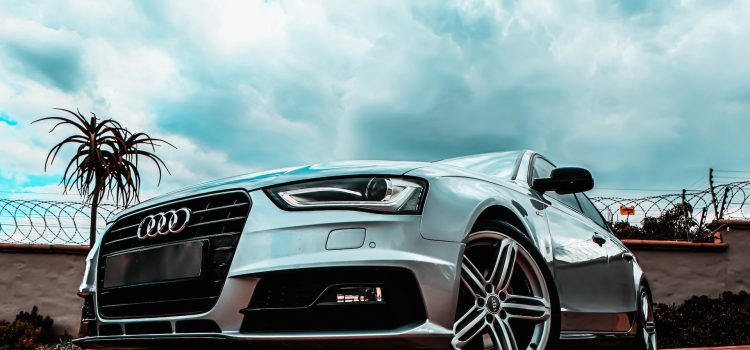
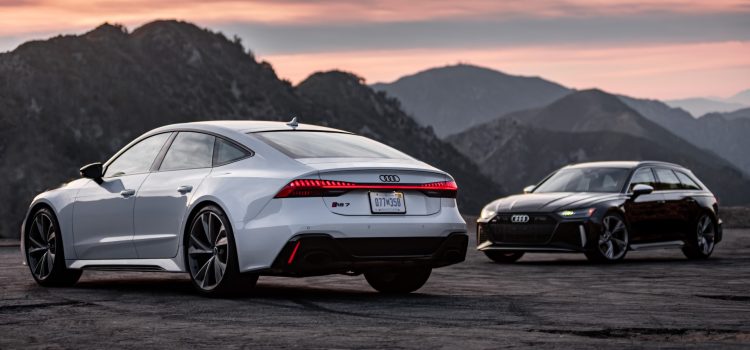
In a significant development, Volkswagen (VW) and its luxury brand, Audi, have reached a settlement with the state of Texas regarding the diesel emissions case. The settlement, totaling a staggering $85 million, marks an important step towards resolving the legal consequences stemming from the infamous diesel scandal. In this article, we will delve into the details of this settlement and its implications for both VW, Audi, and the state of Texas.

The Diesel Emissions Scandal: A Brief Recap

The diesel emissions scandal, also known as “Dieselgate,” came to light in 2015 when it was revealed that VW had installed software in their diesel vehicles to manipulate emissions tests. This scandal rocked the automotive industry and tarnished the reputation of one of the world’s largest automakers. The repercussions were far-reaching, resulting in numerous legal battles, fines, and a significant loss of public trust.

Texas’ Involvement and Legal Actions

Texas, as one of the largest automotive markets in the United States, was directly impacted by the diesel emissions scandal. The state took swift action to address the violations and protect the interests of its residents. Texas filed a lawsuit against VW and Audi, seeking compensation for the environmental damage caused by the vehicles involved in the scandal.

The Settlement: A Step towards Resolution

After years of legal proceedings, VW and Audi have agreed to settle with Texas for a sum of $85 million. This settlement represents a significant milestone in the ongoing efforts to resolve the legal fallout from the diesel emissions scandal. The funds from the settlement will be used by the state to address environmental concerns and promote clean transportation initiatives.

Accountability and Environmental Impact

The settlement between VW, Audi, and Texas demonstrates a shared commitment to holding responsible parties accountable for their actions. It also highlights the importance of addressing the environmental impact caused by the excessive emissions. The funds provided through the settlement will play a crucial role in supporting initiatives aimed at mitigating the damage caused by the non-compliant vehicles and promoting a cleaner, greener future.

Rebuilding Trust and Moving Forward

For VW and Audi, the settlement represents a significant step towards rebuilding trust and repairing their damaged reputation. Both brands have made substantial efforts to rectify the wrongs of the diesel emissions scandal, including investing in electric vehicles and adopting more stringent environmental practices. The settlement with Texas further reinforces their commitment to making amends and moving forward responsibly.

Conclusion

The $85 million settlement between VW, Audi, and Texas in the diesel emissions case signifies a pivotal moment in the journey towards resolving the legal and environmental consequences of the scandal. This settlement not only holds VW and Audi accountable for their actions but also provides Texas with resources to address the environmental impact caused by the non-compliant vehicles. As VW and Audi continue to invest in cleaner technologies and practices, this settlement marks a significant step in rebuilding trust and paving the path towards a more sustainable future for the automotive industry as a whole.

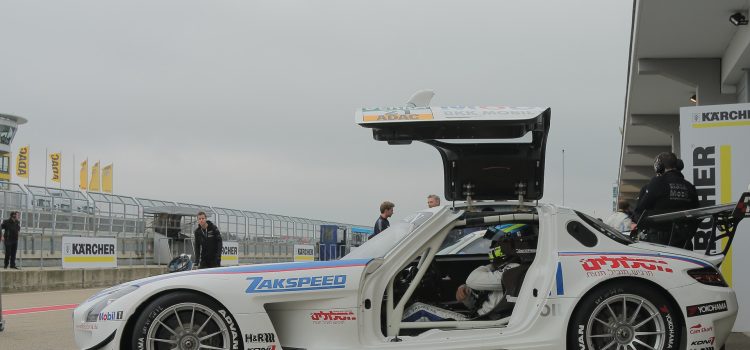
In the high-stakes world of Formula 1 racing, even the slightest technical challenges can have a significant impact on a team’s performance. One such challenge that Mercedes-AMG Petronas Formula One Team has been tackling is dialing out the “nasty” rear end of their F1 car. With an unwavering commitment to excellence, the team’s engineers and technicians have been working relentlessly to master the art of achieving the perfect balance and stability in their car’s rear end.

1. The Rear End Challenge

The rear end of an F1 car is a critical area that directly affects its overall performance. Achieving the right balance between aerodynamics, mechanical grip, and tire management is crucial for optimal handling and stability. However, the Mercedes team faced a particular issue with their car’s rear end, which was characterized as “nasty” due to its unpredictable behavior, especially under certain driving conditions.

2. Understanding the Dynamics

Understanding the dynamics of the rear end behavior was the first step in addressing the challenge. The team’s engineers meticulously analyzed data, conducted simulations, and studied the car’s performance on the track to gain insights into the factors contributing to the instability. By scrutinizing factors such as suspension geometry, weight distribution, aerodynamics, and tire behavior, they aimed to identify the root causes of the problem.

3. Iterative Design and Testing

Armed with a deeper understanding of the rear end dynamics, the Mercedes team embarked on an iterative design and testing process. They focused on refining various components and systems that directly influenced the rear end behavior. This involved making adjustments to the suspension setup, optimizing aerodynamic elements, and fine-tuning the car’s overall balance.

4. Collaboration and Expertise

Addressing the rear end challenge required a collaborative effort and the expertise of multiple team members. Aerodynamicists, vehicle dynamics engineers, and mechanics worked closely together, sharing their knowledge and insights to find effective solutions. Through a combination of computational analysis, wind tunnel testing, and on-track evaluations, they strived to unlock the secrets to taming the “nasty” rear end.

5. Continuous Improvement

Continuous improvement is a fundamental principle in the world of Formula 1, and the Mercedes team embraced this ethos. They tirelessly evaluated and refined their solutions, implementing changes based on real-world performance data and driver feedback. This iterative approach allowed them to make incremental progress, inching closer to the desired rear end behavior.

6. The Pursuit of Perfection

The pursuit of perfection is what drives teams in Formula 1, and the Mercedes-AMG Petronas Formula One Team is no exception. They are determined to master the art of dialing out the “nasty” rear end, seeking to achieve a car that is predictable, stable, and responsive. By pushing the boundaries of engineering, innovation, and teamwork, they are constantly raising the bar for themselves and their competitors.

Conclusion

Mastering the art of dialing out the “nasty” rear end of an F1 car is a complex challenge that requires a deep understanding of aerodynamics, vehicle dynamics, and tire behavior. The Mercedes-AMG Petronas Formula One Team’s relentless pursuit of excellence drives them to address this challenge head-on. Through rigorous analysis, iterative design and testing, collaboration, and a commitment to continuous improvement, they are determined to achieve the perfect balance and stability in their car’s rear end. As they strive for perfection, the team’s efforts serve as a testament to their unwavering dedication and their commitment to pushing the boundaries of performance in the exhilarating world of Formula 1.

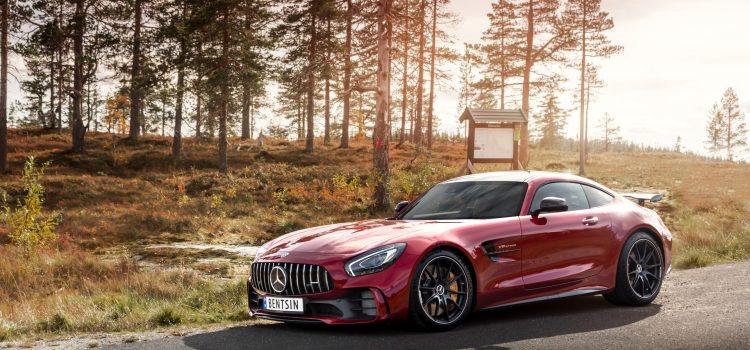
As the automotive industry undergoes a rapid transformation towards electrification, Mercedes-Benz is poised to play a leading role in shaping the future of electric vehicles (EVs). With a strong commitment to sustainability and innovation, Mercedes is accelerating its efforts to bring cutting-edge electric models to the market. In this article, we will provide an exciting glimpse into Mercedes’ EV strategy and highlight some of the upcoming electric models that will drive the brand into the future.

Mercedes’ Commitment to Electrification

Mercedes-Benz has embraced electrification as a core pillar of its long-term strategy. With a clear vision to offer carbon-neutral mobility, the company has set ambitious goals to electrify its entire vehicle lineup. By investing heavily in research and development, Mercedes aims to deliver compelling electric models that combine sustainable technology with the luxury, performance, and craftsmanship for which the brand is renowned.

Advancing Electric Vehicle Technology

Mercedes’ electric vehicle technology is built upon a foundation of continuous innovation. The company is committed to pushing the boundaries of electric propulsion, battery technology, and charging infrastructure. By leveraging advancements in battery chemistry and energy management systems, Mercedes is focused on improving range, charging times, and overall performance. These efforts aim to address common concerns about EVs and enhance the ownership experience for customers.

Upcoming Electric Models

  1. Mercedes EQS

    The Mercedes EQS represents the pinnacle of luxury electric vehicles. Positioned as the flagship electric sedan, the EQS showcases Mercedes’ commitment to blending state-of-the-art technology with a luxurious driving experience. With a sleek and aerodynamic design, cutting-edge driver assistance features, and a spacious and opulent interior, the EQS redefines what an electric vehicle can offer.

  2. Mercedes EQE

    The Mercedes EQE is a midsize electric sedan that brings a perfect balance of luxury and sustainability. With its elegant design, advanced technology, and impressive performance, the EQE aims to captivate customers who seek a refined electric driving experience. It is expected to offer a generous range, fast charging capabilities, and an array of innovative features that make every journey enjoyable.

  3. Mercedes EQA and EQB

    Mercedes is also expanding its electric SUV lineup with the introduction of the EQA and EQB models. The EQA is a compact electric SUV that combines versatility and efficiency, making it an ideal choice for urban environments. On the other hand, the EQB offers a larger and more spacious option, catering to those who require extra room for passengers and cargo. Both models promise to deliver a blend of dynamic performance, range, and advanced safety features.

Charging Infrastructure and Sustainability Efforts

Mercedes recognizes the importance of a robust charging infrastructure to support the widespread adoption of EVs. The company is actively collaborating with charging network providers to expand the availability of fast-charging stations globally. Additionally, Mercedes is investing in renewable energy projects and exploring ways to reduce the carbon footprint of its manufacturing processes, ensuring that sustainability is at the core of its operations.

Conclusion

Mercedes-Benz is firmly committed to driving the electric revolution with a comprehensive EV strategy. By combining their expertise in luxury vehicles with innovative electric technologies, Mercedes aims to set new standards in the EV market. With the upcoming launch of models like the EQS, EQE, EQA, and EQB, Mercedes is poised to captivate customers with sustainable mobility solutions that deliver exceptional performance, advanced features, and the iconic Mercedes-Benz experience. As the brand accelerates into the future, the vision of emission-free driving and a greener tomorrow becomes closer to reality.

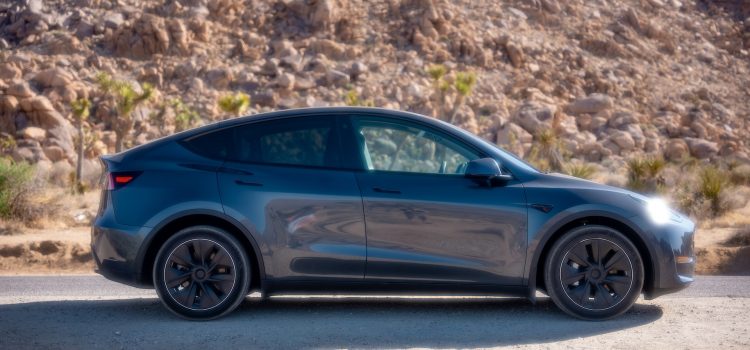
In a significant paradigm shift for the automotive industry, the Tesla Model Y has emerged as a true game-changer, capturing the world’s attention and claiming the coveted title of the world’s best-selling car. As the first-ever all-electric vehicle (EV) to achieve this feat, the Model Y has not only disrupted the market but also accelerated the global transition towards sustainable transportation.

1. Unleashing the Power of Electric Mobility

The success of the Tesla Model Y marks a significant milestone in the rise of electric mobility. With its sleek design, impressive performance, and eco-friendly features, the Model Y has captivated the imaginations of car enthusiasts worldwide. As the automotive industry faces mounting pressure to reduce emissions and embrace cleaner energy sources, the Model Y stands at the forefront, showcasing the immense potential of electric vehicles to redefine the way we drive.

2. Unmatched Sales Figures and Global Recognition

The Model Y’s claim to the title of the world’s best-selling car is not just a fluke but a testament to its widespread appeal and unparalleled sales figures. Since its launch, the Model Y has consistently outperformed its competitors, both in the EV segment and the broader automotive market. Its versatility as a compact SUV, combined with Tesla’s reputation for innovation and cutting-edge technology, has garnered immense global recognition and propelled the Model Y to new heights of success.

3. Driving Factors Behind the Model Y’s Triumph

Several driving factors have contributed to the Model Y’s unprecedented success. First and foremost is Tesla’s commitment to pushing the boundaries of electric vehicle technology, offering longer ranges, faster charging capabilities, and continuous software updates that enhance the driving experience. The Model Y’s combination of style, performance, and range has attracted a diverse range of customers, from eco-conscious consumers to those seeking a thrilling and futuristic driving experience.

Additionally, Tesla’s expansive Supercharger network, coupled with an ever-growing charging infrastructure worldwide, has alleviated concerns about range anxiety and provided drivers with the confidence to embark on longer journeys. The company’s emphasis on building a comprehensive charging ecosystem has been instrumental in boosting the widespread adoption of EVs and has contributed to the Model Y’s global success.

4. Shaping the Future of the Automotive Industry

The Model Y’s triumph extends beyond its immediate sales figures. Its success has sent shockwaves through the automotive industry, prompting traditional automakers to accelerate their own electrification efforts and invest heavily in EV development. As the demand for electric vehicles continues to soar, automakers are scrambling to catch up with Tesla’s groundbreaking achievements and capitalize on the growing market.

5. Environmental Impact and Sustainability

Beyond the commercial success and industry influence, the Model Y’s rise to prominence signifies a significant step towards a more sustainable future. As the world grapples with the environmental challenges posed by traditional gasoline-powered vehicles, the Model Y’s zero-emission electric drivetrain offers a cleaner and greener alternative. By choosing the Model Y, drivers contribute to reducing greenhouse gas emissions and minimizing their ecological footprint, playing a vital role in the global fight against climate change.

Conclusion

The Tesla Model Y’s ascent to the title of the world’s best-selling car marks a monumental paradigm shift in the automotive industry. As the first-ever EV to claim this accolade, the Model Y has shattered preconceptions and ignited a global movement towards sustainable transportation. With its unmatched sales figures, groundbreaking technology, and widespread recognition, the Model Y is not just a car but a symbol of progress, innovation, and the limitless potential of electric mobility. As more automakers embrace electrification, we can anticipate a future where the roads are filled with emission-free vehicles, and the legacy of the Model Y’s success serves as a guiding light towards a more sustainable and cleaner world.

For many car buyers, the used car market has long been a go-to for finding great deals and affordable options. However, this year, the landscape of the used car market has experienced a shift. While prices have indeed cooled off compared to the surging prices of recent years, finding those coveted bargains has become more challenging. The combination of various factors has created a unique situation where buyers need to navigate the market with caution and realistic expectations.

1. Supply and Demand Imbalance

One of the primary reasons for the scarcity of bargains in the used car market this year is the supply and demand imbalance. The COVID-19 pandemic disrupted global supply chains and resulted in a shortage of new vehicles. As a result, many potential buyers turned to the used car market as an alternative. The increased demand for used cars put pressure on the available inventory, causing prices to rise. Although the situation has improved slightly, the supply of used cars has not yet caught up with the demand, which continues to impact prices.

2. Reduced Trade-Ins and Off-Lease Vehicles

Another contributing factor to the scarcity of bargains in the used car market is the reduced number of trade-ins and off-lease vehicles entering the market. During the pandemic, many people held onto their cars longer, leading to a decrease in trade-ins. Additionally, the shortage of new car inventory meant that fewer vehicles were returned at the end of lease agreements. With fewer trade-ins and off-lease vehicles available, the supply of used cars further tightened, limiting the options for buyers seeking affordable deals.

3. Increased Wholesale Prices

The wholesale prices of used cars have also played a role in the scarcity of bargains this year. Dealerships, who are a significant source of used car inventory, have been paying higher prices at wholesale auctions to acquire vehicles for their lots. These increased wholesale prices ultimately trickle down to consumers, making it more challenging to find heavily discounted used cars. Dealerships need to cover their costs and maintain a profit margin, which can impact the pricing of the vehicles they offer to buyers.

4. Popular Used Car Models Retaining Value

Certain used car models, particularly those in high demand, have retained their value exceptionally well. This is especially true for popular models known for their reliability, fuel efficiency, or unique features. While it’s a positive sign for those looking to sell their used vehicles, it means that buyers may face steeper prices when seeking bargains on these sought-after models.

5. Patience and Research Required

Despite the challenges in finding bargains in the current used car market, it’s not entirely hopeless. Buyers who are willing to be patient and invest time in thorough research may still uncover reasonably priced options. It’s essential to broaden the search criteria, consider alternative models or brands, and explore different sellers such as private sellers, online marketplaces, and reputable used car dealerships. Additionally, being flexible with preferences and being prepared to negotiate can potentially lead to more favorable deals.

Conclusion

While the used car market has experienced a cooling off in prices, this year has presented unique challenges in finding those coveted bargains. Supply and demand imbalances, reduced trade-ins and off-lease vehicles, increased wholesale prices, and the value retention of popular models have contributed to the scarcity of affordable options. However, with patience, diligent research, and a flexible approach, buyers can still find reasonable deals within the current market conditions. It’s important to manage expectations and be prepared to make informed decisions when considering used car purchases in the current landscape.

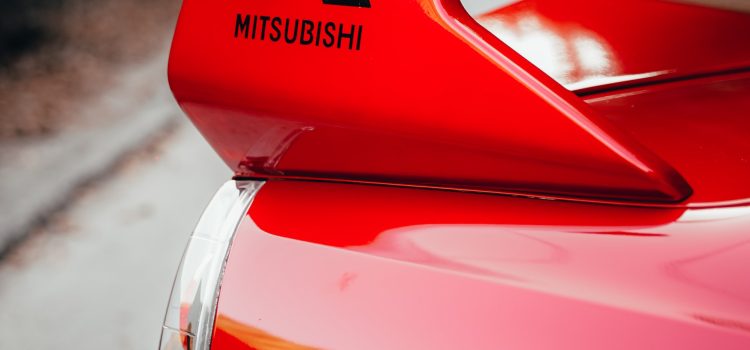
Navigating Challenges: Mitsubishi Motors’ Decision to Prolong Production Suspension in China – Insights from Yomiuri

In a move aimed at addressing the ongoing challenges faced by the global automotive industry, Mitsubishi Motors has recently announced the decision to extend the suspension of production at its facilities in China. This development, reported by Yomiuri, sheds light on the company’s response to the semiconductor chip shortage that has significantly impacted the automotive manufacturing sector worldwide. Let’s delve into the details and gain insights into Mitsubishi Motors’ decision.

The Semiconductor Chip Shortage

The global automotive industry has been grappling with a severe shortage of semiconductor chips, a crucial component in the production of modern vehicles. This shortage originated from the disruptions caused by the COVID-19 pandemic, which led to a decrease in chip production. Simultaneously, increased demand for consumer electronics during the pandemic further strained the chip supply, diverting resources away from the automotive sector.

The Implications for Mitsubishi Motors

Mitsubishi Motors’ decision to extend the suspension of production at its Chinese facilities reflects the company’s proactive approach in addressing the chip shortage challenges. By temporarily halting production, Mitsubishi Motors aims to align its operations with the available chip supply, ensuring a more efficient and sustainable manufacturing process.

While this production suspension poses challenges for Mitsubishi Motors, the decision is a necessary step to mitigate the impact of the chip shortage. The company is likely prioritizing the allocation of available chips to higher-demand markets and key vehicle models, optimizing its operations despite the ongoing challenges.

Insights from Yomiuri

The insights reported by Yomiuri provide a valuable perspective on Mitsubishi Motors’ decision. The extension of the production suspension in China is an indication of the severity of the chip shortage issue and its impact on the automotive industry as a whole. The article underscores the industry-wide efforts being made to address the shortage, including diversifying supply chains, collaborating with chip manufacturers, and exploring alternative sourcing strategies.

The Road Ahead

Resolving the semiconductor chip shortage remains a complex task that requires collective efforts from various stakeholders. The automotive industry continues to navigate through uncertainties and adapt to the changing landscape. Automakers are actively working to secure chip supply, exploring partnerships, and considering long-term solutions to enhance their resilience in the face of future challenges.

While the chip shortage is expected to persist in the near term, the industry is optimistic about a gradual recovery. Governments and industry leaders are emphasizing the importance of strengthening local chip manufacturing capabilities to reduce dependence on a limited number of suppliers. Such efforts aim to enhance the industry’s ability to withstand future disruptions and ensure a more stable supply of semiconductor chips.

Conclusion

Mitsubishi Motors’ decision to prolong the production suspension in China in response to the semiconductor chip shortage demonstrates the company’s commitment to effectively managing the challenges at hand. By aligning their operations with the available chip supply, Mitsubishi Motors aims to optimize their manufacturing processes and navigate the uncertainties caused by the ongoing shortage.

Insights from Yomiuri shed light on the severity of the chip shortage issue and the industry-wide efforts being made to address it. While the road ahead may be challenging, the automotive industry remains resilient and determined to overcome the semiconductor chip shortage. By adapting strategies, diversifying supply chains, and fostering collaboration, automakers are working towards a more stable and sustainable future.

Introduction:

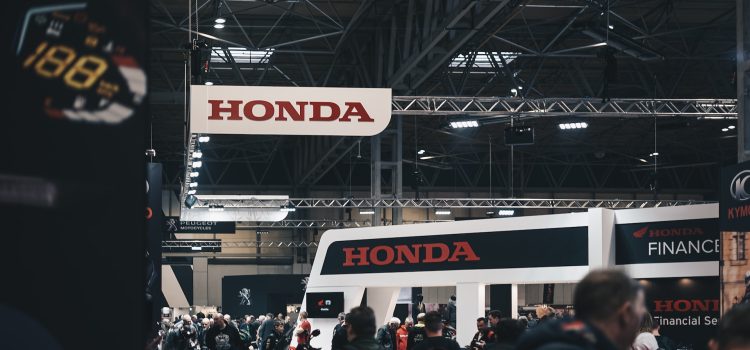
Prepare to conquer new horizons as Honda announces the highly anticipated arrival of the iconic Honda Transalp in America in 2024. This legendary adventure motorcycle has captured the hearts of riders around the world for decades, and now it’s making its way to American shores. Join us as we delve into the features, design, and excitement surrounding the 2024 Honda Transalp, and get ready to embark on unforgettable journeys and push the boundaries of exploration.

A Legacy of Adventure: Tracing the History of the Honda Transalp

The Honda Transalp has a rich history rooted in adventure and exploration. Born in the late 1980s, the Transalp quickly gained a reputation for its off-road capabilities, long-distance touring prowess, and rugged reliability. Over the years, it has become a symbol of freedom, inspiring riders to venture beyond boundaries and seek new experiences. With the arrival of the 2024 Transalp in America, Honda continues to build upon this storied legacy, infusing it with modern advancements and innovations to create the ultimate adventure companion.

Unmistakable Style: Design and Aesthetics of the 2024 Transalp

The design of the 2024 Honda Transalp is a harmonious blend of form and function. Its striking and rugged appearance is characterized by bold lines, muscular contours, and a commanding presence. The Transalp’s design evokes a sense of adventure and purpose, while its aerodynamic features enhance performance and fuel efficiency. From its iconic front fascia to its aggressive stance, every aspect of the Transalp’s design exudes confidence and sets the stage for thrilling journeys ahead.

Power and Performance: The Heartbeat of the Transalp

At the heart of the 2024 Transalp lies a potent and responsive engine that embodies the spirit of adventure. Designed to conquer a variety of terrains, the Transalp’s engine delivers ample power and torque, ensuring an exhilarating riding experience on both highways and off-road trails. With its advanced fuel injection system and cutting-edge technology, the Transalp strikes the perfect balance between performance and efficiency. Prepare to unleash the full potential of this adventure machine as it propels you towards new horizons.

Elevating the Riding Experience: Advanced Features of the 2024 Transalp

The 2024 Honda Transalp comes packed with advanced features that elevate the riding experience to new heights. From state-of-the-art digital instrument clusters to intuitive controls, every element is designed with the rider in mind. The Transalp offers multiple riding modes, allowing you to tailor the motorcycle’s performance to suit your preferences and adapt to various riding conditions. Additionally, advanced traction control systems provide enhanced stability and confidence, ensuring optimum grip on any surface. With its cutting-edge features, the Transalp transforms every journey into a thrilling adventure.

Unparalleled Comfort: Long-Distance Touring and Versatility

Long-distance touring requires comfort and versatility, and the 2024 Honda Transalp excels in both areas. The ergonomically designed seat provides exceptional support, allowing you to ride for extended periods without fatigue. Ample storage options, including expandable panniers, provide ample space for your gear and essentials, ensuring that you’re ready for any adventure. The Transalp’s adjustable windscreen offers protection from wind and weather, allowing for a comfortable riding experience in varying conditions. Experience true freedom as the Transalp takes you to new destinations in unmatched comfort and style.

Staying Connected on the Road: Cutting-Edge Technology of the Transalp

The 2024 Transalp embraces cutting-edge technology to keep you connected and informed during your journeys. Equipped with a state-of-the-art infotainment system, the Transalp allows for seamless integration with your smartphone, providing access to music, navigation, and communication features. Stay connected with the world while immersing yourself in the thrill of the ride. With USB charging ports and Bluetooth connectivity, the Transalp ensures that you can power your devices and stay connected, no matter where your adventures take you.

Safety Without Compromise: Confidence in Every Journey

Safety is of utmost importance when embarking on adventurous rides, and the 2024 Honda Transalp prioritizes rider safety without compromise. Equipped with advanced safety features such as ABS (Anti-lock Braking System) and advanced traction control, the Transalp offers enhanced stability and control in various road and weather conditions. Its robust braking system ensures precise stopping power, while powerful lighting illuminates the path ahead, enhancing visibility during nighttime riding. Ride with confidence, knowing that the Transalp has your safety as its top priority.

Frequently Asked Questions (FAQs)

1. When will the 2024 Honda Transalp be available in the United States?

The exact availability of the 2024 Honda Transalp in the United States may vary depending on the region and dealership. It is advisable to contact your local Honda dealership for the most accurate and up-to-date information regarding availability.

2. What is the expected price range for the 2024 Transalp?

The pricing for the 2024 Honda Transalp is subject to various factors, including location, taxes, and optional accessories. To obtain precise pricing information, it is recommended to consult with your local Honda dealership.

3. Can the Transalp handle off-road adventures?

Absolutely! The 2024 Honda Transalp is purpose-built to handle off-road adventures. With its robust chassis, capable suspension, and powerful engine, the Transalp offers the versatility and performance required to tackle challenging terrains and conquer off-road trails.

4. What fuel efficiency can I expect from the 2024 Transalp?

The fuel efficiency of the 2024 Transalp may vary depending on factors such as riding style, terrain, and load. However, Honda has engineered the Transalp to offer impressive fuel efficiency, allowing for longer journeys and fewer fuel stops.

5. Are there customization options available for the Transalp?

Honda provides a range of genuine accessories and customization options for the Transalp, allowing riders to tailor their motorcycles to their preferences. From luggage systems to protective accessories, you can personalize your Transalp to suit your specific needs and style.

Conclusion

Prepare to conquer new horizons as the iconic Honda Transalp makes its way to American shores in 2024. With its unmatched combination of power, performance, comfort, and advanced features, the Transalp is ready to accompany you on unforgettable adventures. Experience the thrill of exploration, the freedom of the open road, and the boundless possibilities of the 2024 Honda Transalp. Get ready to unleash your wanderlust and embark on the ride of a lifetime.


The automotive world is buzzing with excitement as spy shots of the Audi Q6 E-Tron, Audi’s highly anticipated all-electric SUV, emerged from its rigorous testing on the iconic Nurburgring circuit. The sighting of this electrifying presence navigating the challenging corners and high-speed straights of the legendary racetrack has set pulses racing, signaling Audi’s unwavering commitment to electric mobility and its pursuit of exhilarating performance.

Located in the heart of Germany’s Eifel region, the Nurburgring has become synonymous with automotive excellence and serves as a proving ground for manufacturers from around the globe. Its demanding layout, featuring 73 challenging corners spread across 20.8 kilometers, offers an unmatched testing environment to evaluate a vehicle’s performance, handling, and overall capabilities. Automakers flock to this renowned circuit to push their creations to the limit and extract every ounce of potential.

The spy shots of the Audi Q6 E-Tron captured at the Nurburgring showcase the SUV’s dynamic design and muscular stance, even under the cloak of heavy camouflage. Although specific details remain concealed, discerning eyes can still identify the Q6 E-Tron’s distinctive styling cues and aerodynamic lines, hinting at its ability to stand out in the competitive electric vehicle market.

Industry insiders suggest that the Audi Q6 E-Tron will be built on Volkswagen Group’s Premium Platform Electric (PPE) architecture, specifically engineered for electric vehicles. This flexible platform promises a harmonious combination of performance, efficiency, and cutting-edge technology, setting the stage for Audi’s electrification ambitions. By leveraging the PPE architecture, the Q6 E-Tron is expected to deliver an optimal balance of range, power, and driving dynamics.

The Nurburgring serves as an ultimate proving ground for performance vehicles, demanding precise handling, exceptional acceleration, and unwavering stability. It is no surprise that Audi chose this legendary circuit to test the Q6 E-Tron’s electric powertrain, suspension, and overall performance characteristics. By subjecting the SUV to the challenging conditions of the Nurburgring, Audi aims to fine-tune every aspect of its performance, ensuring a thrilling and engaging driving experience.

Underneath the camouflage, the Audi Q6 E-Tron is anticipated to feature a sophisticated electric powertrain. It is likely to adopt a dual-motor setup, with one motor powering the front wheels and another driving the rear, enabling Audi’s renowned quattro all-wheel drive system. This configuration promises not only impressive power and acceleration but also precise control and enhanced traction in various driving conditions. The Q6 E-Tron’s electric powertrain, combined with Audi’s engineering prowess, aims to deliver a driving experience that captivates and exceeds expectations.

The sighting of the Audi Q6 E-Tron at the Nurburgring signifies Audi’s commitment to electric mobility and its ambition to redefine the future of transportation. As governments worldwide implement stricter emissions regulations and consumers embrace sustainable transportation solutions, automakers are investing heavily in electric vehicle technology. The Q6 E-Tron stands as Audi’s formidable entry into this exciting landscape, where electrification and exhilarating performance go hand in hand.

Beyond performance, the Audi Q6 E-Tron is expected to showcase the brand’s renowned craftsmanship and attention to detail. The interior, although concealed in the spy shots, is anticipated to offer a luxurious and technologically advanced driving environment. Drivers can expect premium materials, cutting-edge infotainment systems, and driver-assistance technologies that redefine convenience and connectivity, ensuring an elevated driving experience.

The sighting of the Audi Q6 E-Tron at the Nurburgring has ignited anticipation among automotive enthusiasts and industry observers alike. It is a testament to Audi’s commitment to pushing boundaries, embracing electric mobility, and delivering vehicles that captivate both the heart and the mind. As the automotive landscape continues to evolve, the Audi Q6 E-Tron signals a bold and electrifying future that awaits us all.

In a significant development that could mark a turning point in the long-standing diesel emissions scandal, Volkswagen (VW) and its subsidiary Audi are inching closer to reaching an $85 million settlement with Texas authorities. This potential agreement not only brings hope of resolution to the legal battle but also signals a willingness from the automakers to address the environmental and public health repercussions of their actions.

The diesel emissions scandal, which erupted in 2015, reverberated throughout the automotive industry, tarnishing the reputation of VW and shaking consumer confidence in the brand. The scandal unveiled a deliberate deception by VW, involving the use of software to manipulate emissions tests and present their diesel vehicles as cleaner and more environmentally friendly than they actually were. The ensuing fallout resulted in substantial fines, recalls, and legal action against the company.

Among the states affected by the scandal, Texas emerged as a key player in seeking justice and accountability. As a state with a significant population of VW and Audi owners, Texas took a firm stance in demanding appropriate restitution for the environmental damage and public health risks caused by the non-compliant vehicles. The potential $85 million settlement represents a step towards rectifying the harm inflicted upon the state and its residents.

If finalized, the settlement funds will be allocated towards mitigating the environmental impact caused by the non-compliant vehicles, supporting initiatives aimed at promoting cleaner transportation, and bolstering measures to reduce pollution in Texas. It is a proactive approach by Texas authorities to address the repercussions of the scandal and reinforce their commitment to environmental stewardship.

This potential settlement underscores Texas’ resolve to hold automakers accountable for their actions and highlights the state’s determination to protect the interests of its citizens and the environment. It sends a clear message to the automotive industry that violations of environmental regulations will not be tolerated, and companies must bear the responsibility for the consequences of their actions.

Moreover, this development is not an isolated event. It is part of a broader global response to the diesel emissions scandal, with VW and Audi facing legal consequences and settlements in various countries. The scandal has served as a wake-up call for the industry, prompting a reevaluation of emissions testing procedures, increased scrutiny on regulatory compliance, and the need for stricter oversight.

While the potential settlement with Texas signifies progress, it is essential to recognize that financial compensation alone cannot fully rectify the damage caused by the scandal. The negative effects on air quality, public health, and consumer trust cannot be undone with a monetary settlement. VW and Audi must continue to demonstrate their commitment to transparency, ethical practices, and environmental responsibility moving forward.

This settlement should serve as a catalyst for ongoing reforms within the automotive industry. It emphasizes the importance of stringent regulatory frameworks, independent emissions testing, and proactive measures to prevent future violations. By learning from the mistakes of the past, the industry can rebuild trust and pave the way for a more sustainable and responsible future.

It is crucial to note that the potential settlement with Texas is still subject to final approval, and the specific terms and conditions of the agreement are yet to be disclosed. However, the progress made thus far represents a significant milestone in the pursuit of justice and accountability for the diesel emissions scandal.

As VW and Audi edge closer to a resolution with Texas authorities, the outcome of this settlement could have far-reaching implications. It may serve as a benchmark for similar legal actions in other states and countries, setting the tone for future negotiations between automakers and regulatory bodies.

In conclusion, the potential $85 million settlement between VW, Audi, and Texas authorities signifies a significant step towards resolving the diesel emissions scandal. Texas’ steadfast commitment to seeking justice and holding automakers accountable reflects a growing demand for transparency and responsibility within the automotive industry. As this chapter unfolds, it is a reminder that the consequences of corporate misconduct cannot be ignored, and the pursuit of a cleaner and more sustainable future requires collective action, accountability, and a commitment to ethical practices.

The battle for supremacy in the subcompact SUV segment is about to reach new heights as Hyundai Motors gears up to introduce its highly anticipated Hyundai Exter. With its imminent launch, the Exter is poised to ignite a fierce competition with established players Tata Punch and Maruti Fronx. As the automotive industry braces for a clash of the titans, enthusiasts and industry insiders eagerly await the arrival of this formidable contender.

Hyundai’s decision to enter the subcompact SUV market comes as no surprise, considering the growing demand for compact, versatile, and stylish vehicles. The Exter represents Hyundai’s commitment to meeting the evolving needs and preferences of modern consumers, who seek a combination of functionality, fuel efficiency, and advanced features. With its sleek design, cutting-edge technology, and competitive pricing, the Exter aims to make a lasting impression in this highly competitive segment.

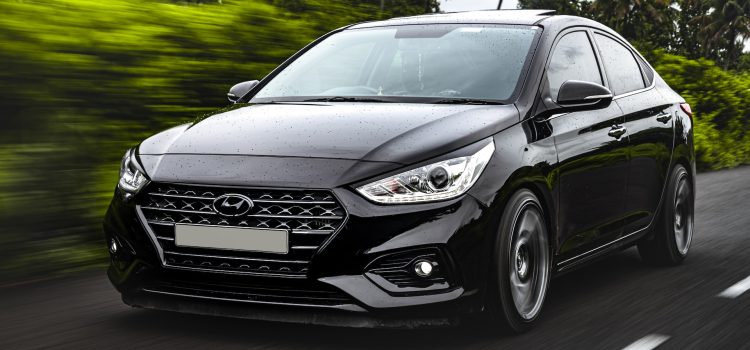
At first glance, the Hyundai Exter exudes confidence and sophistication. With its bold and muscular exterior design, the Exter commands attention on the road. Hyundai’s signature cascading grille, sleek LED headlights, and sculpted body lines create a sense of dynamism and elegance. The Exter strikes a balance between ruggedness and refinement, offering a visually appealing package that is sure to turn heads.

Under the hood, the Exter is expected to offer a range of powertrain options, catering to different driving preferences. From efficient petrol engines to hybrid variants, Hyundai aims to provide customers with a diverse lineup that caters to their individual needs. The Exter promises an engaging driving experience, whether it’s the punchy performance of a petrol engine or the eco-friendly benefits of a hybrid powertrain.

Inside the cabin, the Hyundai Exter is designed to deliver a comfortable and connected experience. With a focus on driver convenience and passenger comfort, the Exter boasts a spacious and well-appointed interior. Premium materials, ergonomic seating, and advanced infotainment systems contribute to a pleasurable journey for all occupants. Furthermore, Hyundai’s commitment to safety ensures that the Exter is equipped with cutting-edge safety features, providing peace of mind on every drive.

In terms of pricing, Hyundai aims to strike a balance between affordability and value for money. By positioning the Exter competitively within the segment, Hyundai intends to attract customers who are looking for a compelling alternative to Tata Punch and Maruti Fronx. Hyundai’s reputation for reliability, strong after-sales service, and extensive dealership network further enhances the overall ownership experience of the Exter.

As the launch date of the Hyundai Exter draws closer, anticipation and excitement continue to build. Enthusiasts and potential buyers eagerly await the opportunity to experience this new contender and evaluate its capabilities against the established players in the market. Hyundai’s meticulous planning, extensive research, and dedication to delivering high-quality vehicles are evident in the Exter, setting the stage for an intense battle for market dominance.

Tata Punch and Maruti Fronx have already made their mark in the subcompact SUV segment, capturing the attention and loyalty of customers. However, with its distinctive design, advanced features, and Hyundai’s reputation for delivering quality vehicles, the Exter poses a significant challenge to the established players. The clash of these titans is expected to redefine the subcompact SUV landscape, offering customers more choices and driving the industry forward.

In the coming months, the subcompact SUV market will witness an exciting battle for dominance as the Hyundai Exter enters the arena. With its compelling design, advanced technology, and competitive pricing, the Exter aims to carve out its own niche and win the hearts of SUV enthusiasts. The stage is set, and all eyes are on the clash of the titans – Hyundai Exter, Tata Punch, and Maruti Fronx – as they compete to capture the imagination and preference of consumers in this highly competitive segment.