Introduction

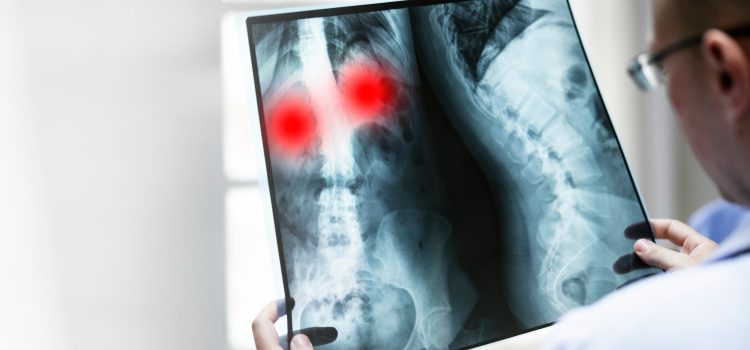
Shoulder pain can significantly impact daily activities, whether it’s due to sports injuries, muscle strain, age-related degeneration, or sudden trauma. When X-ray and ultrasound fail to provide complete clarity, doctors often recommend an MRI scan for detailed evaluation. After the first few lines of reading, many patients start looking for clear information on MRI shoulder price, scan purpose, preparation, and what to expect before undergoing the test.

This comprehensive guide explains everything you need to know about the test its cost, uses, procedure, and benefits.

What Is an MRI Shoulder Scan?

MRI (Magnetic Resonance Imaging) of the shoulder is a non-invasive imaging test that uses magnetic waves and radiofrequency signals to create detailed pictures of the soft tissues, bones, nerves, cartilage, ligaments, and tendons in the shoulder joint.

It is one of the most effective tools to diagnose:

  • Rotator cuff tear
  • Shoulder instability
  • Ligament injuries
  • Tendonitis or bursitis
  • Cartilage damage
  • Labrum tear
  • Frozen shoulder
  • Shoulder impingement
  • Tumors, infections, or unexplained shoulder pain

Since the shoulder is a complex joint, MRI allows the radiologist to see hidden injuries not visible in X-ray or CT scans.

Why Doctors Recommend an MRI for Shoulder Pain

Doctors may suggest an MRI shoulder scan for several reasons:

1. To Diagnose Soft Tissue Injuries

MRI detects even small tears or inflammation in muscles, ligaments, tendons, and cartilage, helping doctors confirm the underlying cause of pain.

2. To Plan Surgeries

Orthopedic surgeons rely on MRI images before performing arthroscopy or reconstructive surgeries. It helps them map the exact injury.

3. To Check Post-Surgery Healing

An MRI is functional for tracking the recovery progress after shoulder surgery or rotator cuff repair.

4. To Avoid Misdiagnosis

Conditions like frozen shoulder, impingement, or labral tears often go unnoticed in basic imaging tests. MRI offers unmatched detail and prevents incorrect treatment.

MRI Shoulder Price: Factors That Affect the Cost

The MRI shoulder price varies depending on several factors. Although the cost range differs from city to city and diagnostic centers, here are the significant elements that influence the final charges:

1. Type of MRI Machine

  • 1.5 Tesla MRI: Standard, commonly used, budget-friendly
  • 3 Tesla MRI: More advanced, faster scanning, more explicit images, comparatively higher cost

High-resolution machines usually cost more due to advanced imaging capabilities.

2. With Contrast vs. Without Contrast

  • Without Contrast: Cheaper, done in most shoulder cases
  • With Contrast: Slightly more expensive, required for detecting infections, tumors, or vascular issues

Contrast dye helps highlight abnormalities that may otherwise be missed.

3. Diagnostic Centre vs. Hospital

Private hospitals generally charge more, whereas diagnostic centres offer the same scan at a more affordable price with high-quality images.

4. City and Location

Metropolitan cities usually have higher scan prices due to operational costs.

5. Additional Services

Some centers include:

  • Digital reports
  • Films
  • CD images
  • Radiologist consultation

These factors can influence the total cost.

MRI Shoulder Scan Procedure

Understanding the procedure can help ease anxiety before your MRI appointment. Here is how the scan typically works:

1. Preparation Before the Scan

  • Wear comfortable clothing.
  • Remove metal objects like jewelry, belts, hairpins, and electronic devices.
  • Inform the technician if you are pregnant, have implants, pacemakers, or metal shrapnel in your body.
  • If a contrast scan is needed, you may be asked about allergies.

2. During the Scan

  • You will lie down on the MRI table.
  • The shoulder being examined will be positioned correctly.
  • The table slides into the MRI machine, and scanning begins.
  • You must stay still to avoid blurry images.
  • MRI machines make loud tapping or knocking sounds, so that earplugs may be provided.

3. Duration of the Scan

  • Without contrast: 20–30 minutes
  • With comparison: 30–45 minutes

The entire experience is painless and safe.

4. After the Scan

  • You can return to normal activities immediately.
  • Reports are usually available within 24 hours.
  • If contrast was used, you may be advised to drink water to help flush it from your body.

Benefits of a Shoulder MRI Scan

1. Highly Accurate Imaging

MRI provides crisp, detailed images, making it the gold standard for detecting rotator cuff tears, ligament injury, and shoulder instability.

2. No Radiation Exposure

Unlike X-ray and CT scans, MRI uses magnetic waves—making it safe, especially for young patients.

3. Early Detection of Serious Conditions

It helps detect tumors, bone marrow disorders, and severe inflammation early, enabling timely treatment.

4. Helpful for Treatment Planning

MRI results guide the doctor in recommending physiotherapy, medication, injections, or surgery.

5. Better Monitoring of Healing

Shoulder pain may not always reveal the true extent of an injury. MRI tracks healing progress after treatment or surgery.

How to Choose the Right Diagnostic Centre

Picking the right centre is crucial to getting accurate results. Here’s what to consider:

  • Choose a diagnostic centre with modern MRI machines (preferably 1.5 Tesla or above).
  • Ensure the centre is reputable and approved by radiologists.
  • Check reviews for accuracy and timely reporting.
  • Compare prices but never compromise on quality.
  • Look for centers that provide digital reports, images, and consultation.

A good diagnostic center ensures precise imaging, making it easier for your doctor to diagnose and treat your condition correctly.

Tips to Prepare for Your MRI Shoulder Scan

  • Wear loose, metal-free clothes.
  • Arrive 15–20 minutes early.
  • Inform the technician about any implants or medical history.
  • Avoid caffeine if you are claustrophobic (optional).
  • Bring previous reports for comparison.

These small steps can make your scanning experience smooth and stress-free.

Conclusion

Shoulder pain can stem from multiple causes, and early diagnosis is essential to prevent long-term disability. MRI plays a vital role in identifying the exact issue and guiding the proper treatment. Before booking your scan, always compare the MRI shoulder price at reputable diagnostic centres to ensure you get the best quality imaging at a reasonable cost.

Introduction

Pregnancy is a beautiful journey filled with excitement and anticipation. One of the most crucial tests in prenatal care is the Level 2 ultrasound, also known as an anomaly scan or detailed fetal scan. This test helps in assessing the baby’s organs, growth, development, and overall health. Parents often have many questions about the procedure, timing, preparation, and especially the ultrasound level 2 price, which varies depending on several factors.

What is a Level 2 Ultrasound?

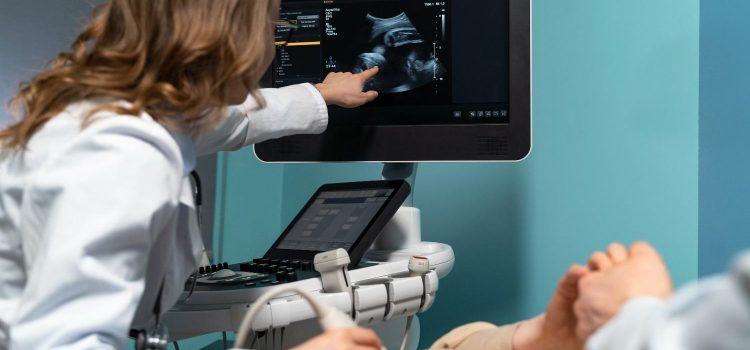
A Level 2 ultrasound, typically performed during the second trimester (usually between 18–22 weeks), is a detailed scan that provides a comprehensive evaluation of the baby’s anatomy. Unlike a basic ultrasound, this scan checks every major organ and system in the fetus, including:

  • Brain and skull
  • Heart and heart valves
  • Spine alignment
  • Face, limbs, and fingers
  • Kidneys and bladder
  • Abdomen and abdominal wall
  • Umbilical cord and placenta
  • Amniotic fluid levels

The primary purpose of this scan is to detect abnormalities, assess fetal development, confirm the due date, and evaluate the pregnancy’s overall progress.

Ultrasound Level 2 Price: Factors That Affect the Cost

The ultrasound level 2 price can vary widely depending on multiple factors. Some of the significant cost-determining aspects include:

1. Location of the Centre

Diagnostic centers and hospitals in metro cities usually charge higher prices compared to those in smaller towns or rural areas. Cities like Delhi often have sophisticated imaging facilities that increase costs.

2. Type of Facility

A corporate hospital may charge more due to advanced equipment, radiologist expertise, and additional screening options, whereas smaller private diagnostic clinics may offer the same scan at a lower price.

3. Technology Used

High-end ultrasound machines provide better clarity and detailed imaging, and therefore may cost more. Some centers also use 3D or 4D ultrasound technology, which further increases pricing.

4. Radiologist Experience

Scans performed by senior radiologists or fetal medicine experts can influence the price due to the skill level required in performing anomaly scans.

5. Additional Services

Some diagnostic centers bundle fetal echocardiography, Doppler studies, or follow-up consultations along with the scan, which affects the overall cost.

Average Ultrasound Level 2 Price in India

On average, the cost of a Level 2 ultrasound scan in India ranges between:

  • ₹3,400 – ₹5,000 in most diagnostic clinics

This price range may vary from city to city, so it is advisable to confirm the exact cost before booking an appointment.

Why Level 2 Ultrasound is Essential

1. Detects Congenital Abnormalities

This scan can identify structural and chromosomal abnormalities early, helping doctors plan further care or investigations if needed.

2. Evaluates Growth & Development

Measurements such as head circumference, femur length, and abdominal circumference are taken to ensure proper fetal growth.

3. Assesses Placenta & Amniotic Fluid

Placental position and amniotic fluid levels are checked to prevent complications like placenta previa or low fluid.

4. Confirms Expected Delivery Date

The scan can help confirm or adjust the due date based on fetal development and measurements.

5. Helps in High-Risk Pregnancies

Women with diabetes, high blood pressure, multiple pregnancies, or previous complications benefit significantly from a detailed anomaly scan.

What Happens During the Scan?

The procedure typically takes 30–45 minutes. You will lie on the examination table while a sonographer applies gel to the abdomen and uses the ultrasound probe to get images. The radiologist analyzes every part of the baby for structural health. Unlike early pregnancy scans, this test requires more time and precision as it focuses on every fetal organ.

How to Prepare for a Level 2 Ultrasound

  • Drink water before the scan if recommended
  • Wear comfortable clothing
  • Carry previous reports and prescriptions
  • Avoid applying lotions or powders on the abdomen
  • You do not need to fast

Most centers do not require a full bladder at this stage, but instructions may vary.

Tips to Reduce Ultrasound Level 2 Price

If you’re concerned about cost, here are some tips:

  • Compare prices across centers and hospitals
  • Look for accredited diagnostic labs offering affordable packages
  • Ask if radiologist fees are included
  • Avoid unnecessary upgrades like 4D imaging unless medically required
  • Check for insurance or maternity package coverage

Conclusion

Anomaly scans are among the most essential prenatal tests and provide critical insights into the baby’s development. Understanding the ultrasound level 2 price helps expecting parents plan better and choose the right diagnostic center. Although the cost varies based on multiple factors, this scan is worth every penny for the peace of mind it provides. To ensure the best outcomes, always choose a reputable radiologist or fetal medicine specialist. In the end, a healthy pregnancy journey depends on timely and accurate screening, including this essential test, making the ultrasound level 2 price a worthwhile investment in your baby’s future.

Also Read:- Oxygen concentrator on rent price – The service offered by Kosmed Healthcare allows you to rent medical-grade oxygen concentrators in Delhi & NCR with doorstep delivery, setup, and maintenance included. The webpage lists specific models (e.g., Philips EverFlo 5 LPM) and emphasises savings of up to 30 %. While the detailed price depends on the model/flow-rate, rental charges are typically structured monthly, providing a cost-effective alternative to outright purchase.

FAQs About Level 2 Ultrasound Price and Procedure

Q1. Is the test safe?

Yes. Ultrasound uses sound waves and does not involve radiation, making it safe for both mother and baby.

Q2. Does insurance cover it?

Some maternity plans may cover anomaly scans, especially if done at a recommended facility.

Q3. Is a Level 2 ultrasound mandatory?

While not legally mandatory, it is highly recommended as it is the most detailed scan during pregnancy.

Q4. Can abnormalities be treated during pregnancy?

Some conditions can be monitored or managed using medical treatment, while others may require specialized birth planning.

Introduction

Your liver is one of the most essential organs in the body, responsible for detoxifying harmful substances, producing bile, and storing nutrients vital for digestion and energy. When liver function is compromised, it can lead to various health complications, often without obvious symptoms. To assess liver health, doctors recommend a Liver Function Test (LFT). It’s essential to discuss the LFT test price near me, as understanding the cost, procedure, and preparation involved helps individuals make better healthcare decisions and ensure timely diagnosis.

What Is an LFT (Liver Function Test)?

An LFT, or Liver Function Test, is a group of blood tests designed to measure how well your liver is performing its functions. It helps detect liver inflammation, infection, or damage. By analysing enzyme and protein levels, healthcare providers can determine the condition of your liver.

The test usually measures:

  • Alanine Aminotransferase (ALT): Indicates liver damage.
  • Aspartate Aminotransferase (AST): Detects liver inflammation.
  • Alkaline Phosphatase (ALP): Evaluates bile duct and bone health.
  • Bilirubin (Total and Direct): Measures the liver’s ability to process waste.
  • Albumin and Total Protein: Assess the liver’s protein synthesis capacity.
  • Gamma-Glutamyl Transferase (GGT): Detects alcohol-related or bile duct issues.

These indicators collectively provide a comprehensive overview of liver health and help doctors diagnose conditions like hepatitis, fatty liver, cirrhosis, or liver injury due to alcohol or medications.

Why Is an LFT Test Important?

The liver performs hundreds of crucial functions daily—filtering toxins, metabolising drugs, and supporting digestion. Any decline in its performance can significantly affect your health. The LFT test serves as a vital tool for both diagnosis and monitoring.

Here’s why it’s important:

  1. Early Detection of Liver Diseases: Identifies conditions such as hepatitis, jaundice, and fatty liver before severe symptoms appear.
  2. Monitoring Chronic Liver Conditions: Helps track the progress of existing liver diseases.
  3. Evaluating Medication Side Effects: Some drugs can elevate liver enzymes, and LFT helps monitor their effects.
  4. Assessing Alcohol Impact: Detects damage caused by long-term alcohol use.
  5. Part of Routine Checkups: Recommended for individuals with obesity, diabetes, or high cholesterol.

Timely testing ensures that liver issues are managed before they progress into severe conditions.

Procedure of the LFT Test

The LFT test is simple, quick, and non-invasive. It involves collecting a small blood sample from a vein in your arm.

Here’s how the procedure works:

  1. Preparation: Your healthcare provider may advise fasting for 8–12 hours before the test. Avoid fatty foods and alcohol beforehand.
  2. Sample Collection: A technician draws a small blood sample using a sterile syringe. The process takes only a few minutes.
  3. Laboratory Analysis: The sample is analysed to measure enzyme and protein levels that reflect liver function.
  4. Result Interpretation: Results are typically available within 24 hours. Your doctor will review them and suggest further tests or lifestyle changes if necessary.

Preparation for the LFT Test

Accurate results depend heavily on proper preparation. Follow these steps:

  • Fast for 8–12 hours before the test, if instructed.
  • Avoid alcohol for at least 24–48 hours prior.
  • Consult your doctor about any medications, as some can affect enzyme levels.
  • Drink water to stay hydrated, which helps with smooth blood collection.

Following these steps ensures precise test outcomes and reliable interpretation.

LFT Test Price Near Me

The LFT test price near me can vary depending on location, diagnostic centre, and additional services offered. On average, the test price in India ranges from ₹600 to ₹900.

Many labs offer home sample collection facilities for an additional fee, making it convenient for individuals who prefer testing from home. Additionally, booking online often provides discounts or package deals that include other essential health tests like Kidney Function Test (KFT) or Complete Blood Count (CBC).

Factors Affecting the LFT Test Price

Several factors influence the overall cost of an LFT test. Understanding them can help you choose the most cost-effective option:

  1. Type of Diagnostic Centre: Reputed or NABL-accredited labs may charge higher fees for precision and reliability.
  2. Geographical Location: Prices in metropolitan cities like Delhi are higher than in smaller towns.
  3. Technology Used: Labs with advanced automated analysers may charge more but offer faster and more accurate results.
  4. Additional Services: Costs may increase if you opt for home sample collection or same-day reporting.
  5. Health Packages: Comprehensive packages including LFT, lipid profile, and blood sugar tests often come at discounted rates.

Comparing prices online before booking helps ensure you get quality testing at an affordable cost.

When Should You Take an LFT Test?

Doctors may recommend an LFT if you experience symptoms such as:

  • Yellowing of the skin or eyes (jaundice)
  • Persistent fatigue or weakness
  • Nausea or vomiting
  • Abdominal pain or bloating
  • Dark urine or pale stools
  • Unexplained weight loss or loss of appetite

You may also need regular LFTs if you have:

  • A history of heavy alcohol use
  • Ongoing medication that affects the liver
  • Hepatitis or other liver infections
  • Metabolic conditions like obesity or diabetes

Regular monitoring ensures early detection of issues, allowing for timely medical intervention.

Understanding LFT Results

Your physician does the interpretation of results, but here’s a basic guide:

  • Normal Values: Indicate healthy liver function.
  • Elevated Enzyme Levels: Suggest liver inflammation or injury.
  • High Bilirubin Levels: May point to jaundice or bile duct blockage.
  • Low Albumin Levels: Could indicate reduced protein synthesis capacity.

If abnormalities are detected, your doctor may recommend additional tests such as an ultrasound, hepatitis screening, or imaging scans for confirmation.

Tips to Maintain a Healthy Liver

A healthy lifestyle can protect your liver and improve its function. Here are some effective habits:

  • Eat a Balanced Diet: Include fresh fruits, vegetables, and whole grains. Avoid fried and processed foods.
  • Limit Alcohol: Minimise alcohol consumption to prevent long-term liver damage.
  • Exercise Regularly: Engage in at least 30 minutes of physical activity daily.
  • Stay Hydrated: Drink enough water to help flush out toxins.
  • Avoid Self-Medication: Some drugs and herbal supplements can harm your liver.
  • Get Vaccinated: Hepatitis vaccines can protect you from certain viral infections.

These small changes can go a long way in supporting long-term liver health.

Conclusion

Your liver’s health directly affects your energy, digestion, and immunity. Regular testing ensures early detection of potential issues and prevents severe liver complications. Knowing the LFT test price near me helps you plan your healthcare effectively while providing access to timely diagnostic services. With modern labs offering affordable testing and convenient home collection options, taking care of your liver has never been easier. Prioritise regular checkups and adopt healthy habits to keep your liver functioning at its best for years to come.

Maintaining balanced hormone levels is crucial for overall well-being. Among the various hormones, testosterone plays a significant role in both men and women, affecting physical strength, mood, libido, and overall vitality. As more people become aware of hormone imbalances, the demand for testosterone testing has grown rapidly. Whether you’re experiencing symptoms of low testosterone or just getting a routine check-up, understanding the testosterone level test price can help you plan better and avoid surprises at the diagnostic center.

What Is a Testosterone Level Test?
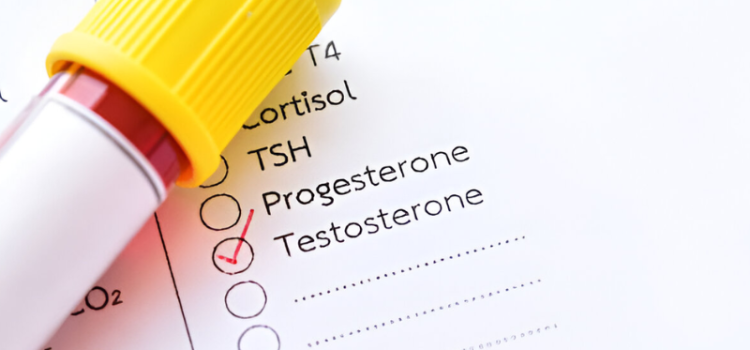
A testosterone level test is a simple blood test used to measure the amount of testosterone in your bloodstream. Testosterone is the primary male sex hormone, but it is also present in females in smaller amounts. It influences muscle mass, fat distribution, red blood cell production, bone density, and sexual function.

There are two main types of testosterone in the body:

Total Testosterone: Measures both free and bound testosterone.

Free Testosterone: Measures testosterone that is not bound to proteins and is biologically active.

Doctors may recommend this test if you’re showing signs of hormone imbalance such as fatigue, low libido, erectile dysfunction, depression, irregular periods (in women), or infertility.

Why Do You Need a Testosterone Test?
Some common reasons for undergoing this test include:

Diagnosing hormonal imbalances

Monitoring testosterone replacement therapy

Investigating causes of infertility

Evaluating erectile dysfunction

Assessing symptoms of menopause or andropause

Analyzing delayed or early puberty in children

In addition, individuals undergoing gender-affirming hormone therapy may also be required to monitor testosterone levels regularly. Early detection can help you manage symptoms effectively and improve your quality of life with appropriate treatment.

When Should You Take the Test?
Doctors typically recommend taking a testosterone test in the morning, between 7 AM and 10 AM, when hormone levels are at their peak. The timing ensures more accurate readings. Men over 30 or women with symptoms of PCOS (Polycystic Ovary Syndrome) or hirsutism may also be advised to take this test.

Types of Testosterone Tests
Total Testosterone Test – Most commonly performed, it includes both bound and free testosterone.

Free Testosterone Test – Usually recommended if total testosterone levels appear normal but symptoms persist.

Each test type may come at a slightly different cost depending on the diagnostic center and whether it includes additional panels.

Factors Affecting Testosterone Level Test Price
The testosterone level test price can vary based on several factors:

1. Location of the Lab
Urban centers often have higher diagnostic charges compared to rural areas due to higher operational costs.

2. Type of Healthcare Provider
Government hospitals may offer the test at subsidized rates or even free in some cases, while private clinics tend to be more expensive.

3. Test Type
A basic total testosterone test is cheaper, while advanced tests like free testosterone or hormone panels cost more.

4. Lab Accreditation
NABL or ISO-accredited labs may charge more due to the reliability and accuracy of their results.

5. Home Collection Services
If you opt for sample collection from home, additional service charges may apply.

Average Testosterone Level Test Price in India
Here is a general pricing breakdown across various settings:

Type of Center Test Type Approx. Price Range
Private Lab Total Testosterone ₹700 – ₹1,500

Prices may differ based on location and lab infrastructure. It is always a good idea to compare prices online before booking your test.

How to Book a Testosterone Test?
Booking a testosterone test today is easy and hassle-free. You can:

Walk into a diagnostic center near you

Book online through healthcare aggregator websites

Call and schedule home collection services

Make sure to fast if your doctor advises, and avoid certain medications that may affect hormone levels before the test.

How Long Does It Take to Get Results?
The turnaround time for testosterone level test results is typically 24 to 48 hours. In urgent cases, some labs offer express testing options for same-day results, usually at a premium price.

Are There Any Risks Involved?
A testosterone level test is safe and minimally invasive. It involves a standard blood draw with no major side effects. Some people might experience slight bruising or soreness at the puncture site.

What Do the Results Mean?
Here are typical testosterone ranges (may vary slightly by lab):

Men:

Normal Total Testosterone: 300 – 1000 ng/dL

Low Testosterone: Below 300 ng/dL

Women:

Normal Total Testosterone: 15 – 70 ng/dL

If your results fall outside these ranges, your doctor will evaluate them alongside your symptoms to determine the next course of action.

Conclusion
Whether you’re checking for hormonal imbalances or monitoring ongoing treatment, understanding the testosterone level test price can help you make informed health decisions. The test is simple, widely available, and offers vital insights into your hormonal health. With various options for testing and price points, you can choose one that suits your needs and budget. If you’ve been experiencing unexplained fatigue, mood swings, or sexual health issues, it may be time to consult your doctor and schedule a testosterone level test. It’s a small step that can lead to big improvements in your quality of life.