Muscle aches and soreness are a common occurrence after exercise or physical activity. However, there are several methods for treating muscle aches, each with their own unique benefits. In this article, we will discuss different methods for treating muscle aches.

  1. Hot Baths

Taking a hot bath is a classic method for treating muscle aches. The warm water can help increase blood flow and reduce muscle tension. Adding Epsom salt or essential oils to the bath can further enhance its benefits. A hot bath can also be a relaxing way to unwind after a long day.

  1. Massage

Massage is a popular method for treating muscle aches. Massage can help increase blood flow, reduce inflammation, and relieve muscle tension. There are different types of massage, such as deep tissue massage, sports massage, and Swedish massage, each with their own specific techniques and benefits.

  1. Stretching

Stretching is an effective method for treating muscle aches, especially when done after exercise. Stretching can help increase flexibility, reduce muscle tension, and prevent muscle strains. It’s important to stretch properly and avoid overstretching, which can lead to further muscle damage.

  1. Ice Packs

Using ice packs is a common method for treating acute muscle injuries. Ice can help reduce inflammation and numb the pain. It’s important to wrap the ice pack in a towel or cloth to avoid direct skin contact, which can cause skin damage. Ice packs should be applied for 15-20 minutes at a time, several times a day.

  1. Heat Therapy

Heat therapy is another effective method for treating muscle aches. Applying heat to the affected area can help increase blood flow, reduce muscle tension, and relieve pain. Heat therapy can be done using a heating pad, warm towel, or hot water bottle. It’s important to avoid applying heat directly to the skin to avoid burns.

  1. Over-the-Counter Medication

Over-the-counter medication, such as ibuprofen or acetaminophen, can help relieve muscle aches and reduce inflammation. It’s important to follow the recommended dosage and consult with a healthcare professional before taking any medication.

  1. Foam Rolling

Foam rolling is a self-massage technique that involves using a foam roller to apply pressure to different muscle groups. Foam rolling can help increase blood flow, reduce muscle tension, and improve flexibility. It’s important to use proper technique and avoid rolling over joints or bony areas.

Conclusion

Muscle aches and soreness are a common occurrence after exercise or physical activity. There are several methods for treating muscle aches, each with their own unique benefits. Hot baths, massage, stretching, ice packs, heat therapy, over-the-counter medication, and foam rolling are all effective methods for treating muscle aches. It’s important to listen to your body and choose the method that works best for you. If muscle aches persist or worsen, it’s important to consult with a healthcare professional to rule out any underlying medical conditions.

Are you feeling under the weather? Do you have a fever and wonder if it’s something serious? Fever is a common symptom of many illnesses, but not all fevers require medical attention. As an adult, it’s important to know the causes of fever and when to seek medical help. In this blog post, we’ll discuss everything you need to know about fever in adults – from its definition and causes to treatment options at home and warning signs for more severe cases. So let’s dive into the world of fevers!

What is a fever?

A fever is a temporary increase in body temperature above the normal range of 98.6°F (37°C). The average adult’s body temperature can vary, but a fever usually means that your body is fighting an infection or illness.

The hypothalamus, which acts as the body’s thermostat, regulates the core temperature. When harmful bacteria and viruses enter our bodies, it triggers our immune system to produce pyrogens. These pyrogens tell the hypothalamus to raise the set point of our thermostat resulting in a fever.

Fevers are typically categorized into low-grade or high-grade based on their severity. A low-grade fever ranges from 100-101°F while a high grade one goes beyond 103°F.

Most fevers will resolve on their own within two to three days without intervention; however, some signs could indicate severe cases such as seizures and confusion. In such situations seek medical attention immediately.

Remember that fevers are not illnesses themselves but rather symptoms of underlying conditions like flu or infections caused by bacteria or viruses.

What causes a fever?

A fever is the body’s way of fighting off an infection or illness. It occurs when there is a disturbance in the normal temperature regulation of the body, which leads to an increase in body temperature. But what causes this disturbance?

The most common cause of a fever is an infection caused by bacteria or viruses. When these microorganisms enter the body, they release toxins that trigger the immune system to respond by increasing body temperature.

In addition to infections, other factors can also cause a fever such as autoimmune disorders like lupus and rheumatoid arthritis. These conditions occur when the immune system mistakenly attacks healthy tissues in the body.

Certain medications can also cause fevers as a side effect, including antibiotics and antihistamines. In some cases, exposure to environmental toxins such as heavy metals and pesticides may lead to fevers.

It’s important to note that not all fevers are harmful and often go away on their own within a few days with proper rest and hydration. However, it’s crucial to monitor your symptoms closely if you have prolonged high temperatures or experience severe symptoms alongside your fever.

Understanding what causes a fever is essential for identifying underlying health issues that require medical attention.

When should you see a doctor for a fever?

It’s important to know when a fever requires medical attention. If you have a fever that lasts for more than three days, it is recommended that you visit your doctor. In addition, if the fever is accompanied by severe symptoms such as difficulty breathing or chest pain, it’s crucial to seek immediate medical help.

If you have recently returned from an area with high prevalence of certain infections such as malaria or dengue fever and experience fevers, chills, headache and muscle pains- see your physician immediately.

Moreover, infants under 3 months old who experience a temperature over 100.4°F (38°C) should be taken to the emergency room right away. Additionally, if an adult has a temperature above 103°F (39.4°C), they should also seek medical care promptly.

It’s essential not to ignore persistent fevers because they can indicate serious underlying health conditions like kidney infection or meningitis. As always trust your instincts and err on the side of caution when dealing with potentially life-threatening symptoms like high-grade fevers in adults

How to treat a fever at home

If you’re experiencing a fever, there are some things you can do at home to help reduce your symptoms and feel more comfortable. Here are some tips on how to treat a fever at home:

Firstly, it’s important to stay hydrated by drinking plenty of fluids such as water, clear soups and broths or herbal tea. Avoid sugary drinks or alcohol which can dehydrate you.

Secondly, get lots of rest. Your body needs time to fight off the infection causing the fever so make sure that you take it easy for a while.

Thirdly, try taking over-the-counter medications like acetaminophen (Tylenol) or ibuprofen (Advil) which can help lower your temperature and relieve discomfort associated with the fever. Always read the label and follow instructions carefully.

If your body is shivering due to high temperature then sponge baths with lukewarm water might provide relief. Wet towels placed on forehead may also be helpful in reducing heat from within.

Keep an eye out for any other symptoms that could indicate a more serious illness – If your condition persists despite treatment please seek medical attention immediately

Severe fever

A fever can be a sign of an underlying illness or infection. In most cases, a fever is not considered dangerous and will go away on its own within a few days. However, in some cases, a fever can become severe and require immediate medical attention.

A severe fever is typically defined as having a temperature of 103°F (39.4°C) or higher. This type of high-grade fever can cause dehydration, hallucinations, seizures, and even organ damage if left untreated.

Severe fevers are often caused by serious infections such as pneumonia or meningitis. Other causes include autoimmune disorders like lupus or rheumatoid arthritis.

If you experience symptoms such as difficulty breathing, confusion or altered mental status along with your high-grade fever it’s important to seek prompt medical attention immediately. A doctor may recommend tests such as blood work or imaging studies to determine the underlying cause of your severe fever.

In general ,it’s important to take any sudden onset of high grade fevers seriously and seek proper evaluation from a healthcare professional as soon as possible.

Conclusion

Fever in adults is a common symptom that can be caused by various factors such as infections, inflammation or medications. It is the body’s natural response to fight off an illness and should not always be a cause for concern. However, if accompanied by severe symptoms such as chest pain, difficulty breathing or confusion, it is important to seek medical attention immediately.

When treating a fever at home with medication and other remedies such as staying hydrated and getting rest, it is essential to follow proper dosage instructions and avoid self-diagnosis. If the fever persists after several days of treatment or gets worse despite home remedies, seeking medical advice is recommended.

Remember that prevention is always better than cure. Maintaining good hygiene practices such as regular hand washing and avoiding close contact with sick individuals can help reduce your risk of contracting illnesses that may lead to fevers.

In summary, understanding what causes fevers in adults and how to manage them appropriately can help ease discomfort while preventing possible complications. As always consult your healthcare provider for any concerns about your health.

Tetanus, a severe bacterial infection commonly known as “lockjaw,” has been surrounded by myths and misconceptions for years. While most people have received tetanus shots at some point in their lives, there are still plenty of misunderstandings about how the disease spreads, who is at risk, and what can be done to prevent it. In this blog post, we’ll debunk some of the most common tetanus myths and separate fact from fiction. So let’s dive in!

What is tetanus?

Tetanus is a severe bacterial infection caused by the Clostridium tetani bacteria. The bacteria produce a toxin that affects the nervous system, leading to muscle stiffness and spasms. The disease commonly begins with trismus, or lockjaw, which makes it difficult to open the mouth or swallow.

Tetanus can also cause other symptoms such as fever, headache, sweating, and rapid heartbeat. In severe cases, tetanus can lead to respiratory failure and death.

The bacteria that cause tetanus are found in soil, dust, and animal feces. They enter the body through wounds or cuts where they release their toxins. Tetanus is not contagious and cannot be spread from person-to-person contact.

While it’s true that most people have received tetanus shots at some point in their lives as part of routine vaccinations for children; adults should receive booster shots every 10 years to maintain immunity against this deadly disease.

How does tetanus spread?

Tetanus is a severe bacterial infection that can be deadly if left untreated. The bacteria responsible for tetanus, Clostridium tetani, are found in soil and animal feces.

Tetanus does not spread from person to person like the common cold or flu. Instead, it enters the body through cuts or puncture wounds contaminated with the bacteria.

The spores of Clostridium tetani are very resistant to heat and disinfectants which makes them difficult to eradicate from surfaces where they may have been deposited by animals or humans.

Once inside the body, the bacteria produce a toxin that attacks the nervous system causing muscle stiffness and spasms which can lead to respiratory failure if not treated promptly.

It’s important to note that even minor wounds such as scratches or insect bites can become infected with tetanus-causing bacteria if proper wound care is not observed. Therefore, it’s crucial always to clean any open wound thoroughly with soap and water before covering it with a sterile dressing.

Who is at risk for tetanus?

Tetanus can affect anyone who is exposed to the bacteria that cause it. However, some people are at a higher risk than others. This includes individuals who have never been vaccinated against tetanus or those whose vaccinations have lapsed.

People who work in certain occupations may also be at an increased risk for tetanus due to their exposure to soil and other environmental factors where the bacteria thrive. These include farmers, gardeners, construction workers, and soldiers.

Individuals with open wounds or injuries are also at an elevated risk for tetanus because the bacteria can easily enter through broken skin. This includes those with puncture wounds from dirty objects such as rusty nails or animal bites.

Furthermore, elderly adults and newborn infants are more susceptible to severe cases of tetanus due to weaker immune systems and lack of immunity respectively. It’s vital that these groups receive prompt medical attention if they suspect they have contracted tetanus.

While anyone can contract tetanus under certain circumstances, taking proactive measures such as receiving vaccination boosters and practicing proper wound care can greatly reduce one’s risk of infection.

What are the symptoms of tetanus?

Tetanus is a serious bacterial infection that affects the nervous system. The symptoms of tetanus can appear anywhere from three to 21 days after exposure to the bacteria, with an average incubation period of about eight days.

The first symptom is usually stiffness in the jaw muscles, which can make it difficult to open your mouth or swallow. This stiffness may then spread to other parts of your body, causing muscle spasms and rigidity.

As tetanus progresses, these muscle spasms can become more severe and frequent, sometimes leading to seizures or convulsions. These episodes may be triggered by something as simple as a noise or touch.

Other symptoms of tetanus include fever, sweating, rapid heartbeat and high blood pressure. In some cases, people with tetanus may also experience difficulty breathing due to muscle spasms in their chest.

It’s important to seek medical attention immediately if you experience any symptoms of tetanus. While there is no cure for this condition once it has developed, prompt treatment with antitoxin and antibiotics can help prevent complications and reduce the severity of symptoms.

How is tetanus treated?

Tetanus treatment involves managing symptoms, controlling muscle spasms and preventing complications. In severe cases, patients may require hospitalization. The primary goal of treatment is to eliminate the tetanus bacteria and neutralize the toxins they produce.

Doctors usually administer a combination of antibiotics, such as penicillin or metronidazole, to kill the bacteria causing tetanus. Additionally, antitoxin medication may be given to counteract the effects of the toxin produced by these bacteria.

Muscle spasms are managed through medications like benzodiazepines or muscle relaxants. Patients also receive wound care support for any injuries that may have led to tetanus infection.

In some cases, patients need ventilator support if their respiratory muscles become affected by severe muscle stiffness during an episode of tetanus. Rehabilitation therapy can help regain mobility after recovery from this condition.

It is crucial to seek medical attention immediately if you suspect you have contracted tetanus because prompt diagnosis and treatment can save lives in most cases.

Can tetanus be prevented?

Tetanus is a serious bacterial infection that can be prevented with vaccination. Children receive the tetanus vaccine as part of their routine immunizations, but adults may need booster shots to maintain immunity.

It’s important to note that getting vaccinated doesn’t guarantee 100% protection against tetanus, but it does significantly reduce the chances of contracting the disease. In addition to vaccination, practicing good wound care can also help prevent tetanus.

If you get a cut or puncture wound, clean it thoroughly with soap and water. If possible, apply an antiseptic solution like hydrogen peroxide or iodine before covering the wound with a sterile bandage.

It’s also essential to seek medical attention right away if you experience symptoms such as muscle stiffness or spasms after sustaining a deep cut or puncture wound. Tetanus requires prompt treatment with medications like immunoglobulin and antibiotics.

Preventing tetanus involves taking proactive steps such as receiving vaccinations and properly caring for wounds. By staying informed about these preventative measures, we can take control of our health and avoid falling prey to this potentially deadly disease.

Conclusion

It is important to separate facts from myths when it comes to tetanus. While this disease can be serious and even fatal, there are effective treatments available. Additionally, many of the common misconceptions surrounding tetanus can be dispelled with accurate information.

The key takeaway is that everyone should take steps to protect themselves from tetanus by getting vaccinated and seeking medical attention if they experience symptoms or have a wound that could potentially lead to infection. By staying informed and taking proactive measures, we can all work together to prevent the spread of this dangerous disease.


Mumps is a viral disease that can cause swelling in the salivary glands, leading to discomfort and sometimes serious complications. While the disease is not as common as it once was thanks to widespread vaccination efforts, it is still important to understand the symptoms, causes, and treatment options available for those who do contract the disease.

Symptoms of Mumps

The symptoms of mumps usually appear about two to three weeks after a person is exposed to the virus. Common symptoms include:

  • Swelling in one or both of the salivary glands, which are located on the sides of the face just below the ears
  • Pain or tenderness in the affected area
  • Difficulty opening the mouth or swallowing
  • Fever
  • Headache
  • Muscle aches
  • Fatigue
  • Loss of appetite

In rare cases, mumps can lead to more serious complications, such as inflammation of the testicles.

Polio, or poliomyelitis, is a viral disease that has had a profound impact on public health. It has caused paralysis and even death in millions of people around the world. While polio is now largely under control thanks to the development of vaccines, the legacy of the disease continues to shape public health policies and initiatives today.

Iron Lungs and the Early Days of Polio

During the early days of the polio epidemic in the 20th century, many people with severe cases of the disease were left with weakened or paralyzed respiratory muscles, making it difficult or impossible for them to breathe on their own. To help these patients breathe, the iron lung was invented. This large, cylindrical machine used negative pressure to force air in and out of the lungs, helping patients breathe. While the iron lung was lifesaving for many polio patients, it also served as a stark reminder of the devastating impact of the disease.

The Development of Polio Vaccines

In the mid-20th century, the development of polio vaccines marked a major turning point in the fight against the disease. The first successful vaccine was developed by Jonas Salk in 1955. This vaccine used inactivated poliovirus to stimulate the immune system and protect against the disease. Later, an oral vaccine developed by Albert Sabin used weakened forms of the virus to provide immunity.

Thanks to these vaccines, the incidence of polio has decreased dramatically in many parts of the world. In fact, the WHO is leading a global initiative to eradicate polio entirely.

Polio’s Legacy on Public Health

The legacy of polio on public health extends far beyond the development of vaccines. The fight against polio spurred the creation of national and international public health organizations, such as the Centers for Disease Control and Prevention (CDC) in the United States and the WHO. These organizations were established to help prevent and control infectious diseases like polio, and have played a crucial role in shaping public health policies and initiatives around the world.

The fight against polio has also paved the way for other public health campaigns. For example, the global eradication of smallpox in the 1970s and the ongoing efforts to eradicate measles and rubella are based on the same principles and strategies as the polio eradication campaign.

In addition, the development of the polio vaccines has had a profound impact on vaccine research and development. The techniques used to develop the polio vaccines have been applied to the development of vaccines for other diseases, including hepatitis A and B, meningitis, and human papillomavirus (HPV).

Conclusion

Polio has had a significant impact on public health, both in terms of the devastation it caused and the advances it spurred in medical research and public health initiatives. While the disease is largely under control, efforts to eradicate polio entirely continue, with the hope that the lessons learned in the fight against polio can be applied to other public health campaigns in the future.

Headaches are one of the most common health complaints, affecting millions of people worldwide. According to the World Health Organization, up to 75% of adults between the ages of 18 and 65 have experienced a headache in the last year. But why are headaches so common, and what can we do to prevent and treat them?

There are several factors that contribute to the prevalence of headaches, including lifestyle habits, environmental factors, and underlying medical conditions. Here are some of the most common causes of headaches:

  1. Stress: Stress is a major trigger for headaches, as it can cause muscle tension and changes in the levels of hormones and neurotransmitters in the brain.
  2. Poor Sleep: Lack of sleep or poor quality sleep can also lead to headaches, as it can cause fatigue, irritability, and changes in brain chemistry.
  3. Dehydration: Dehydration can cause headaches, as it reduces the flow of blood and oxygen to the brain.
  4. Caffeine: While caffeine can help relieve headaches, it can also cause them in some people, especially when consumed in large quantities or when withdrawn abruptly.
  5. Eye Strain: Eye strain from staring at a computer or phone screen for long periods of time can also cause headaches.
  6. Medical Conditions: Headaches can also be a symptom of underlying medical conditions, such as migraines, sinus infections, high blood pressure, and concussion.

So, what can we do to prevent and treat headaches? Here are some strategies:

  1. Manage Stress: Reducing stress through techniques like meditation, yoga, or deep breathing can help prevent headaches.
  2. Get Enough Sleep: Aim for 7-9 hours of sleep per night, and try to establish a consistent sleep routine.
  3. Stay Hydrated: Drink plenty of water and avoid sugary or caffeinated beverages.
  4. Limit Caffeine: If you suspect caffeine is causing your headaches, try cutting back on your intake or switching to decaf.
  5. Take Breaks from Screens: Take frequent breaks from staring at screens, and adjust the brightness and contrast to reduce eye strain.
  6. Consult a Doctor: If your headaches are severe, frequent, or accompanied by other symptoms, it’s important to consult a doctor to rule out underlying medical conditions and discuss treatment options.

In conclusion, headaches are a common health complaint with a variety of causes and treatments. By understanding the factors that contribute to headaches and adopting healthy habits, we can reduce their frequency and severity and improve our overall quality of life.

As the world continues to grapple with the COVID-19 pandemic, it’s important to look to the past for lessons on how to respond to pandemics. One such example is the bubonic plague, which has had devastating impacts throughout history. In this article, we will explore the lessons we can learn from past bubonic plague outbreaks to inform our response to modern pandemics.

Lesson 1: Early Detection and Response

One of the most important lessons we can learn from past bubonic plague outbreaks is the importance of early detection and response. During the Black Death pandemic in the 14th century, for example, it took months before the disease was even recognized as a major threat. By that time, it had already spread throughout Europe and killed millions of people.

Today, we have the benefit of modern medical technology and sophisticated disease surveillance systems, which can help us detect and respond to outbreaks more quickly. However, as the COVID-19 pandemic has shown, there is still much work to be done in terms of improving our response to pandemics.

Lesson 2: Community Engagement

Another lesson we can learn from past bubonic plague outbreaks is the importance of community engagement. During the Middle Ages, for example, communities often worked together to prevent the spread of the disease. They implemented measures such as quarantine, isolation, and disinfection, which helped to control the spread of the disease.

Today, community engagement is still a critical component of our response to pandemics. It is important for individuals to take responsibility for their own health, and to follow public health guidelines such as social distancing, wearing masks, and getting vaccinated.

Lesson 3: Investment in Research and Development

Finally, past bubonic plague outbreaks have taught us the importance of investment in research and development. During the 19th century, for example, researchers developed the first effective treatment for bubonic plague, known as the serum therapy.

Today, investment in research and development is critical to our ability to respond to pandemics. It is important for governments and other organizations to invest in research on emerging diseases, as well as in the development of vaccines, treatments, and diagnostic tools.

In conclusion, the bubonic plague outbreaks of the past provide valuable lessons for our response to modern pandemics. From the importance of early detection and response to community engagement and investment in research and development, there are many ways in which we can learn from the past to better prepare for the future. As we continue to navigate the COVID-19 pandemic and prepare for future outbreaks, it is important to take these lessons to heart, and to work together as a global community to protect ourselves and each other.

When reporting on pandemics and lessons from the past, it’s important to verify sources and provide accurate information. It’s also important to highlight the need for community engagement, investment in research and development, and early detection and response. As a journalist, it’s crucial to maintain a neutral perspective and adhere to ethical standards. By doing so, we can provide valuable information to readers and help them better understand the world around them.

Since the first cases of AIDS were reported in the 1980s, significant progress has been made in the treatment, research, and advocacy of the disease. In 2021, the landscape of AIDS has changed significantly, with new treatment options, promising research, and continued advocacy efforts. In this article, we will explore some of the updates and advancements in AIDS in 2021.

Treatment

Antiretroviral therapy (ART) remains the standard treatment for HIV/AIDS. ART is a combination of medications that can suppress the virus and prevent the progression of the disease. In recent years, new ART regimens have been developed that are more effective, have fewer side effects, and are easier to take. These advancements have made ART more accessible to people living with HIV/AIDS, improving their quality of life and reducing the risk of transmission.

Research

Research into HIV/AIDS continues to make significant strides, with promising developments in treatment and prevention. One area of research that has shown particular promise is the development of long-acting injectable medications. These medications can be administered every few months and can potentially replace daily oral medications, making treatment more manageable for patients. Additionally, research is ongoing into the development of a vaccine for HIV/AIDS, which could prevent transmission and potentially lead to a cure.

Advocacy

Advocacy efforts for people living with HIV/AIDS continue to be crucial in 2021. Despite advancements in treatment and research, stigma and discrimination against people living with HIV/AIDS still exist. Advocacy groups work to reduce stigma and discrimination, promote access to healthcare and treatment, and ensure that the voices of people living with HIV/AIDS are heard in policy and decision-making processes. In addition to advocacy efforts, community-led initiatives and organizations play a critical role in providing support and resources for people living with HIV/AIDS.

COVID-19 and AIDS

The COVID-19 pandemic has had a significant impact on the AIDS community, particularly in terms of access to healthcare and treatment. Lockdowns, social distancing measures, and overwhelmed healthcare systems have made it more challenging for people living with HIV/AIDS to access the care they need. However, advocacy groups and healthcare providers have worked to adapt to the challenges of the pandemic, providing telemedicine services, home delivery of medications, and other support to ensure that people living with HIV/AIDS continue to receive the care they need.

In Conclusion

AIDS in 2021 is vastly different from the disease in the 1980s. Advances in treatment, research, and advocacy have improved the quality of life for people living with HIV/AIDS and reduced the risk of transmission. However, there is still much work to be done to reduce stigma and discrimination, improve access to healthcare and treatment, and find a cure. The COVID-19 pandemic has highlighted the need for continued advocacy and support for people living with HIV/AIDS. By working together, we can continue to make progress in the fight against AIDS and ensure that everyone living with the disease receives the care and support they need.

Cholera is a deadly disease that continues to affect developing countries, particularly those with poor water and sanitation infrastructure. While progress has been made in reducing the incidence of cholera globally, outbreaks still occur, causing significant health and economic impacts on affected communities. In this article, we will explore innovative solutions that are being implemented to combat cholera in developing countries.

Oral Cholera Vaccines Oral cholera vaccines (OCVs) are an effective tool for preventing cholera outbreaks, particularly in high-risk populations. OCVs are given orally and provide protection against cholera for up to two years. They are being increasingly used in cholera-prone areas, and vaccination campaigns have been successful in reducing the incidence of cholera in several countries.

One notable example is the use of OCVs in Haiti following the 2010 earthquake. A mass vaccination campaign was launched, and over one million people were vaccinated against cholera. This helped to prevent the spread of the disease and reduce the number of cholera cases in the country.

Water Treatment Technologies Access to clean water is essential in preventing cholera outbreaks. However, in many developing countries, water treatment infrastructure is inadequate, and people are forced to use contaminated water sources. Innovative water treatment technologies are being developed to address this issue.

One example is the use of solar disinfection (SODIS) technology. SODIS uses sunlight to disinfect water and make it safe for drinking. The process involves filling a clear plastic bottle with water and leaving it in the sun for several hours. This simple and low-cost technology has been successful in reducing the incidence of waterborne diseases, including cholera, in several countries.

Another example is the use of ceramic water filters. These filters are made from locally available materials and are designed to remove bacteria and other contaminants from water. They are low-cost and easy to use, making them an effective solution for communities with limited resources.

Improving Sanitation Infrastructure Improving sanitation infrastructure is essential in preventing cholera outbreaks. In many developing countries, open defecation is still a widespread practice, leading to the contamination of water sources and the spread of cholera. Innovative solutions are being developed to address this issue.

One example is the use of ecological sanitation (ecosan) systems. These systems are designed to treat human waste and produce a safe and nutrient-rich fertilizer. They can be used in areas where traditional sanitation infrastructure is not feasible, and they provide a sustainable solution to the problem of open defecation.

Another example is the use of community-led total sanitation (CLTS) programs. These programs encourage communities to take ownership of their sanitation needs and work together to improve sanitation infrastructure. They have been successful in reducing the incidence of cholera and other waterborne diseases in several countries.

Conclusion Innovative solutions are being developed to combat cholera in developing countries. Oral cholera vaccines, water treatment technologies, and improvements in sanitation infrastructure are all essential in preventing cholera outbreaks. By investing in these solutions and working together to address the underlying causes of cholera, we can create a world where cholera is no longer a threat to public health.

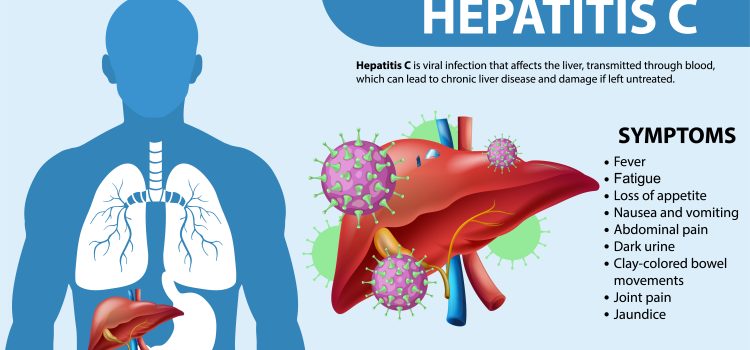
Hepatitis is a viral infection that affects the liver, and can have serious health consequences if left untreated. Here’s how hepatitis impacts your liver health, and what you can do to protect your liver.

Types of Hepatitis

There are several types of hepatitis, including hepatitis A, B, C, D, and E. Each type is caused by a different virus, and is transmitted differently. Hepatitis B and C are the most common types of hepatitis that can cause long-term liver damage.

Impact on Liver Health

When the hepatitis virus enters the liver, it can cause inflammation and damage to liver cells. Over time, this can lead to scarring of the liver, which is known as cirrhosis. Cirrhosis can cause the liver to become hardened and less able to function properly, which can lead to serious health consequences.

In some cases, hepatitis B or C can lead to liver cancer, which can be life-threatening. The risk of liver cancer is higher in people with cirrhosis, as well as in people who have had hepatitis B or C for a long time.

Symptoms

In the early stages of hepatitis, there may be no symptoms. However, as the infection progresses, symptoms may develop, including:

  • Fatigue
  • Nausea or vomiting
  • Abdominal pain
  • Loss of appetite
  • Jaundice (yellowing of the skin and eyes)

If you experience any of these symptoms, it’s important to see a healthcare provider for evaluation and testing.

Treatment

Treatment for hepatitis will depend on the type of hepatitis and the severity of the infection. In some cases, antiviral medications may be used to help control the virus and reduce inflammation in the liver. In other cases, close monitoring may be recommended to ensure that the virus does not cause any complications.

If cirrhosis has developed, treatment may focus on managing the symptoms and preventing further damage to the liver. In some cases, a liver transplant may be necessary.

Prevention

Preventing hepatitis is key to protecting your liver health. Here are some steps you can take to reduce your risk of contracting hepatitis:

  • Get vaccinated for hepatitis A and B.
  • Practice safe sex to reduce the risk of contracting hepatitis B or C.
  • Avoid sharing needles or other injection equipment.
  • Practice good hygiene, such as washing your hands regularly and avoiding contact with other people’s bodily fluids.

If you have hepatitis B or C, there are steps you can take to protect your liver health, including:

  • Avoiding alcohol and drugs, as these can worsen liver damage.
  • Eating a healthy diet and getting regular exercise to support liver function.
  • Getting regular check-ups with a healthcare provider to monitor liver function and detect any complications early.

In Conclusion

Hepatitis can have a significant impact on liver health, and can lead to serious complications if left untreated. It’s important to get tested for hepatitis if you are at risk, and to take steps to prevent transmission of the virus. If you have hepatitis, work closely with your healthcare provider to develop a treatment plan that’s right for you, and take steps to protect your liver health. With proper care and treatment, it’s possible to manage hepatitis and protect your liver from further damage.