Pets are a part of our family, and just like any family member, they deserve the best care possible. Proper pet care not only ensures their happiness and health but also promotes the bond between humans and animals. However, many pet owners overlook the importance of pet care, leading to health problems and even endangering their lives. In this article, we will discuss the importance of proper pet care and the impact it has on pets’ lives.

Regular Veterinary Check-Ups

The first and most crucial aspect of pet care is regular veterinary check-ups. Pets cannot tell us when they are feeling sick or unwell, and it’s our responsibility to ensure their well-being. Regular check-ups help detect health problems early and prevent them from becoming severe. Vaccinations and deworming are also essential to keep your pets healthy and free from diseases.

Proper Nutrition

Proper nutrition is essential to maintain your pet’s overall health. Pets have different nutritional requirements depending on their species, breed, age, and health condition. It’s essential to provide them with a well-balanced diet that contains all the necessary nutrients. Feeding your pets with human food, sugary treats, or overfeeding can lead to obesity and other health problems.

Regular Exercise

Regular exercise is crucial for your pet’s physical and mental well-being. Pets need to burn off excess energy, maintain a healthy weight, and prevent boredom. Dogs need daily walks or runs, while cats need plenty of playtime and activities that keep them active and engaged.

Grooming and Hygiene

Grooming and hygiene are essential aspects of pet care. Regular grooming helps prevent skin infections, matting, and hairballs. Bathing your pets regularly and brushing their teeth helps maintain their hygiene and prevent dental problems. Keeping their litter boxes clean and disposing of waste properly helps prevent the spread of diseases.

Pet-proofing Your Home

Pet-proofing your home is another crucial aspect of pet care. Pets can be curious and mischievous, and it’s essential to keep them safe from hazards such as toxic plants, household cleaners, electrical cords, and sharp objects. Providing them with a safe and secure environment not only protects them from harm but also promotes their well-being.

Conclusion

Proper pet care is essential to ensure your pets’ happiness and health. Regular veterinary check-ups, proper nutrition, regular exercise, grooming, hygiene, and pet-proofing your home are all essential aspects of pet care. As responsible pet owners, it’s our responsibility to provide our pets with the best care possible. Remember, a happy and healthy pet is a happy and healthy family member.

I am happy to help you write an article about the heartwarming story of how you found your furry soulmate. The journey from rescue to best friend is a unique and special experience that is sure to inspire readers and demonstrate the power of the human-animal bond.

To start, your article should tell the story of how you found your furry soulmate. This may include details about where you found them, their personality, and any initial challenges that you faced in bonding with your new pet. Consider incorporating descriptive language to bring your story to life and capture the emotions of the experience.

In addition to telling your personal story, it’s important to highlight the benefits of adopting a rescue pet. You can discuss the many benefits of giving a second chance to an animal in need, including the joy and companionship that a rescue pet can bring to their new owner’s life. Share facts and statistics about the benefits of pet adoption, including reduced stress and improved mental health.

When writing your article, it’s important to maintain an objective tone while still conveying the emotional depth of your story. Consider incorporating quotes or interviews with experts in the field, such as veterinarians or animal shelter workers, to provide additional insights and context to your story.

To ensure journalistic ethics, it’s important to verify any information or sources that you use in your article. This may involve researching the specific animal rescue organization where you adopted your pet and ensuring that you have accurate information about their mission and services. You may also want to consider reaching out to other rescue pet owners to gather additional perspectives and insights on the topic.

Finally, it’s important to conclude your article by emphasizing the importance of responsible pet ownership. This may include discussing the importance of providing a safe and loving home for your furry friend, as well as the importance of providing proper care and attention to their physical and emotional needs.

In conclusion, writing an article about your journey from rescue to best friend requires a balance of personal storytelling, scientific facts, and journalistic ethics. By following these guidelines, you can create a compelling and informative article that highlights the benefits of pet adoption while emphasizing the importance of responsible pet ownership.

Severe Acute Respiratory Syndrome (SARS) is a highly infectious respiratory disease that caused a global pandemic in 2002-2003, affecting over 8,000 people in 26 countries, resulting in more than 700 deaths. While the impact of SARS on health and medicine has been well-documented, its impact on other areas of society is often overlooked. In this article, we will explore the global impact of SARS beyond health and medicine.

Economic Impact

The economic impact of SARS was significant, with estimates suggesting a cost of around $40 billion globally. The disease had a major impact on the tourism industry, as people cancelled travel plans out of fear of contracting the virus. In Hong Kong, one of the areas hardest hit by SARS, the tourism industry experienced a decline of over 70%.

The disease also had an impact on international trade, as countries implemented trade restrictions to prevent the spread of the virus. This disrupted supply chains and caused shortages of certain products, such as personal protective equipment (PPE).

Social Impact

SARS also had a significant impact on society. The fear and uncertainty surrounding the disease led to stigmatization of certain groups, particularly those of Asian descent. In some cases, people of Asian descent were subject to discrimination and harassment, even if they had no connection to the disease.

SARS also had an impact on social behavior, as people changed their daily habits to avoid infection. This included wearing masks, avoiding public transportation, and avoiding crowded places. The fear of infection also led to social isolation and reduced social interaction, which can have negative effects on mental health.

Political Impact

The political impact of SARS was also significant. The disease highlighted the importance of international cooperation in responding to global health threats. The World Health Organization (WHO) played a key role in coordinating the response to the pandemic and developing guidelines for prevention and control.

SARS also led to changes in public health policies and emergency preparedness. Countries around the world implemented measures to improve their ability to detect and respond to infectious disease outbreaks, such as establishing surveillance systems and improving laboratory capacity.

Environmental Impact

While the environmental impact of SARS may not be immediately apparent, it did have some consequences. The pandemic led to a reduction in air travel and other forms of transportation, which resulted in a decrease in greenhouse gas emissions. This reduction was only temporary, however, and emissions rebounded once the pandemic was under control.

Conclusion

In conclusion, the global impact of severe acute respiratory syndrome  (SARS) extends beyond health and medicine, affecting economic, social, political, and environmental aspects of society. The disease had a significant economic impact, particularly on the tourism and trade industries. It also had a social impact, with stigmatization and changes in behavior affecting daily life. SARS highlighted the importance of international cooperation in responding to global health threats and led to changes in public health policies and emergency preparedness. Finally, the pandemic had some environmental consequences, including a temporary reduction in greenhouse gas emissions. Understanding the broad impact of SARS is important for preparing for and responding to future disease outbreaks.

Whooping cough, also known as pertussis, has been a significant public health concern for centuries. In this article, we’ll explore the history of whooping cough and its impact on public health.

Origins of Whooping Cough

Whooping cough is caused by the bacterium Bordetella pertussis, which was first isolated in the late 19th century. However, the disease itself has been recognized for centuries. In fact, the first description of whooping cough was recorded in the 16th century by a French physician named Guillaume de Baillou.

Throughout history, whooping cough has been a common childhood illness. Before the introduction of vaccination, outbreaks of whooping cough occurred every few years, causing significant morbidity and mortality, particularly among infants and young children.

Impact on Public Health

In the early 20th century, whooping cough was one of the leading causes of childhood mortality in the United States. The development of the pertussis vaccine in the 1940s helped to reduce the incidence of the disease, but it has not been eradicated.

Despite widespread vaccination, outbreaks of whooping cough still occur, particularly among unvaccinated or under-vaccinated populations. In recent years, there has been a resurgence of whooping cough in several countries, including the United States, Australia, and the United Kingdom.

The Impact of Vaccination

The introduction of the pertussis vaccine has had a significant impact on the incidence of whooping cough. According to the Centers for Disease Control and Prevention (CDC), before the introduction of the vaccine, there were an estimated 200,000 cases of whooping cough in the United States each year. Since the introduction of the vaccine, the incidence of whooping cough has decreased by more than 99%.

However, despite the success of vaccination, there has been some controversy and misinformation about its safety and efficacy. This has led to some parents choosing not to vaccinate their children, which has contributed to the recent outbreaks of whooping cough in some communities.

Conclusion

Whooping cough has been a significant public health concern for centuries, causing significant morbidity and mortality, particularly among infants and young children. The development of the pertussis vaccine in the 1940s has had a significant impact on the incidence of the disease, but outbreaks still occur, particularly among unvaccinated or under-vaccinated populations. By understanding the history of whooping cough and the impact of vaccination, we can all work together to protect ourselves and our communities from this serious respiratory disease.

Tuberculosis (TB) is an infectious disease caused by a bacterium called Mycobacterium tuberculosis. It primarily affects the lungs but can also affect other parts of the body such as the kidneys, bones, and brain. Despite being a preventable and treatable disease, TB remains a global health crisis that needs urgent attention.

According to the World Health Organization (WHO), TB is one of the top 10 causes of death worldwide and the leading cause of death from a single infectious agent, surpassing even HIV/AIDS. In 2020, an estimated 10 million people fell ill with TB and 1.5 million died from the disease.

TB is particularly prevalent in low- and middle-income countries, where factors such as poverty, malnutrition, overcrowding, and HIV infection contribute to the spread of the disease. However, TB also affects high-income countries, including the United States, where it disproportionately affects marginalized populations such as immigrants, homeless individuals, and people with substance use disorders.

The current COVID-19 pandemic has further exacerbated the TB crisis. The disruption of TB services, including screening, diagnosis, and treatment, has led to delays and gaps in care, resulting in an estimated 1.4 million additional TB deaths between 2020 and 2025.

TB can be prevented through measures such as improving living conditions, ensuring access to nutrition and healthcare, and vaccinating children with the Bacillus Calmette-Guérin (BCG) vaccine. Early diagnosis and treatment are also crucial in preventing the spread of TB and reducing morbidity and mortality.

However, the treatment of TB is complicated and lengthy, involving a combination of antibiotics taken for several months. Poor adherence to treatment can lead to the development of drug-resistant strains of TB, which are more difficult and expensive to treat.

To address the TB crisis, there needs to be a concerted effort to strengthen healthcare systems and ensure universal access to TB prevention, diagnosis, and treatment services. This includes investing in research and development of new tools, such as vaccines, diagnostics, and treatments, as well as addressing social determinants of health that contribute to the spread of TB.

Furthermore, there needs to be a recognition that TB is not just a health issue but also a social and economic issue that requires a multisectoral approach. This includes engaging with communities and addressing stigma and discrimination associated with TB, as well as advocating for policies and investments that address the underlying social and economic determinants of TB.

In conclusion, TB is a global health crisis that requires urgent attention and action. Despite being a preventable and treatable disease, it continues to disproportionately affect vulnerable populations and contribute to morbidity and mortality worldwide. To end the TB epidemic, there needs to be a concerted effort to address the social, economic, and health determinants of the disease, invest in research and development of new tools, and ensure universal access to prevention, diagnosis, and treatment services.

Rabies is a deadly viral disease that affects the central nervous system of mammals, including humans. It is transmitted through the saliva of infected animals, usually through bites, scratches, or even licks on open wounds. Once symptoms appear, rabies is almost always fatal, making it crucial to understand how to prevent and treat the disease.

Preventing Rabies

The best way to prevent rabies is by vaccinating your pets. Dogs, cats, and ferrets should receive a rabies vaccine as early as three months old, followed by booster shots every one to three years depending on the vaccine used. This not only protects your pets but also prevents the spread of the disease to humans.

If you come into contact with an unfamiliar animal, avoid touching it, and report it to your local animal control agency. They will determine if the animal needs to be quarantined or tested for rabies. If you are bitten or scratched by an animal, wash the wound thoroughly with soap and water and seek medical attention immediately.

Recognizing the Symptoms

Rabies symptoms usually appear between three to eight weeks after exposure to the virus. The early symptoms are flu-like and can include fever, headache, and fatigue. As the disease progresses, the symptoms become more severe and can include:

  • Anxiety, confusion, and agitation
  • Hallucinations and delirium
  • Seizures and muscle spasms
  • Difficulty swallowing and excessive salivation
  • Paralysis and coma

Once symptoms appear, the disease is almost always fatal. However, immediate medical attention can sometimes slow the progression of the disease and increase the chance of survival.

Treating Rabies

If you are bitten by an animal that may have rabies, seek medical attention immediately. The treatment for rabies includes a series of injections, usually given in the arm, over a period of 14 days. The injections contain antibodies that help your immune system fight the virus. This treatment is highly effective if administered before symptoms appear.

Once symptoms appear, the treatment options are limited, and the disease is almost always fatal. Therefore, it is crucial to seek medical attention immediately if you think you may have been exposed to rabies.

Conclusion

Rabies is a deadly disease that can be prevented through vaccination and awareness. It is crucial to vaccinate your pets, report unfamiliar animals, and seek medical attention immediately if you are bitten or scratched by an animal. Recognizing the early symptoms and seeking medical attention can increase the chance of survival if the disease is caught early. Don’t wait until it’s too late, take action to prevent rabies today.

In summary, rabies is a serious and deadly viral disease that can affect both animals and humans. By taking preventative measures, recognizing the symptoms, and seeking medical attention, it is possible to prevent and treat the disease. Remember, prevention is always better than cure when it comes to rabies.

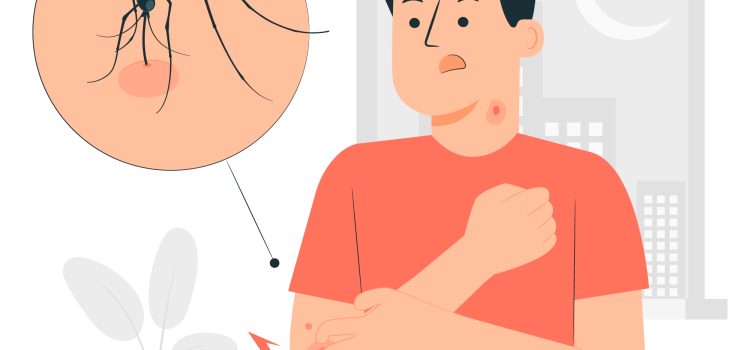
Dengue fever is a debilitating viral disease that is endemic in many tropical and subtropical regions around the world. It is caused by the dengue virus, which is transmitted to humans through the bite of infected Aedes mosquitoes. Symptoms of dengue fever include high fever, severe headache, joint and muscle pain, nausea, vomiting, and rash. While most cases of dengue fever are mild and self-limiting, some patients may develop severe dengue, which can be life-threatening.

If you or a loved one has been diagnosed with dengue fever, navigating the journey from diagnosis to recovery can be a challenging experience. In this article, we will explore the various aspects of the dengue fever journey, from diagnosis to treatment and recovery.

Diagnosis

The first step in the dengue fever journey is getting an accurate diagnosis. Dengue fever can be difficult to diagnose, as its symptoms are similar to those of other viral illnesses such as the flu. A blood test is the most reliable way to confirm a dengue fever diagnosis.

Treatment

There is no specific treatment for dengue fever, and patients are typically advised to rest, drink plenty of fluids, and take over-the-counter pain relievers to manage their symptoms. In severe cases of dengue fever, hospitalization may be required for close monitoring and supportive care.

Recovery

Most cases of dengue fever are self-limiting, and patients will typically begin to feel better within a week to ten days of symptom onset. However, recovery from dengue fever can be a slow and gradual process, and patients may experience lingering symptoms such as fatigue and joint pain for several weeks after their fever has subsided.

Prevention

Preventing dengue fever is key to avoiding the journey altogether. The most effective way to prevent dengue fever is to avoid being bitten by Aedes mosquitoes. This can be achieved by wearing protective clothing, using mosquito repellent, and eliminating standing water where mosquitoes breed.

In conclusion, if you or a loved one has been diagnosed with dengue fever, know that you are not alone. The journey from diagnosis to recovery can be a challenging one, but with proper care and attention, most patients make a full recovery. And remember, the best way to prevent dengue fever is to take steps to avoid mosquito bites in the first place.

Living with fatty liver disease can be a challenging journey, but it doesn’t have to mean giving up on a healthy and fulfilling life. Whether you’ve been diagnosed with non-alcoholic fatty liver disease or alcoholic fatty liver disease, there are strategies you can adopt to manage your condition and improve your overall wellbeing. In this blog post, we’ll explore the different types of fatty liver disease, the symptoms to watch out for, and most importantly – practical tips for living with this condition while maintaining a healthier lifestyle!

What is Fatty Liver?

Fatty liver, also known as hepatic steatosis or fatty liver disease, is a condition where excess fat builds up in the liver. The presence of some fat in the liver is normal, but when it exceeds 5-10% of the organ’s weight, it can lead to inflammation and damage over time.

There are two main types of fatty liver disease – alcoholic and non-alcoholic. Alcoholic fatty liver disease occurs due to excessive alcohol consumption which leads to fat accumulation in the liver cells. Non-alcoholic fatty liver disease (NAFLD), on the other hand, is caused by factors such as obesity, insulin resistance and high blood sugar levels.

While NAFLD is generally considered less serious than alcoholic fatty liver disease, it can progress into more severe conditions like non-alcoholic steatohepatitis (NASH) or cirrhosis if left untreated.

If you suspect that you may have fatty liver disease or are experiencing any symptoms associated with this condition such as fatigue or abdominal discomfort. It’s essential to speak with your healthcare provider for proper diagnosis and treatment recommendations.

The Different Types of Fatty Liver

Fatty liver is a condition where excess fat builds up in the liver cells. There are two main types of fatty liver: alcoholic fatty liver disease and non-alcoholic fatty liver disease (NAFLD).

Alcoholic fatty liver disease occurs due to excessive alcohol consumption. When the liver breaks down alcohol, it produces toxic by-products that can damage the liver cells, leading to inflammation and scarring.

On the other hand, NAFLD occurs when there is an accumulation of fat in the liver cells without any significant alcohol consumption. This type of fatty liver can be caused by factors such as obesity, insulin resistance, high blood sugar levels or high levels of fats in the blood.

NAFLD can progress to a more serious form known as nonalcoholic steatohepatitis (NASH), which involves inflammation and damage to the liver tissue. NASH can further lead to cirrhosis or permanent scarring of the liver.

Understanding these different types of fatty livers is crucial for proper diagnosis and treatment. It’s important for individuals who have been diagnosed with a fatty-liver related condition to seek medical advice on how best to manage their health.

Causes of Fatty Liver

Fatty liver is a condition where excess fat accumulates in liver cells. This can be caused by a variety of factors, including alcohol consumption, obesity, and certain medical conditions.

Alcohol consumption is one of the most common causes of fatty liver disease. When you consume too much alcohol, your liver has to work harder to process it. Over time, this can lead to an accumulation of fat in the liver cells.

Obesity is another common cause of fatty liver disease. People who are overweight or obese are more likely to develop this condition because their bodies produce more insulin than necessary. This leads to an increase in the amount of fat stored in the body’s tissues, including the liver.

Certain medical conditions can also contribute to the development of fatty liver disease. These include diabetes and high levels of triglycerides in the blood. In some cases, medications such as steroids or chemotherapy drugs may also contribute to this condition.

There are many different factors that can lead to fatty liver disease. By making lifestyle changes such as reducing alcohol consumption and maintaining a healthy weight, it may be possible to prevent or even reverse this condition over time.

Symptoms of Fatty Liver

Fatty liver disease can be asymptomatic or present with mild to severe symptoms. The early stages of fatty liver might not show any noticeable symptoms, making it difficult to diagnose the condition. However, as the disease progresses and causes inflammation in the liver, you may experience several signs that indicate a need for medical attention.

One of these symptoms is fatigue, which is one of the most common complaints among individuals with fatty liver disease. You may feel tired and sluggish even after getting enough sleep or rest.

Another sign of fatty liver is abdominal discomfort such as pain or bloating in your belly area. This could be due to an enlarged liver pressing against other organs in your abdomen.

Jaundice is also a symptom that may occur when there’s significant damage to your liver cells. Jaundice causes yellowing of eyes and skin due to high levels of bilirubin in your blood.

Other signs include loss of appetite, weight loss without trying, weakness, confusion or memory problems as well as swelling in legs and ankles caused by fluid retention.

It’s essential to note that not all people with non-alcoholic fatty liver disease experience symptoms. Hence it’s advisable that if you have risk factors for developing this condition like obesity or diabetes talk to your doctor about screening tests regularly done even if you don’t exhibit any symptoms yet.

Coping Strategies for Living with Fatty Liver

Coping with fatty liver can be a challenge, but there are strategies you can implement to manage the condition and lead a healthier life. One of the most important things to do is maintain a healthy weight through regular exercise and a balanced diet that is low in fat.

Reducing your alcohol intake or abstaining altogether is also crucial for managing fatty liver. Alcohol consumption can exacerbate the condition and cause further damage to your liver. You should aim to drink no more than one alcoholic beverage per day if you choose to consume alcohol at all.

In addition, it’s important to monitor any medications or supplements you take as some may have adverse effects on your liver function. Always consult with your doctor before taking new medications or supplements.

Stress management techniques like meditation, deep breathing exercises, and yoga may also be beneficial in coping with fatty liver. Chronic stress has been linked to numerous health issues including inflammation which can worsen fatty liver disease.

Make sure you attend regular check-ups with your healthcare provider so they can monitor the progression of the disease and make any necessary adjustments to your treatment plan. With consistent effort towards managing this condition, it’s possible for individuals living with Fatty Liver Disease live fulfilling lives without complications!

Conclusion

Living with fatty liver can be challenging, but it’s important to remember that there are coping strategies and lifestyle changes you can make to improve your overall health. By understanding the different types of fatty liver, the causes and symptoms, you can take proactive steps towards a healthier life.

If you have been diagnosed with fatty liver disease or suspect that you may have it, make an appointment with your doctor as soon as possible. This is especially important if you experience any symptoms such as fatigue or abdominal pain.

From there, focus on making healthy lifestyle choices like exercising regularly and eating a balanced diet low in saturated fat and sugar. Avoid consuming alcohol or smoking cigarettes which further damages the liver.

It is also essential to maintain regular check-ups with your doctor so they can monitor your condition closely and determine whether additional treatment options are necessary.

Living with fatty liver may seem daunting at first, but by taking care of yourself both physically and mentally through proper nutrition, exercise routines & stress management techniques – one day at a time – we guarantee that this will become just another part of who we are!

Kidney stones can be an excruciatingly painful experience. They form when calcium, oxalate, and other substances in the urine crystalize and stick together. And while anyone can develop these small, hard deposits in their kidneys or bladder, some factors like dehydration increase the likelihood of developing them. That’s why hydration plays such a crucial role in treating and preventing kidney stones. In this blog post, we’ll explore how staying hydrated can help you avoid kidney stones altogether or reduce your risk of getting them again if you’ve already suffered from one. So grab a glass of water (or your preferred beverage) and let’s dive into the world of hydration and kidney health!

What are kidney stones?

Kidney stones are hard, crystalline deposits that form in the kidneys or bladder. They can range in size from a grain of sand to larger than a golf ball. Kidney stones can be incredibly painful as they travel through the urinary tract and out of the body.

There are four main types of kidney stones: calcium oxalate, uric acid, struvite, and cystine. Calcium oxalate is by far the most common type and forms when urine contains too much calcium and not enough water.

Kidney stone symptoms can vary depending on their size and location within the urinary tract. The most common signs include severe pain in your side or back, nausea or vomiting, blood in your urine, frequent urination, or a foul-smelling odor from your urine.

If you suspect you have kidney stones based on these symptoms, it’s important to see a healthcare provider for an accurate diagnosis and treatment plan.

What causes kidney stones?

Kidney stones are solid masses that form in the kidneys when certain chemicals and minerals in the urine crystallize. These stones can range from pebble-sized to as large as a golf ball, causing intense pain when they pass through the urinary tract.

One of the most common causes of kidney stones is dehydration. When there isn’t enough fluid in the body to dilute urine, it becomes concentrated with minerals that can lead to stone formation. Other risk factors include a family history of kidney stones, diets high in sodium or animal protein, obesity, digestive diseases like Crohn’s or ulcerative colitis, and certain medications.

Certain medical conditions such as hyperparathyroidism or renal tubular acidosis may also increase your risk of developing kidney stones. In addition, people who have had gastric bypass surgery or other weight loss surgeries are at an increased risk due to changes in their digestive system.

Regardless of what caused your kidney stone(s), staying hydrated is critical for preventing future ones from forming. By drinking plenty of water throughout the day and avoiding sugary drinks and caffeinated beverages you can help flush out any excess minerals that could contribute to stone formation.

How can hydration help treat and prevent kidney stones?

Hydration is key when it comes to treating and preventing kidney stones. Drinking enough water can help flush out any excess minerals or salts in the urine that may lead to stone formation. When we don’t drink enough fluids, our urine becomes more concentrated, which increases the likelihood of kidney stones.

It’s recommended to aim for at least 8-10 glasses of water per day, but this may vary depending on individual needs and activity levels. It’s also important to note that not all fluids are created equal – sugary drinks like soda and energy drinks can actually increase your risk of developing kidney stones.

Aside from drinking plenty of water, incorporating foods high in water content such as cucumbers, melons, and citrus fruits can also be beneficial. These foods not only provide hydration but also contain vitamins and minerals that support overall kidney health.

In addition to helping prevent kidney stone formation, staying hydrated can also aid in passing small stones more easily by diluting the urine and reducing discomfort during urination. So make sure you’re sipping on H2O throughout the day for happy kidneys!

The best drinks for preventing kidney stones

When it comes to preventing kidney stones, staying hydrated is essential. Drinking plenty of fluids can help flush out toxins and prevent minerals from crystallizing in the kidneys. But not all drinks are created equal when it comes to kidney stone prevention.

Water is hands down the best drink for preventing kidney stones as it helps dilute urine and flush away mineral deposits before they have a chance to form into stones. Aim to drink at least 8-10 glasses of water per day, more if you’re physically active or live in a hot climate.

Citrus juices like lemonade and orange juice are also great choices as they contain citrate which can help prevent calcium oxalate stones from forming. However, be mindful of added sugars in store-bought versions that could do more harm than good.

Herbal teas such as nettle leaf tea, dandelion root tea and green tea may also be beneficial due to their diuretic properties that promote urine production while providing antioxidants that fight against inflammation.

On the other hand, avoid sugary drinks such as soda and fruit juices high in fructose which may increase your risk for developing kidney stones by contributing to obesity and insulin resistance.

Remember that hydration plays a critical role in preventing kidney stones so make sure you’re drinking enough fluids throughout the day – preferably water!

The best foods for preventing kidney stones

Eating a healthy and balanced diet is crucial in preventing the formation of kidney stones. Here are some of the best foods that can help prevent kidney stones:

1. Citrus fruits – These include oranges, lemons, limes, and grapefruits. They contain citric acid which helps to break down calcium oxalate stones.

2. Leafy greens – Spinach, kale, and other leafy greens are rich in calcium but low in oxalates. This makes them an excellent choice for preventing the formation of kidney stones.

3. Whole grains – Foods like brown rice, whole wheat bread and pasta can help reduce your risk of developing kidney stones due to their high fiber content.

4. Berries – Blueberries, strawberries, raspberries, and blackberries have been shown to have a protective effect against urinary tract infections (UTIs) which are often linked with the development of kidney stones.

5. Low-fat dairy products – Milk, cheese and yoghurt contain both calcium and vitamin D which promote bone health as well as reducing the risk of developing kidney stones.

By incorporating these foods into your daily diet along with drinking plenty of water or fluids such as tea or coffee you can significantly lower your risk for painful kidney stone attacks!

When to see a doctor about kidney stones

It is crucial to seek medical attention if you suspect that you have kidney stones. While some small stones can pass without treatment, larger ones may require intervention from a doctor. Here are some signs that it’s time to visit a healthcare professional.

One of the most common symptoms of kidney stones is intense pain in your back or side that can radiate down your groin area. The pain may come and go and vary in severity, but it should not be ignored.

Another sign that you might have kidney stones is blood in your urine, which can appear pink, red or brown. This happens when the stone scrapes against the urinary tract walls as it moves through your system.

If you experience fever and chills along with nausea and vomiting, this could indicate an infection caused by a lodged stone. Seek immediate medical attention if these symptoms occur.

If over-the-counter pain relievers do not alleviate discomfort or if you cannot urinate normally for several hours despite ample fluid intake, see a doctor right away. Remember: early diagnosis leads to better outcomes!

Conclusion

Maintaining proper hydration is crucial in preventing and treating kidney stones. Dehydration can lead to the formation of kidney stones, while adequate hydration can help flush out existing ones. Drinking plenty of water, along with other recommended beverages such as lemonade and herbal teas, can reduce the risk of developing new kidney stones.

In addition to staying hydrated, eating a balanced diet that includes foods rich in calcium, magnesium, and potassium can also help prevent kidney stone formation. However, if you experience symptoms such as severe pain or blood in your urine, it’s important to seek medical attention right away.

By understanding the role of hydration in preventing and treating kidney stones and making smart lifestyle choices when it comes to diet and fluid intake, you can significantly lower your risk of experiencing this painful condition. Remember: prevention is key!


Introduction

Are you or your child struggling with asthma attacks? You’re not alone. Asthma is a chronic respiratory condition that affects millions of people worldwide, and it can be life-threatening if not properly managed. The good news is that with the right knowledge and planning, asthma attacks can be prevented. In this blog post, we’ll cover all you need to know about creating an effective asthma action plan for yourself or your child, including identifying triggers and symptoms, managing medications, and taking preventive measures to keep those pesky attacks at bay!

What is Asthma?

Asthma is a chronic respiratory condition that affects the airways in the lungs. People with asthma experience inflammation and narrowing of these air passages, making it difficult to breathe properly.

The cause of asthma is not entirely clear, but it appears to be related to both genetic and environmental factors. Some people may develop asthma due to exposure to certain allergens or irritants like cigarette smoke, pollution or dust mites.

Asthma symptoms can vary from person-to-person and may include wheezing, coughing, chest tightness and shortness of breath. Symptoms can range from mild to severe and may occur intermittently or persistently.

While there’s no cure for asthma yet, it can be managed effectively with medical treatment such as inhalers, lifestyle changes such as avoiding triggers that worsen symptoms and having an action plan in place in case of an attack.

It’s important for people with asthma to work closely with their doctor in order manage their condition effectively over time. By understanding what causes your symptoms and taking steps towards prevention or management ahead of time, you’ll be better equipped when it comes preventing future attacks.

Asthma Triggers

Asthma triggers are factors that can cause or worsen asthma symptoms. Triggers vary from person to person, but some common ones include air pollution, allergens such as dust mites and pollen, tobacco smoke, exercise, stress and certain medications.

Air pollution is a major trigger for asthma attacks in urban areas. Polluted air contains fine particles which irritate the respiratory tract leading to inflammation of the lungs. Allergens such as dust mites and pollen can also induce an inflammatory response in people with allergies.

Tobacco smoke is harmful to everyone’s health but it’s especially dangerous for people with asthma. Secondhand smoke affects children more severely than adults because their lungs are still developing.

Exercise is another common trigger for people with asthma. However, regular physical activity has been shown to improve lung function over time so don’t let this discourage you from staying active!

Stress can also be a trigger for some individuals with asthma. Managing stress levels through relaxation techniques such as yoga or mindfulness meditation may help reduce symptoms.

Certain medications like aspirin and nonsteroidal anti-inflammatory drugs (NSAIDs) can provoke an allergic reaction in some patients with severe asthma. If you suspect medication might be triggering your symptoms talk to your doctor about alternative options available.

Asthma Symptoms

Asthma Symptoms

Asthma is a chronic respiratory disease that affects millions of people worldwide. It causes the airways to become inflamed and narrow, making it difficult for air to pass through them. This can lead to a range of symptoms that vary in severity from person to person.

One of the most common symptoms of asthma is shortness of breath. People with asthma may feel like they are struggling to catch their breath or may experience wheezing when they exhale.

Coughing is another common symptom of asthma, particularly at night or early in the morning. A cough caused by asthma often produces mucus and can be persistent if left untreated.

Chest tightness is also a symptom associated with asthma, causing discomfort and pain in the chest area. This feeling can occur during an asthma attack when breathing becomes more challenging.

Fatigue and weakness are two additional symptoms experienced by some people who have asthma as their condition worsens over time. These signs may indicate that your body has been working harder than usual due to labored breathing caused by restricted airflow through your lungs.

If you’re experiencing any combination of these symptoms regularly, it’s essential to consult with a doctor immediately before things get worse!

Asthma Action Plans

Asthma Action Plans are an essential tool for anyone living with asthma. These plans help to prevent and manage asthma attacks by providing step-by-step instructions on what to do in case of an emergency. They can be created by a healthcare professional or developed at home using resources provided by organizations such as the American Lung Association.

An Asthma Action Plan typically includes information about medications, triggers, symptoms, and emergency contact numbers. It also outlines specific steps that should be taken when symptoms occur, including which medication to take and when to seek medical attention.

Creating an Asthma Action Plan is especially important for children who have asthma. Parents should work closely with their child’s doctor to develop a plan that is tailored specifically to their child’s needs. This may include teaching the child how to use a peak flow meter or inhaler properly.

Remember, having an Asthma Action Plan does not guarantee that you will never experience an asthma attack. However, it can significantly reduce your risk of having one and provide peace of mind knowing that you are prepared if one were to occur.

Conclusion

Preventing asthma attacks is crucial for anyone who suffers from this condition. By identifying triggers and creating a personalized asthma action plan, individuals can take proactive steps to manage their symptoms and reduce the risk of an attack.

Whether you are managing your own asthma or that of your child’s, it’s important to work closely with healthcare providers to create an effective plan that meets your unique needs. Remember to regularly review and update your plan as needed, especially if there are changes in medication or lifestyle factors.

With the right tools and support in place, individuals with asthma can lead healthy and active lives without having to constantly worry about the threat of an attack. So don’t wait – start taking control of your health today!