Kaiser Permanente’s recent announcement of its plan to acquire Geisinger, one of the largest health systems in the United States, has sent shockwaves through the healthcare industry. The deal, which is set to be completed later this year pending regulatory approval, will create a new entity that is expected to have a major impact on the industry.

Kaiser Permanente, based in Oakland, California, is one of the largest non-profit health plans in the country, providing high-quality healthcare services to over 12 million members. On the other hand, Geisinger, headquartered in Danville, Pennsylvania, is a health system that operates hospitals, clinics, and other medical facilities across Pennsylvania, New Jersey, and Delaware, serving over 3 million people in the region.

The acquisition will create a new entity that combines Kaiser Permanente’s expertise in managed care and population health with Geisinger’s experience in integrated health services and innovative care delivery models. The new entity will have a larger geographic footprint and will be able to leverage the strengths of both organizations to improve patient care and reduce costs.

According to the joint statement released by the two companies, the acquisition will bring together “two organizations with aligned missions and shared values” that are committed to providing “high-quality, affordable, and accessible care to their communities.” The statement also noted that the new entity will build on Geisinger’s “innovative, data-driven approach” and Kaiser Permanente’s “industry-leading expertise in population health and preventive care.”

The deal comes at a time when the healthcare industry is undergoing significant changes, including increasing consolidation, the shift to value-based care, and the adoption of new technologies such as telehealth and artificial intelligence. The new entity is expected to be well-positioned to navigate these changes and improve healthcare delivery for patients across the country.

However, the acquisition also raises concerns about the potential impact on competition in the healthcare industry. Some experts have expressed concern that the deal could lead to increased market power for the new entity, which could result in higher prices for consumers and reduced access to care.

To address these concerns, the two companies have stated that they will work with regulators to ensure that the acquisition complies with all relevant laws and regulations. They have also emphasized their commitment to maintaining access to affordable, high-quality care for patients.

In conclusion, the acquisition of Geisinger by Kaiser Permanente is a major development in the healthcare industry that has the potential to significantly impact patient care and healthcare delivery. While there are concerns about the potential impact on competition, the two companies have stated their commitment to addressing these concerns and ensuring that the acquisition benefits patients and communities. As the healthcare industry continues to evolve, it will be important to monitor the impact of this deal on the industry as a whole.


Mammal DNA research has made significant strides in recent years, offering fascinating insights into the evolutionary history and genetic makeup of various species. From alpacas to yaks, researchers are uncovering new information about these animals that could have implications for everything from conservation efforts to agricultural practices.

Alpacas, native to South America, are prized for their wool, which is both soft and warm. They are also relatively small and easy to care for, making them popular livestock in many parts of the world. Researchers have recently sequenced the genome of the alpaca, providing new insights into its genetic makeup.

One of the most interesting findings was that alpacas have evolved to produce a unique type of antibody that is more effective against certain viruses than those found in other mammals. This discovery could have implications for human medicine, as scientists are exploring the possibility of using alpaca antibodies to develop new treatments for diseases.

Yaks, on the other hand, are native to the Himalayan region of Asia and are well adapted to life in harsh environments. They are used for their milk, meat, and hides, and are also used as pack animals in mountainous regions. Recent research has focused on the genetics of yaks and their adaptations to extreme environments.

One study found that yaks have evolved to better regulate their metabolism and energy usage in response to low oxygen levels at high altitudes. Another study found that yaks have unique genes related to the development of their long, shaggy hair, which protects them from the cold.

The genetic research being conducted on alpacas and yaks is not only fascinating but also has practical applications. By understanding the genetic makeup of these animals, scientists can develop more effective breeding programs and improve the productivity and resilience of herds.

But there are also ethical considerations to keep in mind. The use of genetic information to breed animals for specific traits can lead to unintended consequences, such as decreased genetic diversity and increased susceptibility to disease. It is important that these ethical considerations are weighed against the potential benefits of genetic research.

The research on alpacas and yaks is just a small part of the larger field of mammal genetics. Researchers are also studying other species, such as elephants, lions, and gorillas, to gain a better understanding of their genetic makeup and how they have evolved over time.

One of the most exciting developments in mammal genetics is the use of ancient DNA to study the evolution of species over long periods of time. Researchers have extracted DNA from fossils and other ancient specimens to reconstruct the genomes of extinct animals, such as the woolly mammoth and the saber-toothed tiger.

This research offers new insights into the genetic history of these species and their relationships to modern animals. It also raises questions about the potential for using ancient DNA to bring extinct species back to life, a controversial topic that raises many ethical and practical concerns.

In conclusion, the field of mammal genetics is offering fascinating insights into the genetic makeup and evolutionary history of various species, from alpacas to yaks and beyond. While the research has practical applications, it is important to consider the ethical implications of using genetic information to manipulate and breed animals. With continued research and collaboration, scientists may unlock even more secrets of mammal DNA, leading to further advancements in the field of genetics.

On May 8, 2023, GOP lawmakers introduced new transgender restrictions across the country, sparking controversy and debate on both sides of the political spectrum.

The proposed legislation would prohibit transgender individuals from using bathrooms that match their gender identity and would also require schools to identify students by their biological sex. Additionally, the bill would mandate that doctors and other medical professionals refuse to provide gender-affirming care to minors.

Proponents of the bill argue that it is necessary to protect children and maintain traditional values, while opponents argue that it discriminates against transgender individuals and could lead to increased rates of suicide and depression.

The bill has already faced backlash from LGBTQ+ rights groups and advocates, who argue that it is unconstitutional and violates the rights of transgender individuals. Additionally, several large corporations, including Amazon, Google, and Coca-Cola, have publicly denounced the bill and threatened to pull their business from states that pass similar legislation.

The introduction of this bill is part of a larger trend of conservative lawmakers pushing back against the growing acceptance and visibility of the transgender community. In recent years, there have been numerous attempts to roll back protections for transgender individuals, particularly in the areas of healthcare and education.

Critics of these efforts argue that they are motivated by bigotry and fear, rather than a genuine concern for public safety. They also point out that transgender individuals are already at a heightened risk of discrimination, harassment, and violence, and that these laws will only serve to exacerbate these problems.

Despite the controversy surrounding the bill, it is likely to receive support from conservative lawmakers and voters, who view it as an important step in preserving traditional values and protecting children from perceived threats.

In order to accurately report on this issue, journalists must take care to provide balanced and objective coverage, while also acknowledging the potentially harmful impact of these laws on the transgender community. It is also important to verify all sources and information, particularly in a politically charged climate where misinformation and fake news can spread quickly.

In conclusion, the introduction of new transgender restrictions by GOP lawmakers has sparked a heated debate about the rights of transgender individuals and the role of government in regulating gender identity. While proponents argue that the legislation is necessary to protect public safety and uphold traditional values, opponents view it as discriminatory and harmful. As journalists, it is our responsibility to report on this issue accurately and objectively, while also being sensitive to the perspectives and experiences of those most affected by these laws.

Prostate cancer is the most common cancer among men, and early detection through screening is critical for effective treatment. However, as men age, the benefits and risks of prostate cancer screening can become more complicated. In response, several major healthcare organizations have recently updated their guidelines for prostate cancer screening in older men. In this article, we will explore these latest guidelines and what they mean for men and their healthcare providers.

The American Cancer Society, the American Urological Association, and the U.S. Preventive Services Task Force are three organizations that have recently released updated guidelines for prostate cancer screening. These guidelines emphasize the importance of shared decision-making between healthcare providers and their patients when considering prostate cancer screening for older men.

The American Cancer Society recommends that men who are in good health and have a life expectancy of at least 10 years should consider getting a PSA test starting at age 50. For men with a higher risk of prostate cancer, such as African American men or men with a family history of the disease, screening should begin earlier, at age 45.

The American Urological Association recommends that men aged 55 to 69 who are considering PSA screening should discuss the potential benefits and risks with their healthcare provider and make an individualized decision based on their personal preferences and risk factors.

Finally, the U.S. Preventive Services Task Force recommends that men aged 55 to 69 should discuss the potential benefits and risks of prostate cancer screening with their healthcare provider and make an individualized decision based on their personal preferences and risk factors.

Overall, these guidelines highlight the importance of shared decision-making between healthcare providers and their patients. The decision to undergo prostate cancer screening should not be based solely on age, but should also take into account individual factors such as overall health, life expectancy, and personal preferences.

It is important to note that these guidelines do not recommend routine prostate cancer screening for men over the age of 70, as the potential risks of over-screening and over-treatment may outweigh the benefits in this population. However, healthcare providers should still consider the potential benefits and risks of screening in older men with a life expectancy of 10 years or more.

While these guidelines provide a framework for prostate cancer screening in older men, they are not without controversy. Some experts argue that the guidelines do not go far enough in addressing the potential harms of prostate cancer screening, such as over-diagnosis and over-treatment. Others argue that the guidelines may lead to under-screening in some populations, particularly African American men who are at higher risk for prostate cancer.

Despite these concerns, the updated guidelines provide a starting point for healthcare providers and their patients to have informed discussions about prostate cancer screening. It is important for men to be aware of their individual risk factors and to discuss the potential benefits and risks of screening with their healthcare provider.

In conclusion, the latest guidelines for prostate cancer screening in older men emphasize the importance of shared decision-making between healthcare providers and their patients. The decision to undergo screening should be individualized and take into account a man’s overall health, life expectancy, and personal preferences. While these guidelines are not without controversy, they provide a framework for informed discussions about prostate cancer screening and the potential benefits and risks for older men.

The World Health Organization (WHO) has announced that it is ending the designation of Covid-19 as a global health emergency. This decision comes more than a year after the outbreak was first declared a public health emergency of international concern.

So, what does this mean for Covid-19?

First, it’s important to note that the end of the global health emergency designation doesn’t mean that the pandemic is over or that Covid-19 is no longer a serious threat to public health. Rather, it signals a shift in the WHO’s approach to managing the pandemic.

According to Dr. Tedros Adhanom Ghebreyesus, the Director-General of the WHO, the decision was based on a careful review of the available data and an assessment of the risks posed by the pandemic. He emphasized that the end of the global health emergency designation does not mean the end of the pandemic, but rather a transition to a new phase in the ongoing response.

The WHO’s decision to end the global health emergency designation means that the organization will no longer hold regular emergency meetings to discuss Covid-19, although it will continue to monitor the situation closely. This change in approach reflects a recognition that Covid-19 is likely to be with us for some time to come and that it will need to be managed as a long-term public health challenge.

One of the key implications of the WHO’s decision is that it places greater responsibility for managing the pandemic on individual countries. Governments will need to continue to implement measures to control the spread of the virus, such as testing, contact tracing, and vaccination campaigns. However, they will also need to balance these measures against the economic and social costs of prolonged lockdowns and other restrictions.

The end of the global health emergency designation also means that there will be less focus on developing and deploying emergency medical countermeasures, such as vaccines and therapeutics, and more emphasis on building longer-term infrastructure for managing the pandemic. This includes developing more robust health systems, investing in public health research, and strengthening global health security.

Despite the challenges ahead, there are reasons to be cautiously optimistic about the future of the pandemic. The rapid development of highly effective vaccines has given us a powerful tool for controlling the spread of the virus, and the global community has shown a remarkable degree of cooperation and solidarity in responding to the pandemic.

However, there are still significant challenges to overcome, including vaccine hesitancy, the emergence of new variants of the virus, and ongoing global disparities in vaccine access. As we move into this new phase of the pandemic response, it will be important for governments, healthcare providers, and individuals alike to remain vigilant and continue to work together to keep Covid-19 under control.

In conclusion, the WHO’s decision to end the global health emergency designation for Covid-19 marks a significant shift in the ongoing response to the pandemic. While it is not a declaration that the pandemic is over, it does signal a recognition that Covid-19 is likely to be with us for some time to come and will need to be managed as a long-term public health challenge. This transition will place greater responsibility on individual countries to manage the pandemic, while also requiring a continued commitment to investing in global health security and building stronger, more resilient health systems.

Becoming a top dog judge is no easy feat. It requires years of training, a deep knowledge of breed standards, and a dedication to the sport of purebred dogs. But what sets the most successful top dog judges apart from the rest? We talked to several top dog judges to uncover their secrets to success.

One of the most important qualities for success as a top dog judge is a love and passion for dogs. According to top dog judge Mary Smith, “If you don’t have a deep love and respect for dogs, you won’t be able to judge them fairly and objectively.” This passion for dogs also helps top dog judges maintain their motivation and dedication to the job, even when it can be challenging or stressful.

Another key to success is a strong work ethic. Top dog judges must be willing to put in long hours of training and preparation, as well as the time and effort required to travel to shows and judge the dogs. This means staying up-to-date on breed standards and continually learning about new breeds and developments in the dog world.

Communication skills are also important for top dog judges. They must be able to communicate their decisions clearly and effectively, both to the exhibitors and to the audience. Good communication skills also help top dog judges build relationships with other judges, breeders, and exhibitors in the dog world.

Attention to detail is another essential quality for top dog judges. They must be able to notice even the slightest variations in a dog’s appearance or behavior and evaluate them accordingly. This requires a sharp eye and a strong attention to detail.

Finally, a top dog judge must have the ability to remain objective and impartial in their judgments. They must be able to evaluate each dog based on its individual merits, regardless of the owner’s reputation or status in the dog world. This means setting aside personal biases and making decisions based solely on the breed standard and the dog’s performance.

But what about the practical tips and tricks that can help top dog judges succeed? We spoke to several top dog judges to get their advice. Here are some of their tips:

  • Be prepared: Study the breed standards thoroughly, and do your research on the dogs you’ll be judging. Familiarize yourself with the specific traits and characteristics of each breed, and practice evaluating dogs based on those traits.
  • Develop your own style: Each top dog judge has their own style and approach to judging. Find what works best for you and develop your own unique style that sets you apart from other judges.
  • Be confident: Trust your instincts and your knowledge, and don’t second-guess yourself. Your confidence will inspire confidence in the exhibitors and audience.
  • Stay calm under pressure: Even the most experienced top dog judges can feel the pressure of judging at high-profile events. Learn techniques for managing stress and anxiety, such as deep breathing or visualization exercises.
  • Seek feedback: Top dog judges should always be open to feedback and critique from other judges, exhibitors, and breeders. This can help you continue to improve and develop your skills as a judge.

In conclusion, becoming a top dog judge requires a combination of passion, hard work, attention to detail, and objectivity. By following these tips and tricks from the pros, aspiring top dog judges can set themselves on the path to success in the competitive and rewarding world of purebred dog shows.

The Centers for Disease Control and Prevention (CDC) has made significant changes to its Covid tracking strategy in response to the evolving pandemic landscape. As the situation continues to develop, the CDC has recognized the need for new approaches to tracking and responding to the virus. Here is what you need to know about the latest updates.

First and foremost, the CDC has shifted its focus to track Covid-19 cases based on severity, rather than just the number of cases reported. In the past, the agency relied on case counts to assess the spread of the virus. However, with the emergence of new variants and the growing number of breakthrough infections among vaccinated individuals, the CDC has realized that case counts alone do not provide a complete picture of the pandemic’s impact.

To address this issue, the CDC has introduced a new metric called the COVID-19 Associated Hospitalization Surveillance Network (COVID-NET). This network tracks hospitalizations related to Covid-19 and includes data from around 250 hospitals across 14 states. The data collected through COVID-NET will help the CDC to understand the severity of the pandemic’s impact and how it is changing over time.

Another significant change to the CDC’s tracking strategy is the introduction of a new tiered system for classifying counties based on transmission rates. The new system consists of four tiers, ranging from low to high transmission, with each tier corresponding to specific mitigation strategies. This system aims to provide communities with clear guidance on how to respond to the pandemic based on the severity of the situation in their area.

The CDC has also adjusted its approach to testing and quarantine requirements for individuals who have been in close contact with someone who has tested positive for Covid-19. Previously, the agency recommended a 14-day quarantine period for all close contacts, regardless of whether they tested negative for the virus. Now, the CDC recommends that individuals who are fully vaccinated and have no symptoms do not need to quarantine after exposure to someone with Covid-19.

However, the CDC still recommends testing for fully vaccinated individuals who have been in close contact with someone who has tested positive. The agency also advises that individuals who are not vaccinated and have been in close contact with someone with Covid-19 should get tested and quarantine for 14 days, even if they test negative.

The CDC’s new tracking strategy reflects the agency’s continued efforts to respond to the changing pandemic landscape. By focusing on severity, transmission rates, and mitigation strategies, the CDC aims to provide communities with the information they need to stay safe and healthy in the face of this ongoing public health crisis.

In conclusion, the CDC’s new tracking strategy represents a significant shift in the agency’s approach to monitoring and responding to the Covid-19 pandemic. By prioritizing severity, introducing a new tiered system for classifying counties, and adjusting testing and quarantine requirements, the CDC is working to provide communities with the tools they need to navigate this challenging time. While the pandemic is far from over, the CDC’s efforts provide hope that we can continue to adapt and respond to the evolving situation.

Black women have been consistently silenced and ignored when it comes to their experiences with pain management during childbirth. This has led to severe disparities in the quality of care and outcomes for Black mothers and their infants. However, there is a growing movement of advocates and healthcare professionals who are working to change this narrative and ensure that Black women receive the care they deserve.

The history of medical racism and the mistreatment of Black bodies within the healthcare system is long and painful. This legacy has contributed to the current disparities in pain management for Black women. Studies have shown that Black women are less likely to receive pain medication during childbirth, and when they do, they are often given lower doses than their white counterparts. This can lead to increased levels of pain and trauma during childbirth and even long-term health consequences.

However, there are initiatives and organizations that are working to address these disparities. The Black Mamas Matter Alliance is a national organization that advocates for policies and practices that center Black women’s experiences and needs during pregnancy and childbirth. They work to promote community-based and culturally competent care, as well as policies that prioritize the health and well-being of Black mothers and their infants.

Another organization that is making strides in this area is the National Birth Equity Collaborative. Their mission is to address the racial disparities in maternal and infant mortality rates by promoting evidence-based practices and community-driven solutions. They focus on training healthcare professionals on the impact of implicit bias and racism on maternal health outcomes, as well as advocating for policies that prioritize maternal health.

In addition to these organizations, there are individual healthcare professionals who are taking it upon themselves to address these disparities. Dr. Tamika Auguste, an OB/GYN at MedStar Washington Hospital Center, has been a vocal advocate for Black maternal health. She has worked to increase awareness of the disparities in pain management and promote practices that prioritize the health and well-being of Black mothers and their infants.

Advocates and healthcare professionals are not the only ones pushing for change. Black women themselves are increasingly speaking out about their experiences and demanding better care. Social media campaigns like #BlackMaternalHealthWeek and #ListenToBlackWomen have brought attention to the issue and elevated the voices of Black women.

It is important to recognize that addressing the disparities in pain management for Black women is not a quick fix. It requires systemic change within the healthcare system, as well as a commitment to addressing the legacy of medical racism and the mistreatment of Black bodies. However, with the efforts of advocates, healthcare professionals, and Black women themselves, progress can be made. By centering the experiences and needs of Black women, we can work towards a future where all mothers receive the care they deserve.

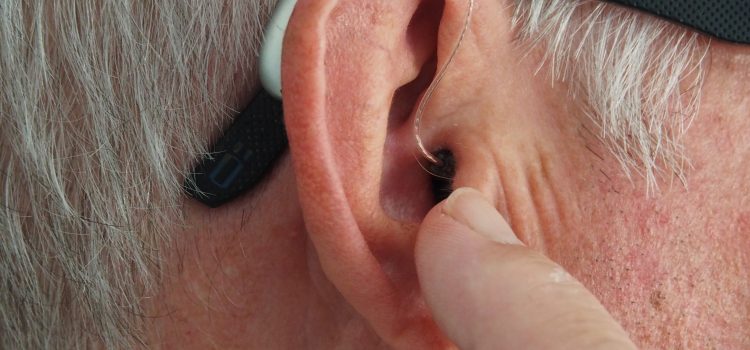
Hearing aids have come a long way since their inception, and advancements in technology continue to transform the industry. With an aging population and an increase in noise-induced hearing loss, the demand for hearing aids is expected to grow significantly in the coming years. In this article, we explore the future of hearing aids and the emerging technologies that are poised to revolutionize the industry.

Artificial Intelligence

Artificial intelligence (AI) is one of the most significant emerging technologies in the hearing aid industry. AI technology is being used to improve sound processing, allowing hearing aids to adapt to different environments and provide a more natural listening experience. AI can also be used to monitor and track hearing aid usage, helping users to manage their hearing health more effectively. As AI technology continues to advance, we can expect to see even more significant improvements in the performance and functionality of hearing aids.

Augmented Reality

Augmented reality (AR) technology is also emerging as a potential game-changer in the hearing aid industry. AR technology can enhance the user’s auditory experience by providing additional information and context about the sounds they are hearing. For example, AR technology can identify the source of a sound or provide real-time captioning for speech. This technology could significantly improve the user’s ability to communicate and understand in noisy environments.

Wireless Charging

Wireless charging is another emerging technology that is poised to change the hearing aid industry. Currently, most hearing aids require regular battery replacement, which can be inconvenient and costly. However, with wireless charging, hearing aids can be charged simply by placing them in a charging case, eliminating the need for batteries altogether. This technology could significantly improve the user’s experience and make hearing aids more accessible and cost-effective.

Nanotechnology

Nanotechnology is another emerging technology that could revolutionize the hearing aid industry. Nanotechnology involves the manipulation of materials at the nanoscale, allowing for the creation of ultra-small devices and components. In hearing aids, nanotechnology could be used to create smaller and more efficient components, resulting in even smaller and more discreet hearing aids. Nanotechnology could also be used to create hearing aids that are more resistant to water and other environmental factors.

Regenerative Medicine

Regenerative medicine is an emerging field that holds promise for the future of hearing aids. Regenerative medicine involves the use of stem cells to regenerate damaged or lost tissue. In the case of hearing loss, regenerative medicine could be used to regenerate the hair cells in the inner ear that are responsible for hearing. This technology is still in the early stages of development, but it could potentially lead to a cure for some forms of hearing loss.

Conclusion

The future of hearing aids is bright, with emerging technologies that have the potential to revolutionize the industry. From artificial intelligence and augmented reality to wireless charging, nanotechnology, and regenerative medicine, the possibilities are endless. As these technologies continue to develop and become more accessible, we can expect to see even more significant improvements in the performance, functionality, and accessibility of hearing aids. Ultimately, these advancements will make hearing aids more effective and user-friendly, improving the lives of millions of people around the world.

Professional basketball players are often viewed as superhuman athletes who possess extraordinary physical abilities. But what many people may not realize is that NBA centers face a significant amount of mental and emotional pressure as well. To excel on and off the court, many NBA centers have turned to yoga as a way to achieve peak performance in all aspects of life.

Yoga is a mind-body practice that emphasizes physical postures, breathing techniques, and meditation. It has been shown to have numerous benefits, including reducing stress, improving flexibility and balance, and enhancing mental clarity and focus. For NBA centers, the practice of yoga can be especially helpful in managing the physical and mental demands of their sport.

One of the key benefits of yoga for NBA centers is its ability to reduce stress and anxiety. The pressures of professional basketball can be intense, with players constantly striving to perform at their best. Yoga can provide a much-needed break from this pressure and help players to relax and de-stress. By practicing yoga regularly, NBA centers can learn techniques for managing their stress and anxiety both on and off the court.

In addition, yoga can help NBA centers improve their flexibility, balance, and overall physical fitness. Many NBA centers are large and heavy, which can put a significant amount of strain on their joints and muscles. By practicing yoga, these players can improve their range of motion and reduce their risk of injury. Yoga also helps to strengthen the core and improve balance, which are crucial skills for any basketball player.

But perhaps the most significant benefit of yoga for NBA centers is its ability to enhance mental clarity and focus. The practice of yoga emphasizes mindfulness and meditation, which can help players to stay focused and centered even in high-pressure situations. By learning to control their breath and quiet their minds, NBA centers can develop mental toughness and resilience, which are essential qualities for success both on and off the court.

Finally, yoga can help NBA centers achieve peak performance in all aspects of life. By improving their physical fitness, reducing stress, and enhancing mental clarity and focus, yoga can help players to excel not just in basketball, but in all areas of their lives. Many NBA centers have reported that yoga has helped them to become better fathers, husbands, and friends, as well as better athletes.

In conclusion, yoga has become an increasingly popular practice among NBA centers for good reason. Its numerous benefits, including reducing stress, improving flexibility and balance, and enhancing mental clarity and focus, can help these athletes achieve peak performance in all aspects of life. Whether you are an NBA center or simply someone looking to improve your overall well-being, incorporating yoga into your daily routine may be just what you need to take your game to the next level.