
There is a special joy in witnessing the growth and development of baby animal cubs as they transition from delicate newborns to energetic adolescents. These captivating creatures captivate our hearts at every stage of their journey, filling our lives with wonder and delight. In this article, we explore the enchanting process of watching cubs grow, from their early days as tiny, helpless beings to their playful and curious adolescent selves.

  1. The Miracle of Birth: The journey of cub growth begins with the miracle of birth. Whether it’s a lioness with her adorable cubs hidden in a secluded den or a panda mother tenderly caring for her newborn in a bamboo forest, the arrival of these tiny creatures into the world is a moment of awe and wonder. Witnessing the bond between a mother and her newborn cubs is a testament to the instinctual nurturing that exists in the animal kingdom.
  2. Early Development and Dependency: During the early stages of their lives, cubs rely entirely on their mothers for nourishment, protection, and warmth. Helpless and fragile, they spend their days nursing, sleeping, and growing rapidly. It is during this period that the bond between mother and cub strengthens, as the young ones begin to develop their physical and social skills under the watchful eye of their caregiver.
  3. Exploring the World: As cubs grow older, their curiosity drives them to explore their surroundings. From tentative steps and wobbly movements to playful interactions with their siblings, this phase is filled with moments of discovery and excitement. Every experience, from the feel of grass beneath their paws to the taste of their first solid meal, contributes to their growth and development.
  4. Developing Skills and Independence: As adolescence approaches, cubs become more independent and start honing their skills for survival. Lion cubs engage in mock hunts, practicing their hunting techniques, while bear cubs learn to climb trees and forage for food. This period is marked by an increase in playfulness, as cubs engage in playful wrestling matches and chase games, developing their physical strength and coordination.
  5. Bonds and Social Dynamics: Observing the interactions between cubs and their siblings or other members of their species provides a glimpse into the intricate social dynamics within animal groups. From cooperative hunting behaviors to playful interactions that strengthen social bonds, watching cubs navigate these relationships is a fascinating window into their evolving roles within their communities.
  6. Transitioning to Adulthood: As time passes, the once-adorable cubs gradually transform into fully-grown adults. This transition marks the end of their playful cub days and the beginning of their roles as independent contributors to their species. Witnessing this transformation evokes a sense of bittersweet joy, as we celebrate the memories of their cubhood while marveling at the maturity they have achieved.

Conclusion: The joy of watching cubs grow is a privilege that offers us a deeper understanding of the wonders of nature. From their fragile beginnings to their playful adolescence, these adorable creatures captivate our hearts and inspire a sense of awe and wonder. By observing their growth, we witness the resilience, adaptability, and beauty inherent in the animal kingdom. So, let us cherish the journey of cubhood and revel in the joy they bring to our lives as we continue to appreciate the miracles of nature.

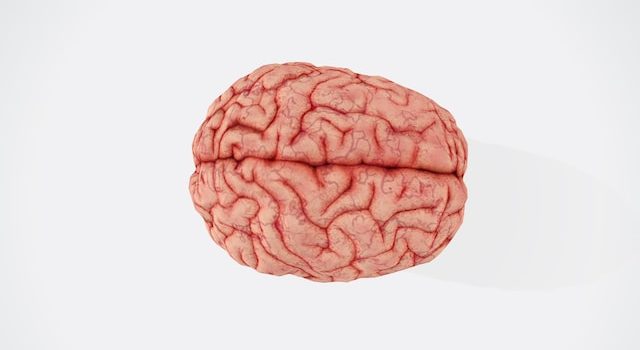
In a world filled with constant distractions and overwhelming demands, finding moments of peace and grounding can be a powerful antidote to anxiety. One effective approach is mindful sensory awareness, a practice that involves using our senses to anchor ourselves in the present moment. By intentionally engaging with our senses and the world around us, we can cultivate a deeper sense of calm, clarity, and resilience. In this article, we will explore the practice of mindful sensory awareness and how it can help manage anxiety.

  1. The Power of the Present Moment:

Anxiety often stems from worries about the future or dwelling on the past. Mindful sensory awareness brings our attention back to the present moment, the only place where true peace and calm exist. By focusing on our immediate sensory experiences, we redirect our attention away from anxious thoughts and ground ourselves in the here and now.

  1. Engaging the Five Senses:

Mindful sensory awareness involves intentionally engaging our five senses: sight, hearing, taste, touch, and smell. By immersing ourselves fully in each sensory experience, we can cultivate a heightened sense of awareness and presence. Let’s explore how each sense can be utilized for anxiety reduction:

  • Sight: Take a moment to observe your surroundings. Notice the colors, shapes, and patterns around you. Engage with nature by observing the intricate details of a flower or the shifting hues of a sunset.
  • Hearing: Tune in to the sounds around you. Pay attention to the rhythms and melodies of music or the soothing sounds of nature. Focus on the cadence of your own breath or the ambient noises in your environment.
  • Taste: Engage your taste buds by savoring each bite of your meal. Pay attention to the flavors, textures, and sensations in your mouth. Explore the variety of tastes and textures in your favorite foods.
  • Touch: Focus on the physical sensations of touch. Feel the texture of objects around you—a soft fabric, a smooth stone, or the warmth of sunlight on your skin. Embrace the comforting sensation of a hug or the gentle pressure of a hand on your shoulder.
  • Smell: Notice the scents that surround you. Breathe in deeply and appreciate the aromas of freshly brewed coffee, fragrant flowers, or soothing essential oils. Allow the scents to transport you to a place of calm and tranquility.
  1. Mindful Sensory Rituals:

Incorporating mindful sensory rituals into your daily routine can enhance your ability to stay present and grounded. For example, you can start your morning by sipping a cup of tea mindfully, paying attention to the flavors, aroma, and warmth. Engage in a sensory walk, where you intentionally focus on each of your senses as you explore your surroundings. Create a daily ritual of observing the sunset, using all your senses to fully immerse in the beauty and serenity of the moment.

  1. Sensory Anchors:

Sensory anchors are objects or activities that serve as reminders to bring your attention back to the present moment. Choose items or actions that engage your senses and evoke feelings of calmness and groundedness. It could be a smooth pebble in your pocket that you touch and feel during moments of anxiety, a scented candle that you light to create a calming ambiance, or a favorite piece of artwork that you gaze at to reconnect with the present.

  1. Cultivating Mindful Presence:

Mindful sensory awareness is a practice that requires consistent effort and intention. Begin by setting aside a few minutes each day to engage your senses mindfully. As you become more comfortable.

The field of brain research is on the cusp of an extraordinary era, driven by remarkable advancements in technology and a growing understanding of the intricate workings of the human brain. These breakthroughs hold immense promise for diagnosing, treating, and even preventing neurological disorders. In this article, we delve into the future of brain research, exploring pioneering technologies and innovative treatment options that are revolutionizing the field.

The development of advanced neuroimaging techniques has provided unprecedented insights into the inner workings of the brain. Magnetic resonance imaging (MRI), functional MRI (fMRI), and diffusion tensor imaging (DTI) allow scientists to visualize brain structures, track neural activity, and map white matter connections with unprecedented detail. These imaging technologies have transformed our understanding of brain disorders, enabling earlier and more accurate diagnoses.

One of the most exciting areas of brain research lies in the field of brain-computer interfaces (BCIs). BCIs establish direct communication pathways between the brain and external devices, opening up tremendous possibilities for individuals with motor impairments or communication difficulties. Emerging technologies, such as electroencephalography (EEG)-based BCIs and implanted neural devices, are enabling paralyzed individuals to control robotic limbs and allowing those with speech impairments to communicate through brain signals.

Artificial intelligence (AI) and machine learning algorithms are revolutionizing brain research by analyzing vast amounts of complex data and uncovering patterns that were previously inaccessible. These powerful tools can identify subtle brain abnormalities, predict disease progression, and assist in the development of personalized treatment plans. AI is also driving progress in neuroinformatics, a field dedicated to integrating and analyzing diverse datasets to unravel the complexities of brain function and disease.

Advancements in genetics and genomics are transforming our understanding of the genetic basis of neurological disorders. Genome-wide association studies (GWAS) have identified thousands of genetic variants associated with conditions such as Alzheimer’s disease, epilepsy, and schizophrenia. These findings are shedding light on disease mechanisms, offering potential targets for therapeutic interventions, and paving the way for personalized medicine approaches.

The emergence of gene editing technologies, such as CRISPR-Cas9, holds immense promise for treating genetic-based neurological disorders. Researchers are exploring the use of gene editing to correct genetic mutations associated with conditions like Huntington’s disease, muscular dystrophy, and certain forms of epilepsy. While still in early stages, these gene-editing tools offer hope for targeted treatments that address the root causes of brain disorders.

Neurostimulation techniques, such as deep brain stimulation (DBS) and transcranial magnetic stimulation (TMS), are being refined and expanded to provide more precise and effective treatments. DBS, which involves implanting electrodes in specific brain regions, has shown remarkable results in alleviating symptoms of Parkinson’s disease, depression, and obsessive-compulsive disorder. TMS, a non-invasive technique that uses magnetic fields to stimulate the brain, is being explored for a range of conditions, including chronic pain, addiction, and stroke rehabilitation.

The integration of technology and digital health is also transforming brain research and treatment. Mobile apps, wearable devices, and virtual reality platforms are being developed to monitor and manage neurological conditions, track treatment progress, and deliver targeted interventions. These technologies enable remote monitoring, enhance patient engagement, and facilitate data-driven healthcare approaches.

Ethical considerations are paramount in the future of brain research. Safeguarding patient privacy, ensuring equitable access to emerging treatments, and addressing the potential societal implications of neuroenhancement technologies are critical aspects that require careful examination and regulation.


The COVID-19 pandemic has reshaped our relationship with the natural world, prompting a profound return to nature. With restrictions on indoor activities and a growing need for solace and rejuvenation, individuals around the world have sought solace and solace in the great outdoors. This article explores the impact of COVID-19 on our connection with nature, highlighting the physical, mental, and emotional benefits of spending time in natural settings.

The Call of Nature:

Amidst the chaos and uncertainty of the pandemic, people have rediscovered the healing power of nature. Whether it’s exploring local parks, hiking scenic trails, or simply finding respite in their own backyards, individuals have sought solace in the natural world. Nature offers a sense of tranquility, an escape from the constant barrage of pandemic-related news, and a reminder of the enduring beauty and resilience of the world around us.

Physical Health and Well-being:

The pandemic-induced sedentary lifestyles have underscored the importance of physical activity. With gym closures and limited indoor exercise options, many turned to outdoor activities to stay fit and active. Jogging, cycling, hiking, and other forms of outdoor exercise not only provide cardiovascular benefits but also allow individuals to soak up vitamin D from sunlight, boosting their immune systems and overall well-being. The great outdoors became a natural gym, inspiring individuals to prioritize their physical health.

Mental Health and Stress Relief:

The pandemic has taken a toll on mental health, with increased anxiety, stress, and feelings of isolation. Nature has emerged as a powerful antidote, offering solace and stress relief. Spending time in natural environments has been shown to reduce cortisol levels, the stress hormone, and improve overall mental well-being. The soothing sounds of birds chirping, the sight of lush greenery, and the calming effect of natural landscapes have provided a much-needed respite from the pressures of the pandemic.

Connection and Reflection:

Nature has offered a space for connection and reflection during these challenging times. Family outings to local parks, picnics by the river, and beach visits have become cherished opportunities to bond and create lasting memories. The slower pace of outdoor activities has allowed individuals to reconnect with loved ones, fostering deeper relationships and a sense of belonging. Moreover, the tranquility of natural settings has provided individuals with a space for self-reflection and personal growth.

Environmental Awareness and Conservation:

The pandemic has also sparked a renewed appreciation for the environment and a growing awareness of our impact on the planet. As people spent more time outdoors, they witnessed the healing and regenerative power of nature firsthand. This newfound appreciation has fueled a collective commitment to environmental conservation and sustainable practices. From planting community gardens to participating in beach cleanups, individuals have taken tangible steps to protect and preserve the natural world.

Educational Opportunities:

Nature has also become an invaluable classroom for individuals of all ages. Families have embarked on outdoor adventures, discovering local flora and fauna, and embracing the wonders of the natural world. Parents have used nature as a backdrop for experiential learning, teaching their children about ecosystems, biodiversity, and the importance of environmental stewardship. The pandemic has created opportunities for a new generation to forge a deep connection with nature.

Conclusion:

The COVID-19 pandemic has sparked a profound return to nature, with individuals seeking solace, healing, and rejuvenation in the great outdoors. From physical health benefits to stress relief, environmental awareness, and educational opportunities, our connection with nature has proven vital during these challenging times. As we move forward, let us cherish and protect the natural world, embracing the healing power of nature and ensuring.

The realm of canine communication is undergoing a fascinating evolution, driven by innovative techniques such as button-pressing communication. This groundbreaking method has captured the attention of dog owners and researchers alike, opening up new possibilities for interspecies understanding. However, the future of canine communication holds even more exciting prospects beyond button-pressing. In this article, we explore the potential advancements and emerging technologies that could shape the future of how we communicate with our furry companions.

  1. Advancements in Button-Pressing Communication: Button-pressing communication has already made significant strides, thanks to the pioneering work of individuals like Christina Hunger. As the practice becomes more widespread, we can expect further advancements in methodology and training techniques. Ongoing research will likely focus on refining the vocabulary and expanding the range of concepts that dogs can express through button-pressing. This will lead to more nuanced and sophisticated communication between humans and dogs.
  2. Technology-Enhanced Communication: Technological advancements have the potential to revolutionize canine communication. Researchers are exploring the integration of wearable devices and smart collars equipped with sensors to detect physiological changes in dogs. These devices could translate a dog’s emotional state or physical needs into easily understandable signals for humans, enabling more precise and immediate responses. Such advancements would deepen the connection between humans and dogs, enhancing their well-being and improving our ability to understand their needs.
  3. Artificial Intelligence and Natural Language Processing: Artificial intelligence (AI) and natural language processing (NLP) hold immense promise in the field of canine communication. AI algorithms can analyze and interpret dog vocalizations, body language, and other non-verbal cues with remarkable accuracy. By combining AI with NLP, we could develop devices or applications that can decipher and translate dog communication in real-time, providing us with a better understanding of their thoughts and feelings.
  4. Gesture-Based Communication: Beyond button-pressing, future research may explore the potential of gesture-based communication between humans and dogs. Dogs are adept at understanding human gestures, such as pointing, and can follow them to find objects or locations. Leveraging this ability, researchers could develop a system where dogs can communicate with humans through specific gestures, expanding their means of expression and enabling more interactive and intuitive communication.
  5. Neuroscientific Insights: Advancements in neuroscience hold promise for unveiling the mysteries of canine cognition and communication. Neuroscientific studies may delve into the neural mechanisms underlying dogs’ language processing, exploring how their brains interpret and respond to human speech and gestures. This deeper understanding of canine cognition could unlock new avenues for effective communication methods and help us tailor our interactions with dogs to better meet their needs.
  6. Interdisciplinary Collaborations: The future of canine communication will likely involve collaborations between diverse fields, including linguistics, animal behavior, psychology, and technology. Experts from these disciplines can come together to exchange insights, conduct interdisciplinary research, and develop comprehensive frameworks for understanding and enhancing interspecies communication. By fostering these collaborations, we can tap into the collective knowledge and expertise to push the boundaries of canine communication further.

Conclusion: The future of canine communication holds tremendous promise, driven by advancements in technology, interdisciplinary collaborations, and a growing understanding of canine cognition. Button-pressing communication has laid the foundation for a new era of communication between humans and dogs, but the possibilities go far beyond. As we embrace emerging technologies, harness the power of AI, and delve deeper into the intricacies of canine cognition, we have the potential to revolutionize our relationship with our four-legged friends. The future of canine communication is a dynamic and exciting frontier, where our understanding and connection with dogs will continue to evolve and flourish.

As the season transitions and respiratory infections become a concern, staying informed about respiratory syncytial virus (RSV) and influenza (flu) is essential for maintaining good health. RSV and flu are two prevalent respiratory illnesses that can cause significant discomfort and, in some cases, severe complications. In this article, we provide key information about RSV and flu, empowering readers with the knowledge to protect themselves and their loved ones during this season.

  1. Understanding RSV: RSV is a common respiratory virus that primarily affects infants, young children, and older adults. It spreads through respiratory droplets, direct contact, or touching contaminated surfaces. RSV symptoms include cough, nasal congestion, wheezing, and difficulty breathing. In severe cases, it can lead to bronchiolitis or pneumonia. Due to its contagious nature, RSV outbreaks typically occur in fall and winter, making it important to take preventive measures during this time.
  2. Unraveling the Flu: Flu, caused by various strains of the influenza virus, affects people of all age groups. It spreads through respiratory droplets and can lead to widespread outbreaks during the colder months. Flu symptoms include sudden high fever, body aches, headache, sore throat, and respiratory issues. Gastrointestinal symptoms like nausea and vomiting can also occur. Vaccination is the most effective preventive measure against flu, and it is recommended annually for individuals aged six months and older.
  3. Differentiating Symptoms: Although RSV and flu share some respiratory symptoms, there are distinguishing features. RSV commonly presents with cough, nasal congestion, and wheezing, while flu is characterized by sudden onset high fever, body aches, and headache. Gastrointestinal symptoms are more commonly associated with flu. It is important to be aware of these differences to help determine the appropriate course of action and seek medical attention if necessary.
  4. Prevention Strategies: Prevention plays a crucial role in reducing the risk of RSV and flu. Good hygiene practices, such as frequent handwashing with soap and water, can help prevent the spread of both viruses. Avoiding close contact with sick individuals, especially during outbreaks, is essential. In the case of flu, annual vaccination is highly recommended, as it provides protection against the prevalent strains of the virus.
  5. Seeking Medical Attention: If you or your loved ones experience respiratory symptoms and suspect RSV or flu, it is important to seek medical attention promptly. Healthcare professionals can provide an accurate diagnosis through tests, such as respiratory sample analysis or molecular assays. Early detection allows for timely treatment and can help prevent complications.
  6. Supportive Care and Treatment: Currently, there is no specific antiviral treatment for RSV. Supportive care, including proper hydration, rest, and fever management, is the primary approach. In the case of flu, antiviral medications like oseltamivir (Tamiflu) may be prescribed, particularly when administered early in the illness. These medications can help reduce the severity and duration of symptoms.

Conclusion: As we navigate the season marked by respiratory infections, staying informed about RSV and flu is crucial for protecting ourselves and our communities. By understanding the symptoms, prevention strategies, and available treatment options, we can make informed decisions to stay healthy. Remember to practice good hygiene, consider annual flu vaccination, and seek medical attention if respiratory symptoms arise. Together, we can promote a healthier season for everyone.

Losing a job can bring about numerous challenges, and one crucial aspect that requires careful consideration is managing your health care coverage during this transitional period. Navigating the complexities of health insurance after job loss requires proactive planning and informed decision-making. In this article, we present 11 essential tips from experts to help you effectively plan your health care after a job loss.

  1. Assess Your Current Coverage: Begin by reviewing the details of your current health insurance coverage. Understand the duration of your coverage post-employment and the extent of benefits provided. This assessment will help you identify any immediate gaps in coverage.
  2. Explore COBRA Continuation: Consider utilizing the Consolidated Omnibus Budget Reconciliation Act (COBRA), which allows you to continue your previous employer-sponsored health insurance for a limited time. Evaluate the cost and duration of COBRA coverage to determine if it aligns with your needs.
  3. Research Marketplace Options: Explore health insurance plans available through government-run marketplaces. These plans often offer subsidies based on income, making them more affordable. Compare the available plans in your area, considering coverage details and costs, to find the most suitable option.
  4. Determine Medicaid and CHIP Eligibility: If your income has significantly decreased, you may be eligible for Medicaid or the Children’s Health Insurance Program (CHIP). These programs provide low-cost or free healthcare coverage for individuals and families with limited income. Assess your eligibility and the services covered.
  5. Seek Expert Guidance: Consult with insurance professionals or brokers who specialize in health insurance. They can provide valuable advice on available options and help you navigate the process of finding a plan that suits your needs and budget.
  6. Consider Short-Term Coverage: If you anticipate a temporary gap in coverage, explore short-term health insurance plans. These plans typically have lower premiums but limited benefits. Evaluate your specific situation and needs before deciding on short-term coverage.
  7. Investigate Spousal or Family Coverage: If your spouse or partner has access to health insurance through their employer, investigate the possibility of joining their plan. Analyze the coverage and associated costs of adding yourself or your family members to their policy.
  8. Explore Professional Associations: Certain professional associations or unions offer group health insurance plans to their members. Research whether any organizations you belong to provide such benefits. Group plans often offer more favorable terms and rates compared to individual plans.
  9. Utilize Community Health Centers: Community health centers provide medical services on a sliding fee scale based on income. These centers offer affordable primary care, preventive services, and referrals to specialists. Research local community health centers that can meet your healthcare needs during this transitional period.
  10. Seek Prescription Assistance Programs: If you rely on regular medications, explore prescription assistance programs offered by pharmaceutical companies. Many programs provide discounted or free prescriptions to individuals who meet specific income criteria.
  11. Stay Informed and Plan Ahead: Stay updated on changes in health insurance policies and regulations that may affect your coverage. Additionally, plan ahead for potential future job changes to ensure a seamless transition of health insurance coverage.

Conclusion:

Planning your health care after a job loss is crucial for maintaining your well-being during this transitional period. By assessing your current coverage, exploring available options, and seeking expert guidance, you can effectively navigate the complexities of health insurance transitions. Remember to stay proactive, informed, and prioritize your health as you plan for the future.

In the quest for weight loss, sugar substitutes have gained popularity as a seemingly guilt-free solution to satisfy our sweet tooth. However, recent research suggests that these artificial sweeteners may not be the magic bullet they were once thought to be. In this article, we delve into the potential pitfalls of relying on sugar substitutes and explore how they may actually hinder your weight loss goals.

  1. Misleading Taste Sensations: One of the primary concerns with sugar substitutes is their impact on our taste sensations. While they provide the perception of sweetness, they lack the accompanying calories. This can confuse our brain and metabolism, leading to an imbalance in the body’s response to food. Studies indicate that consuming artificially sweetened foods and beverages may disrupt our natural ability to regulate appetite and satiety, potentially leading to overeating and weight gain.
  2. Increased Cravings and Reward Pathways: Artificial sweeteners, despite being calorie-free, can trigger cravings for sugary foods. The intense sweetness of these substitutes can overstimulate our taste buds and activate reward pathways in the brain, similar to the way natural sugars do. This can create a cycle of increased cravings for sweet foods, making it more challenging to resist high-calorie options and adhere to a weight loss plan.
  3. Altered Gut Microbiome: Emerging research suggests a potential link between sugar substitutes and the gut microbiome, the complex community of microorganisms living in our digestive system. Artificial sweeteners may disrupt the balance of these beneficial bacteria, potentially leading to metabolic imbalances and weight gain. The composition of the gut microbiome plays a crucial role in various aspects of our health, including digestion, metabolism, and immune function.
  4. Compensation Effect and Increased Caloric Intake: A common pitfall associated with sugar substitutes is the compensation effect. Individuals who consume artificially sweetened products may subconsciously compensate for the reduced calorie intake by consuming more calories from other sources. This compensatory behavior can undermine weight loss efforts and potentially lead to weight gain over time.
  5. Psychological Factors and Food Choices: Weight loss is not solely a physical process; it also involves psychological factors. Relying heavily on sugar substitutes can create an unhealthy relationship with food. Some individuals may experience feelings of deprivation or a disconnection between their taste preferences and the nutritional value of foods. This can lead to compensatory eating or a higher likelihood of indulging in less healthy options, impeding weight loss progress.
  6. Lack of Long-Term Evidence: While some studies suggest short-term benefits of using sugar substitutes for weight management, the long-term effects remain unclear. The research on artificial sweeteners is ongoing, and there is a need for comprehensive studies that evaluate their impact on weight loss, overall health, and metabolic outcomes over extended periods. It is important to approach sugar substitutes with caution until more evidence becomes available.

Conclusion: Although sugar substitutes may appear to be a promising strategy for weight loss, the potential drawbacks should not be overlooked. The misleading taste sensations, increased cravings, impact on the gut microbiome, compensation effect, psychological factors, and lack of long-term evidence highlight the complexities surrounding these artificial sweeteners. Achieving sustainable weight loss requires a holistic approach that prioritizes a balanced diet, portion control, regular physical activity, and a mindful relationship with food. As we navigate the path to better health, it is essential to critically evaluate the role of sugar substitutes and make informed choices that align with our long-term well-being.

In Japan’s post-mask era, a new profession has emerged that reflects the changing social landscape—the smile coach. As masks gradually become a thing of the past, these coaches are playing a vital role in helping individuals navigate the unmasking process and rediscover the power of genuine smiles. Their expertise lies in nurturing emotional well-being, fostering authentic connections, and embodying the spirit of the times we live in.

The unmasking process in Japan marks a significant shift in society, as individuals are once again revealing their faces in public. While this brings a sense of liberation, it also presents challenges such as anxiety, self-consciousness, and the need to relearn non-verbal communication. The role of the smile coach has emerged as an essential support system during this transition.

Smile coaches understand that a smile is not merely a facial expression; it is a reflection of our emotions and a vital tool for human connection. Through personalized coaching, these professionals guide individuals to embrace their smiles authentically and confidently. They recognize that the act of smiling is deeply intertwined with emotional well-being and can have a profound impact on our interactions with others.

The journey with a smile coach begins with self-reflection and self-acceptance. These coaches empower individuals to explore their unique smiles, recognize their beauty, and appreciate the positive energy they can bring. By fostering self-esteem and a positive self-image, individuals gain the confidence to express their smiles genuinely, even in a world where masks were once the norm.

Smile coaching sessions employ various techniques to assist individuals in reconnecting with their authentic expressions. These may include mirror work, role-playing exercises, and relaxation techniques to reduce anxiety and build comfort. Smile coaches provide guidance on interpreting facial cues, understanding the impact of their smiles, and effectively communicating non-verbally.

Beyond individual coaching, smile coaches play an active role in creating community spaces for individuals to practice their smiles and engage with others. Workshops and events are organized to foster a supportive environment where people can share their experiences, challenges, and successes. These gatherings not only promote the unmasking process but also emphasize the importance of authentic connections in a post-mask era.

Critics may question the need for smile coaching, arguing that smiling should come naturally. However, proponents argue that the prolonged use of masks has influenced social dynamics and disrupted our ability to express emotions openly. Smile coaches provide valuable guidance and support, enabling individuals to navigate the unmasking process with greater confidence, self-assurance, and emotional well-being.

The impact of smile coaching goes beyond the individual level. As individuals rediscover the power of their smiles, a positive ripple effect is created in society. Smiles have the potential to break down barriers, foster empathy, and create a sense of unity among diverse communities. Smile coaches not only support individuals but also contribute to the collective well-being and harmony of the post-mask era.

As Japan embraces the unmasking process, the rise of smile coaching reflects the changing social landscape and the recognition of emotional well-being in our interactions. This profession serves as a symbol of the times we live in—a time of reconnection, authenticity, and the celebration of the human spirit.

In a world where face coverings were the norm, the smile coach has become a beacon of hope, reminding us of the power of genuine human connections. Through their guidance and expertise, smile coaches are shaping the way individuals approach unmasking, encouraging them to embrace their smiles and create a more joyful and compassionate society.


In a significant development, the World Health Organization (WHO) has issued a statement urging consumers to limit their use of artificial sweeteners. Citing growing evidence of potential health risks, the WHO’s call for caution has brought the safety of these sugar substitutes into question and sparked a renewed focus on healthy dietary choices.

Artificial sweeteners, including popular options such as aspartame, sucralose, and saccharin, have long been embraced as a means to satisfy cravings for sweetness without the added calories of traditional sugar. Found in an array of products labeled “sugar-free” or “diet,” these sweeteners have gained popularity among individuals aiming to reduce their sugar intake. However, recent studies have raised concerns about the unintended consequences of these additives on human health.

One of the primary concerns highlighted by the WHO revolves around metabolic health. Contrary to their intended purpose, these sugar substitutes may have adverse effects on weight management and metabolic disorders. Research suggests a potential association between artificial sweetener consumption and an increased risk of conditions such as obesity, type 2 diabetes, and cardiovascular diseases. This evidence challenges the perception that artificial sweeteners offer a healthier alternative to sugar.

Moreover, emerging research points to potential disruptions to gut health caused by artificial sweeteners. The complex ecosystem of microorganisms residing in the gut, known as the gut microbiota, plays a crucial role in various aspects of human health. Preliminary studies indicate that artificial sweeteners may negatively impact the balance of these beneficial bacteria, potentially leading to disturbances in digestion, immunity, and overall well-being. These findings raise important questions about the long-term consequences of using artificial sweeteners.

The WHO’s call for caution is rooted in a thorough analysis of scientific literature and data from multiple studies. The organization emphasizes the need for consumers to be informed and make choices that prioritize their well-being. Transparent labeling, accurate information, and consumer education are essential to enable individuals to make conscious decisions about their dietary habits and potential risks associated with artificial sweeteners.

Unsurprisingly, the food and beverage industry has responded to the WHO’s statement, defending the safety of their products. Manufacturers argue that artificial sweeteners have undergone extensive testing and have been approved by regulatory authorities worldwide. They assert that these sugar substitutes play a role in reducing sugar consumption and can be part of a balanced diet. However, critics argue that further independent research is necessary to address potential biases and gain a more comprehensive understanding of the risks and benefits of artificial sweeteners.

The WHO’s plea for consumers to limit their use of artificial sweeteners underscores the importance of individual awareness and informed decision-making. While complete avoidance may not be necessary for everyone, moderation and a balanced diet remain crucial for maintaining optimal health. Natural sources of sweetness, such as fresh fruits or alternative sweeteners like stevia or honey, can provide flavorful options with added nutritional benefits.

As the debate around artificial sweeteners intensifies, it is imperative for researchers to delve deeper into the potential risks and benefits associated with these substances. Independent studies, free from industry influence, are necessary to provide a more comprehensive understanding of the true impact of artificial sweeteners on human health. Collaboration between regulatory agencies, scientific communities, and public health experts is essential to establish clearer guidelines and ensure the safety of consumers.

In conclusion, the WHO’s call for consumers to limit their use of artificial sweeteners raises concerns about their potential risks. Metabolic health and disruptions in gut microbiota are among the key areas of focus. Individuals are encouraged to stay informed, prioritize a balanced diet, and consider alternative options. Ongoing research, transparency, and unbiased studies are essential to protect the well-being.