Introduction: While bed bugs are primarily considered a nuisance and a source of discomfort, their presence can also pose health risks. Beyond the itchy bites and sleep disturbances, bed bugs have been associated with allergies and potential disease transmission. In this article, we explore the health risks associated with bed bugs, shedding light on the potential consequences of infestations.

  1. Allergic Reactions: For many individuals, bed bug bites can result in allergic reactions. The saliva injected by bed bugs during feeding contains proteins that can trigger an immune response in sensitive individuals. Common symptoms of an allergic reaction to bed bug bites include redness, swelling, itching, and the formation of hives. In severe cases, individuals may experience difficulty breathing or develop an anaphylactic reaction, although such instances are rare.
  2. Secondary Infections: Excessive scratching of bed bug bites can break the skin, creating open wounds that are susceptible to bacterial infections. Scratching can introduce bacteria from the surrounding environment or the individual’s own skin, leading to infections such as cellulitis. These infections can cause redness, warmth, swelling, and pain in the affected area, requiring medical intervention.
  3. Psychological Impact: Bed bug infestations can have a significant psychological impact on individuals and families. The stress, anxiety, and sleep disturbances caused by the presence of bed bugs can lead to emotional distress and even mental health issues. Sleep deprivation, heightened stress levels, and the stigma associated with infestations can negatively affect overall well-being and quality of life.
  4. Disease Transmission: While bed bugs are not known to transmit diseases directly, there have been rare cases where they have been implicated in disease transmission. Bed bugs have been found to harbor various pathogens, including bacteria, viruses, and parasites. Although the risk is considered minimal, there have been instances where bed bugs have been associated with the transmission of pathogens such as methicillin-resistant Staphylococcus aureus (MRSA) and Chagas disease. However, it’s important to note that bed bugs are not efficient vectors of disease and are unlikely to play a significant role in disease transmission compared to other insects, such as mosquitoes.
  5. Impact on Vulnerable Populations: Certain individuals, such as the elderly, young children, and those with compromised immune systems, may be more susceptible to the health risks associated with bed bugs. Their weakened immune systems and reduced ability to tolerate the physical and psychological effects of infestations can make them more vulnerable to allergic reactions, secondary infections, and emotional distress.
  6. Addressing the Health Risks: To mitigate the health risks associated with bed bugs, it is crucial to promptly address infestations. Seek professional assistance from experienced pest control services to effectively eliminate the infestation and minimize the potential health consequences. Medical treatment may be necessary to manage allergic reactions, infections, and psychological distress resulting from bed bug infestations.

Conclusion: While the primary impact of bed bugs is related to bites, their presence can also pose health risks. Allergic reactions, secondary infections, psychological distress, and the potential for disease transmission highlight the importance of addressing bed bug infestations promptly and effectively. By seeking professional assistance and adopting comprehensive pest control measures, individuals can minimize the health risks associated with these resilient pests and restore a sense of comfort and well-being to their living environments.


Introduction: The venomous bite of cobras is a subject that elicits both fascination and fear. With their potent neurotoxic venom, cobras possess one of nature’s most powerful defense mechanisms. In this article, we delve into the intricacies of cobra venom, exploring the symptoms it induces and the crucial steps involved in treating victims of cobra bites.

  1. Venom Composition and Effects: Cobra venom is a complex cocktail of enzymes, proteins, and peptides that target the nervous system of their prey or potential threats. When injected into a victim’s bloodstream through their fangs, the venom swiftly travels throughout the body, causing a cascade of physiological reactions. The neurotoxins in cobra venom interfere with the normal functioning of nerve cells, leading to symptoms that can be both debilitating and life-threatening.
  2. Local Effects: Following a cobra bite, victims often experience immediate local effects at the site of the wound. These can include pain, swelling, redness, and the formation of fang marks. The venom’s cytotoxic properties can cause tissue damage, leading to the breakdown of cell membranes and potentially resulting in necrosis.
  3. Systemic Symptoms: As the venom spreads through the victim’s bloodstream, systemic symptoms manifest. Common symptoms of a cobra bite include dizziness, blurred vision, headache, excessive sweating, nausea, vomiting, abdominal pain, and difficulty breathing. Severe cases may lead to paralysis, respiratory distress, and cardiac complications.
  4. Seeking Medical Attention: A cobra bite is a medical emergency that requires immediate professional assistance. If bitten, victims should seek medical attention without delay. While waiting for medical help to arrive, it is essential to keep the affected limb immobilized, below heart level, and to avoid any unnecessary movement that may accelerate the venom’s absorption into the bloodstream.
  5. Antivenom Treatment: The cornerstone of cobra bite treatment is the administration of specific antivenom. Antivenom is created by injecting non-lethal doses of cobra venom into animals, which triggers an immune response. The animal’s blood is then harvested, and the antibodies generated against the venom are purified to create antivenom. When administered to a bite victim, antivenom neutralizes the venom, reducing its effects and preventing further damage.
  6. Supportive Care and Monitoring: In addition to antivenom, supportive care plays a crucial role in managing cobra bite cases. Victims may require intravenous fluids to maintain hydration, medications to manage pain and control symptoms, and close monitoring of vital signs and organ function. In severe cases, patients may need to be placed on ventilators or require other intensive care interventions.

Conclusion: The venomous bite of cobras presents a grave threat to human health, with potentially severe consequences. Recognizing the symptoms of a cobra bite and seeking immediate medical attention are paramount. The timely administration of antivenom, combined with appropriate supportive care, offers the best chance for recovery and mitigating long-term complications. By understanding the symptoms and treatment protocols associated with cobra bites, we can promote awareness and ensure better outcomes for those affected.

Providing a stimulating and enriching environment is essential for the well-being of our feline companions. Cats, known for their curious nature and innate instincts, thrive when offered opportunities for exploration, mental stimulation, and engagement. In this article, we delve into the profound impact of environmental enrichment on cat well-being, uncovering the secrets to unlocking a fulfilled and contented feline life.

  1. Stimulating the Senses:

Cats experience the world through their senses, and environmental enrichment aims to engage and stimulate each of these senses. By offering a variety of textures, scents, sounds, and visual stimuli, we create an environment that appeals to a cat’s natural curiosity, promoting mental and sensory engagement.

  1. Providing Vertical Spaces:

Cats have a natural inclination to climb and perch in elevated positions. By providing vertical spaces, such as cat trees, shelves, or window perches, we satisfy their desire for height and offer them vantage points to observe their surroundings. Vertical spaces not only enhance a cat’s environment but also provide opportunities for exercise and mental stimulation.

  1. Interactive Toys and Play:

Toys that encourage interactive play are invaluable in promoting a cat’s physical and mental well-being. Toys that mimic prey, such as feather wands or puzzle toys, stimulate a cat’s hunting instincts, keeping them physically active and mentally engaged. Regular play sessions with their human companions strengthen the bond and provide important social interactions.

  1. Puzzle Feeders and Food Enrichment:

Food enrichment, such as puzzle feeders or interactive toys that dispense treats or kibble, engages a cat’s natural foraging instincts and encourages mental stimulation during mealtime. These feeding techniques can help prevent boredom, promote problem-solving skills, and slow down fast eaters, contributing to a healthier and more satisfied cat.

  1. Hiding and Resting Spaces:

Creating hiding and resting spaces is crucial for a cat’s sense of security and overall well-being. Cardboard boxes, cozy cat beds, or dedicated cat caves offer safe and comforting retreats for cats to rest, recharge, and observe their environment. These spaces serve as essential stress-free zones and contribute to a cat’s emotional health.

  1. Outdoor Encounters:

For cats that can safely access the outdoors, supervised and controlled outdoor experiences provide additional environmental enrichment. Secure outdoor enclosures or controlled leash-walking sessions allow cats to explore and experience the natural world while keeping them safe from potential hazards. Outdoor encounters fulfill their instinctual needs and offer mental and sensory stimulation.

Conclusion:

Environmental enrichment is a vital component in nurturing the well-being and happiness of our feline companions. By providing stimulating environments, offering vertical spaces, incorporating interactive toys and play, implementing food enrichment strategies, creating hiding and resting spaces, and considering safe outdoor encounters, we unlock the potential for a fulfilled and contented feline life. Remember, investing in environmental enrichment not only enhances a cat’s quality of life but also deepens the bond between cats and their human companions.

Introduction: Squirrels, with their remarkable ability to adapt and thrive in various environments, play a vital role in maintaining the health and balance of ecosystems. Beyond their entertaining antics and acrobatic skills, squirrels contribute significantly to the ecological web through their dietary choices. In this article, we explore the relationship between squirrel diet and ecosystem health, highlighting the intricate connections that sustain our natural world.

  1. Seed Dispersal: Nature’s Gardeners Squirrels are nature’s gardeners, entrusted with the crucial task of seed dispersal. Their propensity for gathering and burying nuts and seeds leads to the unintentional planting of countless trees and plants. By caching and forgetting their food stores, squirrels effectively scatter seeds across various locations, aiding in forest regeneration and contributing to the diversity of plant species. This essential role ensures the long-term sustainability of ecosystems.
  2. Forest Restoration: Tree Seed Preferences Squirrels exhibit selectivity when it comes to the types of tree seeds they consume and cache. This preference can influence the composition and structure of forests. For instance, red squirrels show a preference for the seeds of certain coniferous trees, such as pines, spruces, and firs. By selectively harvesting and dispersing these tree seeds, squirrels contribute to the restoration and expansion of conifer-dominated forests, shaping the landscape and providing habitat for a multitude of organisms.
  3. Habitat Modification: Nuts, Trees, and Cavity Dwellers Squirrels, through their feeding habits, have a direct impact on their surroundings. When they consume nuts, such as acorns, they inadvertently shape the distribution and abundance of trees. By selectively eating certain nuts and leaving others behind, squirrels influence the growth patterns of trees and the subsequent availability of food and shelter for other animals. Moreover, squirrels create cavities in trees while foraging or nesting, providing essential nesting sites for birds, bats, and other cavity-dwelling species.
  4. Nutrient Cycling: Fertilizers of the Forest Squirrels are instrumental in nutrient cycling within ecosystems. As they bury nuts and seeds, some caches are forgotten or left unclaimed, effectively acting as natural fertilizers. These forgotten caches contribute to nutrient enrichment in the soil, promoting healthy plant growth and supporting a diverse array of organisms. By facilitating nutrient cycling, squirrels contribute to the overall productivity and vitality of ecosystems.
  5. Ecological Balance: Predators and Prey The diet of squirrels also affects the balance between predator and prey populations. Squirrels serve as a significant food source for a variety of predators, including hawks, owls, snakes, and mammalian carnivores. The abundance of squirrels influences the population dynamics of their predators, helping to regulate predator-prey interactions within ecosystems. This delicate balance ensures the sustainability and stability of the broader food web.

Conclusion: The intricate relationship between squirrel diet and ecosystem health underscores the vital role these charismatic creatures play in maintaining the balance and resilience of natural systems. Through seed dispersal, forest restoration, habitat modification, nutrient cycling, and their role as both prey and predator, squirrels actively contribute to the health and functioning of ecosystems. Recognizing and appreciating the significance of squirrel diet can help us better understand and protect the intricate web of life that surrounds us.

Note: This article is based on general information about the relationship between squirrel diet and ecosystem health. For a comprehensive understanding of specific squirrel species and their ecological contributions, it is advisable to refer to scientific studies and consult experts in the field.

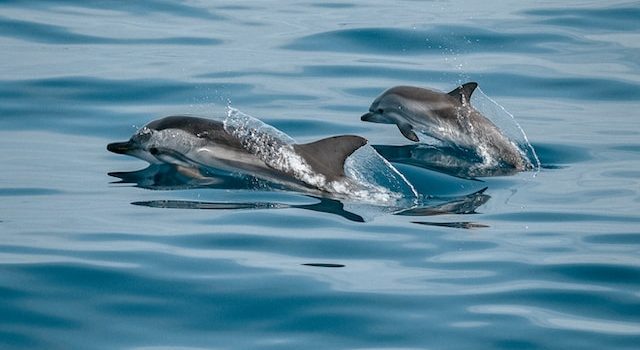
Introduction: The bond between humans and dolphins spans back centuries, intertwining stories of wonder, mythology, and scientific fascination. From ancient civilizations to modern-day encounters, the relationship between these intelligent marine mammals and humans has captivated hearts and minds. In this article, we embark on a journey through time, exploring the historical connection between dolphins and humans while envisioning a future built on respect, conservation, and mutual understanding.

I. Ancient Connections: Legends and Mythology: Throughout history, dolphins have held a special place in the mythology and folklore of various civilizations. In Greek mythology, they were associated with gods and played roles in heroic tales. Sailors from different cultures have revered dolphins as guardians, protectors, and even spiritual messengers. These ancient connections illustrate the deep-rooted intrigue and respect humans have held for dolphins across the ages.

II. Scientific Discoveries: Unveiling the Intelligence: In modern times, scientific research has deepened our understanding of dolphin intelligence and social behavior. Groundbreaking studies have revealed their complex communication systems, problem-solving abilities, and capacity for empathy. Dolphins’ remarkable cognitive skills have inspired awe and admiration, prompting further exploration into their unique qualities and establishing them as one of the most intelligent creatures on Earth.

III. Captivity and Controversy: A Tale of Ethical Concerns: The relationship between dolphins and humans has not been without controversy. The practice of capturing dolphins for captivity and entertainment purposes has sparked debates surrounding animal welfare, conservation, and ethical considerations. The documentary “The Cove” shed light on the capturing and killing of dolphins in Japan, igniting global awareness and advocacy for their protection. As society evolves, there is an increasing emphasis on responsible and ethical interactions with dolphins, promoting their well-being and natural behaviors.

IV. Conservation Collaborations: Protecting Dolphin Populations: Recognizing the need to safeguard dolphins and their habitats, international collaborations and conservation efforts have emerged. Organizations and researchers work tirelessly to protect vulnerable species, establish marine protected areas, and raise awareness about the importance of dolphin conservation. These collaborative initiatives aim to preserve the delicate balance between dolphins and their marine ecosystems while promoting sustainable practices for the benefit of both species.

V. Dolphin-Assisted Therapy: Healing Connections: Dolphins’ therapeutic potential has been explored through programs known as dolphin-assisted therapy (DAT). Advocates of DAT believe that interacting with dolphins can have positive effects on individuals with physical, emotional, or cognitive disabilities. While the effectiveness of such programs is still a topic of ongoing research and discussion, they have sparked hope and provided unique experiences for many individuals and their families.

VI. An Ecological Partnership: Envisioning the Future: As we look ahead, the relationship between dolphins and humans holds the potential for collaboration and coexistence on a deeper level. By prioritizing marine conservation, promoting responsible tourism practices, and supporting scientific research, we can foster a future where humans and dolphins share a sustainable and mutually beneficial partnership. Understanding their ecological role, protecting their habitats, and respecting their natural behaviors are essential for the preservation of these remarkable creatures.

Conclusion: The relationship between dolphins and humans is a tapestry woven with ancient connections, scientific discoveries, ethical concerns, and conservation efforts. As we navigate the future, it is our responsibility to ensure that our interactions with dolphins are based on respect, understanding, and the preservation of their natural habitats. By forging a path forward that values their intelligence, promotes conservation, and nurtures our appreciation for these magnificent creatures, we can cultivate a future where humans and dolphins thrive in harmony.

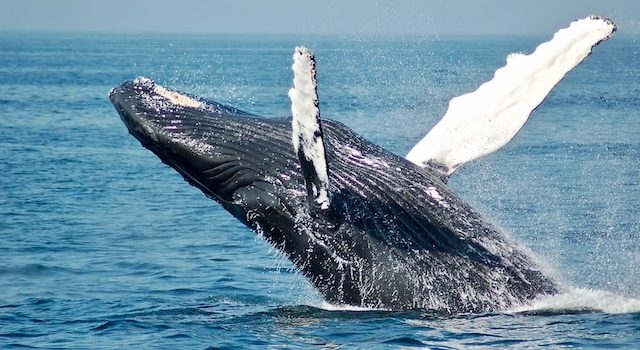
Introduction: Whales, magnificent giants of the sea, face a multitude of threats that endanger their populations worldwide. From the insidious impacts of climate change to historical hunting practices and the pervasive presence of pollution in our oceans, these threats have taken a toll on whale populations. In this article, we shed light on the major challenges faced by these marine creatures and emphasize the urgent need for conservation efforts to protect their existence.

  1. Climate Change and its Impacts: Climate change poses a significant threat to whale populations and their habitats. Rising sea temperatures and alterations in ocean currents can disrupt the delicate balance of marine ecosystems. Some specific impacts of climate change on whales include:
  • Altered Food Availability: Climate change affects the distribution and abundance of prey species, such as krill and fish, which are crucial to the survival of many whale species. Changing ocean conditions can lead to mismatches in timing, with whales arriving at feeding grounds only to find reduced prey populations.
  • Ocean Acidification: Increasing carbon dioxide levels in the atmosphere are causing ocean acidification, which affects the availability of calcium carbonate—a vital component for the formation of shells and skeletons of marine organisms. This can indirectly impact whales by reducing the abundance of their prey species.
  1. Historical Hunting Practices: Whales have been subjected to extensive hunting throughout history, resulting in severe declines in many populations. Although commercial whaling has been banned by the International Whaling Commission since 1986, some countries still engage in whaling under the guise of scientific research or cultural practices. This ongoing hunting poses a significant threat to the recovery and conservation of whale populations.
  2. Pollution and its Consequences: Pollution, in various forms, poses a grave threat to whale populations. The accumulation of toxic substances in their bodies, entanglement in marine debris, and underwater noise pollution can all have detrimental effects on whales. Some key pollutants and their impacts include:
  • Plastic Pollution: Whales are susceptible to entanglement in discarded fishing gear and other marine debris. This can cause injuries, impair their ability to swim and feed, and even result in death. Additionally, the ingestion of plastic waste can lead to internal injuries and blockages.
  • Chemical Contaminants: Whales are exposed to a range of chemical pollutants, including heavy metals and persistent organic pollutants, which accumulate in their tissues. These contaminants can disrupt hormone regulation, impair immune systems, and contribute to reproductive issues.
  1. Conservation Efforts and the Way Forward: Efforts to protect whale populations and mitigate the threats they face are crucial for their survival. Some key initiatives include:
  • Conservation and Research: Ongoing research and monitoring of whale populations help inform conservation strategies and provide vital data for their protection. Conservation organizations and scientists work tirelessly to understand whale behavior, migration patterns, and population dynamics.
  • International Regulations: Strengthening and enforcing international regulations against commercial whaling, supporting marine protected areas, and implementing measures to reduce pollution are essential steps in safeguarding whale populations.
  • Public Awareness and Engagement: Raising public awareness about the importance of whales and their role in marine ecosystems can drive collective action. Supporting responsible whale-watching practices and choosing sustainable seafood options are simple ways individuals can contribute to whale conservation efforts.

Conclusion: Whales, emblematic of the vastness and beauty of our oceans, face multifaceted threats that imperil their survival. Climate change, historical hunting practices, and pollution pose significant challenges to whale populations worldwide. It is imperative that we prioritize conservation efforts, strengthen international regulations, and foster public engagement to protect these magnificent creatures. By addressing the threats they face and working collectively to preserve their habitats, we can secure a future where whales continue to grace our seas and inspire awe for generations to come.

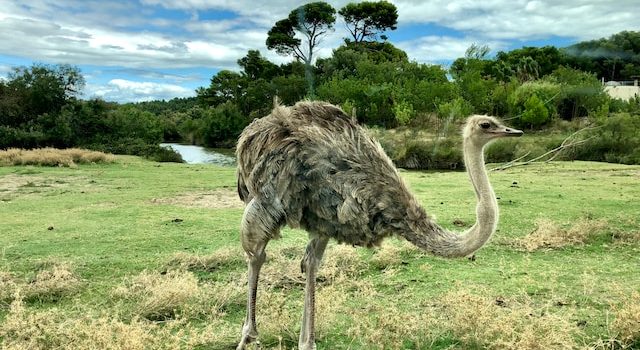
Ostrich farming, an industry that continues to evolve and expand, is on the cusp of a transformative future. Driven by technological advancements, sustainability goals, and market demands, innovative practices are reshaping the landscape of ostrich farming. In this article, we explore the exciting developments and pioneering innovations that hold the key to the future of ostrich farming.

[Body]

  1. Genetic Research and Breeding:

Genetic research is revolutionizing ostrich farming by enhancing breeding programs and improving desirable traits. Scientific advancements in genomics enable farmers to identify genetic markers associated with important characteristics such as meat quality, disease resistance, and egg production. Selective breeding based on this knowledge leads to the development of superior ostrich lines with improved traits, ensuring healthier and more productive flocks.

  1. Vertical Integration and Diversification:

The future of ostrich farming lies in vertical integration and diversification. By expanding beyond traditional production and exploring value-added products, farmers can tap into new markets and increase profitability. Vertical integration involves controlling various stages of the supply chain, from breeding to processing and distribution. Additionally, diversifying into by-products such as ostrich oil, feathers, and tourism ventures provides additional revenue streams and strengthens the overall sustainability of the industry.

  1. Technology in Farm Management:

Technology is transforming farm management practices in the ostrich industry. Advanced monitoring systems, sensors, and data analytics enable farmers to track vital parameters such as temperature, humidity, and bird behavior. This real-time data assists in optimizing feeding regimes, identifying health issues early on, and improving overall flock management. Furthermore, automated feeding systems, smart climate control, and precision farming techniques contribute to resource efficiency and operational excellence.

  1. Sustainable Feed Solutions:

The development of sustainable feed solutions is a key focus in the future of ostrich farming. Traditional feed ingredients, such as soybean meal and corn, are being replaced with alternative protein sources that are environmentally friendly and economically viable. Insect-based feeds, algae, and plant-based proteins are emerging as sustainable options, reducing the industry’s reliance on conventional feed sources and contributing to a greener and more sustainable supply chain.

  1. Artificial Intelligence and Machine Learning:

Artificial intelligence (AI) and machine learning (ML) technologies have the potential to revolutionize ostrich farming practices. These technologies can analyze vast amounts of data, identifying patterns and providing insights for improved decision-making. AI-powered disease diagnostics, predictive models for feed conversion efficiency, and automated sorting systems are just a few examples of how AI and ML can enhance efficiency, reduce costs, and optimize productivity in ostrich farming operations.

  1. Sustainable Waste Management:

The future of ostrich farming emphasizes sustainable waste management practices. Efforts are underway to convert ostrich waste into valuable resources through anaerobic digestion and composting techniques. Anaerobic digestion not only generates biogas for energy but also produces nutrient-rich digestate that can be used as fertilizer. Composting provides a natural means of converting manure into organic matter, enhancing soil health and reducing environmental impacts.

[Conclusion]

The future of ostrich farming is an exciting blend of scientific advancements, sustainable practices, and technological breakthroughs. With genetic research, vertical integration, advanced farm management technologies, sustainable feed solutions, AI and ML applications, and innovative waste management techniques, the industry is poised for sustainable growth and improved profitability. These developments not only ensure the long-term viability of ostrich farming but also contribute to a greener and more efficient agricultural sector.

By embracing these innovations and advancements, ostrich farmers can navigate the changing.

Introduction: Cow farming is a complex industry that faces numerous challenges, particularly when it comes to disease prevention and treatment. The health and well-being of cows directly impact their productivity and the sustainability of the farming operation. This article explores the challenges faced by cow farmers in disease prevention and treatment, highlighting the importance of proactive measures and advancements in veterinary science to safeguard cow health.

  1. Infectious Diseases: Infectious diseases pose a significant challenge for cow farmers. Bacterial, viral, and parasitic infections can spread rapidly among cows, leading to decreased milk production, poor reproductive performance, and in severe cases, fatalities. Common infectious diseases in cows include mastitis, bovine respiratory diseases, and foot and mouth disease. Implementing strict biosecurity protocols, such as quarantine procedures, vaccination programs, and proper sanitation practices, is crucial to prevent the introduction and spread of infectious diseases.
  2. Reproductive Disorders: Maintaining optimal reproductive health is vital for the sustainability of cow farming. Reproductive disorders, such as infertility, embryonic loss, and metritis, can lead to decreased calving rates and prolonged calving intervals. Hormonal imbalances, inadequate nutrition, and infectious agents can contribute to reproductive disorders. Timely and accurate diagnosis, along with proper management practices, including regular estrus detection, artificial insemination, and reproductive health monitoring, help mitigate the challenges associated with reproductive disorders.
  3. Metabolic Disorders: Metabolic disorders can significantly impact cow health and productivity. Conditions such as ketosis, milk fever, and displaced abomasum can occur due to imbalances in energy metabolism, mineral deficiencies, or poor transition management. These disorders not only affect milk production but also increase the risk of other health complications. Implementing proper nutrition, monitoring body condition scores, and providing appropriate supplementation during the transition period are crucial in preventing metabolic disorders.
  4. Antibiotic Resistance: Antibiotic resistance is a growing concern in cow farming and veterinary medicine. The overuse or misuse of antibiotics can contribute to the development of antibiotic-resistant bacteria, making the treatment of infectious diseases more challenging. Cow farmers are increasingly adopting responsible antibiotic usage practices, including judicious use, adherence to withdrawal periods, and implementing alternative treatment options, such as probiotics and herbal remedies. The development of novel therapies and vaccines is also crucial in combating antibiotic resistance and ensuring effective disease treatment.
  5. Veterinarian Availability and Expertise: Access to qualified veterinarians and their expertise is crucial for effective disease prevention and treatment in cow farming. However, in some rural areas, the availability of veterinary services may be limited, posing a challenge for farmers. Collaborative efforts between farmers, veterinary professionals, and regulatory bodies are necessary to improve veterinary infrastructure, facilitate knowledge exchange, and ensure timely veterinary interventions in remote farming communities.
  6. Advancements in Technology and Diagnostics: Technological advancements and diagnostic tools have significantly contributed to disease prevention and treatment in cow farming. Rapid diagnostic tests, such as polymerase chain reaction (PCR) and ELISA assays, enable early detection of infectious diseases, facilitating prompt treatment and containment measures. Additionally, precision farming technologies, such as wearable sensors and data analytics, provide real-time health monitoring and enable timely intervention. Embracing these advancements can enhance disease management and improve cow health outcomes.

Conclusion: Disease prevention and treatment pose ongoing challenges for cow farmers, impacting the health, productivity, and profitability of their operations. By implementing stringent biosecurity measures, maintaining proper nutrition, and adopting responsible antibiotic usage, farmers can mitigate the risks associated with infectious, reproductive, and metabolic disorders. Collaboration between farmers, veterinarians, researchers, and industry stakeholders is essential to address the challenges, develop innovative solutions, and promote sustainable cow farming practices that prioritize animal health and welfare.

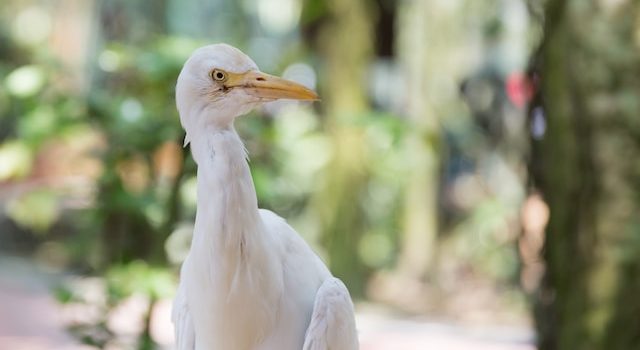
Doves, with their gentle nature and enchanting beauty, face an array of threats that endanger their populations around the world. From habitat loss and hunting to the perils of climate change, these challenges pose significant risks to the survival of these remarkable birds. In this article, we explore the threats faced by dove populations, shedding light on the pressing issues that require our attention and conservation efforts.

  1. Habitat Loss and Fragmentation:

Habitat loss and fragmentation stand as one of the primary threats to dove populations globally. As human activities expand, forests are cleared for agriculture, urban development, and other purposes, depriving doves of their natural habitats. The destruction of nesting sites, feeding grounds, and roosting areas disrupts the delicate balance that sustains dove populations.

Fragmentation further exacerbates the issue, as isolated patches of habitat limit the movement and dispersal of doves. This reduces their ability to find suitable mates, access sufficient food resources, and maintain healthy populations. Conservation efforts aimed at protecting and restoring dove habitats are crucial in mitigating the effects of habitat loss.

  1. Hunting and Poaching:

Doves have long been hunted for sport, food, and traditional practices. Unsustainable hunting and poaching practices pose a significant threat to dove populations, especially in areas where they are sought after for their meat or aesthetic value. Overexploitation can lead to population declines and disruption of ecological processes, upsetting the delicate balance within ecosystems.

Regulation and enforcement of hunting regulations, along with raising awareness about sustainable practices and the importance of protecting dove populations, are essential in curbing the detrimental impact of excessive hunting.

  1. Climate Change and Environmental Shifts:

The impacts of climate change, including rising temperatures, altered rainfall patterns, and extreme weather events, pose a significant threat to dove populations. These environmental shifts can disrupt the availability of food sources, nesting habitats, and migration patterns, ultimately affecting dove survival and reproduction.

For instance, changes in flowering and fruiting times can lead to a mismatch between the availability of resources and the timing of dove migrations or breeding seasons. Such disruptions can negatively impact breeding success, reproductive rates, and overall population health.

Mitigating the effects of climate change on dove populations requires comprehensive efforts, including the reduction of greenhouse gas emissions, the conservation of critical habitats, and the implementation of adaptive management strategies.

Conclusion:

Dove populations worldwide face a multitude of threats that jeopardize their existence. Habitat loss, hunting, and the impacts of climate change all contribute to the challenges these birds must navigate for survival. As we observe the grace and beauty of doves, it is crucial to recognize the urgent need for conservation action to protect and restore their habitats, regulate hunting practices, and address the impacts of climate change.

Through collective efforts, including the collaboration of governments, conservation organizations, and individuals, we can mitigate the threats faced by dove populations and ensure their long-term survival. Let us act as stewards of these remarkable birds, preserving their natural habitats and raising awareness about the importance of safeguarding their future.

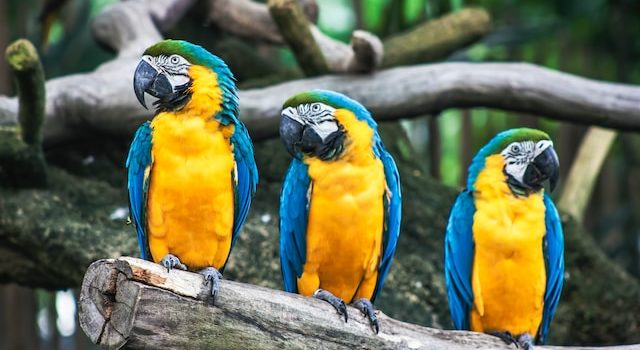
Parrots, with their vibrant plumage and intelligent demeanor, are a beloved symbol of nature’s beauty. However, many parrot species are facing significant threats in the wild, making their conservation a matter of utmost importance. In this article, we shed light on the challenges parrots encounter and explore the ways in which we can contribute to their protection and preservation.

  1. Habitat Loss: One of the most significant threats to parrot populations is habitat loss. Deforestation, urbanization, and illegal logging destroy the vital ecosystems that parrots call home. These birds rely on diverse habitats, such as rainforests, woodlands, and savannas, for nesting, foraging, and breeding. Protecting and restoring these habitats is crucial for the survival of parrot species worldwide.
  2. Illegal Wildlife Trade: The illegal wildlife trade poses a grave danger to parrots. Many species are coveted for their beauty and intelligence, making them targets for capture and sale in the exotic pet market. This trade not only disrupts wild populations but also subjects parrots to cruel and inhumane conditions. Strengthening laws and regulations, increasing enforcement efforts, and promoting public awareness are vital steps in combating this illegal trade.
  3. Climate Change: Climate change and its associated impacts, such as rising temperatures, extreme weather events, and habitat disruption, pose a significant threat to parrot populations. These changes can affect the availability of food sources, alter nesting patterns, and disrupt breeding cycles. Supporting initiatives that mitigate climate change and promoting sustainable practices are crucial for the long-term survival of parrots.
  4. Invasive Species: Invasive species, introduced by human activities, can have devastating effects on native parrot populations. Invasive predators, such as rats and snakes, can prey upon parrot eggs and young, decimating local populations. Controlling and eradicating invasive species in parrot habitats is essential for ensuring the natural balance and biodiversity of these ecosystems.
  5. Community Engagement and Education: Engaging local communities in parrot conservation efforts is key to long-term success. By involving communities living near parrot habitats, we can foster a sense of stewardship and empower individuals to actively participate in conservation initiatives. Education programs that highlight the ecological importance of parrots and promote sustainable practices can raise awareness and generate support for their protection.
  6. Protected Areas and Reserves: Establishing protected areas and reserves specifically designed to safeguard parrot habitats is vital for their conservation. These protected spaces offer refuge to parrot populations, allowing them to thrive and ensuring the preservation of critical ecosystems. Supporting organizations and initiatives that work towards creating and maintaining these protected areas is crucial.
  7. Research and Monitoring: Continuous research and monitoring are essential for understanding the behavior, ecology, and population trends of parrot species. This knowledge provides valuable insights for effective conservation strategies. By supporting scientific research, we can enhance our understanding of parrot conservation and contribute to evidence-based approaches.
  8. Responsible Pet Ownership: Responsible pet ownership plays a crucial role in parrot conservation. Adopting parrots from reputable sources, providing them with proper care, and promoting ethical breeding practices help combat the demand for wild-caught parrots. Additionally, educating pet owners about the unique needs of parrots and the importance of their conservation can contribute to the well-being of both captive and wild populations.

Parrot conservation requires a collective effort from governments, conservation organizations, scientists, local communities, and individuals alike. By addressing the threats facing parrots, promoting sustainable practices, and supporting conservation initiatives, we can ensure a brighter future for these magnificent birds and protect the rich biodiversity they represent.

Let us come together to protect and preserve the colorful world of parrots for generations to come.