Introduction: In today’s complex healthcare landscape, navigating medical bills can be a daunting task. Unexpected medical expenses can quickly accumulate, leaving many patients grappling with financial stress. However, with the right knowledge and negotiation strategies, you can take control of your medical bills and potentially save a significant amount of money. In this article, we will explore nine valuable tips to help you master medical bill negotiation and ease the burden on your wallet.

  1. Review Your Medical Bills Thoroughly: The first step in negotiating medical bills is to carefully review every detail. Look for any errors, double charges, or services you didn’t receive. Make sure the charges align with your insurance policy and that you’re not being billed for out-of-network providers if you have coverage limitations. Identify any discrepancies before proceeding to negotiation.
  2. Understand Your Insurance Coverage: Familiarize yourself with the terms and conditions of your insurance policy. Determine what services are covered and what percentage of the costs you’re responsible for. Knowing your rights as an insured individual will empower you during negotiations and enable you to challenge questionable charges effectively.
  3. Communicate with Your Healthcare Provider: Reach out to your healthcare provider’s billing department or financial counselor. Explain your financial situation and inquire about any available discounts, payment plans, or financial assistance programs. Many providers are willing to work with patients to establish manageable payment arrangements.
  4. Research Fair Pricing: Educate yourself about fair pricing for medical services in your area. Various online resources and databases can provide estimates of average costs for specific procedures or treatments. Armed with this information, you’ll be better equipped to negotiate reasonable rates with your healthcare provider.
  5. Ask for Itemized Bills: Request itemized bills that break down the cost of each service, medication, and supply. This level of detail allows you to identify any overcharges or inflated costs. Use this information as a basis for negotiation, pointing out any discrepancies and asking for justifications.
  6. Seek Assistance from Medical Billing Advocates: If you find yourself overwhelmed or unsure about negotiating on your own, consider enlisting the help of a medical billing advocate. These professionals specialize in reviewing medical bills, identifying errors, and negotiating with healthcare providers on your behalf. They can provide valuable guidance and expertise throughout the process.
  7. Negotiate Promptly and Professionally: Approach your negotiation with a respectful and professional demeanor. Keep in mind that medical billing departments deal with numerous patients daily, so be patient and persistent. Clearly articulate your concerns, explain your financial limitations, and propose realistic payment options. A polite and cooperative attitude can go a long way in achieving a favorable outcome.
  8. Consider Settlement Offers: In some cases, healthcare providers may be willing to settle for a lower amount if you’re facing financial hardship. If your negotiation efforts are met with resistance, explore the possibility of a settlement offer. Be prepared to provide documentation or evidence supporting your financial difficulties to strengthen your case.
  9. Stay Vigilant and Persistent: Remember that medical bill negotiation is an ongoing process. Stay vigilant and follow up on the progress of your negotiations regularly. Maintain organized records of all correspondence, agreements, and payment arrangements. Persistence and attention to detail can lead to substantial savings over time.

Conclusion: Mastering the art of medical bill negotiation is a valuable skill that can potentially save you significant amounts of money. By thoroughly reviewing your bills, understanding your insurance coverage, and employing effective negotiation strategies, you can take control of your healthcare expenses. Remember to approach the process professionally, seek assistance when needed, and stay persistent. Empower yourself to tackle medical bills with confidence and protect your financial well-being.
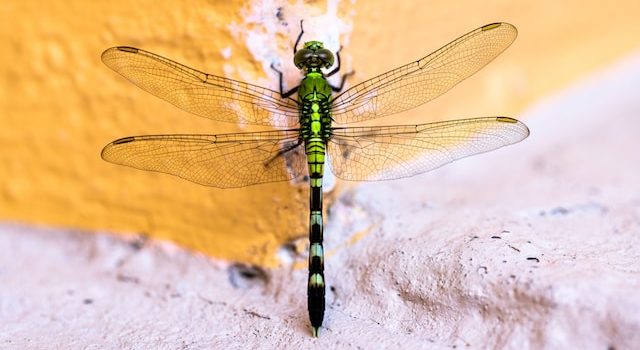
In the realm of aerial acrobatics, few performers can rival the remarkable abilities of the dragonfly. With their mesmerizing flight maneuvers and graceful movements, dragonflies showcase an awe-inspiring display of agility and precision. In this article, we delve into the captivating world of the dragonfly’s aerobatics, witnessing their spectacular dance and uncovering the secrets behind their remarkable flight skills.

  1. Mastering the Art of Hovering: The dragonfly’s flight begins with a spellbinding act of hovering, a maneuver that seems to defy gravity itself. With their wings beating at astonishing speeds, dragonflies maintain a stationary position mid-air, seemingly suspended by an invisible force. This remarkable feat is achieved through a combination of wing adjustments and delicate muscle control, allowing the dragonfly to hold its position and survey its surroundings with unparalleled stability.
  2. Lightning-Fast Maneuvers: When it comes to aerial speed and agility, the dragonfly is in a league of its own. With lightning-fast reflexes, it can change direction in an instant, darting forward, backward, or sideways with remarkable precision. Scientists have discovered that the dragonfly’s exceptional flight capabilities are attributed to its ability to move each of its four wings independently, enabling it to execute complex maneuvers and evade predators with ease. Watching a dragonfly zip through the air is akin to witnessing a high-speed performance that leaves spectators in awe.
  3. Mid-Air Interceptions: One of the most captivating aspects of the dragonfly’s flight is its remarkable hunting strategy. With eyes adapted for keen vision and exceptional depth perception, dragonflies can detect and track prey with astounding accuracy. As they spot an unsuspecting insect in flight, they embark on a mid-air interception, executing an intricate series of twists, turns, and dives to seize their target. The precision and agility displayed during these aerial hunts are a testament to the dragonfly’s mastery of its environment.
  4. Mating Rituals and Aerial Ballets: Beyond their acrobatic hunting displays, dragonflies also engage in captivating aerial courtship rituals. Males perform intricate flight patterns, showcasing their agility and strength to attract potential mates. These aerial ballets often involve graceful loops, spirals, and tandem flights, creating a mesmerizing spectacle of movement and grace. Observing dragonflies engage in their courtship rituals reminds us of the beauty and complexity of nature’s choreography.

Conclusion: The dragonfly’s flight is a symphony of movement, an extraordinary display of aerial acrobatics that captivates the imagination. From their mesmerizing ability to hover effortlessly to their lightning-fast maneuvers and captivating courtship rituals, dragonflies exemplify the wonders of nature’s avian performers. As we witness their spectacular dance, we are reminded of the elegance and precision that exist in the natural world, leaving us with a profound appreciation for the dragonfly’s remarkable flight skills.

Note: This article aims to highlight the captivating aerobatics of dragonflies but does not encompass all aspects of their behavior and ecology. Further research, consultation with experts, and adherence to ethical guidelines are recommended for a comprehensive understanding of the dragonfly’s flight abilities and their ecological significance.


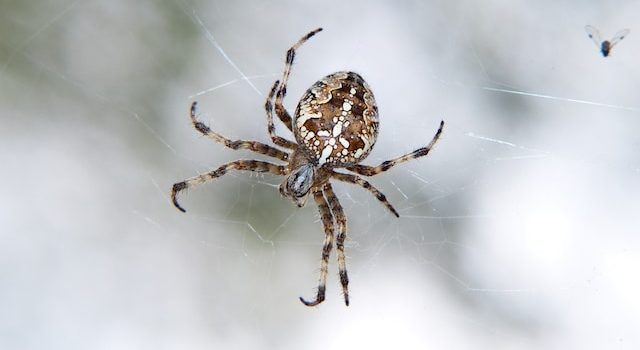
Spiders, the masters of silk-spinning and skilled hunters, have a life cycle filled with remarkable transformations. From the moment they hatch from their tiny eggs to their journey into adulthood, spiders undergo a series of stages that shape their development. Join us as we delve into the fascinating life cycle of these intriguing creatures.

  1. Egg Stage: The life cycle of a spider begins with the laying of eggs by a female spider. Depending on the species, the number of eggs can range from a few to hundreds. Female spiders carefully select suitable locations to safeguard their eggs, ensuring optimal conditions for development. The protective silk sacs or egg cases offer shelter from predators and harsh environmental conditions.
  2. Spiderling Stage: Once the eggs hatch, spiderlings emerge, typically resembling miniature versions of their adult counterparts. At this stage, they are entirely dependent on their yolk sacs for nutrition. Spiderlings disperse through various mechanisms, including ballooning—releasing silk threads into the air to catch the wind and carry them to new locations. These dispersal methods help prevent overcrowding and promote genetic diversity.
  3. Juvenile Stage: As spiderlings grow, they molt, shedding their exoskeletons to accommodate their increasing size. Molting allows spiders to replace damaged or outgrown body parts and aids in their overall development. The frequency of molting varies among species, with some spiders molting several times a year. During this stage, the spider’s body undergoes significant changes, and their colors and patterns may become more distinct.
  4. Sub-Adult Stage: After multiple molts, spiderlings reach the sub-adult stage. At this point, their bodies begin to resemble those of adult spiders more closely. While some species display sexual dimorphism, with males and females having different appearances, others exhibit minimal differences in size and coloration. As they continue to grow, sub-adult spiders hone their hunting skills, perfecting their strategies and techniques.
  5. Adult Stage: The final stage of a spider’s life cycle is adulthood. At this stage, spiders have reached sexual maturity and are ready to reproduce. Male spiders often engage in elaborate courtship rituals, showcasing their agility and vibrancy to attract females. Once mating occurs, female spiders store the sperm to fertilize their eggs later. In some species, females may produce multiple egg sacs throughout their lifespan, ensuring the survival of their offspring.

The duration of a spider’s life cycle can vary greatly among species, ranging from a few weeks to several years. Factors such as environmental conditions, availability of prey, and species-specific characteristics influence the overall duration.

Understanding the life cycle of spiders not only provides insight into their biology but also highlights their resilience and adaptability. Each stage serves a purpose, allowing spiders to navigate their surroundings, establish territories, and contribute to their ecosystems by controlling insect populations.

While spiders may evoke fear or fascination in many, appreciating their life cycle fosters a deeper understanding of their role in maintaining ecological balance. By existing as nature’s skilled architects and stealthy predators, spiders contribute to the delicate web of life on our planet.

So, the next time you observe a spider spinning its intricate web or catch a glimpse of a spiderling dispersing on the wind, marvel at the wonders of their life cycle. These remarkable creatures exemplify nature’s ability to transform and adapt, weaving their way through the intricate tapestry of existence.

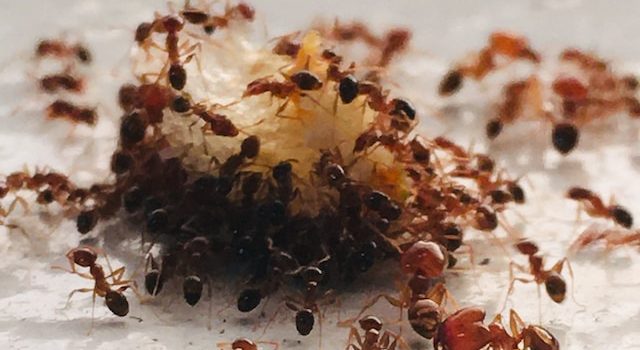
Introduction: Ants, those industrious insects that seem to be constantly on the move, have intriguing dietary habits that contribute to their survival and success as a species. From scavenging for food to engaging in remarkable agricultural practices, ants exhibit a diverse range of dietary preferences and resource-finding techniques. Join us as we delve into the fascinating world of ant nutrition, exploring what ants eat and how they navigate their environment in search of sustenance.

  1. Foraging for Food: Ants are adept foragers, tirelessly scouring their surroundings for nourishment. They exhibit a wide range of dietary preferences, with some species being omnivorous, while others are specialized herbivores or predators. Foraging ants often follow scent trails left by their fellow workers, which are established using pheromones. These trails guide them to food sources, allowing for efficient resource utilization within the colony.
  2. Sugar and Carbohydrate Sources: Many ant species have a sweet tooth, displaying a fondness for sugary substances. They are particularly attracted to plant secretions, such as nectar from flowers or honeydew excreted by aphids and scale insects. Ants often form mutually beneficial relationships with these insects, protecting them from predators in exchange for access to their sugary excretions. Additionally, ants may scavenge for fallen fruits, tree sap, or even sugary substances left by humans.
  3. Protein and Insect Prey: Protein-rich food sources are vital for the growth and development of ant colonies. Some ant species are skilled predators, hunting other insects and small arthropods. They employ various strategies, such as ambush tactics or group hunting, to capture their prey. Protein sources may also include scavenging on deceased animals or feeding on the remains of other arthropods.
  4. Fungus Farming: Certain ant species have taken agricultural practices to a whole new level by cultivating their own food sources. Leafcutter ants, for example, cut and transport fresh leaves back to their nests, where they use them to cultivate a specialized fungus. This fungus becomes the primary food source for the ants. The remarkable symbiotic relationship between ants and fungi provides the colony with a constant and reliable source of nourishment.
  5. Seed Dispersers: Ants play a vital role in seed dispersal, contributing to the regeneration of plant species. Some ants have a mutualistic relationship with plants, collecting seeds and transporting them to new locations. These seeds, often surrounded by a nutrient-rich appendage called an elaiosome, serve as a food source for the ants. The ants carry the seeds back to their nests, consuming the elaiosome and leaving the seed intact, which enhances its chances of germination.

Conclusion: The dietary habits of ants encompass a diverse range of food sources, reflecting their adaptability and resourcefulness. From foraging for sugary substances to engaging in sophisticated agricultural practices and contributing to seed dispersal, ants have mastered the art of finding sustenance in their environment. Their dietary preferences and foraging techniques not only sustain their individual colonies but also play significant ecological roles, making ants invaluable contributors to the ecosystems they inhabit.

Introduction:

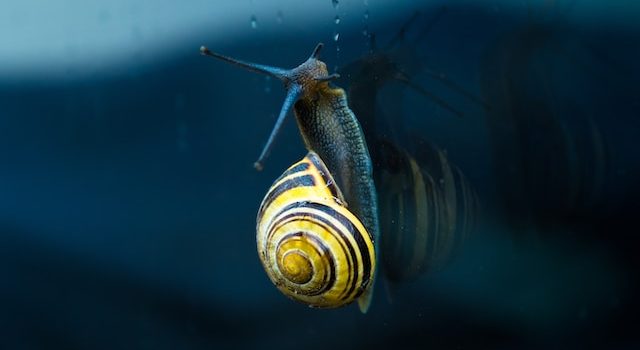
Snails, with their distinct walking positions and graceful movements, captivate our attention. While their locomotion is influenced by various factors, it is the environment they inhabit that plays a significant role in shaping their walking positions. In this article, we explore the impact of environmental factors on snail walking positions, shedding light on how these remarkable creatures adapt to their surroundings.

  1. Temperature and Moisture Levels: Temperature and moisture levels are critical environmental factors that influence snail behavior and walking positions. Snails are ectothermic, meaning their body temperature is regulated by the environment. In colder temperatures, snails may retract further into their shells, adopting a more compact walking position to conserve heat. Conversely, in warmer temperatures, they may extend their bodies more, assuming elongated walking positions to dissipate excess heat. Moisture levels also play a role, as snails tend to adopt a more stretched-out position in wet environments to navigate moist surfaces with ease.
  2. Substrate Texture and Stability: The texture and stability of the substrate, or the surface on which snails move, significantly impact their walking positions. Snails exhibit different postures depending on whether they are crawling on smooth surfaces, such as leaves or glass, or navigating rougher terrain, such as soil or rocks. On smooth surfaces, snails often extend their bodies and create a more arched walking position to increase stability and prevent slipping. On rougher terrain, snails may adopt a lower and more compact position, hugging the surface for improved grip and balance.
  3. Obstacles and Spatial Constraints: Obstacles and spatial constraints in the environment can influence snail walking positions as well. When faced with barriers or narrow spaces, snails may adjust their posture to accommodate these challenges. They may lift their bodies higher, creating a more vertical walking position to overcome obstacles, or they may flatten their bodies and contract their shells to squeeze through tight spaces. These adaptations demonstrate the snail’s remarkable ability to maneuver and navigate its surroundings.
  4. Predation Risk and Shelter Availability: The presence of predators and the availability of shelter also impact snail walking positions. In areas with higher predation risk, snails may adopt a more retracted and compact walking position to minimize their exposure and increase protection. Conversely, in safer environments with abundant shelter, snails may exhibit a more extended and relaxed walking position, confidently exploring their surroundings.

Conclusion:

Snails are astoundingly adaptable creatures, and their walking positions provide insight into how they respond to the environmental challenges they encounter. The impact of temperature, moisture levels, substrate texture and stability, obstacles, predation risk, and shelter availability collectively shape the unique walking positions observed in different snail species.

By understanding the interplay between snails and their environment, we gain a deeper appreciation for their ability to thrive in various habitats. The diverse walking positions exhibited by snails serve as a testament to their resilience and evolutionary adaptability.

As we observe snails in their natural habitats, let us marvel at their capacity to adjust their walking positions in response to the environmental factors surrounding them. By appreciating the intricacies of their adaptations, we gain a greater understanding of the delicate balance between organisms and their ecosystems.

Disclaimer: This article provides a general overview of the impact of environmental factors on snail walking positions. For a comprehensive understanding of specific species or further scientific research, consultation with experts is recommended.

Introduction: Lizards, with their intriguing array of adaptations and diverse habitats, have evolved a wide range of feeding strategies to survive in various ecosystems around the world. From the insectivorous hunters to the herbivorous grazers, lizards exhibit remarkable dietary flexibility. In this article, we delve into the fascinating world of lizard diets, exploring what they eat and the unique ways in which they hunt for their meals.

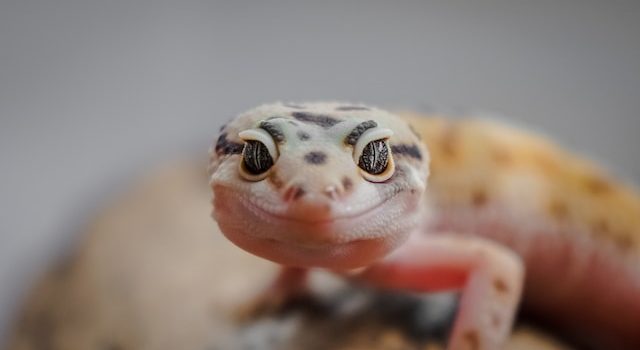
  1. Insectivores: The Masters of Precision A significant portion of lizards are insectivores, feasting on a variety of invertebrates. They employ remarkable hunting techniques, relying on speed, agility, and stealth to catch their prey. With lightning-fast reflexes, insectivorous lizards, such as geckos and anoles, snatch up insects like crickets, beetles, and grasshoppers. Their specialized tongues and sharp teeth aid in grasping and consuming their small, wriggling meals.
  2. Carnivores: Masters of the Chase Carnivorous lizards are formidable hunters, often pursuing larger prey to sustain their energy needs. Examples include monitor lizards, which are known to prey upon birds, small mammals, fish, and even other reptiles. These carnivores rely on their strength, sharp teeth, and powerful jaws to capture and subdue their quarry. They employ a combination of stealth, ambush, and pursuit techniques to secure their meals.
  3. Herbivores: The Grazers of Greens While the majority of lizards are carnivorous or insectivorous, there are notable herbivorous species that have adapted to a plant-based diet. Iguanas and some species of skinks are known for their herbivory. They consume leaves, flowers, fruits, and other plant parts, often requiring a specialized digestive system to process the cellulose present in plant material. Herbivorous lizards are expert grazers, utilizing their sharp teeth and jaws to break down tough plant fibers.
  4. Omnivores: The Versatile Feeders Some lizards display a versatile dietary range, consuming both animal and plant matter. Omnivorous lizards, such as fence lizards and blue-tongued skinks, have adapted to eat a wide variety of food sources. They have the ability to switch between insects, small vertebrates, fruits, flowers, and even carrion depending on the availability of resources. Their adaptable nature allows them to survive in diverse environments and exploit different food sources.
  5. Feeding Techniques and Adaptations: Lizards employ various feeding techniques and possess unique adaptations to capture and consume their prey. Some species, like chameleons, have projectile tongues that can extend rapidly to snatch insects from a distance. Others, such as agamids, are sit-and-wait predators, relying on camouflage and ambush to surprise their unsuspecting prey. Additionally, some lizards possess venomous glands or specialized dentition to subdue and consume their meals effectively.
  6. Ecological Importance: Lizards play crucial roles in their ecosystems through their feeding habits. As insectivores, they help control populations of insects, acting as natural pest control agents. Herbivorous lizards contribute to seed dispersal and can influence plant populations. Additionally, as prey for larger predators, lizards serve as an important link in the food chain, maintaining balance within their respective habitats.

Conclusion: The dietary habits of lizards reflect the incredible diversity and adaptability of these captivating creatures. From the precision hunters to the opportunistic feeders, lizards have evolved an array of strategies to survive and thrive in their environments. Their feeding techniques and specialized adaptations showcase the marvels of natural selection.

Introduction:

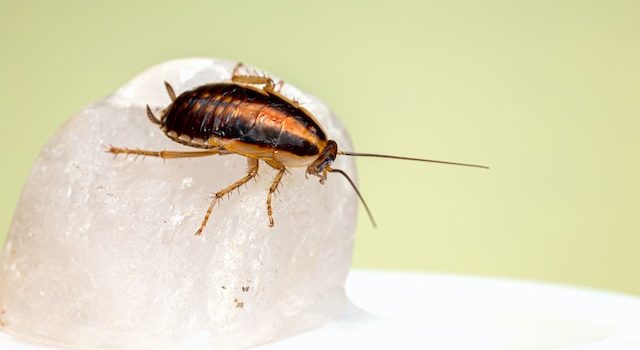
Cockroaches, those notorious insects that have adapted to coexist with humans, pose not only a nuisance but also potential health risks. These resilient pests can trigger allergies and carry disease-causing pathogens, making their presence a cause for concern. In this article, we explore the health risks associated with cockroaches, shedding light on the allergies they can induce and the diseases they can transmit.

  1. Allergic Reactions:

Cockroaches can be potent triggers of allergies in susceptible individuals. The allergens responsible for these reactions are found in their droppings, saliva, and shed skins. When these particles become airborne and are inhaled or come into contact with the skin, they can elicit allergic responses, ranging from mild symptoms such as sneezing, coughing, and skin rashes to more severe reactions like asthma attacks.

  1. Asthma and Respiratory Concerns:

For individuals with asthma, cockroach allergens can be particularly problematic. Exposure to these allergens can exacerbate asthma symptoms, leading to increased frequency and severity of attacks. Children, in particular, are vulnerable to the respiratory effects of cockroach infestations and may experience worsened respiratory health, including persistent coughing, wheezing, and difficulty breathing.

  1. Disease Transmission:

In addition to allergies, cockroaches can act as vectors for various diseases. They can pick up pathogens, such as bacteria and viruses, from unsanitary environments and carry them on their bodies. When they come into contact with food, utensils, or surfaces in our homes, these pathogens can be transferred, potentially causing illnesses in humans. Common diseases associated with cockroach infestations include salmonellosis, dysentery, and food poisoning.

  1. Bacterial Contamination:

Cockroaches are notorious for their unsanitary habits, as they scavenge on decaying matter and sewage. Their legs and bodies can harbor harmful bacteria, including E. coli and Salmonella, which can contaminate surfaces and food sources. When ingested or come into contact with open wounds, these bacteria can lead to gastrointestinal infections or other health complications.

  1. Asthma Prevention and Pest Control:

Given the potential health risks associated with cockroach infestations, prevention and pest control measures are crucial. Maintaining a clean and hygienic living environment is the first line of defense. This includes regularly cleaning and disinfecting surfaces, promptly addressing any food spills or crumbs, and sealing cracks and crevices where cockroaches can enter. If infestations persist, seeking professional pest control services can effectively eliminate the problem.

  1. Public Health Implications:

The health risks posed by cockroaches extend beyond individual households. In densely populated areas, such as apartment buildings or shared housing complexes, the presence of cockroaches can facilitate the rapid spread of diseases among residents. Public health authorities play a vital role in raising awareness, educating communities, and implementing effective strategies to mitigate cockroach infestations and the associated health risks.

Conclusion:

While cockroaches may be reviled as pests, their impact on human health should not be underestimated. The allergens they produce can trigger allergic reactions and worsen respiratory conditions, particularly asthma. Additionally, the potential for disease transmission through bacterial contamination underscores the importance of effective pest control and maintaining clean living environments.

By understanding the health risks associated with cockroaches, we can prioritize prevention and take appropriate measures to mitigate infestations. Through public awareness, responsible pest control practices, and maintaining good sanitation practices.

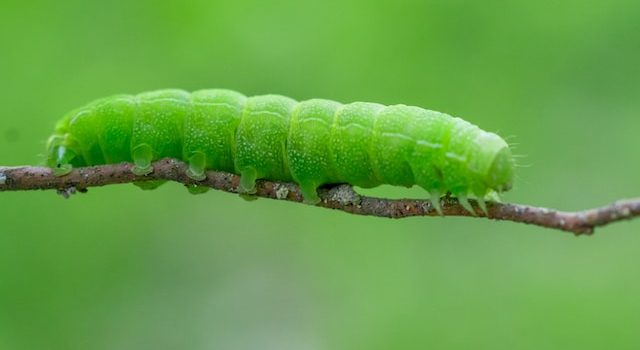
Introduction: In the intricate dance of life within ecosystems, caterpillars assume vital roles as both herbivores and decomposers, acting as guardians of balance and sustainability. These remarkable creatures, in their larval stage, not only shape the abundance and diversity of plant life but also play an essential role in the recycling of organic matter. Join us as we embark on a journey to uncover the significance of caterpillars in maintaining the delicate equilibrium of ecosystems.

  1. Herbivores: Shaping Plant Communities (200 words) As herbivores, caterpillars exert profound influence on plant communities, regulating the abundance and distribution of vegetation. By selectively consuming leaves, caterpillars can influence plant growth, reproduction, and even the evolution of certain plant species. Their feeding habits trigger a variety of responses in plants, including the release of chemical defenses and the stimulation of regrowth mechanisms. Some caterpillars specialize in consuming specific plant parts, shaping the structure and composition of plant communities in their habitats.
  2. Keystone Species: Nurturing Biodiversity (150 words) Caterpillars, as herbivores, often serve as keystone species within ecosystems, meaning their presence is crucial for maintaining overall biodiversity. They provide a critical link between plants and other organisms within the food web. The consumption of plant material by caterpillars not only supports their own growth but also sustains a diverse array of predators, including birds, reptiles, and mammals. The complex interactions between caterpillars, plants, and predators contribute to the rich tapestry of life within an ecosystem.
  3. Decomposers: Recycling Organic Matter (200 words) Beyond their herbivorous endeavors, caterpillars also assume the role of decomposers, participating in the essential process of organic matter recycling. When caterpillars consume plant material, they break it down into smaller particles and excrete waste that enriches the soil. This process, known as frass, contributes to the nutrient cycling within ecosystems, replenishing the soil with vital elements and providing a fertile foundation for new plant growth. Additionally, the carcasses of caterpillars, upon completion of their life cycle, become part of the organic matter that nourishes the ecosystem.
  4. Microbial Interactions: Catalysts of Decomposition (150 words) Caterpillars engage in intricate interactions with microorganisms during decomposition. These microorganisms, such as bacteria and fungi, aid in breaking down the plant material within the caterpillar’s digestive system. As caterpillars excrete waste and decompose, they release these microorganisms back into the environment, further fueling the decomposition process. This symbiotic relationship between caterpillars and microorganisms enhances the efficiency of nutrient recycling, facilitating the transformation of organic matter into valuable resources for the ecosystem.

Conclusion: Caterpillars, as both herbivores and decomposers, weave themselves into the intricate fabric of ecosystems, shaping plant communities, nurturing biodiversity, and participating in the vital process of organic matter recycling. Their herbivorous endeavors influence the abundance and evolution of plant species, while their role as decomposers ensures the efficient recycling of organic material. By unraveling the significance of caterpillars in maintaining the delicate balance within ecosystems, we gain a deeper appreciation for the essential roles they play in sustaining the web of life.

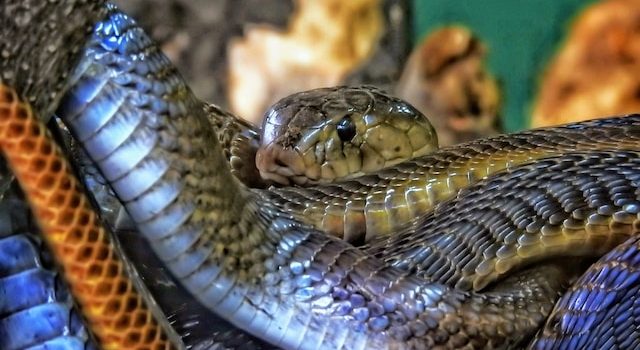
Giant snakes, with their imposing size and insatiable appetite, have long fascinated both scientists and enthusiasts alike. But what exactly do these serpentine giants feast upon, and how do they hunt their prey? In this article, we delve into the intriguing world of the diet of giant snakes, shedding light on their eating habits and hunting strategies.

  1. Carnivorous Predators: Giant snakes are formidable carnivorous predators, relying solely on a diet of meat to sustain themselves. Their feeding habits vary depending on the species and their natural environment. While the specific prey preferences may differ, the fundamental nature of these majestic reptiles remains consistent—they are apex predators in their respective habitats.
  2. Ambush Predation: One of the most common hunting techniques employed by giant snakes is ambush predation. They possess remarkable patience and stealth, lying in wait for unsuspecting prey to come within striking range. This strategy involves blending into their surroundings, such as tall grass or dense foliage, to remain concealed until an opportune moment presents itself. With their lightning-fast reflexes, they seize their prey with precision and overpower it through constriction.
  3. Constricting Prey: Constriction is a defining characteristic of giant snakes. Once they have seized their prey, they wrap their powerful bodies around it, exerting immense pressure to suffocate and immobilize their target. This method effectively restricts the prey’s ability to breathe, leading to its eventual demise. Contrary to popular belief, giant snakes do not dislocate their jaws to swallow their prey whole but rather stretch their highly flexible jaws to accommodate the food.
  4. Varied Prey Choices: Giant snakes display a diverse range of prey choices, reflecting their adaptability to different ecosystems. For instance, the reticulated python, the longest snake species, has been known to prey upon mammals, such as deer and pigs, in addition to birds and reptiles. The green anaconda, on the other hand, primarily targets aquatic creatures like fish, turtles, and even caimans. Burmese pythons have been observed consuming small to medium-sized mammals, including rats, rabbits, and even deer.
  5. Feeding Challenges and Feats: Feeding on large prey presents unique challenges for giant snakes. After a successful hunt, they must consume their meal whole, relying on their elastic jaws and expandable stomachs to accommodate the substantial food item. The digestion process can take several days or even weeks, depending on the size of the prey and the metabolic rate of the snake. During this period, they remain relatively inactive, allowing their bodies to focus on breaking down and absorbing the nutrients.
  6. Ecological Importance: Understanding the diet and hunting behavior of giant snakes contributes to our understanding of the delicate balance within ecosystems. They play a vital role in controlling prey populations and influencing the dynamics of their habitats. Their presence can have cascading effects on the abundance and distribution of other species, making them key players in maintaining ecological equilibrium.

In conclusion, the diet of giant snakes unveils a world of fierce predators and remarkable hunting strategies. Through ambush predation and constriction, these serpentine giants secure their meals with precision and efficiency. Their diverse prey choices reflect their adaptability to different environments, and their feeding habits play a crucial role in the intricate web of life. By studying and appreciating the diet of giant snakes, we gain insights into the fascinating dynamics of our natural world.

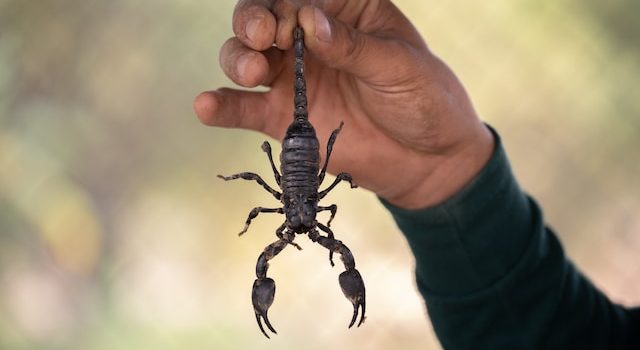
Introduction: Scorpions, with their potentially harmful stings, are a cause for concern for homeowners and building occupants in certain regions. Preventing scorpions from entering homes and implementing effective control measures is essential for ensuring a safe living environment. In this article, we explore strategies for preventing and controlling scorpions in homes and buildings.

  1. Understanding Scorpion Behavior: To effectively prevent and control scorpions, it is crucial to understand their behavior and habits. Scorpions are nocturnal creatures that seek shelter during the day, often hiding in dark and secluded areas. They are attracted to moisture and prey on insects, so areas with excess humidity or a high insect population can attract scorpions.
  2. Sealing Entry Points: One of the most effective ways to prevent scorpions from entering homes and buildings is by sealing potential entry points. This includes closing gaps in doors and windows, repairing damaged screens, and sealing cracks and crevices in walls and foundations. By creating a physical barrier, the chances of scorpions infiltrating indoor spaces can be significantly reduced.
  3. Yard Maintenance: Maintaining a well-groomed yard can help minimize scorpion habitats around homes and buildings. Regularly mowing the lawn, removing debris and clutter, and trimming bushes and shrubs away from the structure can limit the areas where scorpions can hide. Additionally, reducing outdoor lighting, as scorpions are attracted to light, can further deter them from approaching buildings.
  4. Indoor Precautions: Taking specific precautions indoors can significantly decrease the likelihood of encountering scorpions. These include shaking out clothing and shoes before wearing them, especially if they have been left on the floor. It is also advisable to keep bedding and blankets from touching the ground, as scorpions may seek refuge in them. Regularly checking bedding and other items for signs of scorpion presence is essential.
  5. Professional Pest Control: In cases where scorpion infestations persist despite preventive measures, seeking professional pest control services is recommended. Pest control professionals have the expertise and resources to identify potential entry points, treat infested areas, and develop long-term control strategies. They can also provide advice on ongoing preventive measures to maintain a scorpion-free environment.
  6. Community Collaboration: Preventing and controlling scorpions in homes and buildings is a collective effort that benefits from community collaboration. Neighborhood associations, local authorities, and residents can work together to raise awareness about scorpion prevention, share information and experiences, and implement community-wide control measures. This collaboration strengthens the overall effectiveness of scorpion control initiatives.
  7. Education and Awareness: Educating residents about scorpion prevention and control is crucial for long-term success. This can be achieved through community workshops, educational campaigns, and distribution of informational materials. Promoting awareness about scorpion behavior, identification, and prevention measures empowers individuals to take proactive steps to protect their homes and buildings.

Conclusion: Preventing and controlling scorpions in homes and buildings requires a multi-faceted approach that combines proactive measures, professional assistance, and community collaboration. By understanding scorpion behavior, sealing entry points, maintaining yards, and implementing indoor precautions, individuals can significantly reduce the risk of encountering scorpions indoors. The combination of preventive actions and ongoing education plays a vital role in creating a safe and scorpion-free living environment.