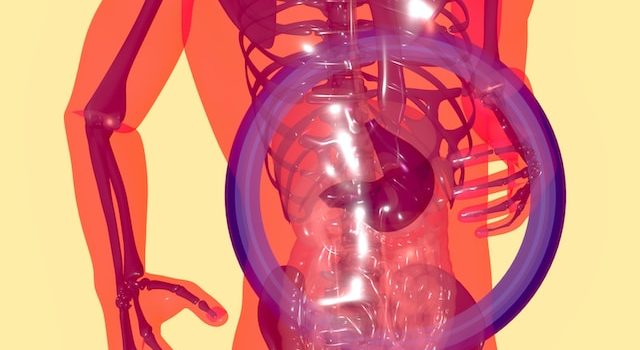
As concerns about air pollution and its detrimental effects on brain health continue to grow, it is essential to empower individuals with practical steps they can take to protect their cognitive well-being. While addressing the issue of air pollution requires collective action, there are measures you can implement today to safeguard your brain from harmful pollutants. Here are some key steps you can take to breathe cleaner air and protect your brain health.

  1. Stay Informed: Awareness is the first line of defense. Stay updated on air quality conditions in your area by accessing local air quality indices or downloading smartphone apps that provide real-time pollution data. Being informed will help you make informed decisions about outdoor activities and minimize exposure on days when pollution levels are high.
  2. Create a Clean Indoor Environment: Since we spend a significant amount of time indoors, it is crucial to maintain clean air in our living and working spaces. Invest in high-quality air purifiers that effectively filter out particulate matter and other pollutants. Additionally, ensure proper ventilation by opening windows regularly to allow fresh air to circulate.
  3. Minimize Exposure during High-Pollution Times: If possible, avoid spending time outdoors during peak pollution hours, typically during rush hours or on days with unfavorable weather conditions. If you must go outside, consider wearing a mask designed to filter out harmful particles. Masks with N95 or N99 ratings offer better protection against fine particulate matter.
  4. Create Green Spaces: Incorporating green spaces into your community and surroundings can help improve air quality. Support local initiatives that promote urban greening, such as tree planting campaigns or the development of community gardens. Vegetation acts as a natural air filter, absorbing pollutants and releasing clean oxygen.
  5. Advocate for Change: Use your voice to raise awareness about the importance of clean air and its impact on brain health. Support organizations and initiatives that work towards reducing air pollution, such as advocating for stricter emission controls and sustainable transportation options. Encourage your local authorities to prioritize air quality regulations and invest in cleaner technologies.
  6. Promote Sustainable Transportation: Reduce your personal contribution to air pollution by opting for sustainable transportation alternatives. Whenever possible, choose public transportation, carpooling, biking, or walking. These modes of transport not only reduce pollution but also promote physical activity, which has its own cognitive benefits.
  7. Support Renewable Energy: Advocate for the transition to renewable energy sources by supporting policies and initiatives that promote clean energy production. Consider investing in renewable energy options for your own home, such as solar panels. By reducing reliance on fossil fuels, we can significantly decrease air pollution and mitigate its impact on brain health.
  8. Educate Others: Share your knowledge about the link between air pollution and brain health with friends, family, and colleagues. Encourage them to take action and implement the steps outlined here. Together, we can create a ripple effect of positive change and promote a healthier environment for all.

In the face of the growing air pollution crisis, protecting our brain health becomes paramount. By implementing these steps, both on an individual and collective level, we can contribute to reducing pollution levels, creating cleaner air, and safeguarding our cognitive well-being. Let us seize the opportunity to take control of our environment and prioritize the health of our brains for a better future.


Introduction:

Throughout history, dogs have played a vital role as working animals, utilizing their unique abilities to assist humans in various tasks. From hunting companions to loyal protectors and skilled bomb-sniffers, their partnership with humans has evolved over time. In this article, we delve into the captivating history of dogs as working animals, tracing their remarkable journey and the significant contributions they have made to our society.

Ancient Origins:

The origins of dogs as working animals can be traced back thousands of years. Early humans recognized the innate skills possessed by canines and began to form partnerships with them. Dogs were initially employed as hunting companions, using their exceptional sense of smell, speed, and agility to track and capture game. Their acute senses and unwavering loyalty made them invaluable assets in the hunt, ensuring the survival and sustenance of early human communities.

Guardians and Protectors:

As civilization developed, dogs assumed roles beyond hunting. Their loyal and protective nature made them ideal guardians of homes, livestock, and property. Breeds like the Mastiffs and Rottweilers were utilized as formidable protectors, deterring intruders and providing a sense of security. Their presence and formidable appearance were often enough to ward off potential threats, serving as a visible deterrent.

Sled Dogs and Transport:

In regions with harsh climates, dogs were employed as sled dogs, assisting in transportation across vast snowy landscapes. Breeds such as Huskies and Malamutes were specifically bred for their endurance and strength, pulling sleds laden with supplies and aiding in exploration and trade. The utilization of sled dogs proved crucial in areas like the Arctic and Antarctica, where their abilities allowed for travel in otherwise impassable terrains.

Assistance Dogs:

The 20th century witnessed a significant shift in the roles dogs played as working animals. Dogs began to be trained and employed as assistance animals to aid individuals with disabilities. Guide dogs, for example, assist individuals with visual impairments, providing navigation support and enhancing their independence. Other types of assistance dogs, such as hearing dogs and service dogs, help individuals with hearing loss or physical disabilities, respectively. These dogs undergo extensive training to perform specific tasks that enhance the quality of life for their human partners.

Search and Rescue:

One of the most awe-inspiring roles that dogs fulfill is search and rescue. With their superior sense of smell and agility, dogs have saved countless lives in disaster-stricken areas. Trained search and rescue dogs excel in locating missing persons, whether buried beneath rubble or lost in vast wilderness. Their abilities to detect human scent and tirelessly work through challenging conditions make them invaluable assets in emergency response efforts.

Bomb-Sniffing and Detection Dogs:

In the realm of security and law enforcement, dogs have become indispensable as bomb-sniffing and detection dogs. Their extraordinary sense of smell enables them to detect even trace amounts of explosives or illicit substances. These highly trained dogs undergo rigorous training programs to identify specific scents, ensuring the safety and security of public spaces, airports, and critical infrastructure. Their deployment has proven crucial in preventing potential threats and acts of terrorism.

Conclusion:

From their early days as hunting companions to their modern roles as bomb-sniffers and assistance animals, dogs have proven to be invaluable working partners throughout history. Their innate abilities, unwavering loyalty, and strong bond with humans have made them versatile and trusted allies. The fascinating journey of dogs as working animals showcases the enduring partnership between humans and canines, demonstrating the immeasurable contributions these remarkable animals continue to make in various fields.

Title: Fly High with Your Writing: Harnessing the Magic of Bird Flight to Generate Compelling Titles

By [Your Name] [Publication Name] [Date]

Introduction:

Writing captivating titles is an essential skill for any journalist, as it serves as the gateway to engaging readers and enticing them to explore further. Nature provides us with endless inspiration, and in this article, we will explore how we can harness the magic of bird flight to generate compelling titles. Just as birds take to the skies with grace and elegance, let us take flight with our writing and discover the secrets to crafting titles that soar above the rest.

I. The Poetry of Bird Flight: An Inspirational Source for Titles

  1. Observing Bird Flight: To truly understand the essence of bird flight, spend time observing various species in their natural habitats. Notice their movements, agility, and patterns of flight. This firsthand experience will provide a deep well of inspiration for crafting evocative titles.
  2. Capturing the Spirit of Freedom: Bird flight represents freedom and liberation. Craft titles that capture this spirit, evoking a sense of adventure and boundless possibilities. For example, “Wings of Freedom: Soaring to New Horizons through the Power of Writing.”
  3. Embracing Grace and Elegance: Birds move through the air with grace and elegance, inspiring awe in their observers. Infuse your titles with words that convey these qualities, creating a sense of beauty and enchantment. Consider phrases like “In the Dance of Words: Crafting Elegant Titles That Take Flight.”

II. Metaphors and Symbolism: Weaving Bird Flight into Title Generation

  1. Symbolic Associations: Birds have long been associated with various symbolic meanings. Research the symbolism associated with different bird species and incorporate these elements into your titles. For instance, “The Phoenix’s Flight: Rising from the Ashes of Adversity with Powerful Writing.”
  2. Metaphorical Language: Use metaphors that draw parallels between bird flight and the impact of your writing. Connect the concepts of flight, elevation, and soaring with the transformative power of words. Titles like “Writing with Wings: Elevating Minds and Inspiring Change” can evoke a sense of purpose and impact.

III. Techniques for Crafting Compelling Titles:

  1. Conveying Motion and Energy: Bird flight is characterized by motion and energy. Channel this dynamism into your titles by using active verbs and descriptive language that paints a vivid picture in readers’ minds. Titles like “Swooping into Imagination: Igniting Creativity through the Power of Writing” can create a sense of movement and excitement.
  2. Creating Intrigue: Just as the flight of birds captivates our attention, your titles should pique readers’ curiosity and entice them to explore further. Use intriguing language, pose questions, or hint at the untold stories within your article. “Unveiling the Secrets of the Skies: The Enigmatic World of Bird Flight” sparks curiosity and invites readers to embark on a captivating journey.
  3. Emphasizing Uniqueness: Each bird species possesses distinct flight patterns and characteristics. Similarly, your titles should emphasize the unique aspects of your article. Highlight what sets your story apart and makes it worthy of readers’ attention. “Beyond Wingspan: Unraveling the Hidden Wonders of Bird Flight” emphasizes the exploration of lesser-known aspects of the topic.

Conclusion:

The magic of bird flight serves as a powerful muse for crafting compelling titles that capture readers’ imagination and curiosity. By observing bird flight, harnessing metaphors and symbolism, and employing techniques that convey motion and intrigue, journalists can create titles that take their writing to new heights.

So, spread your wings, embrace the poetry of bird flight, and let your titles soar with the grace, elegance, and magic that captivate readers and leave them yearning for more.

Introduction: In the mesmerizing world of reptiles, snakes reign supreme with their diverse array of skin colors. These remarkable creatures showcase an astonishing palette of hues, patterns, and textures, captivating the imagination of both nature enthusiasts and researchers alike. From bold stripes to intricate scales, snake skin coloration serves as a testament to the beauty and adaptability found in the animal kingdom. In this article, we embark on a journey to explore the captivating shades of snake skin and unravel the secrets behind their stunning color variations.

  1. Earth Tones: Snakes adorned with earthy colors like brown, tan, and olive often blend seamlessly into their natural habitats. These hues serve as camouflage, allowing species such as the Western Hognose Snake and the Eastern Coachwhip to hide from predators or ambush unsuspecting prey. Their ability to mimic the colors of their surroundings is a testament to the evolutionary prowess of these fascinating creatures.
  2. Vibrant Reds and Oranges: For some snake species, vibrant reds and oranges are the key to standing out rather than blending in. The Scarlet Kingsnake, with its striking red, black, and yellow bands, sends a powerful warning to potential predators, mimicking the venomous Coral Snake’s coloration. Meanwhile, the Copperhead snake’s rich chestnut color serves as a signal of its potent venom, advising others to keep their distance.
  3. Bold Blacks: The color black represents elegance and mystery, and several snake species embody these qualities through their dark hues. The Black Rat Snake, known for its non-venomous nature and exceptional climbing abilities, showcases glossy black scales that contrast beautifully against its vibrant yellow belly. Black snake skin acts as a visual statement, reflecting the serpentine grace and stealth of these creatures.
  4. Striking Yellows and Greens: Yellow and green hues dominate the skin of various snake species, showcasing a wide range of patterns and shades. The Green Tree Python, native to the rainforests of Southeast Asia, exhibits a stunning array of green shades, allowing it to blend effortlessly into the lush vegetation. Meanwhile, the vibrant yellow of the Ball Python, adorned with intricate brown and black patterns, captivates snake enthusiasts around the world.
  5. Iridescent Blues: Few colors rival the mesmerizing allure of iridescent blue snake scales. The iridescent sheen seen on species like the Blue Indigo Snake and the Blue Racers is a result of structural coloration rather than pigmentation. Their scales refract light, producing a dazzling display of blue hues. These snakes are living testaments to the remarkable adaptations found in nature.
  6. Striped and Patterned Wonders: The world of snake skin coloration also encompasses a myriad of stripes, spots, and intricate patterns. The Eastern Coral Snake, with its distinctive red, yellow, and black bands, warns potential predators of its venomous nature. Meanwhile, the Garter Snake exhibits a unique pattern of longitudinal stripes that enhances its camouflage while traversing diverse landscapes.

Conclusion: The stunning diversity of snake skin coloration showcases the remarkable adaptability and evolutionary strategies of these serpents. From earth tones to vibrant reds, bold blacks to striking yellows and greens, each hue tells a unique story about a snake’s habitat, behavior, or venomous potential. Exploring the kaleidoscope of snake skin colors allows us to appreciate the beauty and complexity of the natural world, highlighting the intricate relationship between form, function, and survival.

Introduction: In our society, discussions surrounding menstruation often focus on the physical and emotional changes experienced by women. However, one aspect that remains largely taboo is the connection between periods and stomach upset. This article aims to break the silence surrounding this topic and shed light on the link between menstruation and digestive issues, encouraging open conversations and promoting understanding of this often overlooked aspect of women’s health.

The Hidden Connection: Many women experience stomach upset during their menstrual cycles, including symptoms like bloating, cramping, indigestion, and changes in bowel habits. While these issues may seem unrelated to menstruation, there are several factors that contribute to the link between periods and digestive discomfort.

Hormonal Fluctuations: The menstrual cycle is governed by hormonal fluctuations, primarily estrogen and progesterone. These hormones rise and fall throughout the cycle, affecting various bodily systems, including the digestive system. Fluctuations in hormone levels can influence gut motility, leading to symptoms like bloating, constipation, or diarrhea.

Prostaglandins and Inflammation: During menstruation, the uterus sheds its lining, releasing substances called prostaglandins. Prostaglandins are responsible for triggering uterine contractions to facilitate the shedding process. However, they can also cause inflammation in other parts of the body, including the digestive system. This inflammation can result in abdominal pain, cramping, and digestive disturbances.

Stress and Emotional Impact: Menstruation is not solely a physical process; it also has emotional implications. Hormonal changes and the associated physical discomfort can contribute to increased stress levels and emotional fluctuations. Stress can affect the gut-brain axis, leading to digestive issues like irritable bowel syndrome (IBS) or exacerbating existing gastrointestinal symptoms.

The Importance of Open Conversations: The taboo surrounding periods and digestive issues has contributed to the lack of awareness and understanding of this connection. Breaking the silence and promoting open conversations is crucial in addressing the challenges faced by women during their menstrual cycles. By creating a safe space for discussions, we can normalize the experiences of women and encourage them to seek support and solutions for their digestive health.

Seeking Support and Solutions: Women experiencing stomach upset during their periods should know that they are not alone, and there are strategies to manage these symptoms effectively. Here are some approaches that can help:

  1. Lifestyle Modifications:
    • Eating a Balanced Diet: Incorporate fiber-rich foods, fruits, and vegetables into your meals to support healthy digestion.
    • Hydration: Drink an adequate amount of water to stay hydrated and promote regular bowel movements.
    • Stress Management: Engage in stress-reducing activities like exercise, meditation, or deep breathing exercises.
  2. Medications:
    • Over-the-Counter Options: Nonsteroidal anti-inflammatory drugs (NSAIDs) can help alleviate menstrual cramps and associated digestive discomfort. However, consult a healthcare professional before using any medication.
  3. Seeking Professional Advice:
    • If stomach upset during menstruation significantly affects your daily life or if symptoms are severe and persistent, it is advisable to consult a healthcare professional. They can provide a proper evaluation, diagnose any underlying conditions, and offer personalized treatment options.

Conclusion: By breaking the taboo surrounding the link between periods and stomach upset, we can create an environment where women feel comfortable discussing their experiences and seeking support. Understanding the hormonal fluctuations, the role of prostaglandins, and the impact of stress on digestive health during menstruation is vital. Let us foster open conversations, raise awareness, and ensure that women have the knowledge and resources to address their menstrual and digestive concerns.

Introduction: While successful treatment of blood clots is a cause for celebration, it often marks the beginning of a challenging journey towards recovery. Beyond the physical healing, individuals must cope with the aftermath of blood clot treatment, including emotional, psychological, and lifestyle adjustments. This article explores the long road to recovery, shedding light on the multifaceted aspects individuals face after blood clot treatment.

  1. Physical Rehabilitation: Blood clot treatment may involve surgical procedures, medications, or other interventions, which can impact physical health and mobility. Individuals may experience fatigue, weakness, or limitations in their daily activities during the recovery phase. Physical rehabilitation, including exercises, physiotherapy, and occupational therapy, plays a vital role in rebuilding strength, restoring mobility, and improving overall physical well-being.
  2. Emotional and Psychological Impact: The experience of blood clot treatment can have a significant emotional and psychological impact on individuals. Feelings of fear, anxiety, and uncertainty are common as they navigate the aftermath of a life-threatening condition. Coping with the emotional rollercoaster, addressing post-traumatic stress, and seeking support from mental health professionals or support groups can aid in the healing process.
  3. Lifestyle Modifications: Blood clot treatment often necessitates lifestyle modifications to reduce the risk of recurrence. This may involve adopting healthier habits, such as regular exercise, maintaining a balanced diet, quitting smoking, and managing stress. Embracing these lifestyle changes can be challenging but is crucial for long-term well-being and reducing the risk of future blood clot episodes.
  4. Medication Management: Some individuals may require long-term or lifelong medication regimens, such as anticoagulant therapy, to prevent future blood clots. Adhering to these medications, understanding potential side effects, and maintaining regular follow-up appointments for monitoring become essential aspects of recovery. Proper medication management empowers individuals to take control of their health and minimize the risks associated with blood clot recurrence.
  5. Support Systems: Recovery from blood clot treatment can be a physically and emotionally demanding journey. Establishing a strong support system is crucial for individuals to cope with the challenges they may encounter. Family, friends, healthcare providers, and support groups can provide the necessary encouragement, guidance, and understanding throughout the recovery process.
  6. Patient Education: Empowering individuals with knowledge about blood clots, their treatment, and ongoing care is crucial for their recovery. Patient education initiatives help individuals understand the importance of adherence to treatment plans, recognize potential warning signs, and seek prompt medical attention when necessary. Educated and informed patients are better equipped to manage their recovery and make informed decisions regarding their health.

Conclusion: Recovering from blood clot treatment is not a linear process but rather a complex journey that encompasses physical, emotional, and lifestyle adjustments. It requires patience, resilience, and support. By addressing the physical rehabilitation needs, prioritizing emotional well-being, embracing lifestyle modifications, managing medications, and establishing strong support systems, individuals can navigate the long road to recovery successfully. Empowering individuals through education and awareness ensures that they have the tools and knowledge to continue their journey towards a fulfilling and healthy life.

Fatty liver disease, also known as hepatic steatosis, has emerged as a silent but significant health concern worldwide. It affects millions of individuals, often without their knowledge, and can have serious consequences if left untreated. In this article, we delve into the intricacies of this condition, exploring its symptoms, causes, and available treatment options.

Fatty liver disease is characterized by an abnormal accumulation of fat in the liver cells. This excessive fat buildup interferes with the organ’s normal function and, if left unaddressed, can progress to more severe conditions such as cirrhosis and liver failure. Understanding the symptoms is crucial for early detection and intervention.

In its early stages, fatty liver disease often presents no noticeable symptoms. However, as the condition progresses, individuals may experience fatigue, weakness, unexplained weight loss or gain, abdominal discomfort, and a general feeling of malaise. These symptoms are often nonspecific and can be easily attributed to other factors, making it challenging to diagnose fatty liver disease solely based on symptoms.

Multiple factors contribute to the development of fatty liver disease. The most common cause is excessive alcohol consumption, leading to alcoholic fatty liver disease (AFLD). Other risk factors include obesity, insulin resistance, type 2 diabetes, high cholesterol levels, and certain medications. Non-alcoholic fatty liver disease (NAFLD) is prevalent among individuals who do not consume excessive alcohol but exhibit similar symptoms and liver abnormalities.

The rise of obesity and sedentary lifestyles has contributed to the escalating prevalence of NAFLD. With poor dietary choices and lack of exercise becoming increasingly common, this condition has become a global health concern. Early intervention is vital to prevent further liver damage and halt the progression of fatty liver disease.

When it comes to treatment options, lifestyle modifications take center stage. This includes adopting a healthy, balanced diet rich in fruits, vegetables, whole grains, and lean proteins. Regular exercise, aimed at achieving and maintaining a healthy weight, plays a pivotal role in managing the condition. Additionally, it is crucial to address any underlying conditions such as diabetes or high cholesterol, as they can exacerbate fatty liver disease.

In more severe cases, where lifestyle changes alone are insufficient, medical interventions may be necessary. Medications that help reduce liver inflammation and control underlying conditions are sometimes prescribed. However, it’s important to note that there is no specific medication approved for the treatment of fatty liver disease itself.

Research efforts are underway to better understand the complexities of fatty liver disease and develop targeted treatments. Clinical trials exploring novel therapies and interventions are showing promise, offering hope for future advancements in combating this widespread condition.

In conclusion, fatty liver disease is a stealthy ailment that affects millions worldwide. With its insidious nature and potential for serious complications, understanding its symptoms, causes, and available treatment options is crucial. By promoting awareness and emphasizing lifestyle modifications, we can make significant strides in preventing and managing this silent epidemic.

Title: Taking Action: What to Do If You Have Been Affected by the Eyedrop Recall

Subtitle: A comprehensive guide to protecting your health and seeking remedies in the aftermath of the recent eyedrop recall

Date: May 23, 2023

Introduction: The recent eyedrop recall has left many individuals concerned about their health and seeking guidance on how to proceed. This article aims to provide a comprehensive guide on taking action if you have been affected by the recall. By following these steps, you can protect your well-being, seek appropriate remedies, and navigate the aftermath of the recall with confidence.

  1. Verify the Recall Information: Confirm whether the eyedrops you possess are part of the recalled batch by cross-checking the brand, batch number, and expiration date against the recall notice. Reliable sources such as official statements from regulatory agencies and the manufacturer can provide accurate information regarding the recall.
  2. Discontinue Use Immediately: If you have the recalled eyedrops, cease their use immediately. Even if you haven’t experienced any adverse effects, it is crucial to prioritize your health and minimize potential risks. Follow the recommended disposal guidelines provided by the regulatory agencies or the manufacturer.
  3. Seek Medical Evaluation: Consult an eye care professional for a thorough evaluation of your eye health. Explain the situation and inform them if you have used the recalled eyedrops. They will assess any potential adverse effects and provide appropriate guidance and treatment options tailored to your specific needs.
  4. Document Symptoms and Effects: Keep a detailed record of any symptoms or effects you have experienced after using the recalled eyedrops. Note down the nature, duration, and severity of the symptoms. This documentation will serve as valuable evidence if you decide to pursue any legal or compensation claims in the future.
  5. Report Adverse Effects: Report any adverse effects or complications to your healthcare provider and the appropriate regulatory authorities. This reporting helps track the scope and severity of the issue, ensuring that necessary actions are taken to protect others. Your input is crucial in holding the manufacturer accountable and preventing further harm.
  6. Consult Legal Advice: If you have suffered significant harm or damages due to the recalled eyedrops, it may be advisable to seek legal advice. Contact a reputable attorney specializing in product liability or personal injury cases. They can assess your situation, provide guidance on your legal options, and help you seek compensation if appropriate.
  7. Join Support Groups: Consider joining support groups or online communities where individuals affected by the recalled eyedrops share their experiences. These groups provide emotional support, a platform for exchanging information, and resources for seeking remedies or compensation. Engaging with others facing similar challenges can be empowering and help you navigate the situation more effectively.
  8. Stay Informed and Follow Updates: Keep yourself updated on the latest developments regarding the recall. Stay connected with reliable news sources, regulatory agency announcements, and official statements from the manufacturer. Being informed ensures you have the most up-to-date information regarding potential remedies, compensation programs, or class-action lawsuits.
  9. Advocate for Stronger Safety Measures: Use your voice to advocate for stronger safety measures and regulatory oversight in the pharmaceutical industry. Share your experience, raise awareness, and call for stricter quality control protocols to prevent similar incidents in the future. By speaking out, you contribute to the collective effort of protecting public health and holding manufacturers accountable.

Conclusion: If you have been affected by the recent eyedrop recall, it is essential to take immediate action to protect your health and seek appropriate remedies. By verifying the recall information, discontinuing use, seeking medical evaluation, documenting symptoms, and reporting adverse effects, you prioritize your well-being and contribute to the accountability process. Consulting legal advice, joining support groups, staying informed, and advocating for stronger safety measures empower you to navigate the aftermath of the recall and seek the remedies you deserve. Remember, your health and rights matter, and taking action is crucial for your well-being and the well-being of others.

Introduction: Within the medical profession, the well-being and success of female doctors are significantly impacted by the prevalence of harassment and discrimination. To ensure a thriving and equitable healthcare environment, it is crucial to address these pervasive issues and create a safe and respectful workplace for all doctors. This article explores the steps that can be taken to tackle harassment and discrimination, fostering an environment that empowers female doctors and upholds their rights.

Recognizing the Scope of the Problem: The first step in addressing harassment and discrimination is acknowledging the scope of the problem. Research and surveys have consistently shown that female doctors experience various forms of mistreatment, including verbal abuse, sexual harassment, and gender-based discrimination. By understanding the breadth and impact of these issues, medical institutions can take targeted measures to combat them effectively.

Establishing Clear Policies and Reporting Mechanisms: Medical institutions must establish clear policies that unequivocally condemn harassment and discrimination. These policies should outline the consequences for offenders and provide a safe and confidential reporting mechanism for victims. It is crucial to create an environment where victims feel comfortable coming forward and where their reports are taken seriously, thoroughly investigated, and acted upon promptly.

Education and Training: Comprehensive education and training programs are essential to foster awareness and prevent harassment and discrimination. These programs should focus on creating a culture of respect, inclusivity, and gender equality within the medical profession. By promoting understanding, empathy, and bystander intervention, healthcare professionals can collectively contribute to building a more supportive and respectful workplace.

Support and Resources for Victims: Victims of harassment and discrimination require support and resources to navigate the aftermath of such experiences. Medical institutions should provide access to counseling services, support groups, and legal assistance to help victims cope with the emotional and psychological consequences. Establishing dedicated support networks can provide a safe space for sharing experiences, seeking guidance, and fostering resilience.

Leadership and Accountability: Leaders within medical institutions play a critical role in setting the tone and enforcing a safe and respectful workplace culture. By leading by example, promoting diversity, and advocating for gender equality, they can inspire change and encourage others to follow suit. Additionally, holding perpetrators accountable through impartial investigations and appropriate disciplinary actions sends a strong message that harassment and discrimination will not be tolerated.

Promoting Gender Diversity and Inclusion: Promoting gender diversity and inclusion within the medical field is key to combating harassment and discrimination. Medical institutions should actively work towards increasing the representation of female doctors in leadership positions, research endeavors, and decision-making roles. Creating mentorship and sponsorship programs can provide valuable guidance and opportunities for career advancement, empowering female doctors and fostering a more balanced and inclusive profession.

Collaboration and Advocacy: Addressing harassment and discrimination requires collaboration among medical institutions, professional associations, and advocacy groups. These entities should collaborate to develop best practices, share resources, and create initiatives that raise awareness and advocate for change. By joining forces, they can amplify their impact and drive systemic improvements that benefit all doctors.

Conclusion: Creating a safe and respectful workplace for female doctors necessitates a multi-faceted approach. By establishing clear policies, providing education and training, supporting victims, promoting accountability, and fostering gender diversity and inclusion, medical institutions can effectively address harassment and discrimination. By working collectively and upholding the rights and well-being of all doctors, we can cultivate an environment that empowers female doctors to thrive and contribute their invaluable expertise to the medical profession.


In our fast-paced and technology-driven world, finding moments of tranquility and solace can be a challenge. However, the soothing melodies of birdsong provide a natural remedy for the stresses of modern life. Research suggests that immersing oneself in the sounds of nature, particularly bird songs, can have a profound impact on mental health and well-being.

Birdsong has a unique ability to captivate our senses and evoke a sense of calmness and connection to the natural world. The melodic tunes and rhythmic patterns of birds communicate a language that transcends human barriers, transporting us to a realm of peace and serenity. This sonic tapestry has been found to reduce stress, anxiety, and depression, offering a therapeutic experience for both body and mind.

Scientific studies have shed light on the positive effects of bird song on mental health. Research conducted by the University of Surrey in the United Kingdom revealed that exposure to natural sounds, including bird songs, can significantly decrease stress and improve mood. The study found that individuals who listened to recordings of birdsong experienced lower levels of cortisol, a hormone associated with stress, and reported higher levels of relaxation and well-being.

Birdsong has also been found to enhance cognitive function and attention. A study published in the journal Environmental Science and Technology demonstrated that exposure to natural sounds, such as birdsong, can improve cognitive performance and increase focus. The rhythmic and repetitive nature of bird songs creates a soothing environment that promotes concentration and mental clarity.

Furthermore, birdsong serves as a reminder of our connection to nature and the importance of preserving the environment. As humans, we have an innate affinity for the natural world, and the sounds of birdsong awaken our primal instincts. By immersing ourselves in these harmonies, we tap into a deeper sense of belonging and harmony with the ecosystem around us, fostering a sense of environmental stewardship.

Incorporating birdsong into our daily lives does not necessarily require venturing into the wilderness. Urban environments, too, offer opportunities to reconnect with nature’s melodies. Public parks, gardens, and even balconies can become sanctuaries where we can listen to the uplifting sounds of birds. Additionally, various mobile applications and websites offer bird identification guides and recorded bird songs, allowing individuals to explore and enjoy the diversity of avian music.

Given the growing recognition of the healing power of bird song, some therapists and mental health professionals are incorporating nature sound therapy into their practices. Nature-based therapies, including ecotherapy and sound therapy, utilize the soothing sounds of birdsong to promote relaxation, reduce anxiety, and improve overall well-being. These practices recognize the therapeutic potential of nature’s music in supporting mental health.

While birdsong can be a powerful tool for enhancing mental health, it is important to note that it should not replace professional treatment for individuals with severe mental health conditions. Birdsong can be a complementary component of a holistic approach to well-being, including therapy, self-care practices, and social support.

In conclusion, the healing power of birdsong is a testament to nature’s ability to nurture our mental health. The melodic tunes and harmonious rhythms of bird songs transport us to a place of tranquility and connection with the natural world. Scientific research supports the positive impact of bird song on reducing stress, enhancing mood, and improving cognitive function. By embracing the beauty of birdsong and incorporating it into our lives, we can find solace, inspiration, and a renewed sense of well-being.