Introduction:

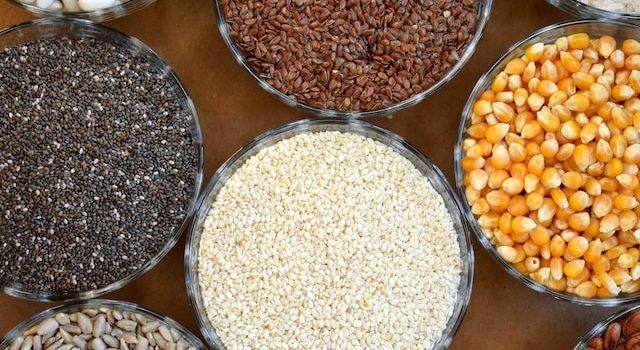
Grains, a staple in many diets, can be a source of discomfort for some individuals. Grain intolerance and sensitivity are conditions that can manifest through various digestive symptoms. In this article, we explore the common symptoms associated with grain intolerance and sensitivity, shedding light on the impact grains can have on digestive health and the importance of identifying and managing these conditions.

  1. Bloating and Abdominal Discomfort:

One of the most prevalent symptoms of grain intolerance and sensitivity is bloating, characterized by a feeling of fullness and distension in the abdomen. Consuming grains can lead to the accumulation of gas in the digestive system, causing bloating and discomfort. This symptom is often accompanied by a sensation of heaviness and tightness in the abdominal region.

  1. Diarrhea and/or Constipation:

Grain intolerance and sensitivity can also disrupt bowel movements, leading to changes in stool consistency and frequency. Some individuals may experience diarrhea, characterized by loose and watery stools, while others may suffer from constipation, where bowel movements become infrequent and difficult. These symptoms can be attributed to the impact grains have on the balance of water absorption and transit time in the gut.

  1. Fatigue and Low Energy:

Digestive issues related to grain intolerance and sensitivity can extend beyond the gut. Many individuals report experiencing fatigue and a lack of energy as a result of consuming grains that their bodies cannot tolerate. These symptoms may be due to an immune response triggered by grain consumption, leading to inflammation and a subsequent decrease in overall energy levels.

  1. Skin Problems:

In some cases, grain intolerance and sensitivity can manifest as skin problems. Conditions such as eczema, dermatitis, and acne have been linked to the consumption of grains, particularly those containing gluten. These skin issues are thought to be the result of an inflammatory response triggered by grain consumption in susceptible individuals.

  1. Mood Disturbances:

Grain intolerance and sensitivity can also impact mental well-being. Some individuals may experience mood disturbances such as irritability, anxiety, or depression after consuming grains. The exact mechanisms behind this connection are not yet fully understood, but it is believed that the inflammation caused by grain intolerance may affect neurotransmitter function in the brain, influencing mood and emotional states.

Conclusion:

Grain intolerance and sensitivity can cause a range of digestive symptoms that can significantly impact an individual’s quality of life. Bloating, abdominal discomfort, diarrhea, constipation, fatigue, skin problems, and mood disturbances are common indicators of grain-related issues. It is important to listen to your body, keep a food diary, and consult with healthcare professionals or registered dietitians to identify and manage grain intolerance or sensitivity. Through personalized dietary adjustments and informed decision-making, individuals can find relief and improve their overall digestive health.


Title: 6 Supplements That Could Do More Harm Than Good

Introduction:

In a world where wellness and self-care have taken center stage, dietary supplements have become increasingly popular. From vitamins to herbal remedies, these products promise to enhance our health and well-being. However, not all supplements are created equal, and some can even pose risks to our health. In this article, we will explore six supplements that could potentially do more harm than good.

  1. Ephedra: A Dangerous Stimulant

Ephedra, also known as ma-huang, gained notoriety as a weight loss aid due to its stimulant properties. However, this herbal supplement has been associated with serious side effects, including high blood pressure, heart palpitations, and even stroke. In 2004, the U.S. Food and Drug Administration (FDA) banned the sale of ephedra-containing products due to these health concerns. It’s crucial to be cautious when considering weight loss supplements and consult a healthcare professional for safer alternatives.

  1. Kava: A Risky Relaxant

Kava, a traditional herb used for anxiety and stress relief, has gained popularity as a natural alternative to pharmaceuticals. However, there have been reports of severe liver damage associated with its use. Some countries, including Germany, France, and Switzerland, have banned or restricted the sale of kava products due to safety concerns. If you’re seeking relaxation or anxiety relief, it’s important to explore safer options and consult with a healthcare provider.

  1. St. John’s Wort: Interactions and Sun Sensitivity

St. John’s Wort is often used as a natural remedy for depression. While it may provide relief for some individuals, it can interact negatively with certain medications, such as birth control pills, anticoagulants, and antidepressants. Additionally, it can increase sensitivity to sunlight, leading to skin damage or severe sunburns. If you’re considering St. John’s Wort, it’s vital to inform your healthcare provider about all medications you’re taking and discuss potential risks.

  1. Comfrey: A Risky Remedy

Comfrey, a plant-based supplement, has been used historically to treat wounds and relieve pain. However, it contains compounds called pyrrolizidine alkaloids (PAs), which can cause liver damage and even cancer. Several countries have banned the internal use of comfrey due to these risks. It’s crucial to be aware of potential dangers associated with comfrey and seek alternative remedies under the guidance of a healthcare professional.

  1. Yohimbe: Heart Health Concerns

Yohimbe, an herbal supplement marketed for weight loss and male sexual enhancement, contains an active compound called yohimbine. This substance can increase heart rate and blood pressure, potentially leading to serious cardiovascular issues. The FDA has issued warnings about the risks associated with yohimbe, and its sale is regulated in some countries. If you’re considering yohimbe, consult with a healthcare professional to assess the potential risks.

  1. Calcium Supplements: Kidney Stones and Heart Health

Calcium is essential for maintaining healthy bones, but excessive intake through supplements can lead to adverse effects. High doses of calcium supplements have been linked to an increased risk of kidney stones and potentially even heart disease. It’s important to obtain calcium through a balanced diet and consult a healthcare provider before starting calcium supplements, especially if you have a history of kidney problems or cardiovascular issues.

Conclusion:

While dietary supplements can offer benefits when used correctly, it’s crucial to be aware of potential risks. The supplements mentioned in this article have been associated with various health concerns, ranging from liver damage to cardiovascular issues. Before incorporating any supplement into your routine, it’s essential to consult with a healthcare professional who can provide informed guidance based on your individual health needs. Remember, your well-being should always be the top priority.

Introduction: Teenage nutrition is a topic that is often clouded by misconceptions and myths. With an abundance of information available, it’s important to separate fact from fiction to ensure that teenagers receive accurate guidance when it comes to their diet. In this article, we will debunk common myths surrounding teenage nutrition and shed light on the truth behind them.

  1. Myth: Skipping Meals Helps with Weight Loss. Fact: Skipping meals is not a healthy approach to weight loss for teenagers or anyone else. In fact, it can have adverse effects on their overall health and well-being. Regular meals, including breakfast, provide essential nutrients, energy, and support proper growth and development. Instead of skipping meals, teenagers should focus on making balanced and nutritious choices to maintain a healthy weight.
  2. Myth: All Carbohydrates are Bad. Fact: Carbohydrates are an essential part of a healthy diet and provide the main source of energy for teenagers’ active lifestyles. It is important to differentiate between complex carbohydrates and simple carbohydrates. Complex carbohydrates found in whole grains, fruits, and vegetables are nutrient-rich and provide sustained energy. On the other hand, simple carbohydrates found in sugary snacks and beverages should be consumed in moderation.
  3. Myth: Fat Should Be Avoided. Fact: Not all fats are created equal, and some fats are necessary for teenagers’ growth and development. Healthy fats, such as those found in avocados, nuts, seeds, and fatty fish, are important for brain development, hormone production, and absorption of fat-soluble vitamins. It is important to include these healthy fats in moderation as part of a balanced diet.
  4. Myth: Supplements Can Replace a Balanced Diet. Fact: While supplements can be useful in certain situations, they should not replace a balanced diet. Whole foods provide a wide range of essential nutrients, fiber, and phytochemicals that cannot be replicated by supplements alone. Encourage teenagers to focus on consuming a variety of nutrient-dense foods rather than relying solely on supplements.
  5. Myth: Sports Drinks Are Necessary for Hydration. Fact: Sports drinks are marketed as a source of hydration, but they are often high in sugar and unnecessary for most teenagers. For regular physical activities, water is the best choice for hydration. It is important to educate teenagers about the importance of drinking water before, during, and after exercise to maintain proper hydration levels.
  6. Myth: Dieting is the Key to a Healthy Body. Fact: Focusing solely on dieting can create an unhealthy relationship with food and may lead to disordered eating patterns. Instead of emphasizing strict diets, it is important to promote a balanced approach to eating. Encourage teenagers to make nutritious choices, practice portion control, and engage in regular physical activity for overall health and well-being.
  7. Myth: Healthy Eating is Expensive. Fact: While some healthier food options may have a higher price tag, healthy eating does not have to be expensive. There are many affordable options available, such as fresh fruits and vegetables, whole grains, and legumes. Planning meals, buying in bulk, and cooking at home can also help save money while promoting healthy eating habits.

Conclusion: Clearing up common myths about teenage nutrition is crucial to ensure that teenagers receive accurate information and make informed choices about their diet. By dispelling misconceptions surrounding skipping meals, carbohydrates, fats, supplements, sports drinks, dieting, and the cost of healthy eating, we can guide teenagers toward a balanced and nutritious lifestyle. Encourage them to prioritize whole foods, practice portion control, and maintain a healthy relationship with food, setting them on the path to lifelong health and well-being.

Introduction: Losing weight and burning fat is not solely determined by calories in versus calories out. Our lifestyle factors, such as sleep quality, stress levels, and daily habits, can significantly influence our body’s ability to burn fat. In this article, we will delve into the various lifestyle factors that impact fat burning and explore strategies to optimize our weight loss journey.

  1. The Power of Quality Sleep: Adequate sleep is crucial for overall health and plays a vital role in weight management. Lack of sleep or poor sleep quality disrupts hormonal balance, specifically affecting the hormones ghrelin and leptin. Sleep deprivation leads to an increase in ghrelin, the hormone that stimulates hunger, while decreasing leptin, the hormone that signals fullness. Consequently, individuals who are sleep-deprived often experience stronger cravings, eat more, and have a higher risk of weight gain.
  2. Managing Stress Levels: Chronic stress can sabotage weight loss efforts by affecting both our behavior and physiological responses. Stress triggers the release of cortisol, a hormone that promotes fat storage, particularly in the abdominal area. Additionally, stress often leads to emotional eating, where individuals turn to calorie-dense comfort foods as a coping mechanism. Implementing stress management techniques, such as regular exercise, meditation, and relaxation techniques, can help mitigate the impact of stress on fat burning.
  3. Physical Activity and Exercise: Engaging in regular physical activity is vital for burning fat and achieving weight loss goals. Exercise increases energy expenditure, helps build lean muscle mass, and enhances metabolic rate, all of which contribute to fat burning. Combining cardiovascular exercises, such as running or cycling, with strength training exercises, such as weightlifting or bodyweight exercises, creates an optimal environment for fat loss. Aim for a well-rounded fitness routine that includes both aerobic and strength training activities.
  4. Nutrition and Eating Patterns: What we eat and how we structure our meals also play a significant role in fat burning. Consuming a balanced diet that is rich in whole foods, including fruits, vegetables, lean proteins, and healthy fats, provides the necessary nutrients to support metabolic processes. Additionally, adopting eating patterns, such as intermittent fasting or mindful eating, can help regulate calorie intake and promote fat burning. It is essential to consult with a registered dietitian for personalized nutrition guidance that aligns with individual goals and preferences.
  5. Daily Habits and Lifestyle Choices: Several daily habits can impact our ability to burn fat. Limiting alcohol consumption, as it can interfere with fat metabolism and contribute to excess calorie intake, can be beneficial for weight loss. Prioritizing hydration by drinking sufficient water throughout the day helps maintain optimal metabolic function. Additionally, small lifestyle choices like incorporating more movement into daily routines, such as taking the stairs instead of the elevator or going for short walks, can contribute to increased calorie expenditure and fat burning.

Conclusion: When it comes to burning fat and achieving weight loss goals, lifestyle factors play a crucial role. Quality sleep, stress management, regular physical activity, balanced nutrition, and mindful daily habits all contribute to creating an environment conducive to fat burning. By prioritizing these factors and adopting sustainable lifestyle changes, individuals can optimize their weight loss journey and improve overall well-being. Remember, the path to healthy fat burning is multifaceted, and it is important to approach it with a holistic perspective that encompasses both physical and mental aspects of wellness.

Introduction: As the COVID-19 pandemic continues to evolve, at-home COVID-19 testing kits have emerged as a convenient option for individuals seeking to monitor their health and detect the presence of the virus. However, it is important to understand the appropriate circumstances for using these kits to ensure accurate results and make informed decisions about your health. In this article, we will explore when it is appropriate to use an at-home COVID-19 testing kit, helping you navigate the complexities of testing in different situations.

  1. COVID-19 Symptoms: If you are experiencing symptoms associated with COVID-19, such as fever, cough, shortness of breath, or loss of taste or smell, using an at-home testing kit can provide valuable insights. Testing can help determine whether your symptoms are caused by COVID-19 and guide appropriate next steps, such as self-isolation and seeking medical care.
  2. Known Exposure: If you have had close contact with someone who has tested positive for COVID-19, it is crucial to monitor your health and consider using an at-home testing kit. Testing can provide an early indication of infection, even before symptoms develop. Keep in mind that a negative result does not guarantee that you will not develop the virus later, and it is essential to follow up with additional testing if symptoms persist or worsen.
  3. Pre-Travel Testing: Many countries and airlines require negative COVID-19 test results before allowing travel. At-home testing kits can be a convenient option to meet these requirements. However, it is important to ensure that the specific at-home testing kit you choose meets the criteria set by the destination or airline. Some jurisdictions may require tests conducted by healthcare professionals instead of at-home kits.
  4. Routine Monitoring: Regular testing can be useful for individuals who want to monitor their health and detect potential COVID-19 infections. This is particularly relevant for individuals with higher exposure risks, such as healthcare workers, essential workers, or those in close contact with vulnerable populations. At-home testing kits can provide a convenient and accessible method for ongoing monitoring.
  5. Post-Recovery: After recovering from COVID-19, at-home testing kits can help determine if you are still shedding the virus and potentially contagious. However, it is important to note that some individuals may continue to test positive for several weeks even after they are no longer contagious. Consult with healthcare professionals for guidance on the appropriate timing and frequency of testing during the recovery period.
  6. Supplementing Medical Advice: At-home testing kits can serve as a supplement to medical advice and guidance from healthcare professionals. If you have concerns about your health or potential exposure to COVID-19, consulting with a healthcare provider is recommended. They can provide personalized recommendations on testing, treatment, and monitoring based on your specific circumstances.

Conclusion: At-home COVID-19 testing kits offer a convenient and accessible option for individuals to monitor their health and detect potential COVID-19 infections. Knowing when to use these kits is crucial for obtaining accurate results and making informed decisions about your health. Whether you are experiencing symptoms, have been exposed to the virus, require pre-travel testing, or want to engage in routine monitoring, at-home testing can be a valuable tool. However, it is important to remember that at-home testing should not replace medical advice, and consulting with healthcare professionals remains essential for comprehensive care and guidance.

In the relentless pursuit of healthful living, one must address the pervasive challenge of stress. In a fast-paced and chaotic world, finding balance becomes essential for our overall well-being. In this article, we explore strategies to navigate stress and cultivate resilience, enabling us to lead healthier, more fulfilling lives amidst the chaos.

  1. Recognize the Impact of Stress: To effectively manage stress, it is vital to first acknowledge its impact on our physical and mental well-being. Stress can manifest in various ways, from physical symptoms like headaches and fatigue to emotional challenges such as anxiety and irritability. Understanding the signs and consequences of stress empowers us to take proactive measures to mitigate its effects and regain balance in our lives.
  2. Practice Self-Care and Mindfulness: Self-care and mindfulness serve as powerful tools in combating stress and restoring equilibrium. Engaging in activities that nourish and rejuvenate us, such as taking regular breaks, practicing relaxation techniques, or indulging in hobbies, can help alleviate stress and promote a sense of well-being. Mindfulness practices, such as meditation or deep breathing exercises, can assist in centering ourselves, reducing anxiety, and fostering resilience in the face of adversity.
  3. Cultivate Healthy Boundaries: Establishing and maintaining healthy boundaries is crucial for managing stress. It involves prioritizing our physical and emotional needs and communicating them effectively. Learning to say no when necessary, setting realistic expectations, and delegating tasks can help prevent overwhelm and create a sense of control over our lives. By establishing boundaries, we safeguard our time and energy, enabling us to focus on what truly matters and reducing stress levels.
  4. Foster Supportive Relationships: Navigating stress becomes more manageable when we have a strong support system in place. Cultivating relationships with trusted friends, family, or mentors who provide emotional support and understanding can significantly alleviate stress. Sharing our burdens, seeking guidance, or simply having someone to listen can help put things into perspective and offer valuable insights. Additionally, participating in support groups or seeking professional help can provide a safe space to process and manage stress.
  5. Prioritize Time for Rest and Relaxation: Amidst the chaos, it is essential to prioritize time for rest and relaxation. Engaging in activities that promote restful sleep, such as creating a calming bedtime routine or practicing relaxation techniques, can significantly reduce stress levels. Additionally, incorporating activities like gentle exercise, spending time in nature, or pursuing hobbies that bring joy and relaxation can help recharge and rejuvenate both our bodies and minds.
  6. Embrace a Positive Mindset: Cultivating a positive mindset can be a powerful ally in managing stress. Choosing to focus on gratitude, practicing optimism, and reframing challenges as opportunities for growth can shift our perspective and enhance our resilience. By nurturing a positive mindset, we can develop coping mechanisms and adaptability to effectively navigate stressful situations with greater ease.

In conclusion, finding balance amidst chaos is an ongoing process in the quest for healthful living. By recognizing the impact of stress, practicing self-care and mindfulness, cultivating healthy boundaries, fostering supportive relationships, prioritizing rest and relaxation, and embracing a positive mindset, we can navigate stress more effectively and lead healthier, more fulfilling lives. Remember, it is within our power to create a sense of equilibrium and well-being, even in the midst of life’s challenges.

Title: Drink Up! 5 Ways Increasing Your Daily Water Intake Can Aid in Your Weight Loss Journey

Subtitle: Unlocking the Power of Hydration to Support Effective Weight Loss

[City], [Date] – When it comes to weight loss, we often focus on diet and exercise, neglecting a crucial factor that can significantly impact our progress: water. Increasing your daily water intake can be a game-changer in your weight loss journey. In this article, we explore five ways that staying hydrated can aid in shedding those extra pounds and achieving your weight loss goals.

  1. Curbing Calorie Consumption

Drinking an adequate amount of water can help curb calorie consumption by keeping you feeling full. Sometimes, what we interpret as hunger pangs can actually be signs of dehydration. By sipping water throughout the day, you can avoid mistaking thirst for hunger and reduce the temptation to reach for unnecessary snacks or larger portion sizes. Prioritizing water as your beverage of choice can be an effective strategy to manage your calorie intake and create a calorie deficit for weight loss.

  1. Boosting Metabolic Rate

Research suggests that increasing water intake can temporarily boost your metabolic rate, the rate at which your body burns calories. A study published in the Journal of Clinical Endocrinology and Metabolism found that drinking 500 milliliters of water increased metabolic rate by 30% for about an hour. While the effect may be modest, when combined with other weight loss strategies, such as a balanced diet and regular exercise, this metabolic boost can contribute to overall calorie expenditure and aid in weight loss efforts.

  1. Enhancing Exercise Performance

Proper hydration is essential for optimal exercise performance. When you exercise, your body loses water through sweat, and dehydration can negatively impact your energy levels, endurance, and overall performance. By drinking enough water before, during, and after your workouts, you can stay hydrated and maintain peak physical performance. This allows you to exercise more effectively, burn more calories, and maximize the benefits of your workouts, ultimately supporting your weight loss journey.

  1. Increasing Fat Oxidation

Hydration plays a role in the body’s ability to effectively metabolize and burn fat. Research published in The Journal of Clinical Endocrinology and Metabolism suggests that increased water intake can enhance fat oxidation during exercise. Drinking enough water helps optimize your body’s ability to use stored fat as a fuel source, thereby facilitating weight loss. By staying properly hydrated, you enable your body to tap into its fat stores and promote a more efficient fat-burning process.

  1. Promoting Overall Health and Well-being

Maintaining proper hydration is not only crucial for weight loss but also for overall health and well-being. Water is essential for optimal bodily functions, including digestion, nutrient absorption, toxin elimination, and organ function. By keeping your body hydrated, you support these vital processes, ensuring that your body is functioning optimally and supporting your weight loss efforts.

Tips for Increasing Daily Water Intake

To make sure you’re getting enough water to aid in your weight loss journey, consider the following tips:

  1. Set a Daily Water Intake Goal: Aim to drink at least eight 8-ounce glasses of water per day, or adjust your intake based on individual hydration needs and activity levels.
  2. Carry a Water Bottle: Keep a reusable water bottle with you throughout the day as a visual reminder to drink water regularly.
  3. Infuse with Flavor: If plain water becomes monotonous, infuse it with slices of fruits like lemon, berries, or cucumber to add a refreshing twist.
  4. Use Smartphone Apps: Several smartphone apps are available that can help track your water intake and send reminders to drink water regularly.
  5. Make It a Habit: Incorporate regular water breaks into your daily routine, such as drinking a glass of water before each meal or snack.

Conclusion

In the quest for weight loss, we often overlook the transformative power of something as simple as water. By increasing your daily water intake, you can benefit from its appetite-curbing properties, metabolic-boosting effects, and support for exercise performance. Moreover, proper hydration promotes overall health and well-being, ensuring that your body functions optimally. So, remember to drink up and let water become your weight loss ally on your journey to a healthier, fitter you.

Introduction: When it comes to burning calories and achieving fitness goals, understanding the calorie-burning potential of different workouts is key. Cardiovascular exercises and strength training are two primary types of workouts that can help you torch calories and improve overall fitness. In this article, we’ll crunch the numbers and compare the calorie burn of various cardio and strength training exercises, enabling you to make informed decisions about your fitness routine.

  1. Cardiovascular Exercises: Igniting the Calorie Furnace Cardio exercises are renowned for their ability to elevate heart rate and increase calorie burn. Let’s take a closer look at some popular cardio activities:
  • Running: Running at a moderate pace can burn approximately 300-600 calories per hour, depending on factors such as weight and intensity. As you increase your speed or incorporate intervals, you can significantly boost calorie burn.
  • Cycling: Whether on an outdoor bike or a stationary one, cycling is an excellent cardiovascular exercise. Pedaling at a moderate intensity can help you burn around 400-800 calories per hour, depending on your weight and effort.
  • Jumping Rope: This simple yet effective exercise can burn an impressive 600-800 calories per hour. Jumping rope engages multiple muscle groups and raises your heart rate, resulting in a substantial calorie burn.
  • Rowing: Rowing is a full-body workout that combines cardiovascular and strength elements. A vigorous rowing session can burn approximately 500-800 calories per hour, making it an excellent choice for calorie burn and overall fitness.
  1. Strength Training: Building Muscle and Burning Calories Strength training is often associated with weightlifting and resistance exercises. While the immediate calorie burn may not be as high as in cardio exercises, strength training offers long-term benefits by increasing muscle mass and boosting metabolism. Let’s explore the calorie burn of various strength training activities:
  • Weightlifting: Depending on the intensity and duration of your weightlifting session, you can burn around 200-400 calories per hour. The more challenging the weights and exercises, the higher the calorie burn.
  • Bodyweight Exercises: Exercises such as push-ups, squats, and lunges are effective for strength training and calorie burn. On average, an hour of bodyweight exercises can help you burn approximately 300-500 calories.
  • Circuit Training: Combining strength exercises with minimal rest intervals can elevate your heart rate and maximize calorie burn. Depending on the intensity and duration of the circuit, you can burn around 400-600 calories per hour.
  1. The Impact of Intensity and Duration It’s important to note that the calorie burn estimates mentioned above are general figures and can vary based on factors such as individual fitness level, weight, and effort. Intensity and duration play a significant role in calorie burn during both cardio and strength training exercises. Higher intensity workouts tend to result in a higher calorie burn, while longer duration workouts can accumulate more calories burned overall.

Conclusion: Comparing the calorie burn of different types of cardio and strength training exercises allows you to make informed decisions about your fitness routine. Cardio exercises like running, cycling, jumping rope, and rowing can help you torch calories and improve cardiovascular fitness. Strength training, including weightlifting, bodyweight exercises, and circuit training, not only builds muscle but also contributes to calorie burn in the long term. Remember that individual factors, intensity, and duration can influence calorie burn. Consult with fitness professionals to design a well-rounded workout plan that suits your goals and preferences. With dedication and consistency, you can achieve your fitness objectives and lead a healthier, more active lifestyle.

Introduction: Caffeine, a widely consumed stimulant, can have both positive and negative effects on our health and productivity. The key lies in finding the optimal caffeine intake that suits our individual needs. In this article, we explore how to personalize your caffeine consumption to enhance your well-being and productivity while minimizing potential risks.

Understanding Your Sensitivity: Everyone’s sensitivity to caffeine varies. Factors such as age, body weight, metabolism, and individual tolerance levels can influence how we react to caffeine. It’s important to be aware of your own sensitivity and observe how caffeine affects your body and mind.

Start with a Baseline: If you’re unsure about your caffeine sensitivity, it’s best to start with a baseline. Begin by consuming a small amount of caffeine, such as a cup of coffee or tea, and pay attention to how it makes you feel. Take note of any physical or mental changes, including changes in energy levels, focus, or mood.

Gradually Adjust Your Intake: Once you have established your baseline, you can gradually adjust your caffeine intake based on your personal preferences and desired effects. Some individuals may find that a single cup of coffee in the morning provides the right amount of stimulation, while others may benefit from multiple small doses throughout the day.

Timing Matters: The timing of your caffeine consumption can significantly impact its effects on your health and productivity. Avoid consuming caffeine close to bedtime, as it can disrupt your sleep. Instead, consider consuming it earlier in the day to take advantage of its energizing properties.

Stay Hydrated: Caffeine can have a mild diuretic effect, potentially leading to dehydration. It’s essential to balance your caffeine intake with adequate hydration. Remember to drink water throughout the day to maintain optimal hydration levels and support overall well-being.

Listen to Your Body: As you experiment with different caffeine levels, always listen to your body’s signals. If you notice negative effects such as jitters, restlessness, or increased anxiety, it may be a sign that you have exceeded your optimal caffeine threshold. Respect your body’s feedback and adjust your intake accordingly.

Consider Alternatives: Caffeine is not the only way to boost energy and productivity. If you’re looking to reduce your caffeine intake or explore alternatives, consider incorporating other natural energizers into your routine. Regular exercise, quality sleep, a balanced diet, and staying hydrated can all contribute to increased energy levels and improved productivity.

Consult with Professionals: If you have specific health concerns or are unsure about your caffeine intake, it’s always beneficial to consult with healthcare professionals or registered dietitians. They can provide personalized guidance based on your unique circumstances and help you find the optimal balance for your caffeine consumption.

Conclusion: Finding your optimal caffeine intake is a process of self-discovery and personalization. By understanding your sensitivity, starting with a baseline, adjusting your intake gradually, and paying attention to timing and hydration, you can harness the benefits of caffeine for better health and productivity. Remember to listen to your body’s signals, consider alternatives, and seek professional advice when needed. Ultimately, the goal is to find a caffeine routine that supports your well-being and enhances your daily life.

Title: From Grocery Shopping to Cooking: The Ultimate Guide to Healthy Meal Prep

Subtitle: Streamline Your Healthy Eating Journey with Effective Meal Preparation

Introduction: In our fast-paced lives, finding time to prepare and enjoy healthy meals can be a challenge. However, with the practice of meal prep, you can take control of your nutrition and simplify your cooking routine. From grocery shopping to cooking, this ultimate guide to healthy meal prep will equip you with the knowledge and techniques to streamline your healthy eating journey.

  1. Plan Your Meals: Start by planning your meals for the week ahead. Consider your dietary goals, nutritional needs, and personal preferences. Create a meal plan that includes a balance of proteins, whole grains, fruits, vegetables, and healthy fats. Make a detailed shopping list based on your plan to ensure you have all the necessary ingredients on hand.
  2. Grocery Shopping Tips: When it comes to grocery shopping for meal prep, there are a few strategies that can help you make the most of your time and money. Firstly, stick to the perimeter of the grocery store, where fresh produce, lean proteins, and dairy products are typically located. This will help you focus on whole, unprocessed foods. Secondly, avoid shopping on an empty stomach to prevent impulse purchases. Lastly, consider shopping at local farmers’ markets or joining a community-supported agriculture (CSA) program to support local growers and access fresh, seasonal produce.
  3. Stock Your Pantry: A well-stocked pantry is the backbone of successful meal prep. Ensure you have essential pantry staples such as whole grains (rice, quinoa, oats), legumes (beans, lentils), spices, herbs, healthy oils (olive oil, coconut oil), and condiments (vinegar, soy sauce, mustard). Having a variety of ingredients at your fingertips will make meal prepping more efficient and enjoyable.
  4. Time-Saving Techniques: To make meal prep more manageable, employ time-saving techniques. For instance, pre-cut and wash vegetables, marinate proteins, or prepare sauces and dressings in advance. You can also utilize kitchen gadgets like slow cookers, instant pots, or food processors to simplify cooking tasks. These techniques will help streamline your preparation process and save valuable time during the week.
  5. Batch Cooking: Batch cooking is a key aspect of meal prep. Dedicate a specific time each week to cook larger quantities of staple ingredients. For example, roast a tray of mixed vegetables, bake a batch of chicken breasts or tofu, or simmer a pot of chili or soup. Portion out the cooked components into individual containers to create ready-to-eat meals that can be easily reheated throughout the week. Batch cooking not only saves time but also ensures you have nutritious options readily available.
  6. Portion Control and Storage: Proper portion control is crucial for maintaining a balanced diet. Invest in portion-sized containers or use a food scale to accurately measure and divide your meals. Label each container with the meal name and date to track freshness. Store your prepped meals in the refrigerator or freezer, ensuring they are properly sealed to maintain freshness and avoid cross-contamination.
  7. Embrace Variety: Eating the same meals every day can become monotonous. Embrace variety in your meal prep by incorporating different flavors, textures, and cuisines. Experiment with new recipes, spices, and cooking methods to keep your taste buds engaged. By adding variety, you’ll be more likely to stick to your healthy eating plan and enjoy the process.

Conclusion: Meal prep is a powerful tool for taking control of your nutrition and simplifying your cooking routine. By planning your meals, shopping wisely, stocking your pantry, and employing time-saving techniques, you can set yourself up for success. Embrace the process of meal prep, experiment with flavors, and enjoy the convenience of having nourishing meals at your fingertips.