Introduction: In today’s fast-paced work culture, it’s common for individuals to work long hours without taking adequate breaks. However, taking regular breaks throughout the workday is not only important for your physical and mental well-being, but it can also significantly enhance productivity and overall job satisfaction. In this article, we will explore the importance of taking breaks at work and provide practical tips on how to make those breaks more active, ensuring that you reap the maximum benefits from your time away from the desk.

  1. Boosting Energy and Focus: Taking breaks helps combat fatigue and prevents burnout. Short bursts of physical activity during breaks can boost your energy levels, increase blood flow, and improve cognitive function. Engaging in active breaks allows you to return to work with renewed focus, enhanced concentration, and improved productivity.
  2. Relieving Stress and Enhancing Mood: Breaks provide an opportunity to reduce stress levels and promote positive mental health. Engaging in physical activity during your breaks releases endorphins, the “feel-good” hormones, which can help alleviate stress and boost your mood. Being active during breaks allows you to step away from work-related pressures and return with a refreshed mindset.
  3. Improving Physical Health: Sedentary work environments can have detrimental effects on your physical health. Taking active breaks allows you to counteract the negative impact of prolonged sitting. Physical activities such as stretching, walking, or light exercises during breaks can improve circulation, prevent muscle stiffness, and reduce the risk of musculoskeletal issues. It also contributes to weight management and overall cardiovascular health.
  4. Making Breaks More Active: a. Stretch Breaks: Incorporate simple stretches into your break routine. Stand up and perform stretches for your neck, shoulders, arms, and legs. Focus on relieving tension and promoting flexibility.

b. Walking Breaks: Instead of staying seated during breaks, go for a brisk walk. Step outside if possible or explore the office building. Walking not only gets your body moving but also allows you to enjoy a change of scenery and fresh air.

c. Desk Exercises: Perform quick exercises right at your desk. Engage in activities such as desk push-ups, chair squats, or leg raises. These exercises target different muscle groups and provide a burst of physical activity.

d. Active Socializing: Instead of gathering around the coffee machine or water cooler, invite your colleagues for active breaks. Take a group walk, play a quick game, or engage in active team-building exercises. It not only promotes physical activity but also strengthens team dynamics.

e. Mindful Breaks: Use your breaks as an opportunity for mindfulness. Practice deep breathing, meditation, or yoga stretches to relax your mind and body. Mindfulness breaks can reduce stress and improve mental clarity.

  1. Schedule and Prioritize Breaks: Make a conscious effort to schedule regular breaks throughout your workday. Set reminders or use productivity apps to ensure that you take breaks at appropriate intervals. Treat breaks as essential components of your work routine and prioritize them as you would any other work task.

Conclusion: Taking breaks at work is crucial for your well-being and overall job performance. By incorporating physical activity and making your breaks more active, you can enhance energy levels, relieve stress, and improve both your physical and mental health. Remember to find a balance between work and breaks, allowing yourself time to recharge and engage in activities that promote your well-being. By embracing active breaks, you can create a healthier and more fulfilling work environment for yourself and those around you.


Here are some of the best yoga poses for postpartum recovery and strength:

  1. Cat-Cow Pose (Marjaryasana/Bitilasana): This pose helps stretch and strengthen the back, while also gently massaging the abdominal muscles. Start on your hands and knees, then arch your back upward, dropping your head and tailbone (Cow Pose). Then, round your spine upward, tucking your chin and tailbone (Cat Pose). Flow between these two poses, syncing your breath with the movement.
  2. Bridge Pose (Setu Bandha Sarvangasana): Bridge pose strengthens the glutes, hamstrings, and core muscles. Lie on your back with knees bent and feet flat on the ground. Press your feet down and lift your hips off the mat, engaging your glutes and inner thighs. Hold for a few breaths, then slowly lower your hips back down.
  3. Warrior II Pose (Virabhadrasana II): Warrior II strengthens the legs, opens the hips, and improves balance. Stand with legs wide apart, turn your right foot out, and bend your right knee while keeping your left leg straight. Raise your arms parallel to the floor, with one arm reaching forward and the other reaching backward. Hold the pose, then switch sides.
  4. Child’s Pose (Balasana): Child’s pose is a gentle resting pose that helps release tension and promotes relaxation. Kneel on the mat, then sit back on your heels and lower your upper body forward, resting your forehead on the mat. Extend your arms in front of you or alongside your body. Breathe deeply and allow your body to relax.
  5. Cobra Pose (Bhujangasana): Cobra pose strengthens the back muscles and stretches the chest and abdomen. Lie on your stomach with your palms on the mat next to your shoulders. Press your hands down, lift your chest off the mat, and keep your gaze forward. Engage your core and gently lengthen through the spine. Hold the pose for a few breaths, then lower back down.
  6. Pelvic Tilts: This simple movement helps strengthen the pelvic floor and abdominal muscles. Lie on your back with your knees bent and feet flat on the floor. Inhale, then as you exhale, tilt your pelvis upward, engaging your core and gently lifting your lower back off the mat. Inhale to release and repeat the movement.
  7. Modified Boat Pose: Boat pose strengthens the core and helps tone the abdominal muscles. Sit on the mat with knees bent and feet flat on the floor. Lean back slightly and lift your feet off the ground, finding balance on your sit bones. You can keep your hands on the mat for support or extend them forward. Hold the pose, engaging your core, and breathe steadily.

Remember to listen to your body and modify any poses as needed. Take it at your own pace and gradually increase the intensity and duration of your yoga practice. If you’re new to yoga or have any concerns, it’s always a good idea to consult with a certified yoga instructor or your healthcare provider before starting a new routine.

Here are five fun ways to incorporate cardio into your at-home exercise routine:

  1. Dance Party: Turn up the music and have a dance party in your living room. Let loose and dance freely, incorporating energetic movements and grooving to the beat. Dancing is a fantastic cardio workout that doesn’t feel like exercise. You can even learn new dance routines from online tutorials or join virtual dance classes for added fun and variety.
  2. Circuit Training: Create a circuit training routine that combines cardio exercises with strength-training exercises. Set up stations in different areas of your home, with each station targeting a specific exercise. For example, you can do jumping jacks, push-ups, squat jumps, mountain climbers, and burpees. Move from one station to the next, performing each exercise for a set duration or number of repetitions. This keeps your heart rate elevated while also building strength.
  3. Virtual Fitness Classes: Take advantage of the abundance of online fitness classes available. Join virtual cardio workouts such as HIIT (High-Intensity Interval Training), kickboxing, Zumba, or aerobics. Many instructors offer live-streamed or pre-recorded sessions that you can follow along with from the comfort of your home. These classes provide structure, motivation, and a sense of community while getting your heart pumping.
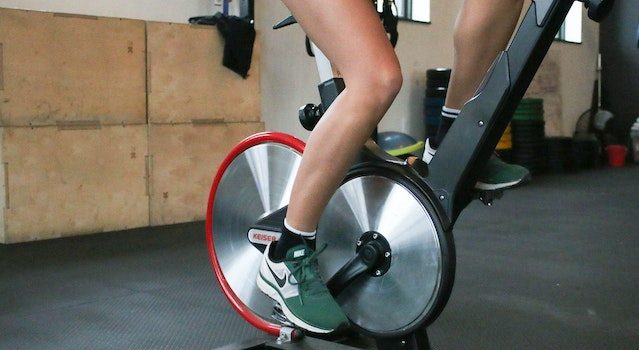
  4. Indoor Cycling: If you have a stationary bike or a bicycle trainer, indoor cycling is an excellent cardio option. Set up your bike in a dedicated space and enjoy a virtual cycling class or follow a cycling workout video. You can simulate various terrains and intensities, adjusting the resistance and speed to challenge yourself. It’s a great way to get a high-intensity cardio workout without leaving your home.
  5. Interval Training with Household Chores: Make your daily household chores more active by turning them into intervals. For example, alternate between doing a set of lunges or squats and then quickly tackling a chore like vacuuming or cleaning. You can also incorporate fast-paced movements while dusting, mopping, or organizing. This way, you’re multitasking by completing your chores while sneaking in bursts of cardio exercise.

Remember to warm up before any cardio activity, stay hydrated, and listen to your body. Make sure to choose activities that you enjoy and that align with your fitness level. By incorporating these fun cardio exercises into your at-home routine, you can make exercising more enjoyable while reaping the cardiovascular benefits.

Introduction: Track and field athletes rely on speed, endurance, and strength to excel in their events. To stay ahead in the race and improve performance, incorporating specific running workouts into your training routine is essential. In this article, we will outline a selection of running workouts designed to enhance your speed, endurance, and overall track and field performance.

  1. Interval Training: Interval training is an effective way to improve speed and anaerobic capacity. Incorporate workouts like 400-meter repeats, where you run at a fast pace for 400 meters followed by a brief recovery jog. Repeat this cycle multiple times, gradually increasing the number of repetitions as your fitness improves.
  2. Fartlek Runs: Fartlek, a Swedish term meaning “speed play,” involves alternating between fast and slow running segments. During a fartlek run, mix up your pace by including bursts of high-intensity sprints or pick-ups followed by a recovery jog. This workout enhances speed, endurance, and mental toughness.
  3. Tempo Runs: Tempo runs help improve lactate threshold, which is crucial for sustaining a fast pace over longer distances. Run at a comfortably hard pace for an extended period, typically around 20-30 minutes, to train your body to maintain a high intensity for a prolonged period. Tempo runs can be done on the track, road, or trails.
  4. Hill Repeats: Incorporating hill repeats into your training builds lower body strength, power, and speed. Find a moderate to steep hill and run up it at a challenging pace, then recover on the way back down. Repeat this cycle multiple times. Hill repeats are especially beneficial for sprinters, middle-distance runners, and cross-country athletes.
  5. Long-Distance Runs: Long-distance runs are important for developing endurance and improving aerobic capacity. Aim for a steady, moderate pace and gradually increase your distance over time. These runs simulate the demands of longer track and field events and improve your ability to maintain pace during races.
  6. Plyometric Exercises: Plyometric exercises enhance explosive power and leg strength. Incorporate exercises such as box jumps, bounding, and skipping to develop fast-twitch muscle fibers and improve your running efficiency. Plyometrics can be performed as part of a warm-up routine or as a standalone workout.
  7. Speed Development Sprints: To improve your acceleration and top-end speed, incorporate speed development sprints into your training. Perform short-distance sprints of 40-100 meters at maximum effort, focusing on proper sprint mechanics and technique. Rest fully between sprints to ensure optimal performance.
  8. Recovery Runs: Recovery runs are low-intensity, easy-paced runs done to facilitate active recovery and aid in muscle repair. They help increase blood flow, promote recovery, and prevent overtraining. Keep these runs at a comfortable, conversational pace to allow your body to recover while still maintaining an active routine.
  9. Track Intervals: Using the track as a training tool, incorporate various interval workouts specific to your event. For sprinters, try 200-meter or 300-meter repeats. For middle-distance runners, include 800-meter or 1,000-meter intervals. Adjust the number of repetitions and pace based on your goals and current fitness level.
  10. Strides: Strides are short, fast sprints of around 80-100 meters performed at near-maximum effort. They help improve running form, increase stride length, and enhance leg turnover. Perform strides after a warm-up or at the end of a workout to improve speed and efficiency.

Conclusion: To stay ahead in the track and field race, incorporating a variety of running workouts into your training routine is essential. By including interval training, fartlek runs, tempo runs, hill repeats, long-distance runs, plyometrics, speed development sprints, recovery runs, track intervals, and strides, you can enhance your speed, endurance, and overall performance on the track. Remember to tailor your workouts to your specific event, gradually progress the intensity and volume, and listen to your body to prevent injuries. With consistent training and dedication, you can maximize your potential as a track and field athlete.

Introduction: CrossFit-inspired exercises have gained popularity for their ability to provide a challenging and comprehensive workout experience. By incorporating elements of weightlifting, cardiovascular exercise, and functional movements, these exercises offer numerous benefits that can enhance your overall fitness. In this article, we’ll explore five key advantages of incorporating CrossFit-inspired exercises into your fitness routine.

  1. Improved Strength and Power: CrossFit-inspired exercises, such as deadlifts, squats, and Olympic lifts, focus on compound movements that engage multiple muscle groups simultaneously. By consistently performing these exercises, you can build overall strength and power. The combination of strength training and functional movements helps you develop functional strength that translates to real-life activities and sports.
  2. Enhanced Cardiovascular Fitness: CrossFit-inspired workouts often involve high-intensity interval training (HIIT) and metabolic conditioning, which push your cardiovascular system to its limits. By incorporating exercises like rowing, running, or cycling into your routine, you can improve your cardiovascular endurance and boost your overall fitness. The intense nature of these workouts also increases calorie burn and helps with weight management.
  3. Increased Functional Fitness: Functional movements are an integral part of CrossFit-inspired exercises. These exercises mimic real-life activities, such as lifting objects, pushing, pulling, and bending. By incorporating functional movements like kettlebell swings, burpees, and box jumps, you can improve your ability to perform everyday tasks with ease, enhance your agility, and reduce the risk of injuries.
  4. Time Efficiency: CrossFit-inspired exercises are known for their efficiency. These workouts often involve high-intensity intervals and circuit training, allowing you to achieve a challenging and effective workout in a shorter amount of time. If you have a busy schedule and struggle to find time for lengthy workouts, incorporating CrossFit-inspired exercises can help you maximize your training sessions while still achieving optimal results.
  5. Community and Motivation: Many CrossFit gyms foster a strong sense of community and provide a supportive training environment. Working out alongside like-minded individuals can be motivating and help you stay consistent with your fitness routine. The encouragement and camaraderie within the CrossFit community can push you to challenge yourself and reach new heights in your fitness journey.

Conclusion: Incorporating CrossFit-inspired exercises into your fitness routine can offer a range of benefits, including improved strength, enhanced cardiovascular fitness, increased functional fitness, time efficiency, and access to a supportive community. Remember to approach these exercises with proper form, gradually progress in intensity, and listen to your body’s needs. Whether you choose to join a CrossFit gym or incorporate these exercises into your own workouts, the versatility and effectiveness of CrossFit-inspired exercises can help you take your fitness to new levels and achieve your health and wellness goals.

Creating a customized indoor cycling routine that fits your schedule is an excellent way to ensure consistency and maximize your workout efficiency. Here’s a step-by-step guide to help you create your personalized routine:

  1. Determine your goals: Define what you want to achieve through your indoor cycling routine. Whether it’s improving cardiovascular fitness, building strength, losing weight, or training for a specific event, having clear goals will help shape your routine.
  2. Assess your availability: Evaluate your schedule and identify the time slots available for your workouts. Consider factors such as work, family commitments, and other responsibilities. Determine how many days per week and the duration of each session you can dedicate to indoor cycling.
  3. Choose your workout frequency: Based on your goals and availability, decide how many days per week you can commit to indoor cycling. Aim for a minimum of 2-3 sessions per week to see progress, but adjust according to your schedule and fitness level.
  4. Select workout duration: Determine the duration of each indoor cycling session based on the time you have available and your fitness goals. It can range from 20 minutes for a quick intense session to 60 minutes or more for longer endurance workouts.
  5. Mix up your workouts: Variety is key to prevent boredom and keep your body challenged. Incorporate different types of workouts into your routine, such as interval training, endurance rides, hill climbs, or strength-focused sessions. This helps target different aspects of fitness and keeps your routine engaging.
  6. Plan for warm-up and cool-down: Allocate time for a proper warm-up and cool-down in each session. A 5-10 minute warm-up prepares your body for exercise, gradually increasing your heart rate and loosening up your muscles. A similar duration of cool-down allows your body to gradually return to a resting state and aids in recovery.
  7. Set specific workout objectives: Define specific objectives for each workout. It can be focusing on increasing intensity, improving endurance, building strength, or working on specific intervals. Setting objectives keeps you motivated and allows you to track your progress.
  8. Be flexible: While it’s good to have a routine, it’s also essential to be flexible. Life happens, and schedules may change unexpectedly. Plan alternative workout options or be open to adjusting your routine when needed to maintain consistency.
  9. Listen to your body: Pay attention to your body’s signals and adjust your routine accordingly. If you’re feeling fatigued or need extra recovery, include rest days or opt for lighter workouts. On days when you have more energy, challenge yourself with more intense sessions.
  10. Monitor and adapt: Regularly assess your progress and make adjustments as necessary. Gradually increase the intensity, duration, or frequency of your workouts to continue challenging your body and achieving your goals. Track your performance and make note of any changes or improvements.

Remember to prioritize rest and recovery days to allow your body to repair and avoid overtraining. Hydrate properly, maintain proper nutrition, and always prioritize safety and proper form during your workouts.

By following these steps and customizing your indoor cycling routine to fit your schedule, goals, and preferences, you’ll be able to create a sustainable and effective workout plan that works for you. Enjoy the process and the benefits of your personalized indoor cycling routine!

Introduction: If you’re looking to burn calories, elevate your heart rate, and have a blast while working out, high-energy dance fitness classes are the way to go. These dynamic workouts combine the power of dance movements with intense cardio exercises, creating an exhilarating fitness experience. In this guide, we will explore some of the best high-energy dance fitness classes that can help you dance away the calories and achieve your fitness goals. Get ready to sweat, move, and have a great time!

  1. Cardio Dance: Cardio dance classes are designed to get your heart pumping and your body moving. These workouts blend various dance styles, such as hip hop, jazz, and Latin, with energetic cardio exercises. With a focus on continuous movement and rhythmic routines, cardio dance classes provide a fun and effective way to burn calories while improving cardiovascular fitness. Get ready to groove to the beat and sweat it out!
  2. HIIT Dance: High-Intensity Interval Training (HIIT) dance classes combine bursts of intense dance moves with short recovery periods. These workouts are designed to maximize calorie burn and boost metabolism. HIIT dance routines often include explosive movements, fast-paced choreography, and interval-based training to push your limits and achieve quick results. If you’re up for a high-energy challenge, HIIT dance classes will definitely get your heart racing.
  3. Dance Party: Dance party classes are all about letting loose, having fun, and dancing like nobody’s watching. These energetic workouts feature a mix of dance styles and music genres, creating a party-like atmosphere. Dance party classes often incorporate freestyle dancing, group routines, and interactive elements to keep the energy high. The focus is on enjoying the music, embracing self-expression, and burning calories in a vibrant and social setting.
  4. Dance Fitness Mashup: Dance fitness mashup classes offer a fusion of different dance styles, combining the best elements of various genres into one high-energy session. These workouts provide variety and keep you engaged by seamlessly transitioning between different dance styles, such as hip hop, salsa, and contemporary. Dance fitness mashups not only challenge your cardiovascular endurance but also enhance your coordination, agility, and overall dance skills.
  5. Dance Aerobics: Dance aerobics classes blend traditional aerobic exercises with dance-inspired movements. These workouts typically feature repetitive, rhythmic patterns that target major muscle groups while increasing your heart rate. Dance aerobics routines often incorporate elements from jazzercise, Zumba, or aerobic dance, offering a well-rounded workout that improves cardiovascular fitness, tones muscles, and burns calories.

Conclusion: High-energy dance fitness classes offer an exciting and effective way to burn calories, improve cardiovascular fitness, and unleash your inner dancer. Whether you prefer cardio dance for its rhythmic routines, HIIT dance for its intense intervals, or dance party classes for their vibrant and social atmosphere, there’s a high-energy dance fitness class to suit your preferences and fitness goals. The key is to find a class that resonates with you, challenges you, and brings joy to your workout routine. So, put on your dancing shoes, let the music guide you, and dance away the calories while enjoying the incredible benefits of high-energy fitness classes.

Here are some homemade, nutritious treats to help you snack smarter:

  1. Veggie Sushi Rolls: Wrap a sheet of seaweed (nori) around a combination of thinly sliced vegetables like cucumber, carrot, avocado, and bell pepper. Roll tightly and slice into bite-sized pieces for a nutritious and satisfying snack.
  2. Chia Seed Pudding: Mix chia seeds with your choice of milk (such as almond milk or coconut milk), a sweetener like honey or maple syrup, and a dash of vanilla extract. Let it sit in the refrigerator overnight, and enjoy a creamy and fiber-rich pudding the next day.
  3. Baked Kale Chips: Toss kale leaves with olive oil, a sprinkle of sea salt, and any desired seasonings. Bake in the oven until crispy for a guilt-free alternative to potato chips.
  4. Homemade Fruit Leather: Blend fresh fruits like strawberries, mangoes, or apples until smooth, then spread the puree onto a baking sheet lined with parchment paper. Bake at a low temperature until the mixture is set. Cut into strips for a naturally sweet and portable snack.
  5. Greek Yogurt Fruit Dip: Mix Greek yogurt with a drizzle of honey and a dash of cinnamon. Use it as a dip for sliced fruits like apple, pear, or banana. It’s a protein-packed and creamy option that will satisfy your sweet tooth.
  6. Quinoa and Vegetable Stuffed Bell Peppers: Cut bell peppers in half and remove the seeds. Fill each half with a mixture of cooked quinoa, sautéed vegetables, and a sprinkle of cheese. Bake until the peppers are tender and the filling is heated through.
  7. Trail Mix Energy Bites: In a food processor, combine nuts, seeds, dried fruits, and a sweetener like dates or honey. Roll the mixture into small balls and refrigerate until firm. These energy bites are perfect for a quick and nutrient-dense snack.
  8. Roasted Chickpea Salad: Toss cooked chickpeas with a variety of fresh vegetables like cherry tomatoes, cucumber, and bell peppers. Season with herbs, a squeeze of lemon juice, and a drizzle of olive oil. Enjoy this fiber-rich salad as a light and refreshing snack.
  9. Stuffed Dates: Remove the pits from dates and stuff them with almond butter or cream cheese. For an extra touch, sprinkle them with crushed nuts or a pinch of cinnamon. These sweet and creamy treats are packed with natural sugars and healthy fats.
  10. Veggie and Hummus Wraps: Spread a layer of hummus on a whole wheat tortilla and top it with sliced vegetables like bell peppers, cucumber, and lettuce. Roll it up tightly and cut into smaller pieces for a satisfying and nutritious snack.

These homemade, nutritious treats offer a balance of flavors and nutrients to help you snack smarter. Enjoy their delicious taste and the benefits of wholesome ingredients!

Introduction: The Bible, a complex and ancient text, contains passages that can be challenging to understand. Whether due to cultural differences, unfamiliar language, or the use of symbolic language, decoding difficult passages requires careful analysis and interpretation. In this article, we will explore strategies and approaches to help you unravel the meaning of challenging verses in the Bible, enabling you to gain a deeper understanding of God’s message.

  1. Read in Context: When encountering a difficult passage, read it in its immediate context. Consider the verses preceding and following it to grasp the flow of thought. Pay attention to the surrounding paragraphs or chapters, as they often provide clues to the meaning and purpose of the challenging passage.
  2. Study Historical and Cultural Backgrounds: Immerse yourself in the historical and cultural backgrounds of the passage. Investigate the customs, traditions, and practices of the time in which the text was written. Understanding the historical and cultural context helps shed light on the intended meaning of difficult passages.
  3. Consult Reliable Translations and Study Resources: Utilize reliable translations of the Bible that balance accuracy and readability. Compare different translations to gain a broader understanding of the possible interpretations. Additionally, consult reputable study resources, such as commentaries, Bible dictionaries, and theological works, to access expert insights and explanations.
  4. Seek Cross-References: Search for cross-references to the challenging passage within the Bible. Look for other verses that address similar themes or use similar language. Cross-referencing provides additional context and a broader perspective, aiding in the interpretation of difficult passages.
  5. Identify Literary Devices: Identify and analyze the literary devices used in the passage. Look for metaphors, similes, parables, allegories, and other rhetorical devices. Recognizing these devices helps unravel the intended meaning behind the figurative language and imagery employed.
  6. Consider the Author’s Intent: Explore the author’s intent behind the passage. Investigate the historical background of the author, the audience they were addressing, and the purpose of the writing. Understanding the author’s context and motivations provides valuable insights into the meaning of the passage.
  7. Seek Guidance from Scholars and Teachers: Engage with the insights of biblical scholars and teachers who have studied and interpreted difficult passages. Attend Bible study groups, theological classes, or seminars where you can discuss challenging verses and learn from others’ perspectives. Seek guidance from knowledgeable individuals who can offer insights and clarification.
  8. Pray for Wisdom and Understanding: Approach the study of difficult passages with humility and prayer. Seek the guidance of the Holy Spirit, asking for wisdom and understanding. Trust that God desires to reveal His truth and meaning to those who seek Him. Pray for illumination and clarity as you delve into the challenging passages.
  9. Embrace Mystery and Continual Learning: Recognize that some passages may remain mysterious or open to interpretation. Embrace the humility of acknowledging that not all aspects of Scripture can be fully understood. Emphasize the importance of continual learning and growth in your understanding of God’s Word.

Conclusion: Decoding difficult passages in the Bible requires diligent study, contextual analysis, and reliance on reliable translations and study resources. By reading in context, studying historical and cultural backgrounds, seeking cross-references, identifying literary devices, considering the author’s intent, consulting scholars and teachers, praying for wisdom, and embracing mystery and continual learning, you can unravel the meaning of challenging verses. May your pursuit of understanding deepen your relationship with God and enrich your experience of His Word.

Introduction: Coffee is not just a delightful beverage to start your day; it can also be a valuable ally throughout your entire workout. From the warm-up to the cool down, coffee offers benefits that can optimize every stage of your exercise routine. In this article, we will explore how coffee can improve various aspects of your workout, including energy and focus, muscle activation, endurance, and recovery. Discover the power of coffee and unlock its potential to enhance every part of your fitness journey.

  1. Pre-Workout: Increased Energy and Focus: Starting your workout with a cup of coffee can provide an instant boost of energy. The caffeine in coffee stimulates the central nervous system, increasing alertness and reducing fatigue. By consuming coffee before your warm-up, you can experience heightened energy levels, improved focus, and mental clarity, setting the stage for a productive workout.
  2. Warm-Up: Improved Muscle Activation: Coffee can also enhance muscle activation during your warm-up routine. Caffeine has been shown to increase calcium release in muscle fibers, which improves muscle contractility and responsiveness. By incorporating coffee into your pre-workout routine, you can prime your muscles for optimal performance and activation, leading to more effective warm-up exercises.
  3. Main Workout: Enhanced Endurance and Performance: Coffee’s impact on endurance and performance makes it a valuable companion for your main workout. Caffeine acts as an ergogenic aid, enhancing physical performance and delaying fatigue. By consuming coffee before or during your workout, you can experience improved endurance, allowing you to push harder and exercise for longer durations. This can be especially beneficial during high-intensity or endurance-based activities.
  4. Post-Workout: Accelerated Recovery and Reduced Muscle Soreness: Coffee can continue to support your workout even after you finish. Research suggests that coffee consumption post-workout can promote recovery and reduce muscle soreness. The anti-inflammatory properties of coffee, coupled with its caffeine content, contribute to faster recovery by minimizing exercise-induced inflammation and improving glycogen replenishment. Including coffee in your post-workout routine can help you bounce back faster and maintain consistency in your training.
  5. Cool Down: Mental Relaxation and Recovery: The cool-down phase is essential for transitioning your body from intense exercise to a state of relaxation and recovery. Coffee can aid in this process by promoting mental relaxation. The act of savoring a cup of coffee during your cool-down can have a calming effect on the mind, providing a moment of tranquility and helping you unwind. This mental relaxation is crucial for overall recovery and can contribute to a positive mindset for future workouts.

Conclusion: Coffee can be a valuable asset in improving every part of your workout, from the warm-up to the cool down. By harnessing the benefits of coffee, such as increased energy and focus, enhanced muscle activation, improved endurance, accelerated recovery, and mental relaxation, you can optimize your fitness routine and achieve your goals more effectively. However, it’s important to consume coffee in moderation and consider individual sensitivities to caffeine. So, next time you lace up your sneakers, remember to include coffee as a supportive companion throughout your workout journey, and experience the difference it can make in maximizing your performance and enjoyment of exercise.